
If you’re eyeing Kailua for your first real waves, timing and spot choice matter more than your board. The town’s turquoise bay looks gentle, but it only offers fun, forgiving surf in certain seasons, tides, and winds. You’ll want to know when Kalama Beach turns into a beginner’s playground, what conditions to avoid, how much rentals cost, and which reefs to steer clear of, before you paddle out for that “easy” session.
Key Takeaways
- Kailua works best May–October, with warmer water, gentler swells, and more beginner-friendly conditions than winter.
- Winter (November–March) can bring stronger groundswell and hazards; beginners should either sit it out or use bigger boards and proper reef-safe gear.
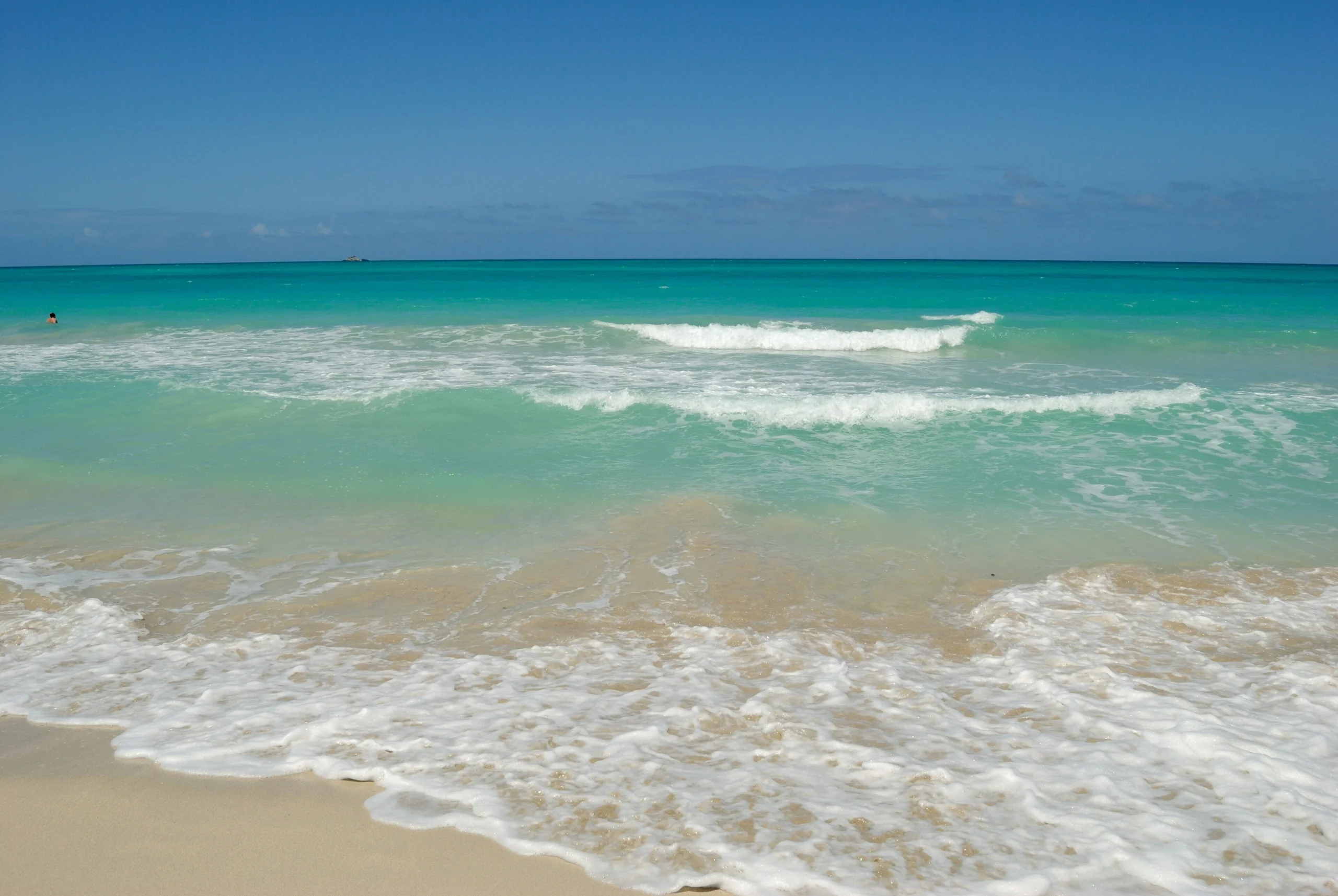
- Kalama Beach is the primary beginner spot, offering mellow sandbars and generally chest-high waves suitable for first-timers and progressing learners.
- Aim for early-morning, mid-to-high tide sessions for cleaner waves; avoid very low tide, which exposes rocks and increases current strength.
- Rent soft-top boards (about $25–$40 including leash and rash guard) from nearby shops, and avoid reefy corners until you have solid turning and control.
When Kailua Surf Turns On (Seasons & Swell)
When Kailua Bay finally wakes up, it feels like the whole shoreline changes in a week. You’ll notice surf seasons more than dates on a calendar. From May to September, gentle summer swells slide into Kailua, fun for longboards and first reef explorations. Crowds stay lighter than on Oahu’s south shore, so you often park free along Kalaheo Avenue. For those learning to surf on Oahu, May to October generally offers the warmest water and mellowest conditions, especially compared with winter’s stronger swells. From November into March, distant storms send a winter groundswell that occasionally wraps into the bay, lifting waist to chest high peaks. Bring a bigger board, reef-safe sunscreen, and booties, and skip flimsy soft-tops, rent gear from nearby surf shops.
How Wind and Tides Shape Kailua Surf
Across Kailua Bay, the waves you actually get to surf depend more on wind and tide than on the forecast swell height.
Morning often feels cleaner, with softer tradewinds that let the swell stand up and peel instead of crumbling. By late morning, onshore breezes roughen the surface and shrink your options.
Early glass-off sessions deliver clean, peeling lines before the trades ruffle everything into chop
Check the tide chart before you wax up. Mid to high tide usually cushions the reef and gives friendlier shoulders. Very low water exposes rocks and speeds up tidal currents, which can tug you down the bay faster than you expect. For Kailua, it’s smart to double‑check tide times using official NOAA tide predictions before you paddle out.
Time it right and you’ll score.
Best Beginner Kailua Surf Spots and Safety Tips
Slide into Kailua’s beginner surf scene with realistic expectations and you’ll have a blast instead of a scare story.
Start at Kalama Beach, where mellow sandbars, chest high at most, feel forgiving.
Mornings before 10 stay cleaner and less crowded.
Rent a soft top for about $25 to $40, ask for a leash and rash guard.
Avoid river mouths after heavy rain, when freshwater rivers push debris and murky water.
Skip reefy corners until you can turn confidently.
If you’re splitting your trip between Kailua and the North Shore, keep your sessions mellow on big-swell days and save heavier surf energy for a dedicated North Shore day trip when conditions and crowds make more sense.
Learn simple board maintenance, rinsing salt, wax, and sand each session.
Pack reef safe sunscreen, plenty of water, and patient stoke.
Frequently Asked Questions
What Gear Do I Need for Surfing Kailua for the First Time?
You need a leash, rash guard, soft top boards, spare fins, wax, and plenty of reef safe sunscreen. Pack water, snacks, a small first aid kit, and reef booties to protect your feet from cuts.
Are There Surfboard Rental Shops and Lessons Available Near Kailua Beach?
Yes, you’re drowning in options: Kailua’s packed with surf school outfits and easy board rental spots, where friendly instructors practically levitate you onto waves and staff fuss over wax, leashes, and sizes like surf-obsessed tailors.
How Crowded Does Kailua Get Compared to Waikiki or North Shore Breaks?
Kailua’s usually less crowded than Waikiki and far mellower than major North Shore breaks. You’ll notice some midday crowding on weekends and holidays, but even during seasonal swell spikes you find plenty of uncrowded peaks.
What Are the Basic Surf Etiquette Rules Specific to Kailua Locals and Visitors?
Like any biblical lineup, you respect localism, yield priority to the peak’s closest surfer, follow paddle etiquette by avoiding the impact zone, maintain lineup spacing, share waves, greet others, and never drop in or snake.
Is There Convenient Parking and Beach Access for Surfers With Large Boards?
Yes, you’ll find decent parking proximity, but spots fill early. Wide beach ramps at Kailua Beach Park help you carry large boards. There’s no board storage or gear lockers, so you keep everything with you.
Conclusion
Wrap it up here: Kailua gives you forgiving waves, warm water, and easy logistics if you time it right. Hawaiʻi sees over 10 million visitors a year, yet you can still find shoulder-high, uncrowded peelers on early summer mornings. Plan for dawn sessions, mid to high tide, and a soft-top rental. Pack reef-safe sunscreen, water, and a rash guard, skip sharp reef corners, and you’ll leave with real skills, not just pretty photos to share.
