
If you plan your Waikiki trip around the weather, you’ll get warmer water, cleaner surf, and fewer soggy afternoons. Winter brings cooler tradewinds and distant north swells, while summer turns humid with soft, beginner‑friendly waves out front. In between, spring and fall feel like a sweet spot, but there are a few catches with rain, wind, and crowds you should know about before you book flights, choose a hotel, or lock in tours.
Key Takeaways
- December–March mornings start in the low 70s with occasional light layers needed; winter surf is stronger but Waikiki stays relatively manageable.
- April–June sees reliable trade winds, comfortable warmth, and improving snorkeling clarity as winds settle surface chop and clear the water.
- July–August are hottest with upper‑70s mornings, lively crowds, softer beginner‑friendly surf, and often calmer early‑morning ocean conditions.
- September–October remain warm and humid, but fading trade winds can make afternoons feel stickier and ocean conditions choppier.
- November brings increasing north‑shore swells while Waikiki’s reefs still offer moderate waves, with shoulder‑season crowds and prices often lower midweek.
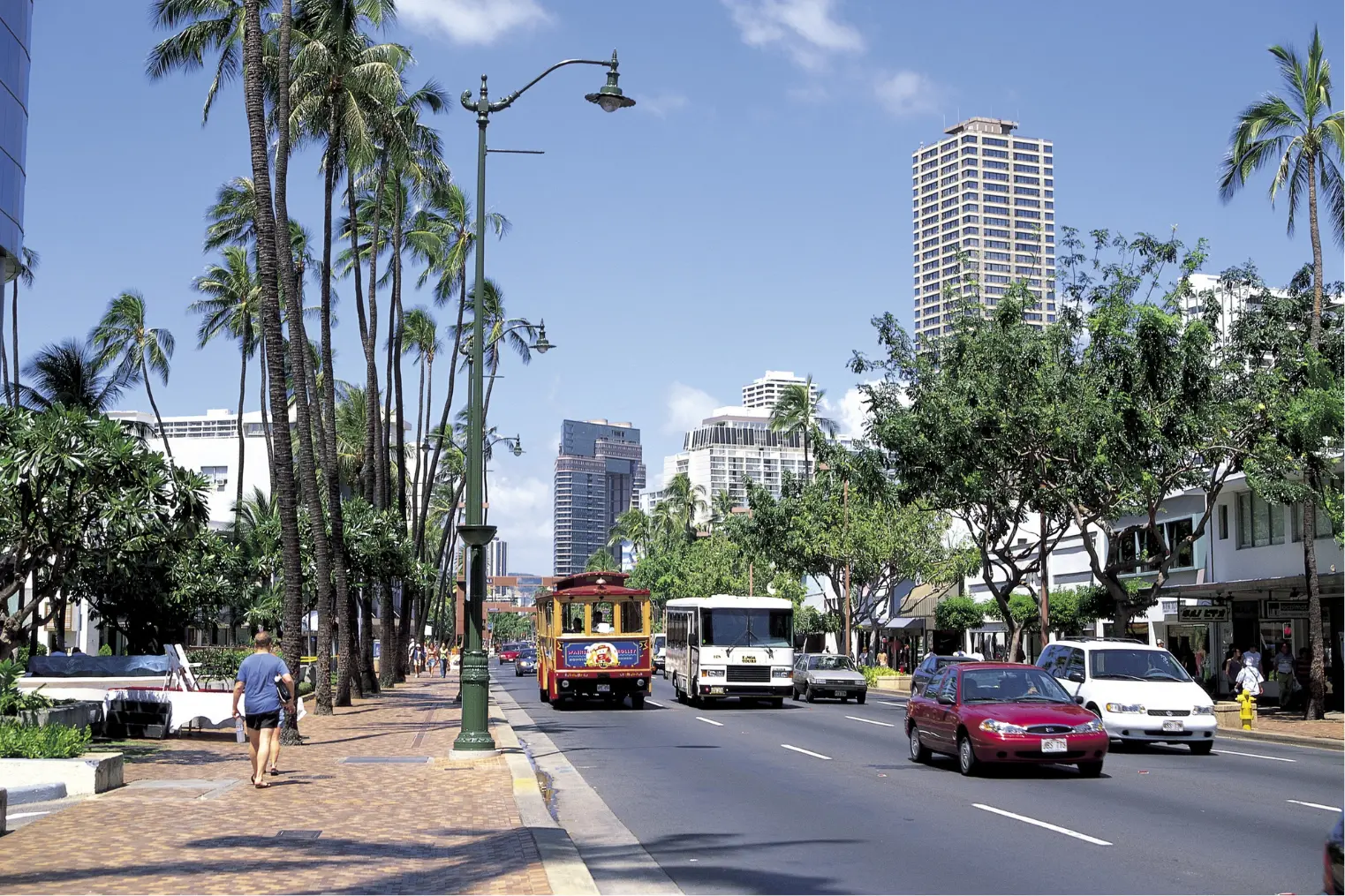
Waikiki Weather by Month: Temps, Rain, and Trade Winds
Although Waikiki feels like eternal summer, the weather actually shifts month by month in ways that can shape your trip.
Waikiki seems like endless summer, but subtle month‑to‑month weather shifts can quietly reshape your stay
You’ll notice it first in the sunrise temperatures, which hover in the low 70s in winter and creep toward the upper 70s by late summer. Pack a light layer for December to March mornings, then lean on breezy shirts the rest of the year.
Humidity trends stay fairly steady, but August and September feel stickier, so you’ll want quick‑dry fabrics and extra water. Summer mornings also tend to be best for calmer ocean conditions, especially if you’re planning to snorkel or swim before the trade winds pick up.
Trade winds are your natural air‑conditioning. They blow most reliably from April through September, cooling hotel balconies and beach parks.
When they fade in October or so, budget more for taxis and indoor, air‑conditioned cafes. Skip heavy jeans and pack sandals.
Waikiki Surf and Ocean Conditions by Month
As the air warms and trade winds rise and fall, the ocean around Waikiki changes too, and that’s what really shapes your days on the water.
Winter swells bring longer rides over the reef, while summer sets soften into rolling, beginner friendly lines. In any month, you’ll notice how tides, wind direction, and cloud cover flip the mood of the lineup within an hour. On especially clear, calm days, you can trade board time for exploring Waikiki snorkeling reefs, where shallow, protected water makes it easy to spot fish between sets.
- Dawn often gives you cleaner faces, fewer boards to dodge, and pastel skies over Diamond Head.
- Midday can feel choppy and bright, better for floating, casual snorkeling, and mindful reef etiquette.
- Late afternoon usually cools off, with glassier water, sunset colors, and relaxed shell collecting at the shore break.
Pack reef-safe sunscreen, a rash guard, and cheap polarized sunglasses today.
Best Time to Visit Waikiki by Weather, Surf, and Crowds
Most visitors quickly learn there isn’t a single “best” time to visit Waikiki, just a best match for your weather, surf, and crowd tolerance.
If you love warm sun and lively sidewalks, June through August suits you, though hotel rates spike and the sand feels busy.
For mellow surf lessons and family swims, April, May, September, and October bring smaller waves and slightly lower prices.
Winter, from November to March, delivers bigger north shore swells while Waikiki stays manageable.
You’ll find some of the best snorkeling on clearer mornings, especially after trade winds return and the water settles.
For truly low crowds, look at midweek trips in May or early November, book flights early, and skip major US holidays to save cash and sanity.
To dodge both peak prices and heavy foot traffic, target the Honolulu shoulder season windows of late April to early June or September through early November, then stack your busiest activities on weekdays instead of weekends.
Frequently Asked Questions
What Should I Pack for Waikiki’s Varying Weather Throughout the Year?
Pack breathable layers, swimsuits, sandals, a light raincoat, and a hat; bring reef safe sunscreen, sunglasses, and a rash guard; add a light sweater, quick-dry shorts, and a compact umbrella for breezy, changeable days too.
How Does Waikiki’s Weather Affect Hiking Conditions and Trail Safety?
Waikiki’s weather shapes hiking safety: heavy showers trigger slippery mud, trail erosion, and flash floods, while summer heat and humidity demand water, sun protection, and earlier start times so you’ll avoid dehydration, fog, and showers.
Are There Specific Weather-Related Health Concerns for Visitors With Respiratory Issues?
Yes, you should watch for vog, high pollen, and humidity triggers that can worsen asthma or COPD. Follow mask guidance, pace activity, stay hydrated, and set medication reminders so you don’t miss inhalers or treatments.
How Does Weather Impact Snorkeling Visibility and Marine Life Sightings Near Waikiki?
Weather directly shapes your snorkeling near Waikiki: calm, sunny days boost water clarity, revealing reefs and turtles, while swell, wind, and rain stir sediment, lower visibility, and change marine behavior, making fish shelter or move.
What Weather Apps or Local Resources Best Track Real-Time Waikiki Conditions?
About 70% of your good sessions start with checking NOAA Weather and Surfline Reports; then you’ll cross-check Magicseaweed, Windy, and @NWSHonolulu on X for real-time radar, swell, wind, and tide changes around Waikiki’s reefs daily.
Conclusion
In Waikiki, the weather writes your itinerary. You chase soft sunrise light in winter, mellow trade winds in spring, warm twilight swims in summer, and quiet, humid walks in fall. Pack reef‑safe sunscreen, a light rain jacket, and cheap reef shoes from ABC Stores. Skip hauling gear and book a well‑reviewed Viator snorkel or sunset sail with hotel pickup and free cancellation, then let the trades, tides, and crowds guide your days.
