You can swim, snorkel, or surf Oahu in the same day if you time the wind and swell. Start early at Lanikai or Ko Olina for glassy water and easy parking, then shift to Hanauma Bay with a paid reservation and reef safe sunscreen, crowds build fast. Grab shade at Ala Moana when trades pick up. For waves, try Waikiki’s Queens or Canoes, skip North Shore in winter unless you’ve got serious chops. Now, where do you go first?
Key Takeaways
- Waikiki (Kuhio/Ala Moana) offers the easiest, amenity-rich swims; go before 10 a.m. for calm water and fewer lesson crowds.
- Lanikai and Kailua deliver glassy morning lagoon-style swimming; arrive before 8 a.m. for parking, and use public access lanes respectfully.
- Ko Olina Lagoons provide breakwater-protected coves with lifeguards and paid parking; show up before 9 a.m. for shade and space.
- Hanauma Bay is Oahu’s premier snorkeling spot; reservations, fees, and a conservation video are required, and beginners should stay in the inner bay.
- North Shore surf peaks in winter north swells; arrive by 7 a.m. for parking, watch conditions, and avoid heavy shorebreak if inexperienced.

Hanauma Bay Snorkeling from Waikiki
Experience Hanauma Bay the easiest way with Waikiki’s most reliable Hanauma Bay shuttle. Our early 5:40 AM pickup gets you in at opening—avoiding...
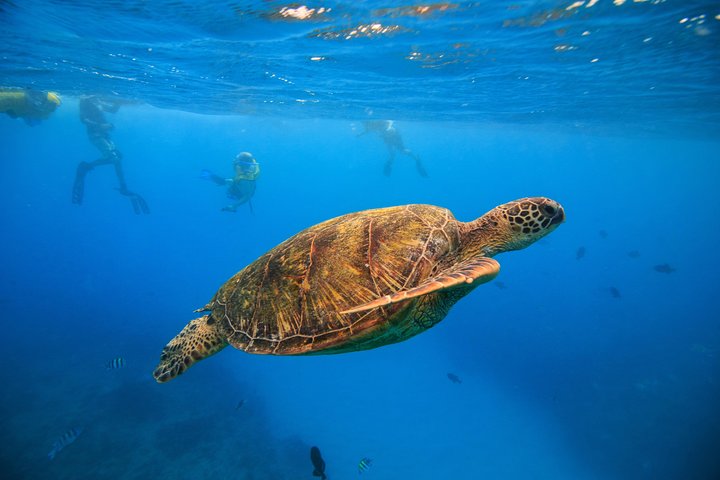
Waikiki, Hawaii: Turtle Canyon Snorkel Excursion
Discover the magic of snorkeling with Hawaiian Green Sea Turtles at Waikiki’s famous Turtle Canyon. On this 2-hour...

Waikiki Turtle Canyon Snorkel: Turtles Guaranteed
Book our Turtle Canyon snorkel tour and experience one of Waikiki’s most popular turtle snorkeling destinations! D...
Oahu Beaches by Coast, Swell, and Trade Winds
Because Oahu’s weather shifts with swell direction and those steady trade winds, the “best” beach changes by coast and even by time of year, so you’ll want to match your plan to the day’s conditions. In winter, big north swells fire up the North Shore, so you’ll arrive early to watch pros and keep kids back from shorebreak. Summer flips it, and south swells add energy to Waikiki at dawn. When trades howl, you’ll feel it on the east side, but you can hide in leeward Wind shadows on the south or west. Check Reef orientation: a reef facing the swell makes punchy peaks, while a side-on reef softens sets and can boost clarity. Bring reef shoes, sunscreen, water, and skip inflatables later. For surfing, beginner‑friendly months from late spring through early fall line up well with Waikiki’s mellow south swells, while winter is when the North Shore comes alive with the largest surf.
Best Calm Oahu Beaches for Swimming (Quick Picks)
Often, the calmest swim on Oahu comes from choosing a beach with a reef-protected lagoon or a tucked-away cove, then showing up early before the wind texture and the parking scramble kick in. Lanikai’s famously soft sand and morning-clear water make it one of Oahu’s most popular glassy lagoon spots, especially on summer weekdays when conditions are typically calm.
| Beach | Best for | Quick tips |
|---|---|---|
| Lanikai | Glassy AM lagoon | Soft sand entry, little shade |
| Ko Olina Lagoons | Breakwater calm | Bring umbrella, paid lots |
| Hanauma Bay | Sheltered bay | Reserve, fee, rocky entry |
| Kailua (Flat Island) | Low chop | Easy water entry, trees |
Pack reef shoes, a small float, and water. You’ll find the calmest water before 9 a.m., especially in summer. For shade options, count on ironwoods at Kailua and bring your own at Lanikai and Ko Olina. Skip big fins in tight lagoons. Crowds build fast; arrive by 7:30 most days, too.
Recommended hotels for this trip
Compare well-reviewed stays from our destination hotel guides, then check live availability for your dates.
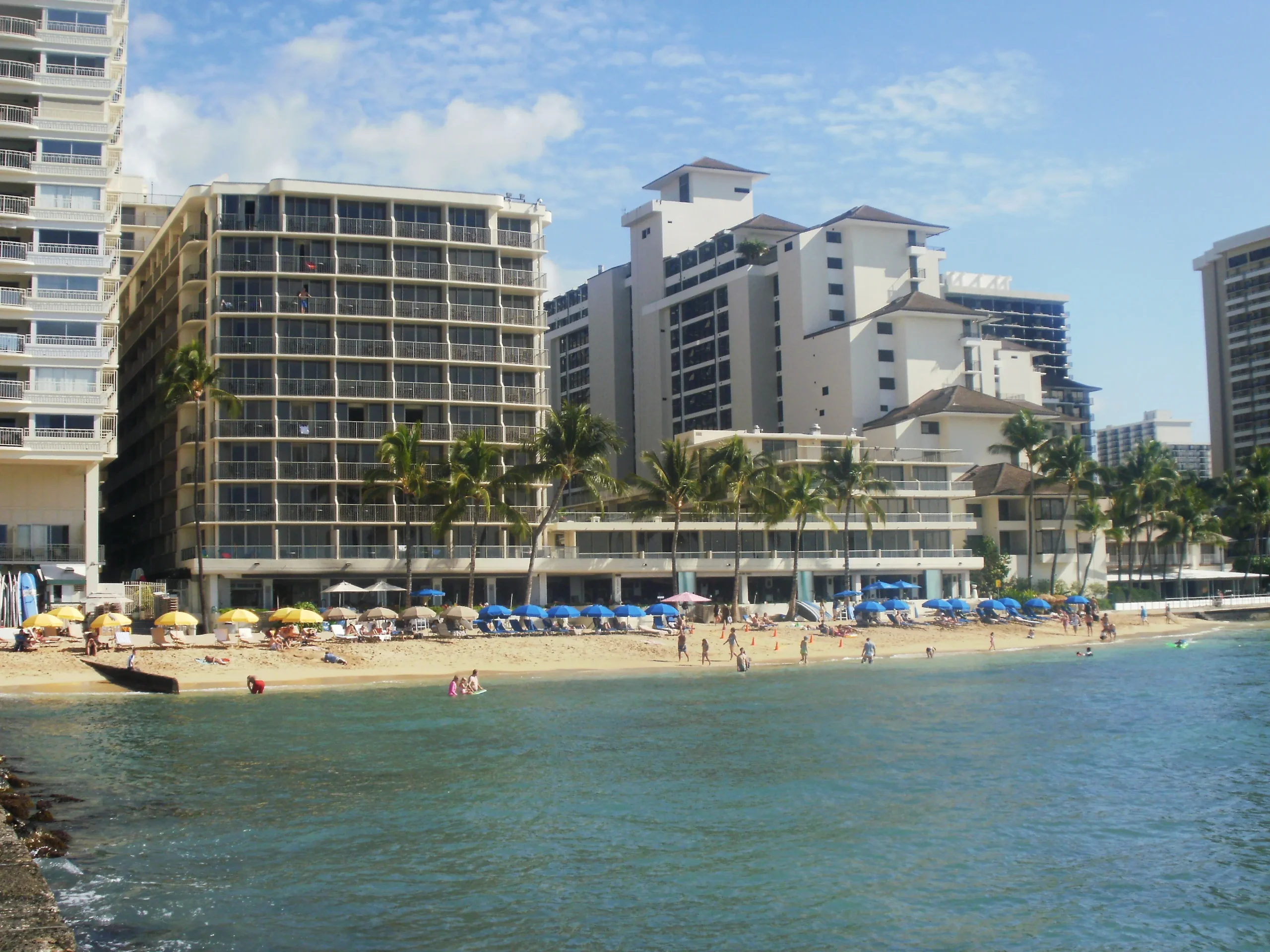 Featured stay
 OUTRIGGER Reef Waikiki Beach Resort
- ATM/banking
- Shopping on site
- Television in common areas
Modern Hawaiian Feel and Ocean Views Experience the allure of Waikiki Beach at OUTRIGGER Reef Waikiki Beach Resort, where beautifully renovated guestrooms offer a modern Hawaiian feel and stunning ocean views. Immerse yourself in luxury amenities…
- Room, 2 Queen Beds, Resort View
- Room Only
- Non-refundable rate
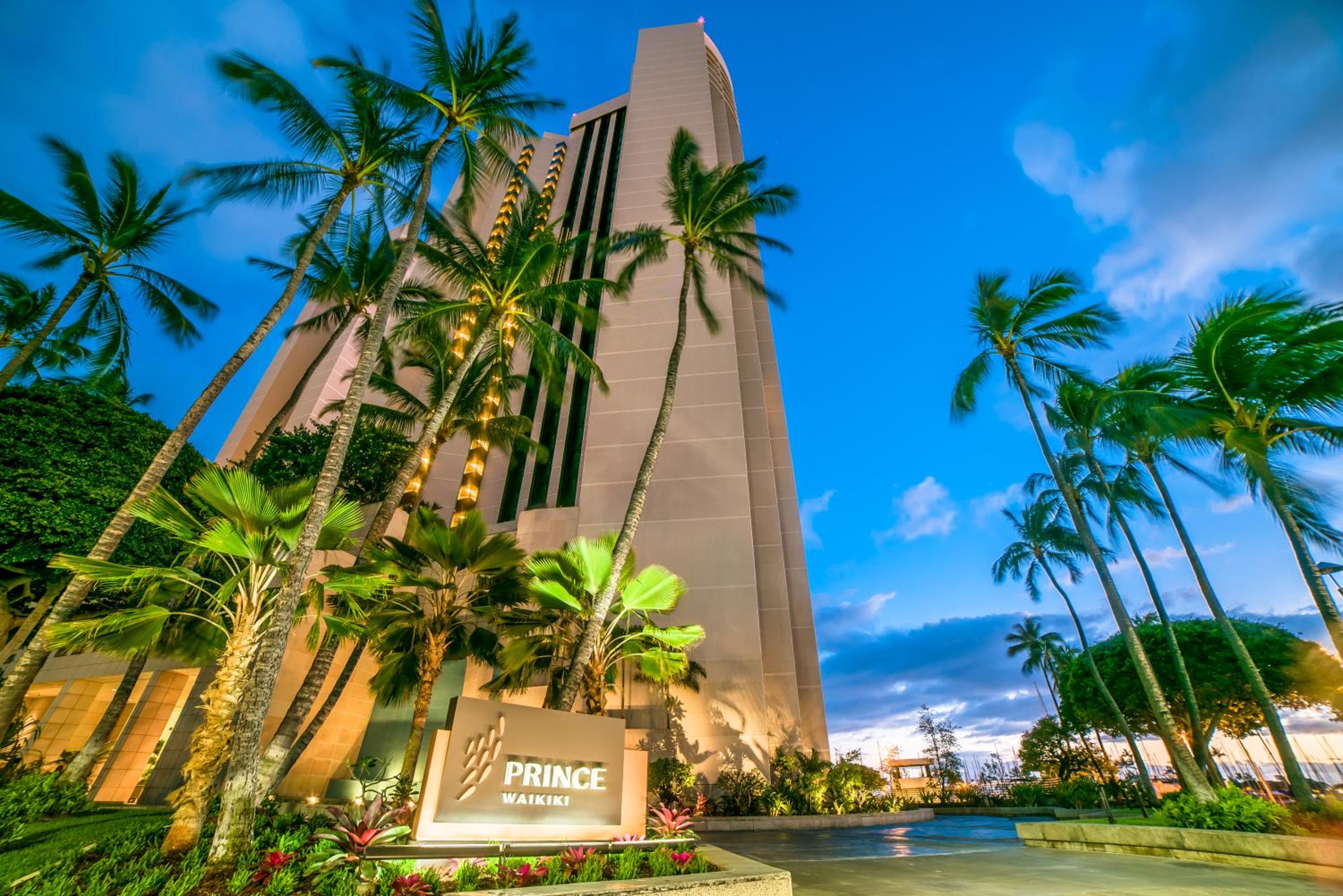 Guest favorite
 Prince Waikiki
- Free WiFi
- Non-smoking rooms
- Air conditioning
Well suited to couples seeking ocean views, families who want two-queen rooms or multiroom suites, convention visitors, and travelers who value pools and on-site dining. It may be less appealing if you want to step directly…
- Oceanfront 2 Queens
- Room Only
- Refundable until Sep 10
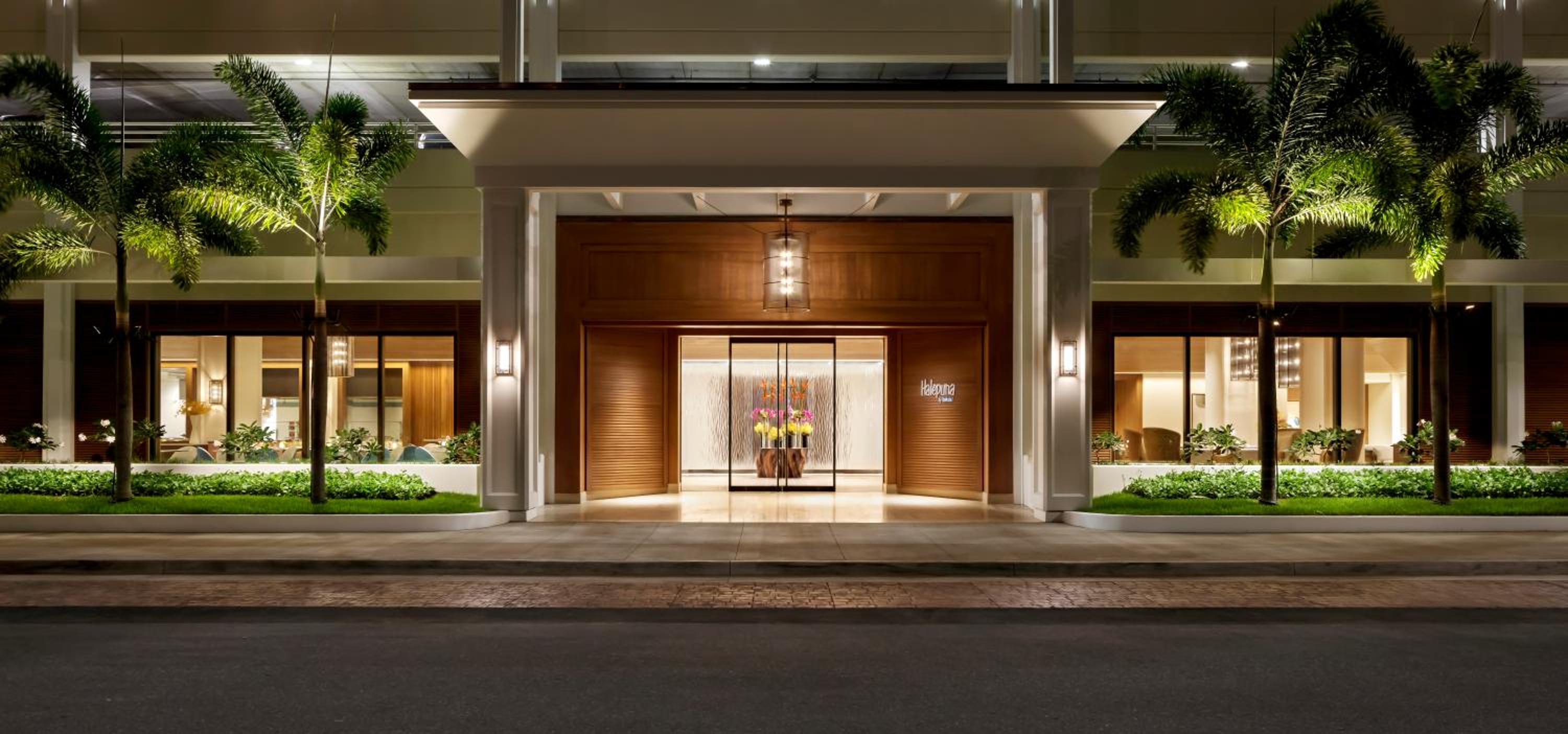 Guest favorite
 Halepuna Waikiki by Halekulani - NO RESORT FEE
- Free WiFi
- Non-smoking rooms
- Air conditioning
You are likely to appreciate Halepuna if you want an upscale, relatively serene stay near Waikiki Beach, restaurants, and shopping, but do not need a beachfront resort campus. Couples and solo travelers can prioritize the king…
- Mountain Waikiki View Two Double Beds
- Room Only
- Non-refundable rate
Waikiki Beach (Oahu): Easiest Swims and Amenities
At Waikiki Beach, you’ll find mellow, waist-deep water most mornings, especially before 10 a.m. when the crowds and chop start to build, so pack reef-safe sunscreen, a rash guard, and skip bulky fins. You can use a Waikiki Beach map to quickly spot the calmest swim zones, beginner-friendly surf breaks, and nearby shade. You can swim inside the flagged areas with lifeguards on duty, then rinse off at the showers, stash your gear by the restrooms, and grab a shaded spot if you arrive early. When you’re done, you’re a short walk from ABC Stores, poke bowls, and shave ice, and if you want a no-stress schedule, a Viator ocean activity with verified reviews, hotel pickup, free cancellation, and reserve now pay later can streamline timing and gear.
Calm Swimming Conditions
Usually, Waikiki Beach gives you one of Oahu’s easiest, calmest swims thanks to its gentle reef break and long, sandy shallows. Kuhio Beach, a protected section of Waikiki with sea walls, is especially beginner‑friendly and ideal for relaxed laps.
Arrive before 9am for the smoothest surface and fewer floaties. In summer, you’ll see calm; in winter, check the swell forecast because sets can sneak in. Stay inside the flagged swimming zone and read the safety signage by access paths. Water clarity runs fair to good on calm days, especially after rain-free mornings; after heavy showers, skip it and grab breakfast instead. Bring reef-safe sunscreen, a rash guard, and a dry bag. Leave fins and big snorkel gear for other coves. If you want timing handled, a Viator swim tour can work, with verified reviews, hotel pickup, free cancellation, reserve now pay later.

Waikiki: 2-hour Turtle Canyon Snorkeling Adventure
Join us for a 2-hour snorkeling adventure at Turtle Canyon, one of Oahu’s top snorkeling spots! Cruise along the s...
Waikiki, Hawaii: Turtle Canyon Snorkel Excursion
Discover the magic of snorkeling with Hawaiian Green Sea Turtles at Waikiki’s famous Turtle Canyon. On this 2-hour...
Waikiki Turtle Canyon Snorkel: Turtles Guaranteed
Book our Turtle Canyon snorkel tour and experience one of Waikiki’s most popular turtle snorkeling destinations! D...
Lifeguards And Facilities
Most days, Waikiki makes beach logistics almost too easy: lifeguards watch the main stretches from their towers, and you’ll find restrooms, outdoor showers, and plenty of shady spots within a short walk of the sand. You’ll notice the top swim areas are closest to the lifeguard towers and flagged zones that mark the safest water conditions for casual swimmers.
Arrive before 9am to beat the towel crowd and snag a calm corner near the flagged swim zone. Pay attention to posted Emergency protocols and color flags, especially after heavy rain. You’ll also see Volunteer stations during events; they’re handy for quick directions, not medical care.
- Lifeguard towers every few blocks
- Free rinse showers and taps
- Restrooms with changing stalls
- Beach wheelchairs on request
- Trash and recycling bins for easy cleanup
Bring reef-safe sunscreen and a small lock; skip glass bottles. At dusk, plan your last dip early here.
Nearby Food And Shops
Step off the sand and you’ll land in Waikiki’s snack-and-supply zone within five minutes, from ABC Stores for water, sunscreen, and a cheap musubi to sit-down spots along Kalakaua Avenue when you want shade and a real plate. Grab poke at Local markets on Kuhio by 10am before lines build, or hit Food trucks near Kapiolani Park after sunset for $12 plates. Use the nearby Waikiki map to spot which beach access paths drop you closest to snack stops and rental shops so you’re not hauling gear farther than you need to.
| Quick stop | Best for | Tip |
|---|---|---|
| ABC Stores | Basics | Go early |
| Beachfront cafés | Coffee | Bring cash |
| Surf shops | Rentals | Book 1hr |
| Food trucks | Dinner | Share fries |
Need fins or a rash guard? Compare Surf shops on Lewers for daily rates, and skip souvenir photo packages. Beachfront cafés pack out at noon. Bring a cover-up for AC, and tip a buck at counter service.
Ala Moana Beach Park: Calm Water and Wide Sand
Often, when Waikiki feels like a shoulder-to-shoulder pool party, Ala Moana Beach Park gives you a calmer reset with wide, pale sand and lagoon-like water protected by an offshore reef. You can wade out fast without waves, and the swim zone stays mellow even on windy afternoons. It’s free, close to town, and the park history shows in old banyans and long seawalls. Dedicated in 1934 as “The Peoples Park” by President Franklin Delano Roosevelt, Ala Moana’s long seawalls and banyan trees are part of a historic shoreline escape right next to downtown.
- Go early, 7–9am, for quiet laps and easy parking.
- Bring reef shoes, a mat, and a small cooler.
- Skip weekends if you hate crowds near the main lifeguard tower.
- Snorkel by the reef edge only in clear water and calm tide.
- Plan sunset picnics, then rinse off at the showers before heading out.
If you’re short on time, rent shade nearby.
Ko Olina Lagoons: Kid-Friendly Oahu Beach Coves
Leave the city’s easy swim at Ala Moana behind and aim west to Ko Olina’s four man-made lagoons, where curved rock walls calm the water into kid-friendly coves with almost no surf. Go early (before 9am) for shade and easier parking, then grab coffee at Ko Olina Station. The sand’s clean, lifeguards watch, and the lagoon edges make shallow snorkeling spots for beginners. Families staying in Waikiki often pair a Ko Olina day trip with a stay at the Outrigger Reef Waikiki Beach Resort for a convenient city-and-coves beach combo.
| Look | Feel |
|---|---|
| Palm shade | Warm sand |
| Glass water | Quiet splashes |
Pack reef-safe sunscreen, water shoes, and a float; skip fins if you’re herding toddlers. You’ll see resort guests, but day visitors can still claim space for family picnics on the grass. Expect paid parking nearby, so bring a card. By midafternoon it’s busier; come at sunset for softer light and breezes.
Still comparing Oahu Snorkeling And Beach Water Activities?
Ask for tour ideas, hotel suggestions, or a simple trip plan that combines both.
Trip Helper
Lanikai Beach: Postcard Water With Limited Parking
Usually, Lanikai looks exactly like the postcards, powdery sand, turquoise water, and the Mokulua Islets floating just offshore, but you’ll work a bit for it because parking’s scarce and there’s no official beach lot. Arrive before 8am or after 4pm or you’ll loop residential blocks and maybe snag a ticket. Use only legal street stalls and follow Lanikai Beach parking etiquette to avoid towing, tickets, and upsetting neighbors. Enter through signed public access lanes, then keep it tidy and quiet.
Postcard-perfect Lanikai takes effort, no beach lot and scarce parking, so go early or late and use public access lanes quietly.
Calm days bring clear shallows for mellow snorkeling; if the trades kick up, just stroll and scout historic fishponds. For sunset photography spots, set up near the palm-fringed end and expect a small crowd.
- Reef shoes, mask, water
- Shade and sunscreen
- Leave valuables at home
- Skip loud speakers
- Consider a Viator shuttle tour with reviews, pickup, free cancellation, reserve now pay later
Kailua Beach Park: Long Swims and Windier Afternoons
Roll into Kailua Beach Park early and you’ll catch glassier water for long, steady swims along a wide ribbon of pale sand backed by ironwoods and picnic lawns. You can use the Kailua Beach guide for up‑to‑date tips on parking, ocean conditions, and nearby activities to round out your day.
By late morning, tradewinds kick up, so switch to a downwind stroll, a body-surf session, or watching kites. Bring a rash guard, shoes for rocks, and a dry bag for your phone.
You’ll find showers, restrooms, and a small paid lot, but expect parking challenges on weekends. Arrive before 8am, or bike in from town.
Keep to posted access points where shoreline erosion has narrowed the beach, and skip setting up under leaning trees.
For a low-stress day, a Viator loop tour with verified reviews offers easy hotel pickup, free cancellation, and reserve now pay later.
Hanauma Bay: Best Oahu Beach Snorkeling + Reservations
Slip into Hanauma Bay early and you’ll see why it’s Oahu’s snorkeling showpiece, a curved volcanic crater with clear, fishy shallows that feel like a natural aquarium. Designated as Hawaiʻi’s first Marine Life Conservation District in 1967, the bay is carefully managed to protect its coral and marine life while still allowing visitors to snorkel.
Reservations sell out, so book online as soon as your dates firm up, expect an entry fee, and arrive at opening to beat the busier midmorning wave.
- Bring reef-safe sunscreen and a rash guard
- Pack water shoes for lava rock
- Watch the required marine conservation video
- Stay in the inner bay if you’re new to snorkeling
- Skip feeding fish, it’s a fineable no-no
If you want easy logistics, choose guided tours with hotel pickup.
A Viator option with verified reviews, free cancellation, and reserve now pay later can bundle tickets and timing, so you float and look.
Sharks Cove: Summer Snorkeling on Oahu’s North Shore
Trade Hanauma Bay’s timed entry and conservation video for the North Shore’s more DIY vibe at Sharks Cove, where summer seas turn this lava-rock pocket into one of Oahu’s easiest snorkel spots. Go 8 to 10am for the clearest water and lighter crowds at Pupukea Beach Park. Parking’s free but tight, so arrive early and pack reef shoes for the volcanic coastline, a mask you trust, and water. Skip long fins; you’ll weave through tide pools and arches. Check the surf report for summer currents and stay inside the cove if swell builds. Bring snacks. For the smoothest experience, enter from the calmer pockets along the rocks and always treat Shark’s Cove safety as your first priority amid the shifting surf and lava ledges.
| You notice | You feel |
|---|---|
| Sunlit coral fingers | Calm wonder |
| Neon fish in crevices | Kid-like delight |
| Salt on your lips | Brave, awake |
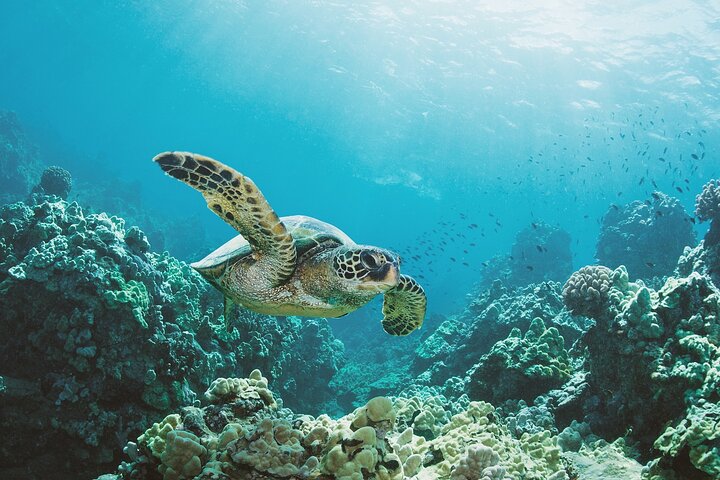
Waikiki: Turtle Canyon Snorkel Adventure on Oahu
Enjoy an exclusive snorkeling adventure in Waikiki with small group sizes for a comfortable and VIP experience. You...
Waikiki Turtle Canyon Snorkel: Turtles Guaranteed
Book our Turtle Canyon snorkel tour and experience one of Waikiki’s most popular turtle snorkeling destinations! D...
Waikiki: 2-hour Turtle Canyon Snorkeling Adventure
Join us for a 2-hour snorkeling adventure at Turtle Canyon, one of Oahu’s top snorkeling spots! Cruise along the s...
Electric Beach: Turtles and Current-Aware Snorkeling
While the sun’s still low and the water looks like polished glass, head to Electric Beach (Kahe Point Beach Park) on Oahu’s leeward side for turtle chances and warm, clear snorkeling that comes with a real asterisk: current. For more details on conditions, entry points, and avoiding hazards, see this guide to Electric Beach snorkeling safety before you go.
Catch morning glass at Electric Beach, warm, clear snorkel water and turtle chances, with one real asterisk: current.
Aim for 8 to 10 a.m. before trade winds and crowds thicken. The offshore outfall creates thermal plumes that pull fish in, but it can also tug you seaward, so you’ll want fins and a buddy for safety. Parking is free, but spots fill fast.
- Bring a snug mask, fins, and a surface float.
- Enter from the sandy cove, not the rocks.
- Keep reef etiquette, no standing, no chasing turtles.
- Skip peak noon, visibility drops and currents sharpen.
- Pack water, reef-safe sunscreen, and a light snack.
Waikiki Surf Breaks: Beginner-Friendly Oahu Waves
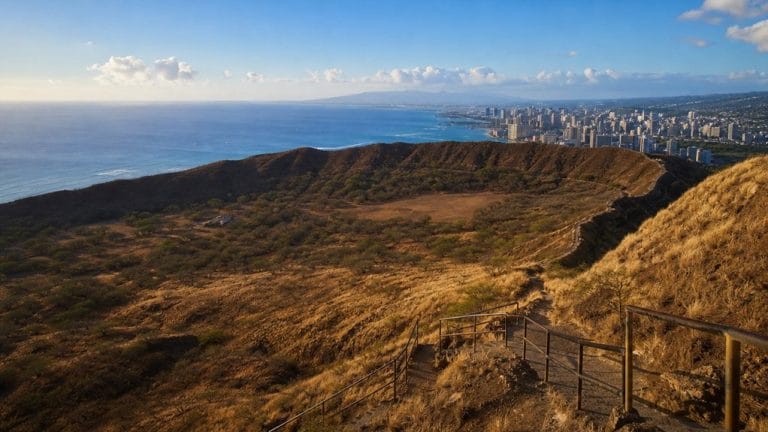
In Waikiki, you’ll find mellow, sandy-bottom breaks like Queens and Canoes that let you pop up without feeling rushed, especially if you paddle out early around 7 to 9am before the lesson packs and longboard traffic fill in. Aim for small south swell days with light trade winds, bring reef-safe sunscreen, a rash guard, and water, and skip the flimsy souvenir leash that won’t last past a few wipeouts. If you want the easiest logistics, a Viator surf lesson with verified reviews, hotel pickup, free cancellation, and reserve now pay later can line up the right tide window and board rental so you’re not stuck in line. If you’re pairing your surf session with a morning hike, the Diamond Head hike is best started between 6:00 and 8:00 am for cooler temps and lighter crowds.
Best Beginner Breaks
Most days, Waikiki serves up the kind of gentle, rolling surf that lets you stand up, wobble, and grin without feeling like you’ve wandered into a pro lineup.
You’ll find beginner peaks off Queens and Canoes, plus forgiving rollers near Pops. Nearby community surfclubs share tips and mellow local etiquette.
On especially calm days, these same breaks can double as easy-access spots for Waikiki snorkeling with clear water and mellow conditions.
- Book soft topboard lessons, $90 to $140 for a group
- Rent a foamie, $20 to $30 for a few hours
- Expect crowds, call out, and take turns
- Wear reef-safe sunscreen, rash guard, and bring water
- Skip hard boards, dangling jewelry, and beach bags
Drop valuables at your hotel and pack a small towel.
If you want everything handled, Viator tours with verified reviews can bundle hotel pickup, free cancellation, and reserve now pay later.
Timing And Conditions
Usually, Waikiki feels friendliest for beginners early in the morning when the trades stay light, the tide sits mid to rising, and you’ll score cleaner, slower lines before the beach fills up. Aim for 7 to 9 a.m., then claim shade by 10 as lessons crowd the peaks. Check tide timing on a chart; too low exposes reef, too high turns sets soft. Scan wind and swell, and glance at visibility forecasts after overnight rain. Bring reef shoes, water, and $5 for a rinse. Weekends pack in, so surf midweek, and wear a rash guard, too. Skip glass and heavy fins. If you need simple logistics, book a Viator lesson with verified reviews and free cancellation, reserve now pay later, and optional hotel pickup. If you want to stack more into your day after a dawn surf, consider a relaxed Waikiki sunset sail in the evening and save dinner for onshore.
North Shore Surf Breaks: Where to Go by Winter Swell
Chase the winter swell up to Oahu’s North Shore and you’ll find a lineup of surf breaks that change character fast with swell size, wind, and tide. Go early, parking fills by 7am, and watch crowd patterns before you paddle out. You can easily pair these surf spots with nearby North Shore Oahu food trucks and scenic pullouts for a full-day loop.
- Small swell: Puaena Point for mellow rights, bring booties for rocks.
- Medium: Haleiwa Alii Beach for playful peaks, skip hard leashes.
- Solid: Rocky Point for punchy drops, wear a helmet if you’re new.
- Big: Sunset Beach for long walls, only if you’ve got fitness and a buddy.
- XL: Pipeline to Waimea, respect seasonal closures and stay on the sand.
Pack a rash guard, water, and $10 for paid lots. If you rent a board, expect $25 to $40, and tip lifeguards with respect.
Frequently Asked Questions
Do Oahu Beaches Have Lifeguards Year-Round, and Which Are Unguarded?
You’ll find lifeguards year-round at many popular Oahu beaches, but guard coverage varies. Seasonal staffing can reduce towers. You’ll often face unguarded remote beaches and private shorelines; check posted signs before swimming and heed alerts.
Are Reef Shoes Recommended for Oahu Beaches With Coral and Lava Rock?
Like armor for your feet, yes, you should wear reef shoes on Oahu’s coral and lava rock beaches. You’ll get reef footwear for foot protection, better traction, and fewer cuts. Skip them only on soft sand.
Can You Snorkel Safely if You’Re Not a Strong Swimmer?
Yes, you can snorkel safely if you’re not a strong swimmer, but you’ll need precautions. Choose guided flotation, stick to shallow snorkeling areas, wear a snorkel vest, and avoid currents and surf entirely.
What Permits or Rules Apply for Commercial Photography on Oahu Beaches?
Check rules, secure permits, follow guidelines: you’ll face permit requirements and location restrictions for commercial photography on Oahu beaches. You’ll apply through state/city agencies, pay permit fees, and obey photography guidelines on crews, gear, hours.
Where Can You Find Accessible Beach Wheelchairs and ADA Beach Access?
You’ll find beach wheelchairs and ADA access through Honolulu’s Parks and Recreation or lifeguard towers at Ala Moana, Waikiki, and Kailua. Call ahead for availability, ramps, and matting; some hotels and nonprofits loan chairs too.
Conclusion
Start early, you’ll beat the parking crunch and catch smooth-as-glass water at Lanikai, Ala Moana, or Ko Olina before trade winds kick up. Pack reef-safe sunscreen, snorkel fins, and a jacket for post-swim shade. Skip glass bottles and don’t fight rip currents. For Hanauma Bay, book your entry in advance and bring cash for snacks. If you want hassle-free timing, a Viator shuttle with verified reviews, hotel pickup, free cancellation, and reserve-now pay-later can help.
Hanauma Bay Snorkeling from Waikiki
Experience Hanauma Bay the easiest way with Waikiki’s most reliable Hanauma Bay shuttle. Our early 5:40 AM pickup gets you in at opening—avoiding...

Oahu Catamaran Snorkel Tour: See Turtles 100% Guaranteed
Experience one Viator's 2025 Top 20 Best Excursions in the country. This Oahu Catamaran snorkel tour offers unbeatab...
Waikiki, Hawaii: Turtle Canyon Snorkel Excursion
Discover the magic of snorkeling with Hawaiian Green Sea Turtles at Waikiki’s famous Turtle Canyon. On this 2-hour...
Waikiki Turtle Canyon Snorkel: Turtles Guaranteed
Book our Turtle Canyon snorkel tour and experience one of Waikiki’s most popular turtle snorkeling destinations! D...