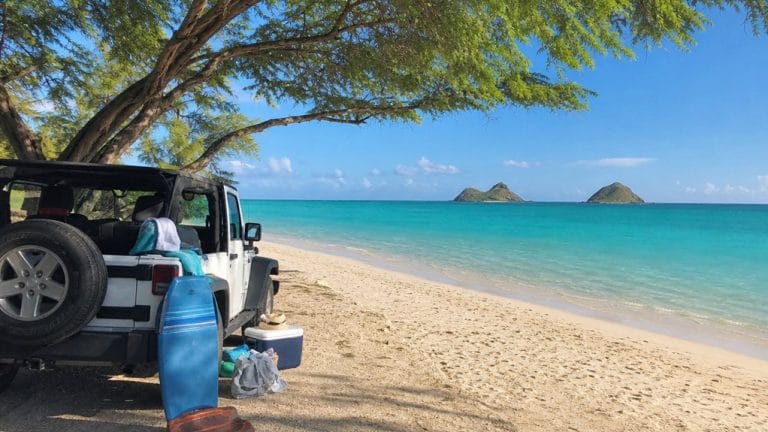
If you want a Kaneohe Bay sandbar trip that feels flexible instead of scripted, a self-guided half-day kayak is a smart pick. You launch from Heʻeia Kea Boat Harbor, set your own pace, and aim for low tide when the sandbar shows its pale, rippled edges and the water stays friendly for wading. You’ll want the wind and route on your side, plus a solid packing list, because one small choice can shape the whole morning.
Key Takeaways
- Best for confident swimmers and paddlers wanting a flexible half-day trip across calm, sheltered Kaneʻohe Bay in a stable tandem sit-on-top kayak.
- Book around morning low tide for the shallowest sandbar conditions, and check NOAA Kāneʻohe Bay or Waikāne predictions before your date.
- Expect about 45 minutes paddling from Heʻeia Kea Boat Harbor to Ahu o Laka, with wind and chop often making the return harder.
- Arrive about 15 minutes early and plan roughly 20 minutes to drive from the Kailua storefront to Heʻeia Kea Boat Harbor.
- Self-guided trips usually include kayaks, gear, a map, and launch directions, but you handle route-finding, timing, and conditions yourself.

Waikiki Turtle Snorkeling & 6-in-1 Adventure with Free Pickup
Experience a special turtle snorkeling adventure in Waikiki aboard a smooth and comfortable catamaran. This all-in-one 6-in-1 ocean tour includes snor...

Half-Day Kaneohe Bay Sandbar Self-Guided Kayaking Experience
- You have full control of your schedule (not possible with most boat tours or similar group experiences). - Kayaks are much more beginner friendly an...
Is This Kaneohe Bay Kayak Right for You?

Picture yourself paddling across calm, sheltered water with the Koʻolau cliffs rising green in the distance and the Kaneohe Bay sandbar glowing pale ahead. If that scene sounds inviting, this Sandbar Self-Guided trip may fit you well. Bay is kayak friendly, and a tandem sit-on-top kayak feels stable, simple, and forgiving. It’s also one of the best sandbar tours for travelers who want a flexible half-day on Kaneohe Bay. Many travelers comparing boat rentals and paddle options choose kayaking for its quieter, more active way to reach the sandbar.
You’ll enjoy this option most if you’re comfortable paddling open water without large open ocean waves and can handle a breezier return later. Timing matters. The Kaneohe Bay Sandbar looks best at low tide, when more pale sand appears under your feet. Bring reef-safe sunscreen, water shoes, and plenty of water because shade doesn’t exist out there. It also helps to confirm launch points and rental details before your paddle day so your half-day plan stays smooth. Skip this if you’re pregnant, have back problems, swim weakly, or feel totally new to a kayak.
Choose Self-Guided vs Guided Sandbar Trips
You’ll want to choose between the freedom of a self-guided kayak and the easy structure of a guided catamaran before you book. If you’re comfortable paddling 30 to 45 minutes from Heʻeia Kea Boat Harbor, watching the wind, and handling your own snorkel gear, a stable tandem kayak gives you flexibility and a quieter ride across calm, reef-protected water. Morning departures that line up with lower low tide usually give you the shallowest, calmest sandbar conditions. If you’d rather let a crew handle routing, tide timing, and the return when the trade winds start to push back, a guided trip can feel safer and a lot less like a surprise leg day. Many visitors compare Kaneohe Bay sandbar tours before deciding which format best fits their comfort level and schedule. Like a kayak and snorkel adventure, this choice often comes down to whether you want independence on the water or a more structured first-timer-friendly outing.
Flexibility Vs Structure
If freedom matters most, a self-guided Kaneohe Bay sandbar trip gives you the widest lane to roam. You choose your launch, your pace, and your stop at Ahu o Laka instead of matching boat tours and their fixed structure. That flexibility feels great when your group wants a quieter rhythm and time to linger over clear shallows and rippled sand. Many travelers compare snorkeling vs kayaking first, but the better fit usually comes down to how much structure you want in the day.
Still, Self-Guided Sandbar days ask more from you. You’ll need to watch NOAA tides, because low tide shows more sandbar while high tide changes the feel entirely. You should also think about the prevailing breeze throughout the bay. Afternoon chop can turn the return into a sweaty leg burner. Since many of the best Windward Coast outings begin from Kaneohe, it also helps to think about how your sandbar plan fits into a broader half-day itinerary. If your crew prefers easier timing and less planning, guided trips offer cleaner structure and fewer moving parts overall. If you want a broader comparison before deciding, looking at boat rentals in Kaneohe Bay can help you weigh flexibility against tour structure.

Oahu Shark Dive on the North Shore
Book the Oahu Shark Dive for a thrilling shark encounter off the North Shore. You’ll travel by boat from Haleiwa H...

Oahu: Submarine Scooter Adventure
Dive into an unforgettable underwater adventure on Oahu’s beautiful Maunalua Bay. Cruise past the iconic Diamond H...

Pearl Harbor Tribute: Arizona Memorial and Honolulu City Tour
This is an executive class Pearl Harbor Tour, which has been double discounted. We have discounted this tour to the...
Navigation And Support
Because route-finding here is simple but support is not, the self-guided sandbar option works best when everyone in your group can swim confidently and handle open-water paddling without backup close by. In Kaneohe, Sandbar Self-Guided trips usually come with a map, clear launch directions, and Kayaks and gear waiting at Heʻeia Kea Boat Harbor.
You’ll still want to confirm the meeting location with Google Maps before heading out from the Kailua storefront. The route itself is straightforward, with the reef helping calm much of the bay, but conditions still shape how the paddle feels. Morning often brings smoother water, bright reflections, and fewer headwinds. By afternoon, the return can feel longer and choppier. If anyone in your group is new to kayaking or unsure in open water, guided support makes more sense.
Effort, Safety, And Cost
While the self-guided sandbar paddle usually costs less than a guided boat or catamaran trip, the lower price comes with real work and real responsibility. From Heʻeia Kea, the Kaneohe Sandbar run Sandbar takes about 30 to 45 minutes each way, and trade winds can turn the return into a sneaky gym session.
Choose Sandbar Self-Guided only if you can read conditions, swim confidently, and manage open water. You’re the one avoiding bigger waves, watching wind chop, and steering clear of reef edges. Bring your own reef-safe sunscreen, water shoes, dry bag, and about a liter of water per person. Pack snorkeling gear too, since shade is nonexistent at low tide. If conditions look rough, switch to a guided boat from Heʻeia Kea. You’ll pay more, but worry less.
Time Your Kaneohe Bay Launch for Low Tide
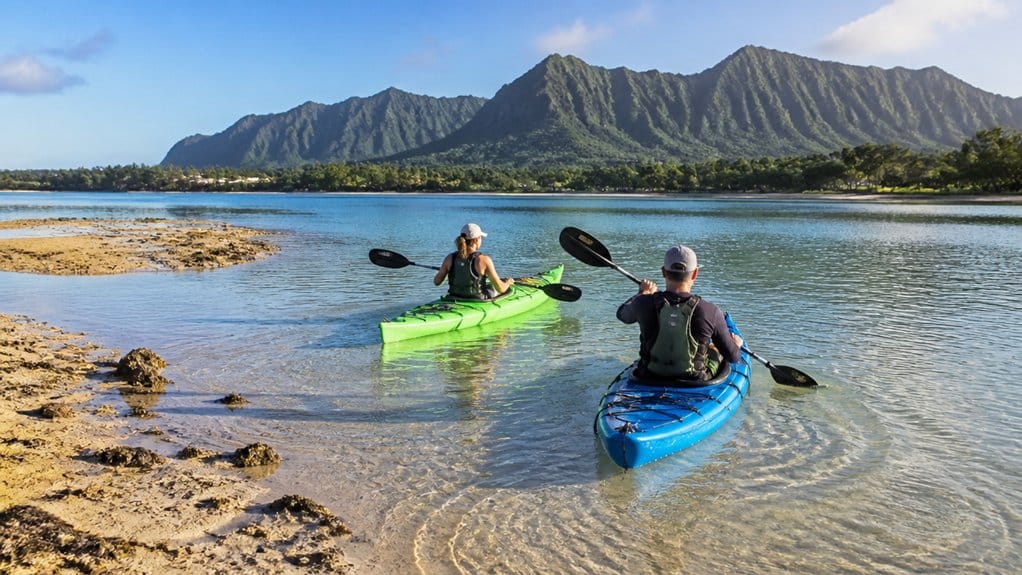
To get the classic Kaneʻohe Bay sandbar moment, time your launch for a low-tide window, when more pale sand rises into view and the water stays shallow enough for easy walking and shin-deep snorkeling.
Before booking your Sandbar Self-Guided Kayak, check NOAA tide predictions for Waikāne and Kāneʻohe Bay, station TPT2777. The NOAA tool allows a date range of up to 31 days, with the From and To fields entered in yyyymmdd format. The bar can seem to vanish at higher water, even inside Kaneohe Bay’s barrier reef, where it may still sit under three to five feet at high tide. An early/morning launch usually gives you the best shot at exposed sand, calmer water, and clearer views below. Oahu visitors comparing water activities often pair calm sandbar mornings with later jet ski tours elsewhere on the island. If the forecast hints at a Tuesday-style conditions shift, aim to reach the bar earlier in your session. For travelers easing into ocean activities, non-swimmers and beginners often do best during these calmer low-tide windows. You’ll likely get easier wading, quieter water, and better snorkeling before the bay starts showing teeth.
Get to Heʻeia Kea Boat Harbor Smoothly
Before your paddling window starts, give yourself an easy 20-minute drive from the Active Oahu Tours Kailua storefront to Heʻeia Kea Boat Harbor and aim to arrive about 15 minutes early.
That buffer helps because your gear all set and ready still needs a quick handoff before launch. Use Google Maps for the Route to the Kaneohe side and look for the Heʻeia Kea Small Boat Harbor area. Then follow the parking/launch map from your confirmation so you can park and walk straight to the kayaks without circling. Since Oʻahu’s wind can build as the day goes on, checking the wind conditions before you leave can help you time your self-guided launch more smoothly. If you’re staying in Kailua beforehand, reviewing some parking tips can help you avoid unnecessary delays on the way over. If you’re arriving via Honolulu Airport, plan your transfer to Waikiki first before heading onward to the harbor. At Heʻeia Kea Boat Harbor, you’ll find a foot rinse spigot and a shower near the canoe club area, with restrooms across from the launch. You may also spot sandbar tour guests milling around the small boat harbor, which makes arrival feel pleasantly lively.
Still comparing Kaneohe Bay Sandbar Self Guided Kayaking?
Ask for tour ideas, hotel suggestions, or a simple trip plan that combines both.
Trip Helper
Know Paddle Time, Route, and Conditions
Usually, the paddle from Heʻeia Kea Boat Harbor to Ahu o Laka takes about 45 minutes, though wind and chop can stretch that clock. On your return, expect rougher water and bigger bumps, so use the “cut them in half” rule and save energy for the ride back to your boat launch.
For the best Sandbar access, check Kāneʻohe Bay tide predictions before you book your Bay Sandbar Self-Guided outing. Low tide exposes more sand, so you can wade in shin-deep water instead of swimming right away. Start in the morning or early afternoon, before trade winds build. If you are traveling with a service dog, review Hawaii’s Oahu-specific rules and prep requirements before heading out for a self-guided water activity. Like planning a Flat Island paddle, timing and wind matter more than distance when you are crossing open water on a self-guided route. You’ll paddle across reef-protected water due to Kaneohe Bay’s natural shelter, then angle towards the shoreline only after your visit. Save Marine Life spotting and snorkeling for later, not the outward crossing. Similar to calm-day spots for snorkeling, protected and low-wind conditions make the outing more manageable.
Pack Gear for the Kaneohe Bay Sandbar
Since the sandbar gives you full sun and almost no shade, smart packing makes the whole outing smoother. Bring reef-safe mineral sunscreen, a wide-brim hat, and a towel or cover-up for Ahu o Laka. Wear water shoes with solid traction, because the sand-and-coral edges can feel awkward underfoot.
Carry at least a liter of water per person. The glare bounces hard off Open Water, and you’ll likely stay out for hours. Pack snorkeling gear if your package doesn’t include it, and add a long rash guard for extra sun protection while you explore the reef. Pack a dry bag for your phone and valuables. If you’re kayaking self-guided, clip on the leash and toss in a light snack. Good gear gives you more control of your schedule, and fewer soggy surprises.
Check Wildlife, Safety, and Booking Policies
While the sandbar feels easygoing, it pays to scan the rules and safety notes before you lock in your booking. In Kaneohe Bay, wildlife protections matter. You’ll likely spot monk seals and sea turtles, but DLNR expects you to admire them from a distance. No selfies with flippers here. On some guided turtle-watching tours, naturalists also explain how to observe turtles without disturbing their resting or feeding behavior. For sea turtles, NOAA recommends a respectful viewing distance of at least 10 feet to avoid causing stress.
Keep at least 50 feet away from Hawaiian monk seals, and give mother seals with pups even more space. Your Sandbar tour also depends on good weather and calm ocean conditions. If you’re pregnant, have back problems, or aren’t comfortable swimming in open water, this may not fit your Hawaii Travel plans. Check reef rules too, since you shouldn’t stand on live coral, and watch for man-of-war stings while snorkeling. Booking terms can give you full control. Look for free cancellation up to 24 hours ahead for a full refund, or a new date if weather turns rough.
Frequently Asked Questions
Can I Bring a Child on My Kayak?
Yes, you can bring a child on your kayak if you follow age requirements, check weight limits, and prioritize child safety. Renting lifejackets improves kayaking comfort, while supervision tips help you keep your child secure.
Are There Nearby Places to Eat After Kayaking?
Yes, you’ll find Local dining options nearby for a quick bite after kayaking, plus casual restaurants closeby and waterfront snack stops. Consider restocking provisions before launch, and plan your post kayak meal timing around return and cleanup.
Is Parking Available at HeʻEia Kea Boat Harbor?
Yes, you’ll find parking at Heʻeia Kea Boat Harbor, but spaces fill quickly. Use parking tips, check local regulations, confirm shuttle options, plan arrival timing, note beach access, and verify rental locations before you go.
Can I Store Valuables While I’M on the Water?
Yes, better safe than sorry, you can store valuables using dry bag essentials, waterproof pouch options, and life jacket pockets. Follow secure storage tips, consider lockable cooler use, and plan post kayak retrieval before launch.
What Cell Service Is Like on the Sandbar?
Cell coverage on the sandbar can be spotty, so you’ll experience limited signals and occasional dead zones. You won’t find Wi Fi access, and carrier variability affects service, but emergency texting may still work sometimes.
Conclusion
Book your kayak, watch the tide, and show up at Heʻeia Kea Boat Harbor 15 minutes early. Then the bay starts to reveal its trick. At low tide, pale sand rises under clear water and the paddle feels almost quiet except for small splashes and wind off the Koʻolau. Stop at Ahu o Laka, slip on water shoes, and wade. Bring reef-safe sunscreen and a liter of water. The best part waits just beyond the harbor.
Half-Day Kaneohe Bay Sandbar Self-Guided Kayaking Experience
- You have full control of your schedule (not possible with most boat tours or similar group experiences). - Kayaks are much more beginner friendly an...
Waikiki Turtle Snorkeling & 6-in-1 Adventure with Free Pickup
Experience a special turtle snorkeling adventure in Waikiki aboard a smooth and comfortable catamaran. This all-in-o...