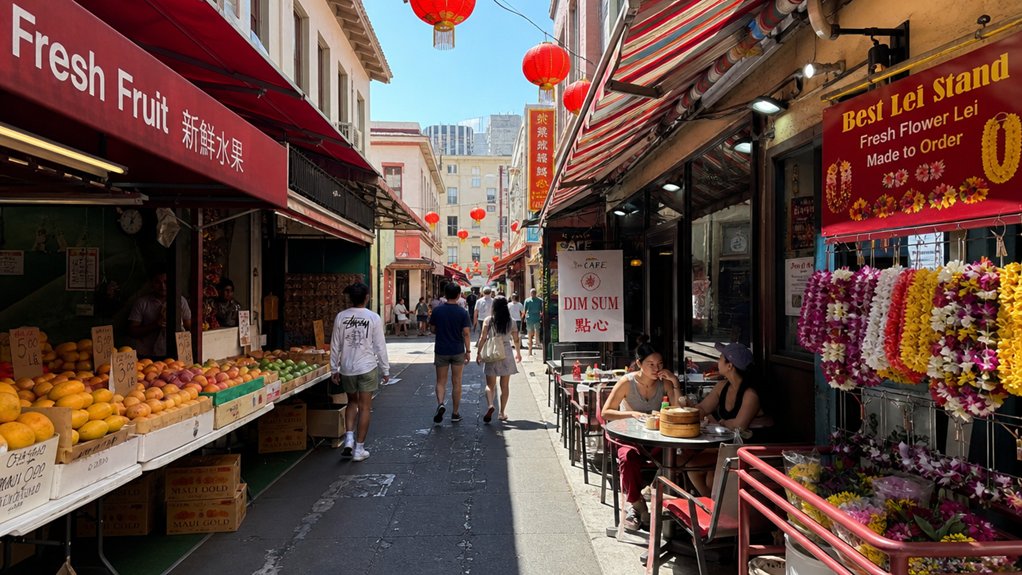
If you’ve got half a day in Honolulu, Chinatown gives you a lot to work with. Go early, when the sidewalks are cooler and steam rises from dim sum carts at Mei Sum. You can walk King Street past markets, murals, temples, and buckets of fresh flowers, then stop for noodles or seafood before dinner crowds roll in. It’s lively, layered, and easier to explore than it first looks, especially once you know where to begin.
Key Takeaways
- Visit Tuesday through Thursday from 8:00am to 11:00am for cooler streets, calmer sidewalks, and bakery cases still full before crowds build.
- Start at Chinatown Gateway and walk King Street toward Smith for a 1.5-mile route through historic blocks, alleys, murals, and temples.
- Make Mei Sum your first true stop around 8:00am for a calmer dim sum experience before the most popular trays disappear.
- Browse Oʻahu Market Center and Maunakea sidewalks in late morning for produce, dried goods, seafood, fruit snacks, and neighborhood energy.
- Finish with quick pastry or tea stops near Hotel Street, then use Maunakea Marketplace for a flexible lunch instead of one long sit-down meal.

Pearl Harbor USS Arizona Memorial Tour from Waikiki
Turn back time as we explore WWII history at Pearl Harbor and relive the infamous Sunday morning of December 7, 1941. Enjoy a half-day tour from Honol...

Oahu: Full or Half Day Grand Circle Island Tour
Choose from two exciting ways to experience Oahu's top attractions, scenic beauty, and local culture.Option 1: Dole Plantation & Haleiwa Town (6.5 H...
Time Your Chinatown Visit
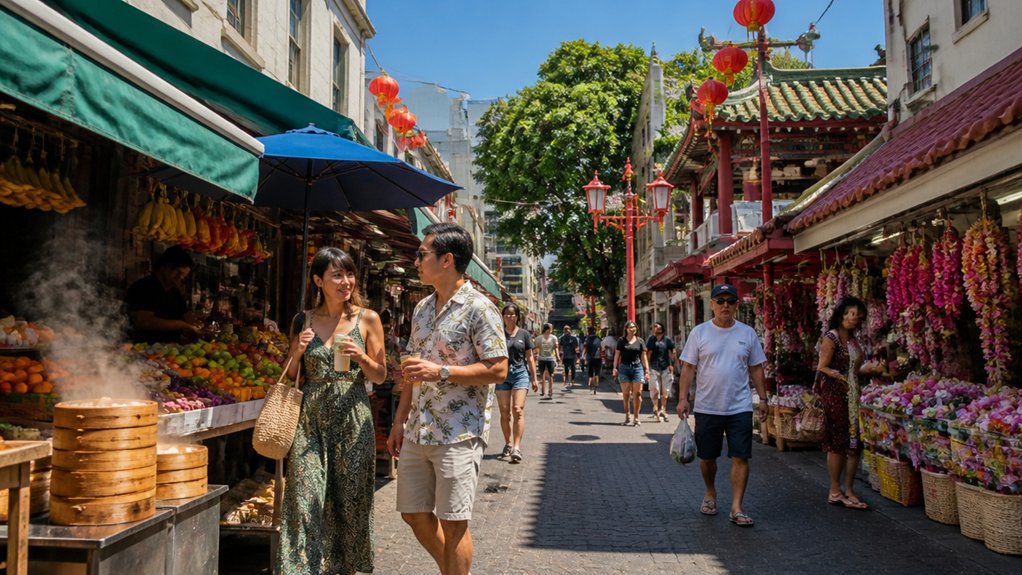
Usually, the best Chinatown half-day starts early, around 8 to 11am, when the streets feel cooler, the sidewalks are easier to navigate, and bakery cases still look full and glossy. You’ll feel the neighborhood waking up as delivery carts rattle by and shop gates roll open. If dim sum is on your list, build your timing around opening hour, because by 10 or 11 lines thicken and the best picks disappear fast. Starting early also leaves room for a few can’t-miss experiences before the neighborhood gets busier.
For the rest of your walking tour, keep late morning for markets and snack stops. Produce looks brighter then, and vendors haven’t sold through the good stuff yet. Weekdays, especially Tuesday through Thursday, are a smart crowd reduction move if you want an easier stroll through nearby streets. Stick mostly to the north-south grid around King and Smith so you don’t waste energy zigzagging. Save dinner or cocktails for later, when you’re ready for crowds and waits. If your visit overlaps with a night market, expect a livelier scene and plan extra time for browsing and street snacks.
Start With Dim Sum at Mei Sum
Why not make Mei Sum your first real stop of the morning? Arrive around 8:00am and settle in early, because the room is calmer then and you’ll beat the later rush. Dim sum service really gets going around 10:00am, so linger and be ready when the carts start rolling.
Recommended hotels for this trip
Compare well-reviewed stays from our destination hotel guides, then check live availability for your dates.
 Featured stay
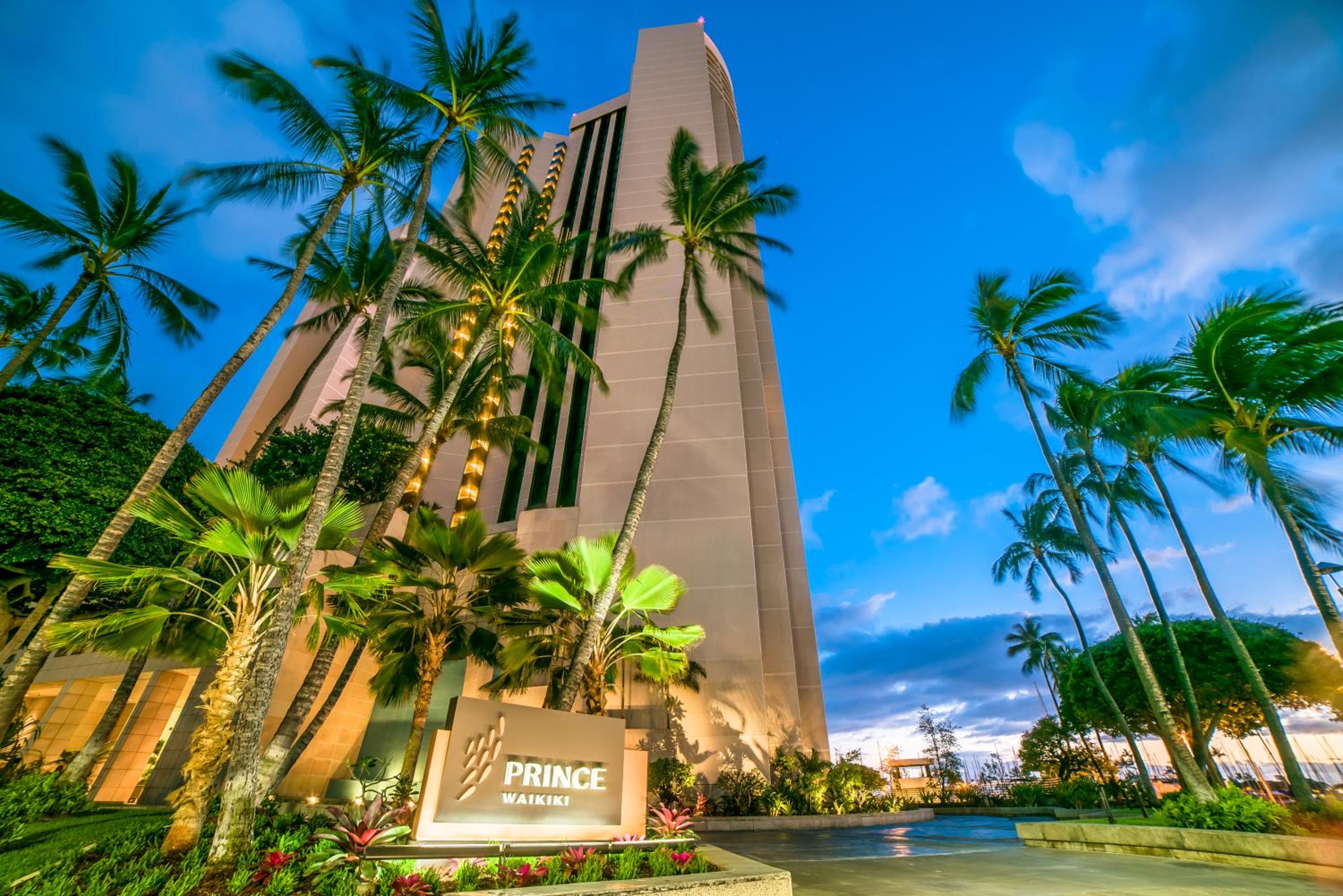
 Prince Waikiki
- Free WiFi
- Non-smoking rooms
- Air conditioning
Well suited to couples seeking ocean views, families who want two-queen rooms or multiroom suites, convention visitors, and travelers who value pools and on-site dining. It may be less appealing if you want to step directly…
- Oceanfront 2 Queens
- Room Only
- Refundable until Sep 13
 Guest favorite
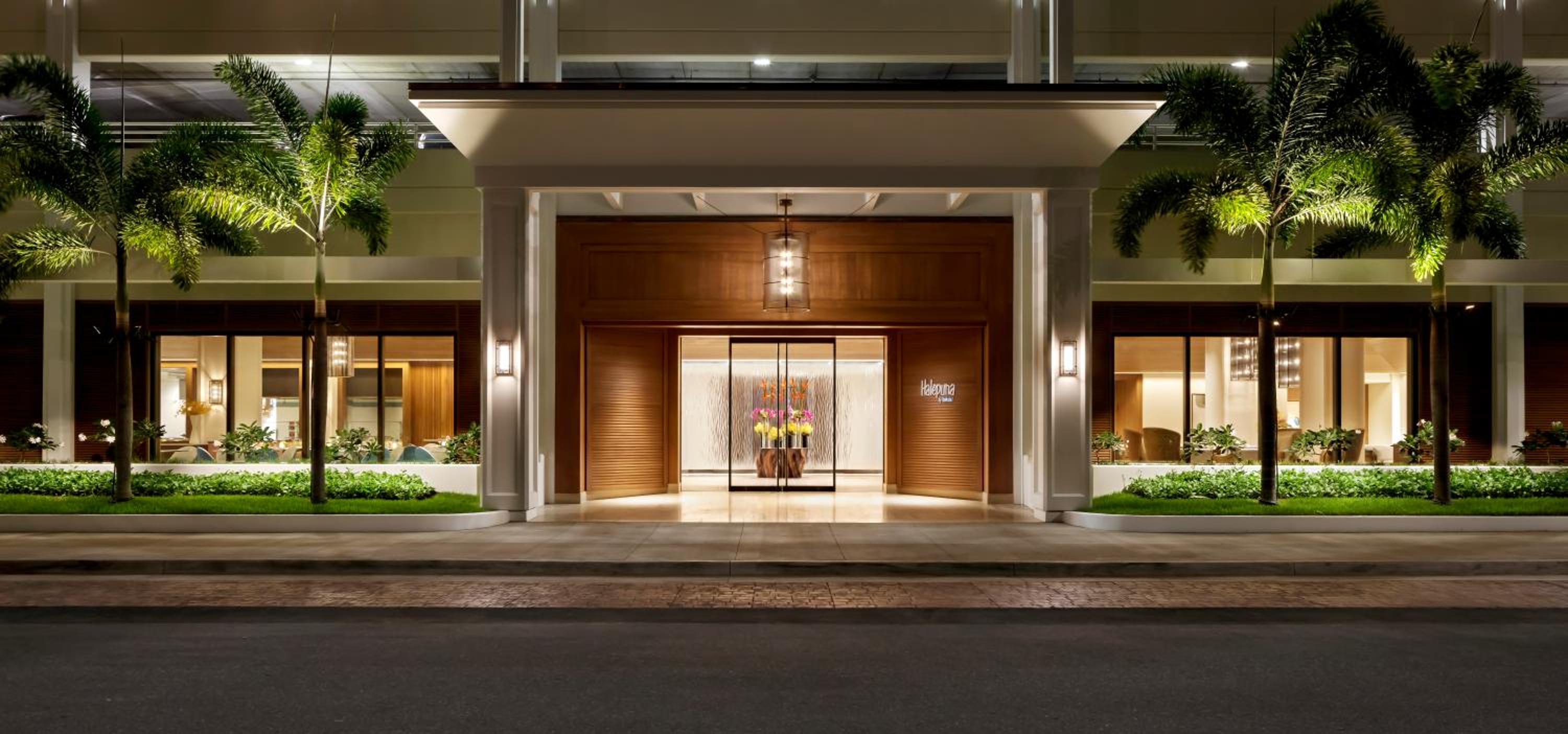
 Halepuna Waikiki by Halekulani - NO RESORT FEE
- Free WiFi
- Non-smoking rooms
- Air conditioning
You are likely to appreciate Halepuna if you want an upscale, relatively serene stay near Waikiki Beach, restaurants, and shopping, but do not need a beachfront resort campus. Couples and solo travelers can prioritize the king…
- Mountain Waikiki View Two Double Beds
- Room Only
- Non-refundable rate
 Guest favorite
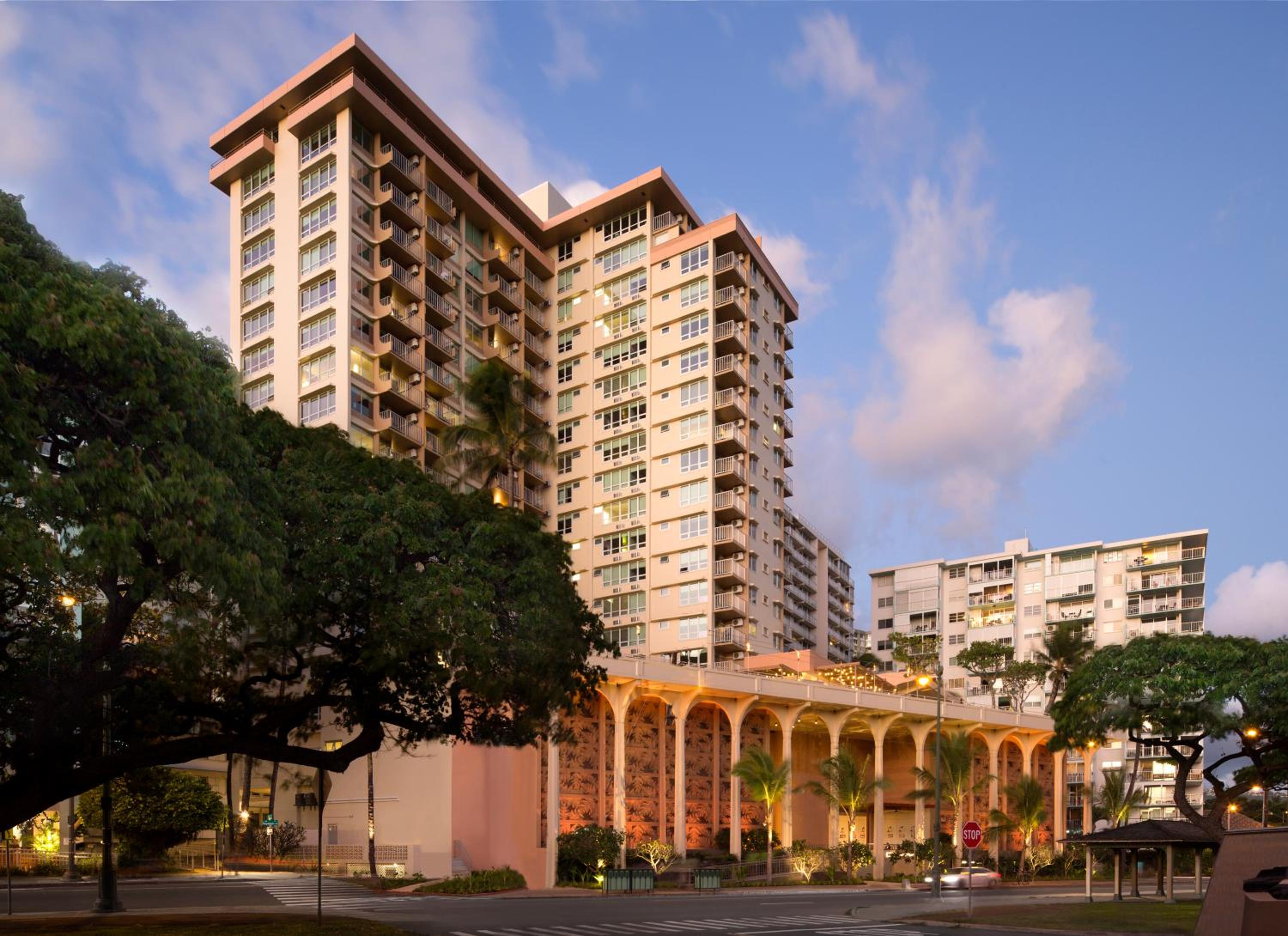
 Queen Kapiolani Hotel
- Free WiFi
- Non-smoking rooms
- Air conditioning
You are likely to appreciate this hotel if location, Diamond Head scenery and easy access to the beach matter more than having a quiet resort compound. Double-queen rooms and larger suites can suit families, while studios…
- Studio with City View
- Room Only
- Non-refundable rate
Make Mei Sum your first true stop: arrive by 8, ease in early, and wait for the dim sum carts to wake.
- steam fogging the glass
- carts rattling past tables
- pink har gow shining
- siu mai stacked in bamboo
- little plates landing fast
Order classic dumplings first, then add a few Chinese mains if you want range. Mei Sum works beautifully as your anchor meal, since you’ll be well fed by late morning. It also gives your half-day shape before Chinatown walking begins in earnest. Go early, stay curious, and keep your chopsticks ready. The best trays disappear fast, no joke.
Take a Short Chinatown Walking Tour
Start near the Chinatown Gateway at N King and Maunakea, then follow King Street toward Smith for an easy 1.5-mile route that lets you wander historic blocks, peek into side alleys, and linger for 2 to 3 hours without backtracking. This stretch is often included in historic walking tours that connect Downtown Honolulu and Chinatown highlights. Along the way, a walking tour of Honolulu Chinatown naturally blends food stalls, market browsing, and historic stops into one easy route. Like planning a half-day stop at Three Tables Beach, this route works best when you keep the pace relaxed and simple. After dim sum, you can browse the 1904 Oʻahu Market Center for produce and dried goods, then keep strolling as the streets shift from market chatter to tucked-away snack stops and the sweet scent of fresh lei. If you’d rather have a local lead the way, you can join a guided tour or simply end at a lei shop like Cindy’s to watch quick, deft hands at work and leave with flowers in tow.

Oahu Shark Dive on the North Shore
Book the Oahu Shark Dive for a thrilling shark encounter off the North Shore. You’ll travel by boat from Haleiwa H...

Oahu: North Shore Shark Cage Diving
Discover the open-ocean world of sharks on this unforgettable Oahu shark cage diving tour. More than just an adventu...

Waikiki 2-Hour Sunset Sailing Catamaran – Swim & Sail Adventure
There’s no better place to take a dip than the crystal-clear waters of Waikiki—and no better way to experience a...
Historic Streets Route
If you want an easy walk with plenty to notice, begin near the Chinatown Gateway at North King and Maunakea and follow King Street toward Smith Street.
This stretch of Honolulu’s Chinatown gives you history without zigzags. From Maunakea St, keep a late-morning pace and watch the streetscape shift block by block. You’ll cover about 1.5 miles in a loose loop and finish in two to three hours, depending on your pauses. It also works well as part of a wider Honolulu map plan if you want to connect Chinatown with nearby neighborhoods and attractions afterward. If you’re planning more Oahu activities later, it helps to know 10 things before booking popular experiences so your half-day stays relaxed. If you want to continue on foot afterward, a Waikiki map can help you compare beach areas, food streets, and other easy walking stops.
- Sunlit 19th-century facades with peeling paint
- Side streets that hint at the 1840s and 1850s
- Open doorways with old tile underfoot
- Faded signs above sturdy brick storefronts
- Busy, well-lit blocks with everyday neighborhood rhythm
Stick to populated streets, trust your curiosity, and let the route reveal a working district that still wears its past in plain sight today.
Markets And Hidden Alleys
Because the best part of Chinatown often hides just off the main blocks, ease into this walk at Oʻahu Market Center at 145 N King St, a covered market that’s served the neighborhood since 1904. Inside Oahu Market Center, you can grab fruit or a quick snack while browsing produce, fresh fish, dried seafood, and even live chickens. For a more local tasting route, follow your market stop with a few quick snack pickups to turn this stretch into an easy half-day food crawl.
Then slip down the narrow lanes off King Street, where the most local storefronts open early and move fast before lunch. You’ll pass Lei shops, family-run ingredient stores, and counters stacked with prepared foods. Use Maunakea Street as your connector, since it links dense clusters of bakeries, food shops, and tiny restaurants tucked between historic buildings. If seafood calls, stop at Hawaiʻi Kai Seafood Market for fresh fish by the pound. Go early. If you want to organize the rest of your day afterward, keep in mind that planning your visit ahead of time can make Honolulu market-hopping much easier. If Bishop Museum is on your itinerary later, it helps to know there are 7 steps to buying tickets online easily.
Guided Tour Options
For a quick way to make sense of Chinatown’s layers, book a short walking tour and let a local guide connect the dots between markets, temples, old brick facades, and side-street stories.
Try Chinatown walking tours like these:
- Wednesday or Friday mornings with the Honolulu Heritage Center, focused on Chinese community history
- Some Saturday architect-led walks from AIA, reading 19th-century buildings like clues
- A 1.5-mile route from Chinatown Gateway down King Street toward Smith Street
- Food-forward stops for dim sum, noodles, and lively market aisles
- Early start times so you dodge lunch lines and still browse later
Short, structured tours work especially well for half-day plans because how long to stay is easier to gauge when the route and timing are clear. These local history experiences are among the best ways to understand how Chinatown fits into Oahu’s wider cultural story.
If you want to extend the morning downtown, Iolani Palace tours are typically timed entry visits Tuesday through Saturday and pair well with an earlier Chinatown walk.
You’ll cover a lot in two or three hours, and the neighborhood starts feeling less like a maze and more like a story you can actually follow, block by block with delight.
Still comparing Chinatown Honolulu Half Day Itinerary?
Ask for tour ideas, hotel suggestions, or a simple trip plan that combines both.
Trip Helper
Browse Markets and Produce Stands
Start your market wander at Oʻahu Market Center, 145 N King St, a covered Chinatown landmark that’s been serving shoppers since 1904. Come in the morning, when bins look fullest and the aisles feel calmer. You’ll see produce, fresh fish, dried seafood, and pantry staples, while nearby Maunakea Marketplace sidewalks tempt you with easy fruit snacks. If you’re visiting without your own wheels, Circle Island Tours are one of the easiest ways to explore more of Oʻahu beyond Chinatown without renting a car.
| Spot | What to do |
|---|---|
| Oʻahu Market Center | Browse early for best selection |
| Produce stalls | Pick fruit for the walk |
| Fish vendors | Check what’s freshest today |
| Hawaiʻi Kai Seafood Market | Buy fish by the pound |
| Timing | Aim for early afternoon latest |
If seafood calls, walk to Hawaiʻi Kai Seafood Market at 1129 Maunakea St. It’s typically open daily, and you can shop by the pound like a local. If you’re planning a beach stop later, remember that calm days can make places like Lanikai better for scenery than surfing.
Stop by Chinatown’s Lei Shops
When you’re ready for a quick cultural stop, duck into one of Chinatown’s lei shops and watch the craft happen right in front of you. At spots like Cindy’s Lei Shoppe on Maunakea, you’ll see flowers strung by hand and catch the soft perfume of fresh blossoms. Buy your lei here in Chinatown, not later, because the shop visit is part shopping, part living tradition.
- glossy orchids in neat piles
- creamy plumeria with sweet scent
- long green maile loops
- bright lantern ʻilima glowing
- quick fingers threading petals
If you want something easy to carry, Tina’s Lei Shop can help pack it for the trip home. Try going in late afternoon, then keep walking through Chinatown while the fragrance follows you like a very polite souvenir.
Explore Murals, Temples, and Heritage Stops
Start your walk at Chinese Cultural Plaza, where exhibits on Chinese art and community history give you a quick sense of Chinatown’s roots. From there, you can spot the bold Shanghai Alley Mural by Zio Ziegler, pause at old temples tucked along narrow market lanes, and catch the neighborhood’s history in stone, paint, and drifting incense. For travelers wanting to continue the day with a deeper look at Hawaiian culture, the Bishop Museum makes a strong add-on after your Chinatown walk. Keep the route balanced with a stop at the Hawaiʻi Heritage Center, where rotating exhibits and Wednesday or Friday morning tours add an easy indoor chapter to your mural-to-museum stroll. Seen in the wider story of Honolulu Hawaii history, Chinatown reflects the city’s growth from island roots into modern urban life.
Chinatown Murals Trail
Because the streets are quieter early on, you’ll get the most out of Honolulu’s Chinatown Murals Trail by tackling the art first, then folding in temples, heritage stops, and market lanes as the neighborhood wakes up.
Start near Chinese Cultural Plaza and thread toward Kekaulike Market for an easy loop. You can easily extend the morning later with a Downtown walking tour that includes nearby landmarks like Iolani Palace and the Kamehameha Statue.
- The Shanghai Alley Mural bursts with bold lines and color
- Narrow lanes glow with painted shutters and weathered brick
- The Hawaiʻi Heritage Center adds quick history between mural stops
- Market edges buzz with storefront signs, fruit crates, and scooter sounds
- Side streets reveal fresh walls beside old community buildings
You’ll cover a lot without rushing. If timing works, check for a morning Chinatown tour at the heritage center. Otherwise, let your feet lead. Chinatown rewards curiosity, and the next corner usually proves it. For an easy ride to or from the area, Biki’s unlimited rides options can pair well with a half-day downtown plan. If you want to connect this walk with other downtown landmarks later, the Waikiki Trolley Red Line highlights more of historic Honolulu beyond Chinatown.

Waikiki Glass Bottom Boat Cruise
Experience the beauty of Oʻahu South Shore as we sail toward Lēʻahi (Diamond Head) aboard the spacious Haleiwa Qu...

Honolulu: Pacific Star Sunset Dinner Cruise and Show
Indulge in the original Pacific Rim cuisine, where each dish serves as a gateway to the rich flavors of the region...

Pearl Harbor USS Arizona Memorial & Battleship Missouri
Visit USS Arizona and Battleship Missouri, as they represent both the beginning and the end of World War II. The acc...
Temples And Heritage Sites
Moving beyond the murals, you’ll notice how Chinatown layers art, faith, and history on the same few blocks. Keep walking through Chinatown Hawaii and pause at the Shanghai Alley Mural, where Zio Ziegler’s bold shapes seem to pulse against old walls. Then head to Chinese Cultural Plaza, where displays add useful context about Chinese art and history in Honolulu.
Next, step into the Hawaiʻi Heritage Center for changing exhibitions that trace Oʻahu’s Chinese and other Asian communities. It’s a quick stop, but it deepens everything you’ve seen outside. As you wander nearby alleys and streets, look for modest temple sites and weathered architectural details. These quiet anchors reward slow attention. If you’re heading toward Iolani Palace later, this stretch makes a thoughtful bridge between downtown landmarks and Chinatown’s lived history. If you plan to drive over, it helps to review parking options near ʻIolani Palace before you leave Chinatown. Inside, a guided visit through the palace’s rooms and exhibits adds another layer of historical context to the day. Before you go, check ʻIolani Palace visiting details so your next stop fits smoothly into the rest of your half-day.
Grab Pastries, Tea, or a Sweet Treat
If your sweet tooth kicks in by mid-morning, Chinatown makes it easy to follow the scent of warm pastry. Near N Hotel St, you’ll find good food and quick sugar fixes without slowing your half-day pace.
- At Ninety-Nine Restaurant, grab warm char siu bao
- Try mooncake or an egg custard tart early
- Duck into tiny Kings Bakery for $2 to $6 treats
- Spot pistachio and ricotta cheesecake in a bakery case
- Pause at Tea at 1024 for tea, scones, and cake
Go earlier, when trays still look full and the pastry tops still gleam. You can carry snacks as you wander or sit for a quiet reset before your next stop. If your plans later include the shore, Kuhio Beach in Waikiki is known as one of the easiest spots to swim. If you later head toward Waikiki, finding Ramen Bario Waikiki can be simple in just three steps. Either way, Chinatown rewards curiosity, and maybe a second tart, too. If you later continue toward Waikiki, keep Cuckoo Coconuts Waikiki in mind as another spot worth knowing about.
Eat Lunch at Maunakea Marketplace
After your pastry stop, aim for Maunakea Marketplace when you’re ready for a real lunch without losing your Chinatown momentum. It sits beside Kekaulike Market in Honolulus Chinatown, about a 13-minute walk from Foster Botanical Garden along Maunakea Street.
This is your efficient food hub, perfect when you want range instead of one long sit-down meal. Start with Maguro Brothers for a sashimi bowl, grilled garlic ahi, or teriyaki salmon, then browse nearby vendors for extra bites. The surrounding markets lean hard into fresh local produce and prepared foods, so you can build lunch as you go. On Oahu, travelers often pair market-heavy mornings with outdoor stops later, especially if they are planning snorkeling spots by skill level for the rest of the day. If you want a contrasting island stop later, Dole Plantation draws more than a million visitors a year for its Pineapple Experience and famous soft serve. You’ll hear orders flying, knives tapping, and coolers opening while shoppers weave past with greens and takeout containers. Like planning a trip to Secret Island Kaneohe, it helps to know the basics before you go so you can move through lunch service efficiently. Go earlier if you can. The best items disappear fast once the afternoon crowd rolls in.
Relax With Coffee or Early Cocktails
After lunch, you can reset with a quiet drink that fits your pace and the hour. Choose Tea at 1024 for tea, scones, and cake in a calm nook, or head to Manifest earlier in the day when the room still feels easy and unhurried. If you want to stretch your half-day into evening, you can trade coffee for a first cocktail as Chinatown’s streets grow louder and a little more electric.
Afternoon Tea Stops
When the afternoon heat starts to press in, Chinatown gives you a perfect excuse to slow down with tea, coffee, or an early drink. Slip into Tea at 1024 when you want a true pause. This cozy coffee shop alternative leans fully into tea, with sandwiches, scones, and cakes that make a mid-afternoon reset feel civilized. For travelers wanting a broader taste of the neighborhood, the small-group Honolulu food guide offers another easy way to experience Chinatown’s flavors. If you are mapping out the rest of your island dining, Tommy Bahama Waikiki Restaurant is another spot worth planning ahead for.
- Porcelain cups clinking softly
- Buttery scones beside bright jam
- Tall glasses sweating in the light
- Slow ceiling fans and hushed voices
- Streets outside glowing before dinner
If you want flexibility, Manifest works nicely in that early window. You can settle in for coffee in the afternoon, then stay put as the room turns toward cocktails later. If you feel like extending the day beyond Chinatown, Kona Brewing Oahu is another easygoing option for drinks on the island. Either stop helps you recharge before dinner crowds thicken and the neighborhood picks up its nightly swagger and glow.
Coffee By Day
If you want to ease into Chinatown instead of charging through it, make coffee your first small ritual. Tea at 1024 gives you a calm start, with tea, sandwiches, scones, and cakes available throughout the day. Go late morning to early afternoon, when the streets still hum but the biggest crowds haven’t quite taken over. If you want to branch out beyond the neighborhood later, Oahu also has coffee tours that pair farm visits with tastings for a deeper look at local coffee culture.
| Stop | Best for | Timing |
|---|---|---|
| Tea at 1024 | Quiet reset and light bites | Late morning |
| Maunakea bakeries | Fresh pastries with your drink | Early to late morning |
| Manifest | Coffee shop feel before more strolling | Afternoon |
Pair your cup with a walk to Maunakea Street, where bakery windows glow and trays fill fast. If you keep wandering later, choose a spot that lets the day unfold nearby without overplanning.
Cocktails At Manifest
Manifest at 1024 Maunakea St lets you keep that easy Chinatown pace while nudging the day in a livelier direction. Arrive in late afternoon and you can slide from coffee or tea into an early cocktail without changing your rhythm. Go earlier if you want a calmer room before Manifest starts leaning barward. Check hours first, dress for Honolulu’s humidity, then settle in before a short wander toward Lucky Belly.
- cool glass sweating in your hand
- low music drifting through the room
- bright street signs blinking outside
- humid air soft on your shirt
- market chatter around the corner
Because Manifest sits so centrally, your break feels strategic, not sleepy. You can sip, reset, and head back out for noodles, shops, or one more curious stroll before evening fully lands.

Waikiki: 2 hours - Friday Night Fireworks Catamaran Cruise
Enjoy the spectacular FRIDAY NIGHT FIREWORKS show along the beautiful coastline of Waikiki while we get up close and...

Oahu: Atlantis Submarine Adventure in Waikiki
Explore Waikiki’s marine mysteries while diving more than 100 feet underwater in an air-conditioned, eco-friendly...

Toa Luau at Waimea Valley, Oahu
Toa Luau invites you to immerse yourself in the beauty and excitement of Polynesia on Oahu’s historic North Shore!...
End With Dinner in Chinatown
As the market stalls wind down, settle into dinner and let Chinatown shift into its evening mood. After browsing produce, leis, and little shops, grab a table early and beat the busiest rush. Reserve ahead if you can, especially for Lucky Belly at 50 N Hotel St or Ducs Bistro on Maunakea.
If you choose Lucky Belly, skip the usual Chinese restaurants for a creative Asian American menu. Order the tonkotsu ramen and add grilled fish or pork buns if they’re available. For something more classic and comforting, head to Ducs Bistro and dig into pho or com tam. Their evening hours run from 5:00 p.m. to 10:00 p.m., which makes timing easy. Before you sit down, check your wallet too. Cards are common, but cash still helps at some older spots.
Stay Smart and Safe After Dark
Even when Chinatown feels lively and inviting, it pays to move through the neighborhood with a little extra awareness after dark. Throughout Chinatown, live music drifts from bars, but you’ll enjoy it more if you stay alert and keep your night simple.
- Stick to bright, busy stretches near Maunakea St and Hotel St.
- Keep phones, wallets, and shopping bags tucked out of sight.
- Skip pushy vendor conversations and never leave your drink alone.
- Walk with a friend, stay on main streets, and book a quick ride back.
- Photograph respectfully near temples, doorways, and homes. Keep your phone charged and cash or tap payment ready, since some old-school spots still prefer cash late.
You’re not in a sealed tourist zone here. A little street sense goes a long way.
Frequently Asked Questions
How Far Is Chinatown From Honolulu Airport?
Chinatown sits just 5–8 miles from Honolulu Airport, so you’ll usually arrive in 15–30 minutes. For the Best time morning visit, you’ll save time using taxis or rideshares, though you’ve also got local transit options.
Is Chinatown Honolulu Suitable for Kids?
Yes, you’ll find Chinatown Honolulu suitable for kids if you visit mornings, explore markets, and choose busy blocks. Family friendly eateries offer dim sum and pastries, while kid friendly activities include browsing produce and heritage exhibits.
Where Can I Store Luggage While Exploring Chinatown?
You can store bags at downtown Honolulu facilities, airport-corridor services, or Ala Moana spots, since Chinatown rarely has dedicated storage. Luggage storage tips: ask your hotel or tour operator. Nearby lockers options let you explore comfortably.
Are Credit Cards Widely Accepted in Chinatown Shops?
About half of Chinatown shops accept credit cards, so you’ll want backup. You can often use mobile payment, but some spots stay cash only. Bring $50–$100, check signage, and use nearby ATMs before trade in deals.
What Should I Wear for Walking Around Chinatown?
Wear breathable, lightweight clothes and comfortable shoes for Daytime comfort. You’ll walk plenty, so choose weather layering with moisture-wicking fabric and a light raincoat. Add a hat, sunglasses, and a secure crossbody bag for temples and markets.
Conclusion
In just a few hours, you’ll taste silky dumplings, wander mural-lined lanes, and pause where flower leis glow against market stalls. You’ll hear carts rattle, smell roast duck and strong coffee, and spot temple roofs tucked between old brick buildings. Start early, walk curious, snack often. Then end with noodles or French-Vietnamese plates before dusk. Chinatown feels layered, lively, and easy to love when you keep to busy streets and let the neighborhood set the pace.
Pearl Harbor USS Arizona Memorial Tour from Waikiki
Turn back time as we explore WWII history at Pearl Harbor and relive the infamous Sunday morning of December 7, 1941. Enjoy a half-day tour from Honol...
Oahu: Full or Half Day Grand Circle Island Tour
Choose from two exciting ways to experience Oahu's top attractions, scenic beauty, and local culture.Option 1: Dol...

Oahu Ka Moana Lūʻau at Aloha Tower Oceanfront Luau Show
Ka Moana Lūʻau – Oceanfront Hawaiian Luau in HonoluluExperience the spirit of Hawaiʻi at Ka Moana Lūʻau, a...

Oahu: The Magical Mystery Show! at Hilton Waikiki Beach Hotel
Step back in Hawaii's history to 1881 when King Kalakaua visited London. You've found the hidden gem of Oahu. This i...