Honolulu in winter is my favorite version of the city. Mornings feel a touch cooler, the light is softer, and the ocean has personality. Some days that means calm Waikiki swims, other days it means you’re driving up to the North Shore just to watch waves explode like thunder.
If you’re planning a Dec–Mar trip, this guide covers what Hawaii winter weather on Oahu really feels like, how to handle the rain and trade winds, where to watch big surf safely, and how to tie in whale season without turning your vacation into a spreadsheet.

Oahu Catamaran Snorkel Tour: See Turtles 100% Guaranteed
Experience one Viator's 2025 Top 20 Best Excursions in the country. This Oahu Catamaran snorkel tour offers unbeatable value and family-friendly fun f...

Oahu: Mauka Warriors Luau Honoring Polynesia's Forgotten History
Step into the vibrant heart of Hawai‘i and experience a luau like no other—where culture, history, and celebrati...

Oahu Circle Island Snorkeling Tour: Dole, Pali Lookout & More
Looking for the BEST VALUE & MOST COMPLETE Circle Island Snorkeling Tour? Join us for the ultimate full-day, action-...

Oahu: The Magical Mystery Show! at Hilton Waikiki Beach Hotel
Step back in Hawaii's history to 1881 when King Kalakaua visited London. You've found the hidden gem of Oahu. This i...
Hawaii winter weather on Oahu
Hawaii’s tourism site keeps it simple: there are basically two seasons, summer (May to October) and winter (November to April). Winter daytime temps at sea level average about 78°F, with nights around 10°F cooler.
Hotels to compare for this guide
Compare a few stay options before you choose your base.
Park Shore Waikiki
A beach-adjacent hotel near Kapiolani Park and Diamond Head that fits travelers wanting east Waikiki convenience.
Check rates
Shoreline Hotel Waikiki
A colorful boutique-style hotel in central Waikiki for travelers who want shopping, dining, and beach access nearby.
Check rates
AC Hotel by Marriott Honolulu
A modern downtown Honolulu hotel that fits business trips, pre-cruise stays, and travelers who want a city base.
Check rates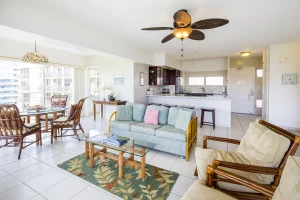
Waikiki Shore by OUTRIGGER
A beachfront condo-style Waikiki property near Fort DeRussy that fits travelers wanting kitchen access by the sand.
Check rates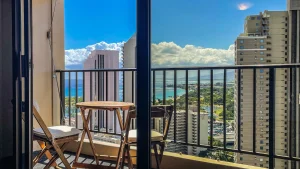
Diamond Head Beach Hotel & Residences
A Gold Coast condo-style option for travelers wanting a quieter oceanfront setting near Kaimana Beach.
Check rates
Waikiki Resort Hotel
A straightforward Waikiki stay close to the beach that fits travelers wanting location without ultra-luxury pricing.
Check ratesWhat that means in real life:
- Beach weather still happens most days
- You’ll appreciate a light layer at night, especially if you catch a breezy trade-wind evening
- Hikes feel more comfortable than peak summer, as long as trails are not muddy
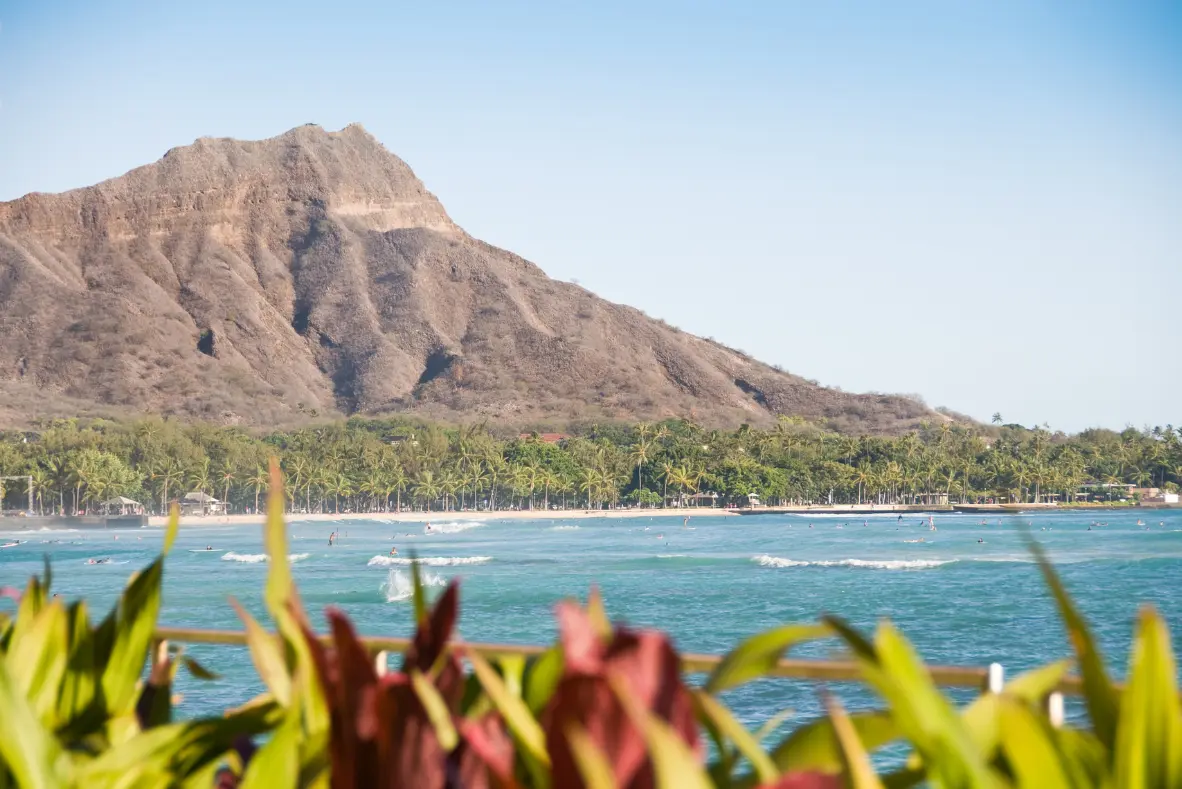
Rain expectations in Honolulu in winter
Honolulu in winter is the wetter half of the year, but it usually is not the “rainy vacation” people fear.
The wettest months are November to March, and the key detail is that rain is often localized. If it’s raining where you are, there’s often a sunny pocket somewhere else along the coast.
The National Weather Service climate summary adds the why: winter trade winds can be interrupted by passing fronts and kona storms, which is why winter is the season with more frequent clouds and rainstorms.
A practical way to plan around winter rain:
- Expect passing showers, not all-day washouts
- If your hike trailhead looks soaked, pivot to a coastal walk or a museum and try again the next morning
- Give yourself extra time for mountain roads if a squall moves through
Trade winds and “kona weather” in winter
Trade winds are part of the Hawaii experience, and they are one reason winter feels so pleasant. Those trade winds mean there’s almost always a cooling breeze, but several times a year the trades stop and winds shift south or west. Locals call that kona weather, and it can feel stormier or oddly hot and sticky.
If you hit a kona stretch:
- Plan your beach time for early morning
- Swap long exposed hikes for shorter lookouts and food stops
- Keep a rain jacket in your day bag, not your suitcase
Waves in winter and the North Shore surf watching scene
Winter is when Oahu earns its surf reputation. North Shore swell season is not subtle.
North Shore from November to February is the best time to see big-wave surfing, and it notes waves can reach around thirty feet or more and are dangerous even for experienced surfers. It also points out that May to September is calmer.
Winter storms drive the legendary big waves on many north shore beaches, and that strong currents can make beaches unsafe, so asking a lifeguard about conditions matters.
North Shore surf watching tips from Honolulu
If you’re staying in Waikiki, a North Shore wave-watching day is an easy win, as long as you treat it like a viewing trip.
Good habits that keep it safe and enjoyable:
- Go early, parking and traffic get painful later in the morning
- Stay well back from the waterline, winter sets can surge farther than you think
- Avoid wet rock shelves and tide pools near exposed breaks
- Follow posted warnings and lifeguards, shorebreak injuries are real
If you’d rather not drive, a guided North Shore day can be the low-stress option. On Viator, you can usually filter by early start times and smaller groups, and many listings offer free cancellation up to 24 hours before the start time, which helps if weather shifts.
Whale season in Honolulu in winter
Here’s the winter bonus people forget about until they see a spout offshore.
NOAA’s Hawaiian Islands Humpback Whale National Marine Sanctuary says humpback whales are generally seen in Hawaii from November through April, with peak season from January through March.
NOAA’s ocean service also highlights January through March as peak months for whale watching.
Best ways to work whale season into your trip:
- Book one whale watch cruise if you want the close-up experience
- Keep binoculars in your room if you have an ocean view, you’ll use them
- Spend a sunset at a south shore lookout, winter light plus whale spouts is hard to beat
If you’re booking a whale cruise, winter dates in January and February tend to go quickest since that’s peak season. A Waikiki departure booked through Viator is convenient if you want to compare verified reviews and lock a time slot early, and many tours offer free cancellation up to 24 hours before the start time.
What to do in Honolulu in winter
Winter is a great time to mix ocean days with city days. You don’t need perfect beach weather every hour to have a strong trip.
1) Do the classic Honolulu mornings
- Sunrise walk along Waikiki and Kapiolani Park
- Early Diamond Head hike on a clear day
- Coffee and a pastry, then a beach hour before the wind picks up
2) Use “shower windows” for culture and food
When a rain band rolls through, do the stuff that feels like a waste of time in July:
- Iolani Palace area and downtown Honolulu
- Bishop Museum
- A proper sit-down poke lunch, not the plastic-container sprint
3) Pick your ocean days carefully
Winter can still deliver great swimming near Honolulu, especially on calmer south shore days, but respect the ocean. Strong currents can make any beach unsafe at any time, particularly in winter.
If it looks rough, switch to a protected beach park or keep it to a shoreline walk and photos.
4) Make one North Shore day about waves and food
Even if you never touch a surfboard, winter North Shore is worth seeing once. Watch for an hour, take a few photos, then head to Haleiwa for lunch and shave ice.
Month-by-month winter vibe
A quick feel for how Dec–Mar usually plays out:
- December: holiday energy builds, early December often feels calmer than the end-of-month rush, and winter surf starts showing up more consistently.
- January: peak whale season begins, weather is pleasantly mild, and the North Shore can be firing.
- February: big surf watching remains excellent, whale season stays strong, and it’s an underrated month for a “mix of everything” trip.
- March: still good whale odds and comfortable temps, plus spring break crowds can start creeping in depending on the week.
Final thoughts
Honolulu in winter is about rhythm. Plan for passing rain, lean into trade-wind mornings, and treat the North Shore like a stadium, not a swimming pool. Tie it together with a whale watch in January to March, and you get a winter trip that feels uniquely Oahu.
Related: Best Time to Visit Honolulu (2026): Weather & Crowds

Oahu: Full or Half Day Grand Circle Island Tour
Choose from two exciting ways to experience Oahu's top attractions, scenic beauty, and local culture.Option 1: Dole Plantation & Haleiwa Town (6.5 H...

Parasailing Experience in Waikiki, HI
Experience the thrill of Oahu parasailing on this unforgettable 1-hour adventure from Waikiki. Soar up to 1,000 feet...

Oahu: Grand Tour Around Island with Snorkeling
Come join on a circle island adventure led by some of Hawaii’s most knowledgeable local guides and experience brea...

Toa Luau at Waimea Valley, Oahu
Toa Luau invites you to immerse yourself in the beauty and excitement of Polynesia on Oahu’s historic North Shore!...

Park Shore Waikiki
A beach-adjacent hotel near Kapiolani Park and Diamond Head that fits travelers wanting east Waikiki convenience.
Check rates
Oahu Shark Dive on the North Shore
Book the Oahu Shark Dive for a thrilling shark encounter off the North Shore. You’ll travel by boat from Haleiwa Harbor, then view sharks from a sec...

Oahu Grand Circle Island Experience from Waikiki
Enjoy Grand Circle Island experience tour with breathtaking views of Amelia Earhart Lookout on Diamond Head, admire Chinaman’s Hat in front of Kualo...