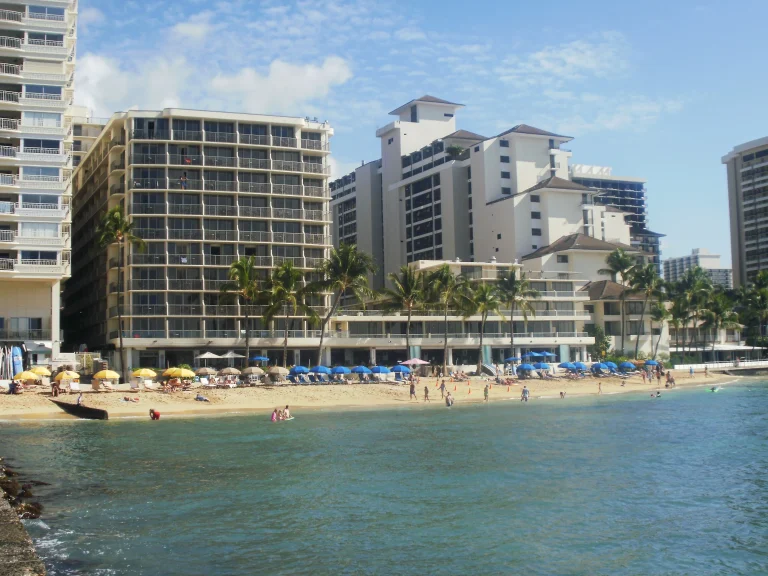
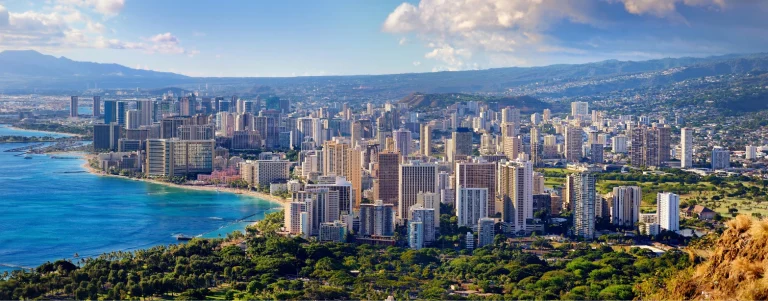
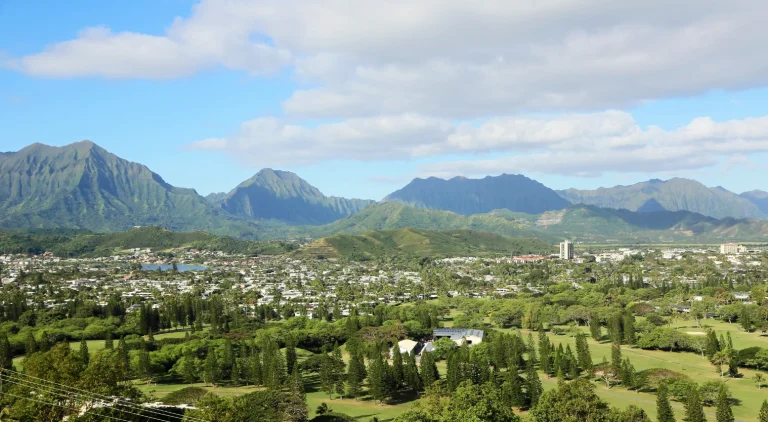
Where to stay on Oahu besides Waikiki comes down to which kind of quiet you actually mean. If you want calm water you can slip into before breakfast, base yourself in Kailua or Lanikai. Sunrise here feels personal, and the trade winds kick in early, so paddleboarding is best done before the beach starts sparkling with whitecaps. Parking is tight, so staying within walking distance matters more than having a “beach view” you only look at once.
For a long, less fussy shoreline, Waimānalo is the move. The sand runs on and on, the water shifts from pale mint to deep blue, and it’s the kind of place where you bring your own snacks and don’t expect a row of cafes. If you want a low-effort day without juggling maps, a small-group Oahu circle-island tour with hotel pickup can be a smart one-and-done, especially the itineraries that swing through the Windward Coast and make the viewpoints feel easy. On Viator, it’s worth filtering for pickup and small group, then looking for instant confirmation, verified reviews, and free cancellation, often up to 24 hours before. Reserve now, pay later is handy when you’re still matching weather to plans.
Craving North Shore energy without Waikiki’s volume? Sleep in Haleʻiwa. You get early access to surf breaks, shave ice that actually hits the spot in the heat, and that slow-town rhythm once day-trippers drift back to Honolulu. If you’re traveling with kids, Ko Olina’s lagoons are the most predictable water on the island, with gentle swimming and easy stroller logistics. For something more local and low-key, Māʻakaʻi keeps things simple and quiet, the kind of place where evenings are about salt air and a quick plate lunch, not nightlife.
The real trick is choosing a coast that matches your days ahead: sunrise swims and kayaking on the Windward side, surf and food trucks on the North Shore, or family-friendly resort calm out west.
Key Takeaways
- Stay in Kailua for calm, swimmable beaches and easy Honolulu access via the Pali, without Waikiki crowds.
- Choose Waimanalo for a long, uncrowded shoreline with reef-sheltered swimming; go early for cooler air and easier parking.
- Base in Haleiwa (North Shore) to walk to shops and food trucks and hit nearby beaches before lots fill.
- Pick Ko Olina for resort-style lagoon swimming and easy amenities; snorkel early and wear reef shoes outside the lagoons.
How To Pick a Quiet Oahu Beach Town
If you want a quieter slice of Oahu, get specific about what “quiet” means to you. Some towns are calm because they shut down early. Others feel peaceful because the beach never turns into a towel-to-towel scene. A few are simply far from the tour-bus circuit.
Pay attention to the shoreline’s exposure. Windward beaches stay breezy and feel wilder, with trade winds and choppier water. Leeward coves can be smooth at sunrise, the kind of place where you hear fins slicing the surface before you see the paddlers.
Do a quick evening recon. After dinner, walk the main strip. If the lights are low, the storefronts are closed, and you mostly pass locals heading home, you have found your kind of quiet. If you’re staying in Waikiki without a car, a circle island tour can help you scout quieter towns without dealing with parking.
Tips that actually help:
- Check the beach around 9 to 10am, not just at sunset. That’s when you find out if “uncrowded” is real.
- Look for small parking lots and limited roadside pullouts. Fewer easy stops usually means fewer people.
- If you’re a light sleeper, book lodging set back from the highway. Beachfront is great until the mopeds start at 6am.
- Map your errands before you book. Being quiet is nice. Being quiet and 25 minutes from groceries gets old fast.
- If you won’t rent a car, choose a cluster near a market, plate-lunch spots, and a walkable beach path, then check TheBus routes and weekend frequency.
In winter, choose beach towns where you can enjoy wave watching safely from shore instead of expecting calm swimming.
Kailua: Quiet Beach Town Near Honolulu
In Kailua, the water stays friendly and the sand stretches out wide, with the Mokulua Islands sitting offshore like a built-in destination.
Show up early and you’ll actually hear the shoreline instead of a parking-lot chorus.
Coffee in town is an easy ritual.
You can be back on the beach fast, towel down, swim in.
No long march, no Waikiki scene to navigate.
If you’re craving something different, a boat ride to the Kaneohe sandbar can feel like finding a hidden lagoon when conditions align.
When you want a city reset, hop over the Pali to Honolulu.
It’s close enough for dinner, shopping, or a quick work meetup, then you’re back in Kailua before the night feels too late.
If you do spend time in Waikīkī, remember that Kapiʻolani Regional Park is a free public park dedicated in 1877 and still intended for both visitors and locals.
Tips
- Go early for calmer water and simpler parking.
- Bring reef-safe sunscreen and a light layer if you plan to linger after a swim.
- If the wind picks up, stick to a sheltered swim or switch to a walk along the sand.
- Plan Honolulu time for later in the day, when Kailua starts to quiet down.
Beach Calm And Scenery
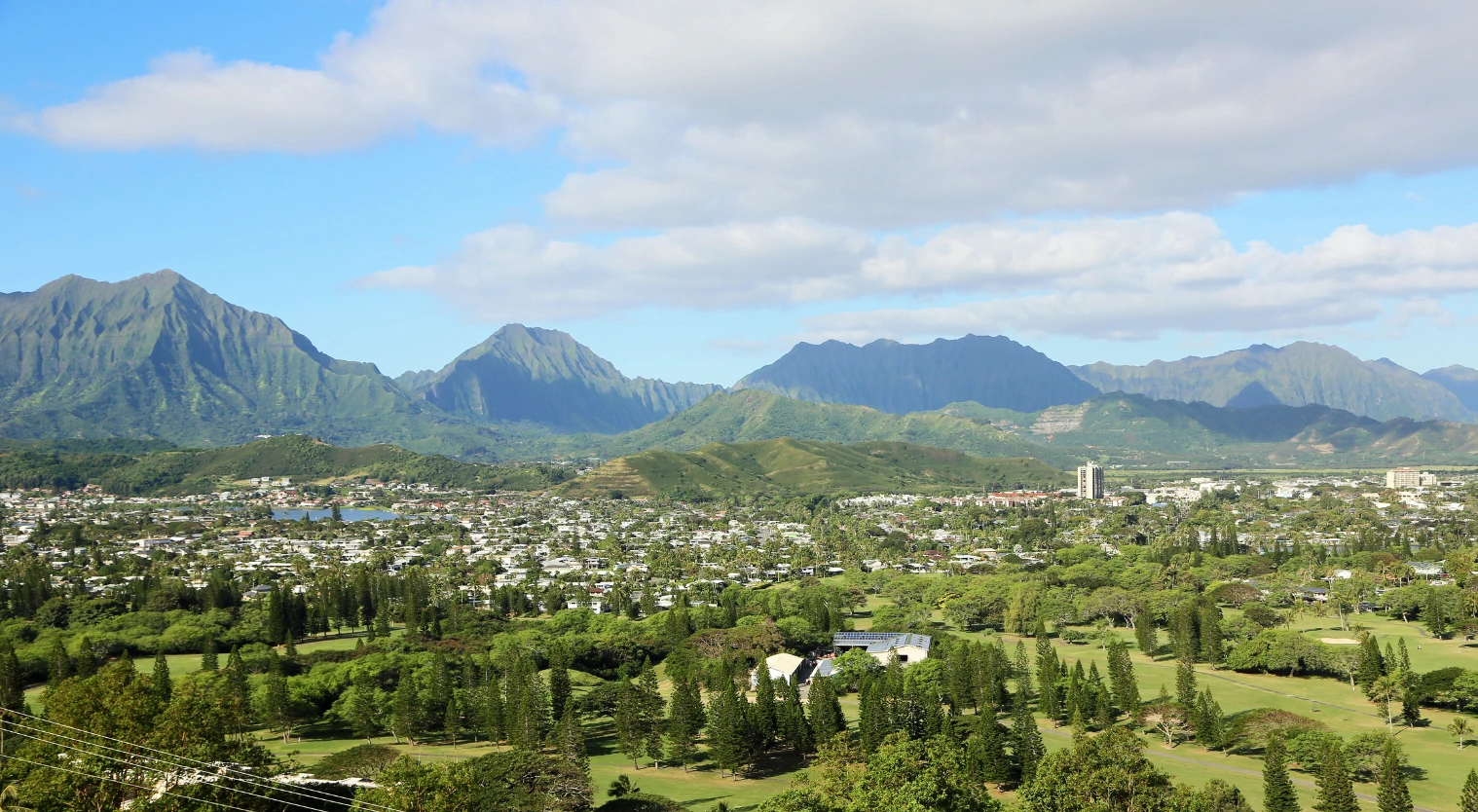
Slip out of Waikiki and head to Kailua on Oahu’s windward side. The pace drops fast. The water turns that clear blue-green you actually came to Hawaii for, with the Koʻolau mountains sitting sharp in the background like they’re posing for your photos.
Kailua Beach is the easy win. Go early and the ocean can look like polished glass, especially close to shore where the water stays shallow and friendly. Later in the day, the trade winds tend to rough it up and the sand starts migrating into your snacks.
For a quieter walk, wander Lanikai at low tide. The beach is narrower and more residential, but the payoff is the view straight out to the Mokulua islets. Poke around the rocky edges for little tidepools and you’ll spot tiny fish and crabs in the clear water. When the wind cranks up, you’ll see kitesurfers carving across the bay and you’ll understand why locals keep coming back. If you want a different kind of viewpoint on another day, Diamond Head’s steep summit trail climbs about 0.8 mile with a 560-foot gain and tops out with postcard shoreline view across Oʻahu.
If you’re planning a 2026 trip, visiting during the shoulder seasons like September or October can make Kailua feel even more open and unhurried.
Tips
- Park legally in the neighborhoods and keep driveways clear. Enforcement is real here.
- Wear reef-safe sunscreen and consider a rashguard. The sun hits hard even when the breeze feels cool.
- Bring water shoes if you plan to explore the rocky spots or tidepools. Coral bits are sharp.
- Time your walk for late afternoon. The Mokuluas catch the light and the water turns silvery near sunset.
Easy Access To Honolulu
Duck back over the Pali and Honolulu is right there. That’s the whole trick with staying in Kailua: you get quiet, swimmable beaches and morning trade winds, without feeling stranded when you need the city.
I’ve done the sunrise paddle at Kailua Beach, rinsed off at the car, then crossed the ridge for an appointment in town. The view from the lookout is worth a quick stop, even when you’re in a hurry. If you’re chasing first light farther east, remember Makapuu has park hours that don’t start until 7:00 am.
If you’re planning your days around the parks, keep an eye on Spring 2026 registration dates so you can snag activities that fit your schedule.
Traffic is the only wildcard. H-3 is usually the smoothest hop, while the Pali can bog down fast if there’s a crash or heavy rain. If you’re heading into Waikiki or Ala Moana, the time you save driving can disappear the moment you start hunting for parking.
Tips:
- Leave early. If you’re crossing into Honolulu on a weekday, aim to be on the road before 7am.
- Use the bus hub by Longs in Kailua and take TheBus into town when you don’t want to deal with parking.
- For Ala Moana, the bus is often easier than circling the garages, especially on weekends.
- If you’re flying out, give yourself extra time. H-3 plus the airport is straightforward, but one slowdown through the tunnels can snowball.
- Hotel shuttles to Waikiki, the airport, or Pearl Harbor can be convenient. Reserve ahead for weekends and holiday stretches.
- For interisland plans, skip the “commuter ferry” idea. There’s no regular passenger ferry network between islands. Book a flight and move on.
Waimanalo: Oahu’s Longest Uncrowded Beach
Waimānalo is where you come when Waikiki starts to feel like a theme park. On Oahu’s windward side, this beach runs long and wide, with pale sand and reef-sheltered water that stays inviting when the rest of the island feels busy. Mornings are the sweet spot: cooler air, steady trade winds, and a calm ocean that makes an easy first swim before the day heats up.
The reef keeps things gentler close to shore, but it also creates channels where water moves with purpose. If you snorkel, stick to your comfort zone, give the coral plenty of space, and keep an eye on where the water is clearly flowing out. You may also spot green sea turtles resting or surfacing here, and they’re protected under federal and state law so give them plenty of space.
If you head out for a quieter coastline day elsewhere on Oʻahu, note that Kaʻena Point State Park is open during daily hours from 6:00am to 7:00pm.
Tips for a smooth beach day:
- Arrive early at Waimānalo Beach Park if you want shade. The good trees get claimed fast.
- Wear reef shoes. There are coral patches and some shallow, scratchy entries.
- Take a quick side trip to nearby historic fishponds, then come back for a low-key picnic on the sand.
- Hit a local farmer’s market for poke, fruit, and snacks you can carry in reusable containers. Pack out every scrap. This beach stays special because people treat it that way.
Haleiwa: Small-Town North Shore Home Base
Base yourself in Haleiwa and you can do North Shore the easy way. Park once, then wander between surf shops, shave ice stands, and no-rush cafes where everyone looks a little sunburned and happy. The town is small enough to feel local, but busy enough that you’ll always find something open when you roll in salty and hungry.
You are close to the famous breaks, but you don’t need a big mission to get wet. Alii Beach Park is a simple, mellow beach day when the ocean is behaving. Waimea Bay is the opposite: gorgeous, powerful, and not the place to improvise if the swell is up.
Tips that make Haleiwa work:
- Get up early, especially in winter. Parking fills fast and mornings feel calmer.
- Check surf and ocean conditions before you go, then check again when you arrive. North Shore can change quickly.
- Treat currents seriously at Waimea and anywhere with shorebreak. If in doubt, watch for a while before you jump in.
- Keep a towel and a change of clothes in the car. Haleiwa is the kind of place where you end up doing one more stop.
- Eat like a local: hit the food trucks or grab a plate lunch, then take it to the beach and keep the day moving.
If you want to add a scenic inland detour without overplanning, Kualoa Ranch’s Movie Sites tour is an easy, low-effort crowd-pleaser. It’s a 1.5-hour ride through Ka’a’awa Jurassic Valley, Hollywood’s Hawaii Backlot, with stops at recognizable film locations.
Walkable Surf Town Charm
Slip into Haleʻiwa and the North Shore volume drops fast. This is a small, walkable surf town where you can park once and spend the day on foot, bouncing between shave ice, plate lunch windows, and food trucks with the smell of garlic shrimp in the air. Flip-flops work, but you’ll appreciate something with a strap if you plan to cross the bridge and keep wandering.
Start with a slow loop through town. You’ll see old surf photos and sun-faded boards in shop windows, and someone is always posted up near the river bridge with a camera when the light turns golden. If you want the calm version of Haleʻiwa, go early. By late morning, traffic stacks up and the sidewalks feel tighter. Winter brings North Shore big waves from November to March, so stick to watching unless you’re experienced.
Mornings are for fruit runs. Hit the farmers markets and roadside stands, then stash everything in a cooler so you aren’t babysitting melting pineapple all day. If the surf is up, check the report the way locals do: ask at a surf shop, look at the boards out front, and watch the lineup for ten minutes before you even think about paddling out.
If you head inland for a quick hike, stick to official routes in the Nā Ala Hele program rather than cutting onto unofficial trails.
Tips:
- Bring reef-safe sunscreen and a hat, the sun hits harder than you expect on the main drag
- Carry some cash for small stands and quick snacks
- Walk before 9am if you want easy crossings and room on the sidewalk
- Pack a reusable bag for fruit, bakery boxes, and whatever you end up impulse-buying
- Keep your voice down in residential spots and give locals space in the water and in line
Beaches And Food Nearby
Set up in Haleʻiwa and the North Shore feels like it’s on a short leash. You can knock out a beach morning, a snack run, and a sunset session without living in your car.
Aliʻi Beach Park is the easy start. Mornings are calm, the water’s usually mellow, and you can paddle without getting worked. When you want to see the North Shore flex, swing over to Waimea Bay. In summer it’s one of the best swims around. In winter, you come to watch. The shorebreak can be no joke. For a deeper dose of the area’s natural and cultural beauty, book one of Waimea Valley’s guided walking tours between beach sessions.
For shade and tide pools, Shark’s Cove is the pick, especially early before the parking turns into a circus. The lava rock is sharp and the water’s clear enough that you’ll actually spot fish without trying. It’s part of a Marine Life Conservation District where most fishing and collecting is prohibited.
Food is equally low effort. After a rinse, go straight for poke, ahi, and plate lunch from the local fish markets in town. Later, follow the smoke and chatter to the food trucks near the Haleʻiwa harbor for sunset eating with sandy feet.
If surf is up, keep it simple and stay on land at Laniakea and Sunset Beach. Both are perfect for a picnic and people-watching, and you might spot turtles stretched out on the sand like they own the place.
Tips that save hassle:
- Bring reef shoes for Shark’s Cove and any rocky entries.
- Go early for parking at popular spots, especially weekends.
- Carry cash for food trucks and small counters.
- Park legally. Tickets and tows are common here.
- Give sea turtles space. Look, don’t crowd.
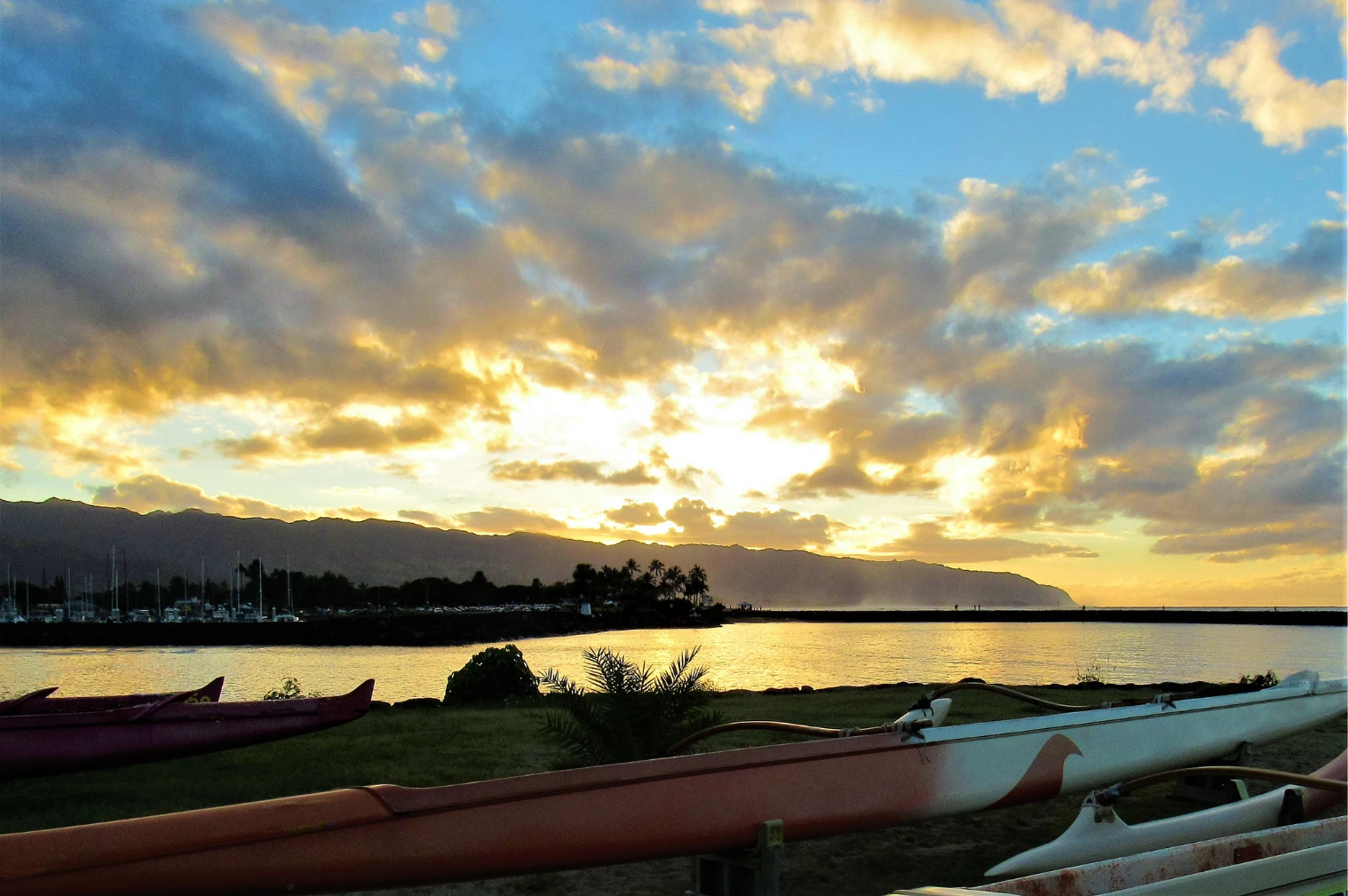
Laie & Hauula: Sleepy Windward Beach Towns
Head up Oahu’s Windward Coast and the pace drops fast. Laie and Hauula feel like beach towns that never signed up to be “destinations.”
Drive up Oahu’s Windward Coast and everything slows down, Laie and Hauula are beach towns, not destinations.
You wake to trade winds rattling the palms, see locals walking dogs on the sand, and spend most of the day with the shoreline in view. For a change of scenery, note that O‘ahu has 403 park locations managed by the Department of Parks & Recreation, though only larger parks are typically staffed.
For swimming, aim for calmer pockets near Kokololio and around Pounders. Conditions change quickly here, so do a real check before you commit. If the water looks rough, enjoy it from shore and save your swim for a protected beach elsewhere.
Nights are genuinely quiet, and on a clear one the stars come out sharp.
If you want a different kind of reset back in town, Ala Moana Regional Park, dedicated in 1934 as “The Peoples Park”, offers a wide-open shoreline and picnic lawns.
Tips
- Go early for a sunrise stroll along the shore and keep an eye out for honu near the reef edges
- Pick up a plate lunch and eat it under the ironwoods with your feet in the sand
- Be respectful around homes and small cultural sites. Keep voices down and parking tidy
- Bring reef shoes for the rocky patches, a light rain jacket for quick showers, and some cash for small counters and shops
Ko Olina vs. Makaha: Quiet West Oahu Stays
Drive past the last big Honolulu exits and West Oahu starts running on a different rhythm. The trade winds feel cleaner, the roads get quieter, and you can pick your version of “away from it all” fast.
Ko Olina is the tidy, resort-polished choice. Think calm lagoons you can actually float in, reliable beginner snorkeling, and condo-style oceanfront stays within walking distance of restaurants and a small market. It’s easy, predictable, and priced accordingly.
Makaha is the real-deal west side reset. Fewer shops, less nightlife, more sky. The surf can be serious, the sunsets are full stop, and the neighborhood feel is local rather than visitor-built. You come for the beach time and the quiet, not convenience.
If you want a low-key indoor break from the sun after a West-side beach morning, the Waikīkī Aquarium has general admission for $12. If you’re planning a midweek Honolulu detour, the Pearl Harbor Visitor Center is open daily from 7:00 am–5:00 pm.
Ko Olina tips
- Book early if you want a lagoon-front place. The best locations go first.
- Bring reef shoes. Outside the lagoons, the shoreline gets rocky fast.
- Snorkel early in the day before the water clouds up and the crowds arrive.
- Stock up at the market for simple breakfasts and beach snacks. You’ll use them.
Makaha tips
- Stay inland or in small rentals if you want more space and fewer resort rules.
- Lock your car and keep it empty. Leave nothing visible, not even “cheap” stuff.
- Pack groceries before you head out. Options are limited and hours can be odd.
- Swim only on calm days. If there’s swell, watch from the sand.
- Go to Makaha Beach Park at dawn for turtle spotting. Bring binoculars if you have them.
- Talk to the lifeguards. They’ll tell you what the ocean is doing today, no guesswork required.
Frequently Asked Questions
Do I Need a Rental Car to Stay Outside Waikiki on Oahu?
Usually, you’ll want a rental car if you’re staying outside Waikiki. Oahu looks small on a map, but the gaps between beach towns feel bigger once you’re waiting at a bus stop in wet slippers with a salty towel on your shoulder. North Shore and the Windward side are where a car pays off fast, especially if you want sunrise swims, food-truck lunches, and the freedom to bail when the trade winds kick up.
Public transit can work for straightforward days, but it moves at island pace and gets tedious when you’re juggling beach gear or trying to string a couple stops together. If your plan is one beach, one meal, back home, fine. If you want to bounce around, you’ll feel the limits.
Tips that make life easier:
- North Shore and Windward beaches: rent a car. Early starts matter for parking, calmer water, and beating traffic back to town.
- TheBus: use it for simple point-to-point trips and budget days, not ambitious multi-stop itineraries.
- Ride share: great for nights out, trailheads where parking is tight, and airport runs when you’d rather skip rental paperwork.
- If you rent: book early, expect parking rules to be strict, and keep some cash for small lots and roadside snacks.
Which Quiet Oahu Beach Towns Have the Best Restaurants Within Walking Distance?
You’ll eat best on foot in Haleiwa and Kailua. Both are mellow beach towns where you can towel off, slip on slippers, and be at a great meal in minutes.
Haleiwa (North Shore) is the easy win for casual, craveable food. The main drag is compact, the vibe is surf-town unhurried, and you can bounce between garlic shrimp, poke, plate lunches, and shave ice without ever moving your car.
Kailua (Windward Side) feels more polished and local, with cafes and neighborhood restaurants clustered close enough to make a lazy dinner stroll work. Think bright breakfast spots, solid coffee, and relaxed places for seafood and modern Hawaii fare.
Tips that actually help:
- Go early in Haleiwa if you want prime pickings without a wait. Late morning hits the sweet spot.
- In Kailua, park once and walk the little restaurant pockets around Kailua Road. It is more pleasant than circling for a closer space.
- For sunset dining, book or show up early for a lanai table. Parking gets tight after 4 pm on weekends, and you will feel it fast.
Are There Reliable Grocery Stores and Pharmacies Near These Quieter Beach Towns?
Yes. Even the sleepier beach towns tend to have at least one solid grocery option and a place to grab sunscreen, painkillers, and basics. On Oahu’s North Shore, Haleiwa has small markets that cover the essentials, plus a few spots for snacks and drinks when you’re heading back from the water. Kailua is even easier, with multiple groceries and drugstores close to the main drag, so you can restock without turning it into a whole expedition.
If you need prescription help, you usually get the smoothest service by heading to the larger town centers or stopping at clinics along the main highway routes, where pharmacies and urgent care-style services are more common.
Tips that make life easier:
- Pick up groceries earlier in the day. Shelves and produce sections look best before the beach crowd rolls in.
- If you’re staying outside town, grab two days of basics at once. Bread, fruit, ice, and coffee disappear fastest.
- For prescriptions, call ahead with your Rx number and ID requirements. Smaller locations can take longer to fill.
- Keep a backup plan for late nights. Many quiet areas get sleepy early, so buy meds and baby supplies before dinner.
What’s the Best Time of Year for Calm Swimming on Oahu’s Non-Waikiki Beaches?
Late spring through early fall is when Oahu’s non-Waikiki beaches feel made for swimming. The north and west shores settle down, the water looks clearer, and you spend more time floating than fighting chop. If you want the calm without the crowds, the sweet spots are April to May and September, when the ocean is usually friendly and the parking lots are not yet a competitive sport.
Winter flips the script. North and west get punchy fast, while the south and leeward pockets can still deliver surprisingly mellow swims, especially in protected bays. I’ve had glassy, bathtub-warm mornings in December on the leeward side, then watched the same coastline turn restless by lunchtime when the trades woke up.
Tips to actually score a calm swim
- Pick mornings. Wind tends to build later, and “calm” can disappear by noon.
- Use a surf report, not a guess. If you see rising swell on the north shore, pivot to south or leeward beaches.
- Favor protected coves and bays in winter. They handle wraparound swell better than open sand stretches.
- Watch the flags and the sets. If the waves arrive in groups and suddenly jump, wait it out or move.
- Have a Plan B beach. On Oahu, the best swim is often the one on the other side of the island.
Are These Quieter Oahu Beach Towns Safe for Solo Travelers at Night?
Yes. In the quieter Oahu beach towns, nights tend to be mellow rather than sketchy, especially around the little clusters of shops where you can still hear surf and see porch lights on. I’ve felt comfortable walking back after dinner, but I keep it practical and a little boring.
Tips that actually help:
- Stay on the main drag and the lit cross streets. If the streetlights thin out, turn around.
- Use the “is anyone else walking?” test. If you don’t see couples heading home, aunties locking up, or a few people lingering by food trucks, call a ride.
- Watch for neighborhood watch signs and well kept yards. It’s a small clue, but it usually matches the vibe on the ground.
- Skip parks and beach access paths after dark. They can be pitch black fast, even when the town feels fine.
- Keep your beach bag low key. Phone in a front pocket, one card and some cash, no wallet gymnastics on the sidewalk.
- If you’re leaving a bar or late dinner, walk out with other diners, not alone into an empty lot.
- Trust your gut on shortcuts. The “two minute” cut behind condos is rarely worth it at night.
If you’re unsure in the moment, don’t overthink it. Grab a quick rideshare. On Oahu, the safest choice is often the simplest one.
Conclusion
Skip Waikīkī’s neon buzz and base yourself on the other side of the island instead. If you’re wondering where to stay on Oahu besides Waikiki, these quieter beach towns deliver the kind of mornings you can actually hear.
Kailua and Lanikai are the easy favorites for a reason: early light on the Mokulua Islands, calm water when the trade winds behave, and coffee that’s actually worth getting out of bed for. Go before 9am if you want parking without a scavenger hunt, and bring a light layer because the breeze off the water can feel surprisingly cool after a swim.
Waimānalo is my pick when you want space. The sand runs long and wide, the water is that milky turquoise on a clear day, and it stays low-key even when town is packed. Pack snacks and water and don’t count on lots of nearby services. Also, read the signs and park legally. This area does not play around with enforcement.
Up on the North Shore, Haleʻiwa works if you like surf-town energy without the Waikīkī crush. You can do a lazy breakfast, poke your head into shops, then beach-hop between calmer bays depending on the swell. If you’d rather not drive the whole loop yourself or fight for parking at the popular stops, it can be genuinely relaxing to book a small-group North Shore circle tour with pickup through Viator. The better ones have verified reviews, instant confirmation, and free cancellation often up to 24 hours before, plus the reserve now, pay later option.
For a softer, slower stay, Laʻie and Hauʻula keep things mellow, with a more local feel and fewer “must-do” checklists. You’ll want a car, and you’ll want to dial your beach expectations to “quiet and scenic” rather than “amenities on tap.”
On the west side, Ko Olina is polished and easy, with swimmable lagoons that suit families and anyone who wants calm water on purpose. Māʻkaha is a different flavor: less resort, more real. It’s beautiful, it’s breezy, and it rewards travelers who show respect, keep noise down, and treat the neighborhood like someone’s home.
Wherever you land, go early, use reef-safe sunscreen, keep your distance from turtles and monk seals, and don’t step on coral. The ocean here doesn’t need help getting damaged.