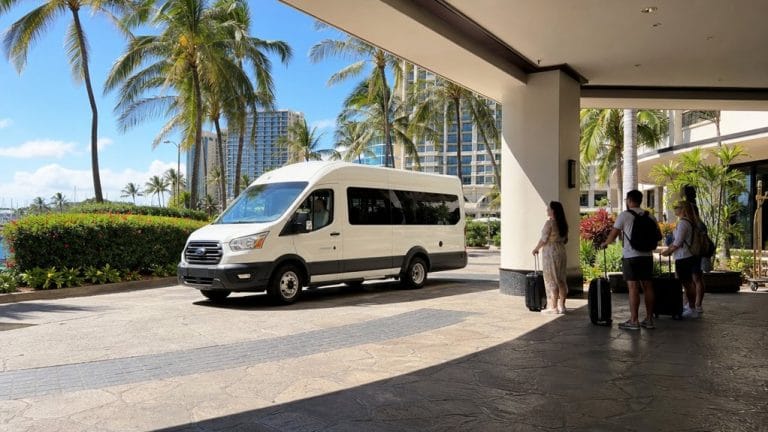
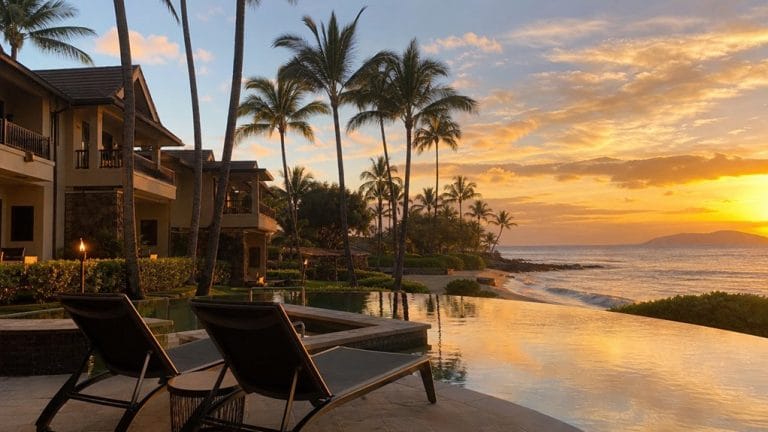
When you’re choosing the best areas to stay on Oahu, you’re really choosing a rhythm. Waikīkī runs on salty swims before breakfast, effortless transit, and nights that end with a bowl of something hot on Kalākaua. Kailua feels breezier and more local, with early trade winds, pedal-friendly streets, and an easy ride out to Lanikai if you go before the beach parking fills. Ko Olina is polished and predictably relaxing, built around calm resort lagoons and on-site convenience, plus the kind of resort fees that quietly inflate the “deal.” The North Shore is slower and scruffier in the best way: sunrise coffee, shrimp-plate lunches, and winter surf that turns beaches into spectator stands.
A practical tip: your location changes how much you’ll drive and how much you’ll spend on parking. If you want to see a lot without juggling logistics, Viator has small-group island and North Shore day tours with Waikīkī pickup, which is genuinely convenient. Many listings also come with instant confirmation, verified reviews, and free cancellation often up to 24 hours before, and “reserve now, pay later” can be handy when you’re still locking in flights.
Key Takeaways
- Waikīkī: Most convenient for first-timers, walkable beaches, food, nightlife, and easy tour pickups (expect a lively, noisier city vibe).
- Kailua: Laid-back beach town feel with quieter nights and great morning walks; go early for Lanikai.
- Ko Olina: Resort-style relaxation with calm, family-friendly lagoons, budget for resort fees, parking, and taxes.
- North Shore: Surf culture and scenic drives (big winter waves, calmer summers); Haleʻiwa is the most walkable, but having a car helps.

Oahu's North Shore: 8-Line Zipline Adventure
Experience the ultimate Oahu zipline adventure on this 3-hour guided tour across the island’s famous North Shore. Feel the rush of eight world-class...

Oahu Shark Dive on the North Shore
Book the Oahu Shark Dive for a thrilling shark encounter off the North Shore. You’ll travel by boat from Haleiwa H...

Oahu: North Shore Shark Cage Diving
Discover the open-ocean world of sharks on this unforgettable Oahu shark cage diving tour. More than just an adventu...

Polynesian Cultural Center: Gateway Buffet Package
Located on O‘ahu’s North Shore, the Polynesian Cultural Center is a one-of-a-kind attraction showcasing the peop...
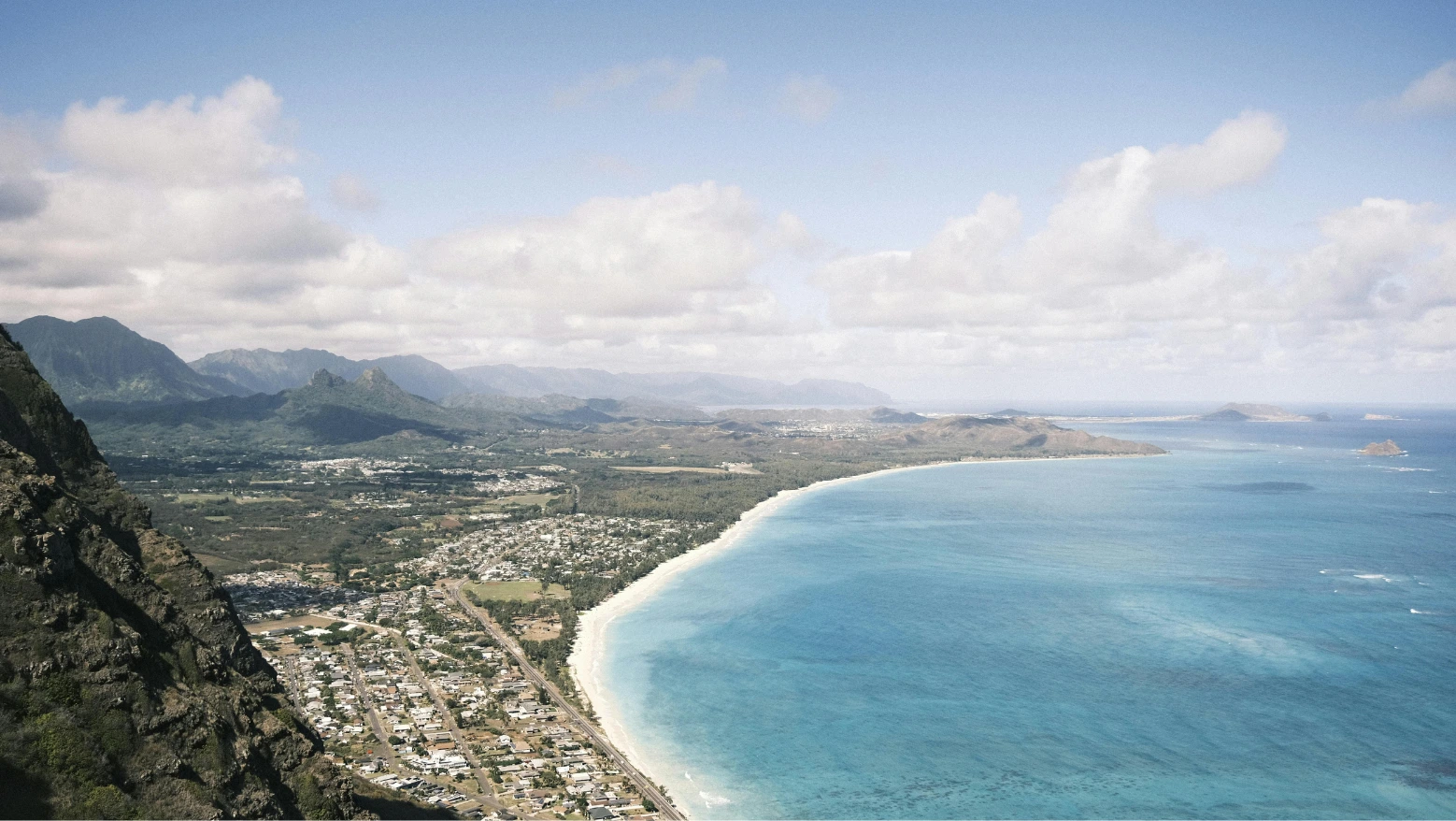
Where to Stay on Oahu: Quick Picks
Narrow it down by shoreline and be honest about how you like to spend your days.
Hotels to compare for this guide
Compare a few stay options before you choose your base.
Stay Hotel Waikiki
A compact value hotel close to Waikiki Beach for travelers prioritizing location over resort amenities.
Check rates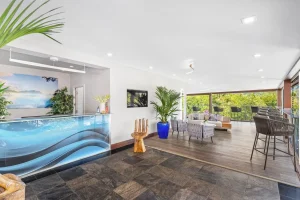
Courtyard by Marriott Oahu North Shore
A practical Marriott-branded North Shore hotel near Laie that works for families and road-trip style Oahu stays.
Check rates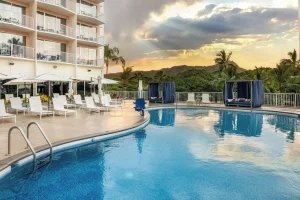
Park Shore Waikiki
A beach-adjacent hotel near Kapiolani Park and Diamond Head that fits travelers wanting east Waikiki convenience.
Check rates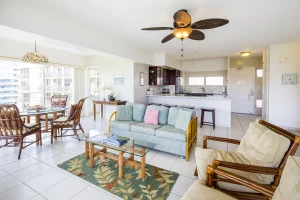
Waikiki Shore by OUTRIGGER
A beachfront condo-style Waikiki property near Fort DeRussy that fits travelers wanting kitchen access by the sand.
Check rates
Castle Waikiki Shore
A beachfront condo property with kitchen-equipped units in one of Waikiki’s most convenient beach locations.
Check rates
Four Seasons Resort Oahu at Ko Olina
A luxury Ko Olina beachfront resort with a quieter west-side setting, high-end service, and strong family and couples appeal.
Check ratesWaikīkī works if you want everything on foot: a morning swim, a lazy lunch, then drinks and live music without needing a car. The beach is busy and the vibe is urban, but the trade-off is convenience. If you’re planning tours, you’ll be picked up nearby and you can keep your evenings simple. When you want a breather from the sidewalks, nearby Kapiʻolani Regional Park is a free public park that’s been open to everyone for leisurely enjoyment since it was dedicated in 1877.
Waikīkī is made for easy days: swim, linger over lunch, then roll into drinks and live music, no car needed.
Ko Olina is for travelers who want a smooth, resorty stay with calm water and zero friction. The lagoons are easy for kids and nervous swimmers, and the sunsets feel made for a balcony. You’ll drive for most meals and anything beyond the resort bubble, so plan for a rental car or rideshares.
The North Shore is where you go when you want salt on your skin and surf energy in the air. Winter swells are the main event, summer is mellow and swim-friendly. Mornings are the best: cool air, empty roads, and that first coffee before the crowds roll in. If you plan a day trip from Waikīkī, leaving around 7:00 am helps you beat traffic and stick to a realistic hour-by-hour itinerary.
Kailua is breezy, beachy, and more local feeling, with soft sand that looks unreal in bright sun. It’s great if you like morning walks, poke for lunch, and quiet nights. It isn’t a party base, and that’s the point.
Mānoa or Kāhala suit travelers who want to be close to Honolulu without the Waikīkī churn. Mānoa is green and rainy in a soothing way, with shaded streets and quick access to hikes. Kāhala is polished and quiet, good for travelers who like a slower pace and a bit of space.
Tips that save time and money:
- Check weekday rates. Weekends spike, especially in Waikīkī and Ko Olina.
- For cheaper Waikīkī rooms, look in older high-rises near Kūhiō Ave. You trade views for price, but you’re still close to the beach.
- For a calmer stay, book small inns in Mānoa or licensed guest suites in Kailua. They fill up fast.
- Pack reef-safe sunscreen and a light rain layer if you’re staying in Mānoa or heading to the North Shore early.
Oahu Basics: Do You Need a Car?
Once you’ve picked your stretch of sand, figure out how you want to move. Oahu can feel like two islands: easy, breezy Waikiki on foot, and the North Shore or windward side where a car starts to look very smart. You can do a lot without driving, but you’ll trade money for time.
If you’re near a good bus line, TheBus is clean, reliable, and genuinely useful for getting between town, beaches, and a few popular trailheads. The catch is the clock. After dark the waits get longer, and the last leg back to your hotel can feel slow when you’re sandy, sunburnt, and hungry.
Taxis and rideshares fill the gaps, especially for short hops or when the rain blows in sideways and everyone suddenly wants a ride at once. On busy nights, pickup areas around big hotels and shopping centers are the smoothest.
Want freedom without the parking hunt? Go hybrid: walk and bus most days, rent a bike for flat coastal cruising, then grab a car for one full loop day to see the island properly. Along the way, you’ll find that there are 403 park locations across O‘ahu, though only larger parks are staffed. If you’re visiting during shoulder seasons, you’ll often find roads and popular spots a little more breathable than in summer or the winter holiday peak.
Tips
- If you plan to ride TheBus a lot, sort your pass early and screenshot routes before you lose signal.
- Start your day early if you’re relying on buses for hikes. Getting back late is where schedules bite.
- Use rideshare for the awkward parts: dinner reservations, post-hike legs, and rainy-day escapes.
- Bikes shine for Waikiki to Ala Moana and other flat stretches. Skip them for steep, narrow roads.
- Do one car day for the North Shore, windward lookouts, and those food stops you won’t want to rush.
Waikiki on Oahu: Best for First-Timers
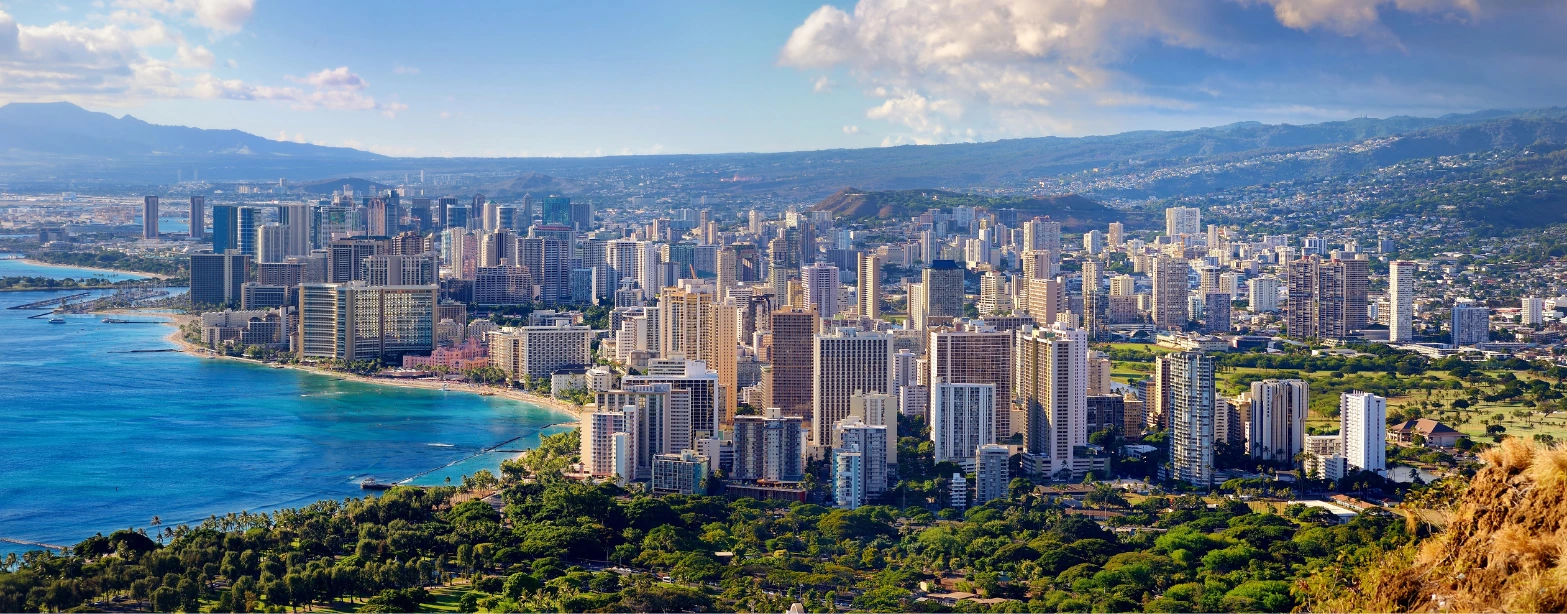
If Oahu is your first Hawaii landing, base yourself in Waikiki. It’s the easiest place to get your bearings fast. You can walk to the beach in flip-flops, grab a decent coffee, book a snorkel cruise, and be back in time for a sunset swim without ever touching a car key.
Waikiki’s shoreline is beginner-friendly on most days, with calm water inside the reef and lifeguards on the main stretches. The trade-off is crowds and higher prices, but the convenience is real.
When you’re jet-lagged and sun-dazed, being able to wander out for poke or shave ice and stumble back to your room matters.
If you want a quick indoor break between beach sessions, the nearby Waikīkī Aquarium has general admission for $12.
If you’re planning an ocean evening, a sunset sail is the easy add-on since it’s shorter and keeps dinner plans flexible back on land.
Tips that make Waikiki work:
[travelspark_viator_block placement=”primary” include=”both” layout=”grid” count=”3″]- Catch the free hula show at Kuhio Beach in the early evening. Bring a towel, sit on the sand, and let the drumbeat do its thing.
- Eat like a local without trying too hard. Hit a plate lunch spot for garlic shrimp, grab musubi from an ABC Store, and eat on the seawall with your feet dangling over the water.
- Step into a few older hotel lobbies along Kalakaua. You’ll see koa wood, vintage photos of Duke Kahanamoku, and breezy architecture that hints at old Waikiki.
- Skip parking drama. Use TheBus for quick hops, or rent a Biki bike for short rides after dark. Waikiki traffic is slow and cranky, and you don’t need it.
Waikiki on Oahu: Best Areas to Book
Waikiki looks tiny on a map, but the mood shifts fast as you move a few blocks. Pick a base that matches how you actually travel.
If you want to roll out of bed and be in the water, book oceanfront or one block back from Kalakaua Ave. You’ll use the beach more when it’s that easy, especially early morning when the sand is cooler and the crowds are still half asleep.
For the most Waikiki-in-a-weekend energy, aim for the Lewers-to-Seaside stretch. This is where dinner turns into a second round, where you can grab dessert after a show, and where you’re rarely more than a few minutes from something open.
If you sleep light or just want a better deal, look on the Ala Wai canal side. It’s a little more walk, but nights tend to be calmer, and you can often trade “partial ocean view” for a bigger room and less noise.
For a softer, more local-feeling Waikiki, stay toward the Diamond Head end near Kapi‘olani Park. Sunrise here is the real show. Joggers loop the park, the air feels cleaner, and the hotels lean smaller and less frantic.
Near Kuhio Ave, you’re close to everyday eats without the club soundtrack. This is where I book when I want quick breakfast, easy lunch, and a short walk back to the beach. For an easy nature break outside the resort zone, Honolulu Botanical Gardens spans 650 acres across five distinct gardens. For warm water with fewer families, September–mid-November is a reliable shoulder season.
Tips I actually use:
- If beach time is your priority, keep your hotel within a block of Kalakaua. Two blocks feels like a commitment in flip-flops.
- Ask for a higher floor if you’re near Lewers or Seaside. Street noise is part of the package.
- On the canal side, check the exact walking route to the beach. Some crossings are busier than they look.
- Diamond Head end is best if you like morning routines: coffee, a park walk, then the water before the tour buses arrive.
- Kuhio is your zone for no-fuss meals: poke bowls, saimin, musubi, and takeout that’s still hot when you get back to your room.

Oahu Beachfront ATV Adventure and Farm Tour
Aloha, welina mai, ‘ano ‘ai. Greetings, and welcome, from Hawai’i! Located on the famous North Shore beachfron...

Oahu: Dole Plantation & Haleiwa Town OR Grand Circle Island Tour
Choose from two exciting ways to experience Oahu's top attractions, scenic beauty, and local culture.Option 1: Dol...

Oahu: Grand Tour Around Island with Snorkeling
Come join on a circle island adventure led by some of Hawaii’s most knowledgeable local guides and experience brea...
Kailua on Oahu: Laid-Back Beach Town
Cross the Pali and Kailua exhales. The air feels cleaner, the mornings start with trade winds and the smell of espresso, and the beaches stretch out wide enough that you can actually hear the water instead of a playlist.
Kailua Beach is the easy all-rounder. Lanikai is prettier and fussier, with narrower sand and more people angling for the same postcard view. I like biking between them early, before the sun gets sharp, then claiming a spot under the ironwoods while the outrigger crews slide past like they’ve all day.
If you’re planning a contrasting day trip, a boat ride out to the Kaneohe Sandbar feels like stumbling into a shallow turquoise lagoon when the tide cooperates. If you’re planning a contrasting day trip, Kaʻena Point State Park’s trail to the reserve is about 2.5 miles one-way from either trailhead along a volcanic coastline.
Tips for a good Kailua day:
- Go at first light for the Mokulua (Mokes) view. The sunrise color hits the water fast, and parking is less of a fight.
- Swim after. Mornings are usually calmer, and you’ll spend less time getting slapped around by wind chop.
- Eat plate lunch from a counter, not a “Hawaiian inspired” sit-down. Ask what came in that morning and follow the staff’s pick.
- Pop into the small galleries around Hekili for prints and local work. It’s a quick wander and a good break from beach glare.
- Finish with shave ice, then walk the shops while you dry off. Bring cash just in case.
Midweek is the sweet spot: fewer visitors, easier parking, and water that often behaves.
Kailua on Oahu: Rentals, Parking, Legality
Crossing into Kailua is the easy part. The tricky bit is finding a legit place to stay and a legal place to stash your car without annoying the neighbors or earning a ticket. Kailua looks like a postcard neighborhood because it is one, and the rules around short-term rentals are tight. If a listing feels vague about permits, move on. Fines here are not theoretical.
You will see plenty of “beach cottage” signs and airy studios tucked behind houses. Before you hand over a deposit, ask for the permit details up front. A good host will have them ready and won’t act weird about it. If you want a one-stop spot for souvenirs and snacks without hopping between neighborhoods, the Aloha Stadium Swap Meet runs Wednesday, Saturday, and Sunday and is centrally located on Oʻahu.
- Rentals: book licensed places only. Ask for the NUC or STR permit number and the host’s Hawaii tax ID.
- Noise: keep it low-key. Quiet streets amplify late-night lanai chatter fast.
- Parking: read every sign, then read it again. Tow zones and no-parking stretches are common near the beach access points.
- Beach days: arrive early, especially weekends. By late morning, the easy spots are gone.
- Hiking etiquette: if you head mauka, follow Hike Pono guidance and stick to official, managed trails.
Quick cheat sheet:
| Need | Quick tip |
|---|---|
| Rental | Verify NUC/STR permit number and Hawaii tax ID |
| Parking | Use paid lots where you can, follow posted hours and restrictions |
| Courtesy | Skip late-night lanai hangs, keep music and voices down |
For sunset, I like to park once in town, dump the sandy gear, and walk. Kalama Beach Park is an easy stroll, and shave ice tastes better when you did not circle the block ten times to earn it.
If you drive to Lanikai, don’t treat the shoulder like a free parking lot. Sand on the tires, a “just five minutes” mindset, and a badge on your windshield is a reliable Kailua storyline. Sundays get packed early, so bike from town or carpool and save yourself the mood swing.
Still comparing Oahu Area Stay Planning?
Ask for tour ideas, hotel suggestions, or a simple trip plan that combines both.
Trip Helper
Ko Olina on Oahu: Resort Stay Pros/Cons
Ko Olina is Oahu with the edges sanded down. You get four crescent lagoons with imported sand, palm-lined paths, and water so calm it can feel like a hotel pool with better lighting.
Ko Olina is Oahu on easy mode: four imported-sand lagoons, palm-lined paths, and calm water that feels like a luxury pool.
It’s a stress-free beach setup for families and first-timers, and it’s also pricey, polished, and a little sealed off from the messier, more interesting parts of the island.
The trade-off is the vibe. You’re paying for convenience, quiet rules, and a resort rhythm that rarely surprises you.
If you want street food, live music, and that everyday Oahu texture, you’ll be driving for it.
Go early or go late. Midday brings the day-trippers, the stroller traffic, and the hunt for a patch of shade.
Sunset is the sweet spot, especially when the sky lights up over the Waianae Range. If you want a more central, local-leaning beach day, Ala Moana offers a mile-long sandy beach and sits inside the historic Peoples Park.
If you want an easy day trip that still feels iconic, head toward Kualoa Ranch for its 4,000-acre Ka’a’awa Jurassic Valley backdrop and movie-history tours.
Tips
- Walk the lagoons at sunrise. Start at Lagoon 4, when the paths are empty and the air smells like plumeria and sunscreen hasn’t entered the chat yet.
- Snorkel the rocky edges, not the middle. Bring your own mask if you can and aim for the calmer corners early in the morning for more fish and fewer fins in your face.
- When the wind picks up, book the spa or claim a cabana-style day. Ko Olina can get breezy, and a massage beats wrestling a beach umbrella.
- Eat off-resort at least once. Drive into Kapolei for poke, plate lunches, and better prices, then head toward the Waianae coast for a more dramatic sunset and a real change of scenery.
Ko Olina on Oahu: Total Costs and Fees
Ko Olina looks like the kind of place where you forget what day it is. Then the bill arrives and suddenly you’re doing math in paradise. The nightly rate is only the beginning here. Resort fees, parking, and taxes can add a chunky extra layer, so always price the total before you hit “book.” Starting Jan 1, 2026, Hawaii’s TAT rises to 11.00%, which can nudge your nightly total up a bit even if the room rate stays the same.
If you plan to rent a car, read the parking line twice. Some hotels push valet-only parking at a nightly rate that stings. If you’re mostly staying around the lagoons, skip the car for a few days and use shuttles and short rides to get between the beach, the marina, and the small cluster of shops. If you want a budget-friendly day out, the Aloha Stadium Swap Meet is a classic stop with low admission and plenty to browse. Then rent wheels for one day and do a proper Oahu loop, or at least a no-rush drive into Honolulu.
Onsite “quick grab” shops are convenient, but the prices feel like a dare. Bring your own reef-safe sunscreen and a few snacks, especially if you like something simple after a swim when you don’t want to hunt down food.
Tips to keep costs from creeping:
- Add resort fee, parking, and tax to your total before comparing hotels. The cheapest rate rarely stays cheap.
- Check if parking is self-park or valet-only, and what it costs per night.
- Use shuttles and short rides around Ko Olina, then book a car for a single explore day.
- Pack reef-safe sunscreen, a refillable water bottle, and a few beach snacks.
- Look for happy hour deals near the marina and resort bars to take the edge off dinner prices.
North Shore on Oahu: Best Towns to Stay
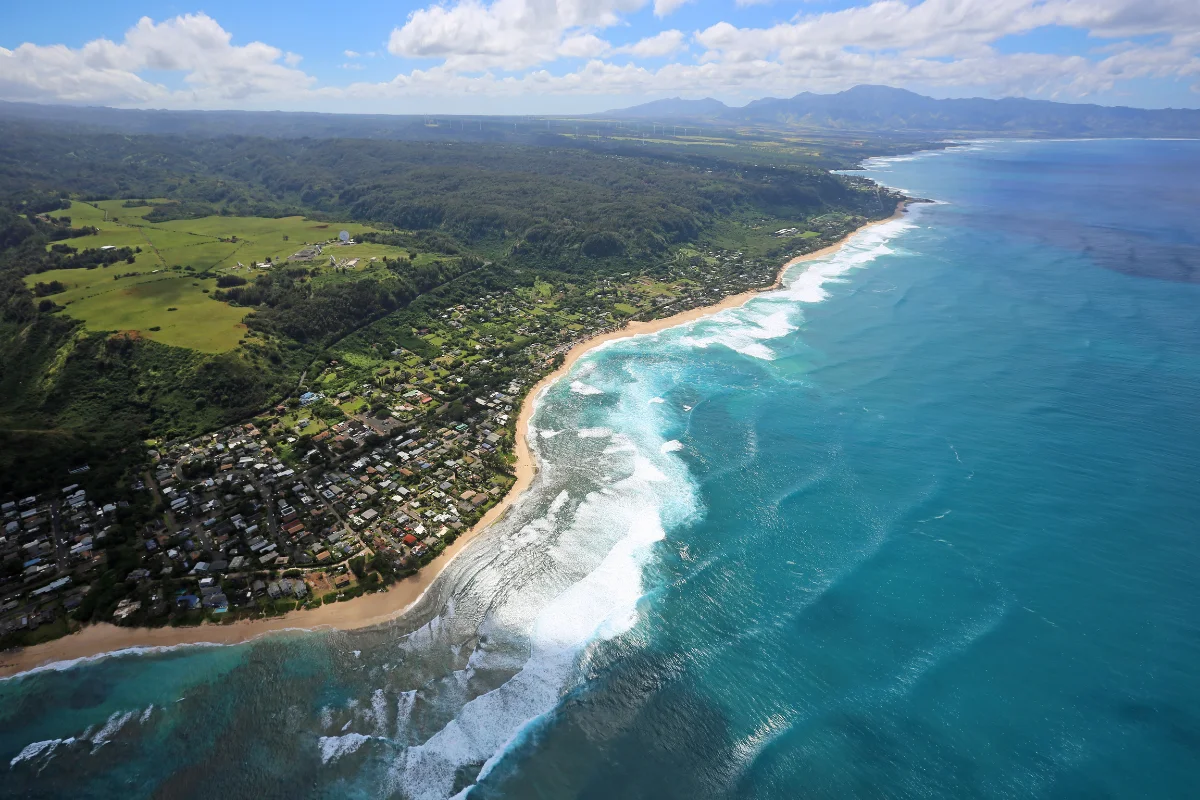
The North Shore is where Oahu exhales. The air tastes like salt and sunscreen, and at night you actually hear the ocean instead of traffic. Mornings come with rooster noise, wet leaves, and a strong coffee hunt. Pick your base based on what you want to do before 9am, because that’s when the roads and beaches start to fill.
1. Haleʻiwa
The most convenient home base. You can walk to coffee, poke, galleries, and the beach without thinking too hard. It has a lived-in surf-town feel, plus enough food options that you won’t get bored. Many Oahu circle island tours build in time here for lunch and a stroll before continuing along the North Shore.
Tips:
- Park once and stay on foot. Weekends turn traffic into a slow crawl.
- Eat early or late. The popular spots get lines that aren’t worth your vacation time.
2. Sunset Beach
Stay here if you want to wake up, look outside, and see serious surf. In winter, the shoreline energy is real and the sunsets earn the hype. Nights are quiet and dark, the good kind.
Tips:
- Book far ahead for winter. The best places don’t sit empty.
- Respect the water. If the waves look intimidating from the sand, they are.
3. Pūpūkea
Low-key and close to the best snorkeling on the North Shore when the water is calm. Shark’s Cove is right there, and the tide pools make for an easy, lazy morning. The Pūpūkea–Waimea area also includes a Marine Life Conservation District, so fishing and collecting are tightly regulated outside of a few specific exceptions. This area feels more residential, which is exactly the point.
Tips:
- Go to Shark’s Cove early. By mid-morning you’ll be sharing every rock with a GoPro.
- Bring reef shoes. The lava rock isn’t kind.
4. Kahuku and Lāʻie
Great if you want more space, lower prices, and quick access to food trucks and trailheads. Kahuku is shrimp-plate country, and Lāʻie keeps you close to the windward side if you plan to bounce around.
Tips:
- You’ll want a car here. Distances are short but not walkable.
- Carry cash for lunch stands and roadside snacks. Some still don’t love cards.
How to Split a Stay on Oahu
Start in town. Oahu’s traffic has a talent for ruining good intentions, so give yourself 3 to 4 nights in Waikiki or Kaka‘ako first. You can walk to breakfast, museums, and a quick swim without turning every plan into a drive. Waikiki is busy but convenient, and it’s hard to beat an evening dip when the light goes soft and the water is still warm. Kaka‘ako feels more local and less resorty, with better coffee options and an easy hop to Ala Moana Beach Park.
Once you have your bearings, move closer to the mornings you actually care about. Kailua is for calm, early swims and sandy, low-stress beach days. The North Shore is for sunrise sessions, winter swells, and a very specific lunch rhythm that involves shrimp trucks and sandy feet. If Pearl Harbor is on your list, remember the $1 USS Arizona tickets can sell out fast and are released on a rolling window. Reservations drop daily at 3:00 pm HST in two windows.
Tips that make the split work:
- Pack like you’re changing hotels, not moving house. Two bases are only fun if checkout day stays simple.
- Book the second stay midweek if you can. Prices often dip and the roads feel less frantic.
- Use Waikiki or Kaka‘ako for your city list: Bishop Museum, Iolani Palace, Chinatown eating, and anything that would be annoying to reach from the country.
- Use Kailua for beach mornings. Get out early, before the sun gets sharp and parking turns into a slow spiral.
- Use the North Shore for dawn. Leave very early, grab coffee on the way, and you’ll beat the day-trippers.
- Keep one “no driving” day in each base. Your trip will feel longer, in a good way.
- Plan day trips like spokes from each neighborhood, not a daily island loop. That’s how you dodge H-1 gridlock and stop spending your vacation staring at brake lights.
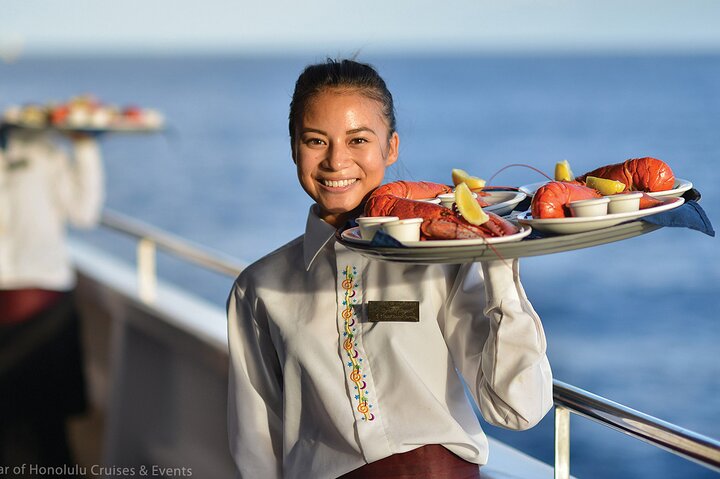
Honolulu: Three Star Deluxe Sunset Dinner Cruise and Show
As the sun sets over the Pacific, enjoy a luxurious Honolulu dinner cruise along the scenic coastline near Diamond H...

Toa Luau at Waimea Valley, Oahu
Toa Luau invites you to immerse yourself in the beauty and excitement of Polynesia on Oahu’s historic North Shore!...

Waikiki 2-Hour Sunset Sailing Catamaran – Swim & Sail Adventure
There’s no better place to take a dip than the crystal-clear waters of Waikiki—and no better way to experience a...
Frequently Asked Questions
What’s the Best Time of Year to Visit Oahu for Fewer Crowds?
Late spring and early fall are the sweet spots on Oahu. Think late April through early June, or September into mid November. The air still feels beach-friendly, the trade winds take the edge off the heat, and you’re not sharing every sidewalk in Waikiki with a parade of rolling suitcases. Mornings are calmer too, the kind where you can hear surf over traffic if you pick your spot.
Tips that actually help:
- Go midweek (Tue to Thu) for noticeably lighter crowds at beaches, hikes, and restaurants
- Avoid holiday weekends and school breaks, especially around Memorial Day, Labor Day, and Thanksgiving week
- Start early for popular lookouts and trails (Diamond Head, Lanikai Pillbox). Be there at first light, then grab breakfast while everyone else is still hunting for parking
- Shop farmers markets right at opening for easier parking and shorter lines
- Pick a base outside central Waikiki if you want quieter evenings, like Kaimuki or Kailua (then drive in when you feel like the buzz)
Which Oahu Area Is Quietest at Night for Light Sleepers?
Oahu gets tagged as the “no-sleep” island, but you can absolutely clock real rest if you base yourself in East Honolulu. Think the calm residential pockets around Kahala, where nights feel muted and the loudest thing is usually a sprinkler ticking on or a distant surf hush.
Skip Waikiki and the party strips if you are a light sleeper. In Kahala, you can come back from dinner, park without drama, and the neighborhood actually winds down. It feels lived in, not performed for visitors.
If you want that postcard morning without the all-night noise, set your alarm early and head to Lanikai at first light. The air is cooler, the streets are quiet, and the beach has that gentle, glassy calm before everyone shows up. Later, do your sunset chasing on the North Shore or up the coast, then drive back to East Honolulu for a properly quiet night.
Tips for sleeping well in East Honolulu
- Pick a place on an interior residential street, not directly on Kalanianaole Highway
- Look for accommodations with solid windows and AC so you are not relying on open-air breeze
- Ask about roosters and barking dogs in the immediate area, since they vary block by block
- If you stay in a condo, choose a higher floor away from the pool or driveway gates
- Plan nightlife as an outing, not a home base, then return to Kahala when the island gets loud elsewhere
Are There Good Vegetarian or Vegan Food Options in Each Area?
Yes. Oahu is easy to do meat free if you know what to look for, and most places will happily tweak a dish if you ask early and clearly.
Waikiki is the simplest. You can bounce between smoothie bowls, tofu poke, veggie ramen, and polished hotel restaurants that actually know what “vegan” means. It is also where you will find the most late night options, which matters after a beach day.
Kailua feels more local and relaxed, with bright little cafés doing farmy bowls, avocado toast that is not an afterthought, and solid coffee. Portions tend to be generous, and staff usually know what is in the sauces.
Ko Olina is resort country. You will eat fine, but you will pay for it, and menus can be heavy on fish and steak. The win is that kitchens are used to requests, so swaps are often smooth if you ask before the rush.
The North Shore is casual and snacky in the best way. Food trucks are your friend, and you will see more vegan baking and plate lunch style spots than you might expect. It is also where you want to plan ahead because places keep beach hours, not city hours.
Tips that make it easier:
- Learn a couple key asks: “no fish sauce,” “no bonito,” “can you cook it in oil, not butter”
- At food trucks, go early. Popular vegan items sell out
- Keep a backup plan in Ko Olina and on the North Shore since options thin out at night
- Don’t skip grocery stores for picnic supplies. Oahu’s produce and ready made sides are genuinely good
How Reliable Is Public Transit Between Waikiki, Kailua, Ko Olina, and North Shore?
Public transit works, but it runs on island time once you leave Waikiki. Around town, TheBus is steady and easy to lean on. Head out toward Kailua, Ko Olina, or the North Shore and the gaps get real. You will spend quality time at a stop with warm sun on your shoulders and trade winds blowing grit off the curb.
Waikiki and Honolulu have the best coverage and the shortest waits. Routes are frequent enough that a missed bus is annoying, not trip-ending. Outside that core, buses show up less often, transfers stack up, and a 15 mile ride can eat half your morning.
Kailua is doable by bus, but it’s rarely quick. Expect at least one transfer and long stretches between arrivals, especially outside commute hours. The ride is pleasant when the windows are open and you catch a glimpse of the Ko‘olaus, but it’s not the way to squeeze in multiple stops.
Ko Olina is a commitment. You are going far west, and it feels far on TheBus. This is where missed connections hurt, because the next one might be a while.
The North Shore is the hardest for transit. The bus gets you there, but you need patience and a loose schedule. Late afternoons can be rough if you are trying to get back after sunset when service thins out.
Tips that make it smoother
- Leave early. Aim to arrive 30 to 45 minutes before anything you truly care about
- Use the transit tracker app, not the printed schedule. Real time arrivals save you from guessing
- Pack water and a hat. Some stops have no shade and the heat sneaks up fast
- Treat transfers like appointments. Know which stop you need and what the next bus number is before you get off
- For Ko Olina and the North Shore, pick one main outing for the day and build your plan around it
- If you are traveling with a group or on a tight timeline, price out a rental car for that day. The bus is cheaper, not faster
Which Areas Offer the Easiest Beach Access for Travelers With Mobility Limitations?
You’ll have the least hassle in Waikiki and Ko Olina. Both are set up for wheels and walkers with smooth paths to the sand, reliable ADA restrooms close by, and beach wheelchair options if you want to actually get onto the shoreline instead of stopping at the promenade.
Go early. Mornings are when these areas feel most manageable: firmer sand, fewer bodies to navigate around, and water that’s usually calmer before the trade winds pick up. In Ko Olina, the lagoons stay especially gentle and the surface can look almost perfectly still at sunrise.
Tips that make the day easier:
- Start at a hotel-front beach in Waikiki for the flattest access and the most nearby facilities.
- In Ko Olina, stick to the lagoons for the calmest water and the shortest, smoothest routes.
- Ask about beach wheelchair availability ahead of time, especially on weekends.
- Plan a quick restroom stop before you head onto the sand so you are not searching mid-beach.

Parasailing Experience in Waikiki, HI
Experience the thrill of Oahu parasailing on this unforgettable 1-hour adventure from Waikiki. Soar up to 1,000 feet...

Pearl Harbor USS Arizona Memorial Tour from Waikiki
Turn back time as we explore WWII history at Pearl Harbor and relive the infamous Sunday morning of December 7, 1941...

Oahu: Atlantis Submarine Adventure in Waikiki
Explore Waikiki’s marine mysteries while diving more than 100 feet underwater in an air-conditioned, eco-friendly...
Conclusion
Pick your base like you’re choosing a surf break: it changes the whole rhythm of your trip. When deciding the best areas to stay on Oahu, think about how much you want to drive, what time you actually wake up, and whether your ideal soundtrack is city buzz or tradewinds and birds.
Waikīkī is the easy button in the best way. You can roll out for a musubi and strong coffee, hop on a bus, and be back in time for a swim before dinner. It’s dense, loud, and convenient, with food options that run from poke counters to proper cocktails. If you’re planning days where you’d rather let someone else handle logistics, Waikīkī is also where many Viator tours pickup happens, which saves time and the hassle of parking. Small group circles are common, and the practical perks like instant confirmation, verified reviews, and free cancellation often up to 24 hours before come in handy when the weather shifts. Some options also offer reserve now, pay later, which helps if you’re juggling a few big-ticket activities.
Kailua feels like you exhaled. Mornings here are the point. Grab something simple, then bike before the heat builds. The ride toward Lanikai is quick, and sunrise over that water looks almost unreal on calm days. Parking can be tight near the beach, so the bike trick is more than cute, it works.
North Shore is for early risers and people who like their evenings quiet. Even if you’re not chasing winter swell, the place has a slower pulse and prettier drives than the south side. Start your day early, eat shrimp somewhere casual, and don’t underestimate how long it takes to get back to town once traffic stacks up.
Ko Olina is the family-friendly, low-stress corner: protected lagoons, calm water, and a predictable resort setup. It’s great for kids and anyone who wants swimming without surprises, but check the fine print on resort fees and parking. If you’re planning guided days from this side, confirm pickup locations in advance since not every operator stops at every property.
One last reality check: Oʻahu pulls in roughly 60% of Hawaiʻi’s visitors, and you’ll feel it in the most popular zones, especially during school breaks. If you can, split your stay between neighborhoods. A few nights in Waikīkī for transit and tours, then Kailua or the North Shore for slower mornings gives you the widest slice of island life without spending your whole trip in the car.

Oahu: Ka Moana Lūʻau at Aloha Tower – Oceanfront Luau Show
Ka Moana Lūʻau – Oceanfront Hawaiian Luau in HonoluluExperience the spirit of Hawaiʻi at Ka Moana Lūʻau, a top-rated Honolulu luau set at his...

Oahu: Mauka Warriors Luau Honoring Polynesia's Forgotten History
Step into the vibrant heart of Hawai‘i and experience a luau like no other—where culture, history, and celebrati...
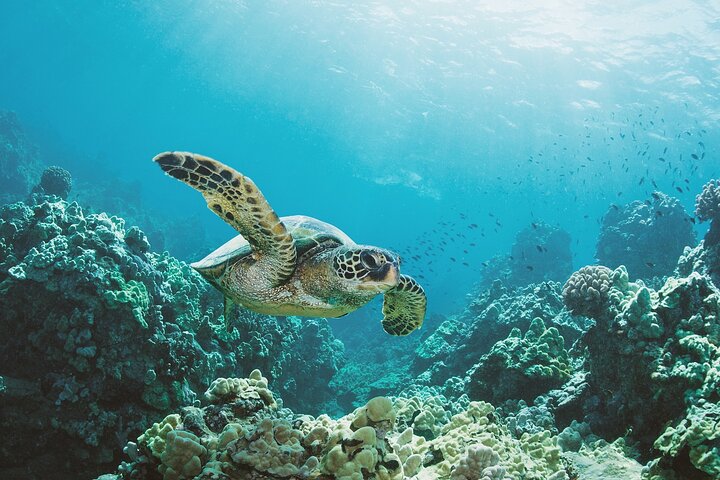
Waikiki: Turtle Canyon Snorkel Adventure on Oahu
Enjoy an exclusive snorkeling adventure in Waikiki with small group sizes for a comfortable and VIP experience. You...
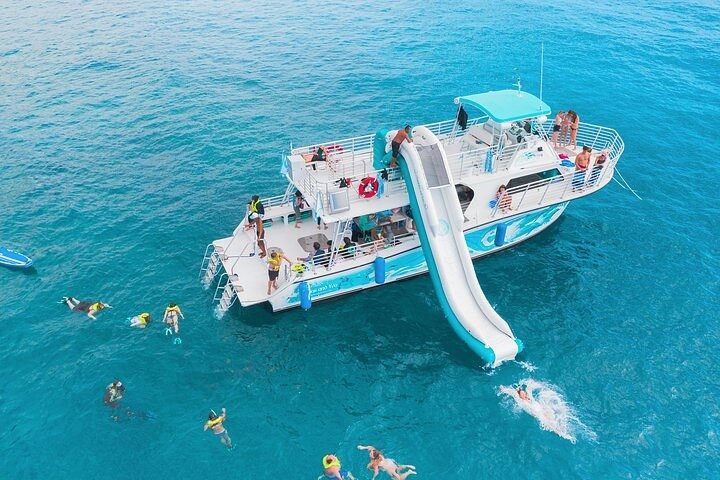
Oahu Dolphin and Snorkel Tour with Waikiki Pickup & Lunch
Join one of Oahu’s most popular ocean adventures and experience why over 300,000 guests have fallen in love with t...
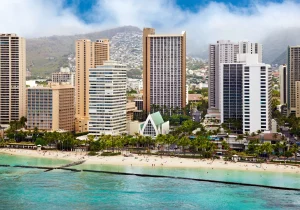
Stay Hotel Waikiki
A compact value hotel close to Waikiki Beach for travelers prioritizing location over resort amenities.
Check rates

Waikiki: 2 hours - Friday Night Fireworks Catamaran Cruise
Enjoy the spectacular FRIDAY NIGHT FIREWORKS show along the beautiful coastline of Waikiki while we get up close and personal with the explosiveness a...