If you’re a certified diver on Oahu, a two-tank wreck tour gives you the best mix of steel, history, and easy reef time. You might start deep on the Sea Tiger or the Corsair, where cables hum and big shapes rise out of blue water, then finish over coral heads and pale sand in 30 to 60 feet. The trick is picking the right boat, depth, and pace for your day, and that’s where things get interesting.
Key Takeaways
- The best Oahu two-tank wreck tours usually do a deeper wreck first, then a shallower reef dive for variety and longer overall enjoyment.
- Sea Tiger is a classic option for certified divers, typically explored around 80 to 100 feet with turtles, sharks, and easy exterior highlights.
- The Corsair offers a rarer WWII plane wreck dive at about 107 to 115 feet, known for its propeller, cockpit seats, and marine life.
- Open Water certification is often the minimum, but recent deep-dive comfort, solid gas planning, and confidence with gear matter most.
- Before booking, verify gear included, departure from Honolulu or Kewalo Basin, weather conditions, operator depth rules, and flying-after-diving guidance.
See more of Oʻahu
Top pick
 Explore experience ↗
Ko Olina Majestic Circle Island Tour with Waimea Falls and Dole
◷ 9 hr 30 min
The Majestic Circle Island Tour is one of the easiest and most cost-effective ways for Ko Olina guests to experience Oʻahu beyond the r
From $204.19 USD
View dates Explore experience ↗
Oahu Circle Island Tour with Byodo-In Temple Admission
◷ 7 hr–8 hr
This comprehensive Oahu Circle Island Tour allows you to experience the island’s most iconic sights in just one day. It is the perfect
From $159.00 USD
View dates Explore experience ↗
Private Customizable Oahu Grand Circle Island Tour from Waikiki
◷ 10 hr–11 hr
This activity stands out for its complete flexibility and personalization—you get to design your own itinerary on a private tour that l
From $1,199.99 USD
View dates Explore experience ↗
PRIVATE Premium Circle Island Tour (12 Stops)
◷ 6 hr–7 hr
Experience the exclusivity of our 12-stop, PRIVATE Grand Circle Island Tour — an affordable option where you can cherish the day withou
From $525.00 USD
View datesWhich Oahu Wreck Tour Is Best?
For many certified divers, the best Oahu wreck tour comes down to one simple question: do you want a deeper signature wreck or a more varied two-site dive. If you’re choosing where to Dive Oahu, match the site to your comfort, recent dives, and gear confidence.
The Corsair Airplane Wreck suits Certified divers who want a rare WWII plane, garden eels, and hunting octopus, but its 107 to 115 feet means short bottom time on a boat dive. The Sea Tiger wreck gives you classic wreck diving in roughly 80 to 100 feet, with a little more breathing room. For a Wreck and Reef feel, a Diver: 2-Tank Deep Wreck may pair well with a Shallow Reef Dive. Check in early, bring your card, and don’t bluff experience. Ocean conditions hate that.
Best Oahu 2-Tank Wreck Tours
For a strong Oʻahu 2-tank wreck tour, you’ll usually pair a deep wreck like Sea Tiger, YO-257, San Pedro, or sometimes the Corsair with a shallower reef stop, which gives you rusty steel, blue water, and then coral and fish on the same outing. You’ll want to check depth and certification closely, since these sites often run about 65 to 123 feet and can bring current, silt, and tricky navigation that don’t reward guesswork. Before you book, confirm what gear is included, how long the trip runs from Honolulu or Kewalo Basin, and what the operator’s rules are for training, bottom time, and extras, because the fine print matters more than your lucky fins. If you want a non-diving way to preview coastal scenery between dive days, the Ocean View Blue Line is known for some of Waikiki’s best shoreline views and scenic stops.
Top Wreck And Reef
If you want Oʻahu’s classic 2-tank thrill, book a wreck-and-reef tour that pairs one deeper wreck with an easy shallow second dive. From Kewalo Basin, you’ll often choose a Deep Wreck and Shallow plan built around the Corsair or Sea Tiger, then finish with Reef Dives over sand, coral, and relaxed fish life.
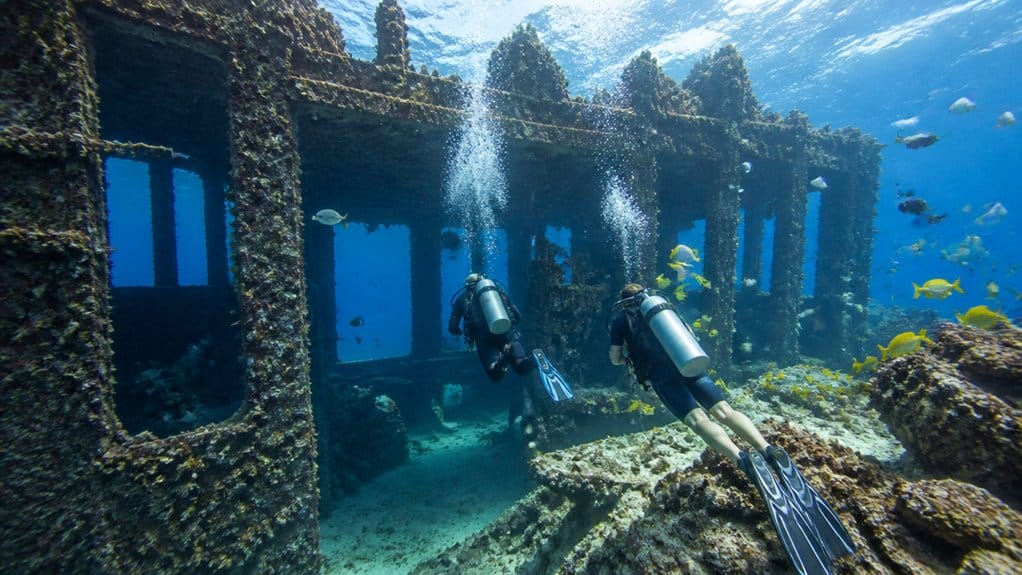
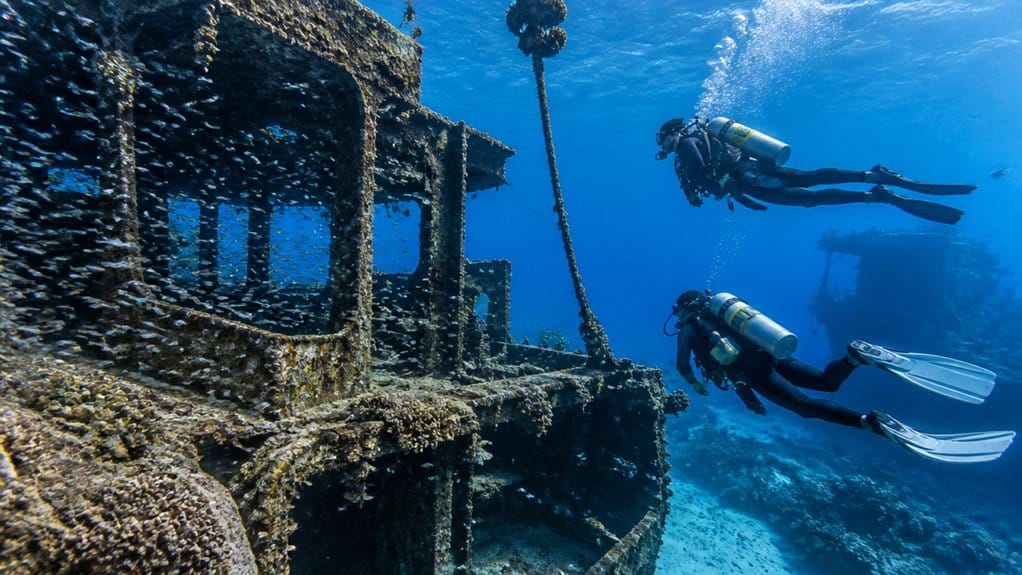
For variety, ask about YO-257 and San Pedro when conditions line up. You may spot Whitetip reef sharks tucked near the wreck and turtles resting nearby. The Corsair feels almost cinematic, with garden eels waving below and schools of tropical fish flashing past. Sea Tiger gives you big-photo appeal, from open cargo spaces to the bridge. Many operators also run a Wreck and Shallow Reef combo with Turtle Canyon or other calm reef sites as your second stop.

Waikiki Two Tank Guided Scuba Diving Adventure: Certified Diver
Small Groups of six or less led by our experienced PADI Dive Masters and Instructors, this exciting morning charter...
Depth And Certification
Because Oʻahu’s top 2-tank wreck trips usually start deep, depth and certification matter more here than on a casual reef double. As a Certified Diver, you’ll usually begin with a Deep Wreck dive around 80 to 120 feet, then ease into a shallower Reef Scuba Dive. Open Water certification is often the minimum, but these sites feel better suited to confident intermediate skills before your scheduled departure. Many operators also coordinate Waikiki hotel pickup, which can make early morning deep wreck departures easier to manage.
- You’ll hover over the Corsair near 107 feet, where blue water, ticking bottom time, and current can sharpen every breath.
- You might fin the Sea Tiger at 80 to 100 feet and feel the thrill of its huge shadow rising from the Deep.
- You’ll answer a medical questionnaire honestly, because depth changes the day fast, and limited penetration needs extra wreck training too.
Gear Inclusions And Policies
While the wrecks grab the spotlight, the easy part often starts on deck, where many of Oʻahu’s best 2-tank charters hand you premier rental gear with the basics already covered. Your Scuba Gear often includes a BCD, regulator, mask, snorkel, fins, and a shorty wetsuit, plus snacks and cold drinks after the salt spray settles. Some Honolulu operators also brief divers on training and gear basics before departure so everyone is comfortable with setup and boat procedures.
Waikiki Dive Center also offers Beginner Scuba Packages for guests who are not yet certified and want a starter experience before moving up to wreck diving tours. Some visitors first book Try Scuba Diving tours in Honolulu to get comfortable with equipment and boat procedures before earning certification.
You’ll need certification proof before boarding, and a medical form at check-in. Please arrive an hour before the scheduled departure, even if some boats ask for less, because waivers and fittings move fast. Parking and tips usually cost extra, though upgrade options are available. Read refund rules closely. A full refund often requires early notice, and some operators enforce cancellation within 48 hours. For safety, you must NOT be flying within 24 hours after.
Oahu Wreck Tour Prices and Inclusions
For certified divers, Oʻahu wreck tours usually start around $225 to $299 per adult for a two-tank trip, and that price often gets you a wreck and reef pairing shaped by the day’s sea conditions.
Your Dive tour usually lasts 3.5 to 4 hours. You’ll get two guided diving sessions of about 45 minutes, plus a relaxed surface interval with snacks and drinks. Like a Honolulu sunset sail, timing and onboard refreshments can strongly shape the overall experience. Certified guests often receive Scuba gear, a PADI guide, boat transportation, and access to two dive sites. Many operators market these outings as two-tank tours designed specifically for certified divers. Arrive 15 to 30 minutes early for waivers, fitting, and your scheduled dive check-in.
Plan on 3.5 to 4 hours, two guided dives, snacks, drinks, and an easy pre-dive check-in.
Some shops also offer beginner scuba tours for first-time divers, but wreck-focused two-tank trips are geared to certified guests.
- You feel the harbor buzz before boarding.
- You hear tanks clink and know adventure’s close.
- You smile when the Best wreck bonus is simply showing up ready.
Extras usually cost more, including gratuities, parking, nitrox, GoPro rentals, and private guides.
Have a question about this guide?
Ask for tour ideas, hotel suggestions, or a simple trip plan that combines both.
Trip Helper
Oahu Wreck Dive Sites You Can Visit
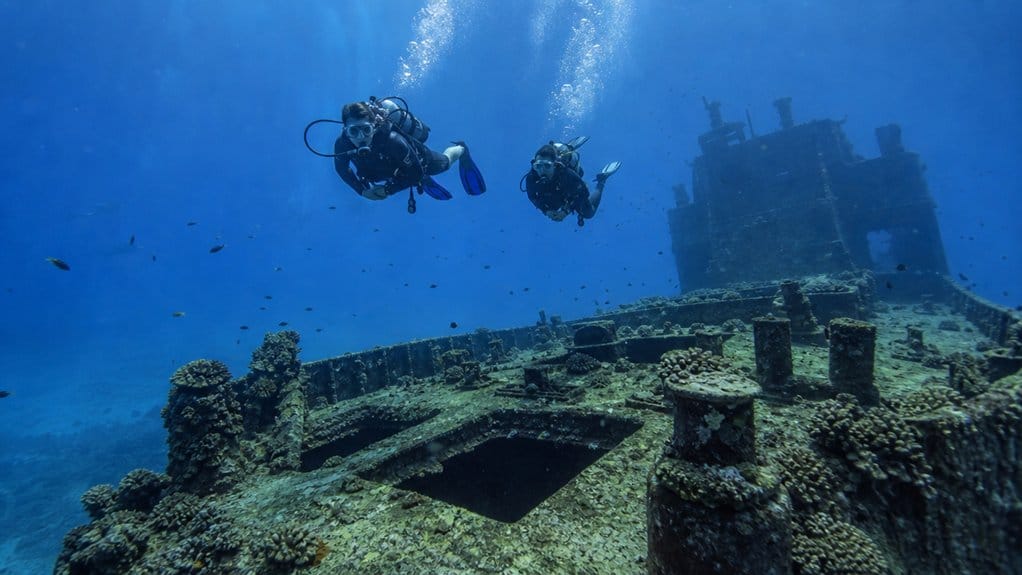
You can start with the Sea Tiger, a 189-foot wreck off Oʻahu where you’ll spot turtles, white-tip reef sharks, moray eels, and maybe an octopus as you move through water around 80 to 100 feet. If you want something rarer, you can visit the Corsair, a remarkably intact WWII plane at about 107 feet where short bottom times come with a big reward: hundreds of garden eels, plus large morays and octopus nearby. Together, these two sites give you a classic Oʻahu wreck tour with very different moods, from a towering ship to a quiet warbird that still feels a little mysterious. On calmer North Shore days, nearby reefs like Sharks Cove are popular for snorkeling and shore diving, though conditions there are generally best from about May through October. Before any dive day, reviewing 7 safety steps for North Shore ocean conditions can help you prepare more confidently. As with planning any North Shore ocean outing, it helps to know local conditions and Shark Cove Beach basics before you go.
Places to stay in Honolulu
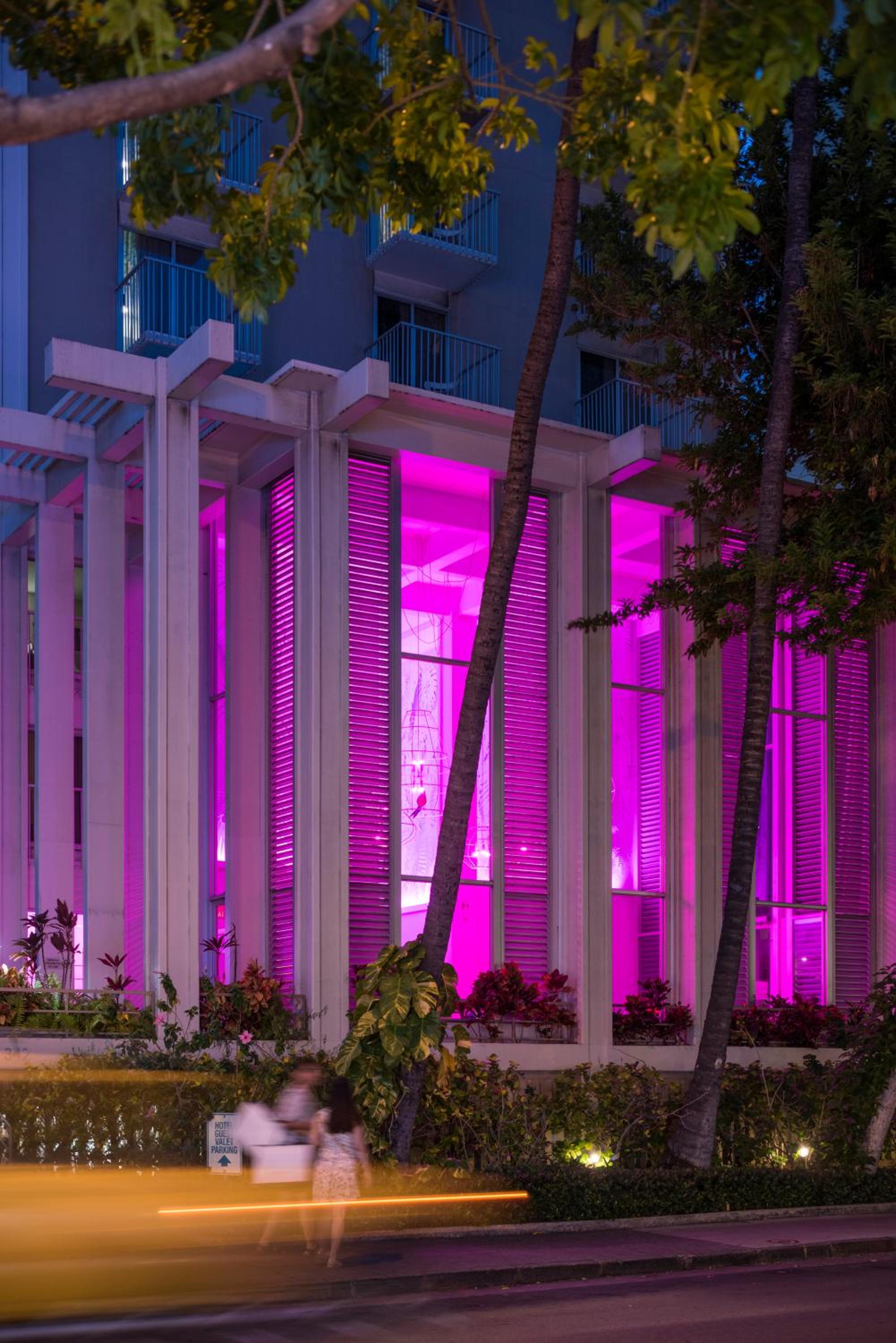
Shoreline Hotel Waikiki
4/5
Honolulu
View hotel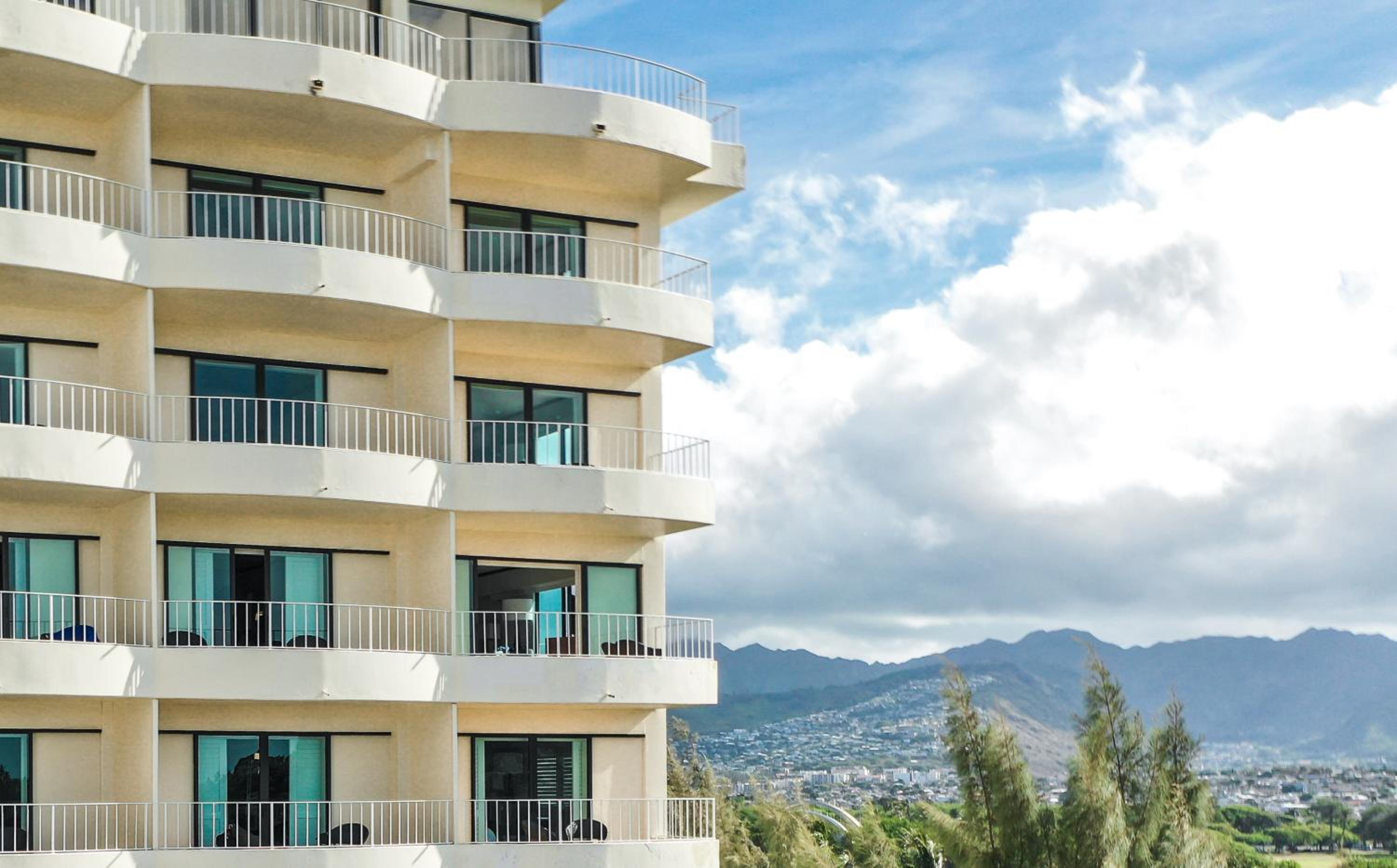
Lotus Honolulu at Diamond Head
4/5
Honolulu
View hotel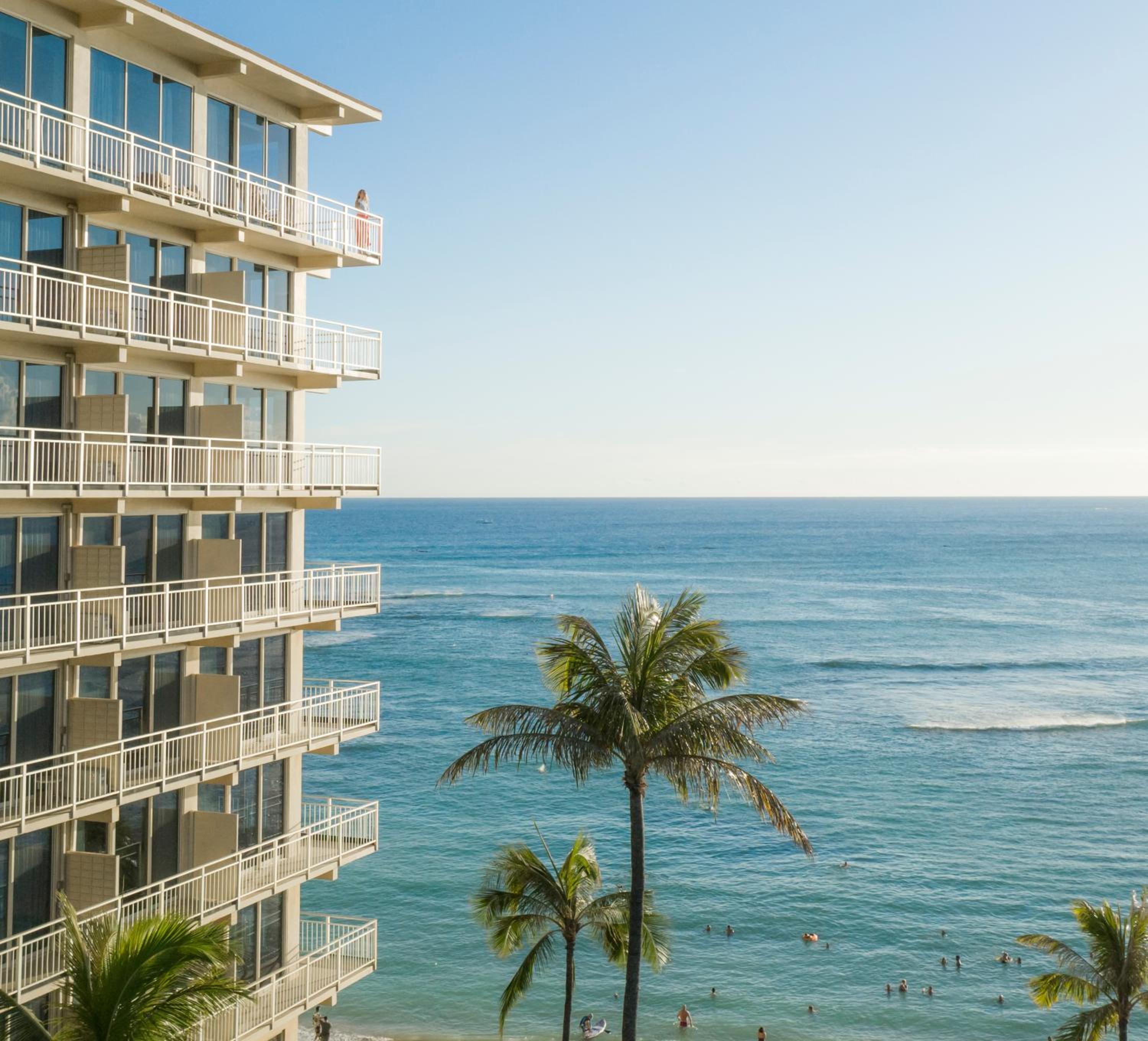
Kaimana Beach Hotel
3/5
Honolulu
View hotel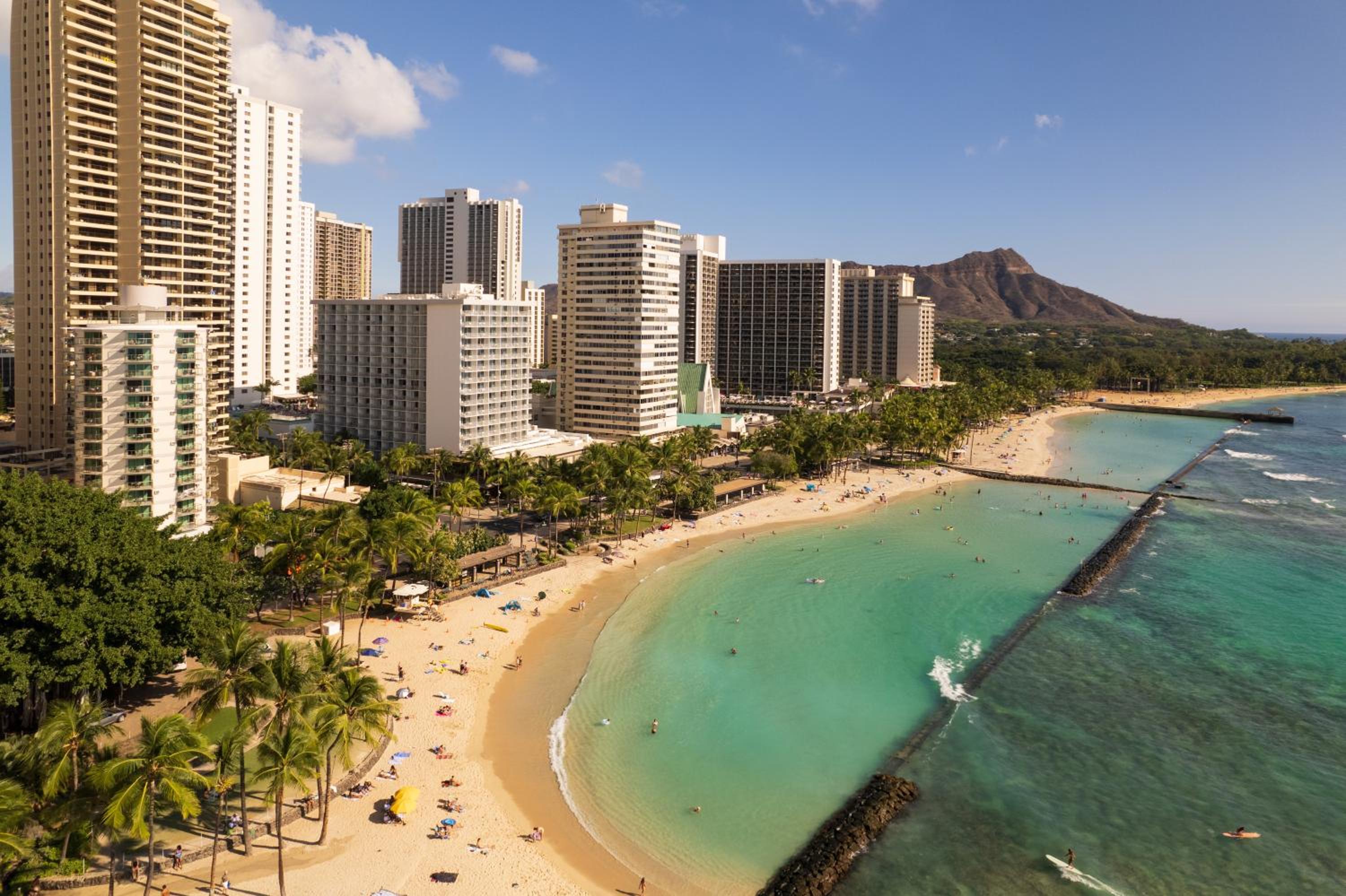
Waikiki Circle Hotel by Castle
3/5
Honolulu
View hotel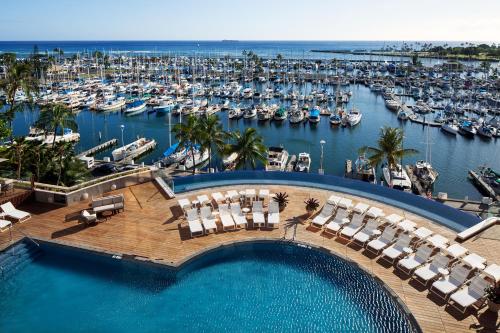
Prince Waikiki
4/5
Honolulu
View hotel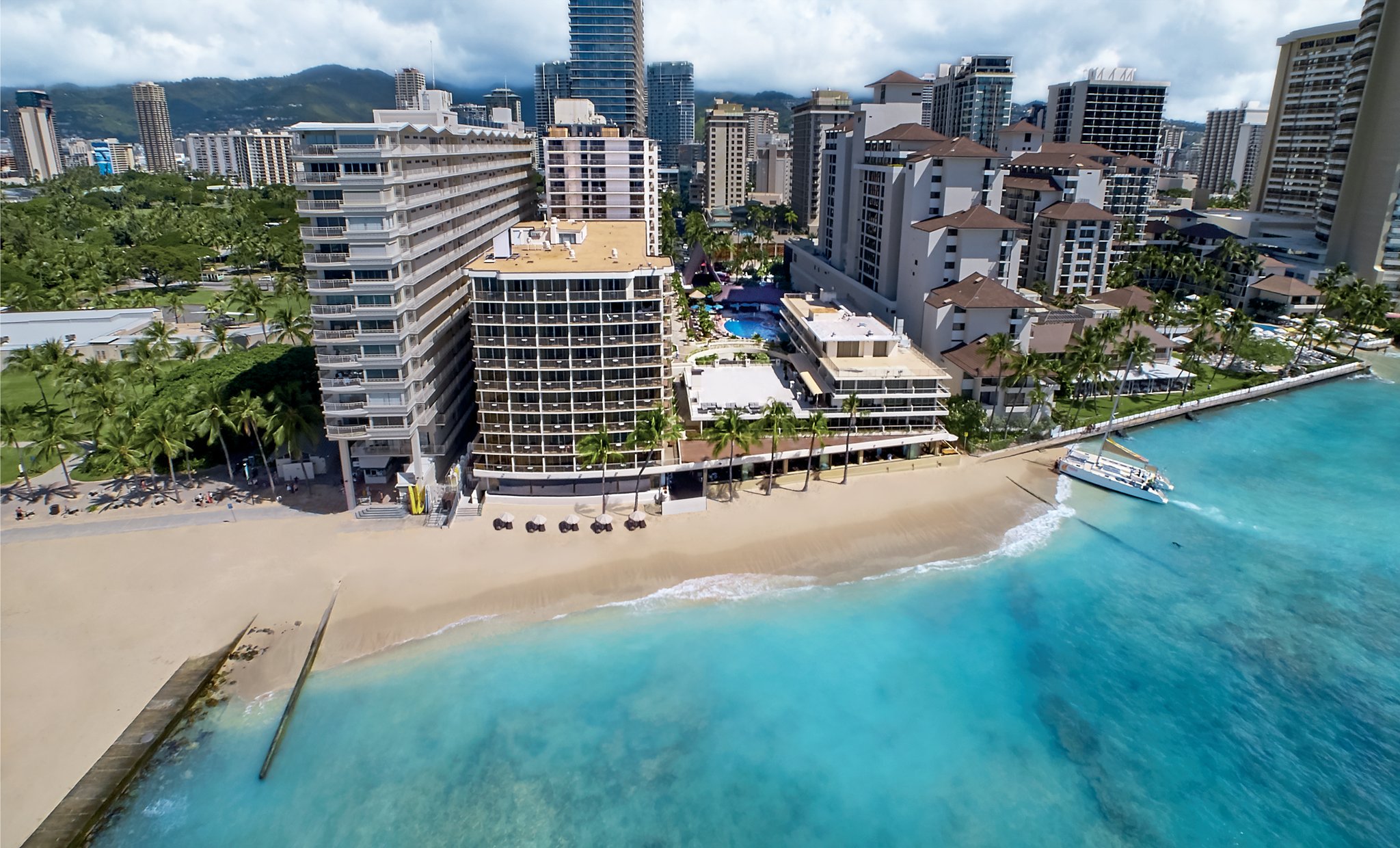
OUTRIGGER Reef Waikiki Beach Resort
4/5
Honolulu
View hotel
'Alohilani Resort Waikiki Beach
5/5
Honolulu
View hotel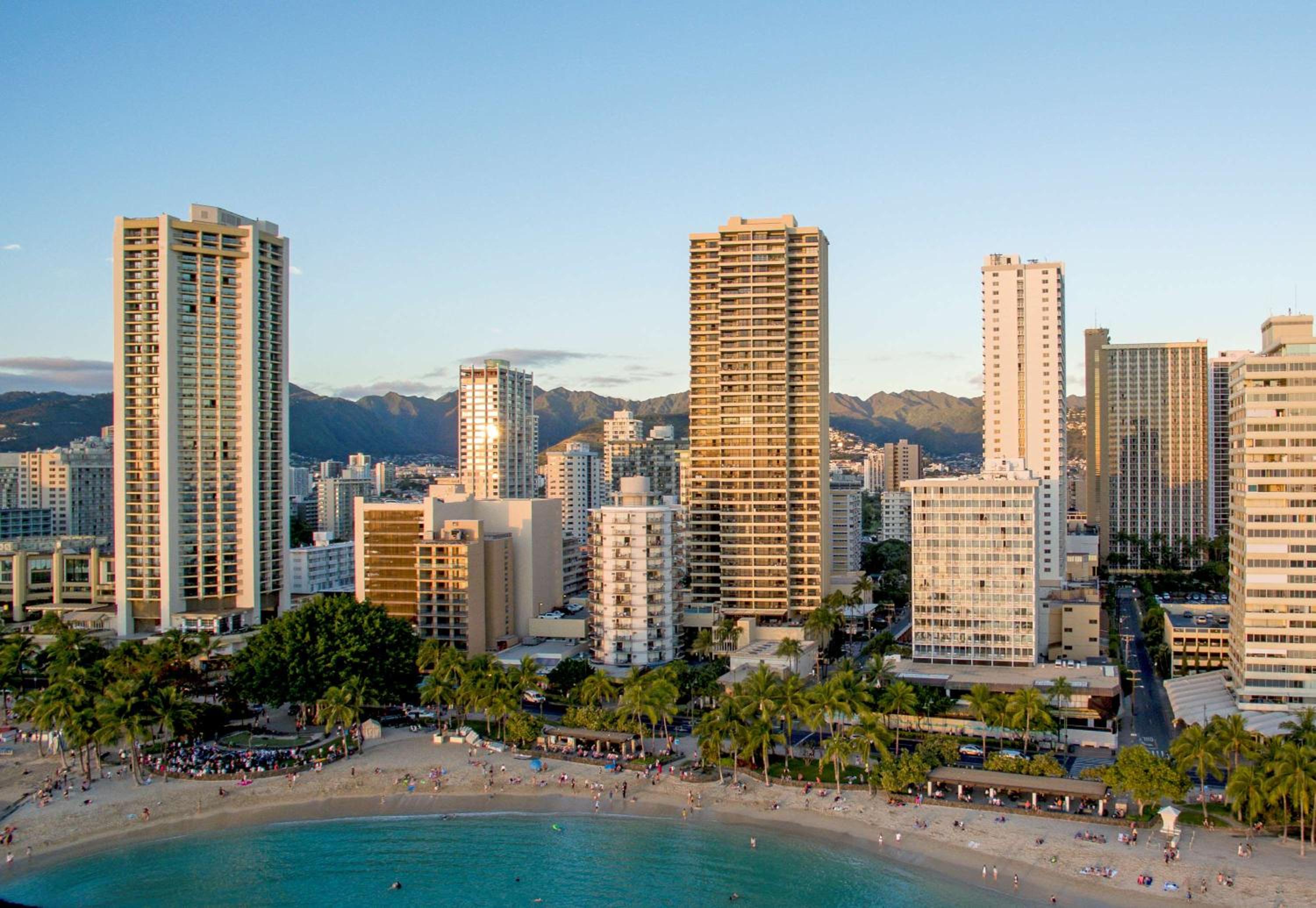
Aston Waikiki Beach Tower
5/5
Honolulu
View hotel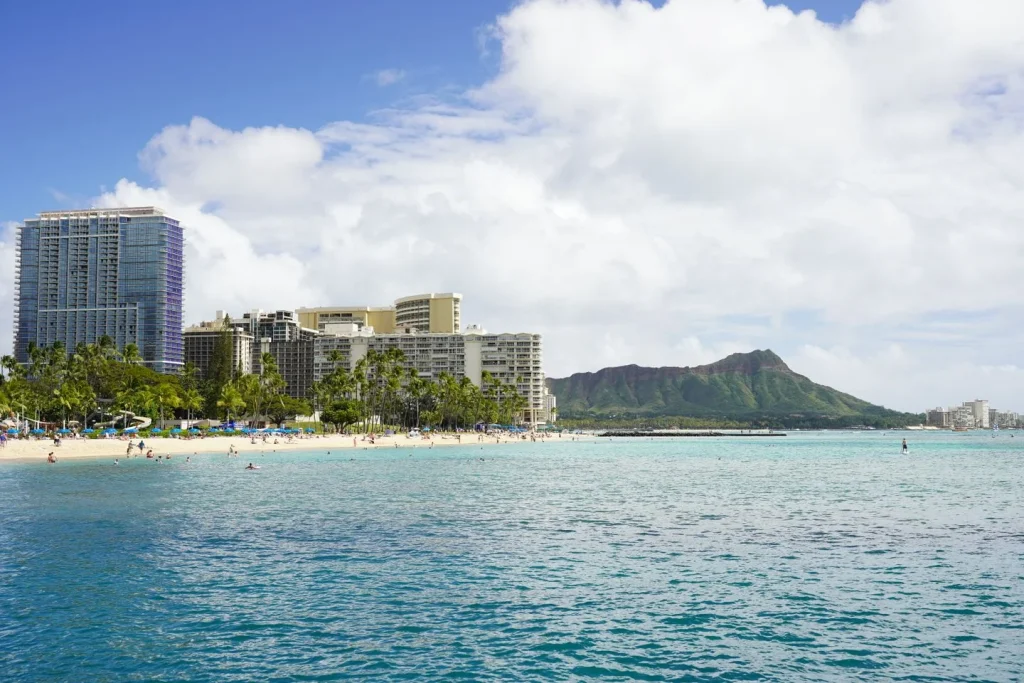
Sea Tiger Wreck
Because Sea Tiger sits upright on a sandy bottom at around 120 feet, it delivers one of Oahu’s most serious recreational wreck dives without losing its sense of adventure. You’ll usually explore 80 to 100 feet, where this 189-foot Wreck Dive feels big, intact, and made for experienced divers. While it’s a wreck site rather than a snorkel reef, Oahu is also famous for snorkeling with turtles in much shallower water.
- You fin past cargo holds and the bridge, and Sea Tiger quickly feels like one of the best wrecks for best diving off Diamond Head.
- You peek into crevices for moray eels, then spot green sea turtles, white-tip reef sharks, and bluefin trevally cruising by.
- You’ll want sharp navigation because the layout can draw you off course, especially if surge turns part of the dive into a mild Drift Dive.
Unlike a Turtle Canyon snorkel adventure, this deeper site is built for certified divers with solid wreck and depth experience. Oahu is also known for guided turtle-watching tours, though those are a very different experience from a deep wreck dive like Sea Tiger.
Hawaiian monk seals are rare here, but surprises happen.

2 Tank Natural Reef & Wreck Dive Tour off Wai'anae
The best wreck diving experience in Hawaiian waters!Join us on a guided tour of a beautiful deep reef on the west...

Certified Divers: Best 2-Tank Wrecks & Reef Boat Dive All Inclusive From Waikiki
What sets us apart: 1. Bespoke dive sites on Oahu 2. Unlike 98% of the snorkeling and diving tour operators in Hawai...

Certified Diver: 2-Tank Deep Wreck and Shallow Reef Dive Off Oahu
The best wreck diving experience in Hawaiian waters!Join us on a guided tour of a beautiful wreck on the south sho...
Corsair Plane Wreck
Drop onto the Corsair Plane Wreck and the outline of this 1946 aircraft rises from the sand like a movie prop that never left the set. You’ll fin toward the bent propeller and cockpit seats on this Corsair plane wreck, one of Hawaii’s most remarkably intact aircraft sites. It’s a thorough dive to 107 feet, so your bottom time stays short and focused.
| Feature | Why it stands out |
|---|---|
| Propeller | Tall, bent, photogenic |
| Cockpit | Seats still visible |
| Garden eels | Hundreds sway nearby |
| Morays | Guard the plane |
Because the wreck rests alone on a sandy plain, your attention stays on structure and marine life. It’s a great dive, often a second dive after a boat ride. For another adrenaline-filled ocean experience, cage diving tours are among Oahu’s top adventures to book. If you’re planning more aerial sightseeing after your dives, Oahu also offers helicopter tours as another memorable way to see the island. Wait at least 24 hours before flying. Recommended for travelers.
What to Expect on an Oahu Wreck Dive
Once the boat leaves the harbor, an Oʻahu wreck dive usually unfolds as a two-tank outing with a clear rhythm: a deeper wreck first, then a calmer reef second. Your diving experience often starts around 80 to 120 feet, then shifts to coral reefs at 25 to 60. Even DISCOVER Scuba Diving fans can appreciate the pace. During the surface interval, you’ll regroup, snack, and hear what divers might see next. Some travelers also compare this kind of excursion with an Oahu Submarine Scooter adventure when choosing the right underwater experience. Many second dives may include coral reefs where divers often spot Hawaiian green sea turtles along the reef edge.
A typical Oʻahu wreck dive flows from a deeper first tank to an easy reef drift, with a relaxed surface interval between.
- You descend and meet underwater history fast. A wreck dive can feel like stepping into another world.
- Expect to see turtles, white-tip reef sharks, octopus, moray eels, and bright fish circling one silent structure.
- On sites like Sea Tiger, you can see exterior highlights such as the bridge or cargo holds, without needing penetration.
Some visitors plan a separate topside outing around North Shore stops after their dive day to experience a different side of Oʻahu.
Oahu Wreck Dive Rules and Safety
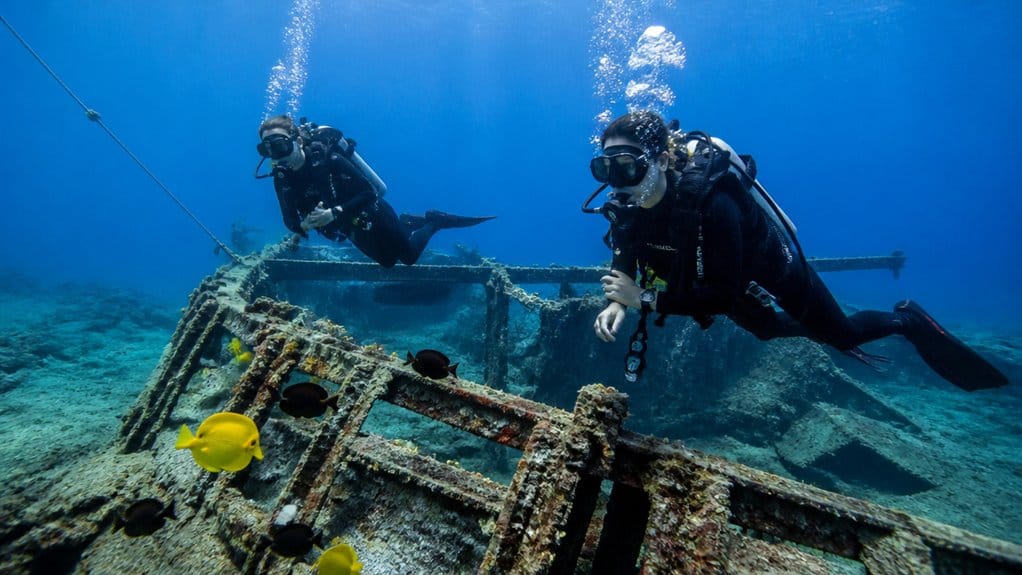
That easy two-tank rhythm still comes with firm guardrails, and Oʻahu operators take them seriously. Before you even enter the water, confirm you’re fully scuba certified. PADI or equivalent proof is usually required at check-in. You’ll also review a medical questionnaire, and physical fitness matters more on deeper wrecks.
Some sites drop past 107 feet, so allow time to check your computer, gas plan, and buoyancy setup. If you want limited penetration, a wreck-specialty may be required, plus gloves, two lights, a reel, and a certified buddy. Skip alcohol before diving, and give yourself at least 18 hours, ideally least 24 hours after diving, before flying. If plans change, cancel at least least 24 hours ahead. Failing medical check-in can cost you, which is no fun.
Frequently Asked Questions
Can I Join if I Was Certified Recently?
Yes, you can usually join if you’re recently certified. New diver eligibility depends on training verification, confidence assessment, depth limits guidance, waiver considerations, gear briefing support, buddy pairing safety, recent certification requirements, intro dive experience, scheduling flexibility.
What Marine Life Is Commonly Seen on Oahu Wreck Dives?
You’ll spot, then suddenly recognize, Coral remnants alive with schools of fish, green sea turtles, moray eels, reef sharks, lobsters and crabs, octopus sightings, nudibranchs abundance, rays cruising, and seabirds overhead nearby.
Are Seasickness Remedies Recommended for Oahu Dive Tours?
Yes, you should consider remedies. During dive briefing basics, plan seasickness timing, assess motion sensitivity, use hydration tips, target nausea with safe medication choices, ask about patch availability, practice symptom monitoring, allow recovery downtime, and pack comfort gear options.
Is Underwater Photography Allowed on Wreck Diving Tours?
Yes, like a silent museum, you can photograph wrecks if you follow guide permissions, underwater etiquette, and buoyancy control. Mind wreck depth limits, low visibility tips, underwater communication, dive light safety, camera settings, and photo tank access.
What Is the Best Season for Wreck Diving on Oahu?
You’ll get the best Oʻahu wreck diving May–October: trade winds ease, visibility changes improve, water temperature stays warm, wreck depth ranges feel manageable, current strength and entry conditions calm, storm season effects lessen; dive briefing focus, buoyancy considerations help.
Conclusion
Choose the two-tank tour that matches your comfort, air use, and curiosity. You might drop onto the Sea Tiger or the Corsair first, then drift over a quieter reef at 25 to 60 feet where turtle shadows cross the sand. Steel, coral, history, color: Oahu gives you all four in one boat morning. Ask about depth, conditions, and gear before you book. Then listen for the captain’s count and go see what waits below.
See more of Oʻahu
Top pick
 Explore experience ↗
Private Pearl Harbor and Mini Circle Island Tour from Waikiki
◷ 9 hr–10 hr
Take a private, customizable tour of Oahu’s best destinations, starting at the Pearl Harbor Historic Sites Visitor Center. Here, explor
From $1,199.99 USD
View dates Explore experience ↗
Circle Island Tour with Beach Stop, Leonard's Bakery & Free Wi-Fi
◷ 9 hr
Experience the best of Oahu with Aloha Fantasy Tours, offering authentic Hawaiian adventures beyond the ordinary. Explore the Windward
From $84.00 USD
View dates Explore experience ↗
Private Circle Island 8hr Group Tour 1 - 14 people
◷ 8 hr
Our tours offer an authentic and immersive experience that goes beyond the typical tourist spots. As a locally owned and operated compa
From $360.00 USD
View dates Explore experience ↗
V.I.P Dole, Rum Distillery, N.Shore, Haleiwa Circle island tour
◷ 5 hr
Go private skip the van and big bus in a Luxury Lincoln Navigator. This beautiful ocean, food and mountain scenic drive is best to book
From $191.00 USD
View datesExperiences to explore
 Explore experience ↗
Discover Scuba Diving in Hawaii - Non certified divers!
◷ 3 hr
Turtles! Turtles! Turtles! We visit popular turtle-cleaning stations. What is a turtle-clean station? It says exactly what it says! Tur
From $237.99 USD
View dates Explore experience ↗
Waikiki 2 Tank World Class Wreck SCUBA Diving - Certified Only
◷ 5 hr
Japanese, Chinese and Korean speaking instructors available upon request. Personal Underwater photographer available to capture and rec
From $292.41 USD
View dates Explore experience ↗
Waikiki Two Tank Guided Scuba Diving Adventure: Certified Diver
◷ 4 hr
Explore Honolulu’s underwater world on a two-tank morning scuba charter for certified divers. With a maximum of six guests aboard, enjo
From $265.00 USD
View dates