You’re chasing honu, and Oahu makes it surprisingly doable if you time it right. Hit Laniākea or Haleʻiwa early, then scope Turtle Bay, Kawela, Three Tables, or Sharks Cove in calm summer surf, and save Electric Beach or Ko Olina lagoons for clear afternoons. Bring reef shoes, reef-safe sunscreen, and a zoom lens, skip chasing turtles in the water, and keep 10 feet back. If parking’s tight, a Viator North Shore loop with verified reviews and hotel pickup can help. But which beach actually delivers today?
Key Takeaways
- Laniakea Beach (North Shore) is Oahu’s classic turtle beach; arrive before 9 a.m. or after 4 p.m., and keep 10 feet away.
- Turtle Bay & Kuilima Cove offer calm, early-morning turtle grazing along reef edges; scan from sand first for safer, easier spotting.
- Kawela Bay is a protected, shallow cove with gentler water; get there around 7–7:30 a.m. and leave by mid-morning to beat crowds.
- Haleiwa Beach Park (river mouth) and nearby Alii Beach Park are reliable townside viewing spots; be patient 20–40 minutes near sunset.
- For snorkel-friendly options, try Three Tables and Sharks Cove early on weekdays; use water shoes for rocky entries and avoid standing on coral.

Oahu Small-Group Circle Island Tour with Turtle Snorkeling
Circle most of the island of Oahu on a full-day tour by minibus limited to 24 (possible to go over 28) passengers, a smaller group than typical island...

Waikiki Green Sea Turtle Snorkeling Tour - Boat Excursion
Waikiki Turtle Canyon Snorkeling is an amazing way to experience Hawaii’s incredible marine life on Oahu’s south...

Waikiki 2 hour Turtle Canyon Snorkeling Adventure
Join us for a 2-hour snorkeling adventure at Turtle Canyon, one of Oahu’s top snorkeling spots! Cruise along the s...

Oahu North Shore Fun: Waimea Waterfall & Turtle Snorkeling
Experience Oʻahu’s famous North Shore with stops at Waimea Valley, Haleiwa Town, and legendary surf beaches like...
Laniakea Beach: Oahu’s Famous Turtle Beach
Just up the Kamehameha Highway on Oahu’s North Shore, Laniakea Beach is where you can realistically spot Hawaiian green sea turtles without booking a boat. Arrive before 9 a.m. or after 4 p.m. to beat the busier midday crowds and harsher sun. Parking’s tight, so bring patience, reef safe sunscreen, water, and a small towel. You’ll likely see a sea turtle hauled out on the sand, so stay at least 10 feet back and never touch it. Volunteers sometimes mark viewing lines, part of ongoing conservation efforts. You can also learn the cultural significance of honu through signs and local chatter. For context, a guided walk runs about $30 each. Skip flash photos, drones, and loud music. Nesting patterns vary, so sightings aren’t guaranteed. If you’re exploring more of the North Shore, nearby Haleiwa Beach offers additional seaside views, swimming, and local charm.
Turtle Bay & Kuilima Cove: North Shore Turtle Beach
On the far eastern end of Oahu’s North Shore, Turtle Bay and the calm pocket of Kuilima Cove give you a lower-stress shot at spotting honu, especially in the early morning when the water stays glassy and the resort crowd hasn’t fully rolled in. As you drive up, you’re right at the start of exploring the North Shore Oahu beaches, bites, and quick roadside sights that make this coast so iconic.
Park near the public access and walk down with reef-safe sunscreen, water, and snug sandals for the rocky tide pools. You’ll often see turtles grazing along the edge of the reef, so keep 10 feet and skip touching or flash photos.
After 9 a.m., loungers and snorkelers thicken, and the cove feels busier. If surf is up, take a quick look, then stick to the protected water.
Signs about reef restoration explain why you shouldn’t stand on coral. Entry’s free.
Kawela Bay: Calm Oahu Turtle Beach
At Kawela Bay, you’ll find a palm-fringed cove that stays calmer thanks to its protected shape, so it’s a smart pick when the North Shore surf looks rowdy. Go early, around 7 to 9 am, to beat the small crowds, bring reef-safe sunscreen, water shoes, and a towel, and skip chasing turtles into deeper water because the best viewing often happens in the shallows. Nearby, the Pūpūkea and Waimea Bay Beach Parks offer additional protected coastline and facilities like restrooms, showers, and emergency phones if you plan to explore more of the North Shore. Keep your distance, watch for a turtle’s head popping up for air, and if you want the easiest timing and transport from Waikiki, a Viator tour with verified reviews, hotel pickup, free cancellation, and reserve now pay later can take the guesswork out of it.

Turtle Snorkeling and Dole Plantation Guided Tour In Oahu
Prepare for a full day of exploration and adventure that takes you through some of Oahu’s most iconic and scenic l...

Waikiki Turtle Canyon Snorkeling and Swim Tour
• Waikiki Turtle Canyon Snorkeling is an amazing way to experience Hawaii’s incredible ocean life on Oahu’s So...

Waikiki Sunset Turtle Snorkeling with Cocktails & FREE Pickup
Our Sunset Turtle Snorkeling Tour offers a unique all-in-one Waikiki ocean experience, combining adventure, relaxati...
Protected Bay Conditions
Because Kawela Bay sits tucked behind a protective reef and a curve of ironwood trees, you’ll usually find gentler water here than on many North Shore beaches. You can wade near shore at mid tide, but winter swells can still wrap in, so check the forecast and don’t push past your comfort. Paddlers who want to explore more of Oahu’s coastline can pair a mellow turtle visit here with the Oahu kayaking routes between Kailua and Kaneohe Bay.
| Factor | What you’ll notice | Plan for |
|---|---|---|
| Water | Mostly calm, green | Reef shoes |
| Wind | Sheltered, light | Shade hat |
| Access | Short sandy path | Bug spray |
| Rules | Seasonal signs | nesting seasons, habitat preservation |
Arrive before 9 a.m. for easier parking and fewer voices carrying across the bay. Pack a small dry bag, water, and a snack. Skip big umbrellas that snag in the trees. Bring cash for the food truck, and keep things quiet today.
Turtle Viewing Tips
If you show up early and move like you’re borrowing the bay for a moment, you’ll spot honu with less fuss and better light.
At Kawela Bay, arrive by 7:30 a.m. for soft sun and fewer crowds, parking is free but limited. Keep your visit simple and quiet:
- Stay 10 feet back, no touching, for turtle conservation and viewing ethics.
- Watch from shade with polarized sunglasses, you’ll see them surface near the reef line.
- Bring water, reef safe sunscreen, and water shoes, skip drones and flash photos.
- If you want a guide, a Viator North Shore loop can handle timing with reviews, hotel pickup, free cancellation, and reserve now pay later.
Leave by morning when swimmers thicken and turtles rest.
Respecting this space helps protect Hawaiʻi’s threatened green sea turtles and supports their long-term recovery.
Haleiwa Beach Park: Turtles Near Town & River Mouth
Start at Haleiwa Beach Park near the Anahulu River mouth, where turtles often cruise the calm, tea-colored water, especially in the early morning before the surf schools and weekend crowds thicken. You’ll find Haleiwa on Oahu’s laid-back North Shore, and it’s easy to combine turtle watching here with exploring nearby Haleiwa town and other close-by beaches.
You can watch from the sand by the river channel or from the townside path near the bridge, and you’ll want reef-safe sunscreen, water, and a zoom lens, but you can skip heavy snorkel gear unless the ocean is flat.
Parking is limited and fills fast, so go before 9am or consider a Viator turtle-spotting tour with verified reviews, hotel pickup, free cancellation, and reserve now pay later if you’d rather lock in timing and avoid the lot.
Have a question about this guide?
Ask for tour ideas, hotel suggestions, or a simple trip plan that combines both.
Trip Helper
River Mouth Turtle Watching
Stroll down to Haleiwa Beach Park and you can often spot green sea turtles cruising the river mouth just a few minutes from town. The river estuary mixes tea colored fresh water with surf, and estuarine turtles like to glide in the calmer seam at mid to high tide. Go early, 7 to 9am, for soft light and fewer people, parking is free, but it fills on weekends. Tucked beside Haleiwa’s harbor, Alii Beach Park adds mellow surf-watching, shady picnic tables, and an easy place to linger after your turtle session.
Places to stay in Honolulu
Shoreline Hotel Waikiki
4/5
Honolulu
View hotel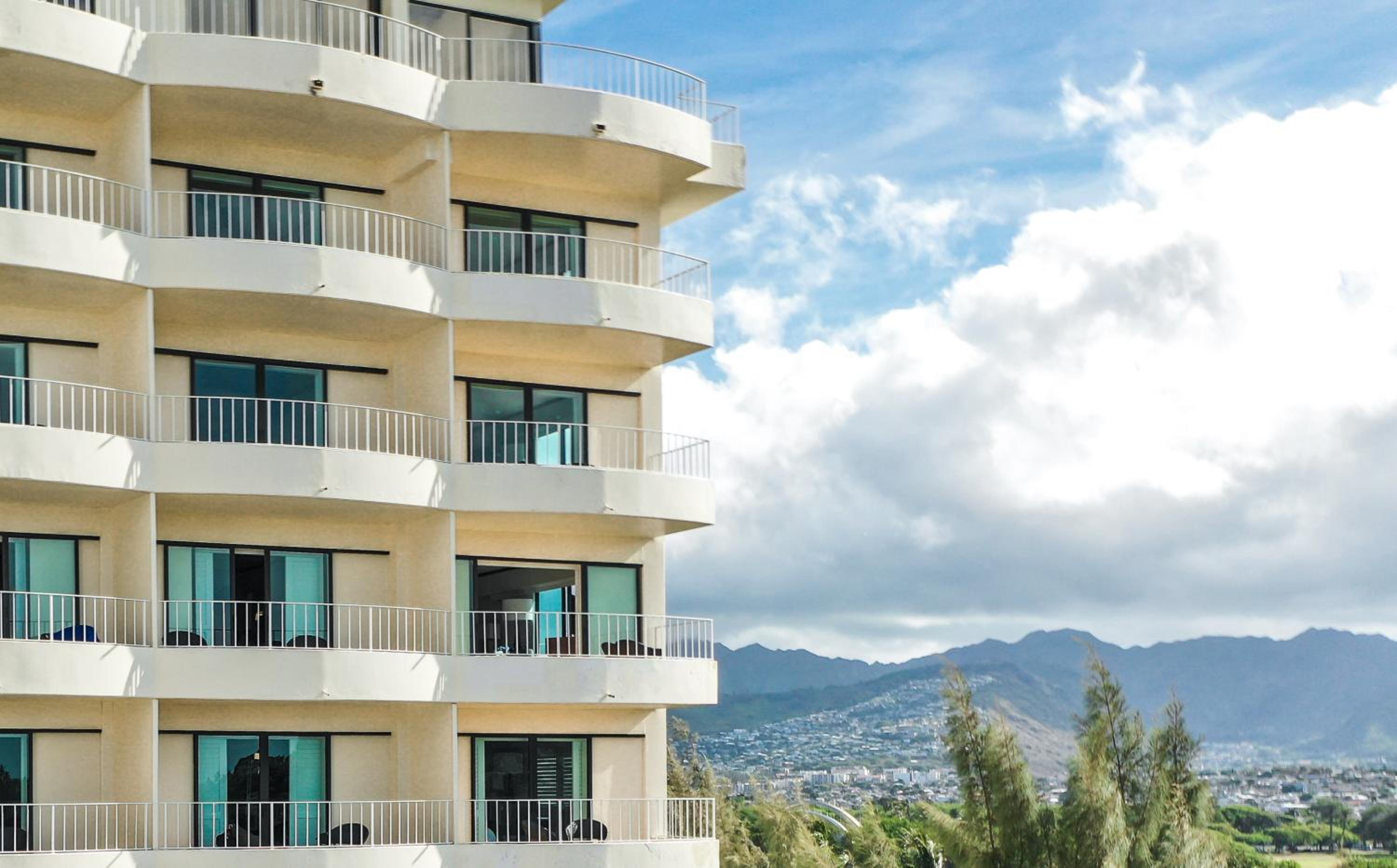
Lotus Honolulu at Diamond Head
4/5
Honolulu
View hotel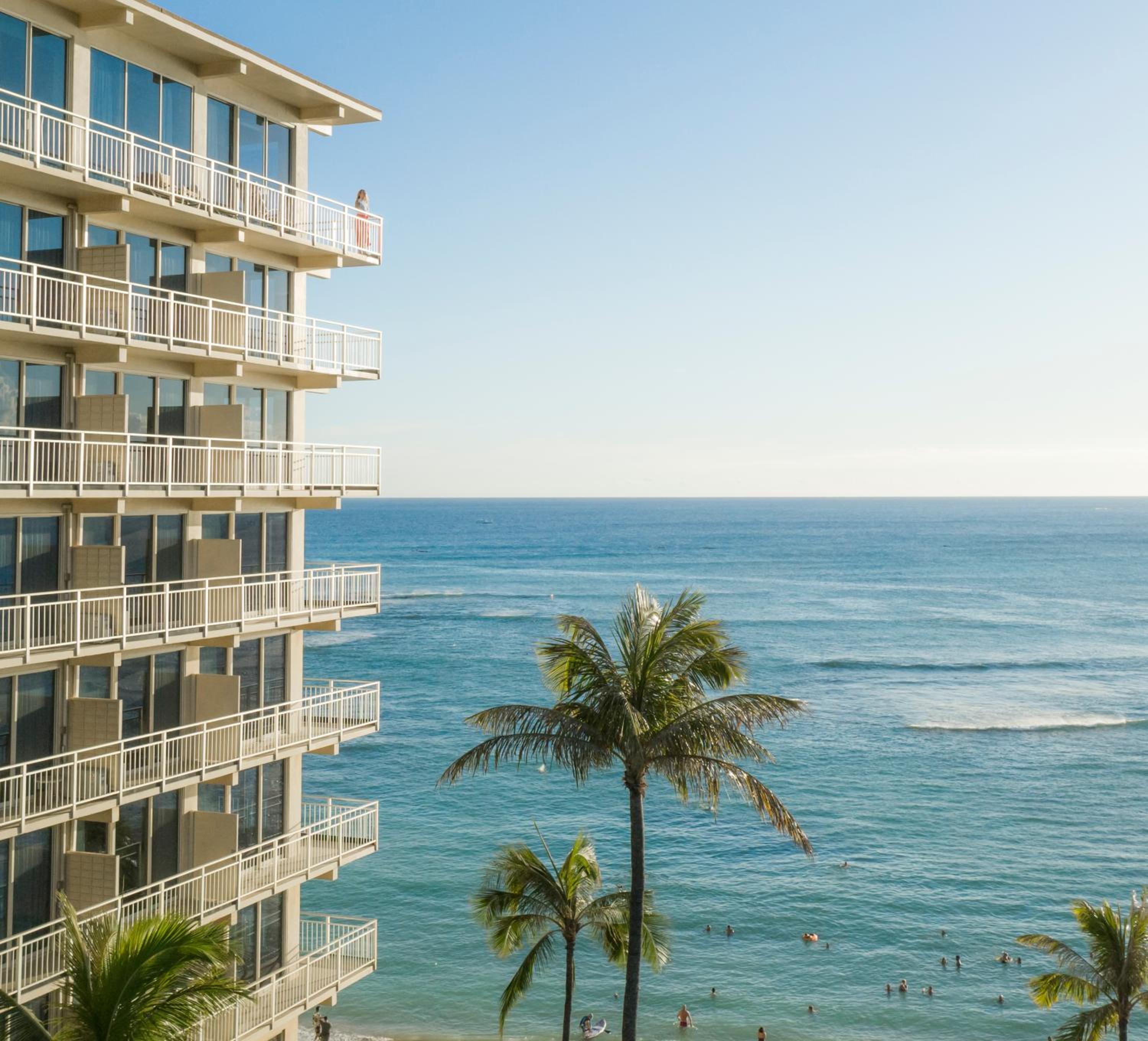
Kaimana Beach Hotel
3/5
Honolulu
View hotel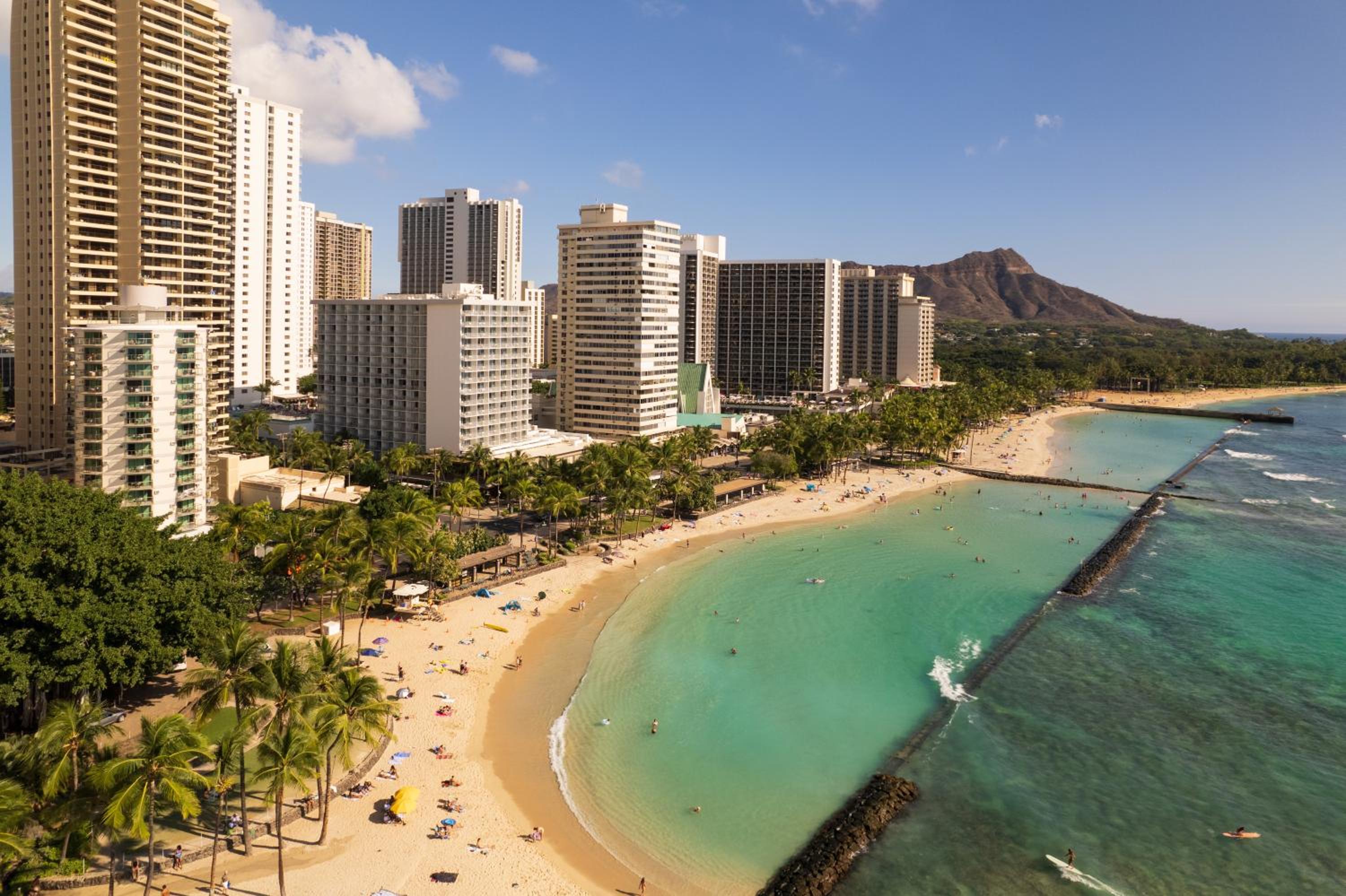
Waikiki Circle Hotel by Castle
3/5
Honolulu
View hotel
Prince Waikiki
4/5
Honolulu
View hotel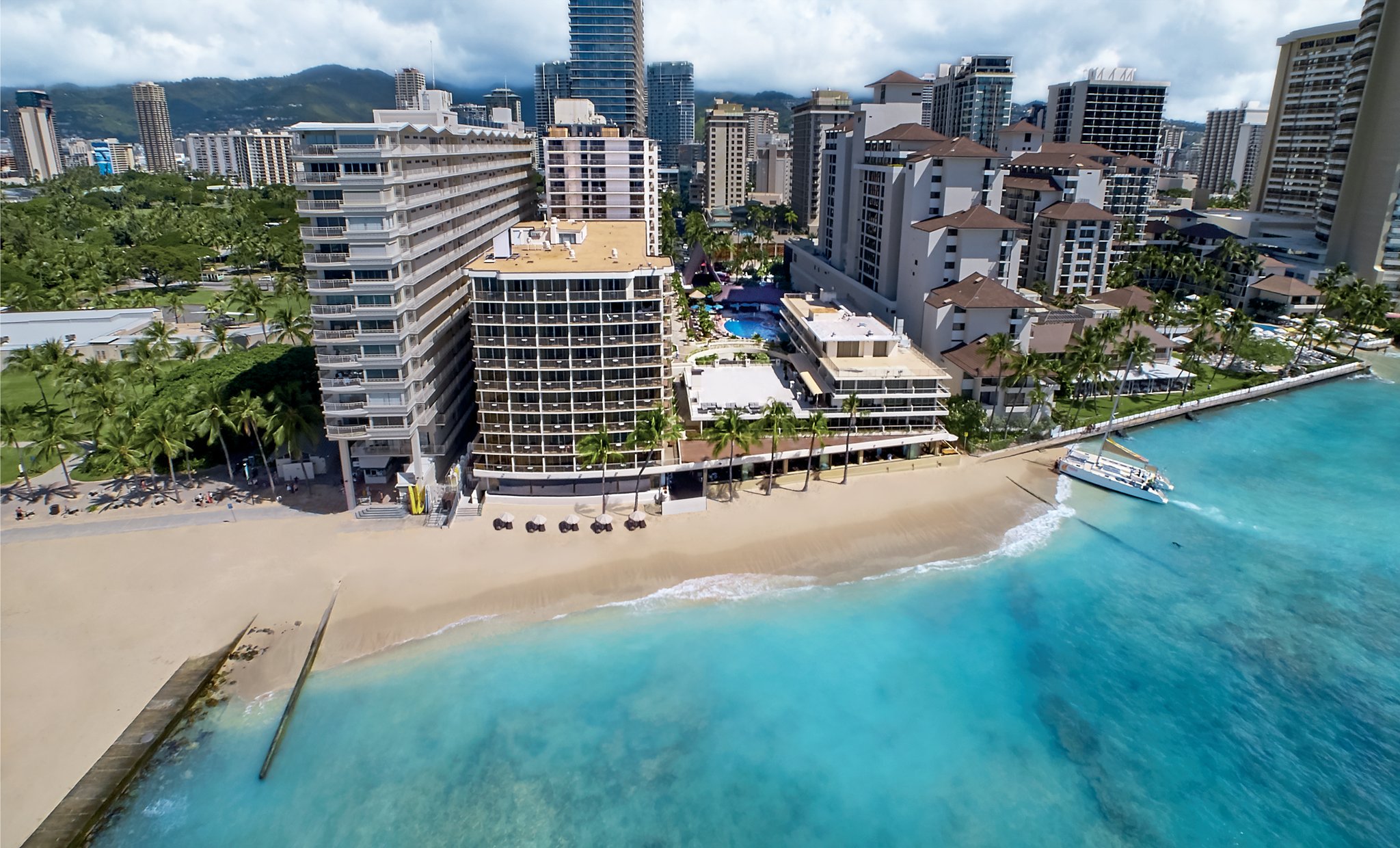
OUTRIGGER Reef Waikiki Beach Resort
4/5
Honolulu
View hotel
'Alohilani Resort Waikiki Beach
5/5
Honolulu
View hotel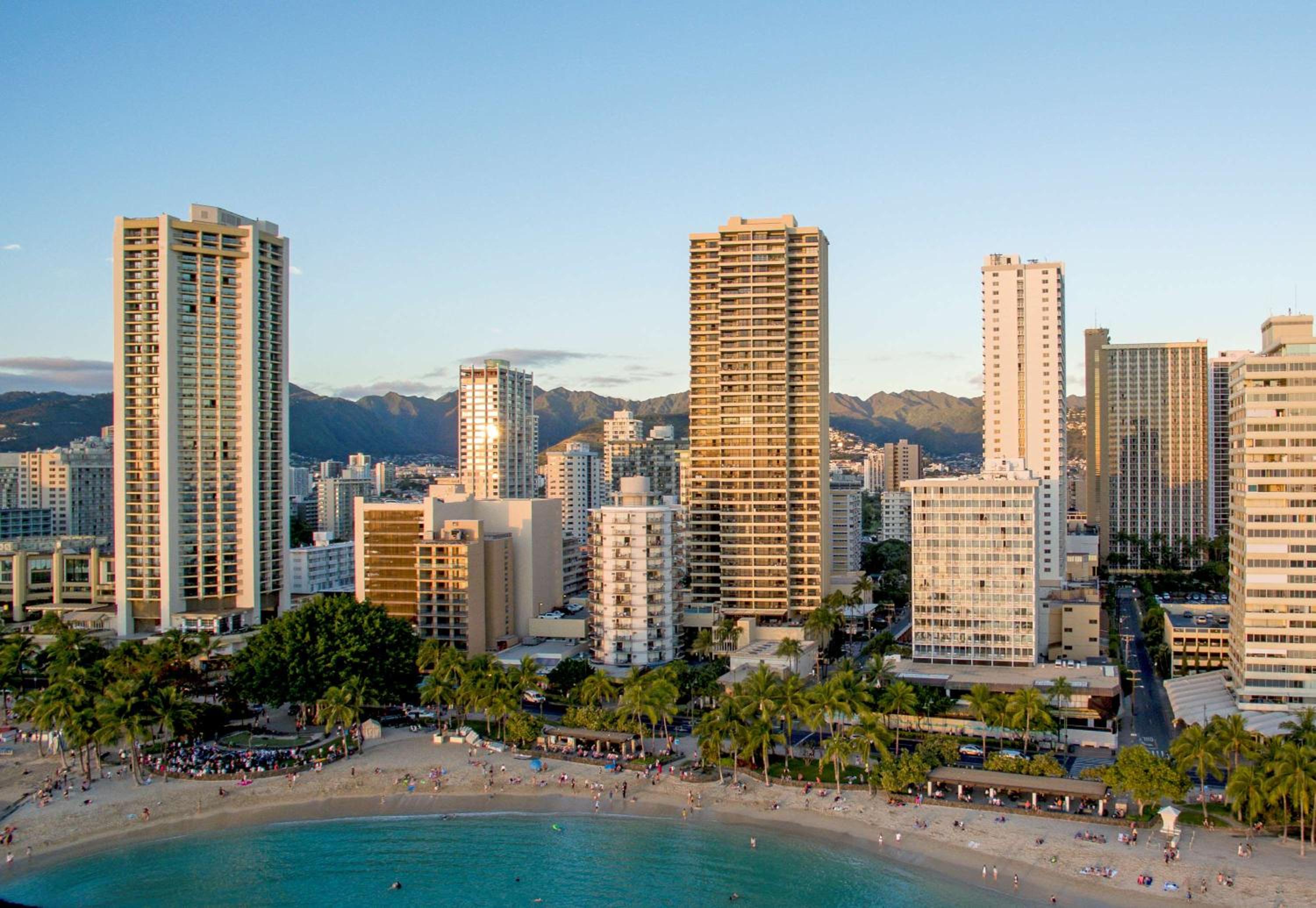
Aston Waikiki Beach Tower
5/5
Honolulu
View hotel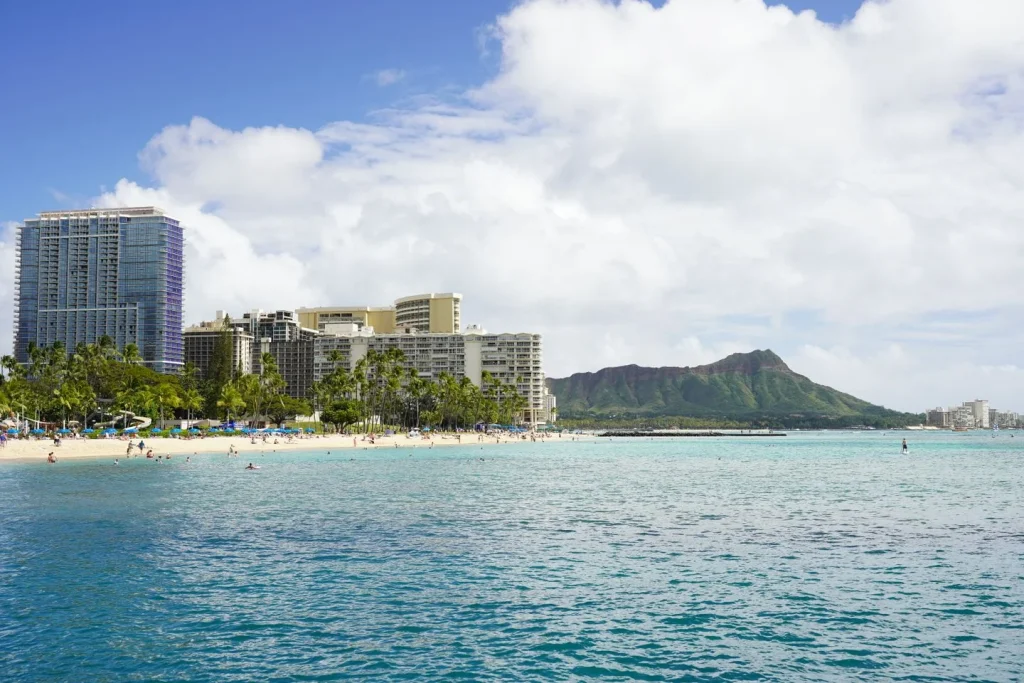
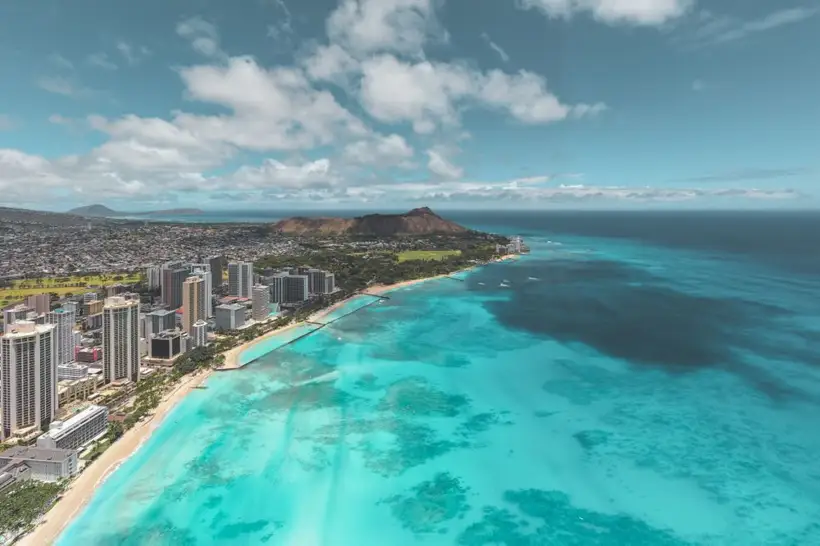
- Stand back 10 feet and let them surface.
- Bring polarized sunglasses, water shoes, and a small towel.
- Skip feeding, flash photos, and chasing for a “better” angle.
- If waves spike, watch from the sand and call it.
Expect 20 to 40 minutes of waiting, then a sudden, quiet show right before sunset.
Townside Viewing Spots
A quick walk from Haleʻiwa’s coffee shops puts you at Haleʻiwa Beach Park, one of the easiest townside spots on Oʻahu to look for green sea turtles working the river mouth and the nearshore shallows. Go early, 7 to 9 am, before beachgoers and paddleboards crowd the channel. Scan the tea colored water where the Anahulu meets the ocean, then watch for heads popping up along the rocky edge. Parking and entry are free, but bring reef safe sunscreen, polarized sunglasses, and a few quarters for a rinse. For a different vibe on the west side, Nanakuli Beach Park offers a more local-feeling day by the sand, with its own mellow shoreline rhythm. Skip chasing them into the water. This townside habitat rewards patience, especially in the local viewingseason when calmer summer seas make spotting easier. Keep 10 feet back, and you’ll get photos without stress for everyone around.
Three Tables: Easy-Entry Turtle Snorkeling (Summer)
In summer, when the North Shore turns glassy, Three Tables at Pūpūkea becomes one of Oahu’s easiest turtle snorkels, with a quick hop over shallow lava rock and you’re floating above bright coral fingers. You’ll cruise shallow reefs in sheltered coves, where gentle currents keep things calm and turtles graze near the edge. Go early, 8 to 10am, for clearer water and easier parking, and expect more bodies after lunch. It’s free, just respect the posted rules. 1. Wear family friendly gear: reef shoes, mask, snorkel. 2. Bring $2 for the shower, and water for the walk back. 3. Skip feeding, touching, or chasing, let turtles surface. 4. Pack a dry bag for keys, and a light rash guard. Afternoon winds often kick up. If you’re also planning to paddle the windward side, learn how trades affect Mokulua Islands kayak routes so you’re not fighting gusts on the way back.

Waikiki Turtle Snorkeling Adventure(8am)
Discover an all-in-one Waikiki ocean adventure with our Turtle Snorkeling Tour. Cruise aboard our spacious and comfo...

Waikiki Turtle Snorkeling Tour with Complimentary Trolley Ride
Experience the delight of snorkeling alongside peaceful Hawaiian Green Sea Turtles in the famous Turtle Canyon, just...

Waikiki Turtle Canyon Snorkel Turtles Guaranteed
Explore Turtle Canyon with Island Splash Tours and discover Hawaiian green sea turtles and tropical fish off Waikiki...
Sharks Cove: Best Turtle Snorkeling on Oahu (Summer)
Slip into Sharks Cove at Pūpūkea on a calm summer morning and you’ll see why locals treat it like the North Shore’s snorkel showroom, lava shelves framing a clear, fishy bowl where honu often cruise the edges. Because the cove’s shore is rocky, focus on safe water entry by choosing calm days, using water shoes, and taking your time getting in and out.
Arrive by 8 a.m. for easy parking at Pūpūkea Beach Park, and you’ll beat the tour vans. Entry’s free, but bring reef-safe sunscreen, water shoes for the rock, and a float flag if you’ve got one.
Before you snorkel, peek into the tide pools for baby fish and urchins.
In the bowl, hover over coral fingers, then pause near the outer rocks for turtles, not touches. Underwater photography shines here on bright days; skip the flash and keep your fins high.
Pack snacks; shade’s scarce at noon.
Electric Beach (Kahe Point): Clear-Water Turtle Dives
At Electric Beach (Kahe Point), you’ll want to enter from the sandy pocket near the boat ramp, go early for glassy water and fewer fins in your face, and skip days with strong swell or a ripping current. For this spot, it’s especially important to understand Electric Beach snorkeling safety basics like watching the outflow, checking surf forecasts, and staying well within your comfort level in changing currents.
Bring reef-safe sunscreen, fins, and a bright float for visibility, and keep a little cash for parking and snacks since there’s not much nearby.
For turtle spotting, follow the reef edge in clear shallows, give them plenty of space, and if you’d rather not time the conditions yourself, a Viator snorkel tour with verified reviews, hotel pickup, free cancellation, and reserve now pay later can smooth out the logistics.
Best Entry And Conditions
Because Electric Beach sits beside a warm-water outfall, you can often score clear, turtle-friendly dives here even when nearby spots look washed out, but entry and timing matter.
Free parking by the power plant, then follow the sandy channel for shore access and avoid slick rocks.
Nail tide timing: a mild incoming tide plus light wind makes entry clean, but winter swell can punish your exit.
Bring booties, a float flag, and water. Skip extra cameras if surf’s up.
If you’re combining your dive day with kayak rentals on Oahu, plan around morning conditions and nearby launch spots so you’re not fighting wind or afternoon chop between sessions.
- Check the morning surf report.
- Time your walk-in between sets.
- Leave 30 minutes for a slow exit.
- For easy logistics, a Viator dive with hotel pickup, verified reviews, and free cancellation can manage gear and timing. Reserve now, pay later, too.
Turtle Spotting Tips
When the plume runs warm and the water clears, Electric Beach turns into a turtle hunt you can actually plan, not just hope for. Arrive 8 to 10 am on a calm weekday; weekends crowd fast. Slip in with fins, mask, and a bright snorkel, skip bulky floaties that spook wildlife. Follow the warm outflow, then drift along the reef edge at 15 to 25 feet and scan for slow shadows surfacing to breathe. If you’re nervous in open water, plan morning sessions and consider the added support you’d get on a guided snorkel tour before exploring more advanced spots like Electric Beach on your own.
| Look | Where | Best cue |
|---|---|---|
| Green turtle | Reef edge | Slow, steady glide |
| Resting honu | Sandy pocket | Bubbles, algae nibble |
Keep 10 feet, never block paths, and you’ll practice turtle conservation. During nesting season, stay off dunes for hatchling protection, and respect signs, that’s beach etiquette. Parking’s free, bring water and snacks.
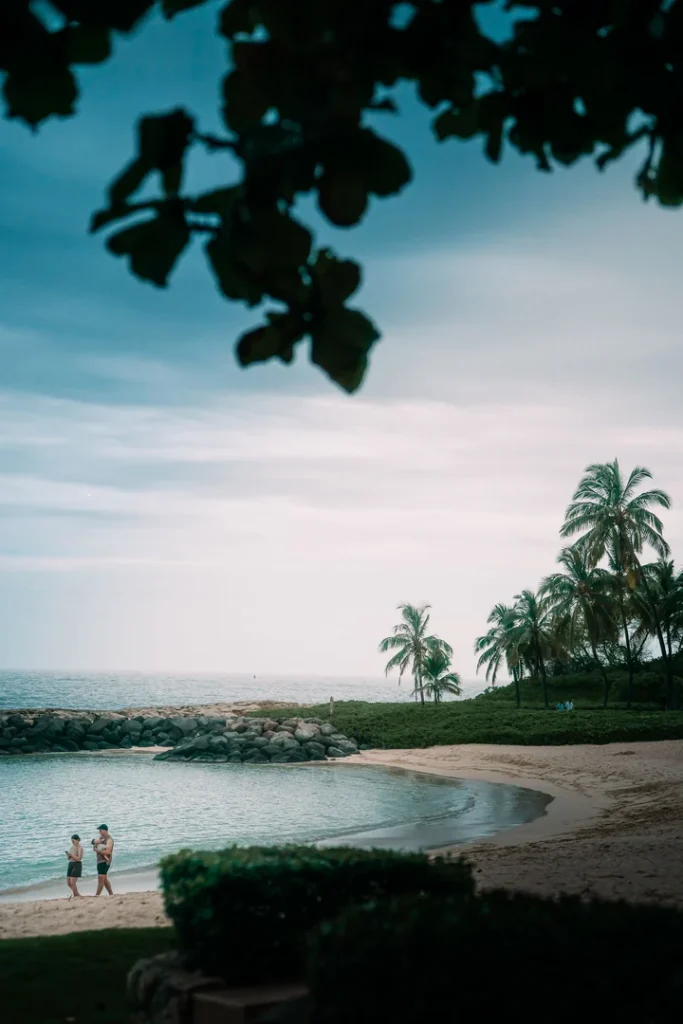
Ko Olina Lagoons: Calm Swims, Occasional Turtles
Often, Ko Olina’s four man‑made lagoons feel like Oahu’s easiest “reset” button, with glassy water, soft sand, and the occasional honu gliding past the rocks. You can float here year‑round, and turtles sometimes browse algae along the breakwater. Arrive before 9 a.m. to beat resort families, parking fills fast, and the lots can cost about $10. If you’re planning a post‑beach shopping or dining stop in town, it’s worth reading up on Ala Moana Center so you know where to park and eat. Bring reef shoes, water, and a mask, skip fins in swim zones.
Ko Olina’s four lagoons are Oahu’s reset button, glassy water, soft sand, and honu gliding quietly along the rocks.
For a smoother visit:
- Walk the lagoon paths quietly, you’ll spot heads surfacing.
- Stay outside the rope lines, protect lagoon ecology.
- Watch the rocks at low tide, honu cruise the edges.
- Linger after 5 p.m. for sunset photography, the light turns copper.
Rinse at the showers, then grab a fresh bowl nearby.
Makua Beach: Remote Sand, Occasional Honu
Swap Ko Olina’s easy lagoons for Makua Beach and you’ll feel Oahu’s wild side fast: a long sweep of pale sand backed by rugged cliffs, with fewer people and no resort buffer. Arrive early, parking is free but limited along Farrington Hwy, and midday heat bounces off the sand. Bring reef-safe sunscreen, plenty of water, and a towel, skip glass and drones. In winter, seasonal surf can slam shorebreak, so you’ll swim only if it’s calm and you’re confident. Scan the nearshore rocks for honu resting between feeds, and give them space. Signs sometimes mark remote nesting zones, stay behind rope and keep pets leashed. For a sunset visit, pack a light jacket, there’s no shade and no vendors. Cash won’t help, so plan. To help protect wildlife year-round, follow NOAA rules about keeping your distance from marine mammals and spinner dolphins when they’re in the area.

Waikiki: Small Group Turtle Canyon Snorkel Boat Tour
Join a small group Waikiki snorkel tour with a guarantee: if you don’t see turtles, book again for free. With only...

Turtle Canyon Snorkel: Semi Private Boat Tour
Small Intimate Tours (6 ppl max). 100% Turtle Guarantee or Ride again Free.Our small group size allows us to offer...
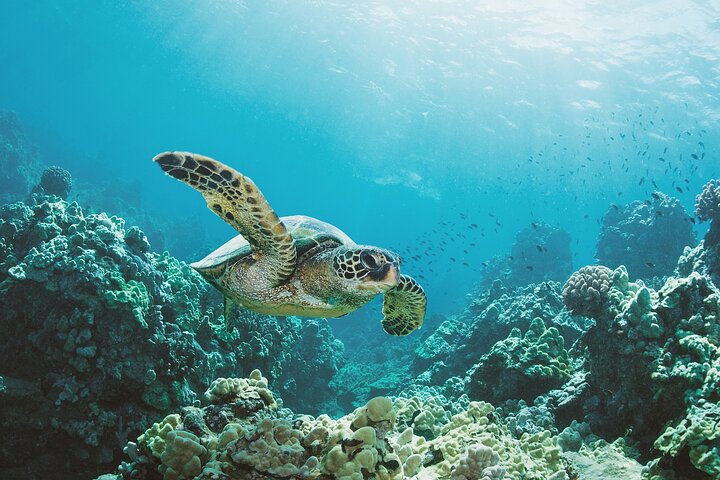
Waikiki Turtle Canyon Snorkel Adventure on Oahu
Enjoy an exclusive snorkeling adventure in Waikiki with small group sizes for a comfortable and VIP experience. You...
Kahana Bay: Quiet Windward Turtle Sightings
Although it sits just off the main road on Oahu’s windward side, Kahana Bay feels tucked away, with ironwood shade, a wide curve of sand, and calmer water that can draw honu close to shore. You can easily pair a turtle-watching stop here with a leisurely drive along the scenic Windward Coast Oahu between Kailua and Kaneohe.
Go early, around 7–9am, when the bay’s glassy and crowds are light; parking is usually free at the beach park.
You’ll spot turtles cruising the reef edge, especially after a calm night.
Follow these quick rules:
- Scan from the sand first, binoculars help.
- Keep 10 feet back and let honu surface on their schedule.
- Skip flash photos and don’t touch, it disrupts shoreline nesting.
- Pack reef-safe sunscreen, water, and a light rain jacket.
Support local conservation by staying on paths and picking up stray plastic.
Frequently Asked Questions
What Time of Day Are Turtles Most Active on Oahu Beaches?
On Oahu beaches you’ll see turtles active during early mornings and late afternoons, when surf’s calmer and temperatures aren’t harsh. Arrive, watch from a distance, and you’re likelier to spot them swimming or hauling out.
How Far Should You Stay From Honu to Follow Hawaii Wildlife Laws?
You should stay at least 10 feet (3 meters) from honu, the legal distance in Hawaii. Follow viewing etiquette: don’t touch, chase, block paths, or crowd them, and give extra space if they’re resting on shore.
Are There Guided Turtle Tours, and Do They Require Permits or Reservations?
Yes, you’ll find guided turtle tours, and you’ll usually need reservations, because spontaneity’s so overrated. Licensed operators handle permits; you don’t need one to watch or join guided snorkels, unless you’re conducting research permits work yourself.
What Should You Do if a Turtle Is Resting on the Sand?
Keep your distance, stay low, and observe quietly without touching or feeding it. Don’t block its path to the water, keep pets away, and leave the area if crowds form. Call officials if it’s distressed.
Which Months Offer the Best Underwater Visibility for Spotting Turtles?
You’ll often see 80–100 feet of visibility in spring through early fall, so you can spot turtles more easily. Avoid winter months and the rainy season, when swells and runoff cloud water and reduce sightlines.
Conclusion
Start early and you’ll beat the tour buses to Oahu’s best honu beaches. Hawaiʻi law requires 10 feet of space, and on busy days rangers do enforce it. Bring reef shoes, reef safe sunscreen, water, and a light layer for trade winds. Skip chasing turtles in the surf, you’ll just stir sand. Parking can fill by 9 a.m., so budget $2 to $10. If you need timing help, pick a Viator snorkel tour with verified reviews, hotel pickup, free cancellation, and reserve now pay later.
Oahu North Shore Fun: Waimea Waterfall & Turtle Snorkeling
Experience Oʻahu’s famous North Shore with stops at Waimea Valley, Haleiwa Town, and legendary surf beaches like Banzai Pipeline and Sunset Beach...

Circle Island Tour with Snorkeling & Turtles
See the secrets of Oahu through the eyes of a local guide! Born and raised on the island, Shane provides a personali...

Waikiki Catamaran Snorkel with Lunch: Turtles Guaranteed
Welcome aboard Hawaii Nautical, you're invited to observe, learn, and experience Hawaiian Green Sea Turtles firsthan...

Oahu Private Tour North Shore, Waimea Falls and Dole Plantation
Top-notch surfers and adventurers love it because they enjoy everything from the iconic Pipeline to the calm sands o...
Experiences to explore
 Explore experience ↗
Oahu Ultimate Circle Island: 30 Spots, 10 Epic Stops
◷ 6 hr–7 hr
Immerse Yourself in Excellence: Premium Small Group Tour - Up to 7 hours of exploration in a spacious vehicle, with FREE Waikiki Hotel
From $135.00 USD
View dates Explore experience ↗
East Oahu Shoreline Self Guided Audio Tour
◷ 11 hr–12 hr
Oahu's eastern shoreline is dotted with pristine beaches, volcanic craters and scenic hikes. On Shaka Guide's East Oahu Shoreline Drive
From $19.99 USD
View dates Explore experience ↗
Private Secret Spots Tour on Oahu Hawaii
◷ 8 hr
This tour is similar to our 8 hour Custom, Private tour, except with this tour, we can stop at the secret spots that big bus tours can'
From $800.00 USD
View dates