On Oʻahu, where to stay in Honolulu and beyond sets the rhythm of your trip fast. Pick right and your mornings start with a flat white and a swim. Pick wrong and you are staring at H1 traffic while the sun does its best work without you.
Waikīkī is the obvious base for a reason: walkable, busy in a way that feels energizing if you like people-watching, and forgiving if you want a holiday on easy mode. I like it for the first-time Oahu trip when you want beaches, bars, shopping, and a hotel pool within flip-flop distance. Bonus: most Viator tours offer Waikīkī pickup, which means no rental car math, and the small-group options tend to keep the day moving. If you are the type who books as you go, those listings with instant confirmation, verified reviews, reserve now pay later, and free cancellation often up to 24 hours before are genuinely handy here.
If you want Honolulu without the constant resort hum, Ala Moana and Kakaʻako hit the sweet spot. Ala Moana is practical and central, great if you like a straight shot to the beach, malls, and restaurants without squeezing into Waikīkī’s densest blocks. Kakaʻako feels more local-modern: murals, design-y cafes, and some of the city’s better meals, especially if you care about coffee and dinner more than beachfront views.
For quiet and a more residential shoreline vibe, Kailua and Lanikai deliver the soft morning light people come to Hawaiʻi for. Kailua is the easier base with more places to eat and grab supplies. Lanikai is prettier, sleepier, and less convenient, which is exactly why some people love it. Bring reef-safe sunscreen and get in the water early; the calm hours are the whole point.
Recommended hotels for this trip
Compare well-reviewed stays from our destination hotel guides, then check live availability for your dates.
 Featured stay
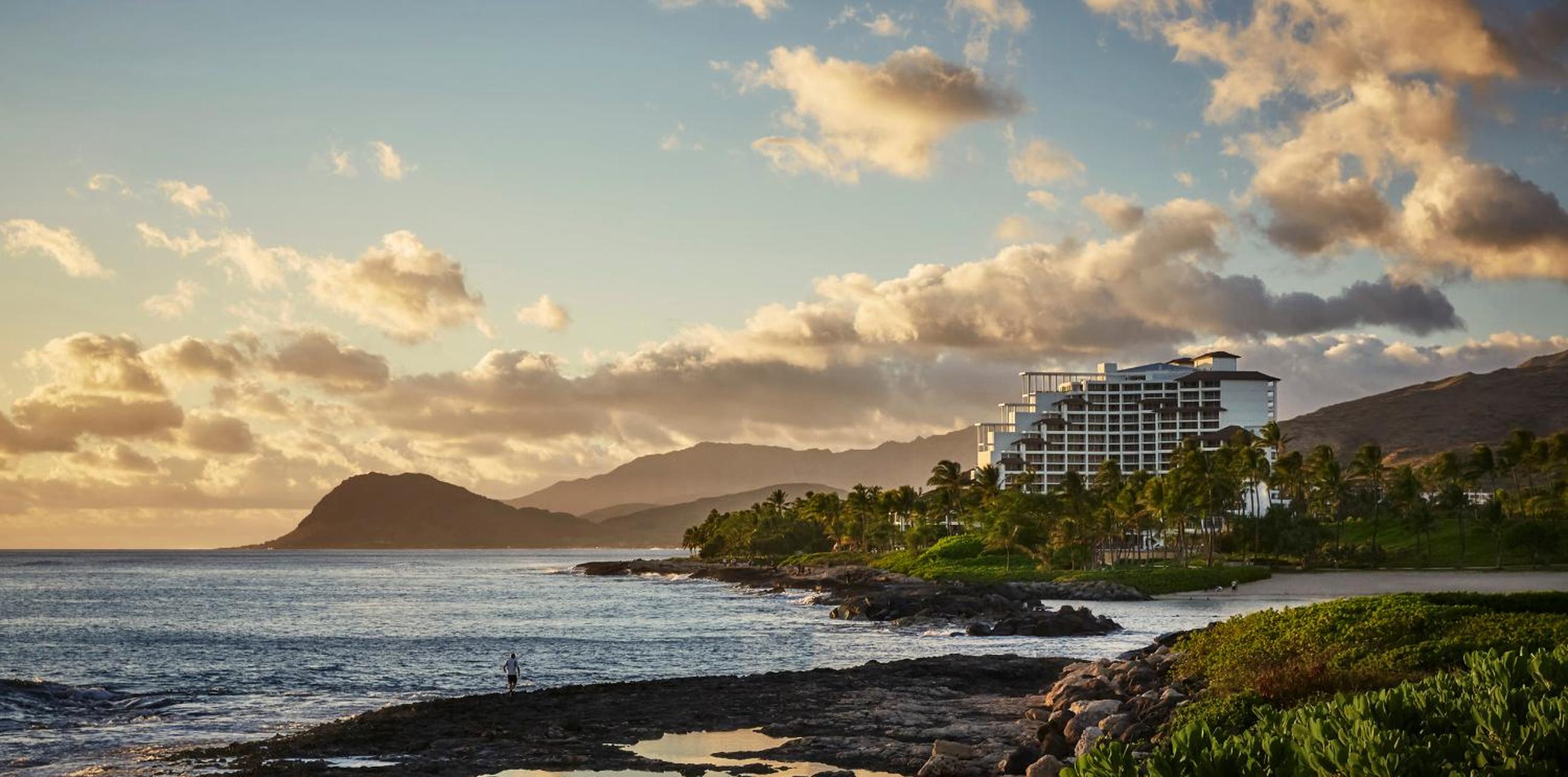
 Four Seasons Resort Oahu at Ko Olina
- Free WiFi
- Non-smoking rooms
- Air conditioning
Luxurious Hawaiian Beach Resort Exquisite Accommodations Indulge in luxury with a 65-inch HDTV, a deep soaking tub, and a walk-in glass shower in every guest room at Four Seasons Resort Oahu at Ko Olina. Enjoy the…
- Room, Garden View
- Room Only
- Refundable until Aug 31
 Guest favorite
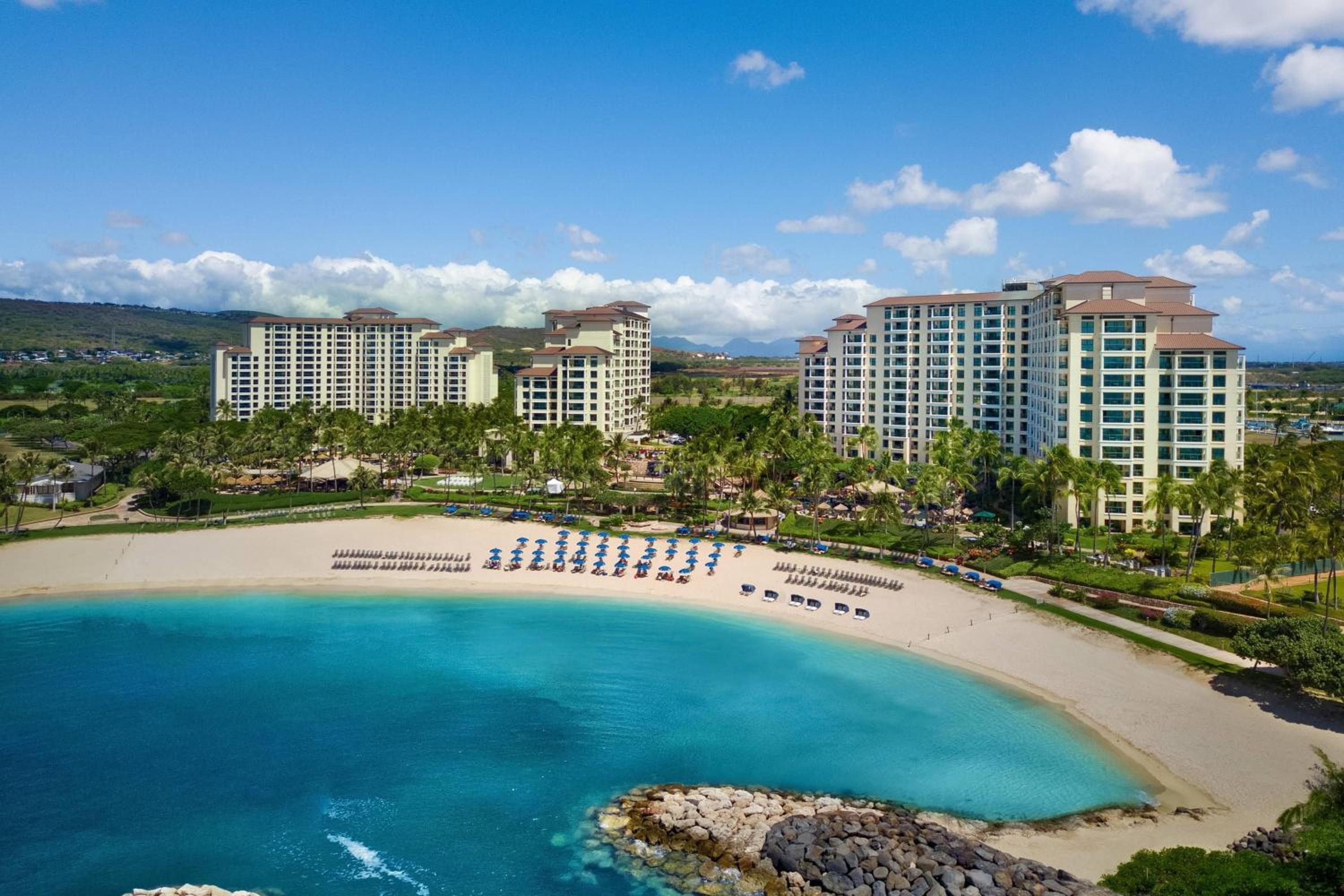
 Marriott's Ko Olina Beach Club
- Free WiFi
- Non-smoking rooms
- Air conditioning
Luxurious Accommodations The Marriott's Ko Olina Beach Club offers spacious rooms with stunning ocean or mountain views, fully equipped kitchens, and modern amenities like a washing machine and dryer. Dining and Entertainment Indulge in American cuisine…
- ROOM, KING BED, MOUNTAIN VIEW, SOFA, BALCONY
- Room Only
- Non-refundable rate
 Guest favorite
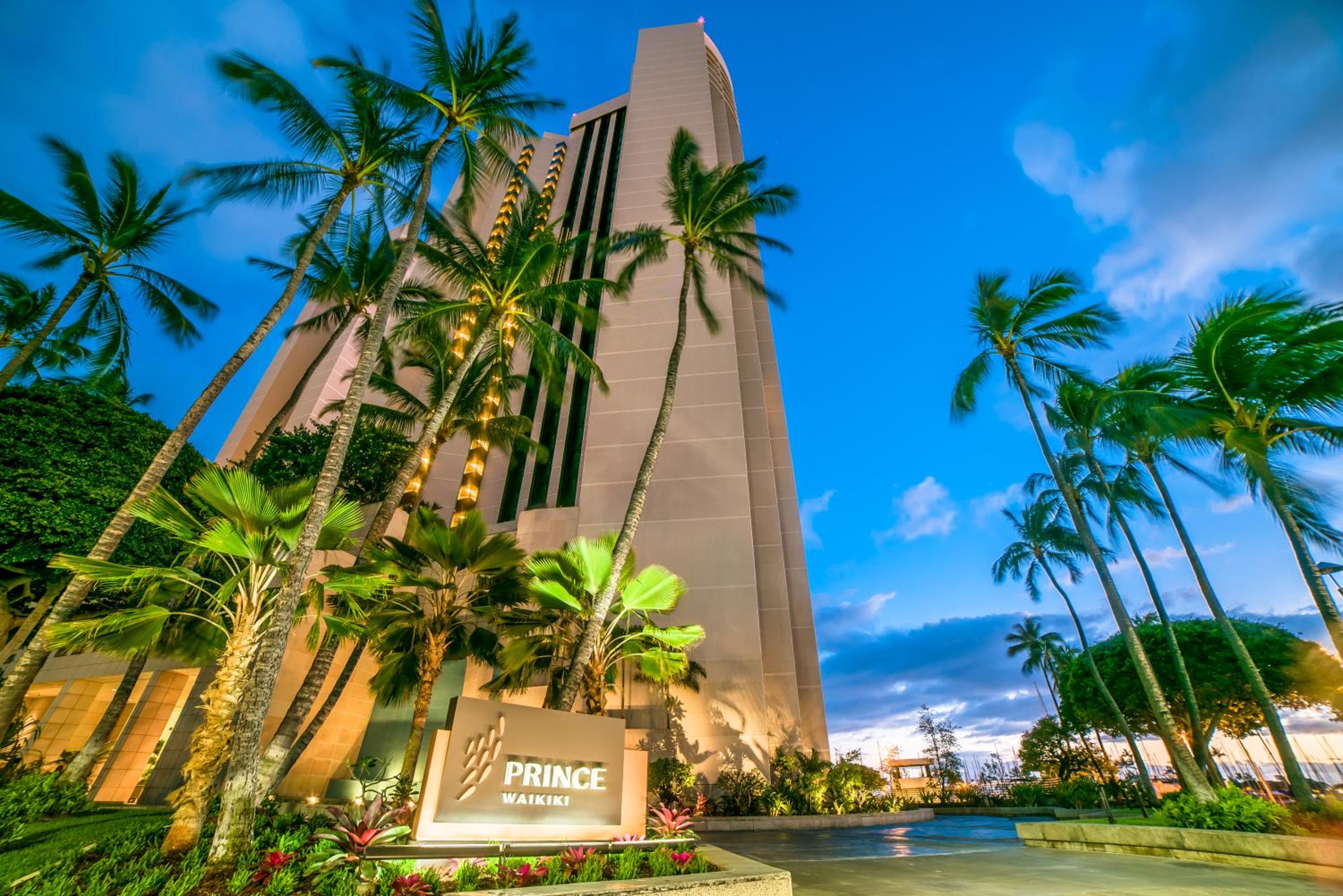
 Prince Waikiki
- Free WiFi
- Non-smoking rooms
- Air conditioning
Well suited to couples seeking ocean views, families who want two-queen rooms or multiroom suites, convention visitors, and travelers who value pools and on-site dining. It may be less appealing if you want to step directly…
- Oceanfront 2 Queens
- Room Only
- Refundable until Sep 12
If your non-negotiable is surf culture and sunsets with space to breathe, go North Shore. Base yourself around Haleʻiwa or closer to the famed breaks depending on season. Even on a “rest day,” you will end up chasing food trucks, watching the ocean, and driving a bit, so it suits travelers who enjoy a looser schedule and don’t mind being farther from Honolulu’s nightlife.
The best area on Oʻahu comes down to what you want within walking distance: nightlife and tours (Waikīkī), city food and calm streets (Ala Moana or Kakaʻako), gentle beach mornings (Kailua or Lanikai), or surf-first days (North Shore).
Key Takeaways
- Choose your base around your daily plans; cross-island drives can take longer than you think.
- Waikiki: nightlife, walkability, beach access, plus higher costs, resort fees, and parking/noise.
- Ala Moana/Kakaʻako: calmer, walkable, great food, and easier logistics than Waikiki.
- Kailua / North Shore / Ko Olina: Kailua is laid-back (car helps); North Shore is surfy and quiet; Ko Olina is resort-style and family-friendly.
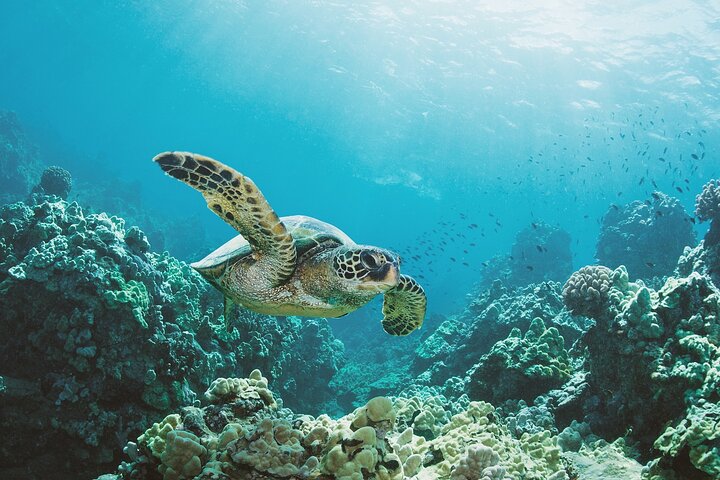
Waikiki: Turtle Canyon Snorkel Adventure on Oahu
Enjoy an exclusive snorkeling adventure in Waikiki with small group sizes for a comfortable and VIP experience. You get up-close views of Hawaii’s v...

Hanauma Bay Snorkeling from Waikiki
Experience Hanauma Bay the easiest way with Waikiki’s most reliable Hanauma Bay shuttle. Our early 5:40 AM pickup gets you in at opening—avoiding...
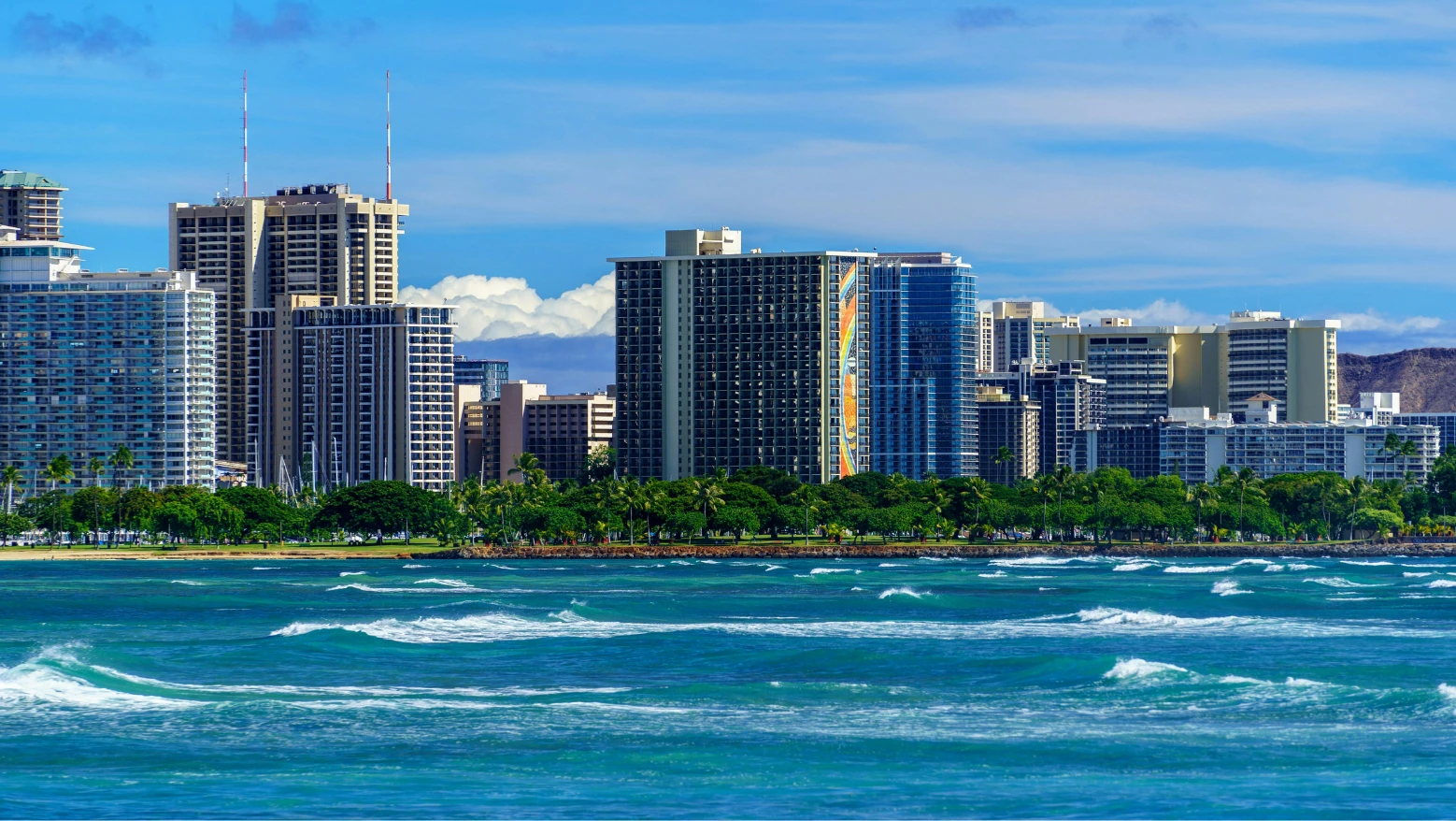
How to Choose Where to Stay on Oahu
Pick your Oahu base around your real day, not the fantasy version where you bounce from North Shore sunrise to Waikiki dinner every night. Oahu traffic can swallow whole afternoons, especially on H-1. Stay close to your main anchors so the island feels breezy instead of like a checklist.
Windward (Kailua, Kaneohe) wakes up green and bright, with quick trade-wind showers that roll through and vanish. Leeward (Waikiki, Ko Olina) usually holds onto the sun longer, and the evenings feel warmer and drier. If you hate waking up to passing rain squalls, choose leeward. If you like cool air, open windows, and a backyard that smells like wet plumeria, go windward.
If you’re trying to avoid peak Waikiki congestion, plan your trip for shoulder seasons like April, May, September, or October when Honolulu feels noticeably more breathable.
Match the neighborhood to your crew and your tolerance for buzz.
- Waikiki: Best for no-car trips, beach-on-foot convenience, and late meals. Also the loudest and most expensive once you add resort fees and parking.
- Ala Moana and Kakaako: A little calmer, still walkable, great food options, easy access to town and beaches without full Waikiki chaos.
- North Shore (Haleiwa, Turtle Bay area): Surf energy, early mornings, quiet nights. Fun if you actually plan to spend most days up there, not as a day trip.
- Windward side (Kailua): Laid-back beach town feel, pretty mornings, good for families. Fewer big hotels, more rentals, and you’ll want a car.
- Ko Olina: Polished, resort-style, very kid-friendly lagoons, and predictably mellow. Far from Honolulu, so commit to the slower pace.
Before you book, check the boring details that matter on Oahu:
- Parking: Daily hotel rates add up fast in Waikiki. Ask for exact fees and whether in-and-out is included.
- Air-conditioning: Not an given outside big resorts. Trade winds help, but humid nights are real.
- Noise rules: Some condos have strict quiet hours. Some areas have roosters that don’t care about your jet lag.
- Transit: The bus is solid for town and Waikiki, slower for cross-island days. If you plan hikes or North Shore dawn patrol, rent a car.
- Weekly and kitchen setups: Condos with a real kitchen and laundry can save serious money and sanity, especially with kids or longer stays.
- Beach gear: Ask what’s included. A couple of chairs, a cooler, and a decent umbrella can change your whole week.
- If you’re planning a Kaʻena Point hike, note that there’s no drinking water available in the park, so your base should make it easy to start early and bring plenty.
Where to Stay on Oahu for Waikiki Nightlife
If Waikiki nightlife is the point of the trip, stay a block or two off Kalākaua Ave around Kūhiō Ave. You get the energy and the easy walk home, without living directly on the loudest strip.
From here, you can bounce between hotel lounges, small bars, and bigger clubs without turning the night into a rideshare relay.
Late-night food matters more than you think. Waikiki gets hungry after midnight, and the closest places fill fast.
Having poke, ramen, and no-nonsense plate lunches within a few minutes on foot saves you from the end-of-night wander when you just want something salty and cold.
Parking is a headache in this part of town. Do the smart thing and stay walkable.
If you’re planning a morning escape after a late night, a simple North Shore day trip still works best when you leave early and keep the stops realistic.
If you want to stretch to Ala Moana, Kakaʻako, or a specific restaurant, grab TheBus or a quick rideshare and skip the circling.
If you need a breather between rounds, Kapiʻolani Regional Park is a free, open-to-the-public spot at the edge of Waikīkī for a low-key reset.
Tips
- Book between Kalākaua and the canal if you want to be close to the action but still sleep.
- Pick a hotel with a lobby bar or lounge. It’s an easy first stop and a convenient last stop.
- Map two late-night food options near your hotel before you go out. Lines stack up fast after midnight.
- If you plan to drive, pay for parking upfront or choose a place that includes it. Otherwise, go car-free.
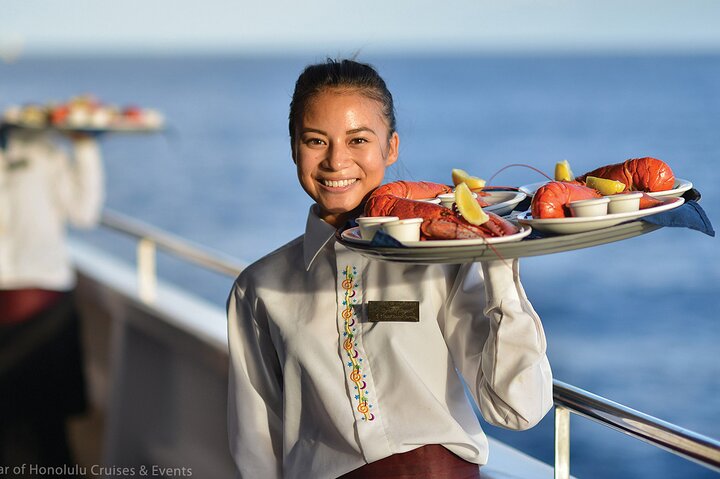
Honolulu: Three Star Deluxe Sunset Dinner Cruise and Show
As the sun sets over the Pacific, enjoy a luxurious Honolulu dinner cruise along the scenic coastline near Diamond H...

Oahu: Ka Moana Lūʻau at Aloha Tower – Oceanfront Luau Show
Ka Moana Lūʻau – Oceanfront Hawaiian Luau in HonoluluExperience the spirit of Hawaiʻi at Ka Moana Lūʻau, a...

Oahu: Germaine's Luau
Come visit us at Germaine's Luau, where you will experience a traditional Hawaiian Luau on our beachfront property o...
Best Blocks Near Clubs
Most nights, the sweet spot for Waikīkī nightlife is a few blocks behind Kalākaua Ave. Base yourself around Lewers St, Seaside Ave, or along Kūhiō near International Market Place. You can be at the big clubs and late night bars in five to ten minutes on foot, then retreat to streets that feel noticeably calmer once the crowds thin and the mopeds quiet down.
Room choice matters here. A canal facing room or something mid block usually sleeps better than a balcony right on Kalākaua. You still get the buzz when you step outside, plus the trade winds and that salt in the air, but you aren’t trying to fall asleep over revving engines and sidewalk chatter. If you’re heading out early for a day trip, remember paid parking at Pearl Harbor Visitor Center runs $7/day.
You are close enough to bounce between rooftop lounges for a set, then duck into smaller places where the DJs keep going until last call. If you’re building a daytime plan too, remember that Iolani Palace is closed Sundays and Mondays. When everything lets out at once, the sidewalks get tight and rideshare pickup turns into a little circus, so plan your exit.
Tips
- Ask for a higher floor and a room away from Kalākaua or any bar frontage
- Canal side rooms tend to be quieter, but check for early morning traffic on Ala Wai
- Carry a little cash for cover and quick drinks when the card lines crawl
- Bring earplugs if you’re a light sleeper. Waikīkī has energy even on weeknights
- At closing, walk one or two blocks off the main strip before calling a rideshare to avoid the worst pickup gridlock
Late-Night Food Access
Stumble out of a bar in Waikīkī and you’ll want food that takes zero planning. Stay near the Kūhiō, Seaside, and Lewers pocket and you can walk to late-night ramen, a solid bowl of pho, and old-school plate lunch windows without trekking across town. When everything else is winding down, the ABC Stores are still glowing like little lighthouses with spam musubi, cold Pocari Sweat, and snacks that do the job.
After last call, the vibe turns into a friendly shuffle: small lines, quick orders, lots of people quietly focused on getting fed. Bring a light layer because the trade winds feel sharper when you’re sweaty from a dance floor, and some spots crank the A/C. Even in winter, evenings can run about 10°F cooler than daytime, so that post-bar walk back to your hotel can feel surprisingly brisk.
If you’re trying to pack sightseeing into the next day, consider booking a Waikiki pickup circle island tour so you can skip driving fatigue and parking battles.
If you want a change from Waikīkī’s core, Kapahulu can be a rewarding late-night detour for food trucks and no-frills counters. Garlic shrimp hits harder at 1 am than it has any right to, and a simple bowl of saimin is the kind of comfort you remember the next day.
For something sweet, track down a late-night bakery for malasadas. Eat them warm, outside, right away. They don’t travel well.
Tips:
- Carry a little cash. A few late-night places are faster when you can pay and go.
- Keep a thin jacket or long-sleeve in your day bag. Wind and A/C can chill you fast.
- If you’re picky in the morning, stock your room with electrolytes and a banana before you go out. Your future self will be grateful.
- If you’re heading to Kapahulu late, go with a friend and use rideshare. Parking is a pain when you’re tired.
Still comparing Oahu Where To Stay By Vibe?
Ask for tour ideas, hotel suggestions, or a simple trip plan that combines both.
Trip Helper
Walkability And Transit Options
Waikiki is the rare nightlife strip where walking actually works. If you can handle a warm, sticky stroll and a few crowded corners, you can hop between bars, clubs, and the beach path without turning the night into a transportation spreadsheet. Most of the action sits between Kalakaua and Kuhio, and the streets stay bright and busy late.
Starting Jan 1, 2026, Hawaii’s TAT rises to 11.00% on accommodations, so budget for a slightly higher hotel tax line even if you walk everywhere.
Keep your head up at crosswalks. Scooters and bikes slide through fast, and drivers don’t always expect you to step off the curb, even when you’ve got the light.
For a quick daytime reset between late nights, check nearby Dog Park Locations if you’re traveling with a pup and need a legal off-leash option.
Tips that make getting around easier:
- Start on Kuhio Ave if you want TheBus close by. Stops are frequent and you won’t be hunting for one.
- Use Ala Moana Center when you need to connect to other lines. It’s a reliable transfer point and easier than improvising mid-block.
- The Hilton side is another good hub, especially if you’re staying west of the main strip.
- If you’re heading toward Kapahulu, cut over the canal bridges instead of tracing the whole shoreline loop.
- For rideshare, walk to a hotel driveway or designated pickup area. You’ll get matched faster and avoid the curbside scramble on Kalakaua.
After last call, the best perk is simple. In Waikiki, your bed is usually a short walk away.
Where to Stay on Oahu for Local Honolulu
If you want Honolulu that feels lived in, not staged, skip the resort strip and stay in Kaimukī, Kapahulu, or Mānoa. These are the kind of neighborhoods where the morning starts with people actually going somewhere: kids in uniforms, runners looping past Diamond Head, and the steady scent of grilled plate lunches from places that have been doing the same thing for years. Nights are quieter. You might hear a mopeds buzz and someone watering plants on their porch.
Kaimukī is the easiest base if you like to eat well without planning your day around it. Waialae Ave is lined with small restaurants, bakeries, and bars that locals use like a second kitchen.
Kapahulu keeps you close to Diamond Head and the beach without paying Waikiki prices, plus you can walk to breakfast without putting on “beach clothes.”
Mānoa is greener and cooler, with rain that rolls in fast and a sleepy campus vibe. Great if you want shade, birds, and early nights. If you want an easy afternoon escape, Foster Botanical Garden has docent-led tours at 10:30 a.m. on Mon/Wed/Fri/Sat.
When you need a low-key outdoor break, remember O‘ahu has 403 designated park locations maintained by the City’s Department of Parks & Recreation, and the larger parks often have posted hours and activities.
Look for a small hotel or a legal rental near Waialae Ave or Kapahulu Ave so you can do most things on foot, then bus or rideshare when you need to.
Tips that make these areas work:
- Skip the car if your place doesn’t include a dedicated spot. Street parking gets competitive after dinner.
- Use TheBus for downtown and Ala Moana runs. It’s reliable, and you avoid the daily parking shuffle.
- Book midweek if you can. The streets feel calmer and rates often dip.
- Pack a light rain layer for Mānoa. The valley stays damp even when Waikiki looks sunny.
- Eat like a local: poke for lunch, malasadas late, and garlic chicken when you’re hungry enough to smell it from half a block away.
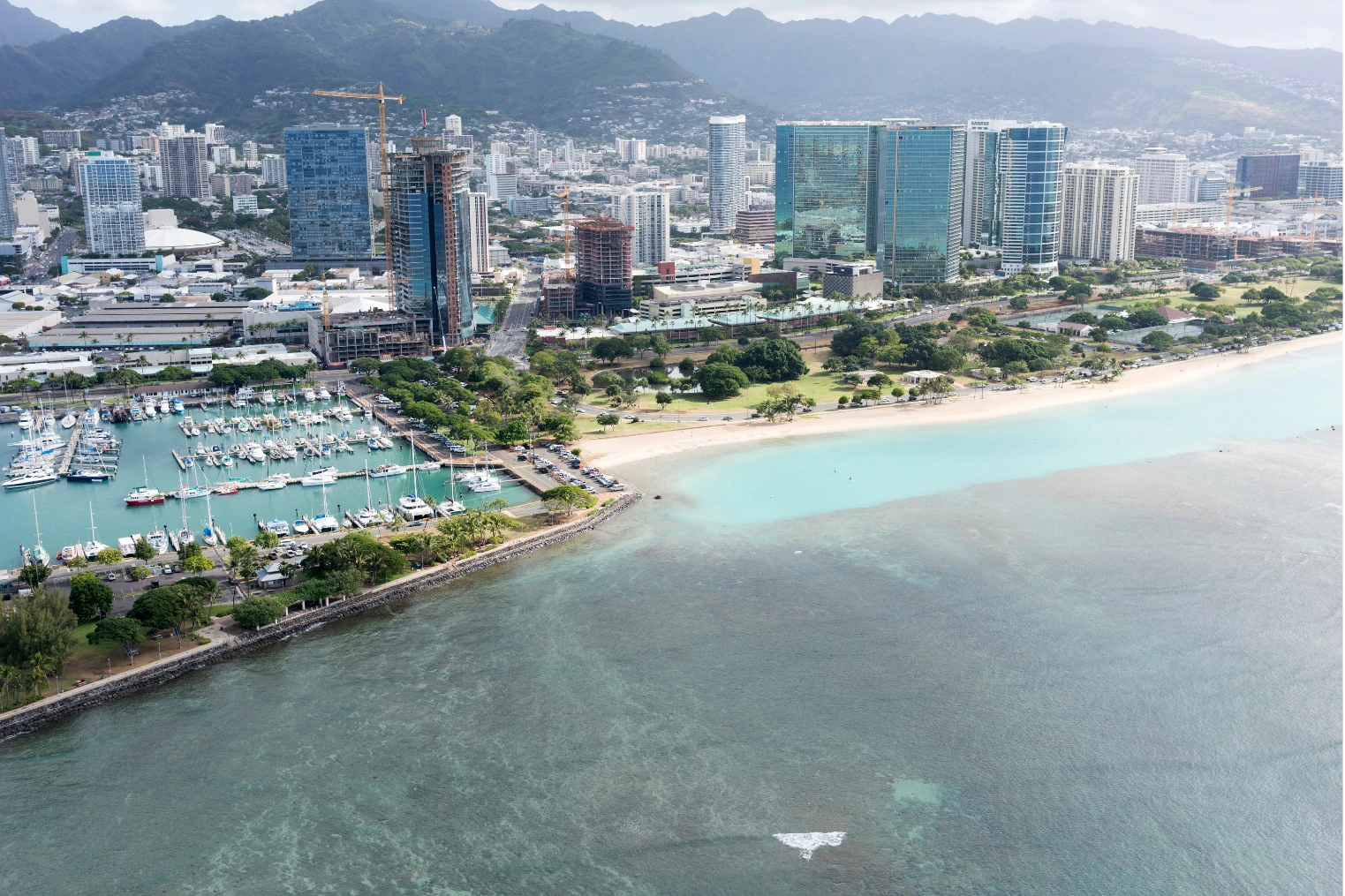

Waikiki Luau Buffet with Optional Rock-A-Hula Show Ticket
Join us for a “Hawaiian night” with an upscale all you can eat buffet and Luau-themed dinner in the heart of Wai...

Paina Waikiki Luau at Waikiki Beach Marriott
Everything that makes renowned Waikiki, Oahu, a unique and exciting place is celebrated at Pāʻina Waikīkī!A u...
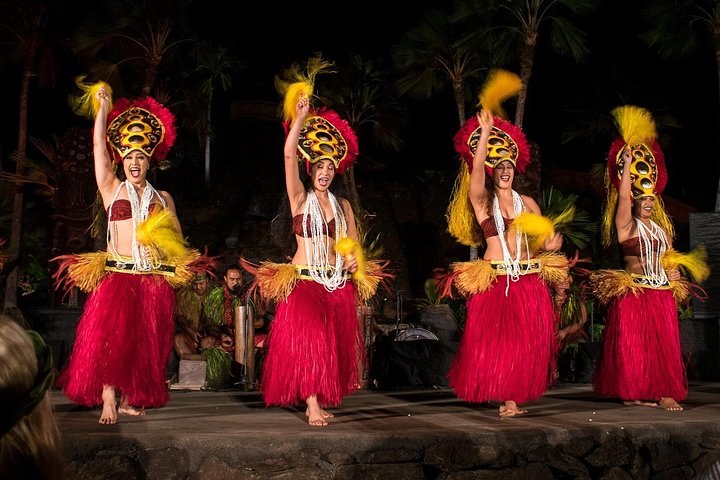
Oahu: Chief's Luau Admission
Attend a luau on Oahu produced by the Original World Fire Knife Dance Champion, Chief Sielu. During this 3 to 3.5-...
Where to Stay on Oahu for North Shore Surf
Trade Honolulu’s tidy grids for the North Shore, where mornings smell like sunscreen and wet reef and everyone checks the surf before they check their phone notifications.
If you came for waves, don’t stay in town and “drive up when you feel like it.” Base near the breaks so you can roll out early, grab a no-nonsense coffee, and be in the lineup before the crowds and the tour buses.
Haleʻiwa is the easiest home base. You can walk to shave ice and plate lunch, then be back at your rental before your wetsuit even starts to dry.
Pupukea is quieter and closer to the heavy-hitter breaks around Sunset and Rocky Point, but you’ll trade nightlife for early nights and starry dark roads.
If your priority is dawn patrol, Pupukea wins.
If you want a mellow non-surf reset day, consider a morning boat ride out to the Kaneohe Sandbar when the trade winds are calmer.
On your way over, carve out half a day for Kualoa Ranch, a 4,000-acre stretch from Ka’a’awa Valley to Kāneʻohe Bay with movie sites, jungle trails, and ocean views.
Tips before you book and before you paddle out:
- Check the beach cams before you drive. Parking turns into a sport by mid-morning.
- Book a small rental with an outdoor shower and a place to hang wet gear. You’ll use it every day.
- Keep it low-key at night. Sound carries in these neighborhoods and locals have heard every vacation playlist already.
- Watch the sets for a while before you enter, especially on rockier spots at low tide. One rushed entry can end your session fast.
- Eat from the trucks and small counters. It’s quicker, cheaper, and you can be back in the water without making a whole production of lunch.
Stay flexible. A winter swell can flip the script overnight, and that’s part of the point.
Where to Stay on Oahu for Windward Quiet
If you’re chasing Windward quiet, start in Kailua. It has that rare Oahu combo of genuinely swimmable water, a big friendly beach, and nights that wind down early. I like staying close enough to walk to coffee, then spending the day bouncing between Kailua Beach and Kalama Beach without ever needing to “plan” the day.
For a calmer, more polished base, look near Lanikai. The neighborhood is sleepy and pretty, and the water can be glassy first thing. But it’s tight streets and local life, so you want to show up with a low footprint and a willingness to walk.
If you want real seclusion, go Waimanalo. It feels more rural than resort, with long stretches of sand and fewer distractions. The trade-off is convenience, so think ahead and keep your evenings simple.
When you want a low-key reset off the beach, nearby Ho‘omaluhia Botanical Garden has free admission and big, quiet space to wander. For another easy, nature-forward day, Waimea Valley offers guided walking tours that connect you to Hawai‘i’s natural and cultural beauty.
Tips
- Kailua: Stay within walking distance of Kailua Town if you want dinner options without driving or hunting for parking.
- Lanikai: Rent bikes or be ready to walk. Parking is limited and mornings are the sweet spot for calm water.
- Waimanalo: Do a grocery run before you settle in. After dark, it’s quiet and you’ll be glad you planned dinner.
Kailua’s Laid-Back Beaches
Slip over to Kailua on Oahu’s windward side and the whole day downshifts. The sand comes in pale, soft arcs, the water leans turquoise, and the tradewinds keep everything moving just enough to feel fresh. Waikiki can wait.
Base yourself near Kailua Beach Park if you want the easy version: quick swims, a long shoreline for sunset walks, and enough breeze to make a towel behave like a sail. Bring a bike or rent one and roll into town for shave ice and a proper plate lunch. The backstreets are calmer than the main drag, and you can be back on the sand before your food coma fully lands.
If you’re chasing early light, note that Makapuʻu’s paved lighthouse trail is a 2-mile round trip with about 500 feet of climbing and the gate opens at 7:00 am.
On a rest day, you can tackle Diamond Head’s 0.8-mile summit trail with a 560-foot climb for a classic postcard view.
Plan it like a kamaʻāina:
- Go early. Parking gets annoying fast, especially after 9.
- Pack reef safe sunscreen and a light windbreaker. The breeze turns cool the second you get out of the water.
- Claim a picnic spot under the ironwoods for shade that actually lasts.
- Paddleboard when the water is glassy, usually earlier in the day. If you’re new, book a lesson and skip the wobble-fest in the afternoon chop.
Pick a rental with a spot to stash wet gear and boards, and you’ll appreciate it every day. Kailua is at its best when you can rinse off, change, and disappear back to the beach without making it a production.
Lanikai’s Luxury Calm
Lanikai is where Oahu turns the volume down. The streets stay hushed, the houses look serious-money, and the water really is that glassy, postcard blue with the Mokulua Islands sitting offshore like punctuation. You pay for the zip code, but you get something rare on this island: space. Think sunrise paddles, quick dips between coffee runs, and sand access you can walk to without turning the day into a mission.
Places to stay lean heavily toward vacation rentals, with a few small, low-key options over in nearby Kailua. If you want a proper Lanikai address, book early and be ready to commit. If you’re planning a snorkel day at Hanauma Bay, note that reservations open two days in advance at 7:00 am Hawaii Standard Time.
If you’re craving a classic town-side beach day, Ala Moana Regional Park is known for its mile-long sandy beach built beginning in 1954.

Polynesian Cultural Center: Gateway Buffet Package
Located on O‘ahu’s North Shore, the Polynesian Cultural Center is a one-of-a-kind attraction showcasing the peop...

Toa Luau at Waimea Valley, Oahu
Toa Luau invites you to immerse yourself in the beauty and excitement of Polynesia on Oahu’s historic North Shore!...

Oahu: Mauka Warriors Luau Honoring Polynesia's Forgotten History
Step into the vibrant heart of Hawai‘i and experience a luau like no other—where culture, history, and celebrati...
Tips that locals appreciate and you will too:
- Get to the beach before 9 a.m. for calm water and easier parking.
- Park legally, always. Tickets here are not theoretical.
- Keep noise low in the neighborhood, especially early and after dark.
- Bring reef-safe sunscreen and rinse off before you head back to town.
- Stock up in Kailua Town for groceries and poke before you disappear into beach mode.
| Stay | Best for | Tip |
|---|---|---|
| Beachfront rental | Families | Reserve months out |
| Hillside home | Views | Bring water shoes |
Sunset can feel cooler than you expect once the trade winds kick in. Toss a light layer in your bag and stay for the last light on the Mokes.
Waimanalo’s Rural Seclusion
Head past the Koʻolau and Waimānalo feels like someone turned the volume down. The road runs between open pasture, low flower farms, and that long, pale stretch of sand where morning is mostly just wind, waves, and the occasional rooster sounding off from someone’s yard.
Stay close to Waimānalo Beach Park if you can. A small cottage or rental nearby lets you do the best part of this coast: early swims and lazy beach hours without fussing over parking. Food options are slim and hours can be unpredictable, so bring water and a few solid snacks and treat any open plate-lunch pop-up as a gift.
Drive like you mean it. This is a real neighborhood. Kids, cyclists, and horses cross when they feel like it, and locals have zero patience for rental-car heroics. Midweek is quieter, and at night keep the lights and noise down. Sound carries.
If you want a quick taste of the countryside, stop at the little farm stands for fruit and whatever’s in season. For a walk with fewer people, start early on the Makapuʻu side before the heat builds and before the roadside fills up.
Don’t miss
- Sunrise swim at Waimānalo Bay, especially on calm days when the water stays glassy
- Plate lunch from local pop-ups if you spot one open, then eat it on the sand
- Sunset with a camp chair and something cold, simple and perfect here
Local etiquette that matters
- Park legally and don’t block driveways or access roads
- Keep music low and pack out every scrap of trash
- Slow down through residential stretches, especially near trailheads and beach access points
Where to Stay on Oahu for Ko Olina Resorts
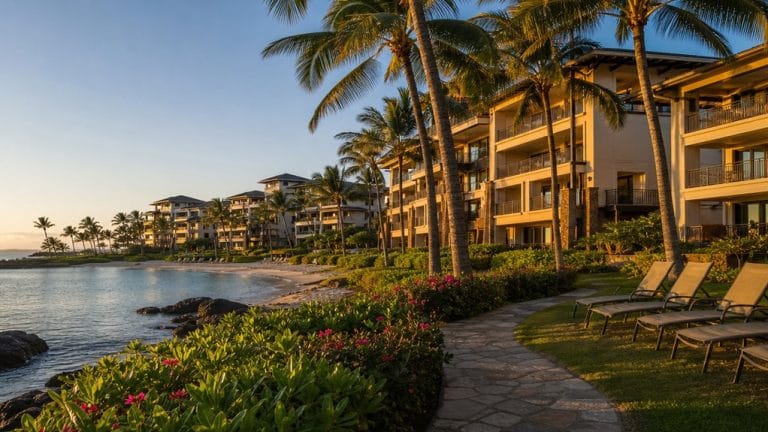
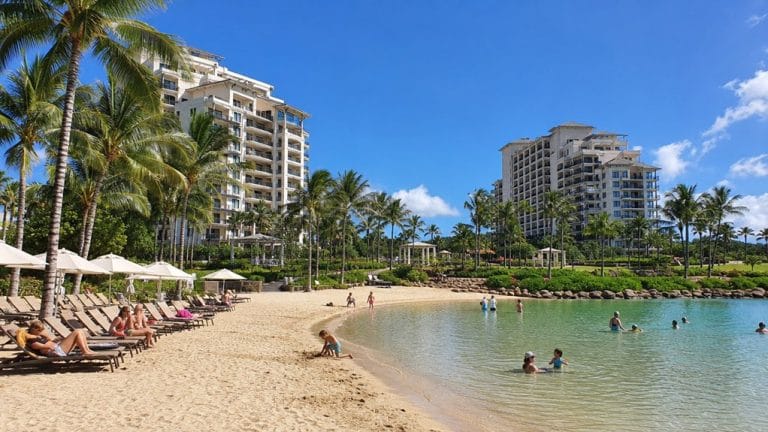
Ko Olina is Oahu with the volume turned down. Out on the leeward coast, the air runs warmer and drier than Waikiki, and the scene is all groomed lawns, palm-shaded paths, and those four crescent lagoons that stay pleasantly calm even when the trade winds kick up. Nights end with a clean sunset line off Barbers Point and very little noise beyond cocktail chatter and the rustle of kiawe trees.
Ko Olina is Oahu turned down: warm, dry, palm-shaded lagoons and quiet sunsets beyond Barbers Point.
Stay here if you want a vacation that runs on autopilot. Big pools, spas, lagoon loungers, predictable dining, and an easy rhythm of beach, nap, repeat. It’s polished and contained, which is exactly the point. You’ll trade walkable city energy for resort convenience and a quieter coastline.
Families do especially well. The lagoons are protected and great for beginner swimmers and paddleboarders, and the paths are stroller-friendly. If you’re eyeing Aulani, you’re close enough to use the area without living in a theme of constant activity.
Tips that make Ko Olina easier:
- Get out early. The lagoon path at sunrise is the best part of the day and the sand stays cool underfoot.
- Bring reef-safe sunscreen and a hat. Midday shade is limited unless you’ve paid for it.
- If you have a car, do a snack run in Kapolei. Think Longs, Foodland, Target, and Starbucks before you’re locked into resort prices.
- Lagoon rentals are simple but add up. Pack a cheap snorkel set and a float for kids if you have room.
- Dinner gets busy. Aim for early seating or grab takeout and eat on the lawn as the light drops.
Frequently Asked Questions
Do I Need to Rent a Car on Oahu?
If your Oahu plan stays mostly in Waikiki and downtown Honolulu, skip the rental. The bus is cheap, frequent, and surprisingly easy once you learn the main lines, and rideshares mop up the odd late dinner or beach hop without the hassle of parking meters and hotel garage fees.
Rent a car when you want the island to open up. North Shore dawn patrol, ridge hikes with early trailheads, windward beaches, and those plate-lunch counters that taste better after dark all get simpler with your own wheels.
Tips:
- Waikiki parking is the real budget killer. Check your hotel’s nightly rate before you book a car.
- TheBus is great for daytime wandering. Download a transit app and keep a little extra time in your schedule.
- For North Shore, leave early. Traffic over the H-1 and around Haleiwa stacks up fast.
- Consider a one or two day rental instead of the whole trip. Do your big loop days back to back.
- Gas adds up, but the bigger pain is leaving anything in the car. Keep it empty, especially at beach parks.
Which Areas Are Safest for First-Time Visitors?
Stick to Waikiki around Kalakaua and Kuhio, Kailua town, and Hawaii Kai if you want your first Oahu base to feel easy. These are the places where people are still out for dinner, the sidewalks stay bright, and you hear more flip-flops and small talk than trouble.
Waikiki is the obvious pick for first-timers: lots of hotels, plenty of eyes on the street, and you can wander from poke to shave ice without thinking too hard about directions. Kailua feels calmer, with leafy streets and a small-town main drag. Hawaii Kai is quieter and car-friendly, good if you want to end the day somewhere that actually goes to sleep.
Tips that make a real difference:
- In Waikiki, book within a few blocks of the big hotels along Kalakaua or Kuhio. The side streets get emptier fast late at night.
- Skip hanging around beach parks after dark, even if the sand looks inviting. Go earlier for sunset, then head back for dinner.
- Walk where other people are walking. If a block feels deserted, take the next street over.
- Lock valuables and keep your bag zipped in crowded areas, especially near the beach and shopping strips.
- If you are parking a rental car, leave it empty and obvious. No bags, no “just for a minute” stops with stuff on the seat.
What’s the Best Neighborhood for Families With Young Kids?
Pick Ko Olina. For families with little kids, the manmade lagoons are the big win. The water stays calm and clear, the sand is soft, and you can actually relax while they splash around. The paths are smooth enough for strollers, and the evenings are built for an easy sunset walk with a tired toddler in tow.
Stay in a beachfront condo if you want a kitchen and laundry, or choose one of the bigger resorts if you’d rather have pools, restaurants, and zero planning. Either way, it’s a comfortable base that feels contained in a good way.
Tips that make the day easier:
- Go early for the quietest lagoon time and the best shade spots
- Stock up in Kapolei where prices and selection are better than resort shops
- Bring reef shoes for little feet and for any rocky patches near the lagoon edges
- Pack a simple beach picnic, since grabbing food on-site can be slow at peak hours
How Far Is the Airport From the Main Hotel Areas?
From HNL, Waikiki is an easy 15 to 20 minutes when the roads behave. Downtown Honolulu is even closer, often 10 minutes door to door. Ko Olina sits farther out on the west side, about 25 to 35 minutes in light traffic, and it can stretch fast once everyone is trying to get home at the same time.
The airport feels close, but Honolulu traffic has moods. Late afternoon on weekdays can turn a quick hop into a slow crawl with a lot of brake lights and not much scenery.
Tips for getting in without drama:
- If you land around 3 to 6 pm, expect delays heading toward Waikiki and downtown.
- Rideshare pickup is straightforward, but prices spike during rush hour and when multiple flights land at once.
- Shuttles can be a good deal for Waikiki, but they often do hotel loops. Great for budgets, not for speed.
- TheBus is cheapest and works well if you travel light. A rolling suitcase on a crowded bus is a social experiment.
- Keep a little cash for tips if you use a driver or shuttle. It goes a long way here.
When Should I Book Accommodations for the Lowest Prices?
Want Oʻahu for less? Time it like a local who checks rates with their morning coffee.
Book 6 to 10 weeks ahead, especially in the shoulder seasons: April to May and September to mid-December. The island feels calmer then, with breezier afternoons and fewer tour buses clogging Waikīkī. Prices tend to soften too, particularly once you’re outside school holiday crushes.
Tips that actually move the needle:
- Aim for Tuesday to Thursday check-ins. Weekends often carry a “why not” surcharge.
- Watch for midweek price dips. Hotels and vacation rentals quietly adjust rates when rooms sit.
- Be flexible by a neighborhood. Waikīkī is convenient but often pricier. Check Ala Moana, Kapahulu, Kāhala, or the North Shore if your plans allow.
- Jump on true last-minute deals. Within 7 to 14 days, some places drop rates to fill gaps, especially in quieter months.
- Avoid obvious spike weeks. Thanksgiving, Christmas through New Year, spring break, and major surf events can blow up even “good deal” timing.
Conclusion
When deciding where to stay on Oahu, think like a local with a plan: pick one home base that matches your mood, then let the drives (and the trade winds) do the rest. Waikīkī works if you want a walkable beach day followed by cocktails, live music, and quick access to Diamond Head. Ala Moana and Kakaʻako suit travelers who care about food, design-forward hotels, and easy city logistics, with the bonus of being convenient for small-group Viator tours that offer pickup, instant confirmation, and verified reviews. Kailua and Lanikai are for early risers who want a quieter shoreline and a sunrise paddle before the crowds clock in. The North Shore keeps you close to surf breaks, shrimp trucks, and that salt-in-your-hair pace, especially if you’re booking a small-group circle-island day that starts nearby. Ko Olina is your soft landing: lagoons, calm water, and resort ease, plus the kind of pickup-friendly excursions where reserve now, pay later and free cancellation (often up to 24 hours before) makes changing plans painless. Book close to your daily non-negotiables, and Oʻahu feels less like a checklist and more like a rhythm you actually enjoy.
Waikiki: Turtle Canyon Snorkel Adventure on Oahu
Enjoy an exclusive snorkeling adventure in Waikiki with small group sizes for a comfortable and VIP experience. You get up-close views of Hawaii’s v...
Hanauma Bay Snorkeling from Waikiki
Experience Hanauma Bay the easiest way with Waikiki’s most reliable Hanauma Bay shuttle. Our early 5:40 AM pickup...