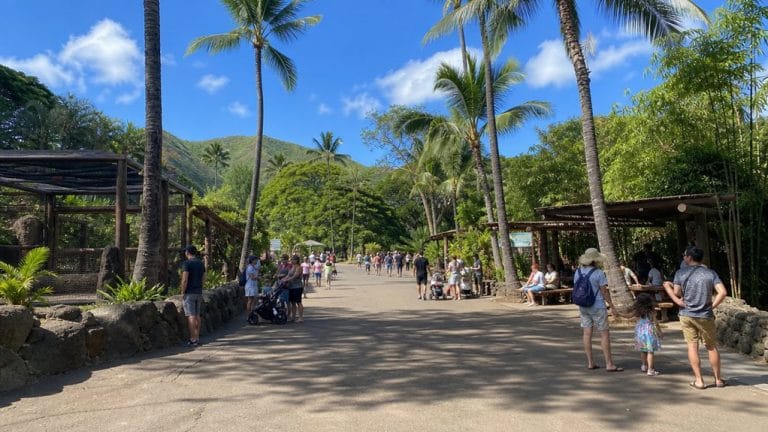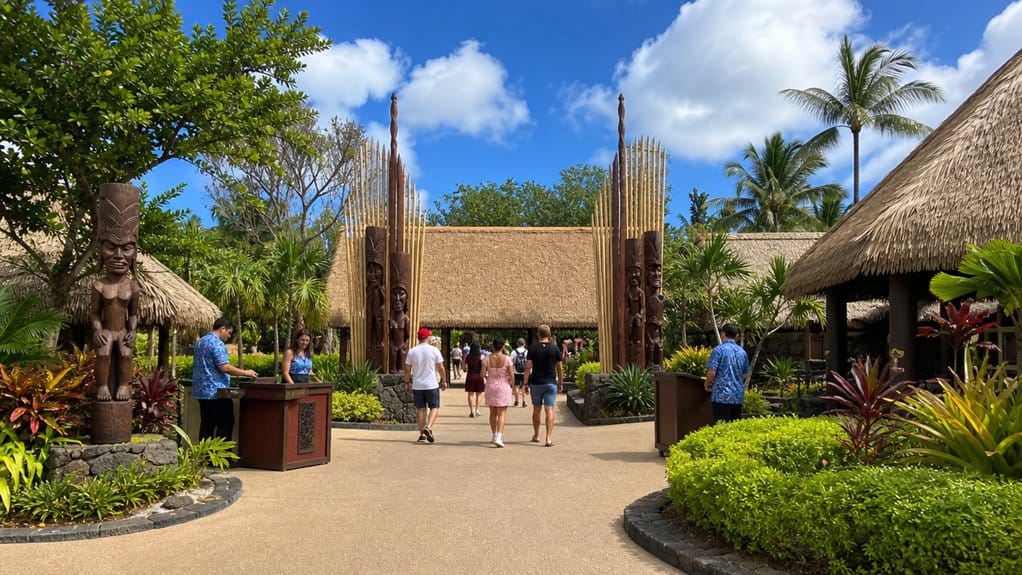
More than half of the Polynesian Cultural Center’s workers are BYU–Hawaiʻi students, so when you walk past the canoe lagoons and hear drums carry through the palms, you’re seeing a school mission in action as much as a visitor attraction. Today, the center is owned by the Corporation of the President of The Church of Jesus Christ of Latter-day Saints and tied closely to BYU–Hawaiʻi, with money going back into students, upkeep, and culture. That setup raises a few surprising questions.
Key Takeaways
- The Polynesian Cultural Center is owned by the Corporation of the President of The Church of Jesus Christ of Latter-day Saints.
- Its land is owned by Brigham Young University–Hawaiʻi, tying the center closely to the university campus.
- Ownership has remained with the Church since the Polynesian Cultural Center opened in the 1960s.
- The center operates as a nonprofit affiliated with BYU–Hawaiʻi, not as a privately owned commercial attraction.
- Governance and major decisions are coordinated through church, university, and nonprofit leadership structures.

Best of Oahu: Pearl Harbor, Arizona Memorial and the Polynesian Cultural Center
Want to see the best Oahu has to offer? Our comprehensive Pearl Harbor and Polynesian Cultural Center Tour is what you’re looking for. An incredible...

Polynesian Cultural Center: Gateway Buffet Package
Located on O‘ahu’s North Shore, the Polynesian Cultural Center is a one-of-a-kind attraction showcasing the peop...

Pearl Harbor, Dole, and Polynesian Cultural Center from Waikiki
Join us on an unforgettable day at three of Oahu’s most popular attractions: Pearl Harbor, Dole Plantation, and Po...

Polynesian Cultural Center: Super Ambassador Luau Package
Experience the Super Ambassador Package, the ultimate VIP adventure at the Polynesian Cultural Center. Begin with a...
Who Owns the Polynesian Cultural Center Today?
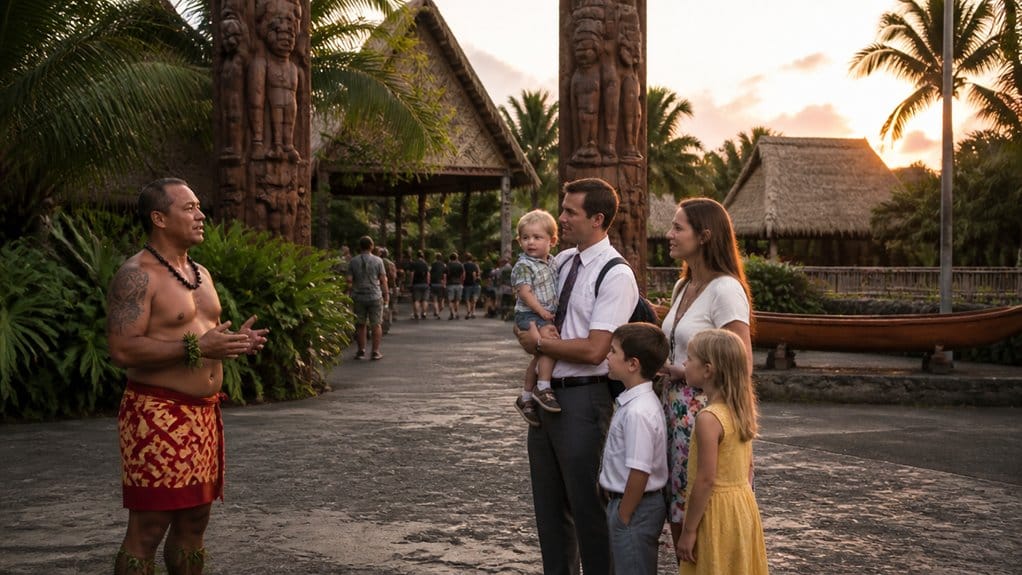
Today, the Polynesian Cultural Center belongs to the Corporation of the President of The Church of Jesus Christ of Latter-day Saints, and that ownership still shapes how the place runs.
When you visit the Polynesian Cultural Center in Laie, Oʻahu, you’re on a 42-acre site tied closely to BYU–Hawaii. The land belongs to the university, and the center is affiliated with BYU. It operates as a nonprofit, so revenue supports the experience itself plus educational assistance for students. You can also trace a practical link to student employment, which helps many BYU–Hawaii students work while studying. Since the 1960s, Church of Jesus Christ of Latter-day Saints ownership has stayed constant, giving the center a clear mission rooted in cultural preservation, education, and a polished island welcome. Visitors often plan a full day here because the Polynesian Cultural Center includes multiple island villages, cultural demonstrations, dining options, and evening entertainment.
How the Church and BYU–Hawaiʻi Manage PCC
Because PCC sits on BYU–Hawaiʻi land in Lāʻie, the Church and the university manage it less like a stand-alone attraction and more like a working campus neighbor with a big public face. You can see that setup in how the Polynesian Cultural Center stays tied to Brigham Young University–Hawaiʻi and the Corporation of the President of The Church of Jesus Christ of Latter-day Saints.
PCC operates less like a stand-alone attraction and more like BYU–Hawaiʻi’s public-facing campus neighbor.
- Governance keeps decisions aligned with the nonprofit and its educational mission.
- Property oversight and major renovations happen with church and campus coordination.
- Operations rely heavily on BYU–Hawaiʻi students, who fill most jobs.
Walk the grounds and you’re seeing a place shaped by boards, leaders, and campus routines, not just luaus and canoes. Scholarships connect to that mission too. Even the backstage rhythm feels educational. For visitors planning around campus-area schedules and North Shore logistics, PCC transportation options like shuttles, buses, and driving help make the trip to Lāʻie more manageable.
How PCC Revenue Supports Students and Operations
That campus connection also explains where the money goes once guests buy tickets, book a luau, or wander into the gift shops. At the Polynesian Cultural Center, revenue doesn’t flow out as private profit. Instead, it circles back into operational funding, facility upkeep, wages, and student support at Brigham Young University–Hawaiʻi.
When you follow ticket sales, retail purchases, and event earnings, you find PCC employment at the center of the story. About 70 to 80 percent of paid workers are students, balancing classes with work-based learning, paychecks, and scholarships. Since opening, more than 12,000 students have received aid through this system. Located on Oʻahu’s North Shore, the center’s island setting also shapes its visitor traffic, staffing needs, and day-to-day operations. Form 990 data show nearly $58 million in reported revenue from 2011 through 2024 helping sustain daily operations and educational programs. Even the drumming and flower leis help keep the mission moving.
Frequently Asked Questions
When Did the Polynesian Cultural Center First Open to Visitors?
You can mark the Polynesian Cultural Center’s opening date as October 12, 1963, when its grand opening and public opening welcomed first visitors. The opening ceremony, opening weekend, and opening celebration marked its date inaugurated, not soft opening.
How Many Island Villages Are Featured at the Polynesian Cultural Center?
You’ll find six island villages at the Polynesian Cultural Center, where you explore Island Traditions through Village Crafts, Canoe Navigation, Tattoo Symbolism, Plant Uses, Dance Costumes, Language Preservation, Agricultural Practices, Maritime Tools, and Ceremonial Foods.
Who Serves as the Current CEO of the Polynesian Cultural Center?
You’ll find Jarod Hester serves as the current CEO, leading the leadership shift through CEO responsibilities, strategic vision, community engagement, cultural stewardship, educational partnerships, board relations, succession planning, and an executive biography rooted in service.
Where Is the Polynesian Cultural Center Located in HawaiʻI?
Spanning 42 acres, you’ll find the Polynesian Cultural Center in Lāʻie on Oʻahu’s north shore at 55-370 Kamehameha Highway, where you can explore nearby attractions, family activities, educational programs, local cuisine, and seasonal events.
What Kinds of Cultural Performances Can Visitors Experience There?
You’ll experience Traditional dances, canoe demonstrations, fire knife, storytelling sessions, and chanting groups. You can also enjoy lei making, wood carving, face tattooing (history), music workshops, and food tastings across the Polynesian villages.
Conclusion
So if you’re wondering who owns the Polynesian Cultural Center today, the answer is clear. You’re visiting a place owned by the Church and tied closely to BYU–Hawaiʻi. It runs like a canoe with many paddles. Students guide tours, perform on stage, and help keep the villages bright, the paths tidy, and the drums beating at night. Your ticket helps fund scholarships, upkeep, and cultural care, not private profit. That makes every stop feel more meaningful.
Best of Oahu: Pearl Harbor, Arizona Memorial and the Polynesian Cultural Center
Want to see the best Oahu has to offer? Our comprehensive Pearl Harbor and Polynesian Cultural Center Tour is what you’re looking for. An incredible...
Pearl Harbor + Dole Plantation + Polynesian Center from Waikiki
Join us on an unforgettable day at three of Oahu’s most popular attractions: Pearl Harbor, Dole Plantation, and Po...

Pearl Harbor, Dole Plantation, and Polynesian Center from Kona
Join us on an unforgettable day at three of Oahu’s most popular attractions: Pearl Harbor, Dole Plantation, and Po...

Pearl Harbor, Dole Plantation, Polynesian Center from Waikiki
We start the day by picking you up for on an unforgettable day at three of Oahu’s most popular attractions: Pearl...
Experiences to explore
 Explore experience ↗
Pearl Harbor, Dole Plantation, and Polynesian Center from Kauai
◷ 9 hr–10 hr
Join us on an unforgettable day at three of Oahu’s most popular attractions: Pearl Harbor, Dole Plantation, and Polynesian Cultural Cen
From $479.99 USD
View dates Explore experience ↗
Polynesian Cultural Center: Aliʻi Luau Package
◷ 8 hr
Experience the ultimate Polynesian adventure with the Aliʻi Lūʻau Package! Explore six authentic island villages with a knowledgeable g
See dates for Current pricing
View dates Explore experience ↗
Pearl Harbor, Dole, and Polynesian Cultural Center from Waikiki
◷ 9 hr–10 hr
Join us on an unforgettable day at three of Oahu’s most popular attractions: Pearl Harbor, Dole Plantation, and Polynesian Cultural Cen
See dates for Current pricing
View dates