
Parking at Kailua Beach can feel like a competitive sport if you arrive late, but with a little strategy you won’t circle for ages or risk a ticket. You’ll find two main lots with different vibes, quiet side streets that look legal but aren’t, and a few clutch drop-off spots that families love. The trick is knowing when to show up, where to aim first, and which “open” spaces you should never touch.
Key Takeaways
- Arrive before 9 a.m. (earlier on weekends) or after 5 p.m. for the best chance at low-stress Kailua Beach parking.
- Use the main Kailua Beach Park lot for fastest family access to restrooms and sand; try the quieter south/canal lot if the main lot is full.
- Avoid illegal street parking: never block driveways, bike lanes, blind corners, or unmarked/private-looking curbs, and read all signs carefully for hidden restrictions.
- Lots generally close around 10 p.m.; comfort stations lock midnight–4 a.m., so don’t leave cars overnight or assume “open” stalls are legal.
- Consider car-free options (TheBus 67/671, bikes, or rideshare) plus a light walking load to skip parking stress during busy weekends and holidays.
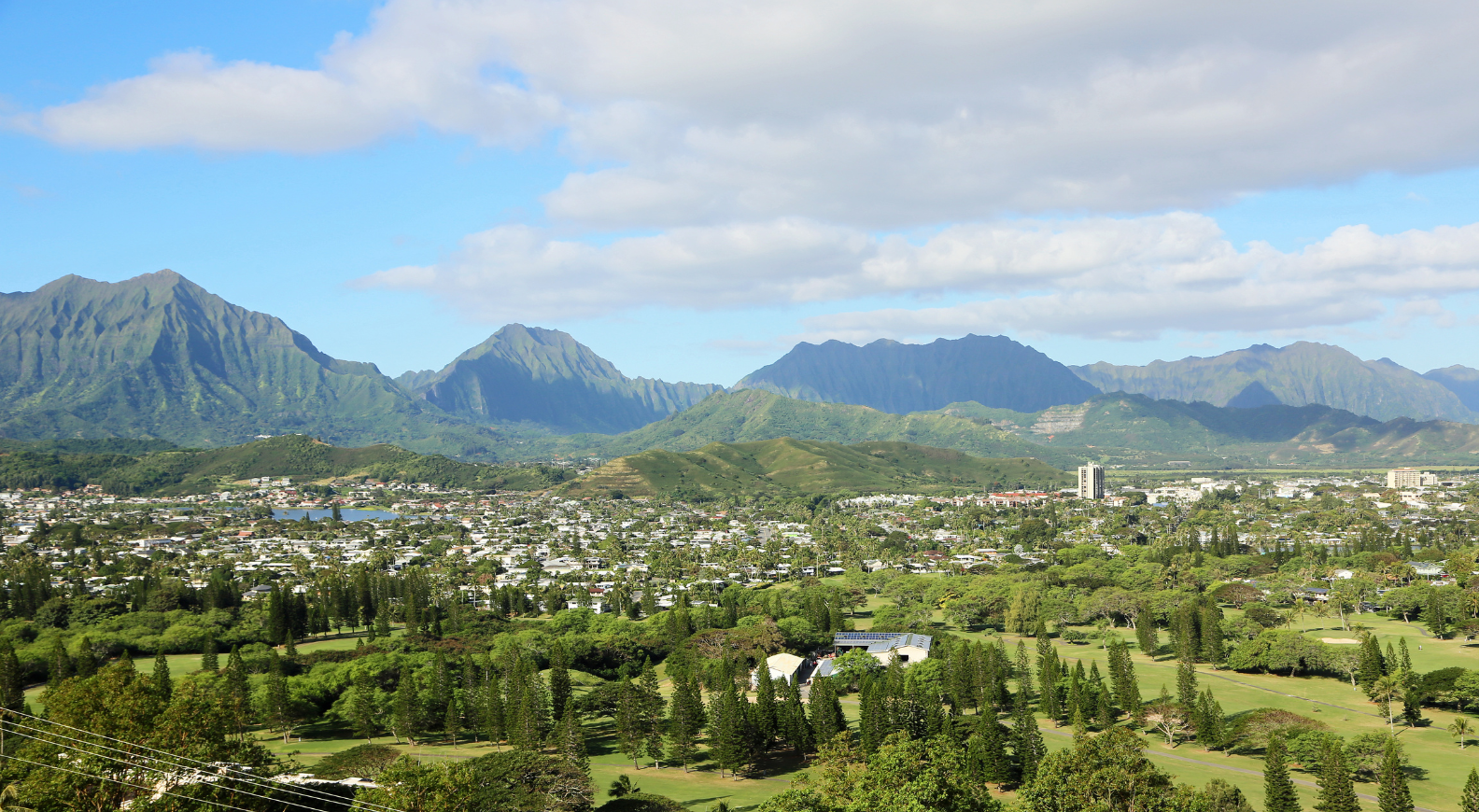
Kailua Beach Parking at a Glance (Quick Overview)
On most days, figuring out parking at Kailua Beach shapes how relaxed your visit feels, so it pays to know the layout before you drive in.
Arrive knowing Kailua’s parking layout so your beach day starts relaxed, not rushed
You’ll juggle tight beachfront stalls, nearby residential streets, and occasional parking shuttle options from tour operators or resorts. Arrive before 9 a.m. if you want a low stress spot and softer light over the turquoise water. If you’re planning to explore multiple Windward spots, knowing how to time nearby experiences like the Kaneohe Sandbar tour around your Kailua parking window can make your day run smoother.
Late morning brings families, coolers, and stand up boards, so patience helps.
Respect beach etiquette: skip blocking driveways, avoid loud tailgate scenes, pack light, and walk a few extra shaded minutes when lots feel chaotic at times.
Official Kailua Beach Parking Lots and Hours
After you’ve scoped out the general parking scene, it helps to know exactly where the official Kailua Beach lots sit and when they actually stay open.
The main beach park lot hugs the sand near the bathrooms and picnic tables, with posted parking hours usually from sunrise to about 10 p.m.
You’ll find smaller auxiliary lots closer to the canal and boat ramp, good for kayakers and early swimmers.
Study the onsite lot maps so you don’t wander.
Arrive by 9 a.m. on weekends, bring patience, and skip circling during peak midday heat.
Evenings feel calmer with open spaces.
If you plan to explore farther-flung coastal spots on Oʻahu, be aware that areas like Kaʻena Point State Park have more limited access hours and special vehicle permit rules compared with Kailua Beach’s in-town lots.
Street Parking Near Kailua Beach: Legal vs. Illegal Spots
Thread your way off the main lot and you’ll quickly hit a maze of quiet Kailua side streets, where parking looks tempting but can get you ticketed or towed if you’re not careful. Legal spots exist, but you must read every curb. Metered spaces near the small commercial strips usually allow two hours, perfect for a quick swim and shave ice. Watch for permit zones and resident parking signs, which locals defend and police patrol. Skip loading zones and corners, even if they look open. Park fully off the bike lane, and never block driveways or paths after dark. Many visitors who love staying in Kailua choose this area for its relaxed, residential feel, which makes respectful parking even more important.
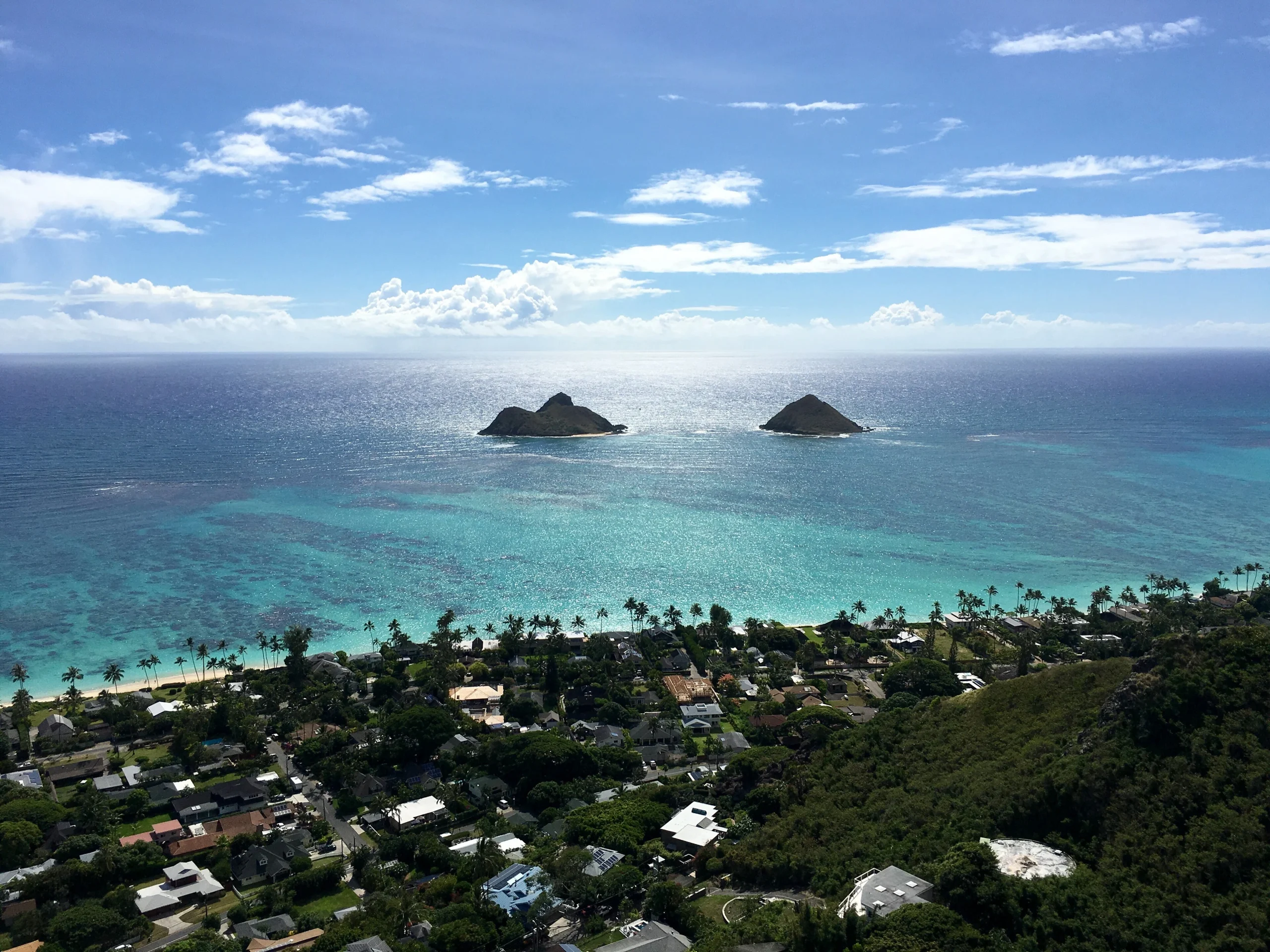
Kailua Beach Parking Rules Visitors Commonly Miss
You’ll notice that Kailua’s parking rules get trickiest right when you most want that quiet early morning walk on the sand.
Some streets near the beach look open at sunrise, but posted hours, school zones, and resident-only stretches can turn them into easy ticket traps.
Other spots hide small no-parking signs behind trees or along unmarked curbs, so you need to slow down, scan carefully, and never just copy where the car in front of you stops.
Even if the street looks empty, remember that Kailua Beach Park’s parking lots are closed from 10:00 p.m. to 5:00 a.m., and comfort stations are locked from midnight to 4:00 a.m.
Early Morning Restrictions
Early morning at Kailua Beach can sneak up on you, not with sunrise colors, but with parking rules that feel oddly strict for such a calm stretch of sand.
Lots of visitors roll in before 6 a.m., chasing empty sand and cooler air, then meet early morning enforcement instead. Some stalls stay off limits for cleaning crews or sunrise delivery trucks, even when everything looks open.
Read curbside signs with a headlamp, set an alarm to move your car, and skip camping in your vehicle. Fines are steep, and tow fees shred beach budgets. Arrive closer to sunrise instead. The Department of Parks & Recreation emphasizes that official park rules and regulations are maintained by its Executive Services Division, so visitors should rely on posted signs and current ordinances when deciding where and when to park.
Hidden No-Parking Zones
Although Kailua’s beach park looks relaxed and wide open, some of its most expensive spots are the ones you’re not actually allowed to use.
The trickiest are the subtle ones. You might slide into an unmarked curb beside hibiscus hedges and think you scored. Check for tiny “No Parking” letters on fences and stones. Locals call towing here a sport. Watch for private driveways that look like extra stalls, especially near beach access paths.
Never block a mailbox, trash bin, or narrow lane. When in doubt, keep driving and use the official lot, or park farther inland for free. For current rules beyond street signs, the city’s Park Rules & Regulations explain what’s allowed in and around public beach parks across Oʻahu.
Ticket and Tow Zones Near Kailua Beach to Avoid
Long before you lock the car and run for the water, it pays to scan every curb and sign around Kailua Beach like a local who’s learned the hard way. Ticket and tow trucks circle quietly, especially near metered zones and private driveways. Skip any space with faded curb paint or confusing arrows. Respect “no stopping” during street sweeping. If you lose track of signs, snap quick photos so you can double check later. If you’re not sure what’s officially part of the city system, you can always confirm details for staffed city parks on Oʻahu through the Department of Parks & Recreation.
| Spot | Risk | Action |
|---|---|---|
| Park frontage near showers | Tickets common | Check all pole signs |
| Side streets inland | Likely tow at night | Avoid blocking any driveway there |
Best Times to Find Kailua Beach Parking
Most days, your best shot at an easy Kailua Beach parking spot comes if you roll in just after sunrise, before 9 am. At that hour the lot feels open, the air cool, and you can park close to the sand.
Late morning fills fast as beach rentals open and families arrive. Early afternoon crowds,late evening availability, and shifting trade winds really decide your luck. If you’re thinking about exploring beyond Kailua, a simple North Shore day trip from Waikiki is easiest when you leave early and keep your stops limited.
Expect tight spaces and more circling after lunch. Around 5 to 7 pm, day trippers peel out, the light softens, parking opens again. Traffic and stress drop. You leave calmer, with sandy feet anyway.
Weekend Kailua Beach Parking Strategy: How to Snag a Spot
Weekend parking at Kailua Beach quickly turns into a real-life game of musical chairs, so you need a plan before you even turn off Kailua Road. Aim for early arrivals, ideally before 8 a.m., when the sand is quiet and stalls still sit open. If you’re planning to explore more of the island after your swim, you can build Kailua into a full-day Oahu circle drive that loops past other major coastal stops. Check park signs carefully; officers ticket aggressively. If lots are full, circle once, then bail.
Head to nearby commercial areas that allow public parking and use shuttle services or a rideshare to the beach.
Keep cash, water, reef-safe sunscreen, and a light bag so you can walk ten to fifteen minutes without melting in summer.
Family-Friendly Kailua Beach Parking and Drop-Off Options
When you’re hauling beach toys, floaties, and a sleepy toddler, the “right” parking spot at Kailua Beach matters a lot. You’ll want to know which lots put you closest to restrooms and calm water, where it’s safest to pull up for a quick kid-friendly drop-off, and how easy it’s to roll a stroller or wagon across the sand. This section walks you through the most practical options so you spend less time circling the block and more time in the water. If you’re also planning an Oahu Circle Island tour, remember that those full-day loops are better for big-picture sightseeing than detailed Kailua parking strategy.
Best Lots For Families
Families often find that parking can make or break a Kailua Beach day, so it pays to choose your spot before you even pack the cooler. Head first to the main Kailua Beach Park lot for quick access to restrooms, shady family picnicspots, and wide sand. You’re close enough to haul chairs, toys, and strollerstorage without a slog. Arrive before 9 a.m. on weekends, or you’ll circle. If that’s full, try the south lot near the canal, calmer and usually quieter. It’s ideal for younger kids, with nearby kidplayareas and restrooms that work for basic babychanging for parents too. Staying in one of the quiet Oahu beach towns outside Waikiki can also make it easier for families to reach Kailua Beach early enough to find stress-free parking.
Safe Kid-Friendly Drop-Offs
Early in the day, a smooth kid-friendly drop-off at Kailua Beach starts with choosing the right curb, not the closest wave.
Treat it like school pickup: pull fully into marked bays near the main pavilion, keep the engine running, and unload fast.
Check for bikes and joggers, since pedestrian safety here depends on patient drivers.
Skip blind corners and fire lanes, even if crowds press.
Instead, circle once, then use the wider curb by the comfort station.
Agree on a meeting point before kids bolt for the sand, and remind them to wait well back from traffic and cars.
Families who split time between Kailua and Ala Moana should note that McCoy Pavilion at Ala Moana Regional Park has been closed for improvements, affecting nearby parking and access patterns for events and sports.
Stroller And Gear Access
From the parking lot to the sand, Kailua Beach stays fairly stroller friendly if you pick your route and pack light. Park close to the central lot for smoother paths to the showers.
| Area | Surface | Best |
|---|---|---|
| Central lot | Paved | Strollers |
| Boat ramp | Firm sand | Beach wagons |
| Park lawn | Mixed | Quick hauls |
Families who also plan to hike Diamond Head should factor in parking reservations and timing there when deciding how much gear to bring for the day. Avoid the softer dune cuts that trap tiny wheels. Look for curb drops that act like stroller ramps near the restrooms. Bring compact beach wagons and skip hard‑to-fold joggers. Use public gear lockers for valuables, and plan stroller storage in your trunk so seats stay mostly sand free.
Car-Free Ways to Get to Kailua Beach (Bus, Bike, Rideshare)
Often the easiest way to enjoy Kailua Beach is to skip the rental car altogether and let someone else handle the traffic and parking headaches.
Skip the rental car, let someone else wrangle Kailua’s traffic and scarce beach parking.
From Waikiki, you can ride TheBus along popular bus routes like 67 or 671 for a few dollars, then walk twenty minutes to the sand.
Go early on weekends, since buses fill fast with beach coolers and bodyboards.
Confident cyclist? Follow signed bike lanes from Kailua town; lock up near beach park showers.
Rideshare works well for sunset, though surge pricing and slow post‑beach traffic can surprise your budget, so plan a backup option.
If your dates are flexible, pairing car‑free options with shoulder‑season weekdays makes buses, bike routes, and even rideshares noticeably less crowded.
Frequently Asked Questions
Is Overnight Parking Allowed Anywhere Near Kailua Beach for Camper Vans or RVS?
You can’t overnight park camper vans or RVs right at Kailua Beach; strict overnight restrictions apply, so you should explore campground alternatives, confirm permit requirements, avoid street parking, consider RV boondocking, or secure private parking.
Are There Accessible Parking Options for Visitors With Mobility Impairments or Wheelchairs?
Yes, you’ll find accessible parking, even if crowds worry you. Marked stalls near the beach ramps show reserved signage, and wide aisles help with lifts. When lots fill, you can use accessible shuttles from areas.
How Safe Is It to Leave Valuables in Parked Cars Near Kailua Beach?
It’s not safe to leave valuables in parked cars near Kailua Beach; thieves target tourist areas, break windows, and grab bags quickly, so you should minimize items, hide nothing, and use lockers or carry essentials.
Can I Park a Car With a Trailer or Roof-Mounted Surfboards Near the Beach?
You can usually park with roof-mounted boards, but confirm surfboard racks are secure and under height limits. Trailers face tighter trailer restrictions; check posted signs, residential bans, and beach-access lot rules before committing your setup.
Are There Restroom or Shower Facilities Close to the Main Parking Areas?
Yes, you’ll find public restrooms and outdoor showers just steps from the main parking lots; you’ll probably notice them right as you park, like they appeared on cue exactly when you started wondering about facilities.
Conclusion
So now you know Kailua Beach parking is less “paradise found” and more “survival game with palm trees.” You arrive before 9 a.m., glide into the main or south lot, and stroll to the sand like a local genius. You skip sketchy curb spaces, late-night loitering, and tickets that cost more than your snorkel set. Pack reef-safe sunscreen, water, patience, and maybe a backup plan, because the tow trucks never take a day off.
