
You probably don’t know that your Diamond Head parking spot is locked to a timed entry, not just the hike itself, so your whole visit runs on that clock. Lots inside the crater often fill by mid morning, the tunnel can bottleneck with rental cars, and street parking nearby isn’t as simple as it looks. If you want to skip circling in the sun and still catch those views, you’ll need a smart arrival plan.
Key Takeaways
- Timed parking and entry reservations are required for non-residents, often sell out for peak mornings, and must match your arrival time.
- The crater lot is small, fills by mid-morning on busy days, and is accessed via a narrow tunnel where slow, careful driving is essential.
- Turn on headlights, remove sunglasses, and avoid large vehicles or trailers when driving through the tight two-lane crater tunnel.
- Nearby neighborhood streets (Monsarrat, Leahi, Campbell, Mooheau) offer limited parking with time limits and residential etiquette expectations.
- Car-free options include shuttles, tours, rideshares, and TheBus, which bypass parking hassles and often include crater tunnel drop-off.

Honolulu: Pacific Star Sunset Dinner Cruise and Show
Indulge in the original Pacific Rim cuisine, where each dish serves as a gateway to the rich flavors of the region. Enjoy the ALL-NEW show “Moku Ola...
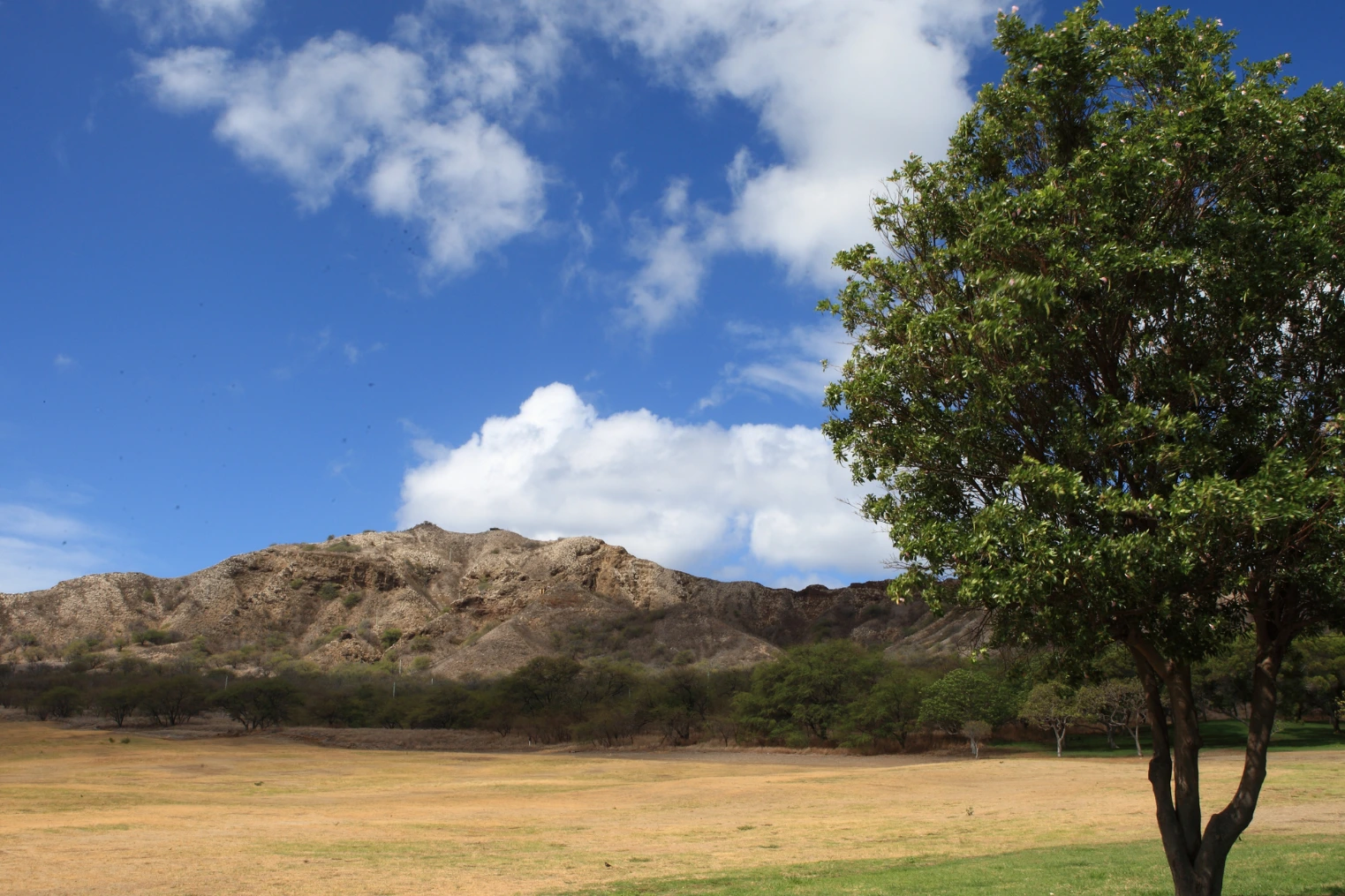
Diamond Head Parking Basics and Reservations
Before you even lace up your hiking shoes, it helps to understand that Diamond Head is as much about parking strategy as it’s about views. You can’t just roll up anymore; you need a timed reservation for parking and entry. Check the official site a couple of weeks ahead, because reservation windows open and sell out fast for peak mornings. Midday slots feel hotter and more exposed but stay slightly quieter. Study the permit options too, since prices differ for walk in visitors, vehicles, and commercial shuttles. Entry and parking reservations are required for non-residents effective May 12, 2022, and remember that park gates are locked at 6:00 pm with all visitors required to exit by then. Bring a screenshot of your confirmation, plus a backup credit card, in case scanners glitch. If planning feels exhausting, consider a Viator shuttle tour with verified reviews and hotel pickup. Enjoy free cancellation and pay later.
Driving Into the Crater and Tunnel Tips
Roll into Diamond Head from Waikīkī and the approach feels almost theatrical, as the road climbs gently, then dives into a narrow tunnel punched straight through the crater wall.
You feel the light drop and the air cool as you pass through old lava rock that hints at the crater geology outside your window.
Drive slowly; the tunnel is tight, two lanes, and often busy with rental cars and tour buses.
Turn on headlights before entering and keep sunglasses off so your eyes adjust.
Tunnel ventilation works well, but you may still catch exhaust smell during peak hours.
Expect backups around 9 am and sunset.
Larger vehicles should hug the centerline.
Skip photo stops; use lookouts before or after the tunnel instead.
If you’d rather not drive yourself, consider guided shuttle options and other car-free alternatives that still get you into the crater without dealing with tunnel traffic or parking.
Parking Inside the Diamond Head Crater
Once you clear the tunnel into Diamond Head, the small crater lot comes up fast and stalls can fill by mid‑morning, especially on weekends and holidays. You’ll need to time your entry window, sort out parking and per‑person fees, and have a credit card or prepaid reservation ready since cash isn’t always accepted. If you’re not keen on threading your own rental through the narrow tunnel and hunting for a spot, a timed shuttle or a well‑reviewed Viator tour with hotel pickup and reserve‑now‑pay‑later can simplify the whole approach. If you’re pairing your hike with an evening on the water, decide early whether a Waikiki dinner cruise or a simpler sunset sail fits your plans so you’re not rushed getting back to town.
Limited Stall Availability
Scarce parking stalls inside Diamond Head Crater mean you’re never guaranteed a spot, even on a random Tuesday morning.
The lot feels small for such a famous hike, so parking scarcity shapes your whole visit. Cars snake along the narrow road, engines idling, as drivers watch for anyone backing out.
During peak congestion, you might circle several times, only to give up and turn around. You can cut stress by arriving very early or pairing your hike with a rideshare.
Another smart move is booking a shuttle or guided hike on Viator, where verified reviews flag reliable operators with hotel pickup and free cancellation. Tours drop you at the entrance, so you skip the stall drama entirely. That saves time, energy, and patience overall.
Entry Times And Fees
Parking scarcity ties directly to Diamond Head’s timed entry system and rising fees, so you’ll want to plan ahead before you drive into the crater.
Reservations run in fixed entry windows, usually starting at 6 a.m., and your parking spot ties to that time, not when you actually arrive.
Aim for early access if you want cooler air, softer light, and fewer cars circling for space.
Expect the state to adjust rates with seasonal pricing, charging more in peak winter and summer holiday periods.
Bring a credit card; cash systems change often.
If you dislike juggling timeslots, consider a well reviewed Viator tour that folds in transport, tickets, hotel pickup, free cancellation, and reserve now pay later.
You still control how long you linger.
Navigating Tunnel Access
Through the narrow, dim tunnel that cuts into Diamond Head, driving feels a bit like entering a secret base, so you’ll want to stay alert and move with the flow of traffic. Stay in your lane, keep headlights on, and respect the low speed limit; rangers don’t love tailgaters here. The tunnel ventilation handles fumes, but it can still feel close, so keep windows cracked only if you’re comfortable. At the tunnel mouth, expect waits as staff control how many cars enter the crater lot. Midweek before 8:30 a.m. means the shortest line. Larger vehicles fit, yet the historic construction creates a tight squeeze, so skip trailers. If you’d rather not drive, Viator tours with verified reviews include tunnel access, parking, and hotel pickup. You can also reach Diamond Head from Waikiki using public bus routes or rideshares if you prefer to avoid driving and parking altogether.
Street Parking Near Diamond Head (Kaimukī & Kapahulu)
Once the crater lot fills up, you’ll start eyeing the surrounding neighborhoods, so it pays to know which streets in Kaimukī and Kapahulu actually work for parking. You’ll need to watch for 1- to 2-hour limits, tow-away rush hour windows, and those tiny “no parking” arrows that Honolulu’s meter officers love to enforce. Before you lock up, think like a local neighbor: keep driveways clear, skip loud tailgate scenes, and avoid leaving anything tempting in sight. If you’re walking in from neighborhood parking, be sure to check current Diamond Head hours and gate times so you don’t arrive after last entry.
Best Streets To Park
Slide off Diamond Head Road into the quieter backstreets of Kaimukī and Kapahulu and you’ll find some of the most reliable free parking for the crater. Aim first for Monsarrat Avenue, where shaded spots put you a relaxed 10 to 15 minute walk from the trailhead. A few blocks makai, Leahi Avenue feels more residential, so you blend in if you park neatly and keep noise low. These streets also give you an easy jump-off point if you plan to explore Honolulu neighborhoods beyond Diamond Head after your hike.
Use simple parking hacks: arrive early, face out for an easy exit, and photograph nearby intersections. Around Kapahulu, watch for meters along Campbell and Mooheau. Practice good meter etiquette, share info with confused visitors, and pay it forward.
| Street | Vibe | Walking time |
|---|---|---|
| Monsarrat Ave | Cafes, light shade | 10–15 min |
| Leahi Ave | Quiet homes | 12–18 min |
| Campbell Ave | Urban, some meters | 15–20 min |
| Mooheau Ave | Mixed local blocks | 15–20 min |
Time Limits And Enforcement
Even though Kaimukī and Kapahulu feel laid-back, street parking rules around Diamond Head get enforced with real bite. Most curbs near the crater have strict two hour limits during daylight, and officers do regular sweeps, especially on weekends and school holidays. Arrive by 8 am and you usually find a spot and a bit of leeway, but overstay at lunch and you risk a bright orange envelope. Meters along Kapahulu and Waiʻalae run into the evening, so watch the tiny print. Metered enforcement typically runs Monday to Saturday, and rates hover around $1.50 per hour, coins or card. Snap photos of signs and your dashboard clock, in case you need citation appeals later. Parking agents circle quietly, so don’t count on verbal warnings. If you’d rather skip the curbside gamble, consider booking an official crater parking reservation, where time slots are clearly defined and actively managed.
Residential Etiquette And Safety
While the neighborhoods around Diamond Head feel friendly and local, street parking here is very much “guest in someone’s front yard” territory. Treat driveways, gates, and low walls as off-limits, even if the curb paint has faded. Park tight to the curb so buses and surf vans can pass. Keep neighborhood noise low when you arrive early for sunrise or roll back after sunset; voices echo on these narrow streets. Just like around Lanikai, honoring local parking etiquette helps keep access open and relations with nearby residents respectful. Hide bags in the trunk and avoid leaving beach gear or shopping in view to help package safety. At night, stick to lit blocks near Kapahulu Avenue or Waialae. Skip dark lanes that feel too tucked away. If a resident seems uneasy, move the car, smile, and keep things cordial. Leave no trash behind.

Waikīkī Parking for Hiking Diamond Head
On most mornings, the easiest way to reach Diamond Head from Waikīkī is to park near your hotel and let someone else handle the drive. Waikīkī shuttles solve both parking stress and tunnel traffic. You leave your car in a hotel or public garage, then ride in air conditioned comfort straight to the crater entrance. Many local companies and a few Viator tours offer round trip rides with timed entry, Hotel drop offs, and free cancellation, so you can reserve now, pay later. Expect to pay about $25 to $40 per person, with first departures around 6 am. Go early to beat the sun and cruise past the full lot sign. The full hike typically takes about 1.5 to 2 hours round trip, so plan shuttle times with the Diamond Head hike length in mind. Pack water, sunblock, and a light cover for breezy summit viewpoints and photos.
Walking and Biking to Diamond Head (No Parking Needed)
From most Waikīkī hotels, you can reach Diamond Head on your own two feet or two wheels and skip parking stress entirely.
Walking takes about 40 to 60 minutes each way, depending on heat and photo stops. Follow sidewalks along Kapahulu Avenue and Diamond Head Road, where safety signage helps with crossings.
Start by 7 a.m. to dodge harsh sun and tour bus crowds. If you’re heading all the way up to the crater rim, check current Diamond Head reservations in advance so your hike time matches your walk or bike arrival.
Pack water, a hat, and light snacks, since options near the crater are limited and pricier.
If you bike, use a basic lock and expect informal racks near the entrance, not guarded storage.
The coastal stretch offers breezy air and scenic viewpoints of Waikīkī and Kaimana Beach, so leave extra time to enjoy the lookouts without rushing back for parking.
Rideshares and Taxis to the Diamond Head Trailhead
Not everyone wants to power-walk uphill in the morning heat, so rideshares and taxis offer a quick, low-sweat way to reach the Diamond Head trailhead. From Waikiki, you’ll usually pay $12–18 each way, so use Fare splitting in your Ride share app if you’re a small group. Bring cash for tips, though payment itself stays in-app if service drops anyway. If you’d rather save money and ride like a local, consider using Waikiki TheBus as a simple alternative to taxis and rideshares from town. Ask the driver to enter through the crater tunnel drop-off, which keeps you close to the trailhead gate.
| Tip | Why it helps |
|---|---|
| Set pickup pin at “Diamond Head Crater” | Reduces confusion at the tunnel |
| Screenshot your map | Cell signal can flicker near the rim |
| Plan Night pickups earlier | Cars can be scarce after sunset |
| Confirm Driver waiting fees | Avoid surprise charges after your hike |
TheBus and Tour Shuttles to Diamond Head
Often the easiest way to reach Diamond Head without a car is to ride TheBus or hop on a tour shuttle that drops you right by the crater entrance. From Waikīkī, Oʻahu transit routes 2 and 23 get you closest; expect about 25 minutes and a few dollars in exact change. Because Honolulu public transportation is designed to be an easy, budget-friendly way to get around, many visitors rely on TheBus instead of renting a car for Diamond Head.
Ask the driver to call out the Diamond Head stop, then walk 10 minutes uphill to the tunnel.
- Bring small bills, water, and sun protection; buses and shuttles can be crowded and hot by late morning.
- Practice shuttle etiquette: line up, keep packs on your lap, and avoid wet swimwear on seats.
- Consider a Viator shuttle with verified reviews, hotel pickup, and flexible, reserve now pay later tickets for flexibility.
Frequently Asked Questions
Is Overnight Parking Allowed Anywhere Near Diamond Head State Monument or Trailhead Areas?
You can’t legally park overnight at Diamond Head or directly by its trailheads; overnight restrictions apply and neighborhood enforcement’s strict. You’ll need to check permit requirements or arrange private parking or lodging with guest spaces.
Are There Accessible Parking Options or Drop-Off Zones for Hikers With Mobility Challenges?
Priority parking provides practical possibilities: you’ll find marked disabled parking near the crater entrance, limited wheelchair access along smoother paths, and a close drop-off zone so companions can comfortably unload you before seeking standard stalls.
What Time Do Parking Gates Open for Sunrise Hikes at Diamond Head?
Parking gates usually open at 6:00 a.m., so you can’t legally start earlier for true sunrise. You’ll still catch early light, but watch changing gate schedules and growing sunrise crowds; always confirm hours before going.
Are Parking Fees Waived for HawaiʻI Residents or Active-Duty Military at Diamond Head?
You don’t get automatic fee waivers at Diamond Head unless you’re a Hawaiʻi resident; there are resident exemptions but no standalone military discounts, like a gate that opens when your local ID fits the lock.
Can Large Vehicles Like RVS or Minibuses Park Near the Diamond Head Entrance?
Large vehicles can’t park directly at the Diamond Head entrance; RV parking isn’t available and strict minibus restrictions apply. You must use standard-size vehicles, drop-off arrangements, or nearby public transit and walk into the crater.
Conclusion
You leave Diamond Head with salt on your skin, dust on your shoes, and the city glowing below like scattered jewels. Time your parking before 8 a.m., or book a Viator shuttle with hotel pickup, free cancellation, and reserve now pay later to dodge the crunch. Bring water, a hat, and small bills for meters. Skip circling full lots. When you walk back through the tunnel, you’ll know you squeezed the most from the crater.
Honolulu: Pacific Star Sunset Dinner Cruise and Show
Indulge in the original Pacific Rim cuisine, where each dish serves as a gateway to the rich flavors of the region. Enjoy the ALL-NEW show “Moku Ola...


