Nearly 40% of hikers underestimate how harsh Kaʻena Point’s sun and wind can be, and this mellow-looking coastal trail quickly proves it. You’ll walk a fully exposed track with no shade, blasting gusts, and sneaker waves that can drench you or worse. Tide pools shimmer beside sharp lava rock, tempting you closer than is smart. If you want to enjoy this wild corner of Oʻahu without a hospital visit, you’ll need a solid game plan.
Key Takeaways
- Start early; there’s no shade, so wear long sleeves, a brimmed hat, UV sunglasses, and reef-safe sunscreen, and carry at least two liters of water.
- Strong coastal winds can whip sand and affect balance; turn back if gusts feel unsafe and drink frequently to avoid dehydration.
- Stay on the main track to protect eroding cliffs, fragile cultural sites, and stone walls, and to avoid unstable coastal edges.
- Before approaching tide pools or shorelines, watch wave sets for at least five minutes and avoid wet or green, slippery rock surfaces.
- Skip tidepool exploring during large winter surf; never scramble toward breaking waves or blowholes, and keep children well back from the water’s edge.

Honolulu: Pacific Star Sunset Dinner Cruise and Show
Indulge in the original Pacific Rim cuisine, where each dish serves as a gateway to the rich flavors of the region. Enjoy the ALL-NEW show “Moku Ola...
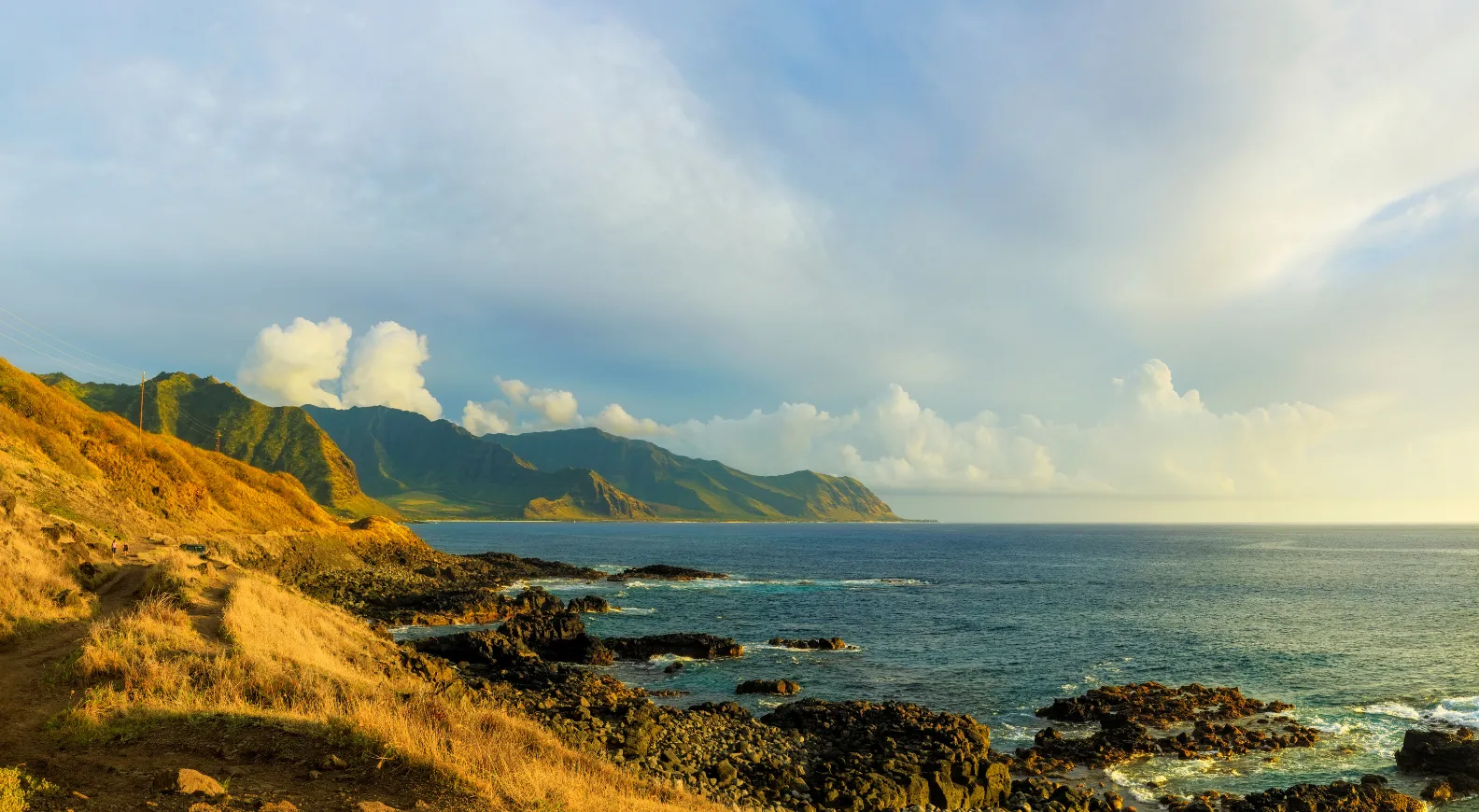
Kaʻena Point Hike Overview & Trail Conditions
Although the Kaʻena Point hike sits at the far edge of Oʻahu, the trail itself feels surprisingly straightforward and accessible.
Despite its remote location at Oʻahu’s western tip, Kaʻena Point remains an easy, welcoming coastal walk
You follow an old dirt road along the coast, with rough lava, bright tide pools, and steady wind in your face.
Trail access is free, parking too, though spots fill by mid morning.
Expect about five miles round trip, mostly flat, but heat and soft sand make it slower than it looks.
Stay on the track, since erosion concerns are real and you’ll pass fragile cultural sites and stone walls.
Toward the reserve, watch for bird nesting signs and fenced areas, then keep noise low.
Skip climbing shoreline cliffs.
If you prefer guidance, Viator tours bundle transport, timing tips, and flexible cancellation for visitors.
As you walk, you’ll see interpretive signs sharing more about Kaʻena Point State Park wildlife, cultural history, and ongoing conservation work.
What to Pack and Wear for Kaʻena Point
Under the wide, exposed sky at Kaʻena Point, what you wear matters almost as much as where you walk. Wear trail shoes or sturdy sandals; the path holds loose rock and old rail ties. Lightweight long sleeves, a brimmed hat, and UV sunglasses protect skin and eyes. Pack reef safe lotion and plan on sunscreen reapplication,hydration strategy during the exposed walk. Carry at least two liters of water per person and set a simple hydration strategy. Quick drying shorts, a small first aid kit, and a dry bag for phone and keys finish a daypack. If you plan to explore coastal areas before or after your hike, insights from Oahu kayaking routes can help you think through sun, wind, and water exposure across a full day outside.
| Item | Why it helps |
|---|---|
| Sun shirt | Light, long sleeves cut UV on skin, reduce sun fatigue |
| Buff or scarf | Shields neck, cools with water, tames gritty wind and sweat |
Sun, Wind, and Surf Hazards at Kaʻena Point
Stepping out toward Kaʻena Point, you feel how exposed this wild tip of Oʻahu really is: sharp sun above, dry wind in your face, and surf thundering on the rocks.
There’s no shade, so sun exposure builds fast, even on hazy days. Start early, before 9 am, and aim to finish by mid‑afternoon when the coastal heat peaks.
Strong winds can feel invigorating, yet they whip sand into your eyes and hide how quickly you dehydrate. Drink often, snack lightly, and turn back if the gusts shove you off balance. If you spot sea turtles or monk seals along the shore, remember to keep at least recommended viewing distance so you don’t disturb them while they rest.
Big winter swells slam the cliffs, sending surprise spray high onto the trail. Stay inland from wet rocks, keep clear of any blowholes, and never scramble down toward breaking waves, no matter the temptation.
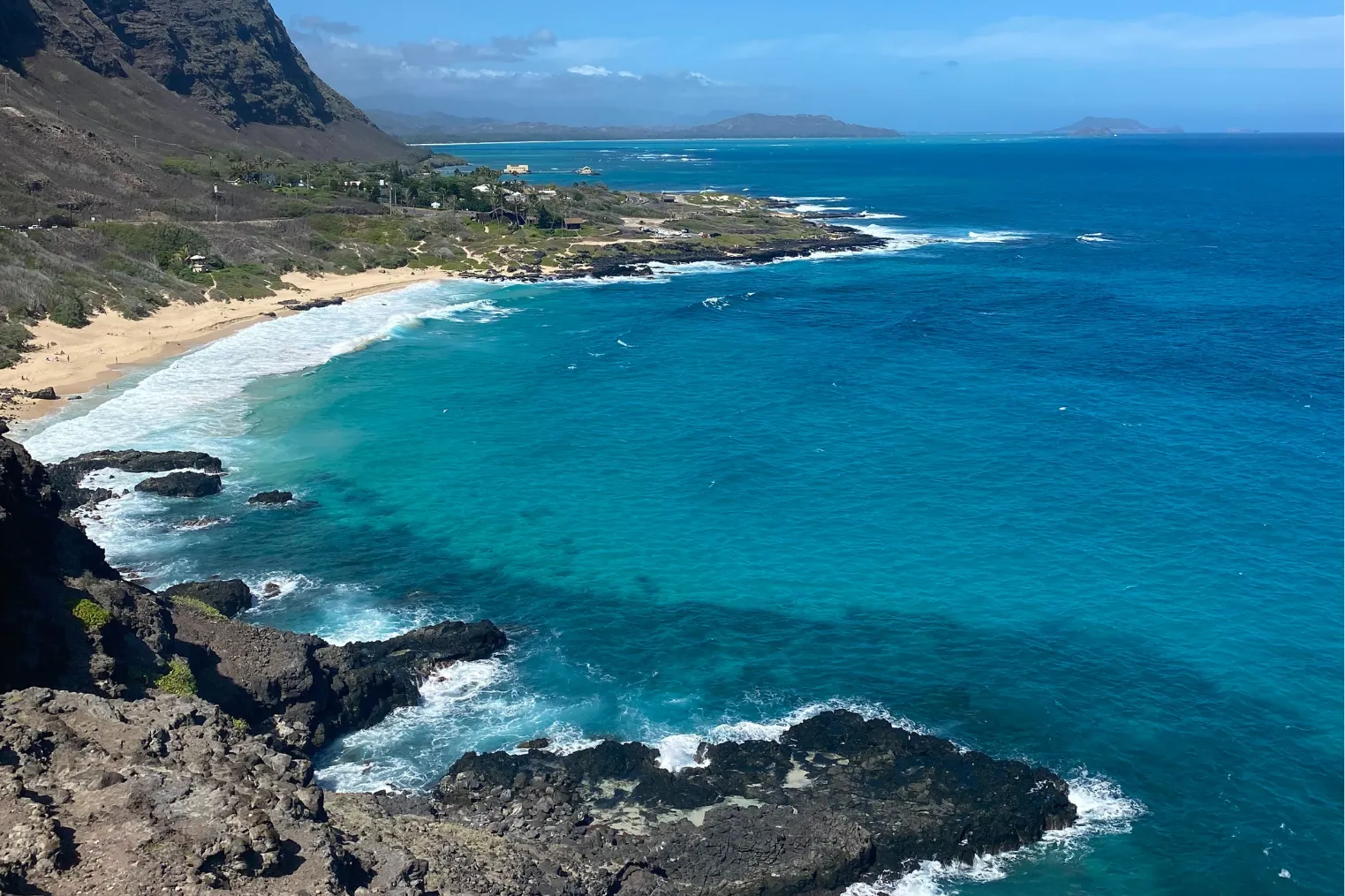
Safe Tide Pool Exploring at Kaʻena Point
From the first glimpse of Kaʻena’s rocky shoreline, the tide pools look like bright little aquariums set into dark lava, and it’s tempting to rush right in. Slow down and watch a full set of waves first, at least five minutes, so you see how far surprise swells reach. Step only on dry, stable rock; wet green surfaces turn into ice under bare feet. Good tidepool etiquette means you leave shells, urchins, and tiny fish where they are, and never stack rocks for photos. You’re walking through fragile intertidal biodiversity, not a theme park. During winter months across north shore areas like the Waimea Bay MLCD, extremely dangerous currents and waves can make tidepool exploring hazardous, so always avoid going near the water when surf is large.
Bring reef safe sunscreen, strap sandals, and a small bottle of fresh water to rinse cuts. Skip low tide pools if surf looks rough offshore. Check kids’ footing and distance.
Frequently Asked Questions
Is a Permit or Reservation Required to Hike KaʻEna Point?
You don’t need a standard permit or reservation to hike Kaʻena Point, but you must respect trail access rules, possible permit exceptions for groups, parking limits at the ends, and any guided tours’ special requirements.
Are Dogs Allowed on the KaʻEna Point Trail, and Where Are They Restricted?
You can hike Kaʻena Point trail with your dog, but you must follow leash rules and respect posted pet closures; dogs aren’t allowed inside the fenced Natural Area Reserve or near seabirds and monk seals.
What Cultural or Historical Significance Does KaʻEna Point Hold for Native Hawaiians?
You visit Kaʻena Point knowing it’s a leina a ka ʻuhane, where souls leap, a sacred kapu boundary, an ancestral wahiʻai connecting land, ocean, and spirits, so you move respectfully, honoring kūpuna and traditions today.
Are There Restrooms, Water Fountains, or Other Facilities at the Trailheads?
You’ll find only basic facilities: portable toilets at the trailheads, no water available, limited trail signage, and simple visitor kiosks, think of frontier outposts, where you must arrive prepared, self-reliant, and mindful of your needs here.
When Is the Best Time of Year to See Whales From KaʻEna Point?
You’re most likely to see whales from Kaʻena Point during the winter months, typically December through March, when humpback whale migrations peak; visit on calm, clear mornings, bring binoculars, and scan patiently along the horizon.
Conclusion
You’ll leave Kaʻena Point salty, sun kissed, and glad you came prepared. Oʻahu averages 271 sunny days a year, so strong UV is almost guaranteed on this exposed trail. Start by 8 am, pack at least two liters of water, and skip tide pools when surf looks angry. If logistics stress you out, a small group Viator hike with hotel pickup and free cancellation can keep things simple, and reserve now, pay later if needed.
Honolulu: Pacific Star Sunset Dinner Cruise and Show
Indulge in the original Pacific Rim cuisine, where each dish serves as a gateway to the rich flavors of the region. Enjoy the ALL-NEW show “Moku Ola...