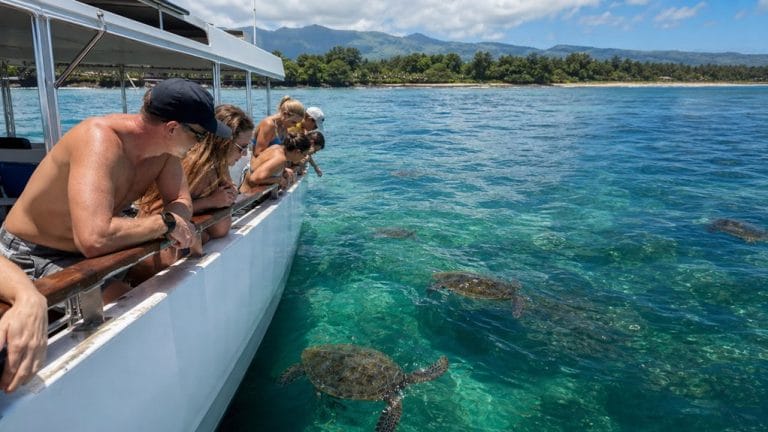
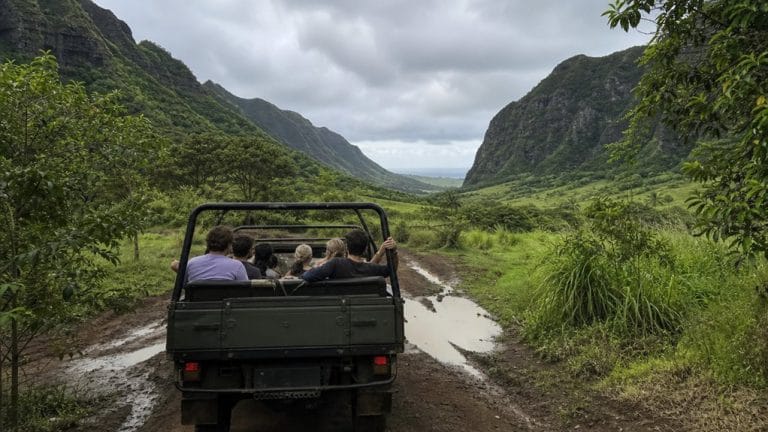
On Oahu, each botanical garden feels like a different island. You can duck into downtown Foster for a quick “green museum” of rare trees, or spend half a day roaming Ho‘omaluhia’s huge lawns and lake on the Windward side. Out east, Koko Crater bakes in the sun with cactus, big skies, and coastal views. Up in the jungle valleys, trails run muddy toward small waterfalls. The trick is matching each garden to your day.
Key Takeaways
- Foster Botanical Garden offers a compact, “green museum” in downtown Honolulu, ideal for a sub‑hour visit with rare trees, easy access, and a small entry fee.
- Ho‘omaluhia Botanical Garden is a 400‑acre windward valley refuge with lawns, lakes, global plant collections, easy trails, and stress‑free visits if you arrive before 10 a.m.
- Koko Crater Botanical Garden showcases dry, arid landscapes with cactus and plumeria, free entry, big coastal views, unpaved paths, and hotter, exposed walking conditions.
- Jungle and waterfall gardens provide misty, lush microclimates with ferns, muddy trails, quick showers, and rumbling falls; arrive early and bring insect repellent and a rain shell.
- Mornings across Oahu’s gardens offer cooler air and softer light for photos, while after-rain visits enhance waterfalls but require sturdy sandals for slick, muddy paths.

Oahu Majestic Circle Island Tour with Waimea Falls and Byodo Inn
Since 1974, E Noa Tours has specialized in showing visitors the real Oʻahu through immersive experiences led by passionate local guides. Our mission...
Best Oahu Botanical Gardens by Area and Vibe
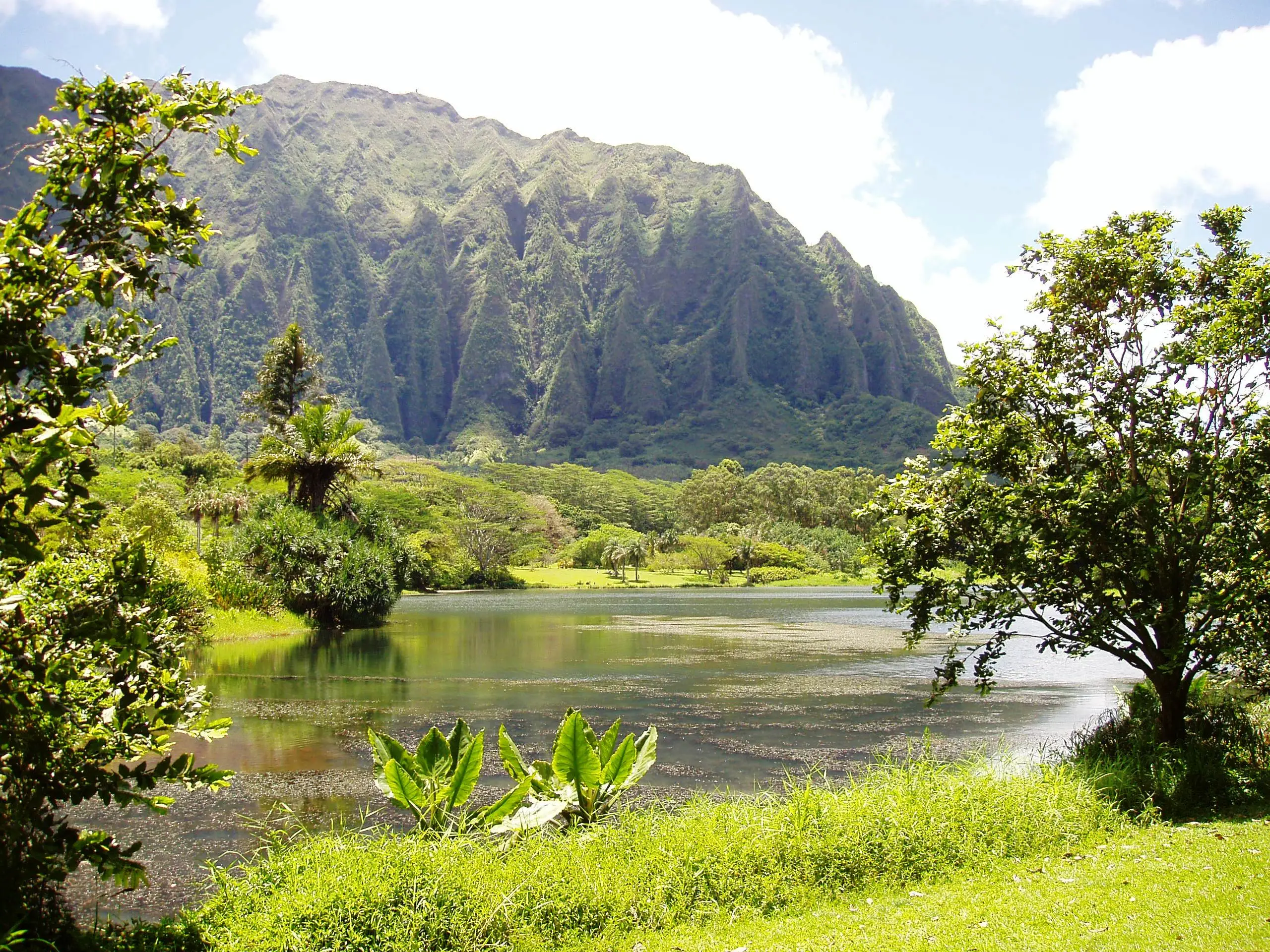
Although Oahu looks compact on a map, its botanical gardens each have a distinct vibe that fits a different kind of day.
Oahu may look small, but each botanical garden promises its own mood and kind of day
In downtown Honolulu, Foster Botanical Garden feels like a green museum close to offices and buses, great when you want shade without leaving the city. You’ll pay a small entry fee, usually under $10, and you can see rare trees in under an hour.
On the windward side, Ho‘omaluhia suits slower days, with broad lawns, art exhibits, and low key community events; arrive by 10 a.m. to beat parking stress. Drivers can also enjoy scenic drives and choose from easy trails that wind through the garden’s lush valley setting.
Out east, Koko Crater Botanical Garden feels dry and wild. Pack water and a hat, then wander the loop trail through cactus, plumeria, and other seasonal blooms that peak in late spring.
Lush Oahu Botanical Gardens With Waterfalls and Jungle Feel
Sometimes Oahu feels most like “real Hawaii” when you’re deep in a garden that looks and sounds like jungle, with misty air, wet leaves, and a waterfall rumbling nearby. You follow narrow paths into cool waterfall microclimates where ferns drip and birds disappear into the jungle understory. Expect muddy shoes, quick showers, and air that smells like ginger and soil. Arrive early to dodge tour groups, bring insect repellent, and pack a light rain shell. Parking’s usually free, but some gardens charge a modest entry fee, so keep a card handy. If you’re in town, plan extra time to wander the Foster Botanical Garden when the light is soft and the air is coolest.
| Time | What you’ll feel | Tip |
|---|---|---|
| Morning | Soft light, cooler air | Best for photos |
| Midday | Humid, brightest greens | Duck into side trails |
| After rain | Loudest waterfalls, slick paths | Wear sturdy sandals |
Dry-Side Oahu Botanical Gardens With Views and Rare Native Plants
Trading mist for sunshine, you head to Oahu’s dry-side gardens for big skies, wide views, and rare native plants clinging to rocky slopes. Here the trails feel hotter and more exposed, so you pack water, a hat, and sturdy sandals. Mornings bring softer light and less glare, ideal for photos from any coastal overlook. Signs explain native conservation work, showing how endangered shrubs survive on no soil. You might spot seabirds riding thermals or waves pounding far below. Expect fewer crowds than in the jungle valleys, along with less shade. Entry is usually free, parking simple, and paths unpaved. Skip flip-flops and heavy bags. Some visitors balance these arid landscapes with a peaceful stroll through the Ho‘omaluhia Botanical Garden, a 400‑acre refuge of global plant collections and a 32‑acre lake on windward Oʻahu. If you prefer a guide, check Viator for small-group hikes with hotel pickup, free cancellation, and reserve now pay later.
Frequently Asked Questions
Do Any Oahu Botanical Gardens Offer Guided Tours or Cultural Interpretation Programs?
Yes, you’ll find several. Waimea Valley offers guided storytelling walks and Hawaiian cultural workshops; Ho‘omaluhia and Foster often host ranger or docent tours, native-plant talks, and occasional cultural workshops, so you should check their schedules.
Which Oahu Botanical Gardens Are Most Accessible for Visitors With Limited Mobility?
Ho‘omaluhia and Foster Botanical Garden suit you best, offering extensive wheelchair access, rental scooters, accessible parking, and level pathways. You’ll navigate about 70% paved routes, rest on benches, and enjoy shade that makes exploration comfortable.
Are Professional Photography Sessions or Weddings Allowed in Oahu Botanical Gardens?
Yes, you can hold professional photography sessions or weddings, but you’ll need wedding permits and reservations. Check each garden’s rules about guest limits, décor, amplified sound, and portrait etiquette. Apply early, since dates book quickly.
What Should I Wear and Bring When Visiting Oahu Botanical Gardens Year-Round?
You dress for changing skies: start with lightweight layers and sun protective clothing, add waterproof footwear, wide brimmed hat, reef safe sunscreen, mosquito repellent. You carry a hydration pack, portable umbrella, daypack for snacks too.
Do Oahu Botanical Gardens Have Food Options or Picnic Areas On-Site?
Yes, you’ll usually find small snack kiosks, occasional food trucks, and designated, shaded picnic areas, but options vary by garden. You should check each site’s rules and hours and still pack water, snacks, and sunscreen.
Conclusion
In the end, each garden feels like a different key on the same island necklace. You’ll stroll Foster in under an hour, like a quiet museum break. You’ll linger longer at Ho‘omaluhia, packing snacks, bug spray, and patience for parking. You’ll chase light at Koko Crater with a hat and extra water. Choose one, or weave them together, and you’ll leave with clothes a bit muddier and your sense of Oahu sharper.
Oahu Majestic Circle Island Tour with Waimea Falls and Byodo Inn
Since 1974, E Noa Tours has specialized in showing visitors the real Oʻahu through immersive experiences led by passionate local guides. Our mission...
Experiences to explore
 Explore experience ↗
Hidden Gems of Oahu Circle Island Tour with Byodo In Temple
◷ 9 hr
Join Go Tours Hawaii as we embark on an Unforgettable Oahu Circle Island tour adventure as we journey through Hawaii's wonders. Availab
From $159.00 USD
View dates Explore experience ↗
Private Oahu Tour with Your Own Professional 4K Vacation Film
◷ 8 hr
*Please note that this tour is customizable. See Oʻahu. Experience it together. And relive it in 4K! This private Oʻahu experience is m
See dates for Current pricing
View dates Explore experience ↗
Private Tour Oahu featuring Waimea Waterfall & Botanical Garden
◷ 8 hr
Our private North Shore tour centers around Waimea Valley and Waterfall. Enjoy a 1.6-mile paved walk through a tropical botanical garde
See dates for Current pricing
View dates