
When you plan a trip to Oahu, timing shapes everything: the waves you see, the crowds you face, even what you pack in your day bag. Winter brings roaring North Shore surf and cooler, breezy nights, while summer leans hot, calm, and packed with snorkel boats off Honolulu. Shoulder seasons feel different again. If you want the best mix of weather, prices, and ocean conditions, you’ll need to know what each month quietly does to the island.
Key Takeaways
- Summer (Jun–Aug) is hot, dry, and crowded; Honolulu averages mid‑80s°F with calmer seas and clear snorkeling, slightly cooler on the North Shore.
- Fall (Sep–Nov) brings muggy heat, brief squalls, and peak hurricane risk in Sep–Oct; keep plans flexible, especially for boat tours and North Shore drives.
- Winter (Dec–Feb) is cooler with more showers, stronger trades, and big North Shore swells; Honolulu stays warmer and sunnier, with highs near 80°F.
- Spring (Mar–May) is transition season with comfortable mid‑70s to low‑80s°F, lighter surf, and good hiking when trails dry, especially in April–May.
- Honolulu is typically drier, sunnier, and warmer year‑round, while the North Shore is a few degrees cooler with more winter rain and dramatic surf.
Oahu Weather Basics: Seasons, Trade Winds, Microclimates
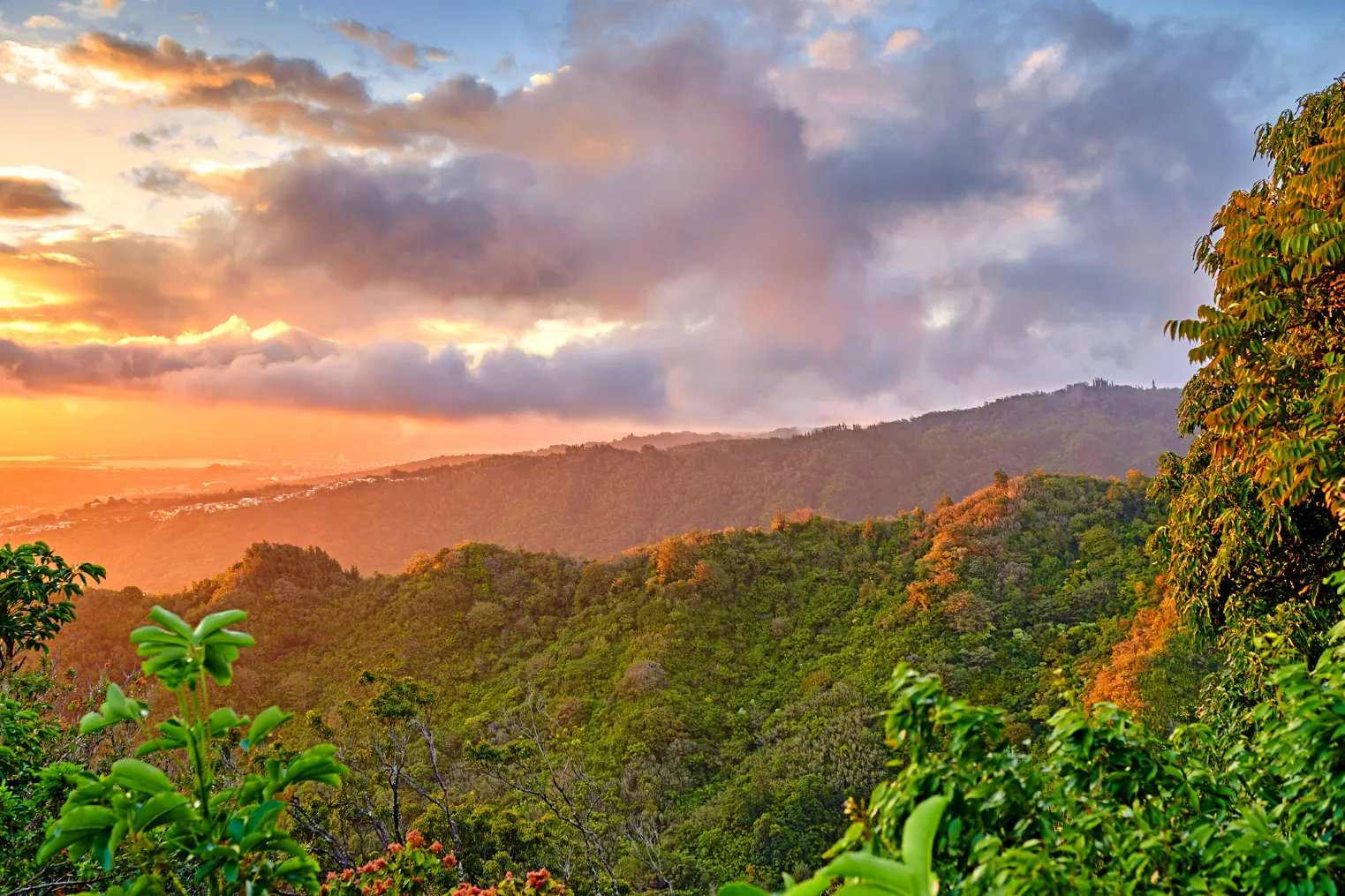
On Oahu, the weather usually feels like a long, gentle summer, but it shifts more than you might expect once you move around the island. You’ll feel the trade winds first; they keep Waikiki warm yet airy, then slam into the Koolau range and wring out showers. Those windward contrasts matter when you plan beach days versus hikes. Simple microclimate mapping helps: south shore for sun, windward for rainbows, leeward for dry heat. Waikiki weather by month also changes subtly, with more frequent winter showers and seasonally shifting ocean conditions that affect swimming and surfing. Elevation effects also kick in, so ridge trails feel cooler and cloudier than hotel pools. Pack a light rain shell, quick dry clothes, and reef safe sunscreen, not heavy layers. Skip umbrellas, they flip fast in gusts. Even short drives reveal new coastal breezes, fresh scents, and shifting light each day.
Oahu Weather by Month at a Glance
Usually, Oahu’s “endless summer” shifts just enough each month to change what you pack and how you plan your days. You’ll feel subtle swings in temperature, trade wind strength, and crowds. Think of the island as a living lab for microclimate mapping: Waikiki stays sunnier while the Koʻolau foothills collect mist. If you’re visiting in May, expect warm trade-wind days with manageable crowds and ideal conditions for exploring both Honolulu and the North Shore.
Monthly rainfall, sea breeze timing, and humidity trends shape how sticky your T shirt feels and when the beaches feel freshest. Use the snapshot below to match your plans to the sky.
| Month vibe | What you’ll notice |
|---|---|
| Drier months | Clearer sunsets, dustier trails, hotter midafternoons |
| Wetter months | Lusher valleys, quick showers, moodier surf photos |
Pack light layers, quick dry clothes, and a compact umbrella so you can pivot plans without stress or surprises.
Winter Oahu Weather (Dec–Feb): Big North Shore Swell
In winter, you’ll feel cooler, breezier days on Oahu, with T‑shirt afternoons and light-jacket evenings that still beat most mainland cold snaps.
Up on the North Shore, powerful swells roll in like clockwork, drawing big-wave contests, heavy crowds, and strict safety flags that you’ll need to watch.
You’ll also notice more passing showers and stronger trade winds, so you’ll want a light rain jacket, reef-safe sunscreen, and flexible plans for beach time.
If you’re visiting in mid‑January through early March, winter also brings peak Honolulu whale watching opportunities, especially on calm morning boat tours and from elevated coastal lookouts.
Typical Winter Temperatures
Winter on Oahu feels pleasantly mild, with daytime temperatures hovering around 77–82°F (25–28°C) and cooler evenings dipping into the upper 60s°F (around 20°C).
You’ll rarely feel cold, but you’ll want a light jacket for sunset walks and breezy lanais.
Ocean temperature stays inviting, usually in the mid‑70s°F, so you can swim comfortably without a wetsuit.
Humidity trends ease slightly compared with late summer, which makes sightseeing in Honolulu feel more relaxed and less sticky. During these months, large North Shore swells bring dramatic surf conditions that are amazing to watch but can be dangerous for inexperienced swimmers.
- Expect warmer nights in Waikiki, where city pavement holds heat.
- Plan for slightly cooler mornings on the windward side, especially if you’re up for sunrise hikes.
- Pack airy clothes, plus one thin sweater or hoodie.
- Skip heavy coats; focus on breathable layers and quick‑dry fabrics only.
North Shore Swell Patterns
Most days from December through February, powerful swells march into Oahu’s North Shore and turn sleepy beaches into a stadium for big‑wave surfing. You’ll see the energy focus on famous reef breaks like Pipeline, Sunset, and Waimea, where long‑period northwest swells rise fast and break hard in shallow water. For the most dramatic views of these giants, head to popular North Shore viewpoints overlooking breaks such as Banzai Pipeline and Waimea Bay, where you can safely watch towering surf from shore. Swell pulses often arrive in multi day runs, with lulls in between, so check surf forecasting sites before planning a beach day. Expect crowds whenever a big swell hits, especially if contests run. Parking fills early, by 8 a.m., and traffic crawls along Kamehameha Highway. Bring reef safe sunscreen, a telephoto lens, plenty of water, and sturdy sandals. Skip swimming on red flag days and watch from dry sand. Lifeguards post conditions on boards.
Rainfall And Trade Winds
Rain sweeps through Oahu often in December to February, but it usually comes in quick, dramatic bursts instead of all‑day downpours.
You feel the first drops, then bright sun often returns within 20 minutes. Trade winds from the northeast steer most showers toward the Koʻolau mountains, so Honolulu stays fairly dry while the North Shore gets lush and muddy. These winter months are also the cooler season for Oahu hiking, bringing comfortable temperatures but more frequent passing showers and muddy valley trails.
Plan around winter rain and wind like this:
- Pack a light rain shell, not a heavy jacket.
- Expect slippery trails; skip narrow cliff paths after overnight storms.
- Watch how microbursts impact surf sessions, with sudden wind shear and choppy faces.
- Time errands and food runs for late morning, when showers usually ease and traffic flows on main North Shore roads again.
Spring Oahu Weather (Mar–May): Shoulder Season Sunshine
Why does spring in Oahu feel like someone quietly turned down the crowds and turned up the sunshine? You land to warm mid 70s to low 80s, lighter surf, and hills scented with flowering plumeria. A tourist lull means shorter shave ice lines and easier parking at trailheads. April is a sweet spot for Oahu weather with manageable crowds, comfortable temps, and plenty of ocean time between passing showers.
| Month | What to expect |
|---|---|
| March | Last big north swells, whale watching boat trips from Honolulu Harbor. |
| April | Calmer seas on the North Shore, good combo beach and hike days. |
| May | Drier skies, summer light without peak prices or crowds. |
Plan for brief showers, then clear skies. Pack reef safe sunscreen, a light rain shell, and sandals that can handle muddy paths. For cultural festivals and Pearl Harbor trips, Viator tours help with tickets and pickup too.
Summer Oahu Weather (Jun–Aug): Hot, Calm, and Crowded
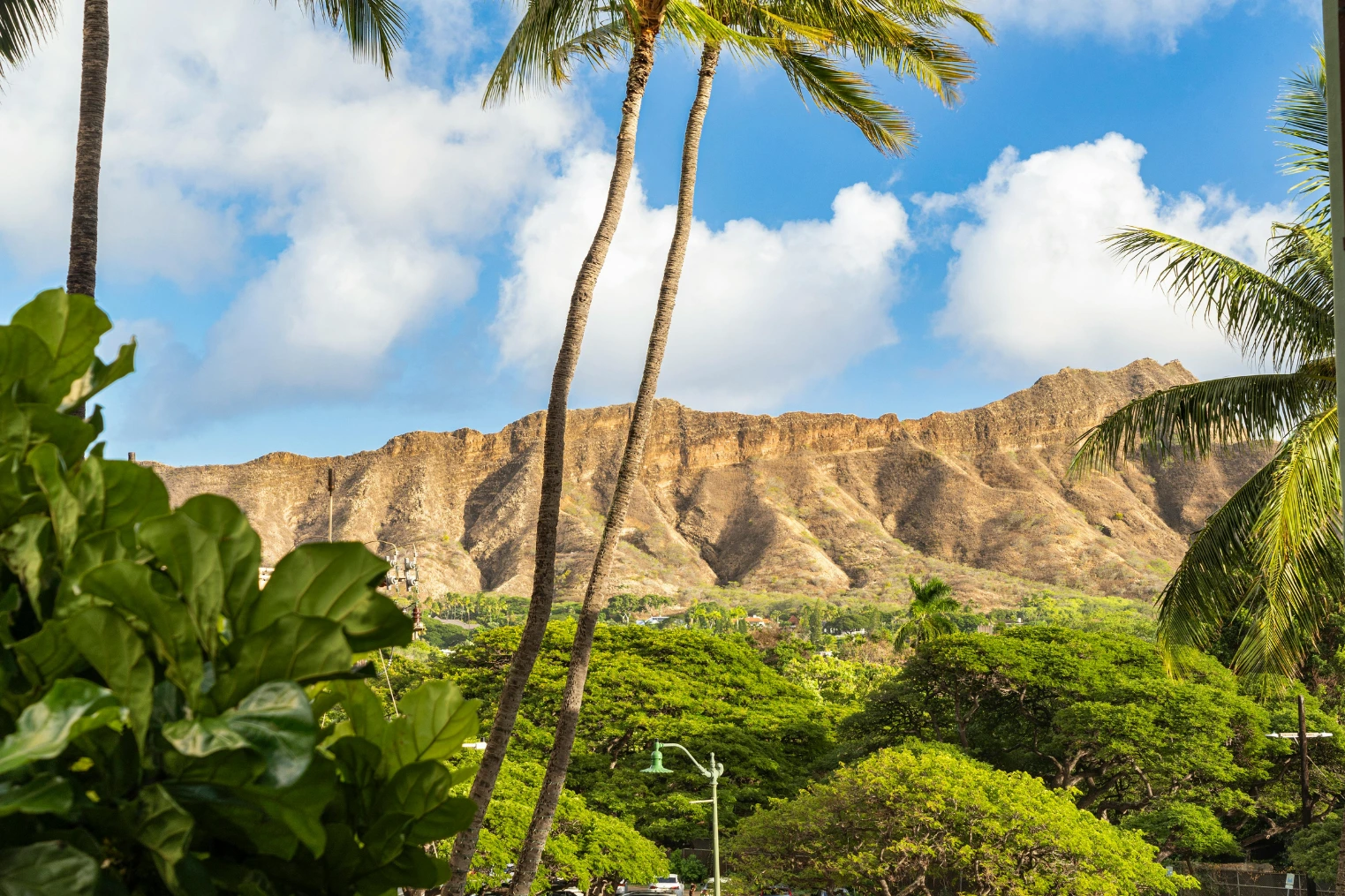
By the time June rolls in, Oahu feels like a sun lamp on high, with long, bright days, light tradewinds, and some of the calmest ocean conditions all year. You’ll feel the heat most in Honolulu’s streets, where afternoon temps hit the 80s and occasional heat advisories nudge you toward shade and shave ice. Water stays really warm, so you can swim for ages. Expect the south shore’s summer swell season to bring more consistent waves, while morning ocean outings often enjoy calmer winds and clearer water.
Plan around:
- Morning outings for hikes like Diamond Head, since trails turn punishing by late morning.
- Midday siestas in your pool or lobby, which dodge peak beach congestion.
- Late afternoon snorkeling on the North Shore, when crowds thin and visibility stays good.
- Advance bookings for parking, luau tickets, and Viator catamaran tours with hotel pickup and free cancellation.
Fall Oahu Weather (Sep–Nov): Hurricanes, Humidity, Shifting Surf
As summer thins out and kids head back to school, Oahu slips into a steamy, slightly unpredictable fall, with muggy air, warmer ocean temps, and hurricane season still hanging around in the background. You’ll still swim in bath‑warm water, but short squalls can roll through fast, drenching streets then vanishing into blue sky. September and October sit at peak risk, so follow local news and hotel briefings on storm preparation,lanai closures,insurance coverage,island evacuations. Most visitors never see more than rough surf and sticky nights, yet you should pack a light rain jacket, dry bags, and snacks. Skip tight same‑day itineraries. Give yourself float time for rescheduled hikes, boat trips, or a last minute Viator tour with hotel pickup and free cancellation and reserve now. If you’re planning to visit in late fall, expect the island to start shifting toward its winter surf pattern on the North Shore, even while crowds and prices often stay lower than peak holiday season.
Honolulu vs North Shore Oahu Weather: Temps, Rain, Surf
You’ll feel a real contrast between Honolulu’s warm, steady city heat and the North Shore’s cooler, breezier vibe, especially at night in winter.
As you plan, expect more sudden showers and rainbows up north, while Waikiki often stays sunnier and a bit drier.
Surf tells its own story too, with mellow, beginner-friendly waves in Honolulu when the North Shore hosts powerful winter swells that draw pros, big crowds, and higher-priced parking.
From November to March, the North Shore’s big-wave season also brings the most dramatic surf for spectators, while Waikiki stays comparatively mellow and beginner-friendly.
Seasonal Temperature Differences
Even though Oahu sits in the tropics, Honolulu and the North Shore don’t always feel the same once you step outside. You’ll notice it first in summer, when Waikiki’s urban heat makes sidewalks shimmer while the North Shore stays a few degrees cooler with steady tradewinds. In winter, Honolulu evenings stay mild, but up north you may want a light sweater after dark as nocturnal cooling kicks in. If you’re visiting in June, expect classic Honolulu summer weather with warm, dry days, lighter crowds than winter’s surf season on the North Shore, and plenty of daylight for beach time and outdoor activities.
- Expect Honolulu highs around 86°F in summer, 80°F in winter.
- Plan for North Shore highs a touch lower, often 2 to 4°F cooler.
- Pack breathable clothes for town, plus one warmer layer for Haleiwa nights.
- Skip heavy jackets; focus on light sun protection, hats, and reef friendly sunscreen and reusable water bottles.
Rainfall And Surf Patterns
Temperature tells only half the story on Oahu; rain and waves shape your day just as much. In Honolulu, passing showers usually arrive in short bursts, then the sun pops back out. You can plan beach time almost any month, but pack a light rain jacket for winter squalls. On the North Shore, winter storms bring heavier rain and world famous surf. You’ll often watch dark clouds stack over the Koʻolaus while 20 foot sets pound Waimea. Check tide charts and local surf reports before you swim; rip currents and shorebreak surprise even strong swimmers. When winter swells push surf above the High Surf Advisory criteria on north and east shores, conditions can quickly turn dangerous even for experienced water users. Summer feels calmer, with smaller waves and clearer snorkeling. That clearer water can heat up, so learn about coral bleaching and avoid touching reefs. Fish thrive when you do.
Oahu Packing List by Month and Activity
Most smart Oahu trips start with a focused packing list that matches the month and what you plan to do, not a suitcase stuffed “just in case.”
Trade winds, passing showers, and strong sun all shape what earns a spot in your bag, whether you’re surfing at Waikiki in July, hiking muddy ridge trails in March, or chasing sunset cocktails in December. In June especially, expect warm temperatures, generally calm seas, and busier beaches when planning for Oahu in June.
Pack light but strategic; always bring reef safe sunscreen and a small waterproof daypack.
- Winter: thin rash guard, light sweater at night, dry bag for shore.
- Spring: quick‑dry shorts, grippy trail shoes, cheap poncho for showers.
- Summer: extra swimwear, wide‑brim hat, cooling aloe, light cover‑up.
- Fall: breathable pants, packable rain shell, one smart outfit for cocktail bars.
Skip heavy jeans and umbrellas.
Frequently Asked Questions
How Does Oahu’s Weather Affect Snorkeling Visibility and Marine Life by Month?
Oahu’s shifting seasons subtly change your snorkeling: winter swells reduce water clarity south and north, while calmer summer seas improve visibility, exposing coral, altering fish behavior, attracting schooling species, you’ll spot more turtles more often.
Are There Specific Months With Fewer Jellyfish on South Shore Beaches?
Yes, you’ll generally see fewer box jellyfish November–March; researchers note stings drop by about 40% compared to summer. Still, you check jellyfish seasonality calendars and heed warning signs to keep swimmer safety on Waikiki beaches.
How Does Kualoa Ranch or Windward-Side Weather Differ From Honolulu’s Forecasts?
You’ll notice Kualoa and the windward side run cooler, cloudier, and breezier than Honolulu because trade winds hit first, boosting showers, rainfall gradients, and humidity while slightly reducing daytime highs and occasionally obscuring mountain views.
Which Months Have the Clearest Night Skies for Stargazing on Oahu?
You’ll usually find Oahu’s clearest, driest night skies from May through September, especially around new Moon phases. You plan Astronomy events then, avoiding Kona storm periods and bright full moons that wash out fainter stars.
How Does Volcanic Haze (Vog) Occasionally Impact Oahu’s Air Quality and Views?
Vog occasionally blows from islands, so you notice hazy skies and reduced visibility as vog formation increases. It degrades air quality, triggers health impacts, and you should follow vog monitoring and health guidance when sensitive.
Conclusion
You’ve seen how Oahu’s seasons quietly shuffle the deck: winter swell, spring trade winds, summer sun, fall squalls. Now match your month to your mood. Chase big waves on the North Shore, or hunt dry days in Honolulu. Pack light layers, reef‑safe sunscreen, and a backup plan for rain. Skip overstuffed schedules. Leave room for a sunrise hike, a late swim, and a last shave ice while the sky turns pink over the Pacific horizon.
