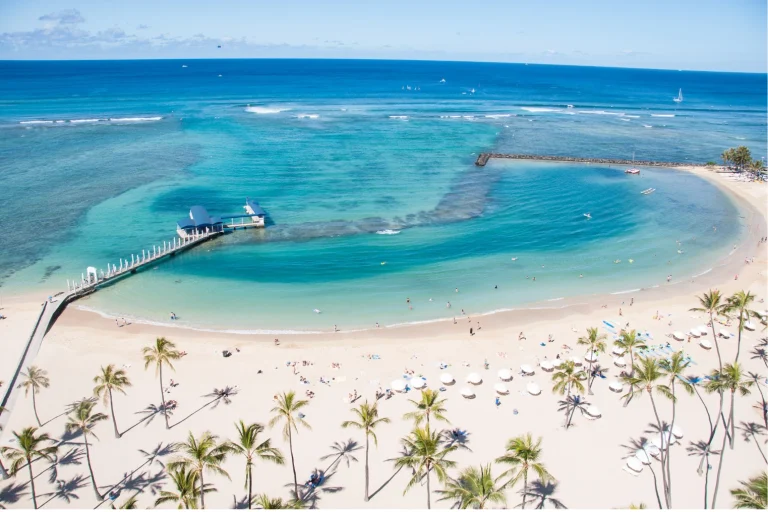
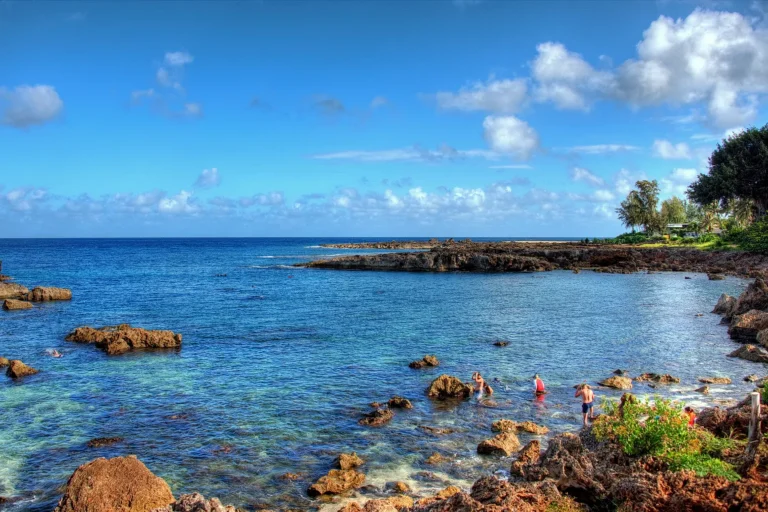
If you want easy snorkeling in Waikiki without wrestling shore break, Sans Souci Beach is your spot. You’ll slip in from the west-side sand or the concrete ramps with railings, then float over coral heads in usually gentle water. The trick is timing the trades, avoiding murky afternoons, and knowing which groin to hug when currents pick up. Pack a snug mask, simple fins, reef-safe sunscreen, and one thing most visitors forget.
Key Takeaways
- Enter from the west side or concrete ramps by the Natatorium for the gentlest slope, grippy footing, and railings.
- Choose calm days with light trade or offshore winds, clear water, and no whitecaps or brown runoff outside the reef.
- Time your snorkel for mid‑morning, checking tide charts to avoid exposed sharp coral at low tide and strong surge at peak high.
- Wear a snug mask, simple fins, bright rash guard, and reef‑safe sunscreen; reef shoes help around shallow rocks and coral.
- Never stand on coral, keep distance from turtles, avoid spearfishing zones and shiny jewelry, and ask lifeguards to point out safest entry paths.
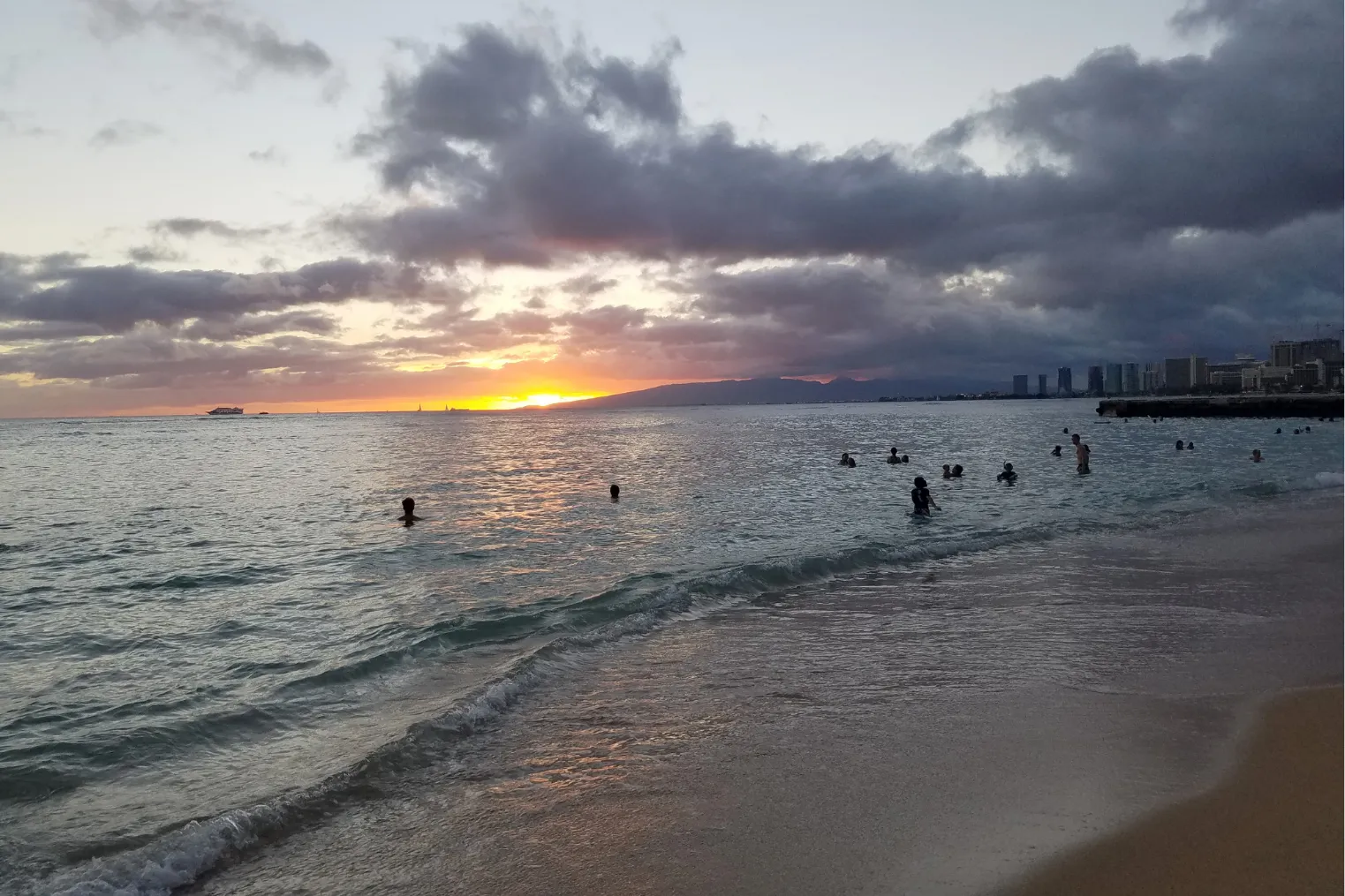
Safest Entry Points for Sans Souci Beach Snorkeling
From the sand in front of Sans Souci’s main public access, the gentlest way into the water starts on the west side of the beach, where the shore slopes in slowly and the waves usually stay low. You avoid most rocks here and can stand to adjust your mask before swimming out. For extra comfort, use the concrete entry ramps by the Natatorium; they’re grippy, with railings, so you don’t wrestle with shorebreak. Watch your tide timing, since lower tides expose more sharp coral near the central section. Hug the areas near the groins for mild current breaks and an easier kick. For practical shark avoidance, skip spearfishing zones, shiny jewelry, and dawn or dusk entries. Lifeguards can point out safest paths around rocks. On days when you want to explore beyond Sans Souci, use a detailed Waikiki Beach map to spot nearby swim zones, surf breaks, and shaded areas before you head out.
Best Calm-Day Conditions to Snorkel Sans Souci
Ideally, you want Sans Souci on a light trade wind day, when the palms barely move and the surface looks more like a pool than the open Pacific. Like much of Waikiki’s calm reef snorkeling, Sans Souci rewards days when visibility is high and surface chop is minimal. Aim for clear mornings, when the sun is high enough to burn through haze but not yet harsh. The reef lights up, fish feel close, and you can judge depth at a glance.
Check for light offshore winds; they smooth the surface and keep small chop away from the rockier edges. Skip days with strong south swell, brown water, or whitecaps outside the reef. You don’t need a tour here, so put that budget into better gear. A comfortable mask, simple fins, and a bright rash guard matter more. Pack reef-safe sunscreen and drinking water.
When to Snorkel Sans Souci and Stay Safe on the Reef
Usually, the safest time to snorkel Sans Souci is mid‑morning, when the light is bright, the tradewinds are still gentle, and lifeguards have a clear view of the water. Arrive around 8:30 to claim shade, scan the flags, and chat with guards about currents. Check tide charts beforehand; smart tide scheduling keeps you off sharp coral during low water and away from stronger surge at peak high. Swim with a buddy, even in clear, glassy conditions. For more ideas on where to go as your confidence grows, look at Oahu’s best snorkeling spots broken down by skill level so you can match conditions to your experience. You’ll want a rash guard, snug mask, and basic reef shoes; skip heavy fins in the shallows. Practice reef etiquette: never stand on coral, keep your distance from turtles, and use reef‑safe sunscreen. If conditions feel off, trust your gut and stay onshore for a safer, easier day.
Frequently Asked Questions
What Snorkeling Gear Is Recommended or Available for Rent at Sans Souci Beach?
You’ll want a good mask snorkel set, fins, and reef gloves. At Sans Souci Beach you can usually rent basic mask-snorkel gear, but you should bring better-fitting equipment, gloves, and a rashguard for comfort yourself.
Are There Restrooms, Showers, and Changing Facilities Near the Snorkeling Entry Areas?
You step from the water and you’ll find nearby restroom access, basic changing stalls, and outdoor showers, but you’ll still juggle towels and bags, so expect mild privacy concerns while rinsing and switching clothes there.
What Marine Life Can Snorkelers Commonly Expect to See at Sans Souci Beach?
You’ll commonly see colorful reef fish like tangs, butterflyfish, and wrasse, along with grazing sea turtles, urchins, and occasional eels; scan near rocky edges and calm patches, and you’ll notice vibrant corals hosting tiny critters.
Are There Lifeguards on Duty, and Where Are They Located Along the Beach?
Yes, you’ll usually find lifeguards on duty, stationed at marked lifeguard towers near the central swimming area, and they follow posted daily patrol schedules that focus on busier daylight hours, weekends, and higher-traffic shoreline sections.
Is Sans Souci Beach Suitable for Children or Beginner Snorkelers With Limited Swimming Ability?
Yes, you’ll find Sans Souci Beach generally suitable, especially near shore, thanks to child friendly access, gentle currents, and sandy bottom, but you should use flotation, stay close in, and constantly supervise weaker swimmers yourself.
Conclusion
In the end, Sans Souci makes snorkeling almost suspiciously easy. You tiptoe down those grippy ramps, clutch the rail, and pretend you’re braving serious surf while the water laps politely at your ankles. Come mid-morning on a clear, light-trade day, check in with the lifeguards, then drift toward the groins. Pack a snug mask, cheap fins, and reef-safe sunscreen, skip bulky gear, and let calmer seas do the hard work for you, almost insultingly gently.