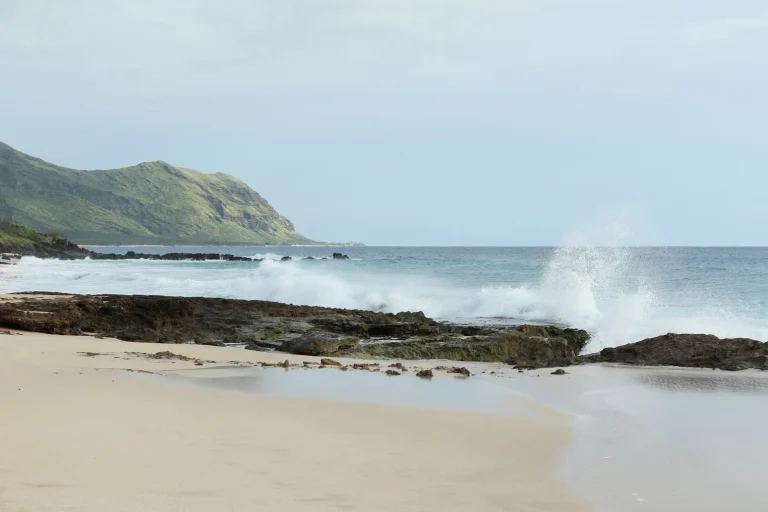
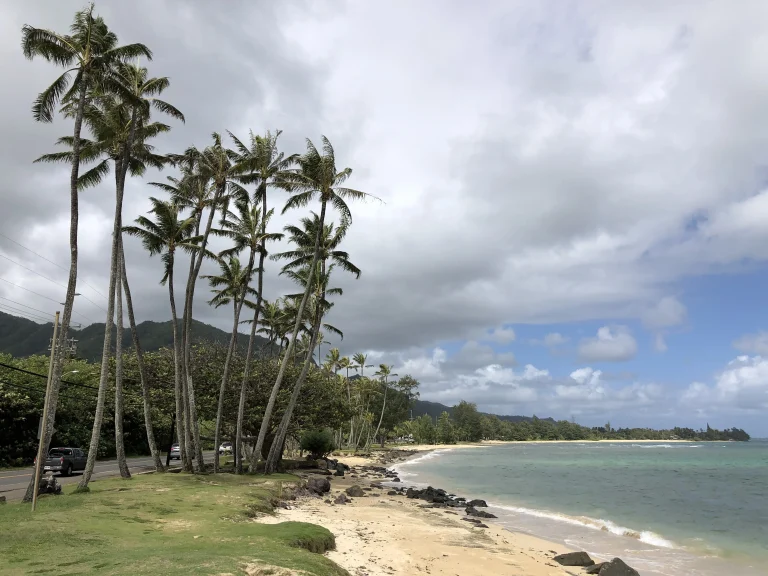
You come for the surf, you stay for the slow, golden stretch of Chun’s Reef. On this quieter corner of Oahu’s North Shore, you park along the roadside, pick your way over lava rock, then watch shallow reef and gentle channels decide your day. Turtles cruise past, local kids share the shore, and the sets can shift fast. To make the most of it, you’ll want to time your visit and pack smart.
Key Takeaways
- Chun’s Reef offers a mellow, less-crowded North Shore vibe with coarse golden sand and steady, usually smaller surf compared to nearby name-brand breaks.
- Access is via small roadside pullouts on Kamehameha Highway; arrive early, park fully off asphalt, and expect no restrooms or formal signage.
- Winter brings powerful north swells for confident surfers; summer and mid-to-high tides are better for relaxed sessions and intermediates.
- For reef walking, wear booties, watch ten wave sets before stepping out, shuffle to avoid urchins, and test each step on potentially slippery dark rock.
- Respect wildlife and culture: observe turtles from at least ten feet away, avoid drones and tidepool disturbance, and follow local surf lineup etiquette.

Oahu: Full or Half Day Grand Circle Island Tour
Choose from two exciting ways to experience Oahu's top attractions, scenic beauty, and local culture.Option 1: Dole Plantation & Haleiwa Town (6.5 H...

Oahu: Grand Tour Around Island with Snorkeling
Come join on a circle island adventure led by some of Hawaii’s most knowledgeable local guides and experience breathtaking lookouts to capture mind-...

Why Chun’s Reef Is Special on the North Shore
Quiet beauty is what sets Chun’s Reef apart on Oahu’s busy North Shore, especially if you arrive early, around 7 to 9 a.m.
You step onto coarse golden sand, hear low, steady surf, and notice how uncrowded it feels compared with nearby name‑brand breaks.
Offshore, the lava shelf creates pockets of rich reef biodiversity, so you’ll often spot turtles, shimmering reef fish, and seasonal monk seals resting on the beach.
Locals come to walk, talk story, and fish, and you quickly feel that mix of daily life and quiet escape.
Chun’s also carries deep cultural history, tied to traditional fishing and ocean respect, so move with care, skip drones, and leave the reef and tidepools exactly as you found them.
Just a short drive from Chun’s, the laid‑back town of Haleiwa offers shops, eateries, and easy access to nearby sights up and down the North Shore.
At day’s calm end.
Parking, Access, and Finding the Chun’s Reef Entry
Before you head to Chun’s Reef, it helps to know exactly where to park and how to spot the narrow beach access path along the highway.
You’ll find a mix of small roadside pullouts and a few informal dirt spots, so you’ll want to arrive early, lock up, and avoid blocking any driveways or soft sand.
Look for simple landmarks like the low guardrail, a cluster of beach trees, and worn footpaths that locals use to reach the sand.
If you’re exploring other nearby spots, keep in mind that popular activities like the Waimea Rock Jump also require paying close attention to conditions, safety tips, and knowing when to sit it out.
Parking Options And Tips
Although Chun’s Reef feels laid back and local, parking here takes a bit of strategy. You’ll likely arrive via Kamehameha Highway, and the roadside stalls fill by 9 a.m., especially on winter swell days. Aim for early morning or late afternoon, and never block driveways or private signs. For backup, keep in mind that nearby Waimea Bay parking often works as an overflow option if you’re up for a short drive and flexible timing.
- Use small roadside pullouts, parking fully off the asphalt to avoid tickets.
- If you’re staying in Waikiki or Ko Olina, consider tours with hotel pickup and verified Viator reviews; they cut parking stress and offer free cancellation.
- Ask your hotel for valet tips near Haleiwa, then walk or bike in.
- Check local shuttle options from Haleiwa Town, which save gas and keep the vibe calm. Bring coins for meters in nearby lots.
Beach Access Landmarks
From Kamehameha Highway, you’ll spot Chun’s Reef by a small cluster of parked cars on the ocean side and a break in the ironwood trees rather than by any big sign.
Pull off carefully, since traffic moves fast and locals know every curve.
A narrow sand path drops from the shoulder to the beach; there aren’t formal trail markers, just worn roots and a glimpse of blue water ahead.
You won’t find historical signage or a public restroom here, so use facilities in Haleiwa before you drive out.
In winter, check for seasonal closures after big swells, when crews sometimes rope off eroded sections.
Travel light, skip coolers, and keep valuables hidden in your trunk or at your hotel instead of on the sand.
If you’re planning to explore more of the North Shore in one day, you can pair Chun’s Reef with the easy drive to Waimea Falls using the straightforward route from Waikiki.

Waikiki Glass Bottom Boat Cruise
Experience the beauty of Oʻahu South Shore as we sail toward Lēʻahi (Diamond Head) aboard the spacious Haleiwa Qu...

Waikiki 2-Hour Sunset Sailing Catamaran – Swim & Sail Adventure
There’s no better place to take a dip than the crystal-clear waters of Waikiki—and no better way to experience a...

Pearl Harbor USS Arizona Memorial & Battleship Missouri
Visit USS Arizona and Battleship Missouri, as they represent both the beginning and the end of World War II. The acc...
When to Visit Chun’s Reef for Surf and Sun
Timing your visit to Chun’s Reef shapes the whole experience, so think carefully about what you want: mellow beach day, or big-wave drama. Early mornings feel calm and local, with light, cooler sand, and easier parking along Kamehameha Highway. Chun’s Reef also pairs well with other North Shore Oahu stops nearby, so you can link a mellow beach session with food trucks or quick coastal viewpoints in a single loop. Afternoons turn livelier, with kids on the beach and more boards in the lineup, so plan extra time to find a spot and shade.
Time your Chun’s Reef visit: sunrise calm, local vibes, soft light, and easier roadside parking
Use this guide to time your visit:
- Arrive before 9am for lighter crowds and cooler water.
- Visit in the shoulder season if you prefer cheaper rooms on the North Shore and thinner traffic.
- Aim for weekday visits when school is in, since tour vans and parking stay less intense.
- Stay through sunset for glowing colors and beach walks to the car.
Chun’s Reef Surf by Season and Swell Direction
Since Chun’s Reef lives on the North Shore’s exposed stretch of coast, the waves change a lot with season and swell direction, and your session can feel mellow or menacing depending on the forecast. Winter brings powerful north and northwest swells, often overhead, with bigger crowds and photographers parked along the highway. In summer, you’ll usually find waist-high rollers, friendlier for relaxed fun. Pay attention to seasonal swellpatterns, since even a small north pulse can wake this reef up. Early mornings often bring cleaner faces and lighter offshore winds. Watch the tide windows too, because mid to higher tides soften takeoffs while very low tides expose more rock. Heavy storms can shift sand and affect informal reef maintenance by locals who quietly study conditions. If you’re exploring Chun’s as part of a broader day on this stretch of coast, you can time your session around when nearby North Shore breaks are also peaking to make the most of the swell.
Skill Levels, Boards, and In-Water Safety at Chun’s Reef
Even though Chun’s Reef looks mellow from the roadside, it’s not a true beginner beach and you’ll want to match your skill, board, and comfort level to the conditions.
Chun’s Reef looks mellow, but it’s no true beginner spot, match your skills to the day.
On small summer days, confident intermediates can practice wave reading and work on smoother takeoffs. Longboards and funboards suit the softer shoulders, while shortboards fit the punchier winter pockets. If you’re exploring nearby spots like Sharks Cove or Three Tables, remember that winter brings extremely dangerous currents and heavy surf that can make those areas unsafe even for experienced swimmers and divers.
- Check the reef: Enter near sandy patches, and shuffle to avoid urchins.
- Respect power: Faces can jump from waist to overhead fast, so know your limits.
- Gear up: Beginner equipment should include a leash, rash guard, and reef-safe sunscreen.
- Stay alert: Watch sets from shore for ten minutes, note currents, and keep a clear line to the beach at all times, visible.
Still comparing Chun's Reef North Shore Beach Walk And Surf Spot?
Ask for tour ideas, hotel suggestions, or a simple trip plan that combines both.
Trip Helper
Local Etiquette and Lineup Respect at Chun’s Reef
Although Chun’s Reef has a laid-back feel from the parking pullouts, the lineup runs on clear rules, and locals expect visitors to read the room before paddling out. Sit on the shoulder first, watch who’s catching set waves, and learn the rhythm. On the broader North Shore, from beachfront breaks to food truck pulls-offs, the same unspoken etiquette applies: observe first, then join in respectfully.
Practice strict line courtesy: don’t paddle around people, don’t drop in, and always look inside before you go. If you fall, avoid flinging your board. A quiet shaka or “howzit” goes far, and sharing a joke in the pack helps, too.
Respect local customs by giving priority to elders and regulars on the best peaks. Keep music low, stash trash, and skip filming strangers. When in doubt, ask a lifeguard or friendly regular. That small effort keeps the vibe relaxed for everyone.
Walking Chun’s Reef Safely on Sand, Rock, and Reef
Morning or late afternoon, Chun’s Reef looks like a simple beach stroll, but the mix of soft sand, loose rock, and sharp coral asks you to watch every step.
Skip flimsy flip-flops and wear reef-safe booties so you can handle wet rock and hidden holes. For safer reef navigation, treat the shoreline like a light hike. Try:
- Check tide awareness with a quick app search before you go; low tide exposes more reef and ankle-deep pools, while higher water can hide drop-offs.
- Watch the shorebreak for ten sets so you know where waves surge up the sand.
- Test each step on dark rock since algae turns it slick as ice.
- Keep gear light; a small drybag with water, phone, and bandages is enough today. Nearby, Haleiwa Beach offers calmer water and more space to spread out if you want a gentler North Shore walk after Chun’s.
Seeing Sea Turtles at Chun’s Reef Without Disturbing Them
While Chun’s Reef often feels like a casual neighborhood beach, the green sea turtles here deserve the same respect you’d give in a wildlife reserve. You’ll often spot them grazing on algae just beyond the shore break or resting on the sand. Study their turtle behavior from at least ten feet away, zoom with your camera, and never block their path to the water. All sea turtles in Hawaiʻi are protected under the Endangered Species Act, so giving them space is both respectful and required by law.
During nesting seasons, staff sometimes rope off sections of beach; treat those areas as completely off limits. Skip touching, feeding, or hovering over a turtle while you snorkel.
If you join kayak tours from nearby Haleiwa, pick operators that stress respectful observation and small groups. Check recent Viator reviews for eco-focus and clear turtle-protection briefings. Bring polarized sunglasses for spotting.
Chun’s Reef Packing List and Nearby Beaches to Visit
Before you set your towel on the sand at Chun’s Reef, you’ll want a simple packing list that covers beach basics, strong sun, and a few hours of snacks and water. You can skip bulky gear you’ll never use and focus on essentials like reef-safe sunscreen, a rash guard, and a soft cooler that won’t weigh you down. Taking cues from Waimea Bay conditions, consider packing extra sun protection and water if you plan to split your day between calm swim spots and bigger-surf viewpoints along the North Shore. Once you’re set up, it’s easy to pair your session here with quick side trips to nearby family-friendly beaches that offer gentler shore breaks, cleaner restrooms, and calmer crowds.

Honolulu: Pacific Star Sunset Dinner Cruise and Show
Indulge in the original Pacific Rim cuisine, where each dish serves as a gateway to the rich flavors of the region...

Waikiki: 2 hours - Friday Night Fireworks Catamaran Cruise
Enjoy the spectacular FRIDAY NIGHT FIREWORKS show along the beautiful coastline of Waikiki while we get up close and...

Oahu: Roundtrip Shuttle From Waikiki to Dole Plantation & Haleiwa
Skip Circle Island and visit two of the most popular places to visit here on the Island of Oahu. Experience a unique...
Essential Beach Day Gear
Pack smart for Chun’s Reef and your day on the North Shore suddenly feels longer, easier, and a lot less sandy in the wrong places. Think in layers of gear, so you can shift from reefy shoreline to neighboring beaches like Laniakea and Puaʻena Point without backtracking to your car. If you’re planning to paddle elsewhere on Oʻahu, the same layering approach works perfectly for kayaking to Flat Island, where sun, salt spray, and reefy landings call for similar gear.
- Lightweight beach mat: Dries fast, shakes off sand, and costs around $20 in Haleiwa shops.
- Sun care essentials kit: Rash guard, wide hat, SPF lip balm, and a small aloe gel for later.
- Waterproof storage: A 10 liter dry bag keeps phones, rental car keys, and cash safe when you wander.
- Compact change of clothes: Baggy tee and loose shorts for the post surf food truck run back into town.
Snacks, Water, And Sun Protection
Your gear’s sorted, so now you need the fuel and sun armor that actually let you stay out at Chun’s Reef all day. Think reef snacks that survive heat: salty nuts, dried fruit, musubi from the Pupukea food trucks, and a few granola bars. Pack them in a small cooler with reusable ice packs, not loose in your bag. If you plan to explore other North Shore spots like Kailua, it’s worth reading up on Kailua Beach parking tips and ocean conditions so you know what to expect before you go.
For your hydration strategy, plan at least two liters of water per person, more if you surf or walk in midday sun. Refill in Haleʻiwa before you park.
Layer reef safe sunscreen SPF 30 or higher, then reapply every two hours, sooner after long swims. A wide brim hat and polarized sunglasses keep glare and headaches in check. Light rash guards save shoulders from burn.
Nearby Family-Friendly Shores
From Chun’s Reef, you’re only minutes from some of the North Shore’s calmest, kid‑friendly shores, so it helps to plan your beach hopping before you slam the trunk. Pack reef-safe sunscreen, simple snorkel sets, and a light cooler, then check the surf report before you go. If your crew also plans to explore Windward Oʻahu, timing a side trip to the best time to visit Lanikai Beach can help you avoid crowds and strong midday sun.
- Laniakea Beach: Stop for turtles, but keep kids back from shorebreak and crowds. Parking fills by 10 a.m.
- Puaena Point: Protected water and calming tidepools suit nervous swimmers. Bring reef shoes.
- Aliʻi Beach Park: Lifeguards, restrooms, and shaded picnic spots make it easy for half‑day hangs.
- Waialua Bay / Haleʻiwa Beach Park: Often quieter, with mellow sunset light and decent parking. Skip it in big winter swells. Lifeguard flags give clues about daily safety.
Frequently Asked Questions
Are There Restrooms, Showers, or Changing Facilities Available Near Chun’s Reef?
Yes, you’ll find basic facilities nearby. Use the public restrooms and outdoor showers at the beach park, then change in your car or rental, since dedicated changing rooms or lockers aren’t available at Chun’s Reef.
Is Chun’s Reef Suitable for Families With Small Children Who Don’T Surf?
Yes, you’ll find Chun’s Reef almost ridiculously perfect for non-surfing families, since you can explore shallow tidepools, stage epic sandcastle campaigns, wander calm shoreline stretches, and lounge at shaded picnicspots while kids splash, and nap.
Are Dogs Allowed on the Beach at Chun’s Reef, and Are Leashes Required?
Yes, you can bring dogs to Chun’s Reef, but you must follow Hawaii’s leash rules. Keep your pup leashed above the high-tide line, pick up waste, and check posted signs for changing dog access regulations.
Can I Fly a Drone at Chun’s Reef for Photos or Videos?
You can sometimes fly a drone there, but it’s not a sky-is-the-limit free‑for‑all. Check local drone permits, FAA airspace restrictions, and wildlife rules to avoid fines and angry locals and nasty penalties for reckless buzzing.
Are There Food Options or Grocery Stores Within Walking Distance of Chun’s Reef?
You won’t find much directly at Chun’s Reef, so you won’t rely on walking for meals or groceries. Instead, you drive a few minutes toward Haleiwa for local markets, food trucks, and beachside cafes nearby.
Conclusion
Step back from the waterline, listen to the sets, and you’ll feel Chun’s Reef start to make sense. You know how to park, time the tides, tread lightly on rock, and share waves without drama. Now the question hangs there: sunrise surf or sunset walk? Pack booties, reef-safe sunscreen, and a dry bag, then follow the curve of sand. Somewhere ahead, beyond the next black rock, Chun’s quiet magic waits for you to find tonight.
Oahu: Grand Tour Around Island with Snorkeling
Come join on a circle island adventure led by some of Hawaii’s most knowledgeable local guides and experience breathtaking lookouts to capture mind-...
Oahu: Full or Half Day Grand Circle Island Tour
Choose from two exciting ways to experience Oahu's top attractions, scenic beauty, and local culture.Option 1: Dol...