Like a tide-clock that never lies, Shark’s Cove rewards you when you show up early. Aim for 7 to 9 a.m., before the wind scuffs the surface and the north swell wakes up, and you’ll beat most of the day-trippers too. Pack snug reef booties, fins you can carry in hand, and skip bulky cameras on surge days. Check the forecast at night, then again at sunrise, and watch a few sets from the rocks, because your first step decides everything…
Key Takeaways
- Go only with small north swell and light winds; if whitewater reaches the entry ledge or surge hits tide pools, it’s a no-go.
- Watch 3–5 full wave sets from rocks; enter during the lull after the last surge, not during the foamy rebound.
- Summer best window is early morning (7–9 a.m.) for glassy water, better visibility, and easier rocky entries before midday chop.
- Use low, flat ledges into knee-deep calm pockets; avoid slick algae-covered basalt, and keep your mask on until knee-deep exiting.
- Wear thick-soled reef boots and use a buddy spotter; skip bulky fins or cameras on surge days to avoid slips and gear impacts.

Hanauma Bay Snorkeling from Waikiki
Experience Hanauma Bay the easiest way with Waikiki’s most reliable Hanauma Bay shuttle. Our early 5:40 AM pickup gets you in at opening—avoiding...

Waikiki: 2-hour Turtle Canyon Snorkeling Adventure
Join us for a 2-hour snorkeling adventure at Turtle Canyon, one of Oahu’s top snorkeling spots! Cruise along the s...

Waikiki Snorkeling & Ocean Waterpark Adventure from Oahu
Skip the crowded snorkel tours and experience Oahu’s ultimate ocean adventure for families, couples, and guests of...
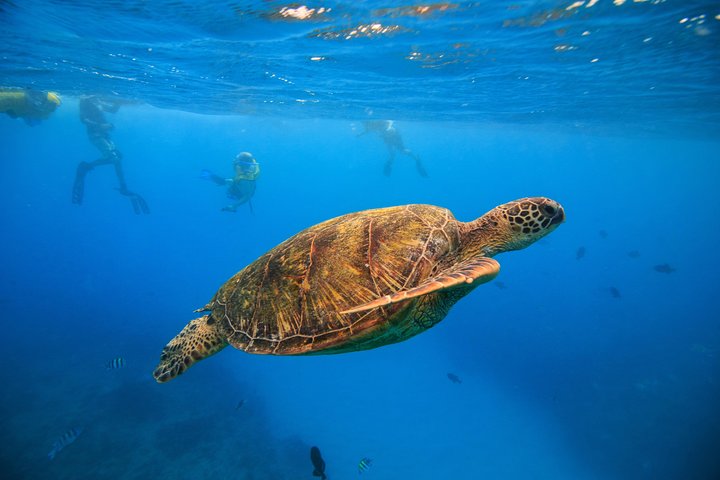
Waikiki, Hawaii: Turtle Canyon Snorkel Excursion
Discover the magic of snorkeling with Hawaiian Green Sea Turtles at Waikiki’s famous Turtle Canyon. On this 2-hour...
Check Shark’s Cove Conditions (Go/No-Go)
Before you zip up your rash guard and hop in, do a quick go or no-go check because Shark’s Cove changes fast with wind and swell. Scan the channel for whitewater, then watch two full sets from the rocks. If waves slap the entry ledge or surge through the tide pools, call it a no. Ask a lifeguard, or locals gearing up, about water temperature and current strength, since both can swing in an hour. Electric Beach-style conditions are a reminder that rip currents can form quickly near channels, so if you feel yourself being pulled seaward, get calm, signal, and swim parallel to shore.
Give yourself 10 minutes to gear up and stow shoes in a dry bag. Bring reef-safe sunscreen, fins, and a snug mask. Skip bulky floaties that snag on lava rock. Parking is free but fills, so expect a short walk and a few crowds near the showers afterwards too.
Choose the Best Time to Snorkel Shark’s Cove
Aim for early morning, when the water’s glassier, the light is crisp, and you’ll usually get the clearest look before wind and swell build. Check the swell and wind windows the night before and again at sunrise, then pack reef-safe sunscreen, a rash guard, and water, and skip bulky fins if the rocks are slick.
Water is generally calm from about May through October, but winter can bring extremely dangerous currents and wave conditions here.
Go on a weekday for fewer bodies in the shallows and better visibility, or book a Viator snorkel tour if you want the timing handled with verified reviews, hotel pickup, free cancellation, and reserve now pay later.
Early Morning Calm Seas
Most mornings, Shark’s Cove feels like a different ocean if you’re in the water early, roughly 7 to 9 a.m., when the trade winds stay quiet and the surface turns glassy.
You’ll notice sunrise visibility, so fish colors pop and you can spot turtles before they spook.
The entry still feels rocky, so wear reef shoes and take slow, calm paddling strokes once you clear the shallows.
Arrive by 6:45 to park close, free, and beat the tour vans.
Bring a dry bag, water, and anti-fog drops, skip the big fins if you’re new.
If you’d rather not fuss with gear, a Viator snorkel set rental or guided session can streamline timing, with verified reviews, hotel pickup, free cancellation, and reserve now pay later.
Just like kayaking routes to the Mokes, watch the trade winds and plan your water time around calmer morning conditions for safety.
Swell And Wind Windows
When the swell lifts and the wind swings onshore, Shark’s Cove goes from aquarium-clear to choppy in a hurry, so you’ll want to time your snorkel like you’d time a beach day.
Check forecasts for small north swell and light trades; the point can create swell shadowing, but it won’t save you if sets wrap in.
Watch for midday wind shear that rips the surface into glittery chop and makes entries feel pushy.
Aim for a 60 to 90 minute window, then call it.
If you need a backup with typically mellow conditions, consider other clear, calm water snorkeling spots on Oahu.
- Pick a tide that’s rising, you’ll step over fewer sharp rocks.
- Pack reef shoes, a snug mask, and $2 for the outdoor shower.
- Skip long fins and bulky cameras when surge is up, you’ll bang basalt today.

Honolulu: Pacific Star Sunset Dinner Cruise and Show
Indulge in the original Pacific Rim cuisine, where each dish serves as a gateway to the rich flavors of the region...

Waikiki Turtle Canyon Snorkel: Turtles Guaranteed
Book our Turtle Canyon snorkel tour for some turtle fun today! Join us for an intimate experience that you will not...

Oahu: Submarine Scooter Adventure
Dive into an unforgettable underwater adventure on Oahu’s beautiful Maunalua Bay. Cruise past the iconic Diamond H...
Weekday Crowds And Clarity
Often, the difference between a glassy snorkel and a kicked-up soup at Shark’s Cove is simply how many fins hit the water before you.
Aim for Tuesday to Thursday, and get there by 7:30 a.m. You’ll dodge weekday congestion, score parking, and slip in before tour vans arrive. Early light boosts weekday visibility, especially on calm summer mornings.
If you can’t make dawn, wait until after 2 p.m. when families head for lunch and the cove settles again. Bring reef shoes for the rocks, a small dry bag, and $2 for the outdoor shower. If you’re pairing your snorkel day with paddling, note that kayak launch points vary around Oahu, so plan your route and timing before you go. Skip full-face masks and big fins, they bang the entry.
A Viator ride-and-snorkel option can help with timing, with verified reviews, hotel pickup, free cancellation, and reserve now pay later.
Enter Shark’s Cove: Safest Rock Step-Ins
You’ll want to use the low, flat rock ledges near the calmer pocket of the cove, where you can step in with your fins in hand and keep your mask dry.
Time your entry between sets, watch two or three waves roll through, then move on the next lull so you’re not getting bumped into the rocks by a surprise surge.
If the ledges feel packed or slick, wait it out or book a Viator snorkel tour with verified reviews, hotel pickup, free cancellation, and reserve now pay later so you can hit the safest window without guessing.
If you’re deciding between spots, the Kaneohe tide charts can help you pick calmer water timing when conditions are more predictable.
Best Step-In Rock Ledges
Pick your entry point like you’d pick a dance floor, flat, predictable, and far from the chaos. At Shark’s Cove, look for low rock ledges beside calm tidal pools where you can sit, slip fins on, and slide in without a leap. Test each foothold with your heel, and trust algae grips only if they feel tacky, not slimy. On mellow days with calm conditions, the same careful step-in approach applies at nearby Sans Souci, where a steady entry matters as much as the snorkel itself.
- Choose a ledge with knee deep water and a sandy pocket below.
- Avoid glossy black rock, it’s the slip zone, especially near surge channels.
- Use gloves and booties, $10 to rent nearby, and skip bulky shoes that snag.
Arrive early for space, bring a small dry bag, and keep your mask defog handy. Parking is $10, and lots fill by midmorning often.
Timing Safer Entry Sets
When the sets calm down for a beat, that’s your cue to move, because Shark’s Cove rock entries feel safest in the quiet gaps between waves.
Watch three to five sets, then step in right after the last surge, not during the foamy rebound.
Aim for mid to high tide timing, when water covers the sharpest lips and you won’t scrape fins.
If it’s low and crowded by 10 a.m., wait or come at 7 a.m. with the locals.
Keep buddy spacing tight, one person enters at a time, the other spots from dry rock.
Wear booties, bring a small dry bag, and skip bulky snorkel vests that snag.
Just like Waimea Bay, Shark’s Cove is best treated as a “calm day” spot, if conditions look like a surf day, it’s a sign to stay out.
A guided Viator snorkel can help with timing, with verified reviews and free cancellation too.
Still comparing Shark's Cove Snorkeling Planning?
Ask for tour ideas, hotel suggestions, or a simple trip plan that combines both.
Trip Helper
Use the Right Footwear and Snorkel Gear
Start by gearing up like the lava will fight back, because at Shark’s Cove the wrong shoes and a leaky mask can end your snorkel fast.
Wear snug reef boots with thick soles for the sharp rock entry, and skip flimsy aqua socks.
Choose a tempered mask that seals on your face before you hit the water, and bring anti fog drops or a dab of baby shampoo.
A dry snorkel helps when small sets splash.
If you’re coming from town, look up easy reefs near Honolulu for a quick alternative when North Shore conditions aren’t cooperating.
Pack proper fins if you can handle them on rocks, otherwise use short travel fins and walk in boots.
- Boots, 30 to 60 dollars at Haleiwa shops.
- Mask fit test before 9 a.m., crowds build by 10.
- Rinse gear at your car, and stow valuables.
Swim Shark’s Cove Safely With Others Nearby
Often, the safest way to enjoy Shark’s Cove is to snorkel like you’re in a busy lane, stay within sight of other swimmers and keep a calm exit plan.
Get here by 8 a.m. before the lot fills and the water turns milky with late morning crowds. Use a buddy system, set simple hand signals, and check in every few minutes.
Stay mostly parallel to shore, and keep reef awareness so your fins don’t scrape coral or you don’t drift into surge. Wear a bright rash guard, tuck a small whistle, and bring a few dollars for showers.
If you’re deciding where to snorkel next, use skill level to match Oahu’s top spots to your comfort in the water.
Skip long breath holds or solo dives. Want help with timing and gear? A Viator tour with verified reviews and free cancellation can handle logistics easily.
Exit Shark’s Cove Without Cuts or Slips
Although the water can look calm from inside the cove, the exit is where Shark’s Cove likes to bite back with slick rock and sharp coral. Time your move between sets, watch for a lull, and keep your mask on until you’re knee deep.
Shark’s Cove may feel calm inside, but the exit bites, wait for a lull, move between sets, mask on until knee deep.
If it’s crowded, wait your turn instead of rushing the narrow channel.
Just like Waikiki snorkeling, calmer reefs and clearer water can make conditions feel deceptively easy, so stay alert on the way out.
- Shuffle, don’t step. Use deliberate foot placement, toes pointed, and test each rock like it’s soapy.
- Use exit signals. Tap your buddy, point to your line, and call “coming out” so fins and boards give you space.
- Pack smart. Wear hard sole reef shoes, bring a small towel, skip bulky bags. A basic pair runs $15 to $30 at Haleiwa shops before you drive back.
Frequently Asked Questions
Is There Parking Near Shark’s Cove, and How Early Should I Arrive?
Yes, you’ll find parking near Shark’s Cove, but it fills fast; use nearby paid lots if the main area’s full. You should plan an early arrival, aim for 7–8 a.m. for busy summer days, especially weekends.
Are Restrooms, Showers, and Food Available Close to the Cove?
You’ll find restrooms at nearby public facilities, but showers are limited to rinse stations. You can easily grab snacks from food trucks or small shops, and you can use shaded picnic spots for lunch too.
Do I Need a Permit or Reservation to Snorkel at Shark’s Cove?
You don’t need a permit or reservation to snorkel at Shark’s Cove; you just show up. Still, check permit requirements for commercial tours or events, and use reservation alternatives like guided excursions or parking bookings.
What Marine Life Is Commonly Seen There During Summer Months?
On a good summer day, you can spot 20+ species in one snorkel. You’ll commonly see tropical fish like butterflyfish and parrotfish, plus green sea turtles cruising the reef; occasionally you’ll glimpse octopus and eels.
Are Drones or Underwater Cameras Allowed, and Are There Local Rules?
You can fly drones only where drone regulations permit; check park and FAA rules, avoid crowds, and respect privacy. You may use underwater cameras, but follow camera etiquette: don’t touch wildlife, block others, or harass.
Conclusion
Treat Shark’s Cove like a tide-timed doorway. Go early, 7 to 9 a.m., when winds are light and free parking hasn’t filled. Watch three to five sets, step in after the last surge, and carry fins in hand. Wear snug reef booties, pack water and a small dry bag, skip bulky cameras on surge days. Snorkel with a buddy nearby, and exit between sets, like you’re checking a telegram before you move on the rocks.
Hanauma Bay Snorkeling from Waikiki
Experience Hanauma Bay the easiest way with Waikiki’s most reliable Hanauma Bay shuttle. Our early 5:40 AM pickup gets you in at opening—avoiding...
Waikiki: 2-hour Turtle Canyon Snorkeling Adventure
Join us for a 2-hour snorkeling adventure at Turtle Canyon, one of Oahu’s top snorkeling spots! Cruise along the s...
Waikiki Snorkeling & Ocean Waterpark Adventure from Oahu
Skip the crowded snorkel tours and experience Oahu’s ultimate ocean adventure for families, couples, and guests of...
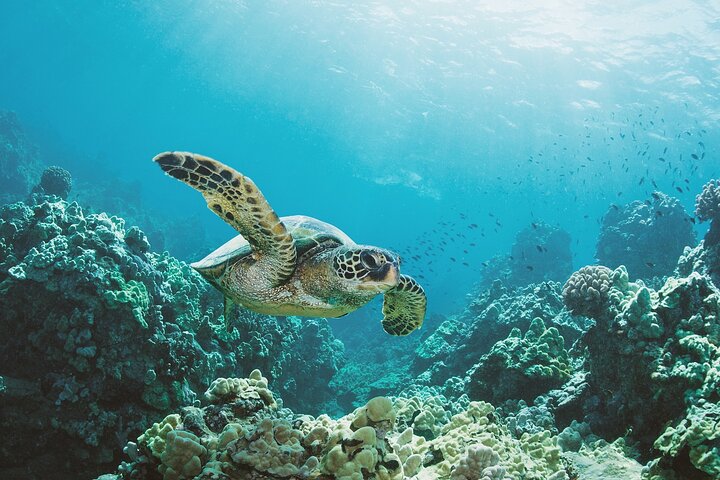
Waikiki: Turtle Canyon Snorkel Adventure on Oahu
Enjoy an exclusive snorkeling adventure in Waikiki with small group sizes for a comfortable and VIP experience. You...
Experiences to explore
 Explore experience ↗
Waikiki Coral Reef Snorkel & Waterslide Adventure
◷ 2 hr 30 min
Go beyond the typical Turtle Canyon snorkel tour on this 2.5-hour Waikiki coral reef and waterslide adventure. Begin with a scenic crui
See dates for Current pricing
View dates Explore experience ↗
Koko Head Crater Hike and Halona Beach Cove Relaxation
◷ 4 hr
Challenge yourselves with a rewarding hike up Koko Head Crater Trail, where stunning panoramic views of East Oahu await. After your hik
See dates for Current pricing
View dates Explore experience ↗
Private One-On-One Individual Surfing Lesson
◷ 1 hr
Learn how to surf at the birth place of surfing with your very own certified Waikiki Beachboy. We are located in the heart of Waikiki,
See dates for Current pricing
View dates