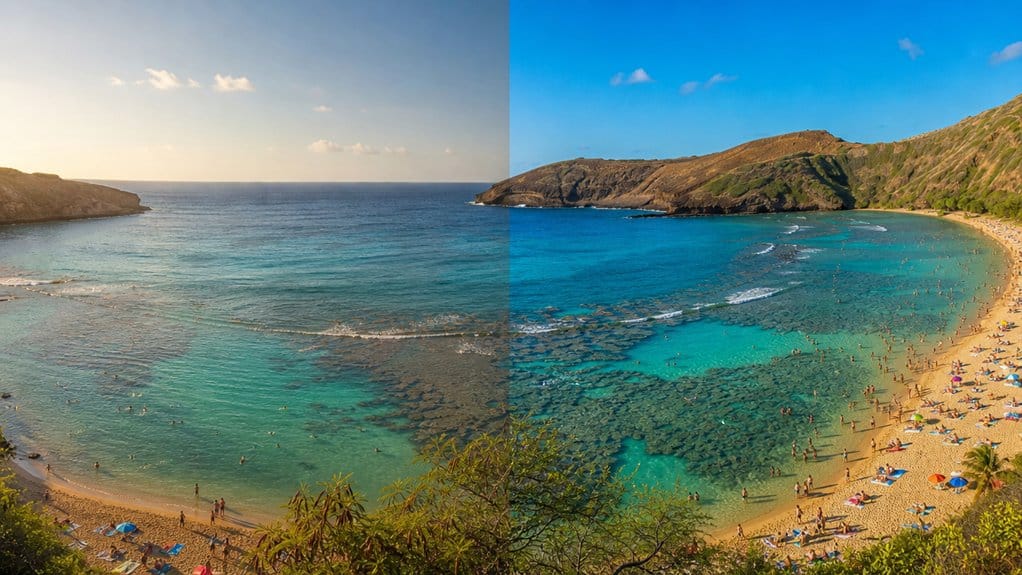
If you’re choosing between a morning or afternoon snorkel at Hanauma Bay, timing changes almost everything. Book early and you’ll usually get calmer water, clearer views, easier parking, and fish that seem less bothered by the daily parade of flippers. Show up later and you might trade that glassy blue for chop, lines, and a few accidental elbow taps. Still, afternoons aren’t always a lost cause, and that’s where the choice gets interesting.
Key Takeaways
- Book the first morning slot, around 7:00 AM, for the clearest water, calmest seas, easiest parking, and fewest crowds.
- Morning snorkeling is usually best from 7:00 to 10:00 AM, when visibility can reach 30–60 feet before wind and swimmers stir sand.
- Afternoon tours can work if winds stay light and tide is higher, but visibility often drops to about 10–15 feet.
- Reserve online two days ahead at 7:00 AM HST, because prime morning slots often sell out within minutes.
- Choose afternoon only as a backup or short session, especially on weekdays, since late entry feels more rushed before the 4:00 PM close.
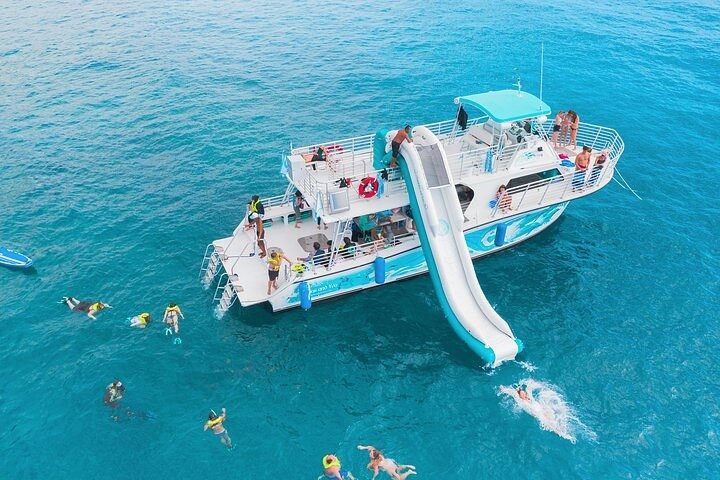
Oahu Dolphin and Snorkel Tour with Waikiki Pickup & Lunch
Join one of Oahu’s most popular ocean adventures and experience why over 300,000 guests have fallen in love with this unforgettable dolphin encounte...

Hanauma Bay Snorkeling from Waikiki
Experience Hanauma Bay the easiest way with Waikiki’s most reliable Hanauma Bay shuttle. Our early 5:40 AM pickup...
Recommended hotels for this trip
Compare well-reviewed stays from our destination hotel guides, then check live availability for your dates.
 Featured stay
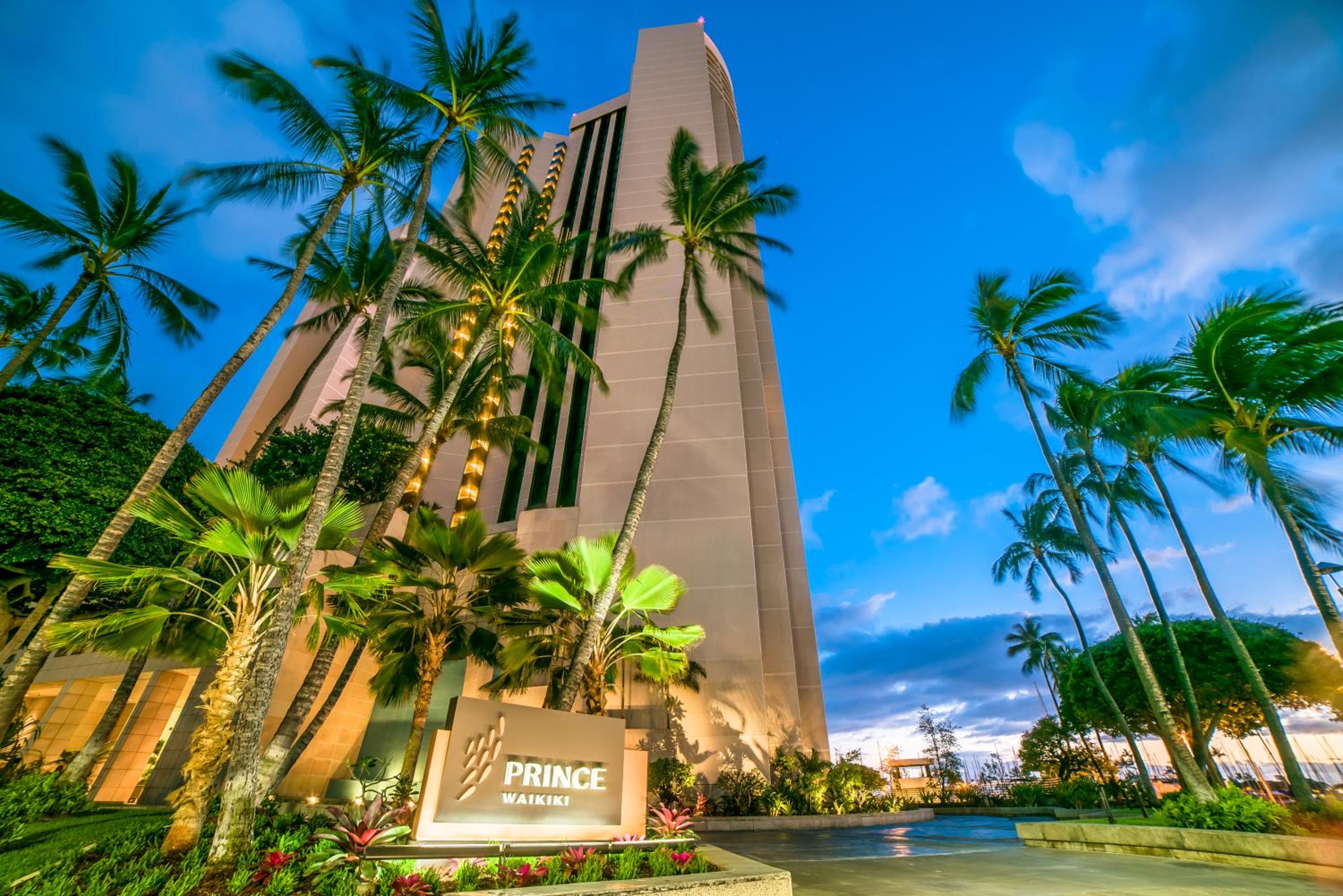
 Prince Waikiki
- Free WiFi
- Non-smoking rooms
- Air conditioning
Well suited to couples seeking ocean views, families who want two-queen rooms or multiroom suites, convention visitors, and travelers who value pools and on-site dining. It may be less appealing if you want to step directly…
- Ocean Front 2 Queen Beds
- Room Only
- Non-refundable rate
 Guest favorite
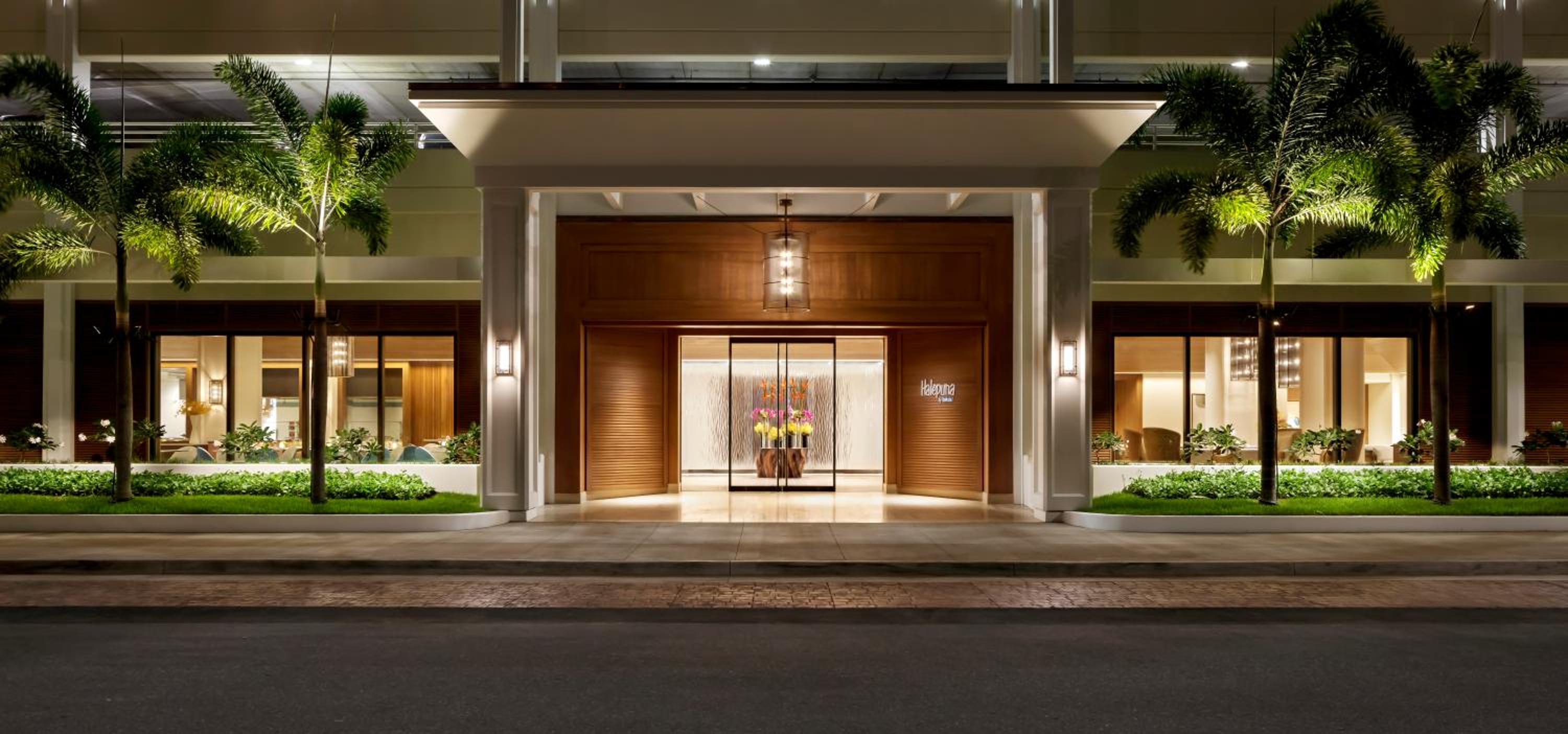
 Halepuna Waikiki by Halekulani - NO RESORT FEE
- Free WiFi
- Non-smoking rooms
- Air conditioning
You are likely to appreciate Halepuna if you want an upscale, relatively serene stay near Waikiki Beach, restaurants, and shopping, but do not need a beachfront resort campus. Couples and solo travelers can prioritize the king…
- Standard Waikiki View Two Double Beds
- Room Only
- Non-refundable rate
 Guest favorite
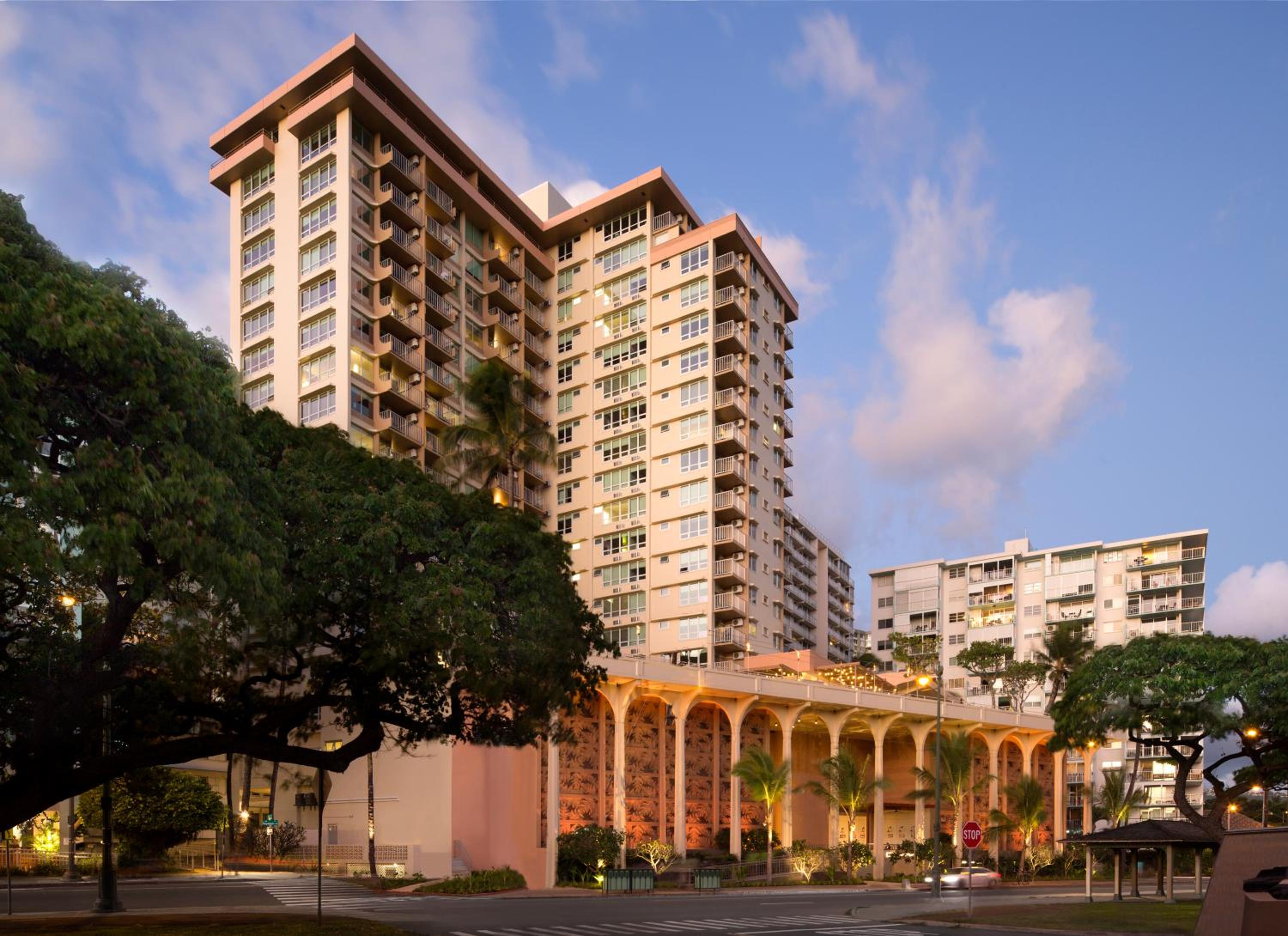
 Queen Kapiolani Hotel
- Free WiFi
- Non-smoking rooms
- Air conditioning
You are likely to appreciate this hotel if location, Diamond Head scenery and easy access to the beach matter more than having a quiet resort compound. Double-queen rooms and larger suites can suit families, while studios…
- Studio, City View, 1 Queen Bed
- Room Only
- Non-refundable rate

Oahu Circle Island Snorkeling Tour: Dole, Pali Lookout & More
Looking for the BEST VALUE & MOST COMPLETE Circle Island Snorkeling Tour? Join us for the ultimate full-day, action-...

Waikiki: 2-hour Turtle Canyon Snorkeling Adventure
Join us for a 2-hour snorkeling adventure at Turtle Canyon, one of Oahu’s top snorkeling spots! Cruise along the s...
Is Morning or Afternoon Better at Hanauma Bay?

Usually, morning wins at Hanauma Bay, and not by a little. If you want clearer water for Hanauma bay snorkeling, aim for the first-entry window from about 6:45 to 10:00 AM. You’ll usually see calmer seas, lighter wind, and more fish moving through water that looks cleaner and brighter. Late entry near 1:30 PM can feel rushed because the preserve closes by 4:00 PM, so early entry gives you more time in the water.
Book the earliest reservation slot you can because spots open at 7:00 AM HST two days ahead, and parking goes fast. Visitors comparing tickets with transportation may find early morning options especially helpful when trying to secure the first entry window. All visitors are required to watch the educational video in the theatre for each visit, so an early slot also helps you move through the educational video requirement and still maximize your snorkel time. Wednesday through Friday mornings often feel easier, since crowds thin out a bit after the bay’s Monday and Tuesday conservation closure. Spring and early fall can also bring crisp visibility with fewer tourists. Check the tide report before you go. High tide can make reef access smoother, while some mid-morning low tides leave sections annoyingly shallow.
Why Morning Usually Wins
Morning tends to win at Hanauma Bay for simple reasons you’ll notice the minute you arrive. In the early morning, the sea usually sits calmer, the wind stays lighter, and the water looks clearer because fewer swimmers have stirred up sand. You slip in while the reef still feels quiet. Lifeguards are also on duty year round, adding peace of mind during those calmer morning conditions.
That calm matters once you start snorkeling. Better visibility helps you spot bright fish over the reef break, and you’ve got more room to move before crowds build. You also dodge the parking scramble, which can feel like its own mini sport. If you want those first-entry conditions, book an early reservation as soon as slots open two days ahead at 7:00 AM HST. Hanauma Bay reservations are required, so locking in an early slot gives you the best shot at those calm first-entry conditions. After snorkeling, some travelers pair the rest of their day with romantic cruises or other Oahu experiences for a relaxed island itinerary. In spring and early fall, morning clarity can look especially sharp and inviting.
When Afternoon Still Works
If you land a later reservation, you can still get a quieter shoreline in the last entry window, especially on a weekday when the morning rush has faded. If you prefer extra help, a guided tour can make an afternoon visit feel easier by handling the basics for you. First-timers may also appreciate a quick snorkel lesson before heading in, since a little guidance can make an afternoon session feel more relaxed. You’ll want to check the wind and tide first, because calm water and a higher tide can keep the reef clear and bring bigger fish a little closer. And if you’re only after a shorter snorkel session, the afternoon works as a practical backup when morning spots vanish fast. If you’re coming from town, a Waikiki pickup tour can also make an afternoon visit easier by simplifying transportation, gear, and entry timing.

Oahu: Submarine Scooter Adventure
Dive into an unforgettable underwater adventure on Oahu’s beautiful Maunalua Bay. Cruise past the iconic Diamond H...

Oahu: Atlantis Submarine Adventure in Waikiki
Explore Waikiki’s marine mysteries while diving more than 100 feet underwater in an air-conditioned, eco-friendly...

Waikiki 2-Hour Sunset Sailing Catamaran – Swim & Sail Adventure
There’s no better place to take a dip than the crystal-clear waters of Waikiki—and no better way to experience a...
Lower-Crowd Late Slots
Surprisingly, Hanauma Bay can feel calmer after 11:30 AM than it does in the busy mid-morning rush, especially when you grab a late reservation and catch the turnover as early snorkelers head out.
If you can’t go in the morning, target the last entry window near 1:30 PM. You’ll dodge some parking stress and step into water with fewer fins flashing around you. Wednesday through Friday usually feel quietest, while weekend late slots still attract tour groups and locals. Just watch the wind. On breezy days, visibility often drops by 1 to 3 feet, so afternoon snorkeling works best when the surface looks smooth and glassy. This timing can be especially helpful for non-swimmers and beginners who prefer a less crowded entry and a calmer pace in the water. Bring your own mask, snorkel, and a float. Having your own snorkel gear can save time if late-day rental lines start backing up. Rental lines can crawl late in the day, and choppier water may nudge you toward deeper patches offshore. Booking a guided option with guaranteed entrance time can also make late-day planning easier when reservation slots are limited.
Good Backup Reservations
Usually, the smartest backup play is the next earliest reservation you can grab, not the final afternoon slot. If you can’t go early at 6:45 or 7:00, target 7:30 to 9:00 instead. You’ll often catch clearer water before crowds kick up sand and the bay turns hazier. Morning usually also brings cleaner visibility before wind chop starts to build.
Use this backup order:
- Book 7:30 to 9:00 first.
- Try 9:00 to 11:00 next.
- Take afternoon only on calm, light-wind days.
Afternoon can still work when trade winds stay under 10 mph and no storms have muddied the bay. Check surf, wind, and advisories first. Morning tours at places like Kaneohe Sandbar also tend to be calmer before trade winds build, especially around mid-morning low tide. If you must book later, call the Hanauma Bay hotline that morning to confirm conditions and parking. A guided snorkel can also make a later booking more worthwhile, since local guides help visitors adjust plans around visibility and bay conditions. Smart travelers also keep a Plan B, like Turtle Canyon or Kaneohe Sandbar, just in case.
Shorter Snorkel Sessions
Even when you miss the prime morning window, an afternoon Hanauma Bay snorkel can still be worth it as a shorter, more tactical swim. If you grab the last entry slot, usually by 1:30 PM, you can still fit in 60 to 90 minutes in the water before the preserve clears out by 4:00. Keep in mind that on-site food options are limited, so a quick plan for snack stand reality can help you avoid wasting precious snorkel time.
You’ll want to move with purpose. Afternoon water is often murkier than morning because wind and footsteps stir up sand. Aim for reef-break zones in 8 to 30 feet of water, and wear fins so you can reach clearer patches faster. If you’re not driving, booking a tour with easy transit access can make a shorter afternoon session much more practical. Guided options with transportation included can also save time and simplify arrival for a tighter afternoon schedule. Check the tide chart too. A high afternoon tide can make surface snorkeling easier, while low tide can leave coral heads awkwardly close. Renting gear? Arrive 20 to 30 minutes early for setup and the required video.
Still comparing Hanauma Bay Snorkeling Timing?
Ask for tour ideas, hotel suggestions, or a simple trip plan that combines both.
Trip Helper
How Water Clarity Changes by Time
If you want Hanauma Bay at its clearest, aim for the first morning entry when the water is usually calm, the sand has settled overnight, and visibility can stretch past 30 feet. By afternoon, stronger wind and more swimmers often rough up the surface and kick sand off the reef, so your view can shrink to 10 or 15 feet fast. Travelers looking for easy reefs near Honolulu often notice the same pattern, with the best snorkeling usually happening earlier in the day before wind and crowds build. Similar to calm-day conditions at Sans Souci, the best visibility usually comes when the water stays gentle and entry is easy. At spots known for rocky entry, smooth conditions can also make getting in and out far safer and less stressful. You’ll still want to check tide, weather, and any runoff alerts, because even this bright little routine can get scrambled when the bay turns cloudy.
Morning Water Clarity
Often, Hanauma Bay looks its clearest in the early morning, especially from about 7:00 to 10:00 AM. If you want clear water, this is your sweet spot. Lighter winds keep the surface smoother, and fewer swimmers mean less sand floating through the shallows. You’ll usually notice sharper reef edges, brighter fish colors, and that glassy look snorkelers chase.
To make the most of morning clarity, keep three things in mind:
- Arrive for first entry around 6:45 to 7:00 AM.
- Check tides, since higher water can improve views over the reef.
- Look at recent weather before you go.
After rain or storms, the bay can stay murky for days, no matter how early you show up. A quick advisory check can save you a disappointing swim and wasted rental money.
Afternoon Visibility Decline
As the day moves past noon, Hanauma Bay usually loses that crisp early sparkle. If you slip into the water later, you’ll often notice the view turns softer and hazier. Local patterns show visibility can drop 20 to 50 percent after mid-day, especially across the shallow reef where activity builds. If you plan to stay longer, remember to follow food rules before packing snacks for the bay.
That change matters when you’re deciding the Best Time to Snorkel. Even if high tide adds a little extra depth, an afternoon entry still often looks less clear than a calm morning high tide. Conditions like those at Oahu turtle snorkel spots also tend to reward earlier entries, when calmer water often makes marine life easier to see. Sea turtles are easier to watch responsibly when calm morning water keeps the reef view clearer and your movements more controlled. After storms or heavy rain, the bay can stay murkier through the rest of the day, so an early slot on the next morning usually pays off. If you want your best odds, aim for the first reservation, especially in April, May, September, or October.
Wind And Sand Effects
Because Hanauma Bay sits open to wind and constant foot traffic, water clarity can change fast from one hour to the next. If you snorkel early, you usually get calmer surface water and less sand drifting through the shallows. That means sharper views of coral, cleaner sunbeams, and fish that don’t vanish into haze. Like best time to go advice for other Oahu beaches, mornings here usually offer the clearest conditions. Similar to clear morning water guidance at Lanikai Beach, calm early hours often bring the best visibility.
Watch three things before you book:
- Wind: Trade winds often build by afternoon and chop the surface.
- Swimmers: More fins and feet stir the sandy bottom as the day goes on.
- Tide: High tide may float fish over reef, while low tide can either clear or cloud views.
You can also score clearer water on Wednesday morning after the bay’s Monday and Tuesday closure. By then, the bay has had a quiet reset overnight too. Similar to places with posted swimming rules, Hanauma Bay conditions are easiest to enjoy when you plan around the safest and calmest part of the day.

Oahu: Roundtrip Shuttle From Waikiki to Dole Plantation & Haleiwa
Skip Circle Island and visit two of the most popular places to visit here on the Island of Oahu. Experience a unique...

Oahu's North Shore: 8-Line Zipline Adventure
Experience the ultimate Oahu zipline adventure on this 3-hour guided tour across the island’s famous North Shore...

Oahu Beachfront ATV Adventure and Farm Tour
Aloha, welina mai, ‘ano ‘ai. Greetings, and welcome, from Hawai’i! Located on the famous North Shore beachfron...
When Fish Are Easiest to See

Usually, you’ll spot the most fish at Hanauma Bay in the morning, especially from about 7:00 to 10:00 AM, when the water stays clearer and the reef looks crisp instead of hazy. In Hanauma, calmer seas and lighter wind help you see more color, motion, and detail below the surface. This lines up with clear, calm water conditions that make Oahu snorkeling spots easier to enjoy when visibility is best. Similar to where to enter guidance at Waimea Bay, choosing the right access point and timing can make visibility noticeably better. Snorkelers often prefer easy reefs when clear water windows make underwater views simpler and more relaxing.
| Best bet | Why it helps |
|---|---|
| 7:00 to 10:00 AM | Clearer water, less stirred sand |
| Within an hour of high tide | Bigger fish and turtles move closer |
| Wednesday morning | The reef has rested since Tuesday |
| First entry slot | You get top visibility early |
If you want the best odds, book the first entry and check the tide chart before you go. Use reef-safe sunscreen too. Fish don’t love your lotion, and honestly, the reef doesn’t either.
Which Time Has Fewer Crowds
If you want more elbow room in the water, you’ll usually do best with the first entry slots from 6:45 to 9:00 AM, especially on Wednesday through Friday when the bay feels calmer and the lines stay short. You’ve got the best shot at that quieter window if you book right when reservations open at 7:00 AM HST two days ahead, since those early times disappear fast. By afternoon, tour buses roll in, parking gets tighter, and the tram line can start to feel like part of the attraction.
Early Entry Advantage
For the fewest crowds, aim for the earliest reservation and get there right around 6:30 to 7:00 AM. That early entry advantage lets you go before the shoreline fills up and before the bay gets busy. Gates open at 6:45 AM, and the first reservation times usually start at 7:00 AM, so early birds really do win here. While you’re enjoying the quiet, remember that Hawaiian waters are home to protected green sea turtles, so give any wildlife plenty of space.
You’ll notice three perks right away:
- Better odds of parking before the lot fills.
- More space on the sand and easier water entry.
- Calmer seas and clearer visibility from about 7:00 to 10:00 AM.
Early hours also tend to be more comfortable for beginners, which matters when choosing among skill levels for Oahu snorkeling spots. Much like weighing cover charge value in Honolulu nightlife, the best Hanauma Bay time slot is the one that gives you the most for what you pay. Later arrivals face a different scene. Foot traffic rises, stirred sand can cloud the water, and the bay feels tighter. If you book close to the 1:30 PM admission cutoff, you’ll likely get less room and less time.
Weekday Crowd Patterns
On weekdays, the quietest window is still the first one, roughly 6:45 to 8:00 AM, when the bay feels more open and the shoreline hasn’t turned into a shuffle of fins and beach bags. If you book right when reservations open two days ahead at 7:00 AM HST, you’ll have the best shot at those early spots, especially from Wednesday to Friday.
That timing matters. Midday entries from about 10:00 AM to 12:30 PM bring a clear jump in people as buses roll in and later reservations stack up. The water can feel busier, with more splashing, more voices, and less elbow room around popular reef patches. Even parking changes fast. Arrive early and you’re more likely to claim a stall instead of circling with the other hopeful snorkelers. Like Waimea Bay safety, picking the right conditions and timing can make the experience feel much calmer and more manageable. This weekday advantage gets even better during Honolulu’s shoulder seasons, especially in April, May, September, and October.
Afternoon Congestion Risk
Usually, the crowd gamble gets worse after about 11:00 AM, and that’s when Hanauma Bay starts feeling less like a calm snorkel stop and more like a very scenic traffic jam in fins. If you choose an afternoon visit, you face more competition for entry, parking, and space in the water. Weekends and summer push that risk even higher.
Here’s what that means for you:
- Early morning slots usually have fewer people and fill fastest.
- Weekday afternoon visits, especially Wednesday to Friday, are better than weekends but still busier than mornings.
- Parking often fills by late morning, so you could wait or get turned away.
If the bay sells out, don’t gamble on late walk-in luck. Book an afternoon Turtle Canyon boat tour or a Kaneohe sandbar trip instead.
How Early You Need to Arrive

Two moments matter most at Hanauma Bay: when reservations open and when you pull into the lot. For your actual arrival, aim for the first entry window. The gates open 6:45 AM, and you’ll want your car near the parking lot by 6:30 to 7:00 AM. That early start gives you the best shot at parking, calmer water, and a quieter shoreline.
Even with a reservation, don’t cut it close. Give yourself 30 to 45 minutes before your showtime to park, watch the required education video, and catch the tram down. If you roll in later, walk in spaces shrink fast. So does the easygoing mood. The latest entry window ends at 1:30 PM, but by then you’ll likely find more people, cloudier water, and less time before closing.
When Reservations Open and Sell Out
You’ll want to be ready right at 7:00 AM HST, because Hanauma Bay reservations open online two days ahead and the best slots can vanish in minutes. Set your alarm for about 6:58, grab the earliest entry you can, and remember you’re booking a specific video showtime and entry window, not a free-range all-day pass. If everything’s gone, don’t count on a walk-in miracle, especially on summer weekends, and keep a backup like Turtle Canyon or a Kaneohe Sandbar tour in your pocket.
Reservation Release Timing
Often, the hardest part of snorkeling Hanauma Bay happens before you even see the water. Reservations open online two days in advance at 7:00 AM Hawaii Standard Time, and prime slots disappear fast. If you want that fresh, first-entry feel, aim for the earliest education-video showtime, usually 7:00 to 8:00 AM.
You’ll improve your odds if you treat release time like a tiny mission:
- Log in early and refresh just before 7:00 AM HST.
- Keep every party detail ready to enter.
- Grab the earliest available showtime for quickest entry.
Walk-in spots do exist, but they’re limited and risky in peak season. If the page goes blank on you, don’t panic. You can switch to a guided snorkeling tour or pick another Waikiki snorkeling option that same day.
Sellout Speed Tips
Usually, Hanauma Bay reservations vanish with surprising speed the moment the clock hits 7:00 AM HST two days before your visit. Set your alarm for 6:58 or 6:59, log in early, and keep a fast connection ready. Early-entry times disappear in minutes, especially on weekends and holidays, so you’ll want names, ages, and payment info preloaded before the page refreshes.
Think of it like a small race in flip-flops. Slow checkout can cost you the slot by seconds. If you need Snorkeling gear, sort that out after booking, not during. If online spaces are gone, you can try for limited walk-in spots when the gate opens around 6:45 to 7:00 AM, but peak season makes that risky. Miss out entirely, and book Turtle Canyon or Kaneohe Sandbar instead.

Oahu: Grand Tour Around Island with Snorkeling
Come join on a circle island adventure led by some of Hawaii’s most knowledgeable local guides and experience brea...
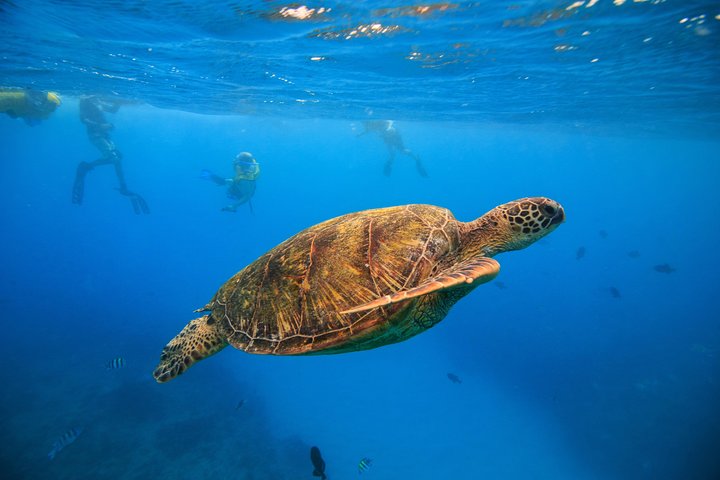
Waikiki, Hawaii: Turtle Canyon Snorkel Excursion
Discover the magic of snorkeling with Hawaiian Green Sea Turtles at Waikiki’s famous Turtle Canyon. On this 2-hour...

Waikiki Snorkeling & Ocean Waterpark Adventure from Oahu
Skip the crowded snorkel tours and experience Oahu’s ultimate ocean adventure for families, couples, and guests of...
How Fast Parking Fills Up
At Hanauma Bay, parking fills fast, and the lot can be packed by 8:00 or 9:00 AM on busy summer days, weekends, and holidays. That’s the reality of parking at Hanauma Bay. Spaces are limited, and your entrance reservation doesn’t hold one for you. Even with an early slot, you’re still racing the morning lineup of cars, sunscreen, and beach bags.
At Hanauma Bay, parking disappears early, and an entrance reservation won’t save you a spot.
To improve your odds, keep this simple plan in mind:
- Arrive 30 to 45 minutes before your showtime.
- Target Wednesday through Friday, ideally around 6:45 to 7:00 AM.
- Have a backup, like a shuttle or tour with transport.
If the lot is full, you may wait, hunt for street parking, or get turned away. Early birds really do win here.
How Long Entry and the Video Take
At Hanauma Bay, your reservation time is really your video showtime, so you’ll want to arrive early and keep that clock in view. The required film runs about 9 to 12 minutes, and the check-in line, ID scan, and quick staff briefing usually add another 5 to 15, so getting from the gate to the sand often takes 15 to 30 minutes. If you book an early slot, you’ll trade a few extra minutes indoors for more reef time once the beach opens up in front of you.
Reservation Showtimes Explained
Why does Hanauma Bay’s reservation time matter so much? Your reservation isn’t just a gate time. It’s the start of your educational video session, and that detail shapes your whole morning or afternoon. The film is required to watch for first-time visitors, runs about 9 to 10 minutes, and introduces the preserve before you head toward the bright water.
Keep these basics in mind:
- Your listed time means the video begins then.
- You must enter during your reservation window, usually 6:45 AM to 1:30 PM.
- You need to leave by closing, usually 4:00 PM.
Slots open two days ahead at 7:00 AM HST. Book early if you want the earliest showtimes. Walk-in spots are limited, so a reserved timeslot gives you dependable timing for the day.
Entry Line Timing
That reservation time sets more than your arrival. It shapes how long you spend in line before your fins ever touch water. If you already have a reservation, get there 15 to 20 minutes early for parking, ticket confirmation, and quick safety questions. Then expect entry processing to take about 5 to 20 minutes, often faster in early morning when the crowd still feels sleepy and the air sounds calm.
Gates open at 6:45 AM, with first showtimes around 7:00 AM HST. Earliest arrivals usually reach the beach about 20 to 40 minutes after they pull in. If you’re trying for a walk-in spot on a sold-out day, budget serious extra time. A separate same-day line can stretch another 30 to 60 minutes, especially around midday.
Video Length Expectations
Usually, the video itself is the easy part. It runs about 9 to 12 minutes, and you must watch it, or confirm you already have, before you can snorkel Hanauma. The bigger variable is everything wrapped around it.
- Your reservation time matches a movie showtime, not splash time.
- Check-in and brief staff questions can add 10 to 20 minutes.
- The full pre-snorkel process often takes 20 to 40 minutes before you reach the water.
That includes arriving, paying or showing your reservation, riding the tram down, watching the video, and grabbing gear. If you want more reef time, book the earliest movie slot available. Walk-ins can get stuck waiting for the next showing, which makes the morning feel less breezy. The fish won’t wait forever.

Waikiki Turtle Canyon Snorkel: Turtles Guaranteed
Book our Turtle Canyon snorkel tour for some turtle fun today! Join us for an intimate experience that you will not...
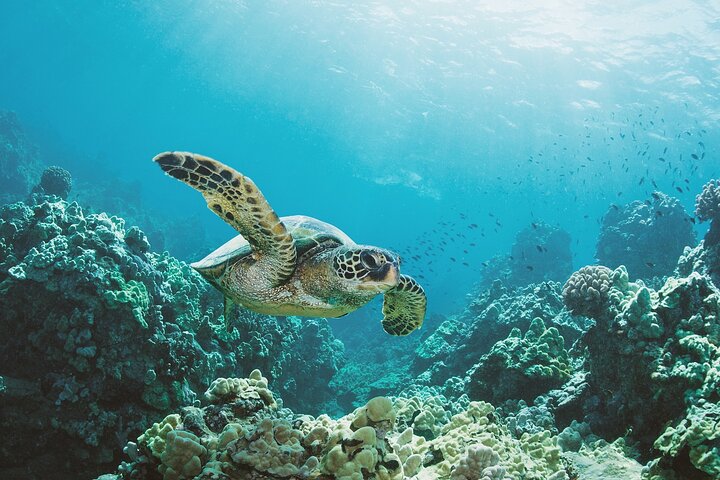
Waikiki: Turtle Canyon Snorkel Adventure on Oahu
Enjoy an exclusive snorkeling adventure in Waikiki with small group sizes for a comfortable and VIP experience. You...

Oahu Grand Circle Island Experience from Waikiki
Enjoy Grand Circle Island experience tour with breathtaking views of Amelia Earhart Lookout on Diamond Head, admire...
What Time Is Best for First-Timers?
For first-timers, the best move is to book the very first entry window and get to Hanauma Bay between 7:00 and 10:00 AM, when the water is often at its calmest and the visibility is at its clearest. You’ll usually find gentler seas, brighter coral views, and an easier start when everything feels new. Early entry also helps you grab parking, catch a tram seat, and dodge the late morning rush.
Remember that your reservation time includes the required video, so choose the earliest showtime you can. You’ll get oriented before you snorkel and still have more water time. Check tide charts the day before too. A morning high tide can bring bigger fish closer, while very low tide may leave some reef sections too shallow to cross comfortably and safely.
What Time Is Best for Kids?
If you’re bringing kids, lock in the earliest morning entry you can, ideally around 6:45 to 8:00 AM. At Hanauma Bay, that window gives you calmer water, clearer visibility, and fewer people in the shallows, so the whole outing feels safer and less overwhelming. Afternoon traffic can stir up sand and make those 2 to 4 foot areas murkier.
To make the morning smooth, focus on three basics:
- Book the earliest reservation right when slots open at 7:00 AM HST two days ahead.
- Choose a weekday, arrive early, and plan for the required video before entry.
- Pack well fitting kids’ masks, snorkels, fins, rash guards, and a flotation aid if needed.
You’ll also boost your odds of parking, tram access, and more supervised snorkel time before lunch.
What Time Is Best for Strong Swimmers?
Because the bay is at its clearest and calmest early, strong swimmers should chase the first entry slot around 6:45 to 7:00 AM. You’ll usually get smoother water, sharper visibility, and more space to kick out toward deeper reef zones without bumping fins in a crowd. Ask lifeguards if you hope to swim beyond the reef.
| Time | Why it works | Best for |
|---|---|---|
| 6:45 to 7:00 AM | Calm water | Deep starts |
| 7:00 to 10:00 AM | Clear views | Bigger fish |
| High or rising morning water | Better access | Outer reef |
| Early arrival | Easier parking | More room |
| Weekday mid-morning | Better backup | strong swimmer |
If you miss dawn, book Wednesday through Friday mid-morning. Skip weekend afternoons unless you enjoy murk, noise, and parking roulette.
How Tides Affect Snorkeling
Tides shape your Hanauma Bay snorkel almost as much as the clock does. If you hit a morning high tide, you usually get deeper water over the reef, easier surface swimming, and better access to fish cruising above coral heads. At low tide, reef flats can peek out and some channels turn too shallow for comfortable, safe movement.
Catch Hanauma Bay at higher tide for easier swimming, deeper reef access, and better fish viewing above the coral.
Use the day’s tide table before you go:
- Aim for mid- to high-tide water.
- Watch for slack water, not stronger channel current.
- Ask lifeguards what the tide is doing that day.
Tide timing shifts with the lunar cycle, so yesterday’s sweet spot may vanish today. Spring tides near new or full moons bring bigger swings, which can change fish positions and make route choices trickier. A little planning beats awkward fin-scraping.
How Wind Affects Visibility
Chase the calm, and Hanauma Bay usually rewards you with clearer water. If you snorkel between 6:00 and 10:00 AM, you’ll often find light winds and glassier surface conditions. That usually means visibility around 30 to 60 feet, sometimes more, so fish, coral, and sandy channels come into sharp view.
Which Weekdays Are Least Crowded?
Often, the quietest days at Hanauma Bay fall between Wednesday and Friday, with Wednesday morning usually leading the pack. Since the bay closes Monday and Tuesday for conservation, weekend energy spills into Saturday and Sunday instead. If you want fewer fins in the water than at busy Waikiki Beach, aim early.
- Book the earliest weekday slot you can get, ideally Wednesday at 7:00 AM.
- Check reservations two days ahead at 7:00 AM HST, since Wed to Fri fill slower.
- Skip weekends and holiday weekdays, when parking, the tram, and gear lines can crawl.
You’ll usually find calmer water and more elbow room at first entry around 6:45 to 7:00 AM. If your day sells out, keep checking for cancellations or try Turtle Canyon or Kaneohe Sandbar instead.
Which Months Have the Best Conditions?
If you’re aiming for that sweet spot of clear water and lighter crowds, April and May usually give Hanauma Bay its best look. You’ll often find better visibility, calmer water, and easier access to the bay’s best snorkeling spots without the summer rush pressing in.
September and October are strong backups if spring doesn’t fit your schedule. The water stays warm, underwater conditions often feel tranquil, and visitor numbers usually drop below peak summer levels. From June through August, you’ll get warmer water, but you’ll also share it with bigger crowds, more noise, and sand stirred up by swimmers. That can dull the view. Winter can surprise you with good days, but surf and storms sometimes cloud the bay. Check advisories first. Also remember the bay closes Mondays and Tuesdays yearly.
What to Bring for an Early Visit
An early Hanauma Bay start feels a lot smoother when your bag is packed before sunrise. You’ll beat the first rush, so bring your snorkel mask and fins to skip the rental line and avoid gear that pinches or leaks. Pack light, but pack smart.
Pack before sunrise, bring your own snorkel gear, and start Hanauma Bay early to skip lines and snorkel comfortably.
- Keep your reservation ready on your phone or printed, and bring photo ID if you qualify for discounted admission.
- Add reef-safe sunscreen, a lightweight rash guard, and a towel so you’re covered once the sun climbs over the crater.
- Toss water, snacks, and a small dry bag into your tote, plus easy sandals or water shoes for the steep path.
If anyone in your group wants extra confidence in the water, bring a simple floatation aid or reef-safe vest too.
Rent Gear or Bring Your Own?
Choosing between rentals and your own kit can shape the whole snorkel. Bringing your own mask, snorkel, and fins usually gives you the best start at Hanauma Bay. Your gear fits your face better, fogs less, and makes those early fish flashes and turtle sightings easier to catch in the calm water.
Rentals cost about $20 per set, and they can disappear during busy periods. If you want to swim beyond the shallow reef, fins and a snug mask matter even more. Some rental setups may limit fin use in crowded areas for safety. Don’t forget reef-safe sunscreen and a rash guard either. Rental counters won’t hand you sun protection. If hauling gear sounds annoying, reserve rentals ahead if you can, or arrive in the first entry window for a better shot.

Oahu: Full or Half Day Grand Circle Island Tour
Choose from two exciting ways to experience Oahu's top attractions, scenic beauty, and local culture.Option 1: Dol...

Toa Luau at Waimea Valley, Oahu
Toa Luau invites you to immerse yourself in the beauty and excitement of Polynesia on Oahu’s historic North Shore!...

Oahu: 60 Min Royal Crown Helicopter Tour - Doors Off or On
See every stunning sight on Oahu from the white sands of Waikiki to the epic big waves of Norh Shore on our incredib...
What to Do If Morning Sells Out
Morning slots at Hanauma Bay can vanish fast, especially when the water looks glassy and every snorkeler in Honolulu has the same idea. Don’t give up yet. Check the online reservation system right away because cancellations sometimes pop up the night before or at dawn. If nothing opens, you still have solid options.
- Grab the earliest afternoon entry you can. The window closes at 1:30 PM, and you should expect murkier water and more fins in the shallows.
- Look at pickup tours from Waikiki. Some hold separate seats and can still give you a morning-style outing.
- Keep a plan B ready, like Turtle Canyon or a Kaneohe Sandbar tour.
If you go in the afternoon, call ahead for conditions and parking, bring your own gear, and book earlier next time.
Frequently Asked Questions
Can I Leave and Re-Enter Hanauma Bay the Same Day?
No, you can’t leave and re-enter Hanauma Bay the same day. The Reentry policy allows only one admission window per reservation. If you exit the preserve, you’ll usually forfeit entry, so ask gate staff before leaving briefly.
Are Lockers, Showers, and Restrooms Available Near the Beach?
Yes, you’ll find showers and restrooms near the beach, so you won’t struggle after snorkeling. Locker Access isn’t available onsite, though, so bring a waterproof pouch or leave valuables secured in your vehicle instead.
Can Non-Swimmers Still Enjoy Hanauma Bay Safely?
Yes, you can enjoy Hanauma Bay safely as a non-swimmer. Use Float vesting, stay in shallow lifeguarded areas, tell staff your comfort level, wear a Coast Guard–approved life jacket, and visit early for calmer water.
Are Prescription Masks Available for Snorkeling at Hanauma Bay?
Yes, you’ll sometimes find prescription masks? at Hanauma Bay, but availability’s limited and isn’t guaranteed. You should bring contacts, stick-on inserts, or your own Rx mask, or visit a Honolulu dive shop beforehand for better fit.
What Marine Life Rules and Conservation Restrictions Should Visitors Know?
You must follow Hanauma Bay’s No touch Policy: don’t touch, don’t feed, don’t chase wildlife. You’ll watch a required reef-education video, use reef-safe sunscreen, stay in marked zones, avoid flash, and obey lifeguards.
Conclusion
If you want Hanauma Bay at its glassy, almost unfair best, book the earliest slot you can grab. You’ll get calmer water, sharper visibility, easier parking, and fish that seem to clock in before the crowds. Morning is the clear winner most days. Still, an afternoon visit can save the trip when early entries vanish. Bring patience, check wind and tide, and keep your fins ready. Even on a backup plan, the bay can still sparkle brilliantly.
Hanauma Bay Snorkeling from Waikiki
Experience Hanauma Bay the easiest way with Waikiki’s most reliable Hanauma Bay shuttle. Our early 5:40 AM pickup gets you in at opening—avoiding...
Oahu Circle Island Snorkeling Tour: Dole, Pali Lookout & More
Looking for the BEST VALUE & MOST COMPLETE Circle Island Snorkeling Tour? Join us for the ultimate full-day, action-...
Waikiki: 2-hour Turtle Canyon Snorkeling Adventure
Join us for a 2-hour snorkeling adventure at Turtle Canyon, one of Oahu’s top snorkeling spots! Cruise along the s...
Waikiki Snorkeling & Ocean Waterpark Adventure from Oahu
Skip the crowded snorkel tours and experience Oahu’s ultimate ocean adventure for families, couples, and guests of...