
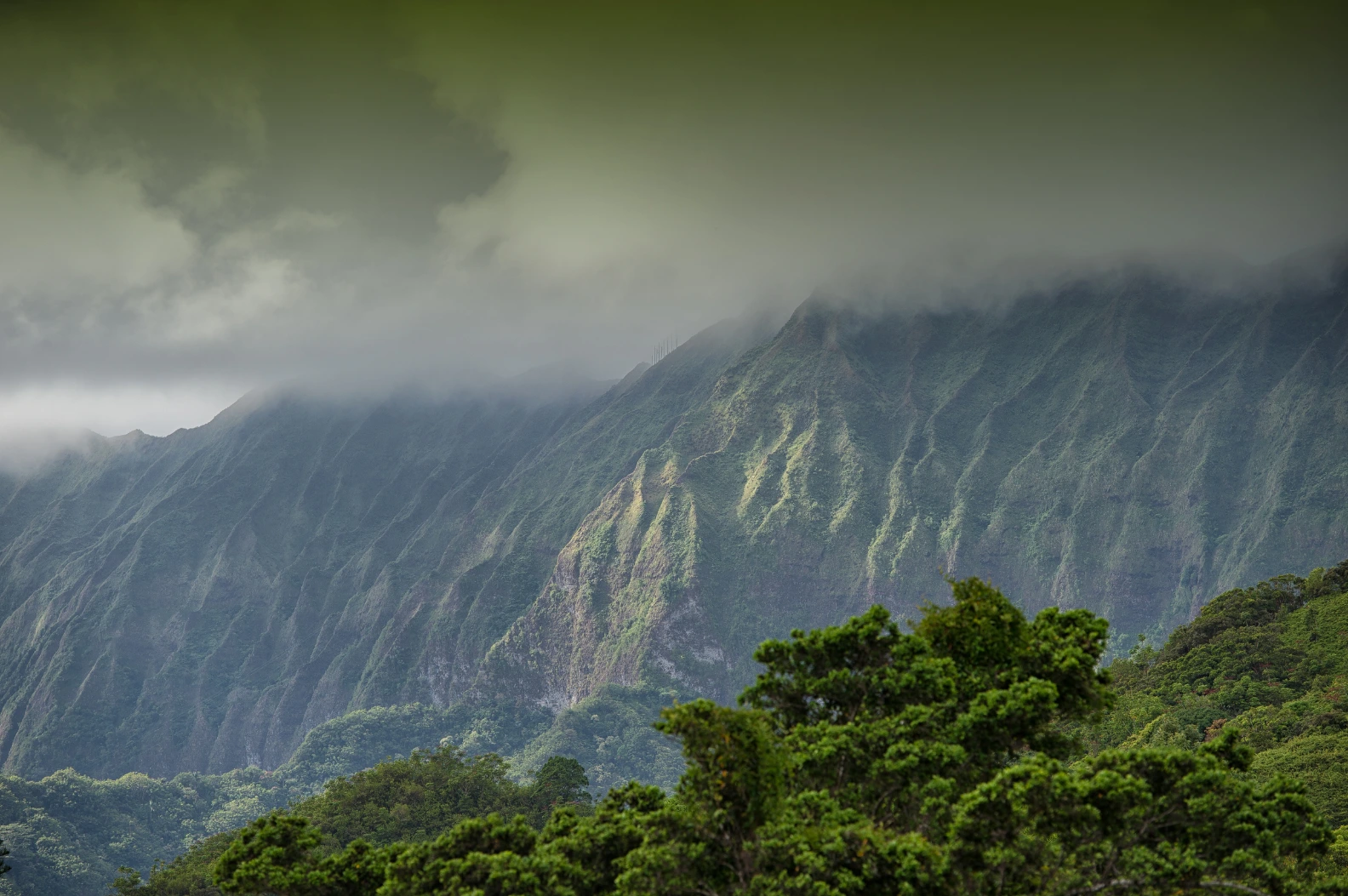
You won’t find an active, lava-spitting volcano on Oʻahu today, but you will hike old craters with sea breezes, gritty cinder underfoot, and busy trailheads by 8 a.m. Pack water, sun protection, and good shoes, skip flip-flops and midday heat. For real-time action, you’ll check USGS and the Hawaiian Volcano Observatory for alerts, webcams, and quakes before you book flights or tours. Want to know what those craters actually are?
Key Takeaways
- Oʻahu has no active volcanoes today, with no erupting vents, lava flows, or visitor eruption alerts currently issued.
- Hawaii’s active eruptions happen on Hawaiʻi Island, mainly at Kīlauea and occasionally Mauna Loa, not on Oʻahu.
- To check current activity, use the USGS Hawaiian Volcano Observatory daily updates, maps, and live webcams.
- Confirm seismic conditions via the USGS “Latest Earthquakes” map, zooming to Hawaiʻi Island for recent depth and magnitude details.
- Oʻahu’s volcanic past remains visible at Diamond Head and Koko Crater, but these features are long extinct.
Are There Active Volcanoes on Oʻahu Right Now?
Usually, you won’t find an active volcano on Oʻahu right now, or any time soon. You won’t see glowing vents or fresh lava flows, and the island doesn’t post eruption alerts for visitors. Still, you can spot the island’s volcanic past in rugged sea cliffs, dark boulders, and pocket beaches where waves hiss over black sand. If you’re curious about how to explore safely, check local guidance on visiting volcanoes on Oahu before heading out. If you’re craving lava vibes, book a half day coastal hike or snorkel trip instead of chasing “hot spots.” Go early, 7 to 9 a.m., to beat tour buses and heat. Expect free trailheads, or $20 to $40 for a guided small group. Bring water, reef safe sunscreen, and grippy shoes. Skip flip flops, and don’t count on lava tubes here. For volcano action, you’ll need Hawaiʻi Island.
Why Oʻahu Has Craters: Waiʻanae, Koʻolau, and Honolulu Volcanics
Although Oʻahu looks like a relaxed beach island, its craters come from three distinct volcanic chapters you can still read in the landscape: the older Waiʻanae Range in the west, the younger Koʻolau Range slicing the east side, and the much later Honolulu Volcanics that punched out punchbowl-shaped tuff cones like Diamond Head and Koko Crater. Up close, erosional processes carved the ridges into dramatic valleys, and volcanic riftzones once fed lava along each range’s spine. Diamond Head’s last eruption occurred roughly 150,000 to 200,000 years ago, making it geologically recent but long dormant today. For a simple sample, hike Diamond Head at opening, you’ll dodge crowds and glare, and you’ll pay entry and parking. Bring water, a hat, and shoes with grip. Skip flip-flops on Koko Crater’s steep rail bed. If you hate driving, a Viator tour with hotel pickup streamlines timing.
How to Check Live Hawaiʻi Volcanic Activity (USGS, HVO, Quakes)
When you want to know what Hawaiʻi’s volcanoes are doing right now, skip the hype and go straight to the USGS Hawaiian Volcano Observatory for the daily status updates, live webcams, and maps that refresh throughout the day. Even iconic features like Diamond Head were shaped by a single eruption, underscoring why it’s worth checking what Hawaiʻi’s volcanoes are doing in real time.
Check the Kīlauea and Mauna Loa pages before breakfast, then again mid afternoon if you’re heading toward Hawaiʻi Volcanoes National Park.
Turn on USGS updates and HVO alerts for email or text, they’re free and faster than rumors.
For earthquakes, open the USGS “Latest Earthquakes” map and zoom to the Big Island to see depth and magnitude.
If you book a Viator tour, pick one with verified reviews, hotel pickup, and free cancellation, and use reserve now pay later.
Bring a rain jacket, skip “lava tours”.
Frequently Asked Questions
Can You Visit OʻAhu’s Volcanic Craters Safely Without a Guide?
You can visit many Oʻahu volcanic craters safely without a guide if you stay on marked trails, follow posted access restrictions, and check weather. For sensitive areas, choose guided tours, obey closures, and bring water.
Are There Geothermal Hot Springs on OʻAhu Like Other Volcanic Islands?
No, you won’t find true geothermal hot springs on Oʻahu. The island’s older volcanism means little groundwater warmth reaches the surface, so natural mineral pools are rare. You’ll need resorts, or visit Hawaiʻi Island instead.
How Old Are Diamond Head and Koko Crater Compared to Other OʻAhu Cones?
Mind-blowingly, you’re hiking baby volcanoes: Diamond Head formed about 150,000 years ago, while Koko Crater erupted nearer 30–50,000. Most Oʻahu cones share similar Pleistocene ages, all postdating the Shield stages by millions of years overall.
Does OʻAhu Have Lava Tubes, and Where Can You See Them?
Yes, Oʻahu has a few lava tubes, though many lava passageways are on restricted land. You’ll sometimes see exposed sections and lava skylights on permitted hikes in the ʻEwa Plain and Kaʻena Point areas only.
Could Volcanic Activity Affect OʻAhu’s Drinking Water or Air Quality?
Like smoke in a kitchen, yes, volcanic activity could affect Oʻahu’s drinking water and air. You’d watch for groundwater contamination from ash or gases and for airborne particulates that worsen breathing in rare downwind events occasionally.
Conclusion
Oʻahu’s craters are postcards from an old fire, not a live match. You’ll hike Diamond Head at sunrise for cooler air and fewer crowds, pay about $5, bring water and a hat, and skip flip flops. For today’s real heat, open the USGS HVO site, check Latest Earthquakes, and turn on text alerts. If you fly to Hawaiʻi Island, a Viator day tour with verified reviews, hotel pickup, and free cancellation keeps plans tight too.
