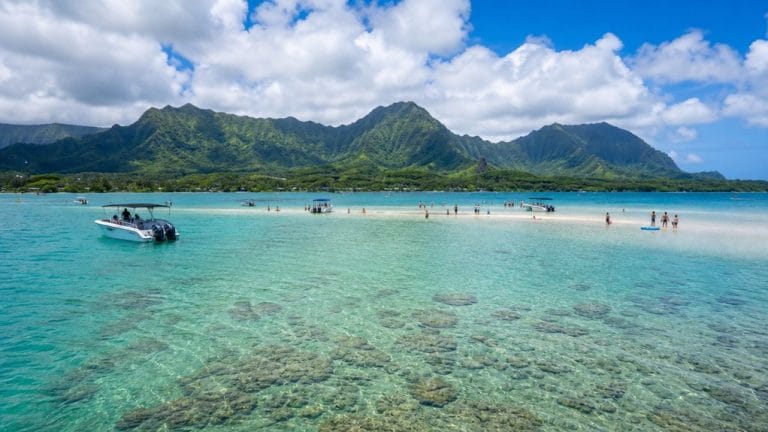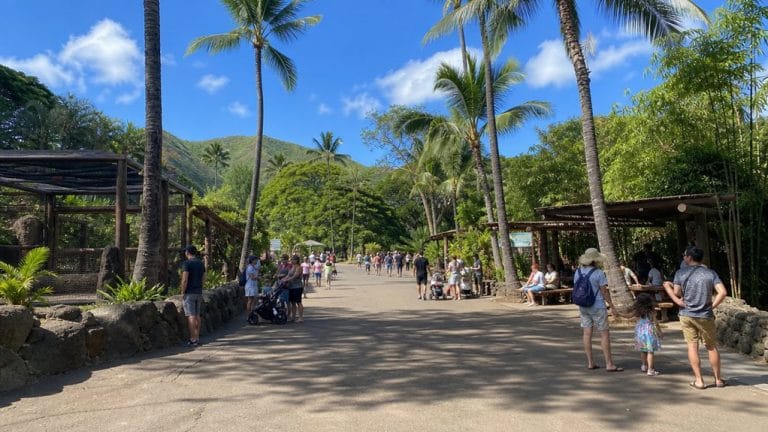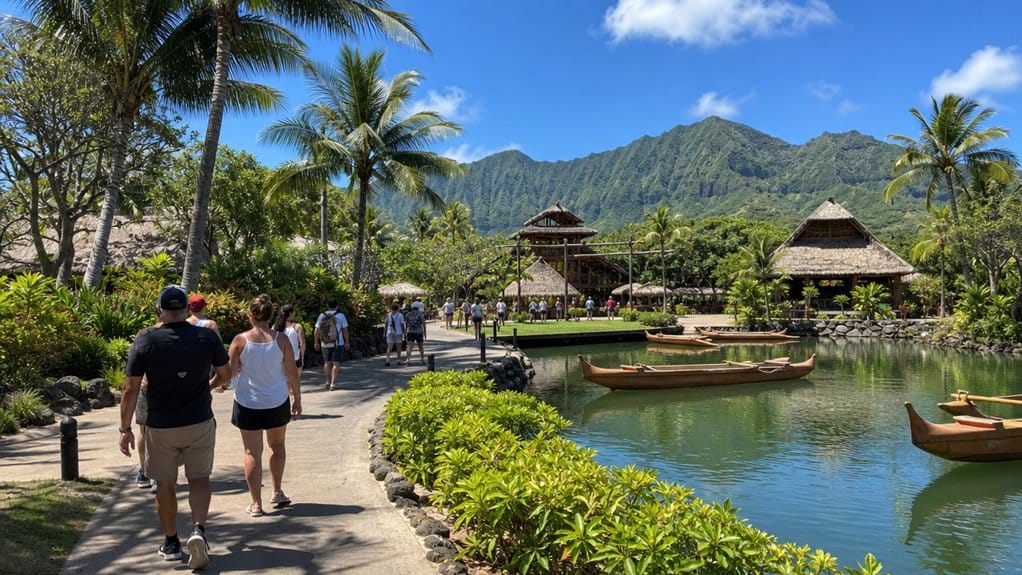
Like stepping into a Pacific storybook, you’ll find Oahu’s Polynesian Cultural Center polished, lively, and more strategic than it first looks. You can paddle past village lagoons, hear drums roll at dusk, and end with HĀ’s fire knives flashing in the dark. But the day is long, the packages matter, and the drive from Waikīkī isn’t small. Before you book, a few details can save you time, money, and one very tired kid.
Key Takeaways
- The biggest highlight is HĀ: Breath of Life, a polished nighttime show with fire dancing, drumming, and no phone use during the performance.
- The center features six recreated Polynesian villages with hands-on demos, canoe rides, and student-led cultural presentations that feel organized but sometimes staged.
- Ticket options range from basic Islands admission to luau and guided premium packages, and most include three days of re-entry.
- Book ahead, especially in summer or holidays, because popular packages, transportation, and better HĀ seating often sell out early.
- Expect a full-day trip from Waikīkī, about 70–90 minutes each way, with luau-and-show visits often lasting from midday to night.

Best of Oahu: Pearl Harbor, Arizona Memorial and the Polynesian Cultural Center
Want to see the best Oahu has to offer? Our comprehensive Pearl Harbor and Polynesian Cultural Center Tour is what you’re looking for. An incredible...

Pearl Harbor, Dole, and Polynesian Cultural Center from Waikiki
Join us on an unforgettable day at three of Oahu’s most popular attractions: Pearl Harbor, Dole Plantation, and Po...

Polynesian Cultural Center: Super Ambassador Luau Package
Experience the Super Ambassador Package, the ultimate VIP adventure at the Polynesian Cultural Center. Begin with a...

Polynesian Cultural Center: Gateway Buffet Package
Located on O‘ahu’s North Shore, the Polynesian Cultural Center is a one-of-a-kind attraction showcasing the peop...
Is the Polynesian Cultural Center Worth It?

Usually, the Polynesian Cultural Center is worth it if you want one big North Shore day built around polished entertainment and hands-on culture. Your Polynesian Cultural Center Worth really depends on how you travel. If you love organized experiences, strong performances, and easy access to interactive demos, you’ll likely feel satisfied.
You should plan for a full day, since the park runs roughly noon to 9:00 p.m. Many tickets include three days of re-entry, which boosts value if you don’t want to rush. Prices swing widely, from basic entry to premium guided packages with better seating for the luau and show. The biggest draw is HA: Breath of Life, a vivid nighttime production with fire, drums, and real skill. Buy ahead, especially in summer, or you might miss out. The Island Villages are a major part of the visit, with different Polynesian cultures offering demonstrations, activities, and performances throughout the afternoon.
What Is the Polynesian Cultural Center Like?
Think of the Polynesian Cultural Center as a polished island village circuit, part living museum and part staged day out on Oʻahu’s lush northeast coast. You move through six recreated communities from the Polynesian islands, with thatched houses, carved canoes, drums, dancing, and hands-on demos that keep things lively.
The Polynesian Cultural Center feels organized and tourist-friendly, but not fake in a cheap way. You’ll see Polynesian residents and BYU Hawaii students teaching hula, coconut husking, wayfinding, and daily crafts. Some moments feel intimate. Others feel like a well-run show with lines and timed presentations. That mix can be fun or a little sensory-busy. You can also add a lagoon canoe ride, tastings, or the Alii Luau, which brings buffet plates, a lei greeting, and an imu roast demo. Booking one of the Polynesian Cultural Center packages can make the day easier if you want admission, dining, and evening entertainment bundled together.
How Long Does the Polynesian Cultural Center Take?
You’ll want to think of the Polynesian Cultural Center as a full-day commitment if you book the luau and HĀ show, since many packages run from about 12:15 p.m. to nearly 9:00 p.m., and the Waikīkī drive can add another two to three hours round trip. The center is located on Oahu in the town of Lāʻie, so it’s worth planning your transportation time before you go. If you’re only touring the villages, you can move faster, but most people still need 4 to 6 hours to catch the drumming, canoe rides, tastings, and a few hands-on stops without feeling rushed. The good news is that most tickets include three days of re-entry, so you can split the experience into shorter visits and save your feet a little grief.
Full-Day Time Commitment
Because the Polynesian Cultural Center sits on Oahu’s North Shore, the visit often turns into a full-day outing rather than a quick stop. From Waikiki, you’ll spend about 70 to 90 minutes each way, so transportation alone can eat up 1.5 to 3 hours. Add the typical noon start and 8:45 or 9:00 p.m. finish, and the Polynesian Cultural Center becomes a real full-day time commitment.
If you book the luau and HA show, expect most of your vacation day to disappear in a swirl of drums, canoe rides, village demos, and dinner. Ticket options can vary by packages and timing, so it’s worth matching your choice to how much of the day and evening you want to spend there. Even the self-guided Islands of Polynesia can stretch from two hours to six if you like to linger. Families should pace themselves, since kids may fade by luau time. Helpful bonus: tickets include three days of re-entry.

Polynesian Cultural Center: Islands of Polynesia Admission Ticket
Located on O‘ahu’s North Shore, the Polynesian Cultural Center is a one-of-a-kind attraction showcasing the peop...

Polynesian Cultural Center: Aliʻi Luau Package
Experience the ultimate Polynesian adventure with the Aliʻi Lūʻau Package! Explore six authentic island villages...

Oahu : Luau de los Reyes Tour in Polynesian Cultural Center
The price shown on the tour is the pre-booking amount (to block the date).By 2026, the total is calculated as foll...
Multi-Day Reentry Option
That full-day schedule feels a lot more manageable once you know every Polynesian Cultural Center ticket comes with three days of re-entry. That means you can split visiting the Islands of Polynesia instead of packing six villages, canoe rides, tastings, and the evening show into one marathon day.
If you buy Islands-only admission, you could move through in about two hours, but most people stay three to six. Guided packages cover the whole park in one sweep, yet re-entry still helps. You can return for a village presentation you missed, revisit a favorite hands-on demo, or catch a quieter canoe ride the next afternoon. If you’re spreading your visit across multiple days, it also helps to know what to expect with parking at the Polynesian Cultural Center before you arrive. Families especially benefit. You can stagger high-demand stops across those three days of re-entry and keep tired kids from melting down before dinner. Your feet will thank you too.
Which Polynesian Cultural Center Ticket Is Best?
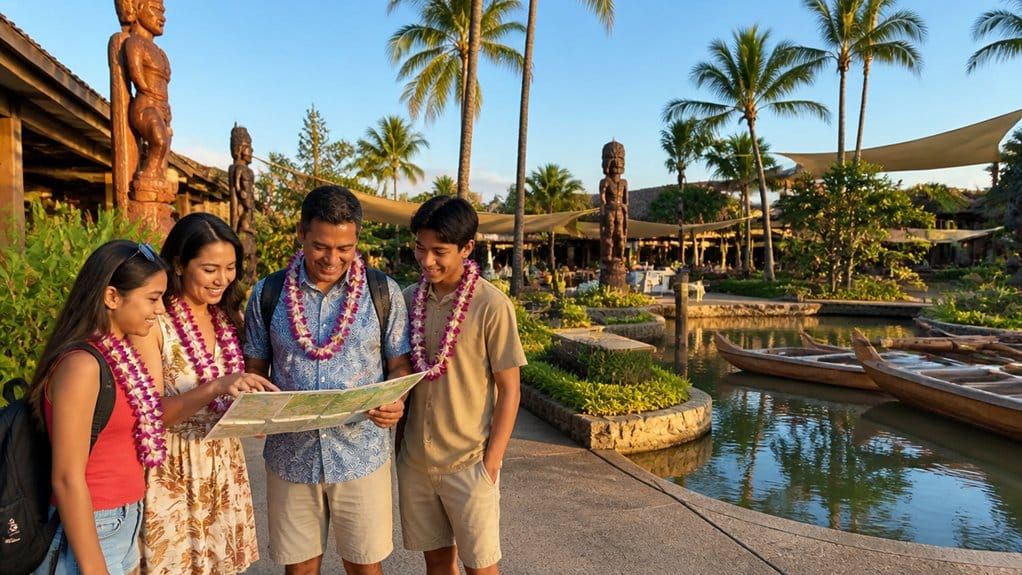
Usually, the best Polynesian Cultural Center ticket depends on how much structure, dinner, and show time you want in your day. If you like freedom, the self-guided Islands ticket gives you all six villages, the canoe ride, and re-entry at the lowest price.
| Ticket | Best for | Includes |
|---|---|---|
| Islands | Budget explorers | Villages, canoe, re-entry |
| Islands + HĀ packages | Show lovers | Bronze HĀ seating |
| Gateway Buffet | Families | Dinner plus better seating |
| Aliʻi Luau Package | Curated evenings | Guided tour, luau, Gold seating |
You’ll pay more for convenience. The Aliʻi Luau Package feels polished and efficient. Super Ambassador goes even further with a private guide. Buy early, especially in summer. Also remember Waikīkī transportation usually costs extra at checkout too. A simple 10-step buying guide can help you compare packages and look for savings before you book.
Which Polynesian Cultural Center Package Fits You?
If you’re trying to match your ticket to your travel style, the Polynesian Cultural Center makes it pretty easy once you know what each package is built to do. If you want the cheapest way in, choose Islands of Polynesia. You’ll roam all six villages on your own, ride the canoe and trolley, and even get 3-day re-entry.
If you want the evening show, step up to an Islands plus HĀ option. You’ll still explore independently, then settle into bronze or silver seating. The Gateway Buffet Package works well if dinner matters but a luau doesn’t. You get a buffet, live music, and silver HĀ seats. Want the full Luau Package experience? Pick Aliʻi Luau. You’ll get a guided tour, lei greeting, buffet, and gold seats. For premium Polynesian Cultural ease, go Super Ambassador. Planning your visit in 3 steps can also help you narrow down your timing, ticket choice, and must-see experiences before you arrive.
Should You Book Polynesian Cultural Center Tickets Early?
You should book Polynesian Cultural Center tickets early if you want the date and package you actually want, especially in summer when popular days can sell out weeks ahead. Booking ahead also lets you skip the entry line and walk straight toward the drums, canoe rides, and village shows instead of starting your visit in a queue. If you’re eyeing premium seating or guided extras, reserving early gives you a much better shot before the best spots disappear. It’s also smart to plan your transportation options in advance, whether you’re considering the shuttle, public bus, or driving to the center.
Have a question about this guide?
Ask for tour ideas, hotel suggestions, or a simple trip plan that combines both.
Trip Helper
Seasonal Sellout Risk
Often, the Polynesian Cultural Center fills faster than first-time visitors expect. In summer, Tickets can disappear a month ahead. During other busy seasons, you should book at least a week early. Popular picks, especially the Buffet Package, luau combos, and Super Ambassador, vanish first. Arriving near the best arrival time can also help you spend less of your visit waiting in lines.
| Season or package | What you should do |
|---|---|
| Summer dates | Book a month ahead |
| Holiday periods | Reserve a week ahead |
| Super Ambassador | Grab first |
| Aliʻi or Gateway options | Reserve early |
| Flexible plans | Use three days of re-entry |
That built-in three days of re-entry helps if your ideal date is full. You can split your visit across several days instead. Booking 10 days ahead may also shave about 5% off, with some links advertising even bigger savings too.
Skip Entry Lines
Beat the rush by booking your Polynesian Cultural Center tickets early, because prepaid QR-code entry can move you past the ticket window and straight to the gate. That matters when drums are already thumping and crowds are stacking up in the morning sun. With prepaid QR-code tickets, you can skip the ticketing line, scan at the gate, and head inside faster.
At the Polynesian Cultural Center, all non-show-only tickets must be scanned before entry, so keep your phone ready. Prepaid check-in can sometimes funnel you into a slower prepaid lane, but it’s still better than buying onsite. Book combo packages online to lock in luau times and HA seating before they vanish. If you’re riding the PCC motor coach from Waikīkī, add transportation early too, or you’ll face one more line later. If you’re still asking is it worth visiting, booking ahead helps you make the most of the full-day experience instead of losing time at the entrance.
How Do You Get to the Polynesian Cultural Center?

Getting there is part of the adventure, since the Polynesian Cultural Center sits on Oʻahu’s lush northeast side near the North Shore, about 70 to 90 minutes from Waikīkī depending on traffic. You’ve got a few easy options. You can book official Waikīkī round-trip motorcoach transportation for about $25 to $28, with pickup around 10:30 a.m. and return around 10:30 p.m.
If you want sightseeing built in, choose a Circle Island tour instead. It leaves earlier, costs about $75 to $78, and usually reaches the Polynesian Cultural Center around midday. If you’d rather drive to the PCC, take Kamehameha Highway along the Windward coast. The ocean flashes blue beside the road, and stops like Kualoa Park stretch the trip nicely. Reserve transportation when you buy tickets, because seats can sell out fast. Before you go, it may also help to know who owns the Polynesian Cultural Center today.
What Are the Luau and HA Show Like?
Usually, the luau and HĀ show feel like two different nights folded into one ticket. You start with a relaxed early evening and end with a polished theater spectacle, so pace yourself.
The lūʻau eases you in, then HĀ lands like a second act, bigger, sharper, and worth saving energy for.
- The Aliʻi Lūʻau runs about 5:00 to 6:30 pm, with lei greetings, the imu pig reveal, and a luau buffet paired with easygoing family entertainment.
- HĀ: Breath of Life follows around 7:30 to 8:45 pm and feels bigger, darker, louder, and more cinematic, with sharp choreography and blazing fire dancing.
- Your package shapes the experience. Gateway Buffet comes with Silver seating, while upgraded tiers add guided extras and better views.
If your Oahu plans also include the Honolulu Zoo, you can save time by using a simple 3-step ticket reservation process before you go.
You can’t use phones during HĀ, but post-show stage photos are offered. It’s a long day, and kids may fade before the finale.

Go City: Oahu All-Inclusive Pass with over 40 Things To Do
Make the most of your time on Oahu and enjoy admission to over 40 top attractions, tours, shows and activities, all...
Pearl Harbor + Dole Plantation + Polynesian Center from Waikiki
Join us on an unforgettable day at three of Oahu’s most popular attractions: Pearl Harbor, Dole Plantation, and Po...

Pearl Harbor, Dole Plantation, and Polynesian Center from Kauai
Join us on an unforgettable day at three of Oahu’s most popular attractions: Pearl Harbor, Dole Plantation, and Po...
What Should You Know About Food and Alcohol?
You’ll want to compare the dining packages closely, because the Ali‘i Luau and Gateway Buffet both feed you well but can feel different if you’ve got dietary needs or picky eaters in tow. The Gateway Buffet at the Polynesian Cultural Center is one of the main dinner options to understand before choosing your package. You should also know the PCC is completely alcohol-free, so you won’t find cocktails anywhere on campus, but you can still sip virgin piña coladas, fruit smoothies, and other nonalcoholic drinks with your meal. If you’re planning a long day with fixed dinner times and lots of walking, bring a few extra snacks so your stomach doesn’t start its own evening show.
Dining Package Differences
Sorting out the PCC dining packages matters more than it first seems, because your choice shapes both dinner and your HĀ show seats. You can go Islands-only if you just want village access, but most visitors compare the Gateway Buffet and Aliʻi Luau because both bundle food with easier evening logistics.
- Gateway Buffet: broad buffet, non-alcoholic drinks, and silver HĀ seating
- Aliʻi Luau: lei greeting, imu pig presentation, luau buffet, and gold HĀ seating
- Super Ambassador Luau: more private service and platinum show seats
Prices climb from about $94.95 to $293.95, depending on season and package. Also, PCC is a dry campus, so you won’t find alcohol anywhere on site. Those tropical drinks are alcohol-free, which can feel either wholesome or mildly heartbreaking, depending on your vacation mood. If you’re also visiting Kualoa Ranch on the same trip, checking the entrance and parking details ahead of time can make your day easier.
Dietary Needs And Snacks
Given how food can make or break a long attraction day, it’s worth knowing that PCC is completely dry, so no alcohol is served or allowed anywhere on the grounds, from the buffets to the luau tables.
If you’re managing dietary restrictions, the Aliʻi Luau and Gateway Buffet are your safest bets. Both offer full meals, and Aliʻi is especially known for accommodating needs. You’ll usually find options across the Polynesian spread, though vegetarian choices can feel thin at some kiosks. If you buy basic Islands admission, meals aren’t included, so pack snacks or plan to buy food onsite. Families with picky eaters or kids fading by late afternoon should use the three-day re-entry perk. It lets you split meals and sightseeing instead of forcing one marathon day. If your itinerary also includes Honolulu, save time for Chinatown activities since the neighborhood has several can’t-miss things to do. Call ahead if your needs are strict.
Alcohol-Free Beverage Policy
Because the Polynesian Cultural Center is owned and run by the LDS Church, the entire campus stays strictly alcohol-free. That means you won’t find beer, wine, or cocktails anywhere at the Center. The policy reflects the Church of Jesus Christ, and it covers every event.
- Luau and buffet meals serve only non-alcoholic drinks.
- You can order virgin piña coladas, smoothies, and other family-friendly sips.
- The dry rule also applies during Aliʻi Luau and HA: Breath of Life.
If you’re planning a long island day, remember that vegetarian options can feel a little thin, so packing snacks isn’t a bad idea. Since no alcohol is sold onsite, package prices reflect that. If you want a sunset mai tai, you’ll need to enjoy it before or after your visit, off property nearby. The upside is that the Royal Aliʻi Lūʻau still focuses on a family-friendly feast with island and mainland dishes.
How Can You Visit With Kids or for a Full Day?
Often, the smartest way to visit the Polynesian Cultural Center with kids is to treat it as a full-day outing and be honest about your family’s energy. From Waikiki, you’ll spend 70 to 90 minutes each way, and many transportation packages stretch 12 to 13 hours.
Children can tire, so you don’t have to force the luau and evening show into one marathon day. A daytime-only Islands of Polynesia visit runs about 12:15 to 5:30 pm and often feels easier. Every ticket also includes three days of re-entry, which lets you split the villages across shorter visits and save your patience for canoe rides, drumming, and hands-on demos. Using the Polynesian Cultural Center map before you arrive can help you plan a realistic route between villages, shows, food stops, and kid-friendly breaks. If your kids are little, reconsider the late HĀ show. The fire finale is thrilling, but bedtime usually fights back. Guided packages can keep the day moving.
Frequently Asked Questions
Are Lockers Available for Storing Bags and Personal Items?
Yes, you’ll usually find secure lockers for bags and personal items, though availability can vary. You shouldn’t expect free storage. For oversized item handling, ask guest services or your tour provider, and leave non-essentials at your hotel.
Is the Polynesian Cultural Center Wheelchair and Stroller Accessible?
Yes, like a smooth boardwalk, you’ll find wheelchair routes and accessible seating throughout much of the Polynesian Cultural Center. You can navigate paved paths with a stroller, but distances are long, and stroller rentals aren’t guaranteed.
Can You Leave and Re-Enter the Polynesian Cultural Center the Same Day?
Yes, you can leave and re-enter the Polynesian Cultural Center the same day. Follow the exit procedure, keep your ticket handy for ticket validation and park reentry, and plan carefully so you don’t miss timed shows.
Are There Photography or Video Restrictions During Performances?
Yes, you’ll face restrictions. Like entering a quiet temple, you must honor audience etiquette: don’t film or photograph HA, avoid flash due to lighting challenges, and respect cultural sensitivity. Afterward, you can take designated stage photos.
What Should You Wear for Changing Weather and Outdoor Walking?
You should wear light layering with breathable fabrics, supportive footwear, and a wide-brim hat. Bring a packable rain jacket too. You’ll walk outdoors a lot, and weather can shift from sunny and hot to cool showers.
Conclusion
If you go in with a plan, the Polynesian Cultural Center can unfold like a well-packed suitcase, full of bright surprises. You’ll move from tidy villages and hands-on demos to pounding drums, fire, and the sweep of HĀ at night. Prebook your tickets, scan your QR code, and give yourself the full day if you can. It’s polished, busy, and undeniably touristy. Still, if you stay curious, you’ll leave with vivid sounds, warm memories, and sore feet.
Best of Oahu: Pearl Harbor, Arizona Memorial and the Polynesian Cultural Center
Want to see the best Oahu has to offer? Our comprehensive Pearl Harbor and Polynesian Cultural Center Tour is what you’re looking for. An incredible...

Pearl Harbor, Dole Plantation, Polynesian Center from Waikiki
We start the day by picking you up for on an unforgettable day at three of Oahu’s most popular attractions: Pearl...

Pearl Harbor + Dole Plantation + Polynesian Center from Kauai
Join us on an unforgettable day at three of Oahu’s most popular attractions: Pearl Harbor, Dole Plantation, and Po...

Private North Shore and Polynesian Culture Day Trip in Oahu
Explore the captivating North Shore of Oahu on a private cultural day trip that combines stunning coastal scenery wi...
Experiences to explore
 Explore experience ↗
Pearl Harbor, Dole Plantation, Polynesian Center from Waikiki
◷ 8 hr–10 hr
We start the day by picking you up for on an unforgettable day at three of Oahu’s most popular attractions: Pearl Harbor, Dole Plantati
From $199.99 USD
View dates Explore experience ↗
Pearl Harbor + Dole Plantation + Polynesian Center from Waikiki
◷ 6 hr–7 hr
Join us on an unforgettable day at three of Oahu’s most popular attractions: Pearl Harbor, Dole Plantation, and Polynesian Cultural Cen
From $205.99 USD
View datesExplore experience ↗Pearl Harbor, Dole, and Polynesian Cultural Center from Waikiki
◷ 9 hr–10 hr
Join us on an unforgettable day at three of Oahu’s most popular attractions: Pearl Harbor, Dole Plantation, and Polynesian Cultural Cen
See dates for Current pricing
View dates