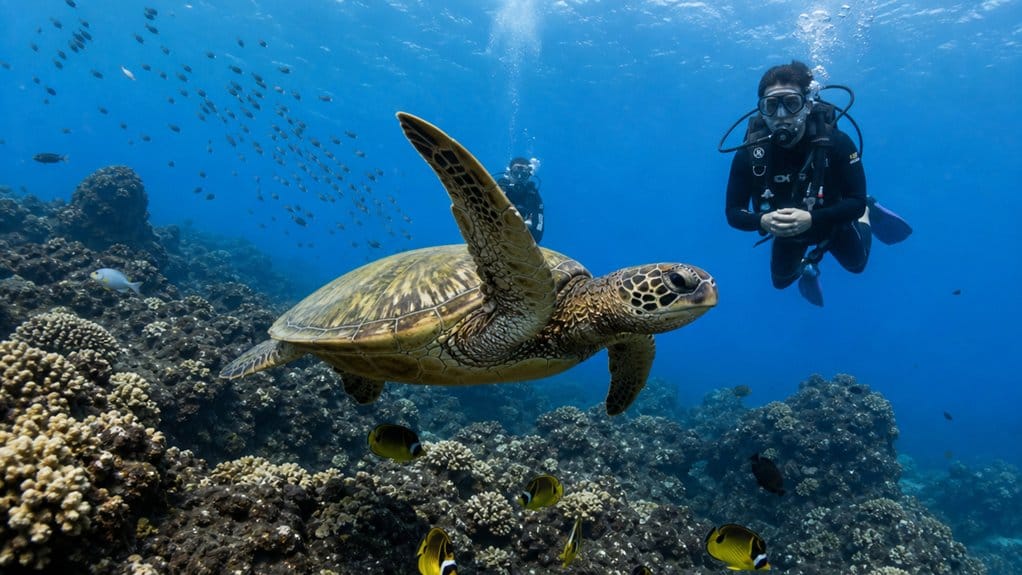
Most Oahu turtle dives stay in the 40 to 60 foot range, which gives you solid bottom time without turning the outing into a marathon. You’ll meet at the shop, hear the safety briefing, and board a small boat with full gear, water, and snacks already sorted. Then you drop onto coral gardens where turtles circle cleaning stations and reef fish flicker past your mask. The easy logistics sound simple, but a few rules can shape your best dive.
Key Takeaways
- This Oahu boat trip lasts about 3 to 4 hours and includes two guided reef dives focused on coral gardens and sea turtle habitat.
- Meet at the shop for check-in, then board a boat with safety briefing, full gear rental, water, and snacks included.
- Typical shallow reef depths are 40 to 60 feet, allowing relaxed profiles and often longer bottom time than deep wreck dives.
- Turtle sightings are common near reef cleaning stations, and divers should stay at least 10 feet away without disturbing behavior.
- Morning and afternoon departures follow the same two-tank format, while some trips may mix a reef dive with a deeper wreck site.

Waikiki Two Tank Guided Scuba Diving Adventure: Certified Diver
Small Groups of six or less led by our experienced PADI Dive Masters and Instructors, this exciting morning charter takes you on a deep wreck dive fol...

Mesmerizing Private SCUBA Diving Charter in Paradise from Waikiki
Your dive your way. Explore the waters off the coast of Oahu on a two tank dive, ideal for first-time divers. Board...

Private Waikiki 5 Hour Charter on board Ocean Therapy
Snorkel or SCUBA Dive Along the Waikiki Coast Up to 6 Guests | 5+ Hours | Certified Divers & Snorkelers WelcomeEsc...

Discover Scuba Two Tank Dive in Waikiki
NO Certification Needed!Discover Scuba Diving in Waikiki – Your Underwater Adventure Starts Here! Dive into the...
What This Oahu Dive Includes
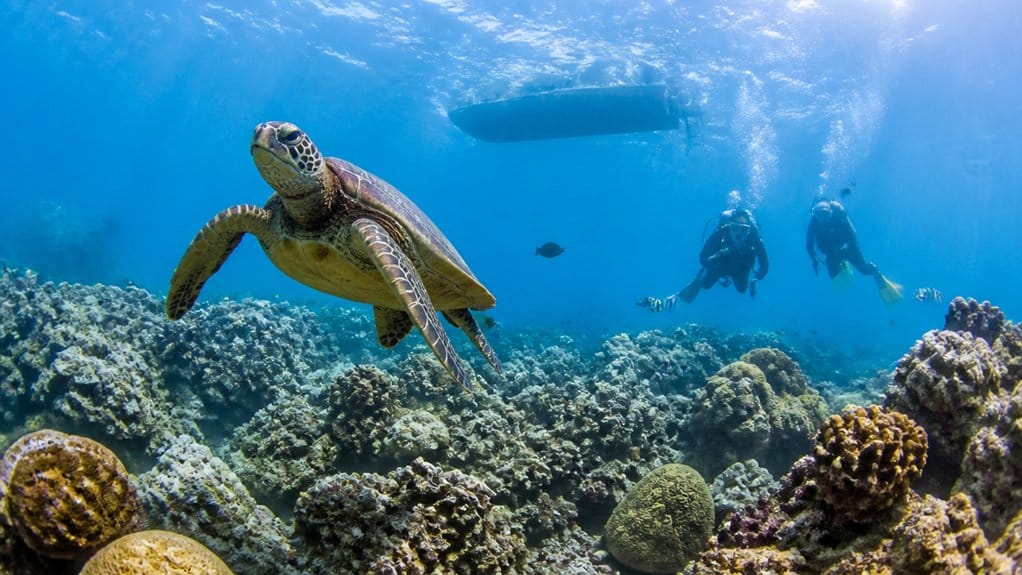
If you’re wondering what a half day on the water actually looks like, this Oahu scuba trip keeps it simple and solid. You meet at the shop, board the 4hour Boat, and get a safety briefing before your first Dive. This Scuba diving adventure includes full gear rental, plus water and snacks, so you’re not juggling extras. While observing turtles, keep at least 10 feet away in the water and avoid altering their resting or basking behavior.
You’ll make two tank descents with PADI pros leading the way. Expect REEF Dives focused on coral gardens and Sea Turtles habitat, especially cleaning stations where the action feels quietly busy. Your plan may mix a wreck-and-REEF site with Honolulu REEF dives in the 40 to 60 foot range. Real bottom time depends on conditions and your air. Lunch and gratuities aren’t included, so pack a post-dive plan for later ashore. Many visitors also look for snorkel spots around Oahu where sea turtles are commonly seen near healthy coral reefs.
Who This Oahu Dive Is Best For
Who gets the most out of this Oahu dive? You do if you want an advanced boat day with real depth, current, and close sea turtles. This Diving trip suits you best when your scuba diving experience includes open-ocean entries, steady gear setup, and comfort at 100-plus feet before a reef follow-up. Certified divers can often choose between a deep wreck first tank or a shallower reef-focused option depending on conditions and goals. Before planning your day, it helps to check Sea Life Park Oahu hours through one of the three common methods travelers use for opening times.
| Best for you if… | Why it fits |
|---|---|
| You like depth | First tank often reaches 100+ feet |
| You handle current | Drift planning shapes site choice |
| You want turtles | Reefs include turtle cleaning stations |
| You enjoy variety | Wreck first, reef second |
| You prefer extra time | Two Shallow Reef style options like Baby Barge help |
If wrecks, drift, and reef time all sound right, you’ll likely love this sharp, salty day. No training wheels here. After your dives, a walking food tour in Honolulu can be a great way to sample local tastings and explore neighborhood stops.
Certification Rules for Each Dive
You’ll need certification for the 3 to 4 hour Morning Deep Wreck and Shallow Reef trip, and some wreck or drift style options also ask for 12 to 15 logged dives or advanced certification. Certified guests looking for shallow reef dives near Waikiki can also find Oahu boat trips that focus on easier coral reef sites. If you’re deciding between scuba and snorkeling, beginner scuba generally requires more instruction and comfort with gear than a simple surface snorkel tour. If you’re a beginner, you can still join the turtle-focused morning or afternoon shallow reef trips, where no certification is required and green sea turtles often glide past in clear blue water. Before check-in, you must complete the medical waiver, and if PADI flags any condition, you’ll need a doctor’s consent in hand or you could lose your refund. You can also add a GoPro photo and video package to capture your Honolulu scuba diving experience.

2 Tank Private SCUBA Party Diving Charter from Waikiki Hawaii
Explore the waters off the coast of Oahu on a two tank dive, ideal for first-time divers. Board a private boat and h...

Certified Divers: Best 2-Tank Wrecks & Reef Boat Dive All Inclusive From Waikiki
What sets us apart: 1. Bespoke dive sites on Oahu 2. Unlike 98% of the snorkeling and diving tour operators in Hawai...
Private Waikiki 5 Hour Charter on board Ocean Therapy
Snorkel or SCUBA Dive Along the Waikiki Coast Up to 6 Guests | 5+ Hours | Certified Divers & Snorkelers WelcomeEsc...
Certified Diver Requirements
Before you book an Oahu coral reef or sea turtle boat dive, check the certification rules as closely as the weather report. These certified diver requirements matter. Most boat dives require certification, and many also ask for experience, such as 12 or 15 logged dives, before you step onto a two tank trip lasting about three to four hours. Oahu also has scuba certification courses for divers who need to earn a card before joining certified-only boat trips.
Operators use your card and dive history to place you on suitable reef, turtle, or wreck profiles. Some deeper wreck routes are for certified divers only. Honolulu also offers beginner-friendly tours for travelers who are not yet certified and want an introductory experience. You should review medical questions and complete any required Medical Statement before check in. If PADI flags a condition, bring doctor approval or risk losing entry and refunds. While planning your dive, remember that sea turtles should be observed respectfully and snorkeled with safely in Oahu waters. Skip PADI discovery diver information here. For safety, shops reserve the right to deny anyones diving trip.
Beginner Eligibility Rules
If spotting sea turtles over a bright Oahu reef is on your wish list, start by reading the certification line for the exact dive you want. That’s the heart of beginner eligibility rules. Some trips clearly say no certification required, usually Discover Scuba style outings or shallow turtle reefs. Others are for certified divers only, and some advanced boat dives want 12 to 15 logged dives. In Waikiki, many first-timer options are built around non-certified divers who want a supervised introduction before committing to full certification. Waikiki Dive Center also offers 3 beginner packages for new divers comparing starter scuba experiences.
Before check-in, answer medical questions in advance and finish every waiver. Beginner programs usually need paperwork completed early. If an operator flags a condition, PADI requires doctors consent, and you’ll need that form to protect your booking. For a turtle-focused intro, look for Turtles 4hour Boat Scuba or similar trips, then arrive at your scheduled time well rested and ready. Like a guided snorkel at Hanauma Bay, a guided beginner dive can make more sense when you want extra support, local reef insight, and an easier first experience.
Medical Waivers and Doctor Clearance
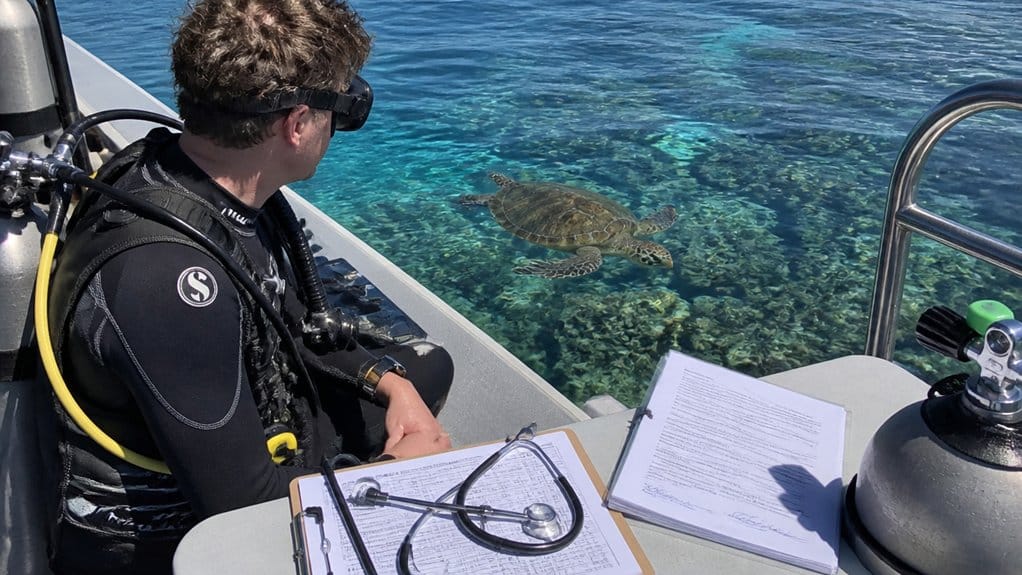
Because scuba starts with safety, this Oahu reef and sea turtle dive asks beginners to complete the medical and waiver forms before check-in. Your diver information and medical screening matters. If PADI flags medical conditions, you’ll need doctors consent. You must present the doctors consent at check-in, or the absence of required Medical clearance can end your dive and your refund options.
That rule protects you before you slip into the Incredibly Fun Coral Reef and hear bubbles crackle over the reef. The trip doesn’t recommend travelers with back problems or pregnant travelers. Late or incomplete forms can keep you out of the water. Also remember the refund policy: if you cancel within 24 hours of the scheduled local start time, you won’t get a refund, even if medical screening creates a last-minute snag.
Have a question about this guide?
Ask for tour ideas, hotel suggestions, or a simple trip plan that combines both.
Trip Helper
Morning vs Afternoon Oahu Dive
Often, choosing between the morning and afternoon Oahu dive comes down to your schedule, not your skill level. Both trips run about 3 to 4 hours, and both follow the same two Tank Shallow reef format from the boat, so you’re comparing timing, not challenge.
If you like an earlier start, the Morning option leans into early-water calm and that first-splash feeling. Morning departures also often benefit from cleaner visibility before wind chop builds. Waikiki mornings can also feel steadier before trade winds and afternoon chop become more noticeable. If sleeping in sounds better, the Afternoon trip gives you the same easy access to Oahu scuba diving and the same chance to spot Reef Giant Sea Turtles, also called green sea turtles. On Oahu, many of the best snorkeling spots are also chosen for calm, beginner-friendly water conditions. Both are labeled Most Popular and neither requires certification. You’re not choosing between turtles and the Sea Tiger wreck here. You’re simply picking the window that fits your day, your coffee, and your vacation pace best.
Wreck Dive or Shallow Reef?
You’ll want a wreck if dramatic structure pulls you in, with sites like Sea Tiger or San Pedro dropping to about 90 to 100+ feet on more advanced outings. You’ll want a shallow reef if you prefer easier 40 to 60 foot profiles, longer relaxed bottom time, and a good shot at watching turtles circle through cleaning stations like they own the place. Trade winds and strong sun can make sun and wind safety an important part of your pre-dive planning, especially on exposed boat decks. If you can’t choose, book a two-stop trip so you can compare both in one outing and match the day to your experience and goals. Before entering the water, follow swim smart habits by checking ocean conditions and knowing how to respond if marine life appears nearby. Even on easier reef dives, applying snorkel safely basics like checking conditions and staying aware of surge can help you make smarter in-water decisions.
Wreck Dive Highlights
A lot of Oahu scuba days give you a fun choice in spirit, even when the schedule includes both: drop onto a deep wreck first, then ease into a shallower reef. On a two-tank boat dive, you’ll usually hit wreck dive sites around 90 to 100 plus feet. The Sea Tiger Wreck stands out with big lines, open frames, and that eerie blue drop all around. Unlike Honolulu helicopter routes, these wreck sites trade broad aerial views for close, immersive structure and depth.
You descend fast, hear your bubbles sharpen, and watch the structure rise from the dark like a movie set. Some crews also visit San Pedro, another favorite among Oahu wreck dive sites. Many operators pair these dives with boat rentals in Honolulu options that make planning an island day on the water easier. Even if you’re dreaming of Sea turtles on a shallow coral reef later, the wreck earns its spot first. From Waikiki to the North Shore, it gives your morning a bold start and plenty of character. On the North Shore, Sharks Cove offers a very different dive experience, with shallower water and lava features like ledges, arches, and tubes.
Discover Scuba Two Tank Dive in Waikiki
NO Certification Needed!Discover Scuba Diving in Waikiki – Your Underwater Adventure Starts Here! Dive into the...
Waikiki Two Tank Guided Scuba Diving Adventure: Certified Diver
Small Groups of six or less led by our experienced PADI Dive Masters and Instructors, this exciting morning charter...
Certified Divers: Best 2-Tank Wrecks & Reef Boat Dive All Inclusive From Waikiki
What sets us apart: 1. Bespoke dive sites on Oahu 2. Unlike 98% of the snorkeling and diving tour operators in Hawai...
Shallow Reef Benefits
If your goal is longer, easier time in the water, shallow reefs make a strong case right away. You stay in the 40 to 60 foot range, which often feels more relaxed and gives you more bottom time on shallow reef boat dives. That means more chances to spot sea turtles, bright fish, and textured coral heads without rushing.
- You get a true Reef Boat outing with full gear.
- Two-tank trips usually fit a 3 to 4 hour plan.
- A small group often makes the pace feel easy.
- Coral Reef Giant Sea scenes mix coral, sand, and turtle habitat.
- You can enjoy rich marine life, even if you don’t have certification.
The water can feel calm, the reef looks busy, and your air lasts a little longer too. After your dive, a stop in Downtown Honolulu can add local favorites and a casual food break to the day. Even in easy-looking areas, checking currents and conditions before you enter helps you stay safe and enjoy the reef. On Oahu, some travelers also pair their dive day with a catamaran waterslide outing and lunch for a different kind of ocean adventure.
Choosing Your Dive
The choice comes down to what kind of underwater story you want to step into. If you want the best dive for drama, pick a wreck. Your first dive may drop to the Sea Tiger past 100 feet, with later visits to Yo-257 or San Pedro around 90. Steel hulls, blue water, and that quiet deep-ocean hush make it memorable.
If you’d rather stretch your bottom time and look for sea turtles, choose a shallow reef dive. These sites usually sit in the 40 to 60 foot range and often follow turtle cleaning routes. A reef two-tank boat dive fits many travelers well. Your trip should safety concerns first, though. Wreck and drift dives may require certification, advanced cards, or 12 to 15 logged dives before you board the boat.
Why Turtle Reef Dives Are Popular
Because you get calm, shallow reef conditions and a very good chance of seeing green sea turtles in the same outing, turtle reef dives have become a favorite on Oahu. In Hawaiian, manu means bird, a helpful word visitors may hear while learning about local nature and wildlife.
- You join Two Shallow Reef Dives in one smooth 3 to 4 hour diving trip.
- Your boat ride leads to cleaning reefs where sea turtles often glide right past divers.
- You don’t need scuba certification, so more travelers can try this easy reef adventure.
- Clear briefings and an easy process help you relax and watch the reef instead of worrying.
- Limited spots keep the water less crowded, though trip will be automatically cancelled and without refund if you ignore check-in rules.
Many visitors choose these outings because Oahu is known for sea turtle spots around its reefs and shoreline. Guided trips are often listed among the best turtle-watching tours on Oahu because they make wildlife viewing easier for visitors.
You hear fins swish, see coral textures below, and spend more time enjoying the reef.
Charter Size and Small-Boat Benefits
You’ll head out with six divers or fewer, so the boat feels calm, uncrowded, and focused on the coral reef and sea turtle sights instead of a long roster of people. Because the operator runs its own small boats and keeps the group compact, you get more personal briefings, closer attention, and a smoother pace once the fins hit the water. This setup can appeal to travelers who also look at a full-day North Shore outing for a different way to experience Oahu’s marine life. On Oahu, some travelers also pair marine outings with inland stops like the Dole Plantation for a fuller island day. This kind of setup appeals to travelers comparing options like an Oahu catamaran snorkel trip when they want a marine-focused experience with reliable turtle encounters. Space goes fast on charters like this, so if you want that quality-over-quantity setup, it’s smart to book ahead.
Small Charter Advantage
While bigger boats can feel like floating carpools, these charters cap each trip at six divers or fewer, so the whole dive feels calmer, more personal, and a lot less crowded. You get a focused diving trip on the operator’s own boats, with smoother logistics and a steadier trip departure time. For travelers planning more marine encounters, Oahu is also known for dolphin tours that pair well with a small-group ocean itinerary.
- Fewer people means more room to gear up comfortably.
- Reef runs stay efficient, with less shuffling between sites.
- Small groups suit sea turtles watching without crowding the water.
- A private charter works well for a Group Students or Party.
- Dive or Snorkeling Trips fill fast, so book early.
- Oahu also offers fishing charters for travelers who want to pair reef diving with another small-group ocean adventure.
That quality-over-quantity approach keeps the boat relaxed and the day practical. With fewer divers to manage, you spend less time waiting and more time enjoying Oahu’s coral reef scenery. Honolulu also has private yacht charters that are popular for groups and celebrations. Even the ocean feels less pushy out there.
Personalized Dive Experience
Since the charter caps each trip at six divers or less, the whole day feels more personal from the moment you check in. You aren’t squeezed onto a crowded deck. You get room to settle your gear, hear the briefing, and ask questions without shouting over fins clacking everywhere.
Because the crew runs its own boats, your personalized dive experience stays smooth from dock to descent. You get more hands-on help during setup and clearer safety briefings before the scheduled trip departure time. In the water, the team can group divers by comfort and conditions, then adjust pace, current planning, and bottom time. Space is limited, so reserve your dive schedules early. If you miss the boat, your trip will be automatically cancelled and without refund, and reschedule requests made less than 24 hours ahead won’t fly.
Oahu Dive Prices and Booking Options
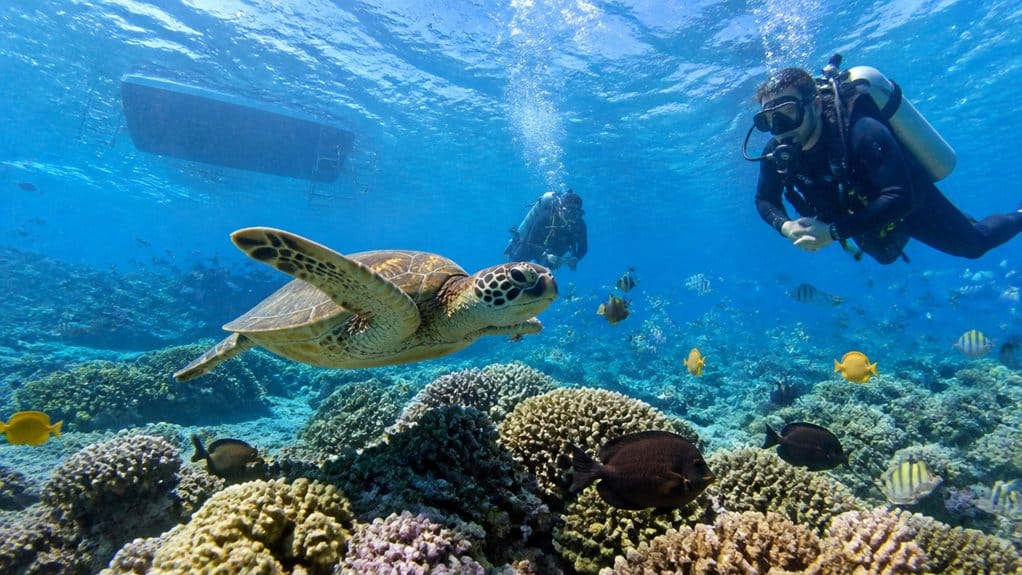
- Morning deep wreck and shallow reef
- Morning two shallow reef dives
- Afternoon two shallow reef dives
- Three Tank Dive Charter from $195
- Reserve now and pay later booking
Groups stay small at six divers or less, so the boat feels personal. When you book, refund is eligible with flexible timing noted during checkout.
Cancellation and Refund Rules
Before you lock in your spot, check the refund clock: you’ll get a full refund if you cancel at least 24 hours before the scheduled start time. If you cancel later than that, or try to change plans during check-in or on the boat, you won’t get a refund and they can’t accept changes. It’s also smart to handle your medical waiver early, because if clearance rules aren’t met before check-in, your refund options may get murky fast.
Full Refund Deadline
To lock in a full refund, cancel at least 24 hours before your scheduled departure time in local time.
That’s the full refund deadline, and it’s the cleanest way to keep your plans flexible before your Oahu boat dive. If you cancel Within 24 hours, at check-in time, or once the trip begins, you won’t qualify for a refund. Medical steps matter too, especially for beginners.
- Finish your medical form and waiver before check-in time.
- If you’re denied for safety reasons, there’s no refund or free rescheduling.
- Failing medical on arrival means you forfeit all refunds.
- Requests to change plans less than 24 hours out may not stick.
- Think of the 24-hour mark as your last calm harbor before the boat leaves the dock behind.
Private Waikiki 5 Hour Charter on board Ocean Therapy
Snorkel or SCUBA Dive Along the Waikiki Coast Up to 6 Guests | 5+ Hours | Certified Divers & Snorkelers WelcomeEsc...
2 Tank Private SCUBA Party Diving Charter from Waikiki Hawaii
Explore the waters off the coast of Oahu on a two tank dive, ideal for first-time divers. Board a private boat and h...
Mesmerizing Private SCUBA Diving Charter in Paradise from Waikiki
Your dive your way. Explore the waters off the coast of Oahu on a two tank dive, ideal for first-time divers. Board...
Late Changes And Denials
Even if your plans shift at the last minute, the dive shop keeps this part simple: changes made less than 24 hours before departure usually won’t be accepted, and cancellations inside that window don’t qualify for a refund. If you’re cancelled or denied within that period, including check-in or while the boat’s already humming offshore, expect no refund.
To stay flexible, require 24 hours advanced notice for any change or rescheduling due to personal plans. Safety rules matter too. If you’re denied within 24 hours because of paperwork, late medical clearance, or a failed medical on arrival, you likely won’t get free rescheduling. PADI forms and doctor’s approval, when needed, should be handled early. The crew also keeps the right to deny anyones participation for safety. If weather turns rough or minimum numbers fall short, you’ll get another date or refund.
Our Morning Oahu Dive Experience
While the island is still easing into the day, you’ll check in at the shop, get your gear sorted, and head out for a 4-hour morning boat dive built around coral reefs and giant sea turtle encounters. Your scheduled diving trip gets underway near 8:00am, so you’re well rested and ready for a real 2-tank Waikiki Dive.
- Captain-led briefing to ensure safety compliance
- Limited charter size for a calmer trip
- Full rental gear, water, and snacks included
- Site choices matched to wind, swell, and bottom time
- Relaxed reef drifting with frequent giant sea turtle sightings
You’ll hear the engines hum, feel the salt air, and watch Oahu brighten off the stern. The crew adjusts plans to conditions, keeping the experience personal, smooth, and quietly adventurous. Lunch waits until later, but the morning water does plenty.
Check-In and Gear Setup
Before the boat leaves the harbor, you’ll check in at the shop at your scheduled meeting time, rested and ready to dive. Please plan and reserve enough time prior to your scheduled arrival. If beginners need medical or waiver forms, finish them before check-in. Failed medical results on arrival can forfeit refunds. Also, minutes after the scheduled check-in, nobody wants lethargic or impaired decision making.
| Step | What you’ll do |
|---|---|
| Check-in | Confirm your reservation and forms |
| Gear setup | Get full rental equipment sized for you |
Please let us know if you have sizing questions or concerns. During setup, the staff fits your rental gear for the charter, from BCD to fins. You’ll hear tanks clink, feel salt in the air, and get set for boarding.
Safety Briefing and Boat Departure
You’ll want to arrive at the shop rested and ready by about 7:15 a.m., then move through check-in and gear sizing before the captain and crew walk you through the boat safety briefing. Around 8:00 a.m., you’ll head out after the group’s set, with the route, buddy groups, and first underwater plan confirmed on board. As the boat leaves the harbor, you’ll hear about the reef conditions too, from 10 to 15 knot northeast winds to 1 to 3 foot swells, maybe with a light rain shower and a quick double rainbow if Oahu feels theatrical.
Waikiki Two Tank Guided Scuba Diving Adventure: Certified Diver
Small Groups of six or less led by our experienced PADI Dive Masters and Instructors, this exciting morning charter...
Mesmerizing Private SCUBA Diving Charter in Paradise from Waikiki
Your dive your way. Explore the waters off the coast of Oahu on a two tank dive, ideal for first-time divers. Board...
Private Waikiki 5 Hour Charter on board Ocean Therapy
Snorkel or SCUBA Dive Along the Waikiki Coast Up to 6 Guests | 5+ Hours | Certified Divers & Snorkelers WelcomeEsc...
Boat Safety Briefing
Once everyone’s checked in at the shop and stepped aboard with gear ready, the captain gathers the group for a clear scuba safety briefing before the boat ever leaves the harbor. You’ll hear what to expect on this open-ocean trip, meet the PADI-certified team, and comply for safety advice as conditions are explained.
- Hawaii wind often blows 10 to 15 knots from the NE.
- Swells usually run about 1 to 3 feet that day.
- The captain outlines activities for any divers joining this tour.
- Operators reserve the right to turn away other divers after late check in beyond limits.
- After the briefing, you depart together for a two-tank plan.
As engines rumble, the crew points the boat toward reef and turtle sites, and your day shifts from dock talk to ocean timing.
Departure Check-In Process
Step into the dive shop early, well rested, and ready to move, because the morning runs on a clean island clock. You’ll check in before departure, confirm your reservation, and make sure your rental gear is set for boarding. If you’re a beginner, you’ll finish the medical/waiver paperwork first. Staff may review it carefully and keep the capacity to deny attending if a condition raises safety concerns.
Before the lines come off, the captain and crew give a live boat diving safety briefing. You’ll hear site plans, entry methods, and small operational details that matter once the ocean starts talking. Then everyone settles in, tanks clink softly, and the harbor light sharpens. The boat departs on time, often around 8:00am, after that earlier 7:15am shop arrival.
Weather and Water Conditions
On a typical Oahu morning, expect 10 to 15 knots of northeast wind and 1 to 3 foot swells, enough to put a mild to moderate chop on the boat ride out. You’ll feel boat rides mild-to-moderate surface chop while crew gauge site options.
Expect a mildly choppy ride out, with northeast trade winds and small swells shaping the morning’s site options.
- Typical pattern: 10–15 knots NE wind and 1–3 ft swells
- You’ll usually do open-ocean drift-style diving, so currents shape the route
- Visibility may sit near 50 feet or reach visibility up to ~100 ft
- Sea turtle–focused dives often include shallower ledges around 30 feet
- Light rain can pass quickly, but wind and swell still call the shots
That means you’re not just floating over one reef. You’re moving with the water, watching conditions, and adapting. Some mornings even bring a rainbow, which feels like Hawaii showing off a little.
Diving the Baby Barge Wreck
Those wind and current patterns shape where you go next, and the Baby Barge makes a smart pick when you want a long, easy reef run with plenty to look at. You’ll visit one of Oahu’s practical dive sites, a smaller 1980s wreck resting on a reef ledge that rewards extra bottom time diving.
The Baby Barge has broken apart over two decades, so you swim through changed beams, rocks, and artificial structure instead of one tidy hull. It’s not a thorough dive, averaging about 30 feet, with around 50 feet of visibility. Guides may separate divers into groups, then let the current carry you safely along. That can create additional opportunities to spot turtles at close range. If Fun Coral Reef Giant sounds playful, this run still feels calm, useful, and quietly memorable.
Drifting Turtle Canyons
If you’re ready for a dive that feels easy yet quietly rewarding, Drifting Turtle Canyons is a strong next move. You’ll settle into a drift style reef dive around 30 feet, with about 50 feet of visibility and a calm, steady glide that often stays protected from wind.
- You cruise close to the canyon contours.
- You get efficient, real bottom time.
- One standout run reached 67 minutes.
- Both groups often surface together after Baby Barge.
- Pickup can pause if a reel unspools.
That makes drifting turtle canyons feel smooth, underrated, and pleasantly practical. Booking terms matter too. Some operators offer free cancellation, but changes made less than 24 hours may incur in full booking charges, and crew retain the right to deny attending for safety or readiness concerns.
Turtles, Wrecks, and Reef Life
While the wrecks grab your attention first, the real charm of these Oahu boat dives is how neatly they pair big structure with lively reef time. You might start deep on the Sea Tiger Wreck or San Pedro Wreck, then shift to a brighter reef in the 40 to 60 foot range where turtles often steal the show.
That second dive is where the mood changes. You hover near a turtle cleaning station and watch reef fish fuss over shells like tiny valets. A Baby Barge drift dive adds cracked metal, ledges, and easy current so you can cover ground without kicking hard. Keep your eyes open during the ascent too. A Hawaiian stingray may glide past when safety comes into play, and an octopus might still win the photo battle there.
What Reviews Say About Reef Pirates
Coral, turtles, and wreck silhouettes may hook you first, but reviews often tell you what the day actually feels like once you step on the boat. You’ll see praise for an excellent safety record and a well-run operation that feels calm, not rushed. With over 2,100 five-star reviews, divers often mention a helpful crew, ready gear, and smooth briefings before fins hit the water.
- Friendly check-in and responsive communication
- Gear set up and tanks ready fast
- Private charters feel more tailored
- Safety advice will incur attention, not eye rolls
- Policies matter, so note refund or free rescheduling versus changes without refund or free rescheduling
Similar Oahu Dive and Turtle Tours
Because Oahu offers more than one way to meet turtles underwater, it helps to sort the tours by depth, timing, and who can join.
You can book turtle reef dives labeled No certification required and expect two shallow dives over about three to four hours. Many focus on green sea turtles during a calm reef and turtle route, with morning or afternoon departures. If you’re among Certified divers, a wreck and reef boat dive usually runs about four hours and may pair a 90 to 100 plus foot wreck with a second coral reef stop around 40 to 60 feet. Most trips include full gear, snacks, and water, but not lunch or tips. For a nondiving backup, compare Turtle Canyon snorkeling. Any diving trip should safety, fit, and timing first matter most.
Frequently Asked Questions
Can I Bring a Non-Diving Friend on the Boat?
Yes, you can bring a non-diving friend if space allows. They’ll enjoy boat seating, viewing areas, and onboard restrooms. Ask about snorkeling options, time onboard, and weight limits before booking to confirm availability for guests.
Are Underwater Photos or Gopro Rentals Available?
Yes, you can usually get underwater photos or GoPro rentals. Ask about marine photography rental options, underwater lighting, camera housing, and GoPro settings. You’ll also want details on photo sharing after your dive experience.
Where Should I Park Before Morning Check-In?
Park near the check in location and Arrive early to match the morning schedule. Use parking tips posted onsite, consider shuttle options if lots fill, and bring accepted payment methods in case nearby parking requires payment.
Are Snacks or Drinks Provided Between Dives?
Yes, you’ll usually get light snacks and drinks between dives; after all, forewarned is forearmed. You should still confirm Dive schedule timing, Weather condition updates, Safety briefing protocol, Marine etiquette tips, Gear rinse stations, Restroom availability onboat.
What Should I Do if I Get Seasick Easily?
If you get seasick easily, acclimate early, follow hydration tips, try sea bands usage and ginger remedies, consider medication options, and choose seating position mid-boat. You’ll feel steadier, reduce nausea, and enjoy diving more comfortably.
Conclusion
If you want an Oahu dive that feels almost unfairly easy to love, this one delivers. You’ll roll off a small boat, drop into warm blue water, and drift past coral heads while sea turtles circle like they own the island. The gear’s handled. Snacks and water wait topside. Depths stay friendly. Bottom time depends on air and conditions. It’s a smooth half-day plan with just enough adventure to make your regular morning look wildly boring.
Discover Scuba Two Tank Dive in Waikiki
NO Certification Needed!Discover Scuba Diving in Waikiki – Your Underwater Adventure Starts Here! Dive into the underwater world of the reefs off...
Waikiki Two Tank Guided Scuba Diving Adventure: Certified Diver
Small Groups of six or less led by our experienced PADI Dive Masters and Instructors, this exciting morning charter...
Private Waikiki 5 Hour Charter on board Ocean Therapy
Snorkel or SCUBA Dive Along the Waikiki Coast Up to 6 Guests | 5+ Hours | Certified Divers & Snorkelers WelcomeEsc...
Mesmerizing Private SCUBA Diving Charter in Paradise from Waikiki
Your dive your way. Explore the waters off the coast of Oahu on a two tank dive, ideal for first-time divers. Board...
Experiences to explore
 Explore experience ↗
Certified Divers: Best 2-Tank Wrecks & Reef Boat Dive All Inclusive From Waikiki
◷ 5 hr
What sets us apart: 1. Bespoke dive sites on Oahu 2. Unlike 98% of the snorkeling and diving tour operators in Hawaii, our crew are 100
From $89.00 USD
View dates Explore experience ↗
Waikiki Green Sea Turtle Snorkeling Tour - Boat Excursion
◷ 3 hr
Waikiki Turtle Canyon Snorkeling is an amazing way to experience Hawaii’s incredible marine life on Oahu’s south shore right in front o
From $129.99 USD
View dates Explore experience ↗
Certified Diver: 2-Tank Deep Wreck and Shallow Reef Dive Off Oahu
◷ 3 hr
The best wreck diving experience in Hawaiian waters! Join us on a guided tour of a beautiful wreck on the south shore of Oahu. As a cer
See dates for Current pricing
View dates