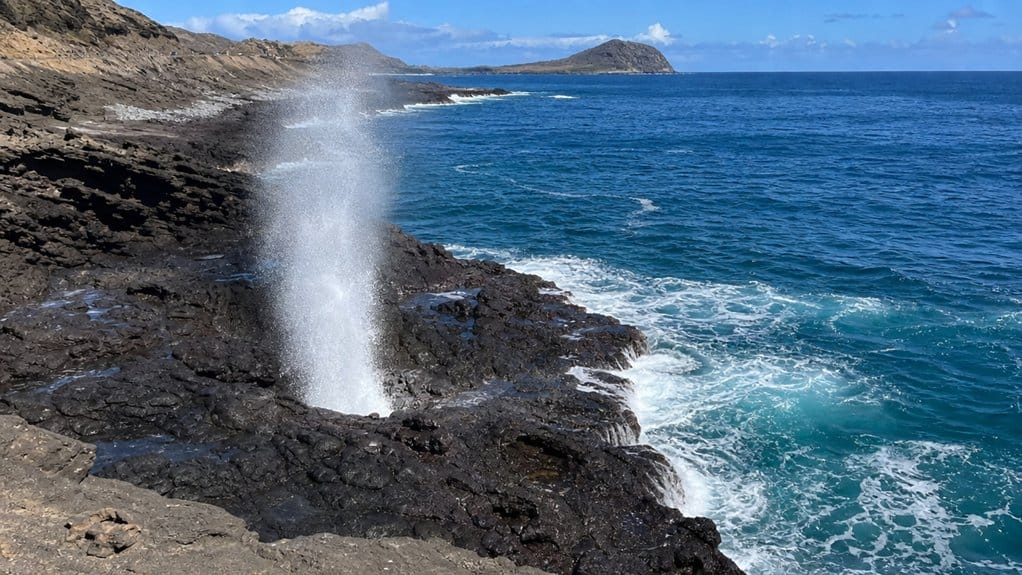
If you’ve heard a theory that Oahu’s blowhole hides in some remote corner, you can test it fast. You’ll find Halona Blowhole on the island’s southeast coast, about 12 miles east of Honolulu, between Hanauma Bay and Sandy Beach. Pull over at the lookout on Kalanianaʻole Highway near mile marker 15, then watch waves slam into black lava and send salt spray up through a sea-carved tube. And that’s only the first surprise.
Key Takeaways
- Oʻahu’s blowhole is the Halona Blowhole on the island’s southeastern coast.
- It sits between Hanauma Bay and Sandy Beach, about 12 miles east of Honolulu.
- The main viewing spot is Halona Blowhole Lookout along Kalanianaʻole Highway near mile marker 15.
- It overlooks the Pacific Ocean and Oʻahu’s rugged lava shoreline.
- Nearby Halona Cove lies beside the lookout, but viewing from the designated lookout is safest.

Half-Day Hiking Tour to Diamond Head and Makapuu Lighthouse
Experience two of Oahu’s most iconic hikes with Kaimana Tours.This self-guided adventure combines the Diamond Head Crater and Makapu‘u Point Tr...

Diamond Head Hiking Tour with Tickets and Shuttle Included
The Diamond Head Hike is a 3-hour round-trip adventure, including pick-up and drop-off from your Waikiki hotel. This...

Hike Koko Head's 1,048 Steps with Ms. Hawaii for Summit Views
Aloha Adventurers! Hike with Ms. Hawai'i 2025 on this steep but rewarding trail. Please note: while this hike isn’...

Koko Head Crater Hike and Halona Beach Cove Relaxation
Challenge yourselves with a rewarding hike up Koko Head Crater Trail, where stunning panoramic views of East Oahu aw...
Where Is Halona Blowhole on Oahu?
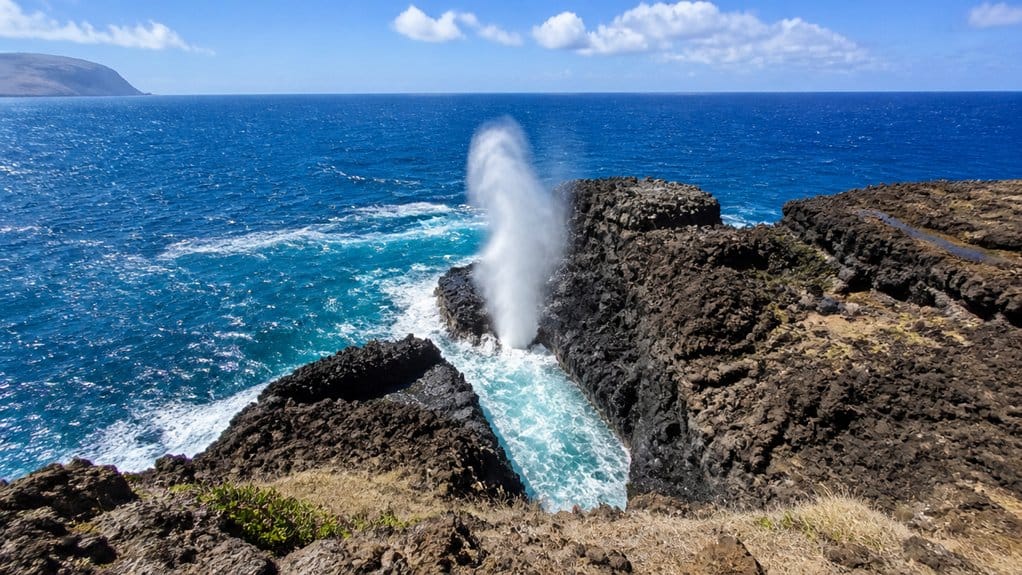
Where exactly is Halona Blowhole on Oahu? You’ll find Halona Blowhole on Oahu’s southeastern coast, between Hanauma Bay and Sandy Beach, about 12 miles east of Honolulu. It sits beside the Pacific Ocean, where waves hammer the lava shore and send spray through the famous opening. Many scenic Oahu packages include this stop because of its dramatic coastal views.
Your main vantage point is the Halona Blowhole lookout along Kalanianaʻole Highway near mile marker 15. From there, you can scan the rugged shoreline, hear the surf below, and spot Halona Cove tucked beside the viewpoint like a hidden sandy pocket. The area feels raw and windy, with salt in the air and dark rock under bright sun. A quick route can make reaching popular Oahu lookouts feel much easier. You’re looking at one of Oahu’s most dramatic roadside coastal scenes, especially when high tide and strong winds wake the blowhole up fully. Its location on the same southeastern shoreline as Hanauma Bay places it near one of the island’s best-known ocean recreation areas.
How Do You Get to Halona Blowhole?
Getting to Halona Blowhole is part of the fun, because the route itself shows off Oʻahu’s wild southeast coast. If you’re driving from Honolulu, take H1 east to Kalanianaʻole Highway, pass Hānaūma Bay and the Koko Head Shooting Complex, and continue toward the Halona lookout near mile marker 15.
The drive to Halona Blowhole turns the trip into a scenic cruise along Oʻahu’s rugged southeast shore.
- Ride bus 22 from Kūhiō Avenue in Waikīkī toward Sea Life Park, then walk or transfer to the lookout area.
- Join a southeast coast tour if you’d rather skip driving and still see the blowhole.
- Head for the viewing area by the small parking lot, since you don’t approach the blowhole itself.
Along the way, you’ll catch lava rock cliffs, bright water, and pounding surf. Parking can be limited at popular coastal stops, so arriving early helps if you’re also planning to visit Kailua Beach. It’s a short trip with big scenery and salty air too. If you continue farther along this coast, the Makapuʻu Lighthouse Trail is another popular scenic stop with shuttle and hiking access options. It also pairs well with a Diamond Head hike if you’re planning a scenic half-day on Oʻahu.
Where Do You Park at Halona Blowhole?
At Halona Blowhole, you’ll usually park in the small lot off Kalanianaʻole Highway near mile marker 15, right where the short walk to the lookout begins. It’s the main access point for the Blowhole lookout, and it keeps you in the safe viewing zone above the Pacific Ocean. Don’t try to edge closer to the waterline. The overlook exists for a reason.
If the lot is full, you can often use roadside curb parking nearby, especially during busy sunrise hours or strong surf days. Parking can feel tight, so patience helps. From this same area, you can also reach Halona Beach Cove by following the rocky cliffside access. If you like learning Oahu Place Names, this stop gives you two famous ones in one pullout, plus sea breeze too.
What Can You See at Halona Blowhole?
From the Halona Blowhole lookout, you can watch waves slam into an underwater lava tube and send seawater spraying up to about 30 feet in the air. You’ll also get wide views of the Pacific and Oʻahu’s rugged southeastern coastline, with mist and sea spray changing fast when the tide runs high and the wind picks up. If you want the clearest views and a more comfortable stop, aim for a smooth experience by visiting earlier in the day before crowds and stronger sun build. Just beside the lookout, Halona Cove adds a quieter scene with a small sandy beach and clear water that looks especially inviting when the surf behaves. Like other exposed Oʻahu shore spots, rocky conditions and changing surf can make the area less predictable than it first appears. Even from the lookout, it’s smart to keep sun safety in mind, since exposed coastal areas on Oʻahu can bring intense sun and strong wind.
Still comparing Makapuu Lighthouse And Koko Head?
Ask for tour ideas, hotel suggestions, or a simple trip plan that combines both.
Trip Helper
Blowhole Water Eruptions
When the surf lines up just right, Halona Blowhole puts on a quick, dramatic show. You’re watching the Pacific Ocean ram seawater through underwater lava and old lava tubes, then hurl it skyward like a rocky geyser. On a strong burst, spray can reach about 30 feet, followed by hissy mist and a salty splashy roar.
- Watch for the plume rising from the rock opening.
- Time your visit for high tide and windy conditions.
- Be patient if nothing happens right away.
The blowhole is most active when tide and wind work together, so timing matters. Even then, eruptions vary. You might get several bursts in a row, or a long pause that keeps everyone guessing. That unpredictability is part of the fun, even if the blowhole likes to keep you waiting.
Coastal Lookout Views
What do you see once you step up to the Halona Blowhole lookout? From this lookout point on the coast of Oahu, you get wide views of the Pacific, dark lava cliffs, and the restless channel below. On the right day, you’ll spot the blowhole itself blasting seawater and mist high into the air, sometimes reaching about 30 feet. It’s quick, loud, and worth waiting for.
Turn your gaze a little and you’ll also catch Halona Cove tucked beneath the cliffs. The water can look surprisingly calm compared with the open ocean beyond it. Scan the reef edges and nearshore water, and you may notice hints of marine life in the cove below. Like any stop along Oahu’s oceanfront, conditions can shift quickly, so plan the perfect visit by checking the weather and surf before you go. On a clear day, nearby routes like the Makapuu Lighthouse Trail also showcase sweeping coastal views along this side of Oahu. Even without binoculars, the whole scene feels dramatic, salty, and just a little wild in person. If you’re exploring more of Oahu’s shoreline, a stop at Pipeline Beach offers another famous coastal scene with a very different kind of ocean drama.
Halona Cove Scenery
Just below the lookout, Halona Cove adds a quieter scene to all that crashing water and spray. From the Halona Blowhole lookout, you can spot this small sandy pit tucked beside the shoreline, framed by rugged cliffs and wide ocean views over the Pacific Ocean.
To enjoy the scenery, watch for:
- calm water that sometimes invites swimmers to Cockroach Cove
- the reef coated with Sinularia Leather Coral beside the cove
- quick changes in surf, spray, and color as wind, waves, and tides shift
You might also notice how alive the reef looks, with marine creatures such as slugs, eels, corals, and echinoderms. Conditions can turn fast here, especially near high tide, so your view never stays exactly the same. That’s part of the fun, and the caution too.
When Does Halona Blowhole Erupt Best?
Usually, Halona Blowhole puts on its best show at high tide, when incoming waves drive seawater through the lava tube with more force. If you’re wondering when Halona (Oahu) Blowhole erupts best at high tide, that’s your main clue. The Ocean does the work, shoving water through jagged lava and sending spray upward.
You’ll usually see bigger bursts on windy days too, when rougher surf adds extra energy. On the right morning, the plume can leap about 30 feet, though each eruption changes with the conditions. That’s why timing matters. You might arrive, hear the surf booming below, and still get little action if the tide isn’t right. For many visitors, sunrise is a smart pick. You get softer light, fewer people, and a better chance of catching an active blowhole. Breezy conditions can also make a quick stop at nearby Nuuanu Pali Lookout especially memorable. If you’re pairing it with another scenic stop later, the best start window for Diamond Head is 6:00 am to 8:00 am. For the best color in the sky, aim for 10–20 minutes before sunrise, when pre-sunrise light is often at its strongest.
Is Halona Blowhole Safe to Visit?
Yes, you can safely visit Halona Blowhole from the lookout, and it’s free, but you’ll want to stay behind the barriers and read the warning signs. You shouldn’t go near the blowhole or the water’s edge, because waves can shift fast and the spray can shoot up about 30 feet with a sudden hiss and crash. Like snorkeling safely, visiting coastal spots on Oahu is safest when you stay alert to changing ocean conditions. Unlike the Haiku Stairs, Halona Blowhole is a legal attraction you can enjoy from its designated public viewpoint. If you’re tempted by the ocean, skip swimming here since the currents are strong, and save your water time for calmer nearby spots like Halona Cove. Before you go, check ocean alerts for unusual conditions or advisories that could affect safety at the lookout and nearby shoreline.
Lookout Safety
While Halona Blowhole is safe to visit from the designated lookout, it’s not a place to test your balance or luck. From here, you can enjoy this natural attraction with breathtaking views, salty air, and dramatic bursts of spray without edging into trouble. This beach nature stop rewards patience, not risky selfies.
- Stay behind barriers and warning signs, and keep back from the water’s edge.
- Watch from the lookout because rocks get slick from mist and spray.
- Expect sudden eruptions, especially at high tide or in strong wind, when water can shoot up about 30 feet.
Like following rules and alternatives at Oahu’s popular natural sites, the safest approach here is enjoying the view from designated areas instead of pushing closer. Halona Blowhole can shift from calm to forceful fast, so give it space. If you treat the viewpoint like your front-row seat, you’ll get the show and keep your footing too.
Ocean Hazards
From the lookout, Halona Blowhole feels easy to enjoy, but the ocean below it plays rough. You can safely watch this Natural wonder from the designated viewpoint, where the Pacific sends spray skyward. At high tide and in strong winds, Halona (Oahu) Blowhole can blast mist about 30 feet high. It looks thrilling. It isn’t a place to test your luck.
The water below hides serious ocean hazards. The Ka Iwi Channel drives dangerous currents here, so even calm-looking water can turn nasty fast. You shouldn’t climb near the rock edge, and you shouldn’t swim beside the blowhole. Sudden waves, sharp rocks, and strong pull make that a bad bargain. If you’re continuing your drive across the island, plan ahead for Pali Tunnel conditions and stay alert for changing wind and road conditions. Coastal areas elsewhere on Oʻahu, including routes with little shade, can also become risky when visitors underestimate heat and terrain. If you’re hoping for a dip, try nearby coves only when surf is calm, and obey barriers and local warnings always. Like the Kaena Point Hike, safe coastal outings on Oahu start with respecting marked access points and shoreline conditions.
What Is Halona Cove?
Tucked beside the Hālona Blowhole lookout, Hālona Cove is a small sandy pocket on Oʻahu’s southeast coast that feels like a hidden bonus stop. On the island of Oahu, this cove sits in the same scenic stretch as the Hālona Blowhole, with Hanauma Bay and Sandy Beach nearby. Locals sometimes call it Cockroach Cove, which sounds worse than it looks.
You’ll notice a compact beach, dark lava edges, and bright water backed by rugged cliffs. Beside the cove, the reef carries Sinularia Leather Coral, and you might spot small marine life nearby.
- Look for echinoderms, sea slugs, corals, and eels
- Expect a short stroll from the lookout area
- Bring curiosity and reef-safe manners
Hālona Cove feels intimate, scenic, and surprisingly wild for such an easy roadside stop.
Can You Swim at Halona Cove?
Yes, you can swim at Hālona Cove, but only when the ocean looks calm and settled. This small sand pit beside the lookout draws locals for swimming when the surf is gentle. Even then, you should stay alert. Conditions shift fast here, and the area near the blowhole has powerful currents. Like watching the Pipeline on Oahu’s North Shore, the safest approach is to observe ocean conditions carefully before getting in.
You shouldn’t swim near Hālona Blowhole itself. Stay back from the water’s edge, watch the warning signs, and use your judgment. Hālona Cove sits beside reefs coated with Sinularia Leather Coral, so you might spot eels, slugs, corals, and other small marine life in clear water. Wearing a rash guard adds sun protection and can reduce how much sunscreen you need in the water. The Blowhole was formed thousands of years ago, but that doesn’t make it tame. Save your curiosity about nearby attractions for later, and keep your focus on safety first.
What Else Is Near Halona Blowhole?
Around Hālona Blowhole, you’ve got more to explore than one dramatic burst of spray. Right beside the lookout, Halona Cove invites a closer look. Locals call it Cockroach Cove, which sounds worse than it is. When surf turns calm, you can watch swimmers slip into the small sand pit below the cliffs.
Beyond the blowhole, Halona Cove offers a quieter draw: a tucked-away sandy pocket beneath the cliffs.
- Scan the reef near Halona Cove for leather coral, eels, slugs, and other small marine life.
- Continue along Kalanianaole Highway toward Sandy Beach, Hanauma Bay, and the wider Koko Head coast.
- Bring binoculars in winter for possible whale sightings beyond Crater Arch and the rocky shoreline.
The Halona Blowhole fits easily into a full southeast Oahu day. You can pair it with Hanauma Bay, Koko Crater views, and beach stops without rushing too much at all. If you keep exploring Oahu after this stop, Laniakea Beach on the North Shore is another well-known place to spot sea turtles.
Frequently Asked Questions
Is There an Entrance Fee for Halona Blowhole?
No, you don’t pay an entrance fee for Halona Blowhole. Use parking tips, visit at the best visiting time early, explore nearby attractions like Sandy Beach, and follow safety recommendations by staying back from slippery edges.
Are Restrooms Available at Halona Blowhole?
Yes, you’ll find restrooms nearby; they’re a lifesaver after the road unfurls like a ribbon. For the best time to visit, use nearby parking tips, enjoy scenic viewpoints, and follow safety precautions around slippery rocks.
Can You Bring Pets to Halona Blowhole?
Yes, you can bring pets to Halona Blowhole, but you should leash them and watch hot surfaces. Visit during best visiting hours, review tour safety tips, check parking options, and explore nearby attractions afterward.
Is Halona Blowhole Wheelchair Accessible?
Yes, you can access Halona Blowhole’s lookout by wheelchair, though rugged edges rival Odysseus’s trials. You’ll find parking options nearby, enjoy nearby attractions, choose the best visiting time early, and follow safety precautions around cliffs.
How Much Time Should You Spend at Halona Blowhole?
You should spend 15–30 minutes at Halona Blowhole; Best visit timing is early morning. Follow Safety precautions, expect a short Viewpoint distance walk, and use limited Parking options, especially when crowds and surf intensify.
Conclusion
Now you know where Oahu’s blowhole waits, just 12 miles from Honolulu on that raw, wind-bright coast. You pull over, hear the surf thump through lava, and suddenly a 30-foot burst shoots skyward like the island exhaling. It feels a bit like catching a whale’s breath from shore. Stay on the lookout, wear sturdy shoes, and keep exploring. Halona Cove, Sandy Beach, and Hanauma Bay are all close, and each stop shifts the view.
Experiences to explore
 Explore experience ↗
Koko Head Crater Hike and Halona Beach Cove Relaxation
◷ 4 hr
Challenge yourselves with a rewarding hike up Koko Head Crater Trail, where stunning panoramic views of East Oahu await. After your hik
From $120.00 USD
View dates Explore experience ↗
Oahu Guided Circle Island Tour, Swim w/ Turtles, Dole, Blowhole
◷ 9 hr
In Hawaiian "No Ka 'Oi" means "the best". This is a full day island tour of Oahu, Hawaii. We'll bring to you to all the scenic lookouts
See dates for Current pricing
View dates Explore experience ↗
Private One way Airport Transfer Honolulu To Honolulu Airport
◷ 11 min
We understand the importance of ensuring a hassle-free transfer experience. Our private airport transfer service allows you just that.
See dates for Current pricing
View dates