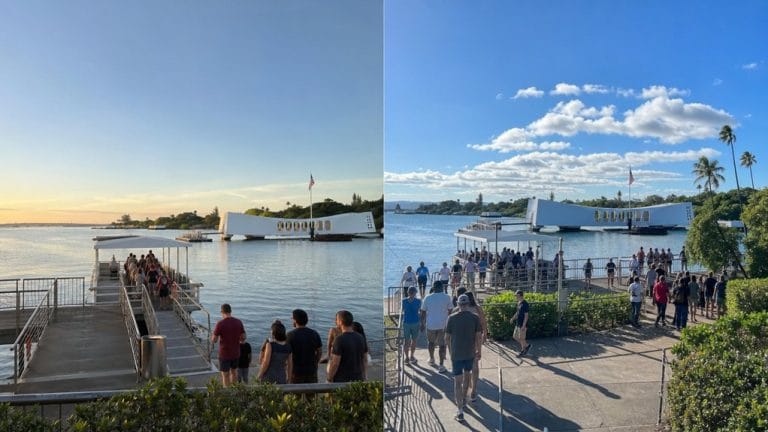
First time in Hawaii: Oʻahu
If it’s your first time in Hawaii, Oʻahu is the island that lets you do the most without doing the most. You can land in Honolulu, drop your bag, and be eating poke within an hour. The next morning might be a museum or a market, then an easy escape to a beach that actually looks like the postcards. The logistics are friendly. The payoff is immediate.

Oahu Grand Circle Island Experience from Waikiki
Enjoy Grand Circle Island experience tour with breathtaking views of Amelia Earhart Lookout on Diamond Head, admire Chinaman’s Hat in front of Kualo...

Oahu: Full or Half Day Grand Circle Island Tour
Choose from two exciting ways to experience Oahu's top attractions, scenic beauty, and local culture.Option 1: Dol...

Oahu: Grand Tour Around Island with Snorkeling
Come join on a circle island adventure led by some of Hawaii’s most knowledgeable local guides and experience brea...
Oʻahu has a city pulse, but it never feels far from salt air. One minute you’re in Kakaʻako scanning murals and coffee menus, the next you’re watching surfers walk barefoot across a parking lot like it’s normal office attire. This is the island for travelers who like choices and hate wasting daylight.
Oʻahu day trips that feel worth your time
The magic trick here is how quickly Honolulu turns into something else. You can loop the island in a day, but the better move is picking one direction and doing it properly.
- North Shore for shave ice, surf breaks, and the kind of golden-hour light that makes you stay out longer than planned
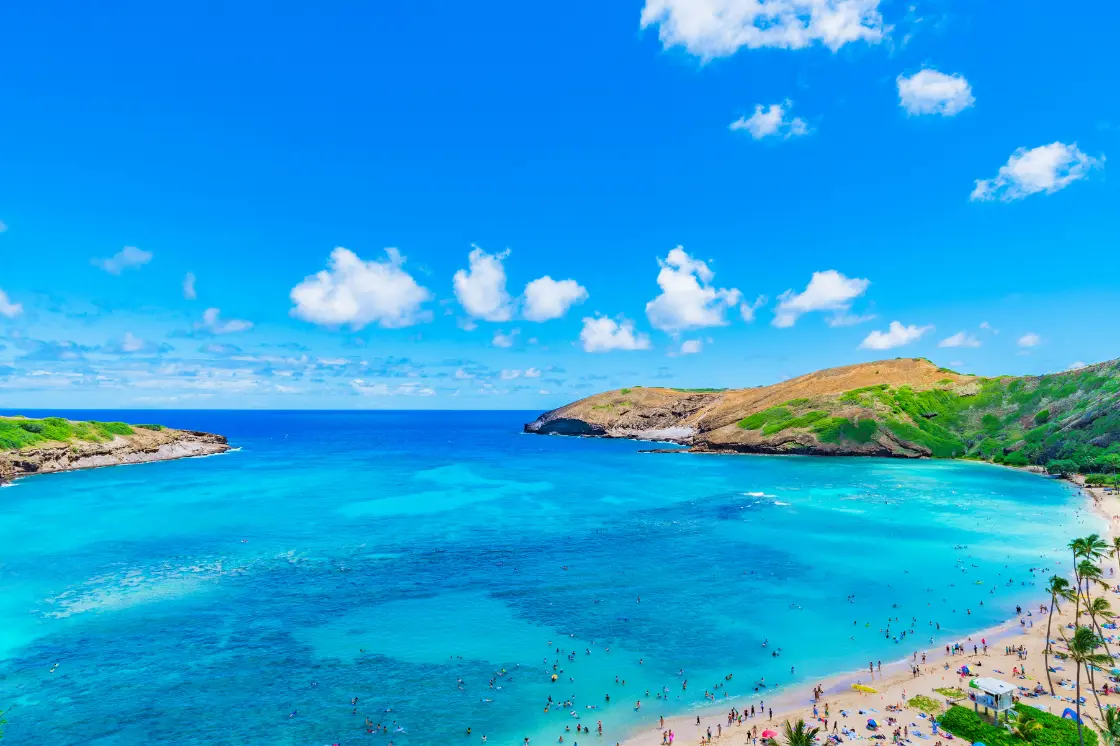
- Hanauma Bay for a half-day snorkel with calmer water when you go early
- Windward stops for short hikes, quick swims, and roadside fruit that ruins supermarket pineapple forever
If you want the convenience of not driving and not thinking, a few Honolulu excursions booked through Viator can be genuinely painless, especially when they include hotel pickup and keep the group small. A North Shore small-group circle island tour is a solid first-timer move, and Hanauma Bay snorkel outings often come with gear and timing that helps you beat the crowds. If you’re stacking plans, it’s also nice that many options show instant confirmation and free cancellation up to 24 hours before.
Quick first-timer tips I wish everyone knew
- Start early. Oʻahu rewards mornings, and the traffic punishes afternoons.
- Choose one “big” activity per day, then leave room for beach time and food.
- If Hanauma Bay is on your list, plan around reservations and arrive before the sun gets high.
- Honolulu is walkable in pockets, but a car or tour makes Oʻahu day trips smoother.
Kauaʻi is stunning, and it asks more of you. Oʻahu gives you Hawaii with momentum: city, coastline, culture, and spur-of-the-moment detours that turn into highlights. For a first visit, Oʻahu is the island that keeps your options open and your days full.
First Time in Hawaii: Oʻahu (Honolulu) vs Kauaʻi
For a first trip to Hawaii, Oʻahu is the island that makes everything feel doable. You can land in Honolulu, drop your bag, and be eating poke within an hour. The roads are straightforward, the neighborhoods are distinct, and when the weather shifts, you still have museums, food halls, and lanai-friendly bars to salvage the day without spiraling into “now what?”
Kauaʻi is the opposite energy. Beautiful, quieter, more nature-forward, and more likely to rearrange your plans with a sudden squall. If that sounds like your idea of a perfect week, lean in. If you want options and momentum, start on Oʻahu.
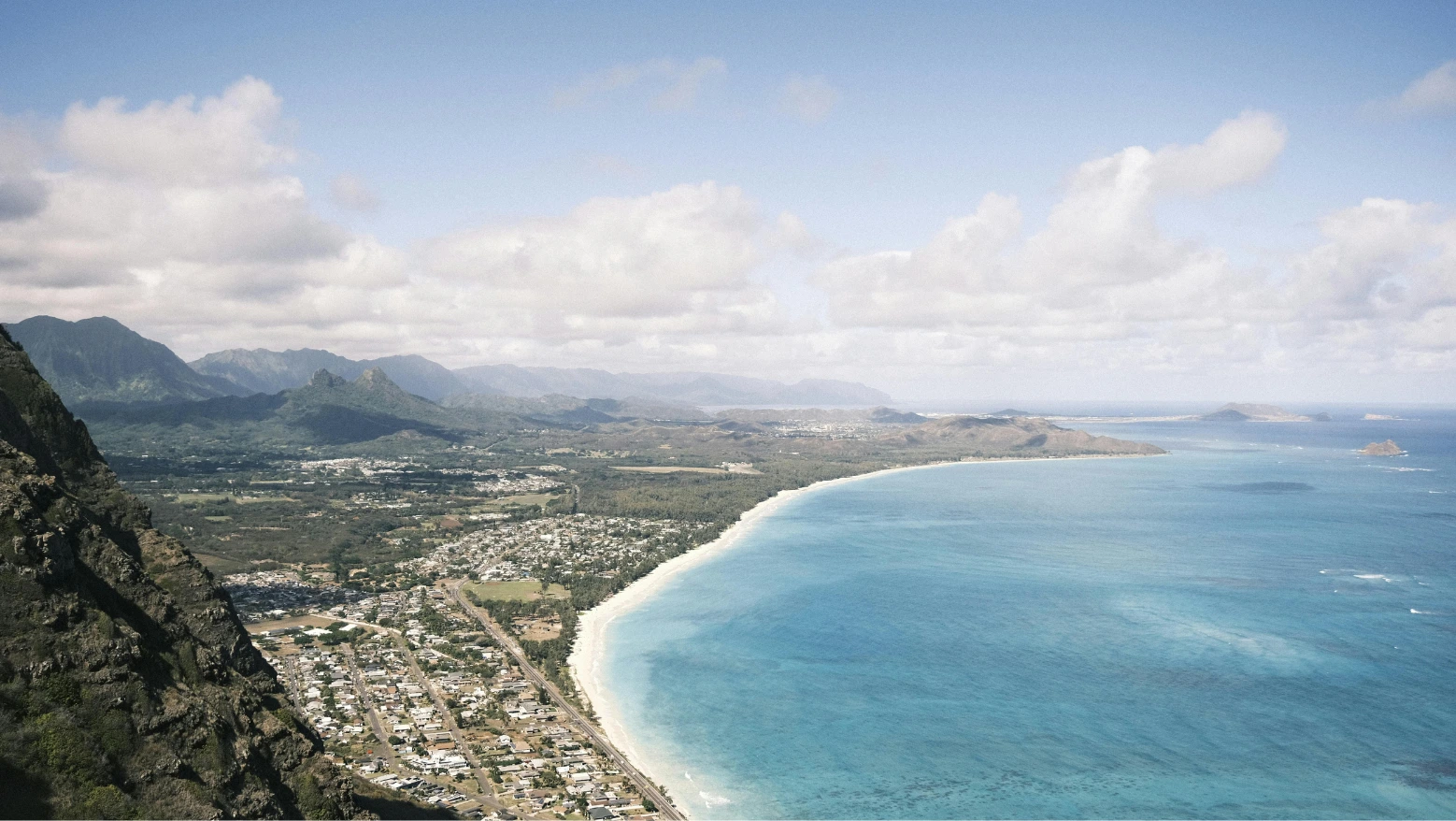
Choose Oʻahu for a first trip if you want Oʻahu day trips with easy logistics
Oʻahu is built for variety. Waikīkī is busy, yes, but it’s also convenient in the way first trips benefit from. You can swim, shop, hike, eat, and be back for sunset without a heroic amount of planning.
What Oʻahu does best
- Backup plans when weather changes: If the wind kicks up on the beach, you can pivot to Iolani Palace, Bishop Museum, a long lunch in Kakaʻako, or a spa day without losing the whole day.
- Beach variety without big drives: Calm swimming spots, surf breaks, and family-friendly sand all exist within a compact radius. Then the North Shore feels like a different island and it’s still an easy day.
- Short, structured hikes: Diamond Head is the classic for a reason. It’s efficient, well-marked, and the payoff hits fast.
Firsthand-sounding tip: If you’re staying in Waikīkī, skipping parking is one of the best “buy back your vacation” moves. Look for Honolulu excursions with Waikīkī pickup, especially on days you’re bouncing between stops.
A few Viator options that are genuinely convenient:
- North Shore small-group circle tours that include pickup. You get beaches, food stops, and viewpoints without playing rental-car Tetris.
- Pearl Harbor and Honolulu city highlights tours with a tight schedule and instant confirmation. Good for travelers who like their history organized.
- Snorkeling and coastal cruises where the operator handles gear and logistics. Verified reviews help separate the serious outfits from the chaotic ones.
Many of these tours also come with practical perks like free cancellation often up to 24 hours before, and sometimes reserve now, pay later when you want flexibility.

Oahu's Circle Island Tour Operated By Fil-Am Travel & Tours
Take a tour to explore the island of Oahu as you follow along the majestic coasts with the steep mountains at your s...
Oahu: Full or Half Day Grand Circle Island Tour
Choose from two exciting ways to experience Oahu's top attractions, scenic beauty, and local culture.Option 1: Dol...
Oahu Grand Circle Island Experience from Waikiki
Enjoy Grand Circle Island experience tour with breathtaking views of Amelia Earhart Lookout on Diamond Head, admire...
Choose Kauaʻi if you want slower days and nature-first plans
Kauaʻi is for early mornings, muddy shoes, and the kind of quiet that makes you realize how loud your life usually is. Towns are smaller, nights are darker, and amenities can feel sparse if you’re used to city convenience.
What Kauaʻi does best
- Wilder scenery: The scale is dramatic and it doesn’t feel curated.
- Weather-dependent adventure: Trails can turn slick quickly. Nā Pali Coast plans are more at the mercy of conditions, and you need patience built into the itinerary.
If your dream is hikes and coastline with fewer distractions, Kauaʻi delivers. If you want dependable variety day after day, Oʻahu wins the first-trip argument.
Practical tips that make Oʻahu smoother
- Book Hanauma Bay in advance. Reservations are real, and last-minute usually means disappointment. Go early for calmer water and better visibility.
- Plan one North Shore day. Even if you’re staying in Waikīkī, it’s the reset button: big horizon, shrimp trucks, slow beach time.
- Use pickup tours strategically. For peak-traffic days, a Waikīkī pickup tour can be the difference between seeing more and sitting in a parking lot.
- Keep your expectations honest about Waikīkī. It’s lively and convenient, not remote. Do a beach morning there, then earn your quiet elsewhere.
If you want your first Hawaii trip to feel straightforward, flexible, and full of easy wins, start in Honolulu on Oʻahu, stack a couple of smart Oʻahu day trips, and save Kauaʻi for when you’re ready to build your week around the weather.
Kauai vs Oahu for First-Time Visitors: My Take on What Fits
If you’re landing in Hawaiʻi for the first time, the Kauai vs Oahu decision comes down to what kind of trip rhythm you want, and how much variety you like in a single day.
Kauaʻi asks you to slow down. Towns feel small on purpose, dinner hours end early, and the good stuff happens in daylight: farmer’s markets, beach parks, and plate-lunch counters where the line moves at island speed. You plan around drive times, fewer late-night options, and businesses that close when they feel like it.
If you want a reset, Kauaʻi delivers.
Oʻahu is the island for people who want choices and momentum. Honolulu gives you neighborhoods to wander, museums and galleries, and a food scene that swings from no-frills poke to chef-driven tasting menus without the attitude. You can hop on TheBus, call a rideshare, or just walk Waikīkī when you feel like being in the mix.
Then you can disappear to a quiet beach 20 to 40 minutes later.
Kauai vs Oahu: Why Oʻahu Works So Well for a First Trip
Oʻahu is easy to love on day one because it’s forgiving. If the weather turns, you still have great indoor options. If you’re jet-lagged, you can keep it simple and still eat well.
If you’re ambitious, you can stack a sunrise hike, a swim, and a late dinner without the island shutting down on you.
A few firsthand-feeling tips that make Oʻahu click:
- Start early on the North Shore. You beat traffic and you get the best light for beaches and food trucks. Plan one of your Oahu day trips around it.
- Book Hanauma Bay in advance if you can. It’s regulated for a reason, and the calm water days are worth catching. Snorkel first, snack later.
- Use Honolulu as your base, not your entire itinerary. The best Honolulu excursions leave the city quickly, then bring you back for dinner.
- If you don’t want to drive, small-group tours can be genuinely convenient. On Viator, look for pickup options and verified reviews. A Circle Island tour that includes the North Shore is a low-stress way to see a lot in one day. A Hanauma Bay snorkeling outing can also be smoother with transport handled, and many listings offer instant confirmation and free cancellation often up to 24 hours before.
- Save one night for “city Oʻahu.” Think live music, late noodles, and a walk after dinner when the trade winds finally cool things off.
Kauaʻi can be the better pick if you want quiet evenings and nature to be the whole point. But if you want a first trip that mixes beaches, culture, and logistics that don’t fight you, the Kauai vs Oahu question usually lands on Oʻahu.
Still comparing Oahu First Time Transportation And Sightseeing Planning?
Ask for tour ideas, hotel suggestions, or a simple trip plan that combines both.
Trip Helper
Beaches, Hikes, and Views: Kauaʻi vs Oahu
Once you’ve settled the big personality question in the Kauaʻi vs Oahu debate, the real decision shows up under your feet: sand texture, trail vibes, and how quickly you want the scenery to punch you in the senses. I’m picky here. I want a beach day that feels easy, and a hike that earns the view without turning into a mud-wrestling match unless I signed up for that.
Kauaʻi is where you go for drama. The ocean looks wilder, the edges feel less manicured, and the green seems turned up a notch. Hanalei Bay is the kind of place you can spend an entire afternoon doing almost nothing and feel like you did it well. Poʻipū has those sunnier coves that make “quick swim” turn into “why leave?”
And then there’s Nā Pali, which still manages to look unreal even after you’ve seen it on a thousand screens.
Oʻahu is variety on tap, especially if you’re based in Honolulu. Waikīkī is convenient in a way that’s hard to dislike when you’re hungry, sun-tired, and want an ocean dip without planning your life around it. The North Shore is a different mood entirely, with winter surf that’s genuinely mesmerizing from the safety of the sand. And Diamond Head is the rare “famous hike” that actually delivers, especially early, when the air feels cooler and the crater shadows make everything look sharper.
Kauaʻi vs Oahu for beach days and hikes
Kauaʻi hikes feel like you’re signing up for weather, mud, and humility. The first miles of the Kalalau Trail have that jungle-quest energy, and the Waimea Canyon rim trails serve big views fast, with trade winds that can make you reach for a layer.
Oʻahu hikes are more plug-and-play. Diamond Head is short, structured, and satisfying. If you want to stack your day with multiple stops, Oʻahu makes that easy: a sunrise hike, a beach afternoon, and dinner somewhere with actual options.
If you’re looking to string together classic Honolulu excursions without renting a car, a few Viator options are genuinely convenient:
- A small-group North Shore circle island tour with hotel pickup is an efficient way to see surf beaches, shrimp trucks, and lookouts without spending the day navigating. Instant confirmation and verified reviews help sort the good operators from the sloppy ones.
- Hanauma Bay snorkeling tours can be useful if you want the gear handled and timing dialed in, especially when you’re trying to plan around reservations and crowds. Many listings include free cancellation up to 24 hours before.
- A Nā Pali Coast boat or snorkel day from Kauaʻi is one of the rare “worth the early wake-up” experiences, and small-group boats tend to feel less like a floating cafeteria.
Quick, opinionated tips that matter in real life:
- For Oʻahu beach time, arrive early at Hanauma Bay if it’s on your list. Midday can feel like everyone on the island had the same idea.
- For North Shore watching, winter swell is the show. Summer is prettier for swimming.
- For Kauaʻi trails, assume your shoes will get dirty and your plans will shift with the weather.
Neither island is the place for dramatic, active volcano viewing. If nightlife and post-beach energy matter, Oʻahu wins by a mile. If you want quiet roads, cliffy coastlines, and hikes that feel a little untamed, Kauaʻi takes it. That’s the heart of the Kauaʻi vs Oahu choice.
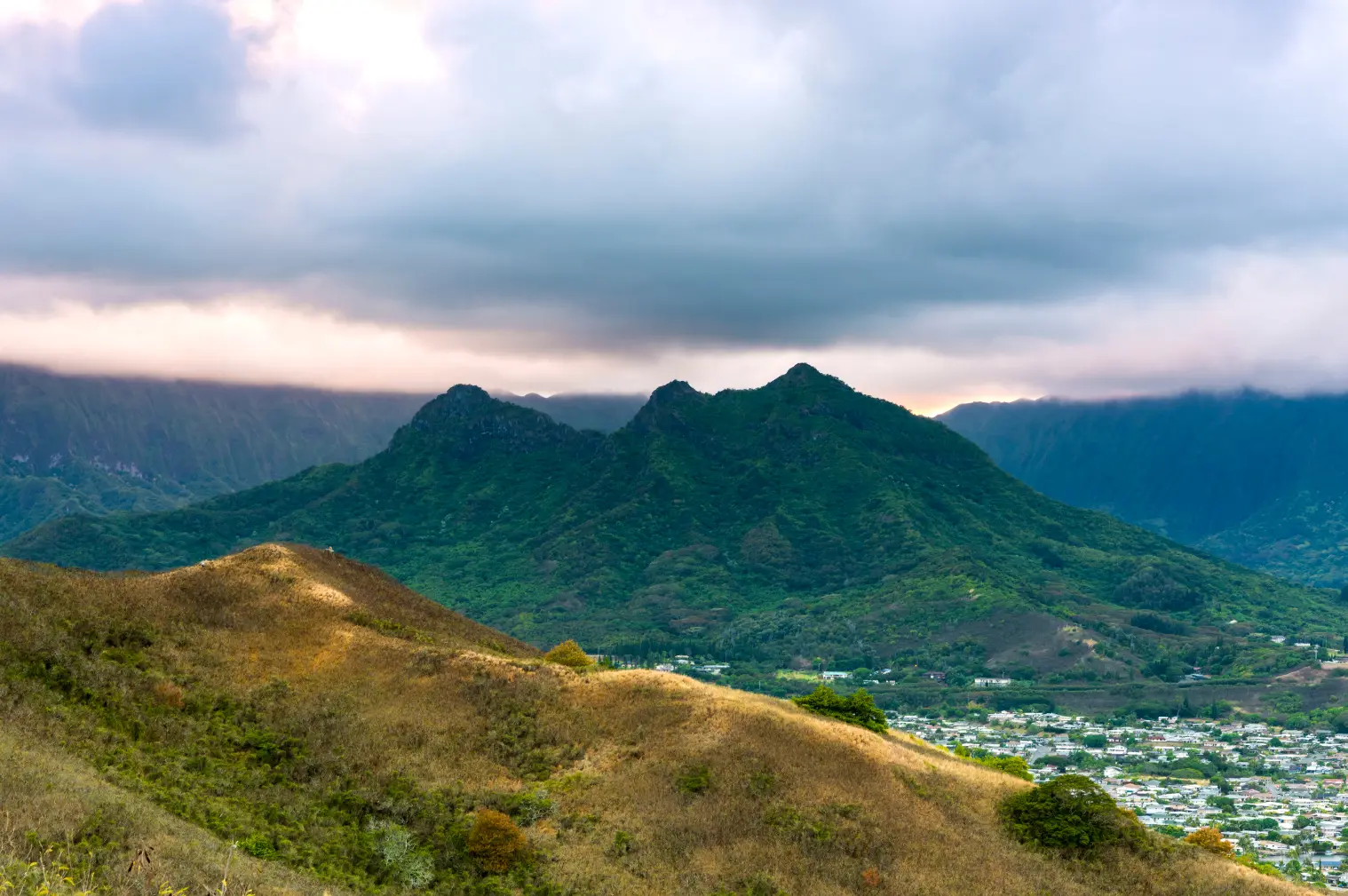

Oahu: Roundtrip Shuttle From Waikiki to Dole Plantation & Haleiwa
Skip Circle Island and visit two of the most popular places to visit here on the Island of Oahu. Experience a unique...
Oahu Grand Circle Island Experience from Waikiki
Enjoy Grand Circle Island experience tour with breathtaking views of Amelia Earhart Lookout on Diamond Head, admire...
Oahu: Full or Half Day Grand Circle Island Tour
Choose from two exciting ways to experience Oahu's top attractions, scenic beauty, and local culture.Option 1: Dol...
Where to Stay on Oʻahu: Honolulu Neighborhoods, Beach Days, and Easy Escapes
On Oʻahu, your lodging choice sets the rhythm. Stay in Waikīkī if you like rolling from a sunrise swim to poke bowls and people watching, with the bonus of being close to the city’s best museums, bars, and many Honolulu excursions that start with hotel pickup.
Head to the North Shore when you want space, earlier dinners, and the kind of quiet where you can actually hear the palms move. It also makes a clean base for Oahu day trips up the coast, especially if you’re chasing surf breaks or sunrise walks.
For a more local, lived-in Honolulu feel, look around Kaimukī for smart little eateries and low-key evenings, or Kailua for bikeable beach days and breezy neighborhoods.
If you’re watching your wallet, Oʻahu has a handful of solid hostels that are social without being chaotic. They’re especially handy if you’re booking one-off outings like a small-group circle island tour from Honolulu via Viator, or a Hanauma Bay snorkeling option that handles reservations and pickup.
A few tours also come with instant confirmation, verified reviews, and free cancellation often up to 24 hours before, which takes the stress out of planning.
Tips for choosing the right base:
- Waikīkī for walkability, dining, and quick beach access
- Kaimukī for food, cafes, and a calmer home base near Honolulu
- Kailua for a mellow beach town feel with easy day-to-day logistics
- North Shore for quiet nights and quicker access to coastal adventures
- If tours are on your list, pick a spot that makes hotel pickup simple for Honolulu excursions and Oahu day trips
Near the end of your planning, circle back to where to stay on Oʻahu and match it to your must-dos, whether that’s a North Shore loop, a Hanauma Bay morning, or a Viator small-group day that keeps the logistics painless.
Costs and Getting Around on Oahu: Honolulu to the North Shore Without the Headaches
Your home base sets the mood, but on Oahu it’s transportation that decides whether your trip feels breezy or like a string of U-turns on H-1. Honolulu can be surprisingly workable without a car if you stay in Waikīkī or Kakaʻako and don’t mind mixing TheBus with short rideshares.
The moment you start stacking Oahu day trips, though, a rental car or a well-timed tour becomes the difference between “we made it” and “we gave up.”
Oahu costs: what quietly adds up
Honolulu pricing has range, but the little fees are sneaky, especially around Waikīkī.
- Parking: Waikīkī hotels often charge nightly. Beach parks can have paid lots too, especially near the busiest sand.
- Rideshares: Great for dinner in Kaimukī or a late-night return from Chinatown, less great for long hauls when surge pricing hits.
- Gas and traffic: Distances are short, but traffic is slow. A 12-mile hop can feel like a commitment.
- Food: Groceries are manageable if you shop smart, but resort areas mark things up. I like doing one “real” grocery run outside Waikīkī.
Getting around Oahu: choose your wheels for the trip you actually want
If your plans are Honolulu focused, TheBus is legitimate. It isn’t glamorous, but it works, and you’ll save real money.
If you want sunrise on the North Shore or a long beach day without clock-watching, get the car.
- No-car sweet spot: Waikīkī, Ala Moana, Downtown, Kakaʻako, Diamond Head area with a mix of walking, TheBus, and rideshares.
- Car makes sense for: North Shore food crawls, multiple stops along the windward coast, and anything that starts early and ends late.
- Book early: Rental inventory tightens fast in peak weeks, and prices climb with it.
- Mind the pickup lines: Airport counters can bottleneck. Build that into your arrival day plan.
When a tour is the smarter “transport plan”
Some Honolulu excursions are simply easier as pickup-based outings, especially if you hate parking drama or want a designated driver.
- A small-group North Shore circle tour with Waikīkī pickup can be a clean way to cover a lot in one day. On Viator, look for options with hotel pickup, instant confirmation, and verified reviews.
- If Hanauma Bay is on your list, a Hanauma Bay snorkel shuttle or guided snorkel tour can simplify timing and logistics. Many listings include reserve now pay later and free cancellation up to about 24 hours before, which is handy when the ocean has other ideas.
- For a more structured day, a Pearl Harbor and Honolulu city highlights small-group option can spare you the parking and routing decisions, especially if you want to focus on the sites instead of the schedule.
Quick tips that save money and friction
- Plan your Waikīkī parking strategy before you book your hotel, not after.
- Use TheBus for beach hops when you’re staying local, then save rideshare for night returns.
- Stack your driving: do one full “loop day” rather than a bunch of half-days with repeated traffic.
- Keep a buffer for anything involving the North Shore. The drive is easy, the congestion is not.
If you hate driving, Oahu rewards you with workable transit and walkable neighborhoods.
If you want maximum freedom for Oahu day trips, North Shore eats, and a smooth Hanauma Bay morning, paying for a car or a well-planned Viator pickup tour is often the most relaxed way to do Oahu.
Frequently Asked Questions
Best Time of Year to Visit Oahu (and Kauaʻi)
If you’re planning around the best time of year to visit Oahu, I’d aim for the shoulder seasons: April through June, and September through mid-December. You still get the bright, salt-in-the-air mornings that make Honolulu feel effortless, but without the full-throttle peak-season crush. Kauaʻi follows a similar rhythm, though it can feel wetter faster, especially on the north shore.
Why shoulder season wins on Oahu
These months hit the sweet spot for weather, water time, and breathing room.
- More space at Hanauma Bay: Calmer conditions are more common, and it’s easier to plan around closures and entry logistics. If snorkeling is a priority, book early and go morning.
- North Shore is watchable, not wild: In fall, surf starts to wake up, but you are not dealing with the winter-scale chaos that can make some beaches strictly for spectators.
- Better value in Honolulu: Hotels loosen up, restaurant reservations are less of a sport, and you can actually get a decent table without stalking OpenTable at 6:00 a.m.
Peaks and pitfalls to plan around
Summer and winter are the obvious spikes. Summer brings families and higher prices. Winter brings swell, whales offshore, and a lot of demand for everything.
Rain is the quieter spoiler. Oahu’s showers are often quick, but they can stack up in winter. Kauaʻi is lusher and moodier year-round, with heavier rain patterns on the north and interior. If you hate getting rained on, pick late spring or early fall and keep your day plans flexible.
Festivals and small timing hacks
If you like your trip with a little extra texture, scan the event calendar before you book. Oahu has plenty of weeknight street food, local music, and neighborhood celebrations that are easy to miss if you only think in “beach day” blocks.
Practical tips that save you time:
- Book popular reservations for Hanauma Bay and top restaurants as soon as your dates are firm.
- Start early. Oahu mornings are quieter, cooler, and prettier.
- Build in one “weather swap” day for rainier hours: museums, Chinatown eating, or a mellow spa reset in Waikīkī.
Easy add-ons: Oahu day trips and Honolulu excursions
If you want to see more than Waikīkī without driving every mile yourself, a few Viator options can be genuinely convenient, especially with hotel pickup and small-group pacing. Look for tours with instant confirmation, verified reviews, and free cancellation often up to 24 hours before.
Good, low-friction picks:
- North Shore small-group circle island tour from Honolulu (often includes pickup and stops for food trucks and viewpoints).
- Pearl Harbor and Honolulu city highlights tour, useful if you want the history without parking logistics.
- Snorkel-focused outings if Hanauma Bay timing does not work out, with operators that handle gear and transit.
Near the end of your planning, if you’re still choosing dates, come back to the core rule: the best time of year to visit Oahu is usually shoulder season, when the island feels less booked-up and more like a place you can actually sink into.
Do I Need Travel Insurance for a First Trip to Hawaii?
For a first trip to Hawaiʻi, travel insurance is not required, but it is the one grown-up purchase I never regret. Honolulu makes it easy to feel invincible. Then a winter swell bumps your interisland flight, your rental car gets a mysterious new scratch in a Waikīkī garage, or you slip on a wet Manoa trail ten minutes after saying “it’s just a short hike.”
If you are stacking Oʻahu day trips, Honolulu excursions, and a couple of reservations you really do not want to eat the cost of, travel insurance starts to look less like paranoia and more like a practical line item.
Travel insurance for a first trip to Hawaii: what it actually helps with on Oʻahu
Oʻahu is busy, weather-flexible, and surprisingly easy to overbook. The best policies cover the annoying, expensive stuff:
- Trip cancellation and interruption: illness, family emergencies, and other covered reasons that force you to bail.
- Trip delay: meals, a hotel night, and essentials when flights shuffle around.
- Medical and emergency evacuation: you hope you will not need it, but urgent care in Hawaiʻi is not cheap.
- Baggage delay: because buying a fresh set of swimwear in Waikīkī is fun only once.
Think about your itinerary. A sunrise plan on the North Shore, snorkel time at Hanauma Bay, and a luau the same week means you are juggling time slots and cancellation windows.
If you book experiences through Viator, check the tour terms too. Many small-group options include pickup convenience from Honolulu or Waikīkī, and you will often see instant confirmation and free cancellation up to 24 hours before. That can reduce your risk before insurance even enters the chat. A few that tend to pair well with a first-timer itinerary:
- A North Shore small-group circle island tour with pickup, useful when you want to sample shrimp trucks and beaches without driving.
- A Hanauma Bay snorkeling shuttle and lookout stop, helpful if you want someone else to deal with parking and timing.
- A Pearl Harbor and Honolulu city highlights tour, a solid history day that is easier with logistics handled, especially with verified reviews to sanity-check expectations.
What to look for in a policy (so it does not disappoint later)
Insurance is only comforting when it pays out. Read the exclusions before you buy.
- Primary vs. secondary medical coverage: primary is simpler at the clinic.
- Adventure and water activities: if you plan to surf lessons, scuba, or anything beyond casual snorkeling, confirm it is covered.
- Pre-existing condition waiver: time-sensitive, often requires buying soon after your first trip payment.
- Cancel For Any Reason (CFAR): pricier, partial reimbursement, but useful if you are anxious about committing to nonrefundable bookings.
- Hurricane and weather language: Hawaiʻi is generally stable, but winter storms and big surf can still disrupt plans.
A few Oʻahu-specific tips I wish more people followed
- Match coverage to what you have already prepaid, not the fantasy version of your trip.
- Screenshot confirmations and keep receipts for delays, taxis, and last-minute hotel nights.
- Know your credit card benefits, but do not assume they cover medical or evacuation.
- Mind slippery trails after rain. The mud on popular hikes is not cute when you land wrong.
You can absolutely do a first trip without it. Still, when your Honolulu week includes booked Honolulu excursions, a North Shore day, and a couple of time-sensitive reservations, travel insurance for a first trip to Hawaii is the boring little backstop that keeps a great trip from turning into an expensive story.
Is It Customary to Tip in Hawaii, and How Much?
Yes, tipping in Hawaiʻi is customary, especially in Honolulu where so much of the workforce is in hospitality. It is not “mainland behavior” so much as a simple way to respect the people making your Oʻahu day trips, beach days, and late dinners run smoothly.
If you are bouncing between Honolulu excursions, the North Shore, and Hanauma Bay, keep a little cash handy. It makes the small moments easier: a quick tip for a wet snorkel set, a couple bucks for a bag, a thank you for someone who actually hustled.
Tipping in Hawaii: quick guide for Honolulu and Oʻahu
Restaurants and bars
- 15 to 20% for sit-down meals, more if service is genuinely great.
- Check the bill for service charge (common with larger parties and in Waikīkī). If it is included, many people still leave a little extra, 5% or so, when staff went above and beyond.
- $1 to $2 per drink at the bar, $2 if it is a cocktail that takes work.
Hotels
- Bell staff: $2 to $5 per bag depending on the haul and the distance.
- Housekeeping: $3 to $5 per day, left daily (not just at the end).
- Valet: $3 to $5 when you get the car back.
Tours and activities
- For guides on small-group days, $5 to $20 per person is typical, scaled to the length and effort.
- If you book a Viator small-group North Shore loop or a Hanauma Bay snorkel outing with pickup, you will often see tipping guidance in the confirmation notes. Those trips usually run on tight timing, and a solid guide earns it when they keep the day moving.
Rides and deliveries
- Rideshare and taxis: 10 to 20%.
- Food delivery: 15 to 20%, more for big orders or hotel drop-offs.
A few real-world Honolulu tipping habits
- Cash is still king for quick tips. I keep a small stack of ones and fives in my day bag, especially on beach days.
- Waikīkī is busy and service charges are common. Scan the receipt before you double-tip by accident.
- For paid experiences, especially those booked through Viator with instant confirmation, verified reviews, and often free cancellation up to 24 hours before, tipping is your way of rewarding the human part that no booking platform can guarantee.
Near the end of your trip, after a sunburn-free day at Hanauma Bay or a breezy North Shore loop, you will be glad you treated tipping in Hawaiʻi like part of the plan, not an awkward afterthought.
Which Island Has Better Snorkeling for Beginners? Oʻahu, hands down
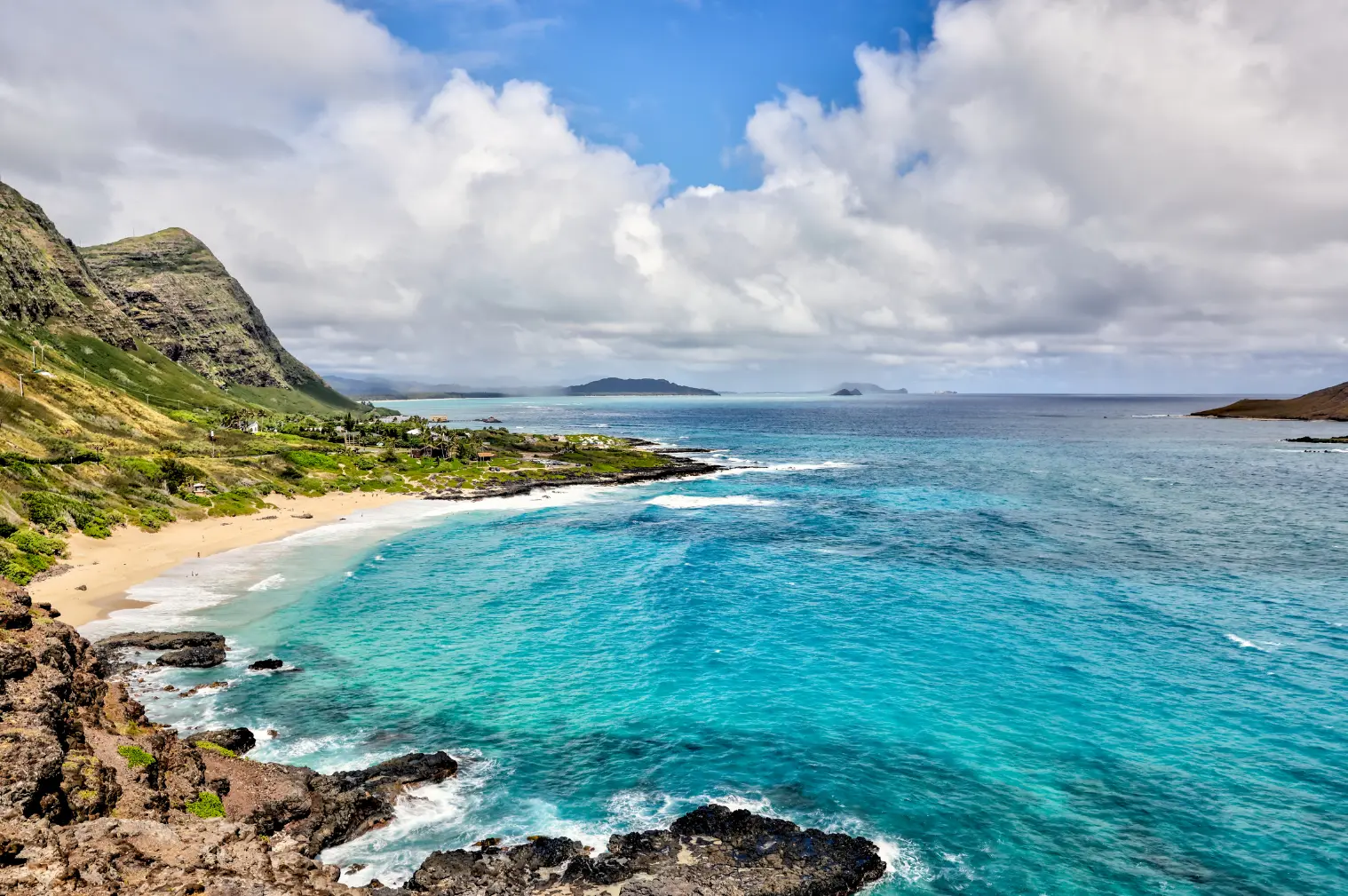
For which island has better snorkeling for beginners, I’d put my money on Oʻahu. Not because it’s “easier” in a vague way, but because you can actually stack the odds in your favor: protected coves, straightforward shore entries, lifeguards, and plenty of Honolulu excursions that get you in the water without a lot of guesswork.
Why Oʻahu wins for beginner snorkeling
Hanauma Bay is the headline for a reason. The water often stays glassy in the morning, the reef is close enough that you’re not kicking forever, and the setup feels organized. Park, walk down, slip in. If you’re new, that structure matters.
If you’d rather skip the logistics, a few Viator options make the day smoother, especially if you’re staying in Waikīkī:
- Small group Hanauma Bay snorkeling tour with hotel pickup: convenient when you don’t want to drive or figure out parking. Many listings include instant confirmation and verified reviews, which helps when you’re choosing a first snorkel day.
- Hanauma Bay and city highlights combo: a tidy way to tack on a little sightseeing without turning it into a marathon.
- Beginner-friendly snorkel lessons on Oʻahu: worth it if you want someone to fit your mask properly and coach breathing, instead of learning by swallowing half the Pacific.
Many of these tours also offer free cancellation (often up to 24 hours before) and reserve now, pay later, which is useful when trade winds decide to rearrange your plans.
Firsthand-style tips that make the difference
- Go early. Mornings are calmer and clearer, before the afternoon breeze ruffles the surface.
- Take your time fitting your mask. A good seal beats fancy gear every time.
- Practice floating first in shallow water. Slow breathing equals longer, happier swims.
- Reef rules are real. Stay off coral, keep fins up, and give honu and fish space.
- Use reef-safe sunscreen and still cover up with a rash guard if you can. Less slick skin, less stinging eyes.
If you’re building in Oʻahu day trips, you can pair snorkeling with an easy North Shore cruise-by for food trucks and beach time. Just keep the snorkel session earlier in the day and save the driving for later.
Near the end of your planning, circle back to the core question: which island has better snorkeling for beginners. For calm access, lifeguarded beaches, and a simple learning curve, Oʻahu, especially Hanauma Bay, keeps it friendly and doable.
Honolulu cultural etiquette for first-time visitors
Honolulu etiquette is mostly about awareness. You are sharing beaches, trails, and neighborhoods that locals use every day, plus places that are genuinely sacred. Act like you were invited, because in a lot of ways, you were.
- Keep voices low at heiau (temples), in valleys, and at lookout points where people may be praying or leaving hoʻokupu (offerings). If you see ti leaves, lei, or stones carefully placed, don’t move them for a “clean” photo.
- Ask before photographing people, especially cultural practitioners. A quick “May I?” goes a long way.
- Remove shoes when entering someone’s home, and follow the host’s lead if you’re invited to a backyard gathering or baby lūʻau. Bring something small, even fruit or dessert from a local bakery.
- Don’t touch turtles (honu) or monk seals, even if they look relaxed on the sand. Give them space and let wildlife officers do their job.
- Reef rules matter: use reef-safe sunscreen, don’t stand on coral, and don’t feed fish. At Hanauma Bay, the best etiquette is slowing down and treating it like a living aquarium, not a splash park.
- Drive with aloha: let people merge, don’t block crosswalks, and don’t park in ways that trap residents. On the North Shore, never stop in the road for a wave shot. Pull off safely or keep going.
- Tip fairly in restaurants, bars, and for tour crews. Service work is real work here, and Honolulu is not cheap.
- Leave beaches cleaner than you found them. If you pack in snacks, pack out the wrappers. Cigarette butts count.
If you’re doing Oʻahu day trips and want fewer logistics, a small-group Honolulu excursions tour with pickup can keep things smooth, especially for early North Shore stops or a Hanauma Bay snorkel morning. Viator listings often show verified reviews, instant confirmation, and free cancellation up to 24 hours before, which helps if the weather shifts. The main thing: wherever you book, practice Honolulu cultural etiquette like it’s part of the itinerary, because it is.
Conclusion
First Time in Hawaii: Oahu (Honolulu) or Kauai?
If it’s your first Hawaiʻi trip, the choice comes down to how much friction you want. Oʻahu, especially Honolulu, is the easy on-ramp: you can land, drop your bag in Waikīkī, and be eating poke within an hour. Buses run, sidewalks exist, and when a squall hits you can duck into the Bishop Museum, Iolani Palace, or a good ramen shop without losing the day.
Kauaʻi is the opposite in the best way. Nights get quiet fast. Roads narrow. Plans bend around weather, especially on the Nā Pali side. You go for the green drama and you accept that “maybe tomorrow” is a real itinerary tool.
Choose Oʻahu if you want variety without working for it
Honolulu has the mix that makes a first trip feel full: beach time, city energy, history, and food that’s actually worth planning around. Waikīkī is convenient and busy, yes, but it’s also practical. You can swim before breakfast, shop for reef shoes at lunch, and still make a sunset reservation in Kakaʻako.
If you want a calmer base with the same access, Kāhala feels more residential and less neon. For a local-leaning middle ground, think Kaimukī or Kapahulu.
Choose Kauaʻi if you want slow nights and big landscapes
Kapaʻa is a smart base if you want to split the island without moving hotels. Poʻipū works well for sun and sand, with easier access to the south shore. The trade-off is driving and the reality that rain can rearrange your plan, especially for anything Nā Pali related.
Oʻahu day trips and Honolulu excursions that make the island click
Oʻahu rewards getting out of town. The North Shore is the obvious call for surf watching and shrimp trucks, but even a half-day loop feels like a different island.
A few ways to do it without turning your vacation into a logistics project:
- Book a small-group circle-island tour from Waikīkī if you want a no-driving day, with pickup and someone else handling the stops. Many options on Viator include instant confirmation and verified reviews, and often free cancellation up to 24 hours before.
- Consider a Pearl Harbor and Honolulu city highlights tour if you want context, not just photos. The best ones keep the pacing tight and skip the dead time.
- For snorkeling, Hanauma Bay is still the classic, but it’s easier when someone else handles timing and transport. A shuttle or small-group Hanauma Bay snorkel tour via Viator can be a smooth solution, especially if you’re juggling reservations and beach gear.
Quick first-timer tips that actually help:
- Wear reef-safe sunscreen and bring a light rain layer. Showers pass fast, but you will feel smug when you’re dry.
- If you’re staying in Waikīkī, plan early mornings for beach time and late afternoons for museums, neighborhoods, and food. Crowds flip the mood.
- Leave extra time for the North Shore drive. Traffic is not a personality trait you need to adopt on day one.
If you crave easy variety, start on Oʻahu and let Honolulu do the heavy lifting. If you crave wild quiet and moody weather magic, choose Kauaʻi and keep your schedule loose. Either way, build in one of those Oʻahu day trips, then slow down near the end and enjoy Oʻahu at a softer pace.