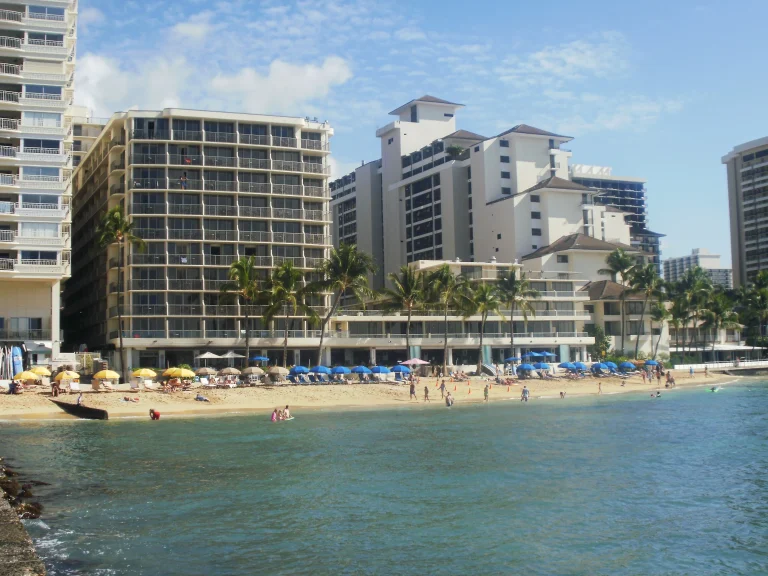
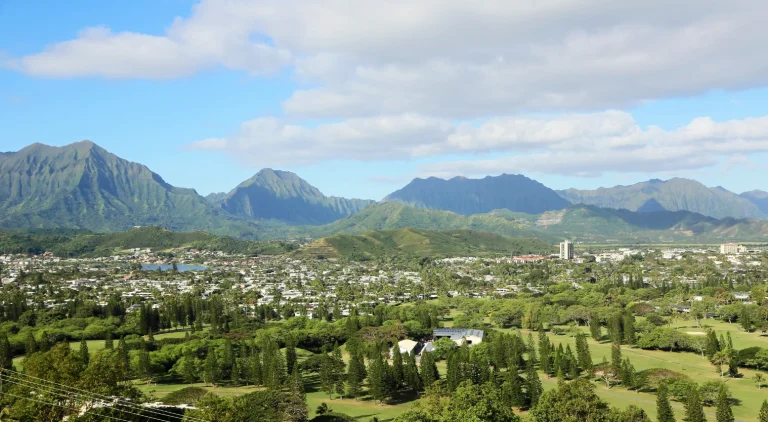
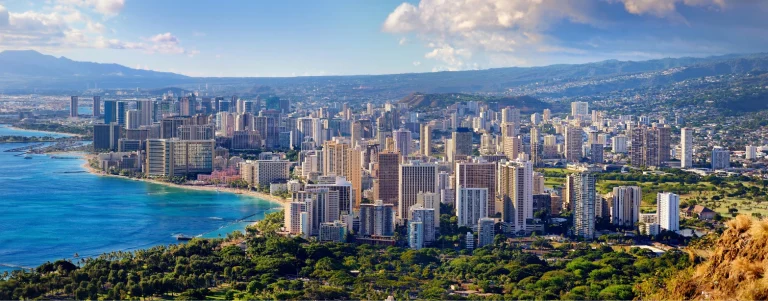
You probably don’t know that some of Honolulu’s quietest stays sit just a 10–15 minute drive from the chaos of Waikīkī, hidden in leafy valleys, marina-side suburbs, and low-rise neighborhoods locals actually sleep in. If you want ocean access without nightclub bass, or bird song instead of trolley bells, you’ll need to choose your base with care. The trade-offs are real, but so are the rewards if you know where to look next.
Key Takeaways
- Choose residential neighborhoods like Mānoa, Kaimukī, Nuʻuanu, or Makiki for leafy streets, cooler air, and quieter evenings than Waikīkī.
- Consider Diamond Head/Gold Coast or Hawaii Kai for peaceful ocean or marina views, early‑morning walks, and low-rise, low-key condo stays.
- Use Google Street View and recent reviews to avoid properties near bars, busy roads, or construction, and look for noise mentions.
- Contact hosts to request higher-floor, courtyard- or garden-facing rooms with double-paned windows and solid doors for better sound insulation.
- Visit in late spring or early fall and pack earplugs and light layers to balance cooler mauka breezes, AC, and occasional rain.
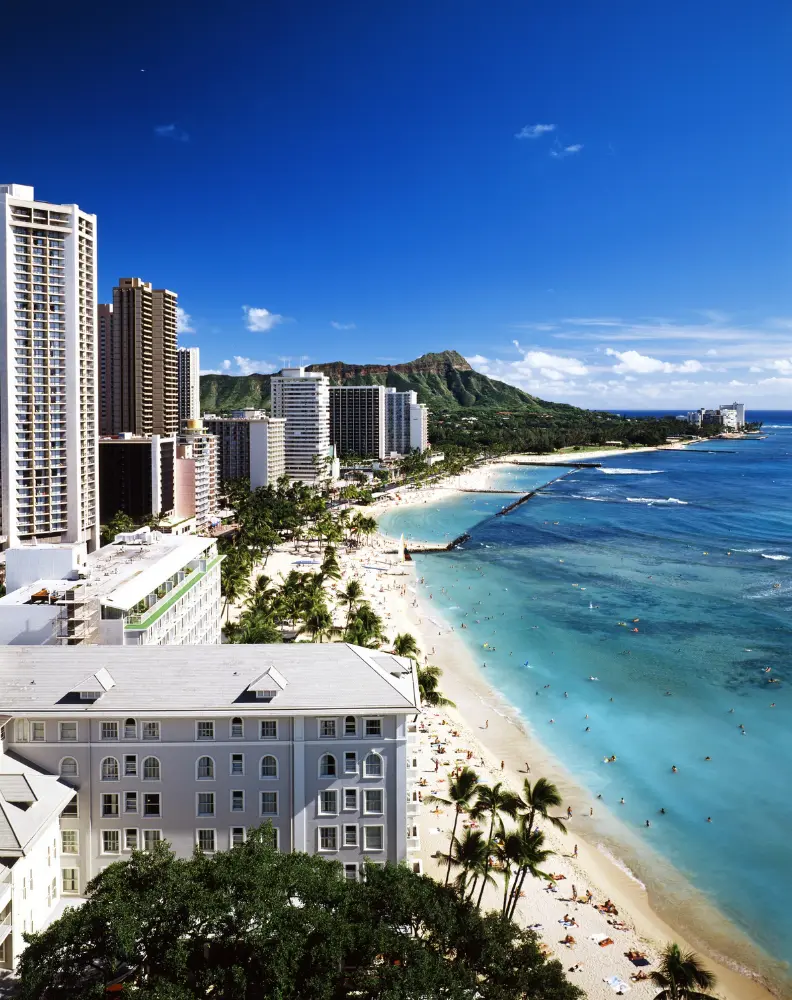
Top Quiet Areas to Stay in Honolulu
While Honolulu buzzes with traffic and tiki torches at night, several pockets of the city stay surprisingly calm and slow.
You feel it first in Manoa, where misty rain softens the air and streets fall quiet by 9 pm. From here, you’re also close to the Manoa Falls Trail, a lush but often muddy rainforest walk that rewards early risers when conditions are dry.
Kaimuki’s back lanes give you low-rise views, family cafes, and dogs padding along sidewalks.
Around Nuʻuanu and Makiki, you wander historic neighborhoods shaded by banyan trees and older walk-ups. Weeknights stay peaceful, though weekends bring church bells and low-key cultural festivals. Just downhill, the open lawns and exceptional banyan trees of Kapiʻolani Regional Park offer a quiet place to stroll or picnic away from the busiest parts of Waikīkī.
Skip busy Ala Moana.
Pack light layers for breeze and rain, plus earplugs, just in case, if you’re sensitive.
How to Choose a Quiet Honolulu Stay
When you’re choosing a quiet place to sleep in Honolulu, start by checking how noisy the neighborhood feels at different hours, especially late evening and early morning. Read recent reviews for hints about traffic roar, bar music, nearby construction, and thin walls so you don’t pay resort prices for a restless night. Then look for calming extras like shaded pools, simple room service, blackout curtains, and lanais that face gardens or mountains instead of busy streets. During Honolulu shoulder seasons, you’ll usually find not only fewer crowds but also better chances at discounted hotel rates and flight deals compared with major holiday weeks. For the quietest stays, try to visit during Honolulu’s shoulder seasons in late spring or early fall, when crowd levels and overall noise are noticeably lower than summer and winter peaks.
Evaluating Neighborhood Noise Levels
Start by tuning in to Honolulu’s soundscape before you ever tap “book.” Each neighborhood carries its own soundtrack, and if you’re a light sleeper, that matters more than a pool or a partial ocean view. Check online sound mapping tools and compare them with hotel reviews that mention street noise, sirens, or bar music. Look up Honolulu’s nighttime ordinances so you know when amplified music should quiet down. Since many parks and beach parks have specific closure hours, often between about 10:00 p.m. and 6:00 a.m., staying near one can mean quieter nights once those spaces officially close. For the most accurate information on park rules and hours that can affect nighttime noise, you can contact the Department of Parks & Recreation’s Executive Services Division directly. Visit Google Street View at different blocks, then zoom in on bars, bus stops, and loading bays. If you’re unsure, email the property and ask for a high courtyard room instead.
Prioritizing Relaxing Amenities
You’ve figured out which neighborhoods sound mellow after dark, so now focus on what actually makes your stay feel restful once you’re inside the property. Look for solid doors, double-paned windows, and AC so you can sleep without street noise. Ask hosts for soundproofing tips, like white-noise machines or window inserts. If you’re planning early sunrise hikes or cooler-season ridge walks, choose a place that’s genuinely quiet so you can sleep well before those early starts. Staying informed about Beach and Ocean Alerts can also help you plan your quiet time around any unusual ocean conditions or lifeguard tower closures.
Prioritize wellness amenities that calm you after a salty beach day, such as a small pool, hot tub, or shaded garden. On-site yoga rooms and quiet lounges beat crowded lobbies. Skip properties that blast live music near rooms. Pack earplugs and a scarf for chilly AC, then unwind.
Diamond Head & Gold Coast: Calm Near Waikiki
You step into Diamond Head and the Gold Coast and feel Waikiki’s buzz fade into peaceful residential streets where you actually hear the trade winds and birds. Here you sleep in low-rise condos, small hotels, or classic co-ops that sit right on the water without the usual beachfront crowds and loud bar scenes. You’ll pay a bit more than inland options, but you gain quiet oceanfront sunsets, easy sunrise walks around the crater, and space to breathe between outings. Staying here also puts you close to the Diamond Head summit trail, a steep but rewarding hike where you can take in postcard-worthy views from Koko Head to Waiʻanae. If you plan to hike, aim for the best start window between 6:00 am and 8:00 am to beat the heat and bigger crowds.
Peaceful Residential Streets
Often, the quickest way to escape Waikiki’s buzz is to walk or rideshare 5 to 10 minutes into the quiet residential streets curling around Diamond Head and the Gold Coast. Here, you follow tree lined blocks where plumeria perfume hangs in the air and traffic fades. You hear soft evening soundscapes, not bar playlists. A simple North Shore day trip from Waikiki can add variety without sacrificing that calm, as long as you keep stops few and realistic. Look for small walk ups or guest rooms in family homes. You’ll want sandals, a phone map, and cash for corner markets. Skip rental cars; parking’s tight and locals guard their driveways. For a change of pace beyond the city, you can day trip to Kaʻena Point State Park for a remote coastline walk and sea cliff views.
| Time | Noise | |
|---|---|---|
| Dawn | Quiet | Stroll |
| Day | Low | Read |
| Sunset | Softer | Linger |
| Night | Hushed |
Oceanfront Stays Without Crowds
Step away from the sleepy backstreets around Diamond Head and the scene opens to one of Honolulu’s quietest oceanfront pockets: the Gold Coast. You stay close to Waikiki yet lose the party noise. Compact condos and a few small hotels line the seawall, many with lanais almost over the water. Here you watch dawn surfers, then slip into near private surf along the reef. Late afternoon, walk toward Diamond Head to find semi secluded coves and low-key tide pools. For a bigger stretch of sand and sunset views, it’s an easy stroll or short drive to Ala Moana Regional Park, a historic “people’s park” with a mile-long beach and shady lawns. Bring reef shoes, a light jacket, and snacks since shops sit ten minutes away. Parking stays tight; arrive earlier here. Many visitors arrive via nearby Daniel K. Inouye International Airport, the state’s largest hub with nonstop flights from major domestic and international cities.
Kaimuki & Kapahulu: Walkable, Local Honolulu Vibes
Tucked mauka of Waikiki, Kaimuki and Kapahulu trade oceanfront glitz for walkable, everyday Honolulu life. You base yourself on shady side streets, not high-rise corridors. Morning starts in local cafés, where regulars linger over strong Kona and guava pastries. Afternoons, you wander to vintage shops, plate-lunch counters, and tiny bakeries. From here, it’s easy to spend a half-day exploring Iolani Palace tours before circling back for a quiet evening in the neighborhood. Use this quick guide when you browse rentals. You’re also within easy reach of larger parks that host activities organized by regular recreation staff across Oʻahu.
| Focus | What you get |
|---|---|
| Noise | Quieter than Waikiki nights |
| Walkability | Short strolls to food, parks |
| Budget | Mid-range, few true bargains |
| Best for | Car-free couples, slow explorers |
Pack comfy sandals and a bottle; skip shuttles, since buses and sidewalks cover most trips.
Makiki & Punchbowl: Green, Residential Honolulu Retreats
Leave the café buzz of Kaimuki behind and head mauka toward Makiki and Punchbowl, where leafy streets and old walk-up buildings feel more like a quiet college town than a big island city. You stay in modest condos or ohana rentals tucked under a historic banyan and wake to mynah birds, not scooters. The nearby Pearl Harbor National Memorial offers free museums and grounds that you can fold into a low-key day of history and reflection.
Trade Waikiki high-rises for Makiki walk-ups, banyan shade, and birdsong drifting through cooler mauka mornings
Everything sits uphill, so you feel a few degrees cooler and catch mauka breezes at night. Skip a car if you like walking; buses reach downtown in about fifteen minutes and cost three dollars. Just above the neighborhood, the National Memorial Cemetery of the Pacific sits quietly inside Punchbowl crater, drawing visitors with its solemn memorials and panoramic city views.
Plan your stay around:
- Quiet trailheads
- Community gardens
- Small temples
- Sunset viewpoints
Ala Moana: Beach Access Without Waikiki Crowds
Calm surf and wide lawns make Ala Moana feel like Waikiki’s quieter cousin, especially if you stay on the park side instead of the mall side. You wake to soft traffic noise, not bar music, and walk five minutes to the shaded sand. Locals paddle to nearby local surfbreaks while you swim laps in the protected lagoon. Pack a cheap snorkel set, reef-safe sunscreen, and a small cooler. Hunt for hidden picnicspots under ironwood trees at sunset. Skip pricey resort cafes and grab plate lunch from food trucks. Expect moderate crowds on weekends, lighter, breezier weekdays, outside school holidays. For a family-friendly marine break, the nearby Waikīkī Aquarium offers small-scale exhibits and conservation-focused programs away from the downtown bustle. If you need a break from the beach, wander inland to the tranquil Foster Botanical Garden, where mature trees from the 1850s and a palm collection offer shaded, low-key exploring.
Hawaii Kai & East Honolulu: Scenic, Sleepy Suburbs
On the quiet eastern edge of Honolulu, Hawaii Kai and its neighboring suburbs trade nightlife for scenery and early mornings. You stay in low-rise condos and family homes, sleep to coqui frogs, and wake to pink light over Koko Head.
- Stroll the Kai marina boardwalk at sunrise, watching paddlers glide past million dollar homes.
- Drive to Makapuʻu for Tide pools and a short, steep lighthouse hike; bring water and reef-safe sunscreen.
- Snorkel calmer coves near Hanauma Bay, skipping midday crowds.
- Stock up at Costco or local markets, since dining options close early on weeknights anyway.
Chinatown & Downtown Edges: Quieter Urban Stays
Tucked along the edges of Honolulu’s business district, Chinatown and the nearby downtown blocks offer a quieter, grittier kind of urban stay where galleries, noodle shops, and historic lofts sit just far enough from the late‑night bar noise.
You sleep in converted walk ups or small boutique hotels, then step out to Historic markets at dawn for fresh fruit and manapua. Side streets hold Art galleries, indie bars, and low key cafes. Expect some traffic hum and weekday office crowds, yet nights usually feel calmer. Pack earplugs, skip car hire, and explore on foot or by bus after dark.
Match Your Quiet Honolulu Neighborhood to Your Style
Although Honolulu is a compact city, each quiet pocket has its own rhythm, so it pays to match the neighborhood to how you actually travel. You want low-key, not lonely.
Honolulu’s calm corners differ subtly, choose a neighborhood that fits how you actually wander
- Stay near Manoa’s cottage gardens if you like cool mornings, bird noise, and quick bus rides downtown. Pack a light rain jacket.
- Choose Nuʻuanu for historic temples, older homes, and misty valley air. Skip rental cars with no parking.
- Base in Kaimukī for indie cafés, sunset strolls, and cheaper plate lunches.
- Pick residential Waikīkī edges when you want beaches yet fewer tour buses at night.
Frequently Asked Questions
Are There Quiet Honolulu Stays That Are Also Pet-Friendly?
Yes, you’ll find quiet Honolulu stays that welcome pets, especially pet friendly rentals in residential areas like Kaimukī and Nuʻuanu, where you can easily reach dog friendly beaches, shaded parks, and mellow, walkable streets nearby.
Which Quiet Neighborhoods Have the Best Grocery and Pharmacy Access?
You’ll like Kaimuki, Manoa, and Kapahulu; they’re quiet yet walkable. You’ll reach Community markets, Local pharmacies, and small grocers within minutes, so you don’t need a car and can easily grab daily necessities nearby anytime.
How Early Do Residential Quiet Hours Typically Start in Honolulu Neighborhoods?
Soft serene streets see quiet hours start around 10 PM; you’ll typically treat that as the typical start, though some spots slide to 11 PM, with stricter noise enforcement and HOA rules tightly regulating revelry.
Are There Quiet Accommodations With Reliable Co-Working or Work-Friendly Spaces?
You’ll find quiet accommodations with solid work setups by choosing smaller hotels or furnished studios near Kakaʻako, then using nearby Boutique coworking spaces with a Hybrid day pass, giving you dependable Wi‑Fi, rooms, and focus.
Which Quiet Areas Offer the Easiest Parking for Rental Cars or Mopeds?
You want easy parking, so skip Waikiki’s bumper-car pageant and stay in Kaimuki, Manoa, or Nuʻuanu, where you’ll actually find Ample streetparking, the occasional Reserved driveway, and neighbors who don’t practice parallel-parking warfare every night.
Conclusion
Honolulu hosts over 6 million visitors a year, yet you can still sleep quietly if you pick your base with care. Book early for Diamond Head cottages or Kaimukī walk ups, and expect mid range rooms from $180 to $260. Pack light layers, earplugs, and reef safe sunscreen. Skip rental cars where buses run often, and use one or two Viator tours with hotel pickup to handle sunrise hikes or busy Pearl Harbor tickets easily.