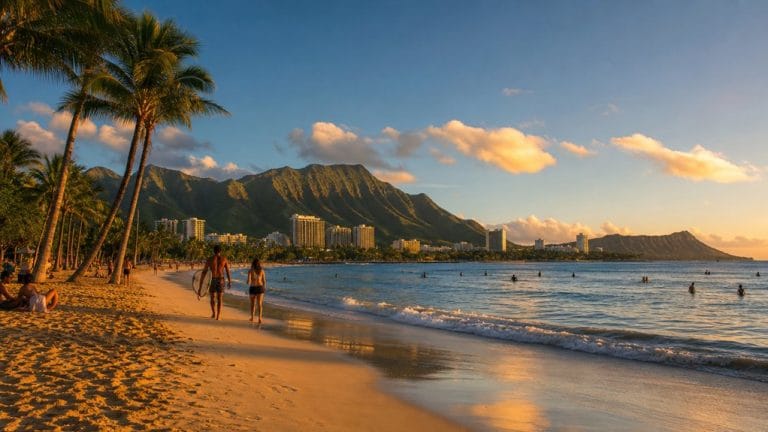
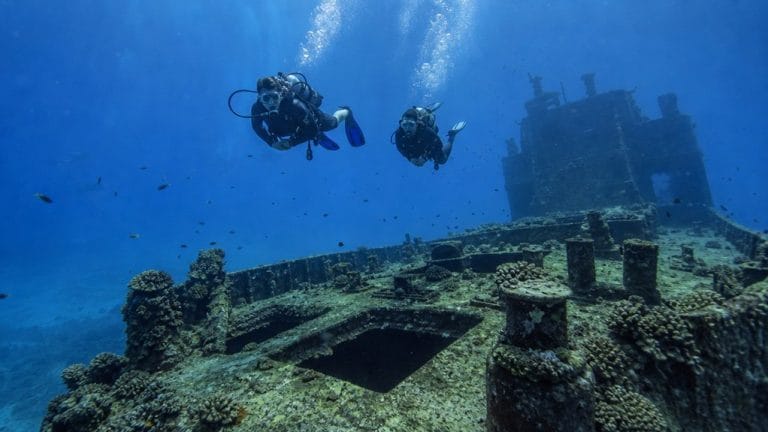
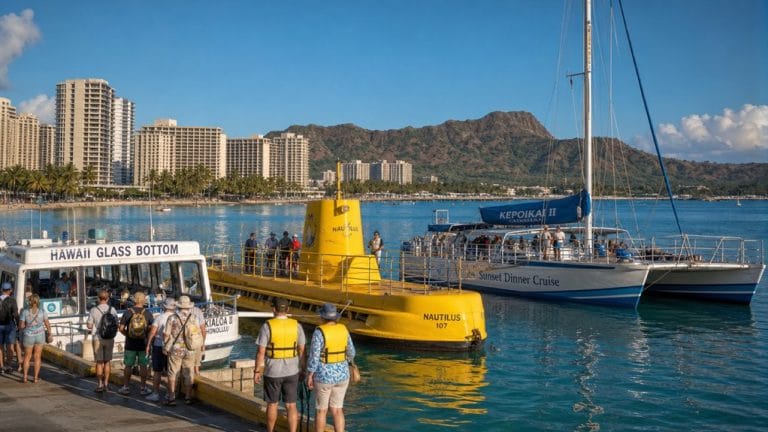
Pink light hits Waikīkī as you hike Diamond Head, shoes skittering over crumbly lava rock while the city shakes off sleep below. For first-timers chasing the best Oahu attractions, this is the move: go early, bring more water than you think you need, and don’t forget reef-safe sunscreen because the trade winds fool you into feeling cooler than you are. After the crater, swap sweat for shade at ʻIolani Palace where the quiet rooms and koa details make modern Honolulu feel very far away, then wander Chinatown for mural spotting, lei stands, and a quick bowl of something steamy before the afternoon heat peaks. Wrap the day with an easy sunset at Magic Island where locals actually hang out, and the light over the lagoon does a lot of work with very little effort from you.
Then you’ll have to pick your mood. Windward side delivers drama fast: Nuʻuanu Pali Lookout is all gusts and green cliffs, and the Lanikai Pillbox hike pays off with a salty breeze and a postcard view that still feels earned. If you’d rather keep it simple, a small-group Oahu circle island day tour can bundle Diamond Head, the North Shore, and a few Windward stops with hotel pickup, which is a relief when parking turns into a sport. Many Viator options come with instant confirmation, verified reviews, and free cancellation often up to 24 hours before, plus reserve now pay later if you like flexibility.
North Shore is the other classic: winter surf lines up like a stadium, summer turns the beaches mellow, and shave ice becomes a legitimate meal plan. Timing changes everything here, so plan around traffic and tides, not just a checklist.
Key Takeaways
- Hike Diamond Head early (before 8am) for cooler temps and fewer crowds.
- Swim Waikīkī in the morning, then grab a nearby plate lunch.
- Visit ʻIolani Palace, then explore Chinatown murals and market snacks.
- Do a scenic loop: North Shore (Haleiwa, Pipeline, Laniakea turtles) + Windward Coast (Pali Lookout, Ho‘omaluhia, Kailua Beach).

Oahu: Dole Plantation & Haleiwa Town OR Grand Circle Island Tour
Choose from two exciting ways to experience Oahu's top attractions, scenic beauty, and local culture.Option 1: Dole Plantation & Haleiwa Town (6.5 H...

Oahu: Roundtrip Shuttle From Waikiki to Dole Plantation & Haleiwa
Skip Circle Island and visit two of the most popular places to visit here on the Island of Oahu. Experience a unique fusion of convenience, affordabil...
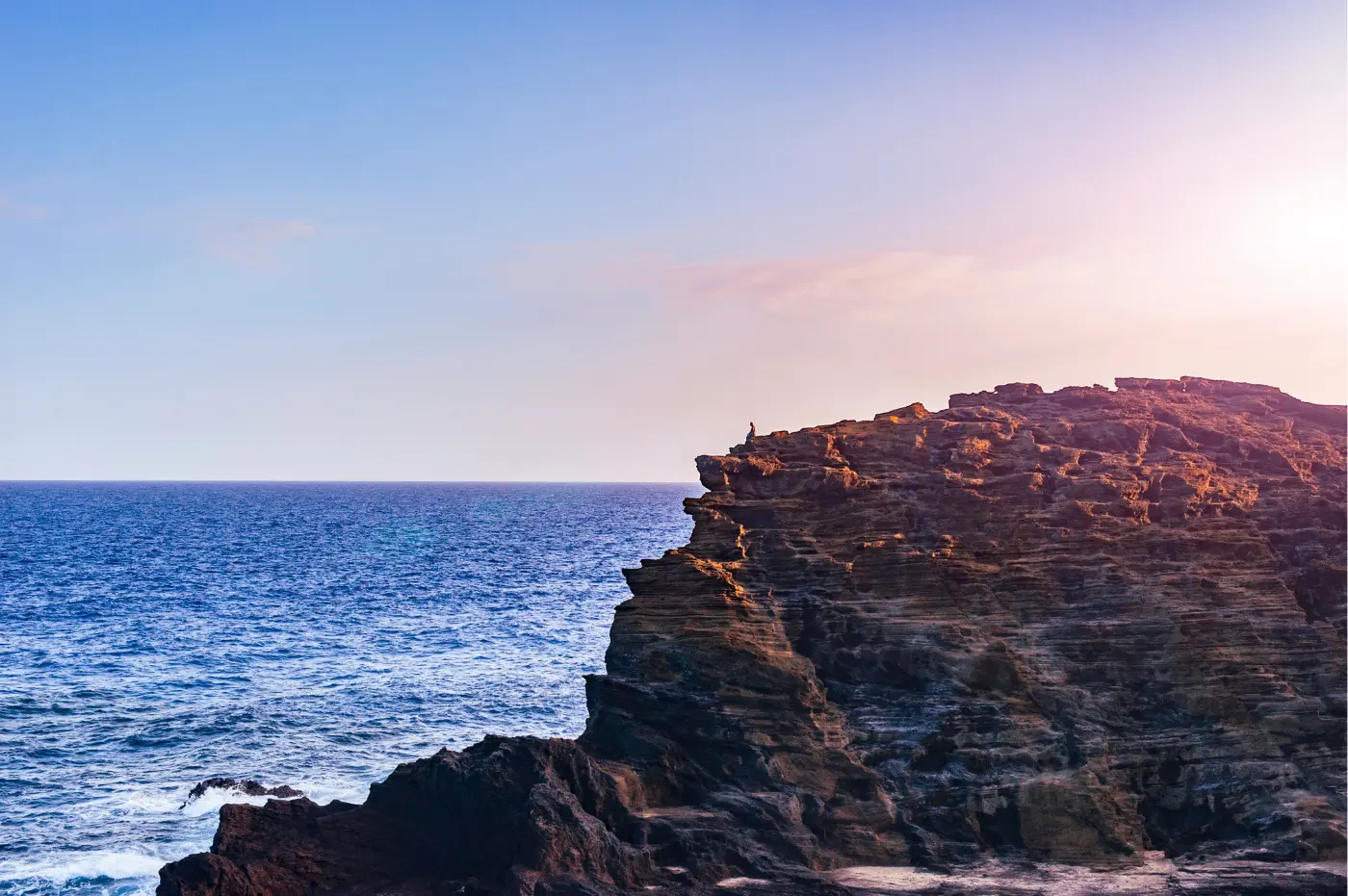
Hit the Must-See Oahu Attractions in Honolulu
Start in Honolulu and you can tick off Oahu’s big names in a day without spending half of it staring at brake lights.
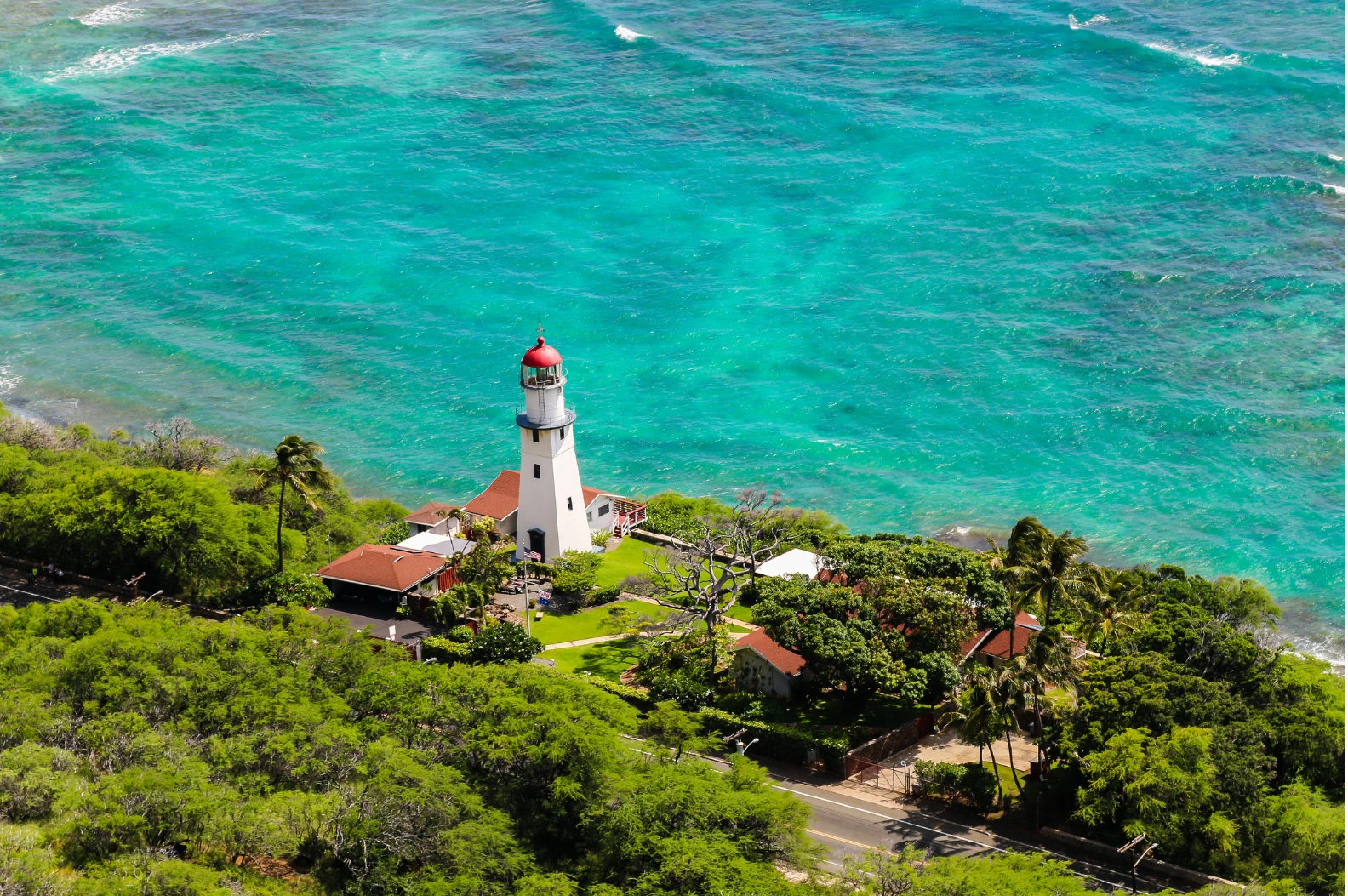
Go first to Diamond Head. The early climb feels almost civilized, with cooler air on the switchbacks and the city slowly lighting up behind you. Aim to be on the trail before 8am, earlier if you want that clean morning view before the heat and tour buses show up.
Start with Diamond Head before 8am, cool switchbacks, Honolulu waking up behind you, and views before the heat and buses.
Drop down into Waikīkī for a quick swim and a reset. The water is usually calm in the morning, and you can rinse the trail sweat off before the beach gets shoulder to shoulder. Then grab a no fuss plate lunch nearby. You want something fast and filling, not a long sit down.
From there, pivot to history. ʻIolani Palace is an easy win when you need shade and air conditioning, and the self guided tour moves at your pace. Afterward, walk over to Chinatown for a different Honolulu vibe: alley murals, produce stands, and snack counters that smell like roast pork and sweet pastries.
Finish at Magic Island. It’s one of the simplest places to catch sunset with the skyline right there, and the evening breeze does a lot of work after a hot day. If you still have room, swing by Kapahulu for shave ice on the way.
Tips
[travelspark_viator_block placement=”primary” include=”both” layout=”featured” count=”4″]- Park at Kapiʻolani Park for Diamond Head and lock up. Leave nothing visible in the car.
- Bring water for the hike. There isn’t much shade, and the stone holds heat.
- Reef shoes help in Waikīkī if you’re walking over rough patches near the waterline.
- Chinatown is best on foot. Go in daylight if you want to browse murals and market stalls without rushing.
- Magic Island gets busy near sunset. Arrive a little early if you want a spot on the grass.
Don’t Miss These North Shore Oahu Attractions
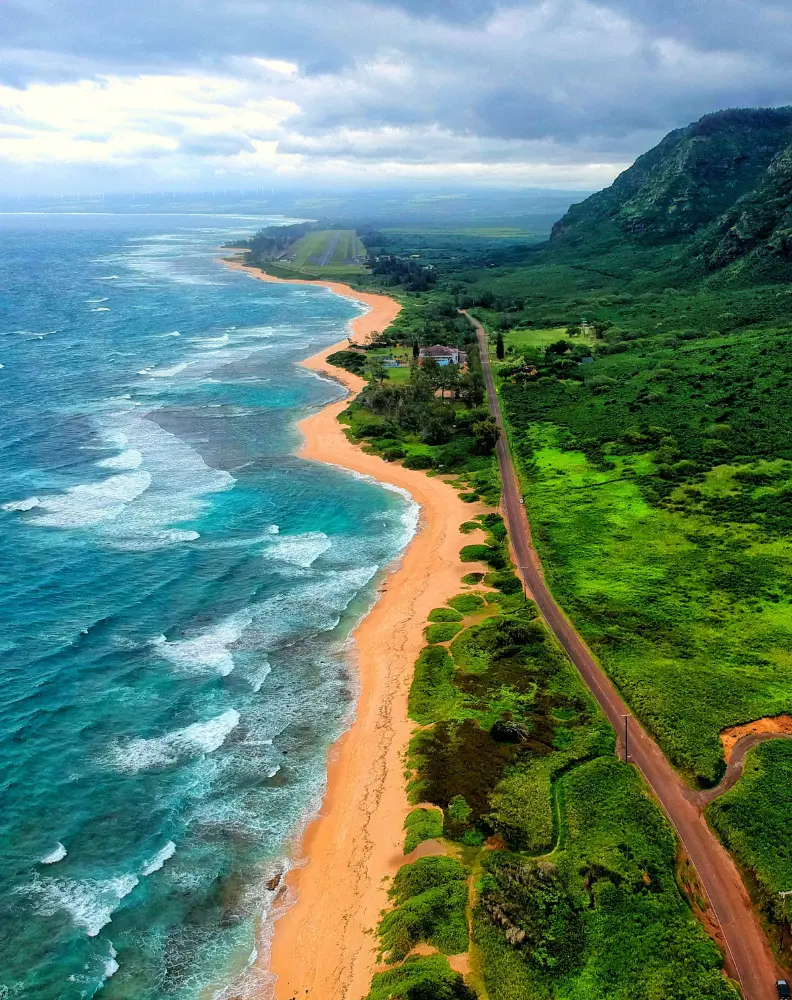
Slip out of Waikiki early and aim for the North Shore, where Oahu swaps glass towers for ironwood shade, salty trade winds, and surf that makes you sit up straight.
Start in Haleiwa: park once, wander, and grab shave ice before the lines get long. Then follow the shoreline to the Banzai Pipeline and watch from dry sand. When it’s firing, you can feel the boom of the sets in your chest.
Waimea Valley is the easiest nature break up here. Reserve your ticket ahead and take the paved walk through botanical gardens to the falls. If the pool is open, the swim is a satisfying cold shock after a hot morning in the sun.
Later, roll slowly past Laniakea, the classic turtle hangout. On a good day you’ll spot honu hauled up on the sand, blinking like they own the place. Keep your distance and give them room to rest.
Tips that make the day smoother:
- Arrive early for parking in Haleiwa and at Pipeline. Weekends fill fast.
- Watch Pipeline from shore only. Stay well back from the waterline and never turn your back on the ocean.
- Book Waimea Valley in advance and bring water. The walk is easy but exposed.
- Use reef-safe sunscreen and a hat. The sun up here hits hard even on breezy days.
- At the turtle beach, stay at least 10 feet away, skip flash photos, and follow any volunteer or sign guidance.
- If the surf looks heavy, don’t paddle out. This is a look-and-leave-happy day unless you really know the break.

Oahu's North Shore: 8-Line Zipline Adventure
Experience the ultimate Oahu zipline adventure on this 3-hour guided tour across the island’s famous North Shore...

Oahu Shark Dive on the North Shore
Book the Oahu Shark Dive for a thrilling shark encounter off the North Shore. You’ll travel by boat from Haleiwa H...

Oahu: North Shore Shark Cage Diving
Discover the open-ocean world of sharks on this unforgettable Oahu shark cage diving tour. More than just an adventu...
Cruise Windward Oahu for Views, Hikes, and Food
With the Koʻolau range stacked up on your left like a green barricade, driving Oʻahu’s Windward side feels like you’ve slipped out the back door of Waikīkī. The air is wetter, the light flips fast, and the coastline keeps serving up pockets of turquoise that make you pull over even when you swear you’ll not.
Start with Nuʻuanu Pali Lookout. The trade winds up here are serious. Hold onto your hat, lean into the gusts, and take the extra minute to look down toward Kāneʻohe where the ridgelines fold into each other. Go early if you can. By mid-morning it turns into a quick photo conveyor belt.
Then slow it down at Ho‘omaluhia Botanical Garden. This is the kind of place where the asphalt is quiet, the mountains look close enough to touch, and the humidity makes everything smell like wet leaves. Wander the lakeside paths, then do a loop drive and stop wherever the light looks good.
If you want a hike with a payoff, do the Lanikai Pillbox at sunrise. It’s short, steep, and exposed, with just enough loose dirt to keep you honest. The view over the Mokulua islets is the whole point, so go before the day heats up and the crowds arrive.
Finish in Kailua, where the food is casual and the beach is the reward. Pick one good snack, then take it to Kailua Beach and eat with sandy feet.
Tips that make the day easier:
- Nuʻuanu Pali is windy and cool. Bring a light layer and secure your phone for photos.
- Ho‘omaluhia is best on a misty morning. Bug spray helps in the shady spots.
- Lanikai Pillbox has no shade. Bring water and wear shoes with grip.
- For Kailua eats, look for garlic shrimp, malasadas, or a solid poke bowl. Go earlier for lunch to avoid lines.
- Parking near Kailua Beach fills up fast on weekends. Arrive before late morning if you want less circling.
Frequently Asked Questions
What’s the Best Time of Year to Visit Oahu for Good Weather?
Aim for the shoulder seasons, April to May or September to October. Oahu feels calmer then, the beaches look less trampled by tour groups, and the weather usually lands in that sweet spot: warm days, cooler nights, and plenty of blue-sky hours.
The island still does its microclimate thing. One side can be bright and breezy while the other is catching a quick shower. I’ve had mornings in Waikiki that looked flawless, then hit a damp patch up near the Pali lookout an hour later.
Tips to pack and plan
- Bring a light rain shell or compact umbrella. You will use it, often for 10 minutes at a time.
- Choose hikes early in the day for the best light and less sticky heat.
- If you are splitting time, mix one beach base with a few windward-side days. Kailua and the North Shore feel different in the best way.
- Plan sunset time around 6 to 7 pm. You get long, easy evenings without staying out late to catch the light.
Do I Need to Rent a Car, or Is Public Transit Enough?
If your plans stay in Waikiki and downtown Honolulu, skip the rental car. Parking is pricey, traffic is slow, and TheBus covers the main arteries just fine. I’ve spent whole trips on foot and transit here and never missed driving once, especially when the trade winds make walking along the shore feel like the obvious choice.
Public transit starts to feel tight the moment you want a dawn North Shore lineup, a last-minute beach hop, or a trailhead tucked up a valley. That is when a one day rental makes sense. Grab it early, do your big loop, and hand it back before you pay for another night of parking.
Tips that save time and stress:
- Use TheBus for Waikiki, Ala Moana, downtown, and Pearl Harbor days. Check the schedule the night before because frequency drops off outside the core.
- For North Shore, plan a full day and go early. Late starts mean you lose hours to traffic and long waits between buses.
- Rent a car for one specific mission day: sunrise, hikes, or multiple beaches. Reserve ahead and confirm where you can park at your hotel.
- Rideshare works well for short hops and nights out. For long cross island trips, the cost climbs fast and drivers are harder to find in quieter areas.
- If you rent, choose the smallest car you can live with. Tight lots and narrow streets make compact cars feel like a gift.
How Far in Advance Should I Book Popular Tours and Reservations?
Book the big-ticket stuff 3 to 6 weeks ahead and you will sleep better. The tours everyone talks about fill up quietly, then suddenly there is nothing left but the 2 pm slot in full sun.
If you only plan a few things early, make them the ones tied to a specific time and mood. Sunset sails, luaus, and shark dives go first, especially on weekends and around school holidays. Sunrise and golden-hour tours are worth locking in before you even start daydreaming about dinner.
Oahu: Dole Plantation & Haleiwa Town OR Grand Circle Island Tour
Choose from two exciting ways to experience Oahu's top attractions, scenic beauty, and local culture.Option 1: Dol...
Oahu: Roundtrip Shuttle From Waikiki to Dole Plantation & Haleiwa
Skip Circle Island and visit two of the most popular places to visit here on the Island of Oahu. Experience a unique...
Tips that actually help:
- Aim for midweek bookings for better availability and occasional seasonal promos.
- Avoid peak windows like holiday weeks and long weekends unless you book further out.
- Get on the waitlist the moment you see your date looking tight. Cancellations happen.
- Check for last-minute openings at dawn and again after dinner. That is when operators and booking sites tend to refresh.
- If you are flexible, grab the first decent time you see, then adjust later if something better pops up.
Are Oahu’s Top Attractions Accessible for Strollers and Wheelchairs?
Yes. Oahu does a solid job with strollers and wheelchairs in the places most people actually go.
Waikiki is the easy win. The beachfront sidewalks are wide and mostly smooth, with plenty of curb cuts and places to roll right up for a shave ice or a quick break in the shade. The beach itself is softer and trickier, but the paved promenade makes the whole area doable without drama.
Pearl Harbor is also well set up. Visitor areas have ramps, flat walkways, and staff who know the routine. Just plan for sun glare off the concrete and water, which can feel intense by late morning.
A few practical tips that save time:
- Start early. Midday heat and crowds make “accessible” feel a lot less so.
- Check restroom locations before you go. It’s the difference between a smooth outing and a stressful one.
- Bring a small towel or cloth to wipe wheels. Sand shows up everywhere.
- Ask staff where the best route is. They usually know the least bumpy path and which entrances are simplest.
- For beaches, aim for parks with boardwalk-style access or firmer sand near the waterline, and avoid deep, dry sand routes.
What’s the Typical Daily Budget for Food, Entry Fees, and Parking?
Plan on $70 to $120 a day for the basics. That usually breaks down to $25 to $45 for casual local meals, $20 to $50 for entry fees, and $10 to $25 for parking. If you are grabbing coffee and something hot in the morning, a simple lunch, then an easy dinner, you will sit comfortably in the middle of that range.
Tips that actually help on the ground:
- Pack snacks and water. You will spend more than you think once you are hungry and the nearest option is a pricey stand.
- Arrive early for popular sights. You will beat lines and you will have more parking choices before the good spots disappear.
- Use beach-adjacent lots when you can. Meters and close-in street spaces often fill up by noon, especially on sunny days.
- Keep a small stash of cash or a card that works everywhere. Some small lots and kiosks are picky at the worst possible moment.
Conclusion
Now you’ve got Oahu attractions dialed in: hike up Diamond Head at first light while the crater walls still feel cool, then head downtown for ʻIolani Palace and a Chinatown snack crawl that actually tastes like Honolulu. Finish with a Magic Island sunset where the sky goes molten and the trade winds keep you from melting.
Next, take the Windward side seriously. Pull over at the Pali Lookout and hang on to your hat, then earn your view on the Lanikai Pillbox trail before the sun turns the ridge into a griddle. In Kailua, skip the fussy stuff and grab poke from a counter locals use, then hit the beach with sand that squeaks underfoot.
For the North Shore, time it for swell. Pipeline is pure spectacle in winter, and Laniakea usually delivers honu if you show up early and keep a respectful distance. If driving and parking feel like the real boss battle, a small-group Oahu circle-island day tour can be the painless move, especially the ones with hotel pickup and the freedom to hop out for photos without playing “where did I leave the car.” On Viator you’ll also see options with instant confirmation, verified reviews, and reserve now pay later, plus free cancellation often up to 24 hours before.
Pack water, reef-safe sunscreen, and shoes with grip for wet rock and dusty trails. Start early, park legally, tip well, and treat neighborhoods like people live there because they do.
Oahu: Dole Plantation & Haleiwa Town OR Grand Circle Island Tour
Choose from two exciting ways to experience Oahu's top attractions, scenic beauty, and local culture.Option 1: Dole Plantation & Haleiwa Town (6.5 H...
Oahu: Roundtrip Shuttle From Waikiki to Dole Plantation & Haleiwa
Skip Circle Island and visit two of the most popular places to visit here on the Island of Oahu. Experience a unique...