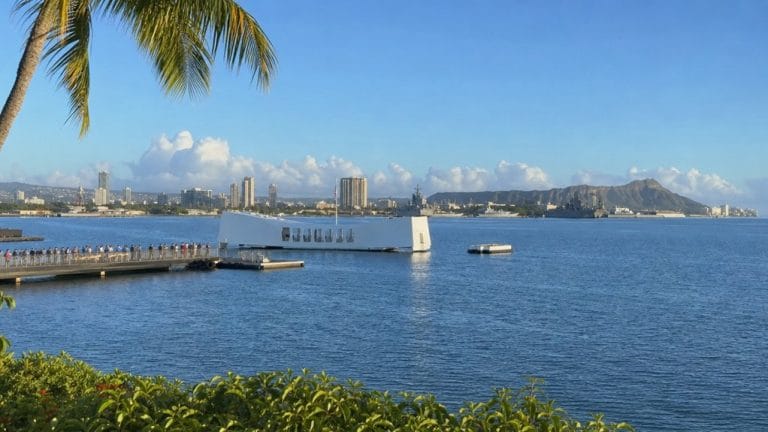
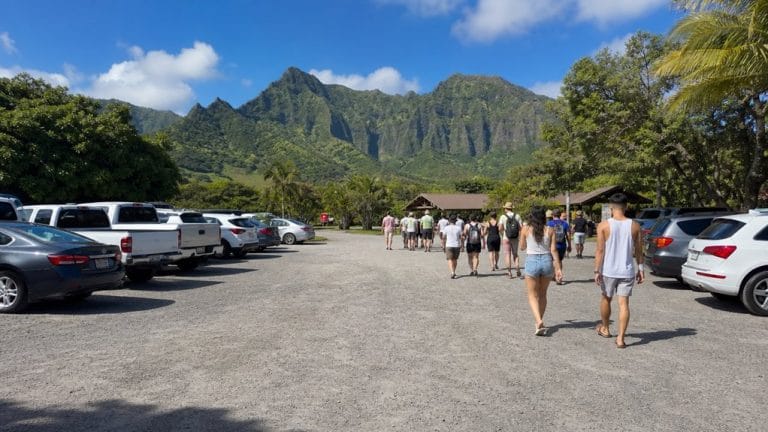
Touch down and you’ll hear people say “we’re staying on Oʻahu,” but that can mean everything from a quiet lanai in Kāneʻohe to a high-rise room steps from Waikīkī Beach. The difference between Oʻahu and Honolulu matters because Oʻahu is the entire island, with distinct regions that feel miles apart in pace and personality, while Honolulu is the urban south shore hub where Waikīkī, Ala Moana, Kakaʻako, and downtown cluster your dining, nightlife, and transit in one easy radius.
If you base yourself in Honolulu, you can string together Pearl Harbor in the morning, a sunset walk at Magic Island, and dinner in Kaimukī with very little logistical stress. I like it for short trips when I want to see a lot and spend less time hunting for parking. It also pairs well with small-group outings that do hotel pickup in Waikīkī, especially if you’d rather not drive the H-1 at rush hour. Many Viator tours on Oʻahu offer pickup in the Honolulu and Waikīkī zone, plus practical perks like instant confirmation, verified reviews, reserve now pay later, and free cancellation often up to 24 hours before.
Stay outside Honolulu and Oʻahu opens up in a different way: earlier beach mornings on the North Shore, more breathable nights in the Windward side trade winds, and quicker access to the hikes and swims you actually planned for. The cost is convenience. You’ll likely want a car, you’ll do more driving, and you’ll feel the island’s distances in real time. The payoff is space, quiet, and the kind of Oʻahu that smells like plumeria in a residential lane rather than sunscreen in a hotel lobby.
Hotels to compare for this guide
Compare a few stay options before you choose your base.

Ala Moana Hotel by Mantra
A convenient Ala Moana stay connected to shopping and close to the convention center, making it useful for business and value-focused travelers.
Check rates
OUTRIGGER Reef Waikiki Beach Resort
A beachfront Outrigger resort with a strong location near Waikiki Beach Walk and a classic Hawaii vacation feel.
Check rates
The Royal Hawaiian, a Luxury Collection Resort, Waikiki
An iconic pink beachfront Waikiki resort with historic character and strong luxury travel appeal.
Check rates
Park Shore Waikiki
A beach-adjacent hotel near Kapiolani Park and Diamond Head that fits travelers wanting east Waikiki convenience.
Check rates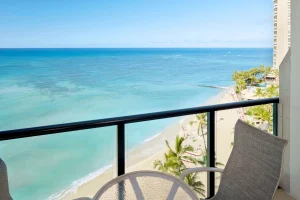
OUTRIGGER Waikiki Beach Resort
A classic beachfront Waikiki resort in the center of the action with strong appeal for first-time visitors.
Check rates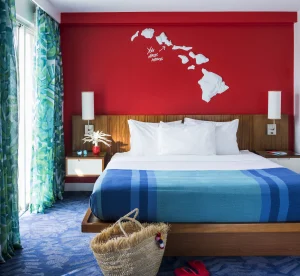
Shoreline Hotel Waikiki
A colorful boutique-style hotel in central Waikiki for travelers who want shopping, dining, and beach access nearby.
Check rates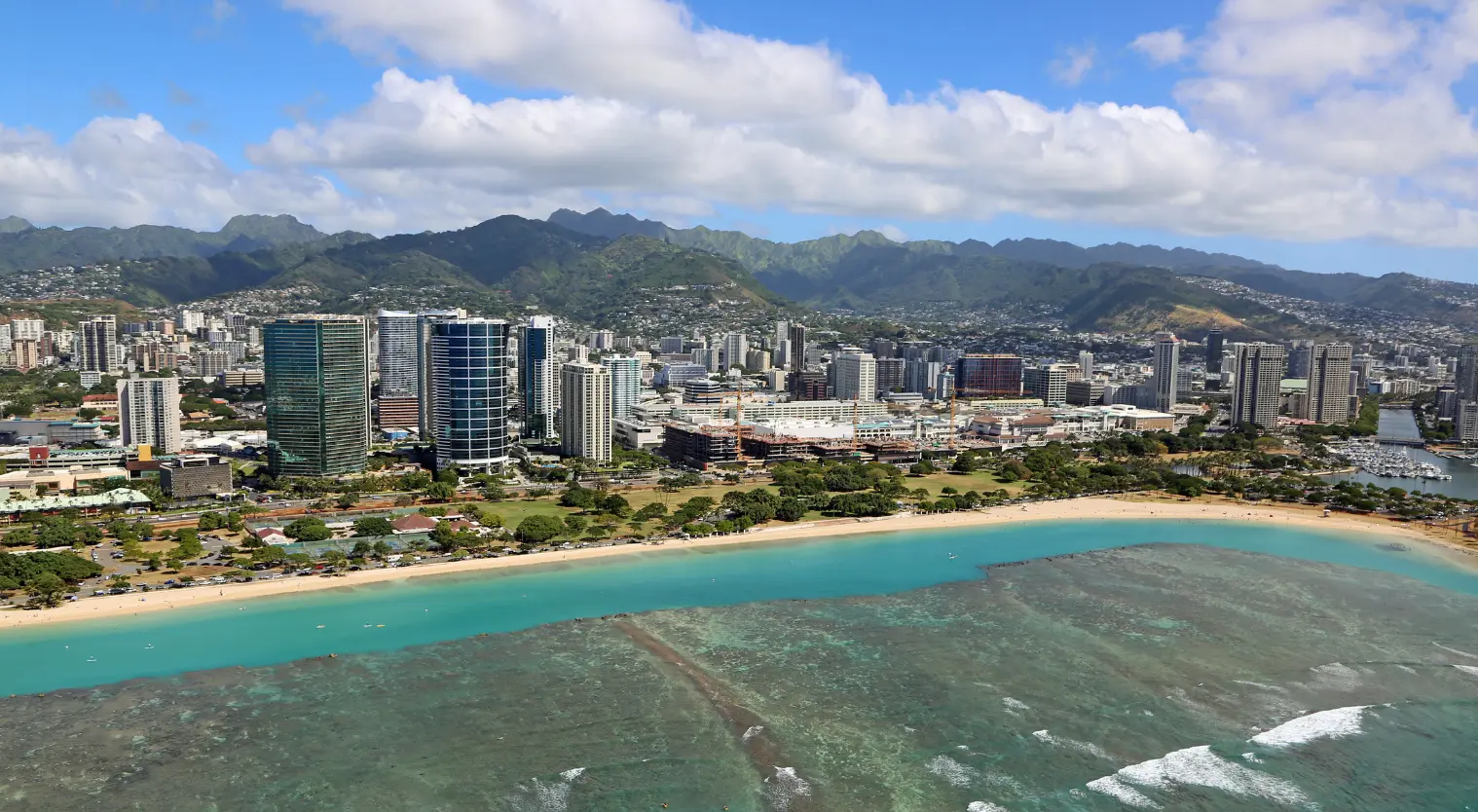
Key Takeaways
- Oʻahu = the whole island (North Shore, Windward, Central, Leeward). Use this when planning beaches, hikes, and scenic drives.
- Honolulu = the main city on Oʻahu (south shore, near Waikīkī). Use this for hotels, restaurants, nightlife, museums, and shopping.
- Stay in Honolulu: walkable and convenient for city activities, but busier with tougher parking.
- Stay outside Honolulu: quieter with easier parking, but you’ll usually need a car and plan for longer drives into town.

Oahu: Roundtrip Shuttle From Waikiki to Dole Plantation & Haleiwa
Skip Circle Island and visit two of the most popular places to visit here on the Island of Oahu. Experience a unique fusion of convenience, affordabil...

Oahu: Grand Tour Around Island with Snorkeling
Come join on a circle island adventure led by some of Hawaii’s most knowledgeable local guides and experience brea...

Polynesian Cultural Center: Gateway Buffet Package
Located on O‘ahu’s North Shore, the Polynesian Cultural Center is a one-of-a-kind attraction showcasing the peop...

Oahu's North Shore: 8-Line Zipline Adventure
Experience the ultimate Oahu zipline adventure on this 3-hour guided tour across the island’s famous North Shore...
Oahu vs Honolulu in One Sentence
Oʻahu is the whole island. Honolulu is the busy south-shore city on it, the place you’ll likely sleep, shop, and sort logistics, especially around Waikīkī.
Oʻahu is the full island; Honolulu is the south-shore hub where you’ll sleep, shop, and handle logistics, especially around Waikīkī.
Use “Oʻahu” when you’re mapping out the fun stuff: beach towns, lookouts, hikes, and the kind of day drives where the air shifts from salt to wet green as you round the windward side. Use “Honolulu” when you’re talking hotels, nightlife, restaurants, and errands, because that’s where the island feels most urban and scheduled.
Tips that save time:
- Plan island loops early. Traffic thickens fast on the south shore, and parking gets competitive by late morning.
- Treat Honolulu as your base camp. Grab groceries, refill water, and do laundry here, then head out.
- Check rules by agency before you go. Parking zones, permits, and drone restrictions can vary depending on where you are, and you don’t want to learn that at the trailhead.
- End your day back in town. After a sandy, sunburned Oʻahu afternoon, Honolulu is where dinner is easy and supplies are close.
Where Is Honolulu on Oahu, Exactly?
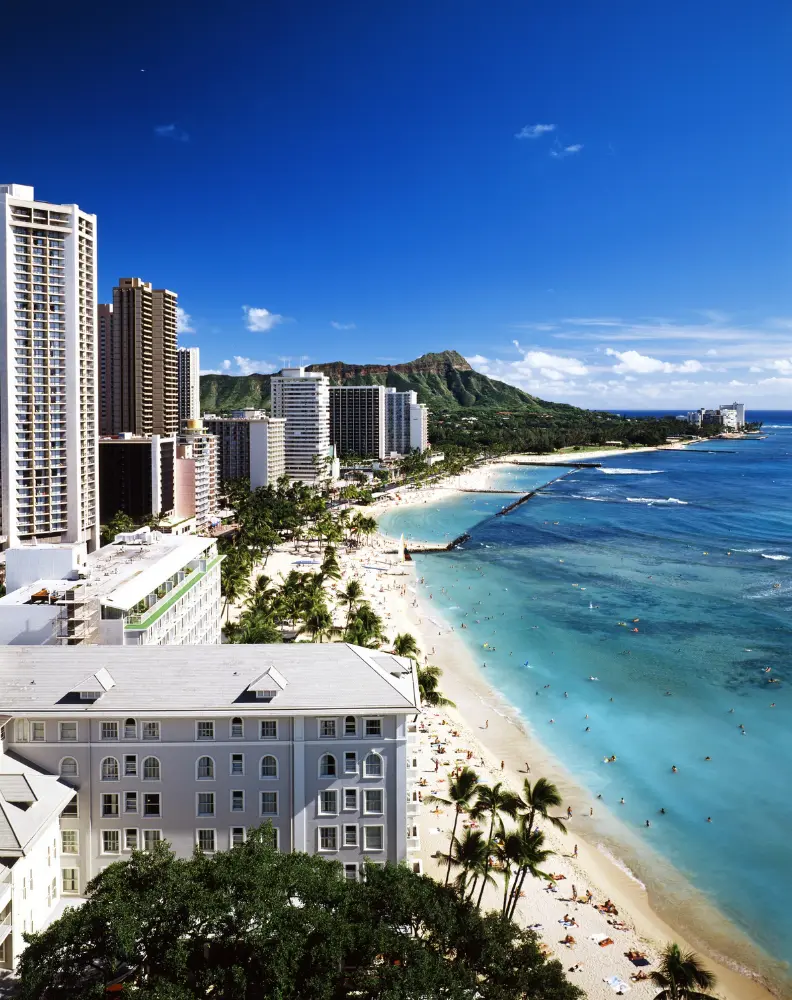
Honolulu lines Oahu’s south shore, starting around the airport and Downtown, then running east past Ala Moana into Waikīkī, with Diamond Head posted up at the far end like a landmark you can’t ignore. On a map it looks tidy. On the ground it feels like a chain of distinct mini-districts stitched together by traffic lights, surf breaks, and whatever time you happen to hit H-1.
Think of “Honolulu” as a bundle of neighborhoods, not one spot. Downtown and Chinatown are where you go for old buildings, local lunch counters, and the kind of streets that reward walking slowly and looking up. Kakaʻako is all murals, new condos, and breweries, with that salty harbor air sneaking in. Waikīkī and Ala Moana lean into the classic beach-and-shopping combo, busy in a way that can be fun if you plan around it.
Tips that save time:
- Pick your home base by vibe: history and food near Downtown, trendier nights in Kakaʻako, beach-first convenience in Waikīkī.
- Group stops by area. Trying to bounce between Downtown and Waikīkī all day turns into a windshield tour.
- Build in real drive time. A short distance can feel long once you add parking, one-way streets, and rush hour.
Honolulu’s South Shore Location
On Oahu’s south shore, Honolulu runs in a clean line from the working harbor and downtown towers to Waikīkī’s long, busy beach. This is the island’s most urban coastline: salt in the air, traffic in your ears, and a surprising amount you can do between swims.
Do the beach early. The water is calm, the light is soft, and you can actually hear the waves before the day warms up and Waikīkī turns into a full production. Save the middle of the day for indoor stops, long lunches, and anything that involves crossing town.
A simple day flow that works:
| Time | Move |
|---|---|
| Sunrise | Swim or walk the sand |
| Late morning | Bus or bike along the coast |
| Midday | Plate lunch somewhere local |
| Sunset | Watch the catamarans head out |
Tips that make South Shore Honolulu easier:
- Start at Kaimana or the east end of Waikīkī if you want a quieter swim and fewer tour groups.
- Use TheBus for east west hops. It is cheaper than rideshares and less stressful than parking.
- Bike the flat stretch when the trade winds are up. It keeps you cool and saves time in traffic.
- If you have a car, get moving early. By late morning, short drives can turn into slow crawls.
- After dark, stick to well lit main streets and the beach paths. Waikīkī is easy on foot when you keep it simple.
Stay somewhere central and you can bounce between the beach, downtown, and food without burning half your day in transit.
Neighborhoods Within Honolulu
Most people say “Honolulu” like it’s a single place. On the ground it changes fast, sometimes in one long block. Downtown feels brisk and businesslike with glass towers and courthouse traffic. Chinatown is louder and messier in the best way, with roast pork in the window, fruit stalls out front, and bars that don’t really get going until late. Waikīkī is its own bubble of hotel lobbies, surf lessons, and sunset crowds. Then you hit the edges like Kaimukī and Kapahulu, where the pace slows and dinner feels like it was made for locals first. Before you plan anything, pick the neighborhood, because “five minutes away” can mean a very different walk, bus ride, or parking headache.
- Start early in Chinatown. Go while the markets are active and the sidewalks still feel like a working neighborhood, not a night out. Grab a snack you can eat on the move, then stroll toward the water.
- Walk the waterfront to Kakaʻako. The air turns saltier, the streets get wider, and the art walls give you an easy, no-reservation way to spend an hour. Wear shoes you don’t mind getting dusty.
- Midday, head to Mānoa Valley. The temperature drops a notch and the green closes in. Do a short hike if you have energy, or just park yourself with coffee and watch the rain drift through.
- Evening, choose your meal zone. Kaimukī is great when you want a sit-down dinner without Waikīkī chaos. Kapahulu is better for browsing, casual bites, and a few shops that stay open later.
- If you have extra time, detour through Pauoa. It’s close to Downtown but feels removed. Go for a quiet look at historic sites and neighborhood streets, not nightlife.
Oahu vs Honolulu: The Areas You’ll Use
Once you start plotting beaches, hikes, and dinner reservations, you’ll feel the difference fast. Oahu is the whole playing field. Honolulu is the tight, busy corner where many trips kick off and where you can get a lot done without touching a car key.
In Honolulu, you “use” neighborhoods by walking them. Waikiki to Ala Moana is an easy stroll when the trade winds are up and the air smells like salt and sunscreen. Downtown and Chinatown are built for short hops: galleries, markets, shave ice, then a quick museum stop before the afternoon rain rolls through.
Tips for Honolulu days:
- Use TheBus for the in-between stretches. It’s reliable, and parking will ruin your mood.
- Plan one or two timed anchors: Bishop Museum, ʻIolani Palace, a farmers market, a festival. Everything else can flex.
- Pay attention to parking signs. Rules change block to block, and tow trucks work like they’re on commission.
- Some residential pockets get quiet early. If you want late-night food, stick closer to Waikiki, Kakaʻako, Chinatown, or Kapahulu.
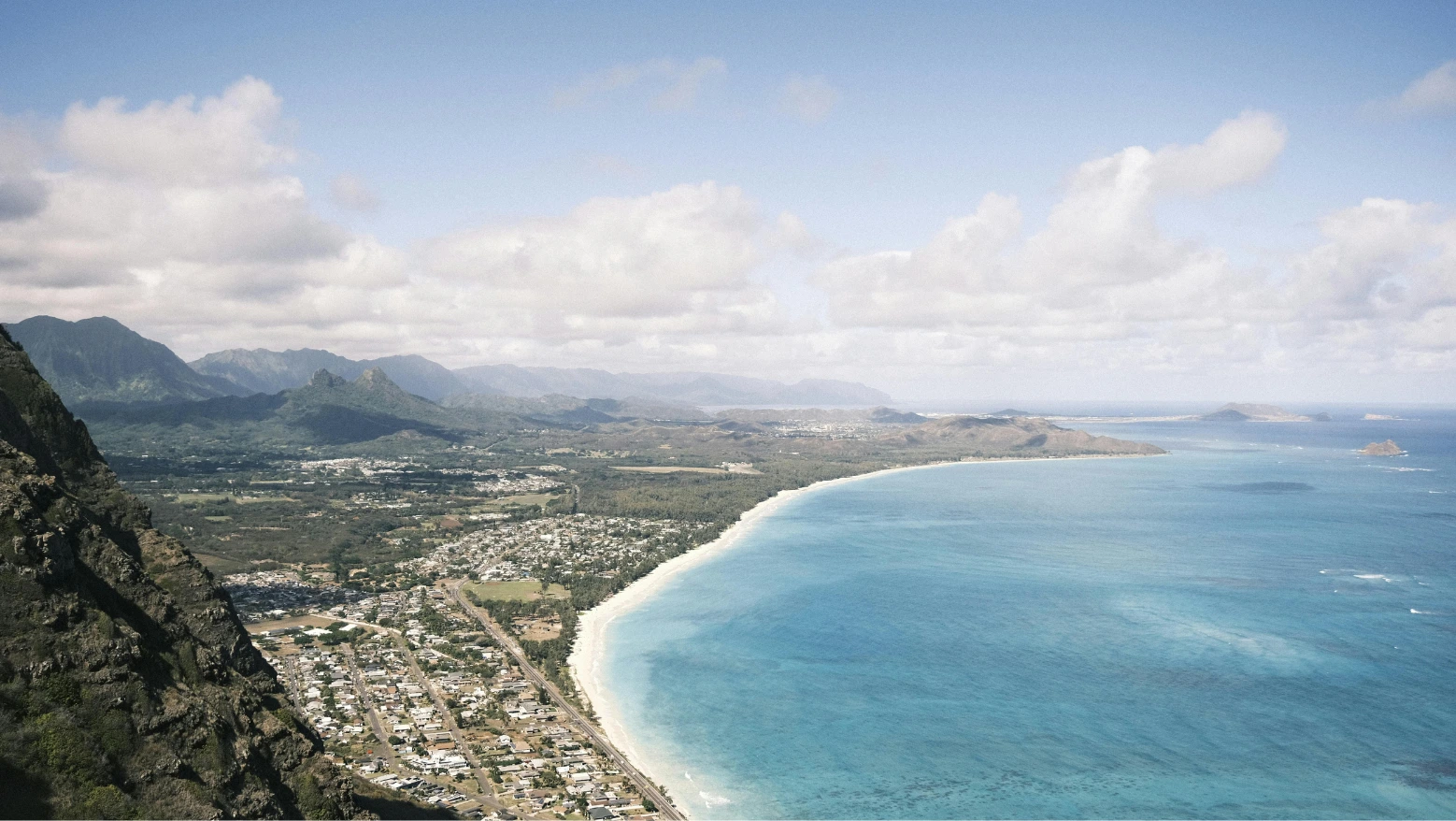
On Oahu, you “use” the island in regions. North Shore is a full day with sandy feet and a sticky steering wheel. Windward is greener and wetter, with trailheads that feel like they were dropped into a jungle. Central is practical for swap meets and plate lunch. Leeward is where the light gets soft at sunset and the ocean goes glassy.
Tips for island days:
- Drive with a plan. Cluster stops so you aren’t zigzagging through traffic.
- Start early for popular beaches and hikes. You want the parking spot, not the consolation walk from a mile away.
- Expect passing showers. Keep a towel and a dry shirt in the car.
- Gas up before you wander. The “I’ll get it later” plan always backfires on the far side of the island.

Pearl Harbor USS Arizona Memorial & Battleship Missouri
Visit USS Arizona and Battleship Missouri, as they represent both the beginning and the end of World War II. The acc...
Honolulu: Three Star Deluxe Sunset Dinner Cruise and Show
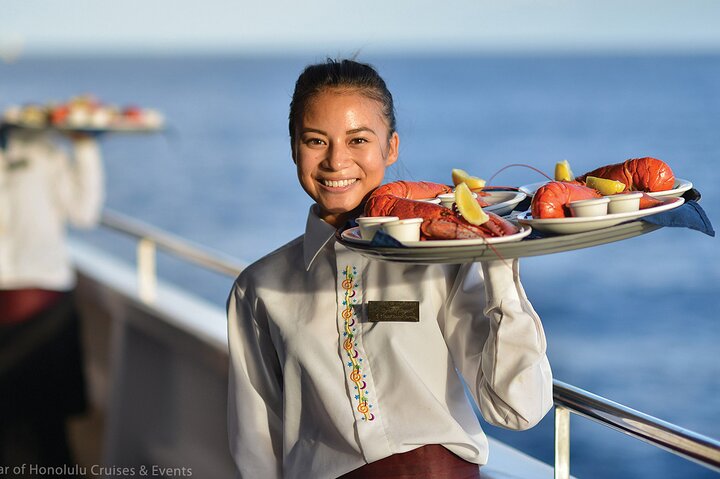
As the sun sets over the Pacific, enjoy a luxurious Honolulu dinner cruise along the scenic coastline near Diamond H...

Waikiki Glass Bottom Boat Cruise
Experience the beauty of Oʻahu South Shore as we sail toward Lēʻahi (Diamond Head) aboard the spacious Haleiwa Qu...
Oahu vs Honolulu: Where to Stay by Vibe
If you’re coming to Oʻahu for the buzz, stay in Honolulu. You can roll from poke to ramen to a cocktail bar without planning your whole night around parking, and day trips are simple. If you’re chasing quiet, base yourself outside the core and accept that your schedule will follow traffic, sunrise light, and when the rain tends to pass.
Waikīkī is the obvious beachfront base and, honestly, it works. You get swim-friendly water, sunrise walks with your coffee, and plenty of late-night food. The trade-off is noise, crowds, and the feeling that you’re in a resort district more than a neighborhood. If you want mornings that start with roosters and end with stars, head windward or up to the North Shore. You’ll swap high-rises for smaller places, earlier closing times, and a longer drive whenever you want “city.”
If you like a more local, food-first stay without giving up Honolulu convenience, look around Kaimukī, Kapahulu, or Kāhala. You’re close to great plates and good coffee, and your nights feel calmer. For a reset-style trip, pick a retreat-ish spot where the plan is simple: hike, beach, shower, repeat.
Tips to choose well:
- In Waikīkī, ask for a higher floor or a room away from the main strips if you’re a light sleeper.
- Windward and North Shore stays feel calmer, but you’ll want a car and patience with one-lane roads.
- If food is a priority, Kaimukī and Kapahulu put you near some of the most satisfying, low-key eats on the island.
- Build drives around rush hour. Crossing the island at the wrong time can turn a “quick” trip into a mood killer.
City Energy Vs Island Calm
Sometimes the “Oahu vs Honolulu” mix-up is really a vibe check. Honolulu has the hum of a proper city: you can walk to coffee, eat late, hop on TheBus, and bounce from Waikiki to Kaka‘ako without thinking too hard. Beaches are right there, but they come with crowds, noise, and that constant sense that something else is happening two blocks over.
Step outside Honolulu and Oahu exhales. Nights go quiet early. Roads get darker. You’ll hear coqui frogs and trade winds instead of traffic. You also get more breathing room, easier parking, and mornings that feel like yours before the day-trippers roll in.
Pick Honolulu if you want to stitch together meals, bars, museums, shopping, and tours without driving much. Base elsewhere if you want space, a slower pace, and the kind of calm where you actually notice the color of the water.
Tips that make the whole week smoother:
- Front-load your mornings. Do the hike, farmers market, or paddle session early, then hide out during the midday heat and crowds.
- Build one proper loop day. Do North Shore for food trucks and surf watching, or Windward for lush views and quick beach stops. Start early and snack often.
- Match your evenings to your energy. If you like late dinners and a little buzz, stay in town. If you want quiet, pick a base where you can park once and sleep hard.
- For sunrise peace, sleep east or north. Then day-trip into Honolulu when you’re ready for the city.
- Use TheBus on no-car days in town. It saves the parking headache, especially around Waikiki and Ala Moana.
Still comparing Oahu Vs Honolulu Planning And Base Comparison?
Ask for tour ideas, hotel suggestions, or a simple trip plan that combines both.
Trip Helper
Beachfront Resorts And Nightlife
That city-or-calm decision gets real the moment you pick a bed. On Oahu, beachfront resorts and nightlife pack tightly into Honolulu, with Waikiki doing most of the heavy lifting. You can step off the elevator, cross the street, and be on sand with the last of the light on the water. Later, the neighborhood stays awake: ramen and poke counters, hotel bars with decent playlists, live music you can hear before you see the door.
Stay outside town and you can still go out, but it becomes a round trip. You’ll be watching the clock, hunting parking, and paying for it twice.
| Time | Waikiki plan | Quick tip |
|---|---|---|
| Sunset | Beach walk, then a lounge with a view | Book a lanai table if you want front-row seats |
| Late | Hotel pool party, then a speakeasy-style bar | Take a rideshare and save yourself the parking hassle |
Tips that make Waikiki nightlife easier:
- Book Friday and Saturday in town if you want energy on foot
- Start earlier than you think, especially if you want a seat with a view
- Keep a light layer in your day bag. Trade winds turn damp after dark
- If you’re driving in from elsewhere, park once and stay put. Bounce around on foot from there
Local Neighborhoods And Retreats
Step one: get off Waikiki’s neon shoreline and pick a base with a real personality. On Oahu, where you sleep decides how your days feel. It also decides whether you spend your evenings hunting for parking or actually eating dinner.
Kailua (Windward side)
Beach mornings are the whole point here. Roll out early, bike toward Lanikai for sunrise, then swing back for shave ice before the crowds wake up. Nights are mellow.
Tips:
- Bring or rent bikes. It’s the easiest way to move around without circling for a spot.
- Do a proper grocery run on day one. After dark, options thin out fast.
North Shore (Haleiwa and nearby)
You’ll start checking the ocean before coffee, then follow it with shrimp trucks, plate lunches, and a slow drive past fields and surf breaks. After dinner, it gets properly dark, which is rare on Oahu.
Tips:
- Book stays early, especially in winter surf season and around holidays.
- Expect a lot of driving if you plan to bounce back to Honolulu for nightlife.
Manoa or Tantalus (above Honolulu)
These feel like a small reset button: cooler air, green ridgelines, birds at dawn. You can hike first thing, then drop down into town for museums, food, and a late afternoon swim.
Tips:
- You want a car here. Roads are steep and transit is limited.
- Pack a light layer. The mountains can feel surprisingly cool after sunset.
Chasing quieter coves
Aim for the Windward coast and the east side, then start early. The good pullouts fill quickly, and the best water is usually before the trade winds kick up.
Oahu vs Honolulu: Traffic and Real Drive Times
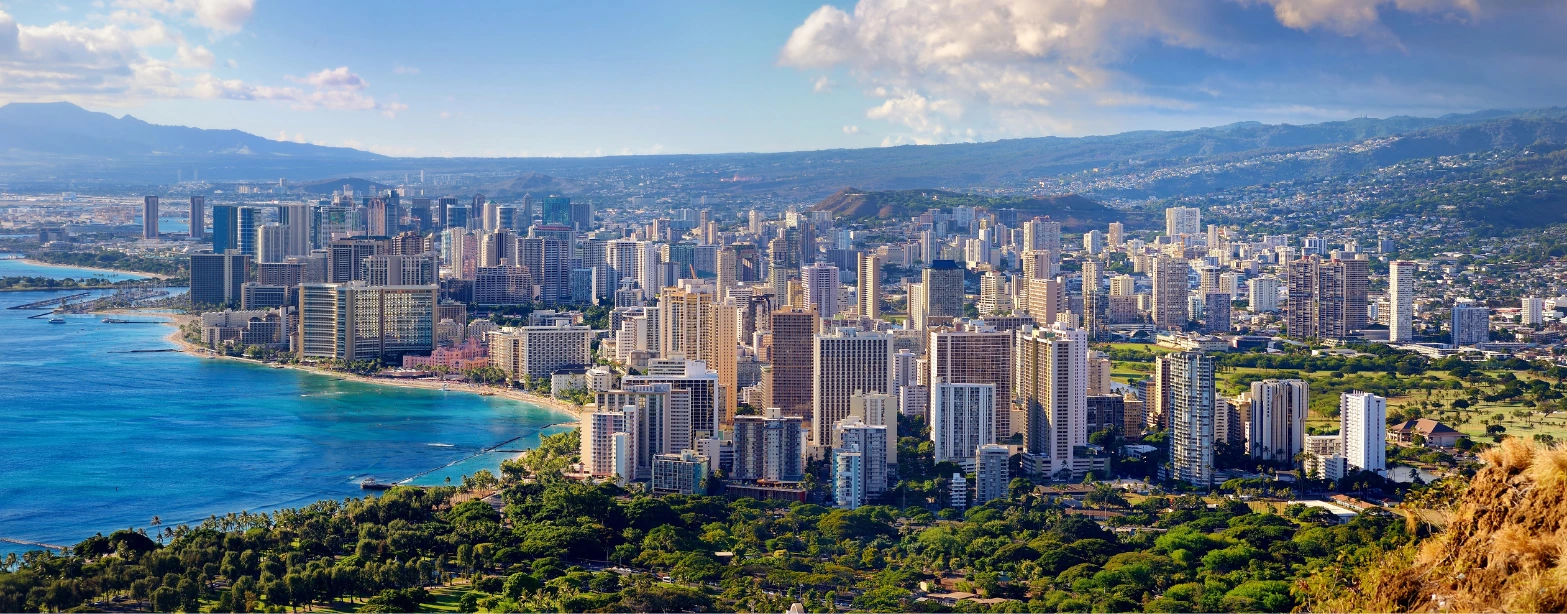
Honolulu traffic has its own clock, and your map app doesn’t run it. The H-1 can look innocent until you hit the squeeze points near downtown and Waikīkī, then suddenly you’re crawling past the same mural for ten minutes. If you’re driving into town in the morning or trying to escape in the late afternoon, plan on a real delay, not a “maybe.”
If you’re crossing the H-1 into Honolulu, add 20 to 40 minutes during 7–9am and 3–6pm. Midday isn’t a free pass either. Quick lunch plans get eaten alive by slow streets and the simple fact that parking spots are rarer than you expect.
Best way to do Honolulu is to start early, park once, and stay on foot.
Tips that save sanity:
- Build mornings around an early start. Coffee tastes better when you aren’t staring at brake lights.
- For Waikīkī dinners, skip driving and take TheBus or a rideshare. You’ll walk less and swear less.
- If you must drive, pick counterflow routes when you can. Going the opposite direction of the pack feels like cheating.
- Reserve garage parking ahead, especially near Waikīkī and downtown. Street parking turns into a slow scavenger hunt.
- Fridays: leave town before noon if you can. After that, the whole island seems to aim for the same on-ramp.
- Check for downtown events and closures before you go. One parade or fun run can flip your route in a minute.

Honolulu: Pacific Star Sunset Dinner Cruise and Show
Indulge in the original Pacific Rim cuisine, where each dish serves as a gateway to the rich flavors of the region...

Pearl Harbor USS Arizona Memorial Tour from Waikiki
Turn back time as we explore WWII history at Pearl Harbor and relive the infamous Sunday morning of December 7, 1941...

Parasailing Experience in Waikiki, HI
Experience the thrill of Oahu parasailing on this unforgettable 1-hour adventure from Waikiki. Soar up to 1,000 feet...
Oahu vs Honolulu: Beaches and Hikes Nearby
Within 20 minutes of most Honolulu hotels, you can be in the water or on a trail without turning the day into a logistics project.
The trade-off is obvious the second you see the parking lots. More people, less solitude.
If you want this to feel easy, start early, wear reef-safe sunscreen, and plan to be back before midday traffic makes every short drive feel personal.
1. Waikīkī to Ala Moana
Ala Moana Beach Park is the quick win when you want calm water and a smoother scene than the tight strip of Waikīkī.
The lagoon-like stretch stays friendly for swimmers, and the park has the practical stuff dialed in.
Tips
- Go at sunrise for glassy water and fewer floating lessons in the shallows
- Use the showers to rinse off before you commit to breakfast
- Grab rentals nearby if you didn’t pack your own snorkel or paddleboard
2. Diamond Head
Diamond Head is popular because the payoff is real.
A short climb gets you a wide, salty view over Honolulu, and the crater path has that classic volcanic texture underfoot.
It also gets hot fast and shade is scarce.
Tips
- Book timed entry ahead of time and screenshot it for spotty reception
- Bring water and finish before 9am if you want to enjoy it instead of endure it
- Wear shoes with grip, the steps and tunnels can feel slick with crowds
3. Mānoa Falls to Tantalus
Mānoa Falls is lush, damp, and loud in the best way, with the kind of green that makes you forget you’re minutes from town.
If you have more energy, the higher roads and side trails around Tantalus add cooler air and bigger tree cover, with occasional ridge scrambles if you know what you’re doing.
Tips
- Expect mud even on sunny days, wear shoes you’re willing to wash
- Skip it after heavy rain, the trail gets sloppy and stream crossings rise fast
- Bring mosquito repellent, the forest doesn’t play around
Want hidden coves and quieter sand? Leave Honolulu behind.
The windward side and the North Shore deliver the beaches people imagine when they book Hawaiʻi.
Give yourself one full Oʻahu day for that, with an early start and a flexible plan around surf and weather.
Oahu vs Honolulu: Food, Bars, and Nightlife
Most nights, you’ll feel the Oʻahu vs Honolulu split as soon as dinner comes up. In Honolulu, the evening can stretch. You can book a proper ramen counter at 7, slide into a cocktail bar at 9, then still find something hot and salty at 11 without leaving the neighborhood. Waikīkī and Kakaʻako stay bright and busy, with lines, music leaking out of doorways, and that constant background hum of traffic and scooters.
> Oʻahu nights split fast: Honolulu runs late, ramen at 7, cocktails at 9, hot bites at 11 in Waikīkī or Kakaʻako.
Outside Honolulu, nights tend to wind down earlier. You eat with the daylight: shrimp trucks, tacos, poke by the beach, then one more beer while the sky turns pink and the parking lot empties. It’s relaxed, local, and sometimes frustrating if you’re hungry at 9:30 and everything has already flipped the closed sign.
Tips that save you time and hassle:
- Reserve the popular Honolulu spots, especially Friday and Saturday. Walk-ins can mean a long wait in a loud room.
- If you’re staying in Waikīkī, plan for parking to be annoying and expensive. Rideshare is often the smoother move.
- On the North Shore, Windward side, and small-town areas, check closing times before you drive. Kitchens can stop early even when the bar is still open.
- Food trucks are a solid dinner plan, not a backup. Go a little before peak sunset hour if you hate lines.
- Speakeasy-style bars can be worth the hunt, but verify the hours that same day. Some places keep very short schedules.
Oahu vs Honolulu: Must-See Sights and Day Trips
Zoom out from the dinner-and-drinks map and the Oʻahu vs Honolulu split shows up fast. Honolulu is the place for tight, satisfying days where you can bounce from Diamond Head at first light to ʻIolani Palace, slide into the cool halls of Bishop Museum, then end with a Kakaʻako mural wander when the afternoon heat starts to ease.
You’re rarely far from shade, snacks, or a bus line, and that makes the city feel forgiving.
The rest of Oʻahu asks for commitment. North Shore is a full-on day with surf watching, food trucks, and shrimp plates that leave your hands smelling like garlic for an hour. Windward Oʻahu is greener, breezier, and made for pullouts and beach time.
If you want the whole loop drive, treat it like a real road day, not something you squeeze in between brunch and sunset cocktails.
Tips that save your day:
- Start early. The island runs on school traffic and tour buses, not your sleeping-in fantasy.
- Pick one coast per day. Crossing the island back and forth looks short on a map and feels long in real time.
- Lock in parking and reservations for bottleneck stops, especially Diamond Head and popular luaus.
- Pack reef-safe sunscreen, a light rain layer, and cash for roadside snacks.
Hidden oases
Honolulu has small, sneaky breaks from the bustle if you know where to look. Duck into Foster Botanical Garden for real shade and that damp, green smell after a quick rain.
On the windward side, Ho‘omaluhia Botanical Garden feels like you drove into a movie set, with mountain ridges stacked behind the palms. Bring water and take your time, this is the kind of place that rewards slow walking.
Quick tips:
- Go early for quiet and softer light.
- Mosquito repellent isn’t optional after rain.
- Respect closures and posted signs. These gardens are loved hard.
Cultural festivals
Honolulu concentrates the big cultural calendar. If you catch Merrie Monarch season spillover events, Lei Day celebrations, or a weekend at the Honolulu Festival, you’ll see the city at its best: families out, music drifting across parks, and food lines that move faster than you expect.

Oahu Circle Island Snorkeling Tour: Dole, Pali Lookout & More
Looking for the BEST VALUE & MOST COMPLETE Circle Island Snorkeling Tour? Join us for the ultimate full-day, action-...

Oahu: Dole Plantation & Haleiwa Town OR Grand Circle Island Tour
Choose from two exciting ways to experience Oahu's top attractions, scenic beauty, and local culture.Option 1: Dol...

Oahu Grand Circle Island Experience from Waikiki
Enjoy Grand Circle Island experience tour with breathtaking views of Amelia Earhart Lookout on Diamond Head, admire...
Outside Honolulu, look for smaller town festivals and farmers markets where you can actually talk to vendors without shouting.
Quick tips:
- Arrive hungry and carry cash.
- Check park and street closure notices before you commit to driving.
- Be polite with photos. Ask before getting close to performers and kūpuna.
Coastal photography and marine conservation
Honolulu gives you easy, dramatic shots with minimal effort: Magic Island for clean sunset lines, Ala Moana beach for outrigger canoes against the skyline, and the view from Tantalus when the city lights switch on.
For the classic Oʻahu coastline, plan a day to the east or north. The light on the Windward cliffs in the morning is unreal, and North Shore in winter is loud, salty, and powerful.
Quick tips:
- Golden hour matters more here than fancy gear.
- Stay off wet rocks and never turn your back on the ocean.
- Look for volunteer beach cleanups or visitor-friendly reef education stops.
- Keep distance from turtles and monk seals. If you have to zoom in, you’re doing it right.
Oahu vs Honolulu: Quick Trip Scenarios
If the clock is brutal, the Oʻahu vs Honolulu decision is really about whether you want to be on the road or on the sand. For a tight trip, Honolulu wins because it keeps everything close, and you spend your hours eating and walking instead of hunting for parking.
When time’s tight, pick Honolulu: fewer road hours, more sand time, walk, eat, and skip the parking hunt.
24 hours: Stay in Honolulu.
Base yourself in Waikīkī so you can dip in the ocean between errands. Walk the strip early before it gets loud, then head over to Kapahulu for poke and something sweet. If you’re flying in and out fast, keeping it all in town makes the whole layover feel calmer.
Two days: Add one big “early start” and one history block.
Do Diamond Head at dawn when the air is cooler and the trail is quieter, and the light over the city actually looks like a postcard for once. Later, take the bus to Pearl Harbor so you don’t lose half the day to traffic and parking lots.
Three days or more: Start thinking like an island hopper, not a city-breaker.
Base yourself on the North Shore or the windward side if you want morning swims, roadside fruit stands, and less Waikīkī buzz. Rent a car and accept that the best beaches and lookouts take effort, plus fuel and parking add up fast.
Tips that make it smoother:
- Go early for Diamond Head and bring water, the sun climbs quickly.
- Use the bus for Pearl Harbor if you’re staying in town, it’s easier than driving.
- Budget for gas and paid parking if you rent a car, especially around Waikīkī.
- Check local festival nights for a low-effort culture hit after dinner, good for people-watching and snacks.

Oahu: Atlantis Submarine Adventure in Waikiki
Explore Waikiki’s marine mysteries while diving more than 100 feet underwater in an air-conditioned, eco-friendly...

Oahu: 60 Min Royal Crown Helicopter Tour - Doors Off or On
See every stunning sight on Oahu from the white sands of Waikiki to the epic big waves of Norh Shore on our incredib...

Hanauma Bay Snorkeling from Waikiki
Experience Hanauma Bay the easiest way with Waikiki’s most reliable Hanauma Bay shuttle. Our early 5:40 AM pickup...
Frequently Asked Questions
Do I Need a Car if I’M Only Visiting Honolulu?
If your Honolulu plans begin and end in Waikiki, skip the car. The neighborhood is built for being on foot, and once you’re out the door the city is right there: surfboards under arms, plumeria on the breeze, and everything close enough that you won’t miss having keys in your pocket.
Getting around is easy without driving. The Bus covers Honolulu well and the routes through Waikiki and into downtown run often. Rideshares fill the gaps when you’re tired, sunburned, or headed somewhere awkward to reach at night.
Tips that make it smoother:
- Walk Waikiki early or late. Midday heat and crowds turn a 15 minute stroll into a slow shuffle.
- Use TheBus for downtown, Ala Moana, and museum days. Buy a HOLO card so you’re not hunting for cash.
- Rent a Biki bike for short hops, especially along the flatter stretches near Ala Moana and Kaka‘ako.
- Treat scooters as a last mile tool, not a full day plan. Sidewalk etiquette matters and the pavement can be rough in spots.
- Budget rideshare money for airport runs, Diamond Head mornings, or when you’re dressed up for dinner.
- Skip hotels that push valet-only parking unless you love paying extra to wait for your car.
- Lean on hotel and tour shuttles for popular stops. Pearl Harbor and some North Shore tours are easier without the parking headache.
- Don’t bother with temporary parking permits. Street parking rules change block by block and tickets add up fast.
Is Waikiki the Same as Honolulu or a Separate Neighborhood?
Waikiki sits inside Honolulu. Think of it as the city’s beachfront resort strip, compact and walkable, where Kalakaua Avenue hums from morning shave ice runs to late-night live music drifting out of hotel bars. You can be in the middle of the action and still be “in Honolulu” on every map and address.
Most visitors base themselves in Waikiki because it’s easy: sand a few minutes away, plenty of places to eat, and buses everywhere. But Honolulu gets more interesting once you treat Waikiki as your home base, not your whole trip.
Tips that work in real life:
- Stay near Kalakaua and the beach if you want maximum walkability and quick ocean time.
- Go early to Diamond Head for cooler air and fewer people. Bring water and sun protection.
- Save Ala Moana for the hot part of the day. It’s great for shopping, snacks, and a break from the sun.
- Take TheBus to downtown for food and a different pace, then swing by Kaka‘ako for murals and breweries.
- For a calmer swim, slip over to the quieter end of Waikiki near Kaimana Beach. It feels a world away from the main strip.
Are There Different Airport Options for Oahu Versus Honolulu?
Most travelers land at Daniel K. Inouye International Airport (HNL) in Honolulu, and for good reason. It is where the airlines are, where the rental cars are, and where your interisland connections usually happen. The first thing you’ll notice is the warm, slightly salty air when you step outside, followed by the reality of Honolulu traffic.
There are other airfields on Oahu, but they are niche.
Kalaeloa Airport (JRF), out in Kapolei, is mainly for charters, private flights, and some cargo. It can be convenient if you’re staying on the west side, but do not count on it for regular commercial service.
Joint Base Pearl Harbor–Hickam is a military facility. Unless you have authorized access, it’s not an option for civilian travel.
Tips
- If you’re connecting to another Hawaiian island, build your plan around HNL. Most interisland flights still route through here.
- For Waikiki, HNL is the simplest arrival. For Ko Olina or the west side, Kalaeloa can be a quiet win if you’re flying private.
- Arrive with a little patience. Getting out of the airport area at rush hour can feel slower than the flight across the Pacific.

Oahu Shark Dive on the North Shore
Book the Oahu Shark Dive for a thrilling shark encounter off the North Shore. You’ll travel by boat from Haleiwa H...

Oahu: North Shore Shark Cage Diving
Discover the open-ocean world of sharks on this unforgettable Oahu shark cage diving tour. More than just an adventu...

Oahu Beachfront ATV Adventure and Farm Tour
Aloha, welina mai, ‘ano ‘ai. Greetings, and welcome, from Hawai’i! Located on the famous North Shore beachfron...
What’s the Difference Between Honolulu City Limits and the Island’s Rest?
Honolulu “city” is really the whole island on paper, but in day to day travel terms it means the built up strip from downtown through Ala Moana to Waikīkī, plus the nearby neighborhoods where the buses run often and the sidewalks actually go somewhere. You feel it right away: more traffic noise, more one way streets, more people moving with purpose, and more rules posted on signs you will miss if you’re hungry.
Once you push past the central corridor, Oʻahu loosens up. Houses spread out, the air smells more like plumeria and sunscreen than exhaust, and the best parts of the coastline start showing off. You’ll still have services, but they come with longer gaps and earlier closing times, especially on the North Shore and out past Hawaiʻi Kai.
Tips that save time and irritation:
- Parking: In town, assume paid parking and strict time limits. Outside the core, beach lots fill early, so arrive before 9am if you want an easy spot.
- Transit: TheBus is great in the Honolulu corridor. For beach hopping beyond that, a car makes your day simpler unless you’re happy to plan around schedules.
- Beach planning: Use Waikīkī for an easy swim, a sunrise walk, or a quick surf lesson. Save your longer beach day for outside town where the sand feels less crowded and the water looks more like the photos.
- Food: In the city, you can eat late and snack constantly. Elsewhere, keep an eye on closing times and grab plate lunch, poke, and baked goods when you see them. The small counters are often the memorable meals.
Which Areas Are Best for Families Traveling With Young Kids?
Base yourselves in Ko Olina if you want the easiest days. The man made lagoons stay glassy, the sand is gentle on little feet, and everything feels close enough to handle with a stroller and a snack bag. Waikiki works too, especially if you like being able to pop back to the room fast, but it is busier and louder once the day ramps up.
Add Kailua for a change of scene. The beach is wide and breezy, and a sandbar day out in the bay is pure kid magic when the water is calm. Plan this for a morning with good weather and low wind.
Ala Moana Beach Park and Magic Island are your early start spots. The water is usually calmer before the trade winds kick in, the paths are flat, and there is enough open space for toddlers to wobble around without you feeling pinned to a single patch of sand. Then do what locals with kids do. Head back for lunch and a real nap, not a stroller snooze.
Tips that make the day easier:
- Go early for Magic Island. Shade is limited and parking gets annoying fast.
- Pack reef shoes for Kailua and the lagoons. Better grip, fewer tears.
- Bring a light blanket or pop up shade. The sun on Oahu is not subtle.
- Keep afternoons flexible. Wind and crankiness both show up on schedule.
Conclusion
When people say “Honolulu,” they often mean the whole island, but Oahu vs Honolulu is a real distinction that changes how your days feel. Oʻahu is the entire island playground: surf towns, jungle ridgelines, shrimp trucks, and long drives that are worth it when you time them right. Honolulu is the city core: Waikīkī’s shoreline buzz, Kakaʻako’s murals and coffee, Downtown’s history, and the most convenient place to sleep if you like your trip on foot.
If you want dinner without a steering wheel, mornings that start with a swim, and evenings where the only “plan” is a short stroll to poke or ramen, base yourself in Waikīkī, Kakaʻako, or Downtown Honolulu. You can still day-trip: leave early for Diamond Head, Hanauma Bay, or a lap around the island, then roll back into town before traffic thickens.
If you care more about quiet nights, North Shore surf culture, or Windward hikes with that damp green smell after a quick rain, stay outside the city and treat Honolulu like a pop-in for museums, a sunset drink, or a reservation-worthy meal.
On logistics, Oʻahu rewards loop days, not zigzags. Drive one side, eat along the way, come back before rush hour. Pack reef-safe sunscreen, a light layer for breezy lookouts, and be realistic about parking near Waikīkī and popular beaches. If you want to skip the car entirely for a day, a small-group Oʻahu island tour with Waikīkī pickup can be genuinely stress-saving, especially when you can lean on verified reviews, instant confirmation, and often free cancellation up to 24 hours before. Some options also offer reserve now, pay later, which is handy when you are still juggling dinner plans and beach weather.

Oahu: Ka Moana Lūʻau at Aloha Tower – Oceanfront Luau Show
Ka Moana Lūʻau – Oceanfront Hawaiian Luau in HonoluluExperience the spirit of Hawaiʻi at Ka Moana Lūʻau, a top-rated Honolulu luau set at his...

Oahu: Mauka Warriors Luau Honoring Polynesia's Forgotten History
Step into the vibrant heart of Hawai‘i and experience a luau like no other—where culture, history, and celebrati...

Waikiki Snorkeling & Ocean Waterpark Adventure from Oahu
Skip the crowded snorkel tours and experience Oahu’s ultimate ocean adventure for families, couples, and guests of...
Waikiki: Turtle Canyon Snorkel Adventure on Oahu
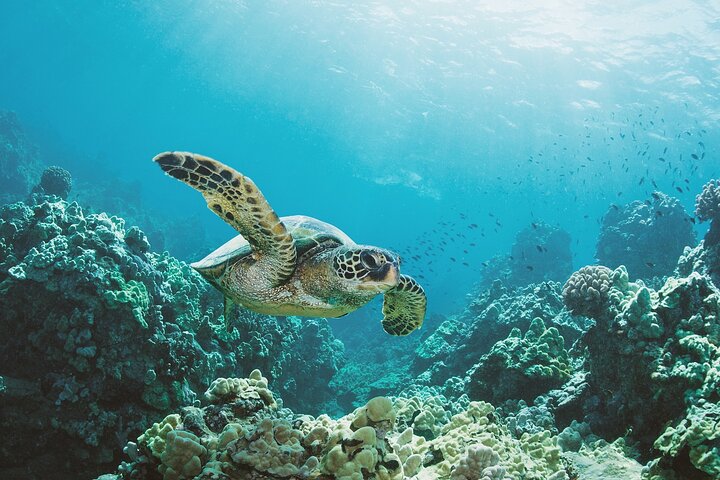
Enjoy an exclusive snorkeling adventure in Waikiki with small group sizes for a comfortable and VIP experience. You...

Ala Moana Hotel by Mantra
A convenient Ala Moana stay connected to shopping and close to the convention center, making it useful for business and value-focused travelers.
Check rates
Waikiki: 2-hour Turtle Canyon Snorkeling Adventure
Join us for a 2-hour snorkeling adventure at Turtle Canyon, one of Oahu’s top snorkeling spots! Cruise along the stunning Waikiki coastline aboard o...

Toa Luau at Waimea Valley, Oahu
Toa Luau invites you to immerse yourself in the beauty and excitement of Polynesia on Oahu’s historic North Shore! Book any one our 3 Luau seating o...