
Oʻahu pulls in nearly 5 million visitors a year, yet a 4-day Honolulu itinerary can still feel like yours if you start early, book the few things that actually need booking, and leave room for ocean time. Base yourself in Waikīkī for maximum walkability, then earn the postcard views with a dawn surf lesson while the water is still glassy and the sand is cool underfoot. Between beach resets, eat with intent: silky poke over warm rice, North Shore garlic shrimp that perfumes your fingers for hours, and shave ice that melts faster than you can decide on li hing mui.
Get your cardio in before the sun turns the sidewalks into griddles. Hike Diamond Head right at opening for cleaner air and fewer selfie-stops blocking the stairs, then reward yourself with an iced coffee back in town. For underwater time, Hanauma Bay is worth the rules and the structure: bring reef-safe sunscreen, and pack your own snorkel if you hate sharing mouthpieces. If you prefer to skip the logistics, several Viator small-group Hanauma Bay snorkel tours bundle hotel pickup from Waikīkī with the gear and timing handled, which is especially nice when parking and entry slots get tight. The useful part is the convenience: instant confirmation, verified reviews, and free cancellation often up to 24 hours before, plus reserve now pay later when you are still juggling dinner plans.
Balance the beach with the heavier chapters. Pearl Harbor lands differently in person, so go early, stay quiet, and give yourself time afterward to decompress. If you do not want to piece together buses and tickets, Viator’s Pearl Harbor day tours with pickup can streamline the morning, and the small-group versions feel less like a cattle call. Then swing into downtown Honolulu for the royal history, courthouse streets, and a change of pace from resort Honolulu. Four days goes fast here, but with smart starts, a few pre-booked essentials, and a willingness to eat whatever looks freshest, it adds up to something more memorable than a checklist.
Key Takeaways
- Day 1: Early Waikīkī surf lesson, then a Kūhiō Ave food crawl (shrimp, musubi, shave ice).
- Day 2: First-light Diamond Head hike, then pre-reserved Hanauma Bay snorkeling.
- Day 3: Opening-time Pearl Harbor (reserved USS Arizona), then ʻIolani Palace + Downtown architecture.
- Day 4: Early Kakaʻako murals (SALT/Auahi), then a calm swim at Ala Moana Beach Park.

Hanauma Bay Snorkeling from Waikiki
Experience Hanauma Bay the easiest way with Waikiki’s most reliable Hanauma Bay shuttle. Our early 5:40 AM pickup gets you…

Waikiki Turtle Snorkeling Tour with Free Pickup
Experience a special turtle snorkeling adventure in Waikiki aboard a smooth and comfortable catamaran. This all-in-one 6-in-1 ocean tour includes…

Hanauma Bay Admission Tickets with Transportation
Hanauma Bay Admission Tickets are Guaranteed with this Tour. Explore the stunning Hanauma Bay Nature Preserve, a premier snorkeling destination…

Waikiki: 2-hour Turtle Canyon Snorkeling Adventure
**Turtle Canyon Snorkel Adventure – Swim with Hawaiian Green Sea Turtles!****Gauranteed**** Join us for a **2-hour snorkeling adventure** at **Turtle…

Snorkeling with Sea Turtles in Waikiki Hawaii Boat Tour
We cruise out to a secret turtle sanctuary in Waikiki to swim with Green Hawaiian Sea Turtles and other marine…

Waikiki Turtle Snorkeling Tour 6 Activities + & Sunset Cruise
Our sunset turtle snorkeling tour delivers a unique all-in-one Waikiki ocean experience, combining adventure, relaxation, and unforgettable views in one…
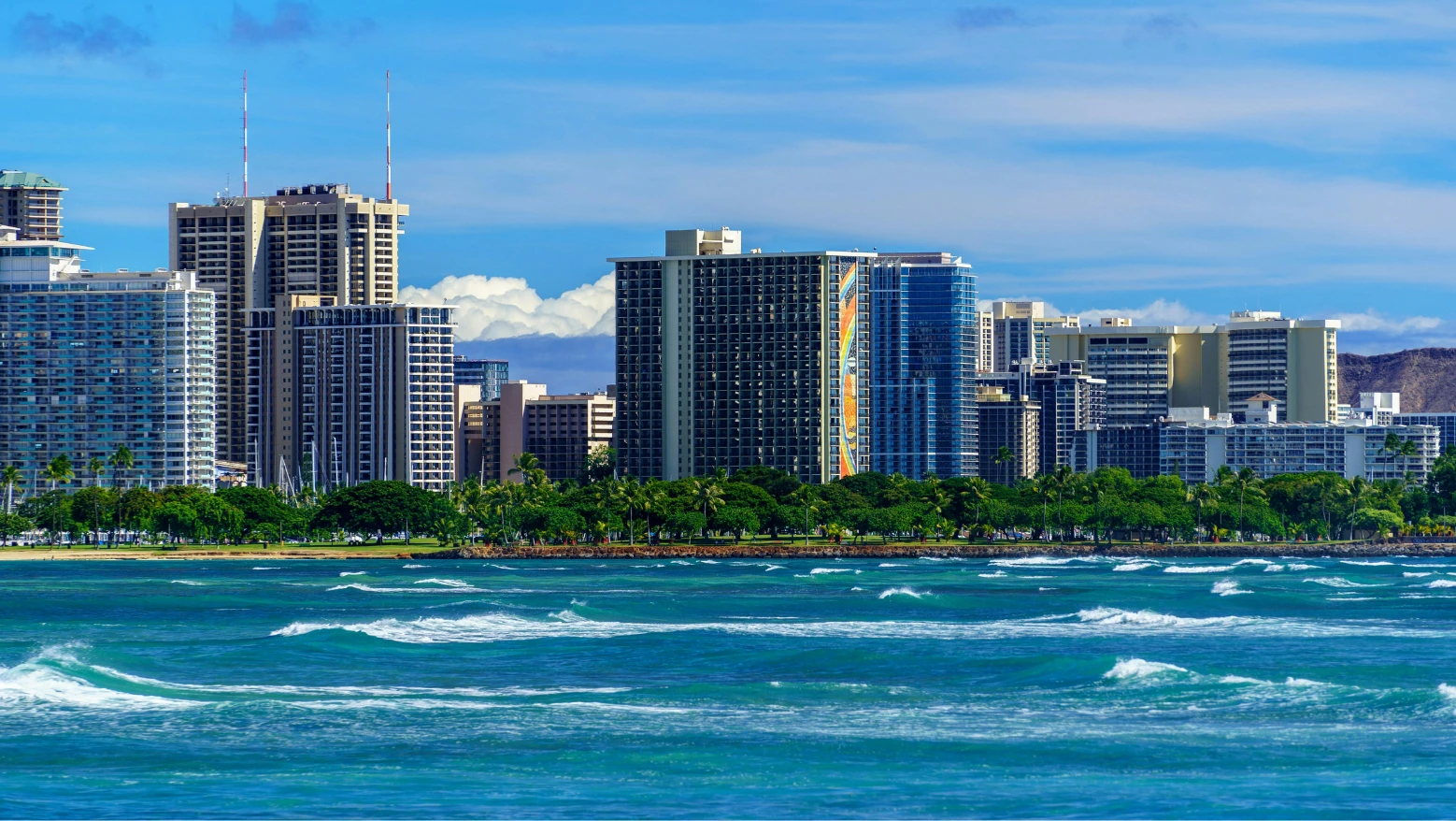
Day 1 Honolulu Itinerary: Waikīkī Beach + Food Crawl
If you want to hit the ground running in Honolulu, start in Waikīkī. Yes, it’s busy. That’s also the point: easy ocean access, plenty of places to eat, and Diamond Head sitting there like a landmark you can use to orient yourself all day. Get out early, before the beach turns into a grid of towels and selfie sticks.
Book a surf lesson for the morning when the water is calmer and instructors are less frazzled. Waikīkī’s long, soft waves are forgiving, but you still want someone watching the lineup and calling when to paddle. Afterward, rinse off, then go straight to breakfast. A salty-sweet plate hits better when you’re still sandy and a little sun-warmed.
By midday, step off the beach and do something practical. Pick up poke for lunch, grab tropical fruit for later, and buy a rash guard if you forgot yours or underestimated the sun. Prices along the main strip aren’t a bargain, but you’ll thank yourself when your shoulders aren’t on fire by Day 2. Then head back for a quick beach nap in the shade. The trade winds do the rest.
Late afternoon, walk Kūhiō Avenue and treat it like a DIY food crawl. Keep it moving, share bites, and skip anything that looks like it’s built for a tour bus. Go for garlic shrimp if you smell it before you see it. Add musubi when you need something solid. Finish with shave ice, not the neon kind that tastes like syrup and regret, but one with good texture that actually cools you down.
End the day on the water. If you want the most flexible version, book a sunset sail and plan dinner on land afterward. A sunset paddle is touristy in the best way, especially when the light turns the shoreline copper and the hotels start blinking on. For the best light, plan to be on board about 30–45 minutes before sunset. If you’re going with a guide, tip like you mean it.
Tips
- Start early. Waikīkī is at its best before 9am.
- Bring reef-safe sunscreen and reapply. The sun here plays rough.
- For poke, look for places with steady local traffic and fish that looks glossy, not wet and sad.
- Eat in rounds. One big sit-down meal defeats the point of a food crawl.
- If you’re paddling at sunset, book ahead and show up a little early. Parking and check-in can eat your golden hour.
Day 2 Honolulu Itinerary: Diamond Head + Hanauma Bay
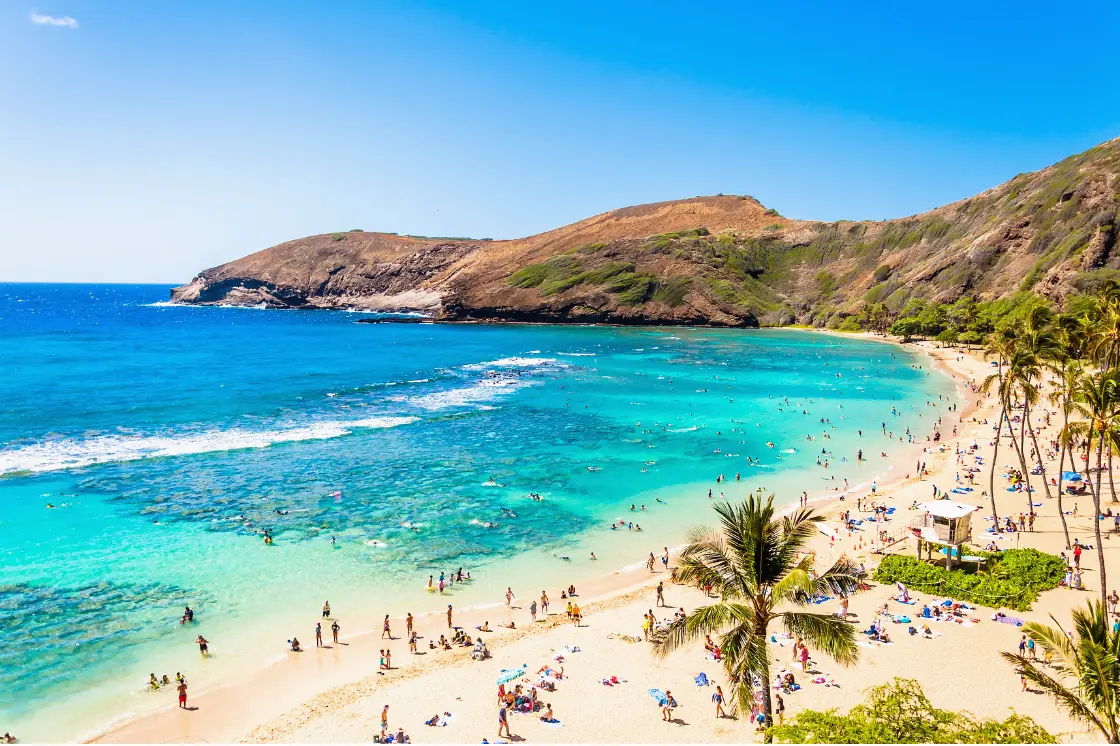
Day 2 is your early start day, for a reason. Get to Diamond Head at first light, before the heat settles in and before the summit turns into a slow shuffle line. The climb is short but punchy, with stair sections that feel steeper than the mileage suggests. At the top, Waikiki looks almost quiet and the ocean has that glassy, just-woke-up shine. Plan on 1.5 to 2 hours for the hike, and note the last reservation is 4:00 pm. Non-residents should lock in online reservations ahead of time, since entry and parking require booking.
Quick tips for Diamond Head
- Bring more water than you think you need. There is zero shade once you get moving.
- Take the tunnel and stair sections slow. The steps are narrow and people stop without warning.
- A hat matters. The crater holds heat fast after sunrise.
- Read the geology signs if you like context. The jagged black rock around you is old lava, not decoration.
Then head east to Hanauma Bay while the water is still clear and the crowds are still sorting themselves out. You will need a reservation, and you will sit through the briefing, but the payoff is real: calm visibility, schools of fish close to shore, and a better chance of spotting turtles cruising the reef edge.
Quick tips for Hanauma Bay
- Book the earliest slot you can. The bay clouds up as the day goes on.
- Use reef-safe sunscreen and still cover up. A rash guard beats reapplying goop with sandy hands.
- Float and breathe. Do not stand on coral, even “just for a second.”
- Bring your own snorkel gear if you can. Rental masks fit fine, but yours will be less leaky.
| Sun | Rock | Sea |
|---|---|---|
| Pale pink dawn | Crater walls | Clear lagoon |
| Bright trade winds | Black basalt ledges | Turtles on patrol |
Day 3 Honolulu Itinerary: Pearl Harbor + Downtown Walk
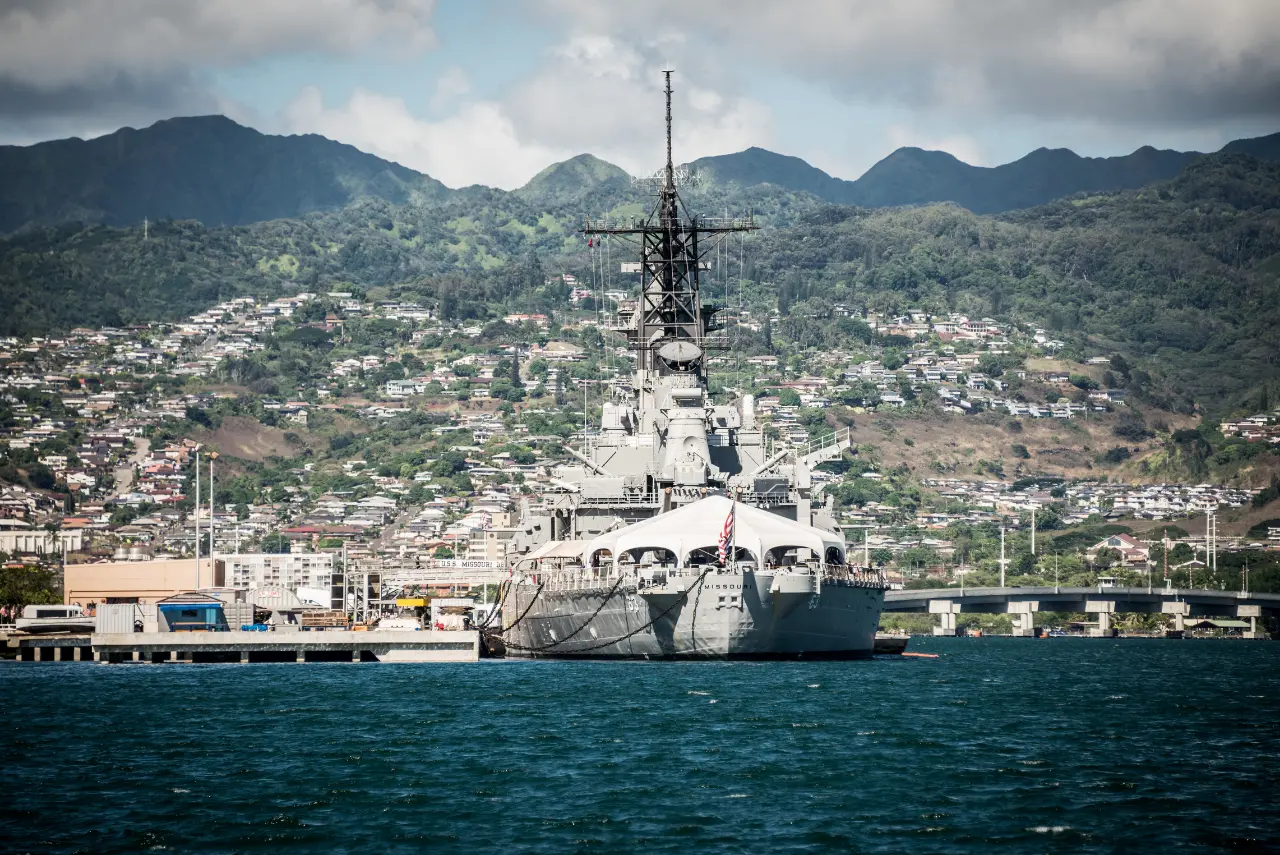
Day 3 eases off the throttle but hits harder. You swap beach time for the long, quiet weight of Pearl Harbor, then take that mood downtown where Honolulu’s history sits right next to bank branches and lunch spots. Reserve the USS Arizona National Memorial as soon as you can. The time slots disappear quick.
Pearl Harbor morning
- Get there at opening. It’s cooler, calmer, and you’ll spend less time in lines.
- Leave the big bag behind. Security is strict and bag storage is a hassle you don’t need.
- Watch the intro film first. It gives the memorial context without turning it into a checklist.
- On the platform above the USS Arizona, keep your voice down and take a minute. You’ll see the oil “tears” on the water, still coming up.
Pearl Harbor National Memorial museums and grounds are free, but program reservations are recommended. Parking at the Visitor Center is $7/day via the virtual pay system.
Downtown afternoon walk

Honolulu Airport Shuttle & Circle Island Tour
**You will Need the following information** -Booking Reference Number (Tripadvisor/Viator) -Full Name / Individual names of each person in your…

Next Level Oahu Circle Island Tour Snorkel w/Turtles and Byodo-In
We take our guest in a semi-private bus with A/C. Our professional local tour guides will share their invaluable cultural…

6-Hour Private Customized Luxury Convertible Tour of Oahu's North Shore
The price is for car and driver NOT per person. The car can take up to 4 passengers plus driver…

Kailua Bay, Oahu: Epic Kayak and Snorkel to Islands
Small Groups! Explore the gorgeous beaches, islands and wildlife sanctuaries around Kailua Bay by kayak with your choice of a…

Certified Divers: Best 2-Tank Wrecks & Reef Boat Dive All Inclusive From Waikiki
What sets us apart: 1. Bespoke dive sites on Oahu 2. Unlike 98% of the snorkeling and diving tour operators…
- Take TheBus to Historic Downtown. Parking is annoying and walking is the whole point anyway.
- Start at Iolani Palace. Even from outside, the details pull you in, and the grounds are a good reset after Pearl Harbor.
- Walk King Street and drift through the courtyards. There are shady benches and pockets of quiet between traffic bursts.
- Look up as much as you look around. You’ll spot mission-era coral stone, clean Art Deco fronts, and older offices with lanais that actually catch the breeze.
Day 4 Honolulu Itinerary: Kakaʻako Murals + Ala Moana Swim
Shake off yesterday’s heaviness and aim for Kakaʻako, where the neighborhood’s old warehouse blocks double as Honolulu’s most photogenic outdoor gallery. Come early while the streets are quiet and the paint looks crisp in the slanting light.
Start around SALT and wander out along Auahi St, then zigzag into the side lanes. The best pieces are rarely on the main drag. You’ll spot a monster mural from half a block away, then turn a corner and find something small and sharp tucked beside a loading dock.
Kakaʻako can feel gritty one minute and polished the next, which is part of the appeal. The only real rule is to keep moving and look up.
When the sun starts to press down, walk over to Ala Moana Beach Park for an easy swim. The water here stays calmer than Waikiki thanks to the reef, and the vibe is local. Families under trees, paddlers sliding by, the sea going glassy in patches. Ala Moana Regional Park was dedicated in 1934 as The Peoples Park. Float for a while and let the salt do its thing. If you end up shifting plans toward Waikīkī later, build in time for Kapiʻolani Regional Park, a free public park dedicated by King David Kalākaua in 1877.
Tips to make it smooth:
- Go early for better photos and cooler walking. Midday heat hits hard on the concrete.
- Wear shoes you don’t mind getting dusty. Some lanes are rough and broken.
- Bring water. Shade is spotty between walls.
- Be respectful when you shoot photos. Don’t block driveways or treat working spaces like a set.
- Ala Moana has showers and toilets near the beach. Pack a small towel and a change of clothes.
- Grab poke at Foodland Farms at Ala Moana Center afterward. Easy, reliable, and you can take it to go.
Frequently Asked Questions
What’s the Best Neighborhood to Stay in for a 4-Day Honolulu Trip?
Stay in Waikiki if you want your 4 days to run on easy mode. You can roll out of bed into warm water, grab a decent coffee, and be on a bus to Diamond Head or Pearl Harbor without thinking too hard about logistics. It’s busy and polished, but the payoff is simple: you spend your time doing Honolulu, not planning Honolulu.
For a different flavor after dark, make Kakaʻako your evening neighborhood. The murals, breweries, and food stalls feel more local and more creative than Waikiki’s resort strip. I like treating it as a night out rather than a base, since lodging options are thinner and the beach is not the point there.
Tips that actually help:
- Pick Waikiki lodging on the Diamond Head end if you want it calmer and more walkable.
- Book a place with beach towels and chairs if you can. It saves money and hassle.
- Pack reef shoes. Waikiki is friendly, but plenty of Oʻahu swim spots have sharp rock.
- Start mornings early for beach time. By late morning, Waikiki sand turns into a people festival.
- Use TheBus for big sights, and save rideshares for late-night returns from Kakaʻako.
Do I Need a Rental Car, or Is Public Transportation Enough?
If you’re sleeping in Waikīkī or downtown Honolulu, skip the rental car. Traffic is a grind, parking is pricey, and you’ll spend too much time feeding meters instead of getting in the water. TheBus is reliable, the sidewalks are made for wandering, and rideshares are easy when your flip-flops finally quit on you.
A car starts to make sense when you want to stitch together beaches, viewpoints, and trailheads in one day. Pearl Harbor is straightforward without one, but spots like Hanauma Bay and many popular hikes feel much easier with a prebooked ride.
Tips that save time and money:
- Use TheBus for everyday getting around. Grab a HOLO card and you’re set.
- Walk Waikīkī at night when the air cools down and the street food smells start pulling you off course.
- Rideshare for short hops, especially when you’re carrying towels, snorkel gear, or shopping bags.
- Book shuttles early for Hanauma Bay, Diamond Head, and big-name hikes. The good time slots disappear fast.
- If you rent a car, do it for a single day or two. Hit the North Shore or the windward coast in one loop, then return it before the parking fees pile up.
- Travel light on transit. A small daypack beats juggling beach chairs on a crowded bus.
What Should I Pack for Honolulu’s Weather and Beach Days?
Pack for warm, sticky afternoons and breezy evenings by the water. You will live in light tees or a loose button down, swimwear, and sandals that can handle sand and a surprise puddle. Honolulu stays casual, but restaurants and hotel lobbies feel better with a simple cover-up or a neat shirt.
Quick, lived-in tips:

Oahu Grand Circle Island Tour Departing from Maui
Maui tour heads to the legendary North Shore, where world champions compete every November and December at famous Waimea Bay…

Oahu Family Adventure: Circle Island Tour + Historic Pali Lookout
Experience Oahu the way locals share it with friends. This small-group (14 max) Circle Island tour is built around great…

Private Island Tour Up to 24 people
Make your own Itinerary or Choose from over 15+ popular attractions and activities. We offer innovative sightseeing tours, come and…

Private Island Tour Up to 11 People
Make your own Itinerary or Choose from over 15 + popular attractions and activities. Below are some suggestions around South…

Best Of Oahu: Grand Circle Island Small Group Tour From Waikiki
Join Pearl Harbor Tours as we embark on an Unforgettable Oahu Circle Island tour adventure as we journey through Hawaii's…

Private Pearl Harbor and Mini Circle Island Tour from Waikiki
Take a private, customizable tour of Oahu’s best destinations, starting at the Pearl Harbor Historic Sites Visitor Center. Here, explore…
- Toss a thin rain jacket or compact umbrella. Mānoa and the mauka side love a fast shower that shows up out of nowhere.
- Bring reef-safe sunscreen you actually like wearing, plus a hat. The sun hits hard even when the sky looks “fine.”
- Pack a rash guard if you plan to snorkel or spend long hours in the water. It saves your shoulders and cuts down on sunscreen drama.
- Carry a reusable water bottle. You will be thirsty after beach time and walking Waikīkī.
- Keep a little cash for food trucks and plate-lunch spots. Cards work most places, but cash keeps things easy.
Are There Any Cultural Etiquette Tips Visitors Should Know in HawaiʻI?
Yes. Treat Hawaiʻi like someone’s home because it is.
- Slow your volume down. In grocery lines, on hikes, at the beach. You will notice people speak a little softer and give each other space. Match that pace.
- Ask before photos. Especially with kūpuna (elders), kids, fishermen, hula practitioners, and anyone at a ceremony. A quick “Is it okay if I take a photo?” goes a long way.
- At heiau and other sacred places, stay on the path. If there is rope, signs, or stacked stones, take the hint. Watch your footing too. These sites can feel quiet and heavy, and that is the point.
- Shoes off when you are invited inside. If you see slippers lined up by the door, add yours. Keep easy slip-ons for this.
- Do not take rocks, sand, or coral. Beyond the legal and environmental issues, locals see it as disrespectful. Leave what you found, even if it fits in your pocket.
- Look, do not touch. Altars, offerings, and anything that looks arranged on purpose should be left alone.
- Tip like you would anywhere in the US. Restaurants, bars, tours, and hotel staff rely on it. Cash is handy for small tips.
- Drive and park with patience. Let people merge, do not block driveways or beach access, and keep rental-car chaos to a minimum.
- When in doubt, ask. Most awkward moments are solved with one calm question and a little humility.
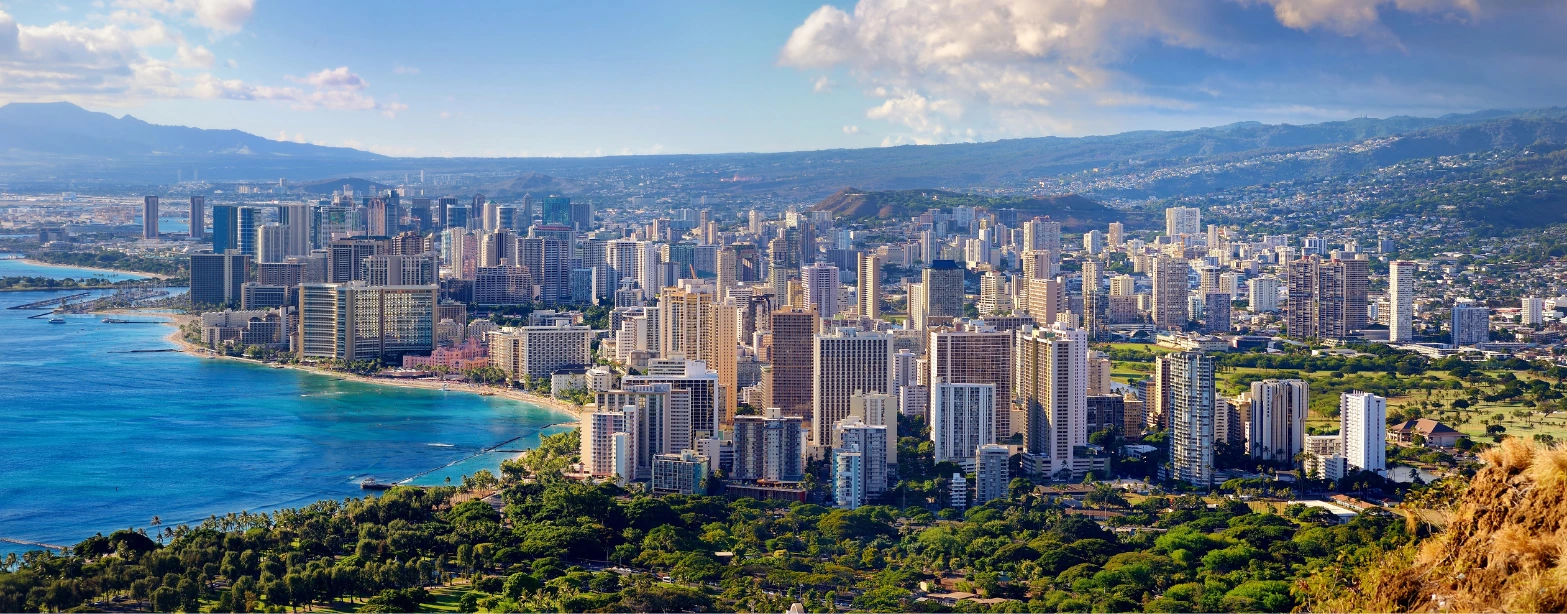
How Much Should I Budget per Day for Meals, Activities, and Transport?
You’ll comfortably land around $120 to $200 a day for meals, activities, and getting around, depending on how often you treat yourself. Waikīkī makes it easy to spend less than you expect: you can walk most places with salty air on your shirt, then save your big dollars for the water.
Food
Budget mornings are simple: a coffee and something warm from a bakery or café, eaten outside before the crowds wake up. For lunch, plate lunches and poke keep costs down and portions up. Dinner is where budgets drift, especially if you add cocktails or a beachfront table.
Getting around
If you stay in Waikīkī, your feet do most of the work. For anything beyond, TheBus is the best-value option, but fares add up if you hop on and off all day. Rideshares are convenient late at night or when you are sun-tired and carrying a towel, but they are where your daily total starts climbing fast.
Activities
Plan for one paid activity most days, then fill the gaps with free beach time and walks. The paid stuff in Honolulu is often worth it, but only if you time it right.
Tips
- Eat your biggest meal at lunch. Plate lunches are the quiet budget hero.
- Buy snorkel tours early, and pick the first departure. Calmer water, fewer people, better photos.
- Use TheBus for longer hops, then walk once you are back in Waikīkī.
- If you want one splurge, make it a sunset dinner or a boat trip, not both on the same day.
- Keep a small cash buffer for snacks, tips, and last-minute museum or garden entry fees.
Conclusion
You’ve squeezed every drop from four days in Honolulu, and it shows in the salt on your skin and the sunscreen smudged into your beach bag. You started where everyone should start, in Waikīkī, but you did it right: in the early morning when the water is glassy and the surf schools are still setting up. If you’d rather skip the logistics, a Viator Waikīkī surf lesson with pickup can be a low-fuss way to get a board under your feet, especially in a small group where you actually get feedback. Instant confirmation helps when you are trying to fit it around lunch.
Speaking of lunch, you ate like you meant it. Poke that tastes like the ocean, garlic shrimp that leaves your fingers shiny, and shave ice that never survives the walk back to the car. You learned quickly that Honolulu rewards people who plan dinner around traffic, not the other way around.
You climbed Diamond Head before the sun turned the switchbacks into a skillet. Reservations make this smoother, and bringing more water than you think you need is the move. Next came Hanauma Bay, snorkel mask sealed, reef-safe sunscreen on, timed entry locked in. The reef is at its best when you slow down, float, and let the fish come to you. If you want an easier day, a Viator Hanauma Bay snorkeling tour with pickup takes care of the parking drama and keeps the schedule tight. Verified reviews are useful here because guides vary, and free cancellation often up to 24 hours before makes weather calls less stressful.
You pivoted from beach to backbone at Pearl Harbor, where the mood shifts fast and stays with you. Going with a small-group Viator Pearl Harbor and Honolulu city tour can be worth it for the pacing and transport, plus reserve now pay later is handy when you are juggling tickets and time slots.
Downtown, you walked into the city’s living past at ʻIolani Palace, then ended on Honolulu’s modern canvas in Kakaʻako, where the murals feel like they were painted for your camera roll but still land in person. A final calm swim at Ala Moana, a rinse-off, and you’re done: Honolulu itinerary complete, sand still hiding in your shoes, and the kind of tired that only comes from doing the island properly.

Oahu Small-Group Circle Island Tour with Turtle Snorkeling
Circle most of the island of Oahu on a full-day tour by minibus limited to 24 (possible to go over…
Hanauma Bay Admission Tickets with Transportation
Hanauma Bay Admission Tickets are Guaranteed with this Tour. Explore the stunning Hanauma Bay Nature Preserve, a premier snorkeling destination…

Oahu's Ultimate Grand Circle Island Tour with Snorkeling and More
The "Most" Comprehensive Island Tour... Period! Top Sites: Byodo In Temple / Dole Plantation / North Shore Mac Nut Farm…

Oahu: All Day Circle Island Tour with Snorkeling
Our full day circle island tour activities provide to our guests history and knowledge of our beautiful islands, landmarks ,and…

Kaneohe Sandbar Afternoon Snorkeling Tour
LIMITED TIME GROUP OFFER: Book your spot by May 24th and save big! The Kaneohe Sandbar is one of the…
Kaneohe Sandbar Morning Snorkeling Tour
LIMITED TIME GROUP OFFER: Book your spot by May 24th and save big! Discover one of Oahu's most beautiful natural…
