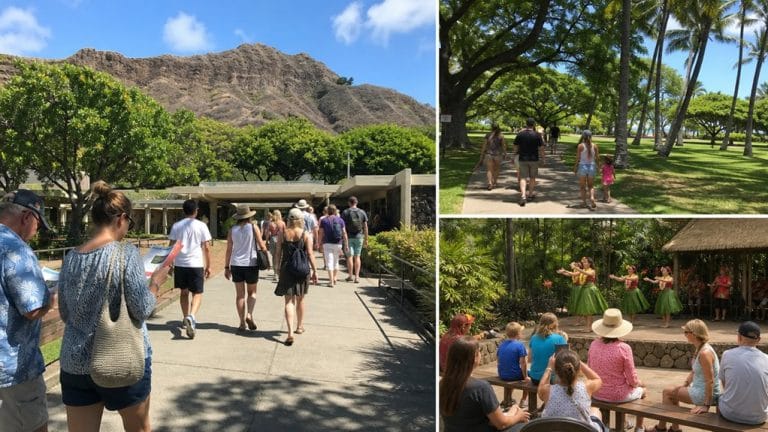
You can hike the lush Mānoa Falls Trail for about 1.6 miles round trip in 60 to 90 minutes, but you shouldn’t plan on swimming at the base pool. Signs and ropes often mark it off, and after rain the water turns brown fast, with bacteria, rockfall, and flash flood risk. Go early to beat the tour vans, wear shoes with grip, pack bug spray, skip flip-flops, and keep your camera ready, because the real question is what happens when the stream surges.
Key Takeaways
- Swimming at Mānoa Falls is strongly discouraged and often treated as a “view-and-leave” area, per posted safety and cultural-significance signs.
- The plunge pool can have poor water quality after rain; avoid entering for 24–72 hours due to bacteria and runoff contamination.
- Flash floods can surge in minutes from Koʻolau ridgeline rain, even if the trailhead is dry; leave if water turns brown or rises fast.
- Rockfall and hidden debris make wading risky; don’t jump, and avoid lingering under the cliff or boulders near the waterfall.
- Obey ropes, closures, and marked paths; stepping past barriers can lead to fines, and rangers may enforce restrictions during hazardous conditions.
Can You Swim at Mānoa Falls?
Although the pool at the base of Mānoa Falls looks like a tempting jungle plunge, you shouldn’t swim here. You’ll enjoy it more by treating the falls as a lookout, not a bathtub. The place carries cultural significance, and the wet rock ledges can turn slick fast, especially after an afternoon squall. If you’re craving more valley adventures, nearby Manoa trails offer several scenic hikes to explore beyond the waterfall.
Arrive early, around 8 a.m., before tour groups crowd the narrow path. Parking runs about $7, and it fills by midmorning. Wear grippy shoes for the muddy, rooty track, and pack water, bug spray, and a light rain jacket. Skip flip flops and speakers, trail etiquette keeps the forest calm. Spot native flora like bamboo, ʻōhiʻa, and ferns, and consider the historical context of this valley’s old taro terraces from long ago.
Is Swimming at Mānoa Falls Allowed (Signs & Rules)?
When you reach the base of Mānoa Falls, scan the posted signs before you even think about stepping into the cool pool, because rules can change with weather and recent incidents. You’ll want to know what the park allows, what it bans, and how often rangers actually enforce it, especially around busy late mornings when the trail feels like a slow parade. Since this trail is known for muddy conditions, plan extra time for a slower, more careful hike to and from the falls. Pack reef-safe insect repellent, water shoes, and a light rain jacket, skip valuables and glass bottles, and if you’re trying to time it right without hassle, a Viator tour with verified reviews, hotel pickup, free cancellation, and reserve now pay later can smooth out logistics.
Posted Signage At Falls
A quick glance at the posted signs near the falls sets the tone, and it’s not an “anything goes” swim spot. You’ll see clear cautions about slippery rock, sudden runoff, and keeping out of the pool when water looks brown or fast. The wording also nudges trail etiquette and the site’s cultural significance, so you move quietly and leave nothing behind. You’ll also see reminders that this is a view-and-leave waterfall, not a swim spot, because of rockfall hazards and health warnings about the water.
Use the signs as your quick checklist:
- Stay on marked paths, don’t shortcut the muddy edges.
- Keep bags zipped, pack out snack wrappers, skip soap or sunscreen in the water.
- Give others space, peak crowds hit 10 a.m. to 2 p.m., and photos go faster if you rotate.
Bring a light rain jacket, sunscreen, and $5 for parking. Skip speakers.
Park Rules And Enforcement
Those warning signs by the splash zone aren’t just suggestions, they mirror the official park rules, and staff can enforce them.
Swimming and wading at Mānoa Falls fall under safety closures, so if you step past the ropes you risk a fine.
Ranger staffing varies, but on weekends and mornings you’ll see patrols, and patrol frequency jumps after heavy rain or injuries.
Law enforcement can back rangers up, especially when crowds swell.
Citation patterns tend to hit repeat offenders and anyone who ignores a direct warning.
Bring closed toe shoes, a light rain jacket, and cash for parking.
Skip flip flops and risky dips.
If timing feels tricky, a Viator hike with verified reviews, hotel pickup, free cancellation, and reserve now pay later helps.
You’ll find the falls at the end of the lush Mānoa Valley trail, just a short drive inland from Honolulu.
Still comparing Manoa Falls?
Ask for tour ideas, hotel suggestions, or a simple trip plan that combines both.
Trip Helper
Is Mānoa Falls Water Safe to Swim In?
Before you wade in, remember the pool at Mānoa Falls can carry bacteria after heavy rain, so check recent conditions and skip swimming for 24 to 48 hours if the trail feels slick and the water looks cloudy. Flash floods can roll through fast and sweep in branches and rocks, so keep your shoes on, stay back from the main flow, and don’t linger if you hear the roar pick up. Since Oahu’s valleys can see sudden showers, understanding these essential Oahu travel tips helps you better gauge when conditions at Mānoa Falls are safer for a quick dip or better suited to staying on dry land. If you want tighter timing and fewer logistics hassles, a Viator tour with verified reviews, hotel pickup, free cancellation, and reserve now pay later can help you hit a drier window, just don’t pack valuables you can’t get wet.
Water Quality And Bacteria
Wading into Mānoa Falls’ pool can look irresistible after the humid, muddy hike, but the water quality is the real deciding factor. You’re in a valley where runoff can carry bacteria, and there’s no microbial testing posted for visitors. Without current results and source tracking, you can’t tell if contamination came from soil, wildlife, or upstream plumbing. If you’re curious about the area’s native plants and watershed, you can pair this hike with a visit to nearby Lyon Arboretum, Oahu for a deeper look at the valley’s ecosystem.
Before you dip, run these checks:
- Read Hawai‘i DOH advisories or trailhead notices, updated this week.
- Don’t swim if the water looks cloudy, smells funky, or the shallows are packed.
- Bring water shoes and hand sanitizer, skip open cuts, contacts, and swallowing water.
Go early, 8 to 9 a.m., to dodge crowds. Entry is $5, parking extra. Rinse off after, and keep snacks sealed.
Flash Flood And Debris
Even if the pool looks calm when you arrive, Mānoa’s steep, rain-soaked valley can turn a pretty swim spot into a flash-flood chute in minutes. After uphill rain, the stream can rise fast, pushing rocks and logs. You won’t find flash warning systems, so check the forecast, listen for a sudden roar, and step away from the waterline. Compared with Waimea Falls, Mānoa is more prone to sudden weather shifts that can quickly change trail and water conditions. Post-storm debris management takes time, and submerged branches can snag ankles. Aim for 8 a.m. before crowds swell and showers roll in. Parking is about $7 and cashless. Pack grippy shoes, a light rain jacket, and a dry bag. Skip inflatables and cliff jumps. If you want timing and hotel pickup, a Viator tour with verified reviews can help, with free cancellation and reserve pay later.
What Health Risks Are Linked to Mānoa Falls Swimming?
Although the pool at the base of Mānoa Falls looks like an inviting jungle postcard, swimming here can come with real health risks that aren’t obvious from the trail. The water can hold bacteria after rain, and small cuts turn into big problems fast. You’ll want to weigh:
The pool beneath Mānoa Falls may look like paradise, but the water can hide serious health risks.
- skin infections from murky water, algae, and shared swimming holes when the midday crowd piles in.
- leptospirosis exposure from animal urine that can enter through eyes, mouth, or broken skin.
- Stomach bugs if you swallow even a sip.
Bring reef-safe soap, a small first-aid kit, and clean water for rinsing. Skip swimming if you’ve got scratches, or if the pool smells funky. Because Mānoa Falls sits deep within the lush Manoa Valley in Honolulu, rain and runoff can quickly change water quality and increase these health risks. If you go, keep it quick, then shower ASAP at home.
Can Mānoa Falls Flood Suddenly (Flash-Flood Risk)?
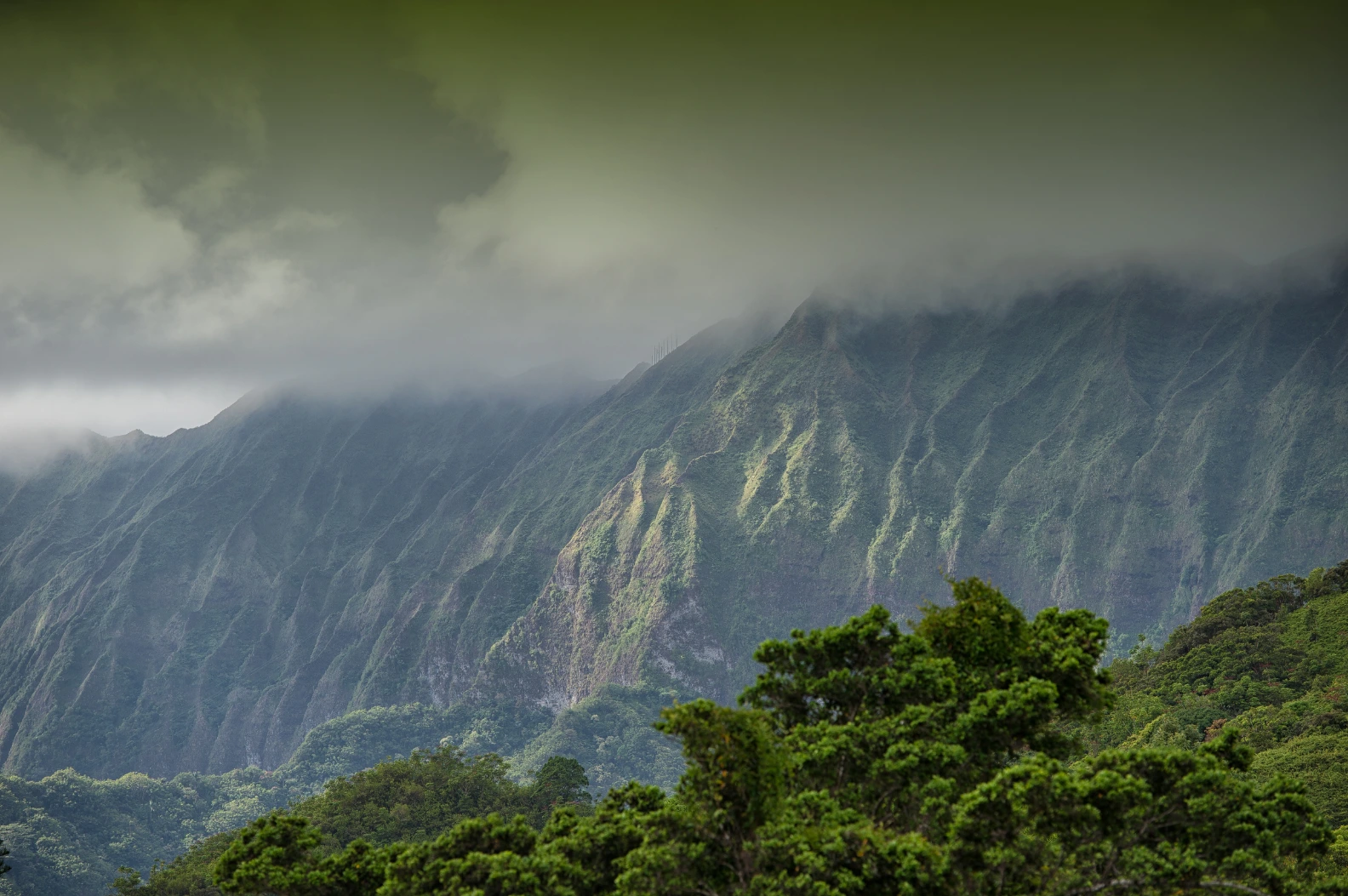
If the rain starts falling up in the Koʻolau ridgeline, Mānoa Falls can change from a calm plunge pool to a fast, brown surge in minutes. That rapid onset is real, even when the trailhead feels dry. The valley funnels water, and urban runoff from nearby streets can spike the stream after a quick shower. Check the radar before you hike, and turn around if you hear the creek roar or see twigs racing past your ankles. As an alternative on wet days, consider the more controlled roads and paths at Ho’omaluhia Botanical Garden, which also offers scenic drives and trails without the same flash-flood risk. Start early, around 8 a.m., before the crowd bunches at the pool. Bring a light rain jacket, grippy shoes, and a dry bag. Skip flip-flops and bulky camera rigs. For timing help, a Viator tour with verified reviews and hotel pickup can simplify logistics, with free cancellation.
Are Falling Rocks a Danger at Mānoa Falls Pool?
Loose stone is the quiet hazard at Mānoa Falls, especially at the rocky bowl near the plunge pool where the cliff face sheds pebbles and occasional fist-size chunks after heavy rain. You’ll hear small clicks before you see anything, so don’t lounge on the boulders directly under the wall. 1. Stand in the open center of the pool’s edge, not under the dripping alcove. 2. Keep kids within arm’s reach, and move on if you spot fresh debris fans. 3. Wear grippy shoes and skip flip-flops for the slick approach rocks. The hike is free, but mornings bring tighter crowds at the lookout. Park only in legal spots. Rangers use rockfall monitoring and geological surveys, so heed closures and posted warnings. Bring bandages, just in case, too. Fans of the movie will recognize that Mānoa Falls and its lush valley helped shape several Jurassic Park scenes, which adds to the area’s popularity and crowding on the trail.
How Long After Rain Is Mānoa Falls Unsafe?
After a good rain, you can’t count on Mānoa Falls staying calm, flashy runoff can swell the pool fast and turn that green water cloudy.
Even when the trail feels fresh and the crowds thin, rain can wash in bacteria, so you’ll want to treat the water as off-limits until it clears and the stream drops, usually 24 to 48 hours, longer after a heavy downpour.
Like Waimea Falls guidelines, it’s smart to follow posted signs, watch water clarity, and avoid swimming when recent rain has stirred up the stream.
If you need help timing it, a Viator tour with verified reviews, hotel pickup, free cancellation, and reserve now pay later can lock in a safer window, while you skip bringing a picnic and pack bug spray, grippy shoes, and a light rain jacket instead.
Post-Rain Flash Flood Risk
Because Mānoa Valley funnels rain fast, Mānoa Falls can turn from a calm curtain into a muddy, pushy chute long before you reach the pool, so don’t treat a “break in the weather” as a green light. Your safest rain timing rule is simple: wait at least 24 to 48 hours after steady rain, longer after downpours, because runoff keeps surging even under blue patches. Check the forecast, then watch the stream on the trail. Use quick flash modeling in your head:
- If rocks look freshly scoured, turn back.
- If you hear a rising roar, leave now.
- If the pool level climbs in minutes, don’t linger.
If you’re planning to explore other Oʻahu spots after storms, remember that even “easy” coastal areas like Kualoa Beach Park can stay murky and hazardous from lingering runoff and swell.
Go early to beat crowds, wear grippy shoes, bring a rain jacket, skip flip flops.
Water Quality After Rain
Although the sun pops out fast in Mānoa Valley, the water often stays sketchy for a full 24 to 72 hours after rain, and that’s when you’re most likely to pick up a stomach bug or a skin infection from runoff. The stream can look clear, but urban runoff carries bacteria, fertilizer, and whatever washed off trails and streets upstream. If you smell a sour, earthy funk or see foam, don’t wade in. For a safer nature fix after heavy rain, consider the easy Ho’omaluhia Botanical Garden Trails for serene strolls and viewpoints away from questionable stream water. Check the State’s seasonal monitoring updates before you hike, or ask locals at the trailhead before you commit. You’ll save the $5 parking fee and the muddy trek if conditions look off. Bring a small towel and hand sanitizer for the walk out, and skip rinsing your face in the pool.
Safe Waiting Time Estimates
Rain can quit on Mānoa Valley and the sun can light up the ferns within minutes, but the stream usually needs time to flush out the gritty stuff you can’t see. For safer wait times, think in hours, not vibes. If you hike right after a downpour, the water often turns brown and the rocks feel slick, so skip the dip. Just like at Kaena Point tide pools, sun and clear skies don’t always mean the water conditions are safe yet.
- Light showers: wait 24 hours.
- Steady rain: wait 48 hours.
- Flood-style storms: wait 72 hours or more.
Add safety buffers when the stream runs fast or smells earthy. Bring dry shoes, a small towel, and bug spray. Skip contact lenses if you wade. Weekends fill the trail by 9 a.m., so go early and just shoot photos from the overlook.
How to Enjoy Mānoa Falls Without Swimming
Most days, you’ll get a better Mānoa Falls experience by keeping your feet dry and treating the trail and lookout as the main event. Go early, before 9 a.m., when tour vans thin out and the forest feels cooler and quieter. Wear grippy shoes, pack a light rain jacket, and bring bug spray, the mud and mosquitoes don’t care about your plans. After your hike, you can refuel at nearby Morning Glass Coffee Manoa for excellent coffee and breakfast before heading back. Take your time on the 1.6-mile round trip and pause for bird watching in the bamboo and guava. At the viewpoint, snap photos, then backtrack to picnic spots near the trailhead for a snack. Skip flip-flops and big camera bags.
If you hate parking roulette, book a Viator shuttle tour with verified reviews, hotel pickup, free cancellation, and reserve now pay later.
Safer Places to Swim Near Mānoa Falls
Swap the slippery plunge pool for a swim spot where you can actually relax and keep the day moving. After the hike, drive 10 minutes to Ala Moana Beach Park for calm water, showers, and sunset swims; arrive before 10 a.m. to beat locals, parking is free. Want ocean alternatives with fewer waves? Head to Waikīkī’s Kuhio Beach, where the breakwater keeps it mellow, then grab shave ice. For a guided snorkel experience that doubles as a marine classroom, consider visiting the Hanauma Bay Nature Preserve, where all guests watch an educational video before entering the protected reef.
Skip the slippery plunge pool, drive 10 minutes to Ala Moana for calm swims, showers, and easy parking before 10 a.m.
Prefer freshwater without the drama? Try:
- Kapiʻolani Community College pool, cheap day passes, bring a towel.
- Duke Kahanamoku Lagoon, kid friendly, no admission.
- City community pools in Mānoa Valley, often $2 to $5, check hours.
Bring reef safe sunscreen and cash, skip valuables. Lockers scarce, so travel light and pack a dry bag.
If You Swim at Mānoa Falls Anyway: Reduce the Risk
Sometimes the plunge pool at Mānoa Falls looks too tempting to ignore, so if you’re going to get in, treat it like a quick dip, not a swim day. Go early, before the 10 a.m. tour rush, and keep your time in the water under five minutes. Don’t jump, rocks hide under the tea colored surface, and flash floods can roll in after upstream rain. Wear trail shoes you can rinse, pack a small towel, and skip sunscreen since it slicks the water. Cover cuts, don’t swallow anything, and shower fast after. If you hear thunder, get out. Leave no trash, stay off slippery lava tubes near the stream, and follow reef etiquette downstream by rinsing off and not washing gear in creeks either. For a safer freshwater experience with cultural context and lifeguards, consider visiting Waimea Valley on another day instead.
Frequently Asked Questions
Is the MāNoa Falls Trail Kid-Friendly and Stroller-Accessible?
You’ll find the Mānoa Falls Trail kid-friendly for older kids, but it’s not stroller-accessible. You hike muddy, rocky sections with roots and stairs; family friendly terrain appears early, yet stroller limitations persist throughout most days.
Are There Restrooms, Drinking Water, or Showers at the Trailhead?
Yes, you’ll find restroom access at the trailhead, plus water fountains for refilling bottles, but you won’t get showers. Want to start your hike feeling prepared? Bring extra water anyway; fountains can run dry some days.
What Time Does the MāNoa Falls Trail Open and Close?
You can hike Mānoa Falls Trail during daylight, typically dawn to dusk, since there’s no formal gate. Check posted trail hours at the trailhead, because heavy rain can trigger temporary, seasonal closures for safety, especially after storms.
Is Parking Available, and How Much Does It Cost?
Yes, you’ll find parking: use nearby paid lots or limited street parking. Expect to pay around $5–$10 at lots, depending on time, and you’ll need cash or a card. Arrive early to snag a spot.
Are Dogs Allowed on the MāNoa Falls Trail?
Yes, your pup’s excitement’ll be a hurricane if you bring them, but you must keep dogs leashed. Practice leash etiquette, pack out waste, and stay on trail for wildlife protection; rangers can cite you on-site too.
Conclusion
Skip the swim and savor the scene. Mānoa Falls looks inviting, but closures, currents, and contaminated runoff can turn a quick dip into a messy mistake, especially 24 to 72 hours after rain. Go early to beat bus tours, bring reef safe sunscreen, water, and grippy shoes. Spend $0 on the trail, then pay for a safer splash at Waimea Valley. If you need rides and timing, a Viator tour with verified reviews and free cancellation can help.