You don’t need to know Waikiki by heart to enjoy it like a local. With a simple mental map, you can skip the packed hotel fronts, find calm water for kids, and hit gentle surf breaks that don’t wreck your feet on reef. You’ll see where the banyan trees actually give shade at noon, which sections stay breezy, and how to dodge the worst crowds, so your only question is where to start.
Key Takeaways
- Safest swimming is at Queen’s and Kūhiō Beaches and the Hilton end, near lifeguard towers and rock-walled calm pockets.
- Beginner-friendly surf lies along central Waikiki, especially off Kūhiō Beach and Canoes near the Duke statue, best between May and October.
- For shade, use Kapiʻolani Park’s banyan trees, hotel-cast shadows after 3 p.m., and lawns behind the eastern beach sections.
- Quieter stretches with lighter crowds include the Kahala end and Fort DeRussy, offering wider sand and breezier conditions.
- Showers, restrooms, and easy beach access cluster around Duke’s Lagoon, Queen’s Beach facilities, and the Kapiʻolani Park edge.
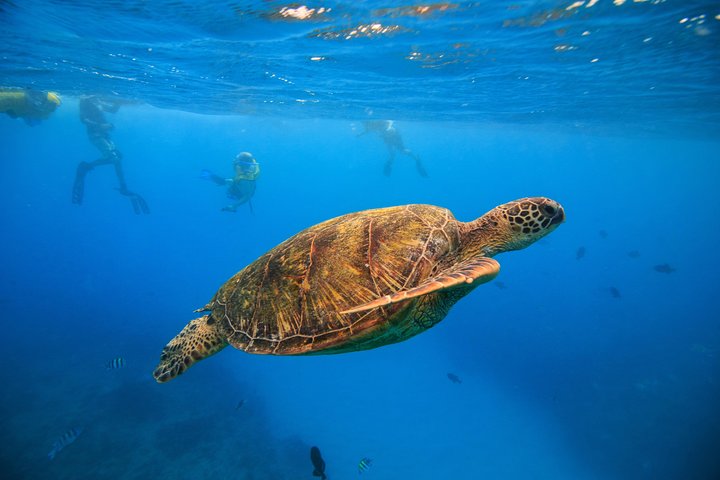
Waikiki, Hawaii: Turtle Canyon Snorkel Excursion
Discover the magic of snorkeling with Hawaiian Green Sea Turtles at Waikiki’s famous Turtle Canyon. On this 2-hour snorkeling tour, you’ll cruise...

Oahu Catamaran Snorkel Tour: See Turtles 100% Guaranteed
Experience one Viator's 2025 Top 20 Best Excursions in the country. This Oahu Catamaran snorkel tour offers unbeatab...

Waikiki 2 Hour Sunset Sailing Catamaran Swim and Sail Adventure
There’s no better place to take a dip than the crystal-clear waters of Waikiki—and no better way to experience a...
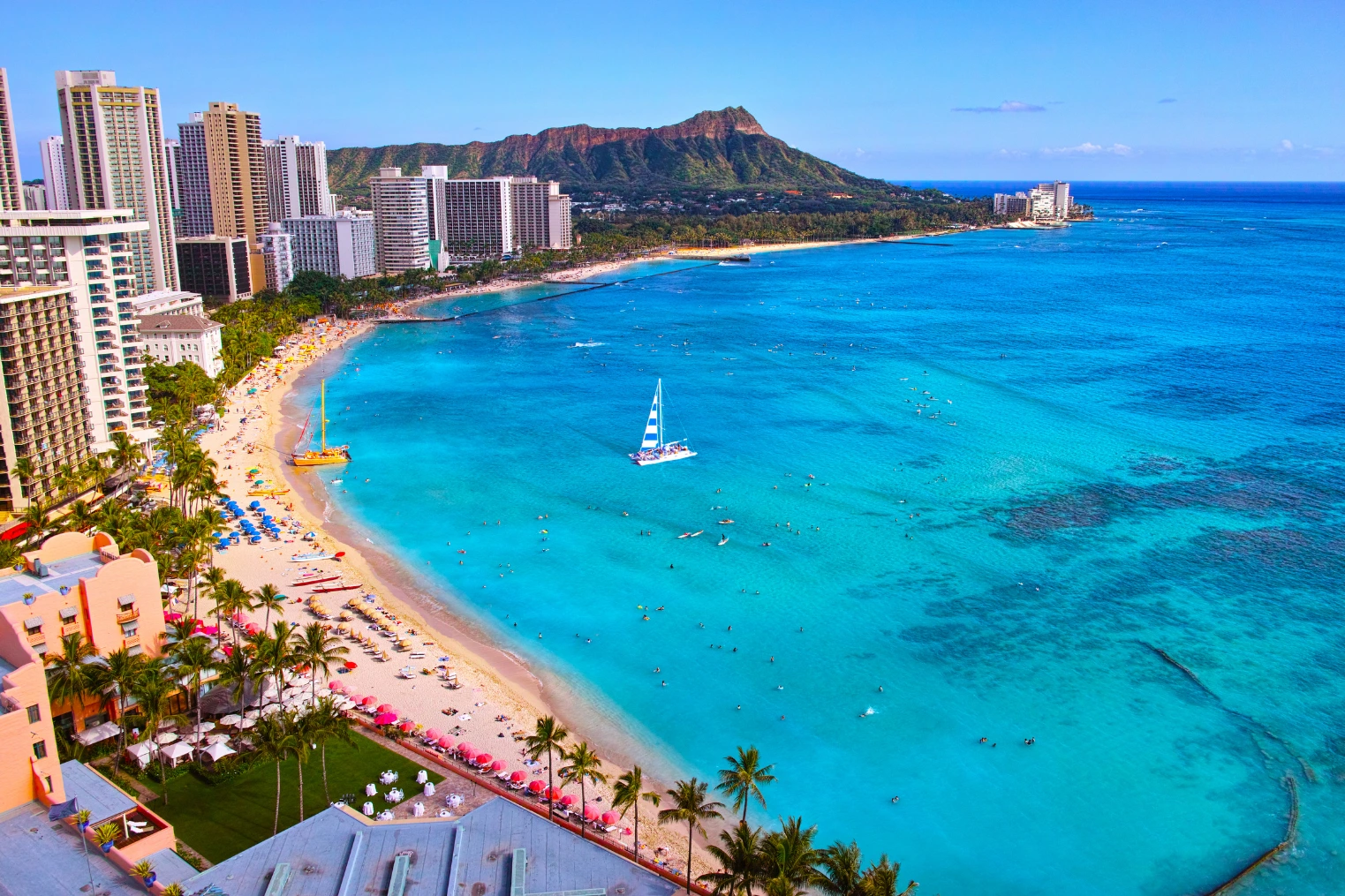
Waikiki Beach Map Overview: Sections at a Glance
As you first look at a Waikiki Beach map, the shoreline divides into a few clear sections that each feel like their own little beach town. You quickly see how hotels, parks, and surf breaks cluster, which helps you match your day to the right stretch of sand. Think of it as a live history timeline, from early royal retreats to today’s packed resort blocks. You’ll also spot piers and groins that shape currents and crowds. Note lifeguard stands, shaded lawns, and restroom icons. Mark typical wildlife sightings too, like turtles, reef fish, and seasonal monk seals from shore. Just inland, you’ll see Kapiʻolani Regional Park, one of Oʻahu’s oldest public parks, anchoring the Diamond Head end of Waikiki with open lawns, historic trees, and cultural events.
East-to-West Guide: Each Waikiki Beach Area Explained
Now that you can picture Waikiki as a chain of small, distinct beach zones, it helps to walk it in your mind from east to west. You start near the quiet Kahala stretch, where resort lawns meet narrow sand and morning walkers outnumber loungers.
Moving toward Diamond Head, you pass Kapiʻolani Promenade, with banyan shade, food trucks, and buskers. From this end of Waikīkī you can look mauka toward the Diamond Head Crater, a 475‑acre volcanic tuff cone crowned with historic bunkers and a 1917 lighthouse.
Recommended hotels for this trip
Compare well-reviewed stays from our destination hotel guides, then check live availability for your dates.
 Featured stay
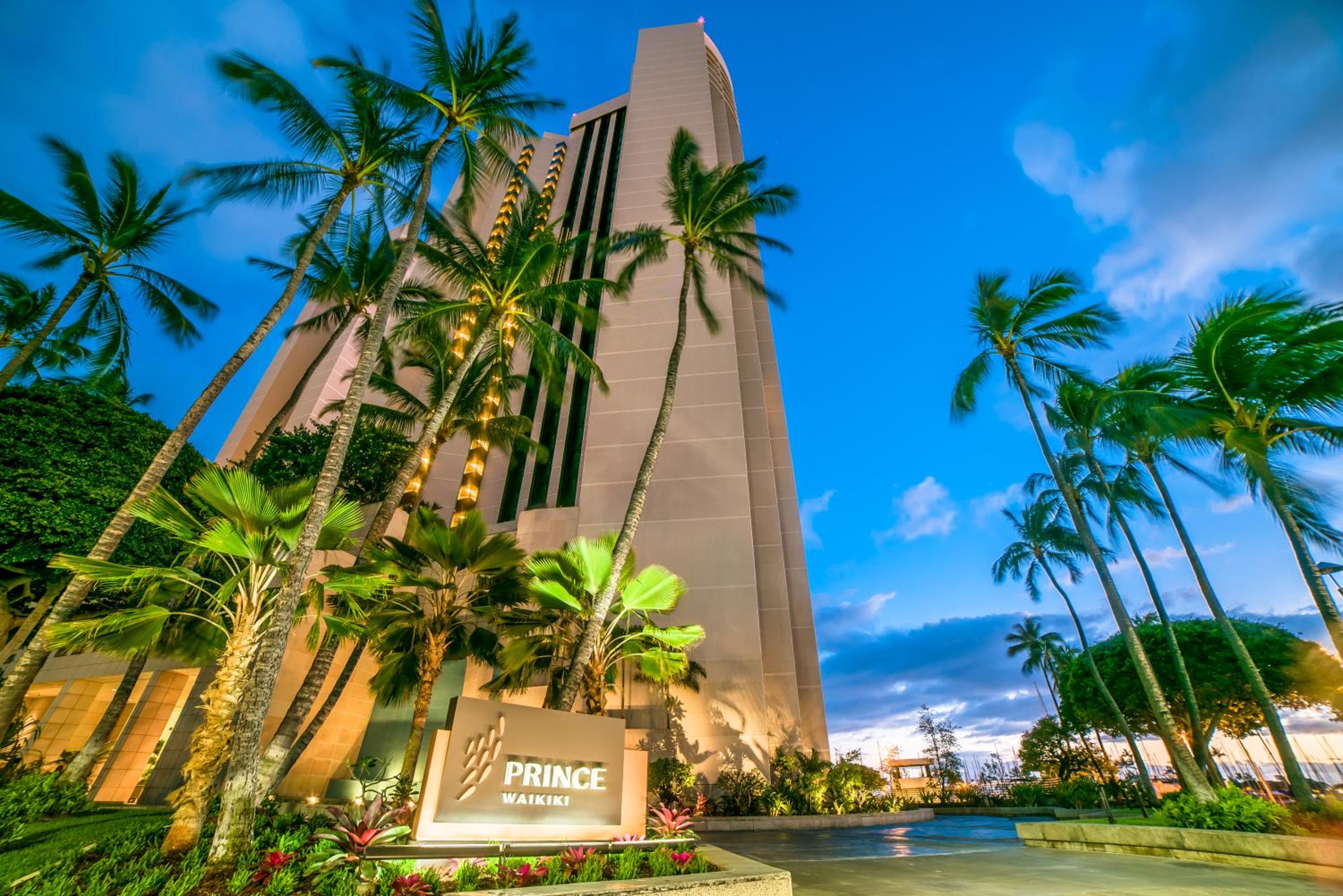
 Prince Waikiki
- Free WiFi
- Non-smoking rooms
- Air conditioning
Well suited to couples seeking ocean views, families who want two-queen rooms or multiroom suites, convention visitors, and travelers who value pools and on-site dining. It may be less appealing if you want to step directly…
- Oceanfront 2 Queens
- Room Only
- Refundable until Sep 13
 Guest favorite
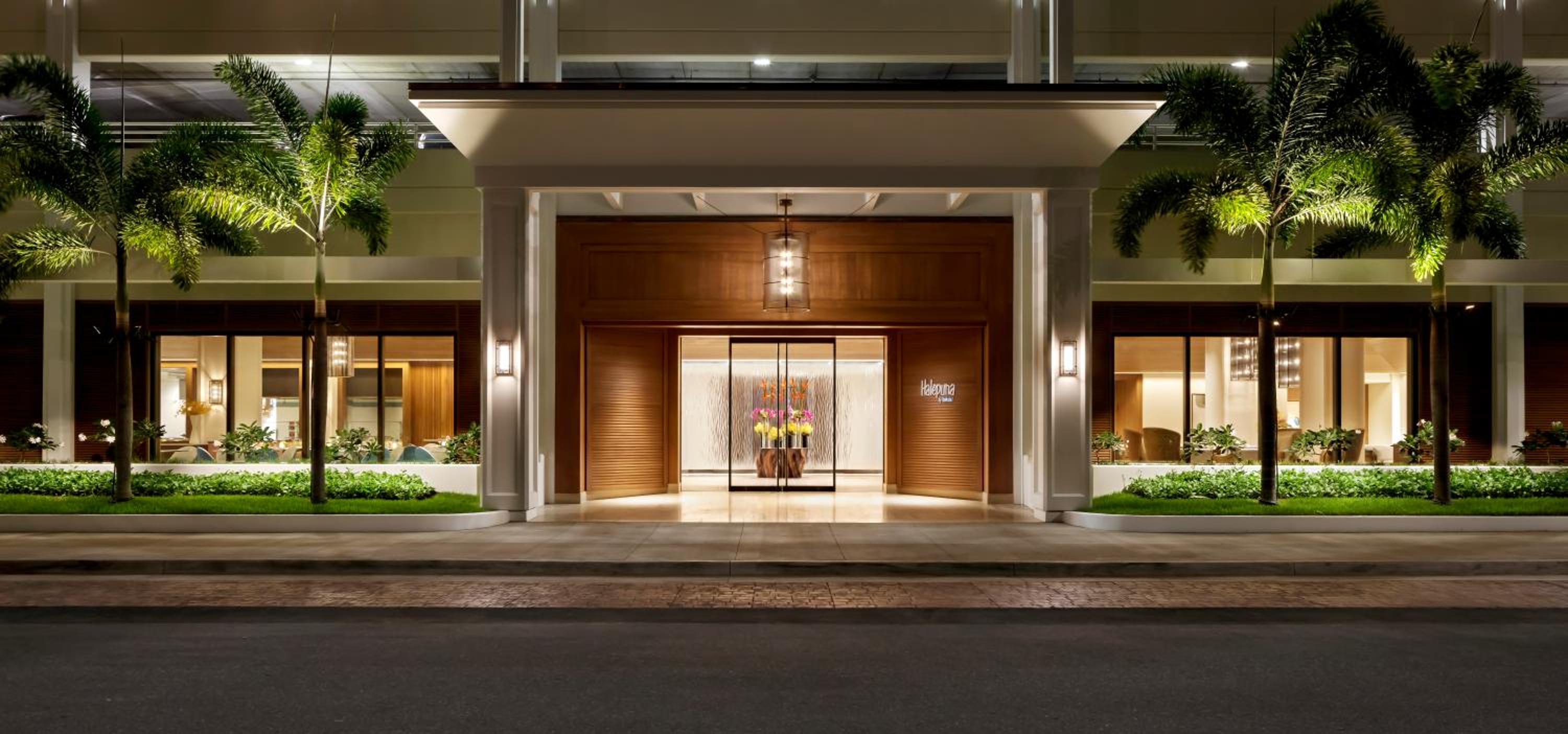
 Halepuna Waikiki by Halekulani - NO RESORT FEE
- Free WiFi
- Non-smoking rooms
- Air conditioning
You are likely to appreciate Halepuna if you want an upscale, relatively serene stay near Waikiki Beach, restaurants, and shopping, but do not need a beachfront resort campus. Couples and solo travelers can prioritize the king…
- Mountain Waikiki View Two Double Beds
- Room Only
- Non-refundable rate
 Guest favorite
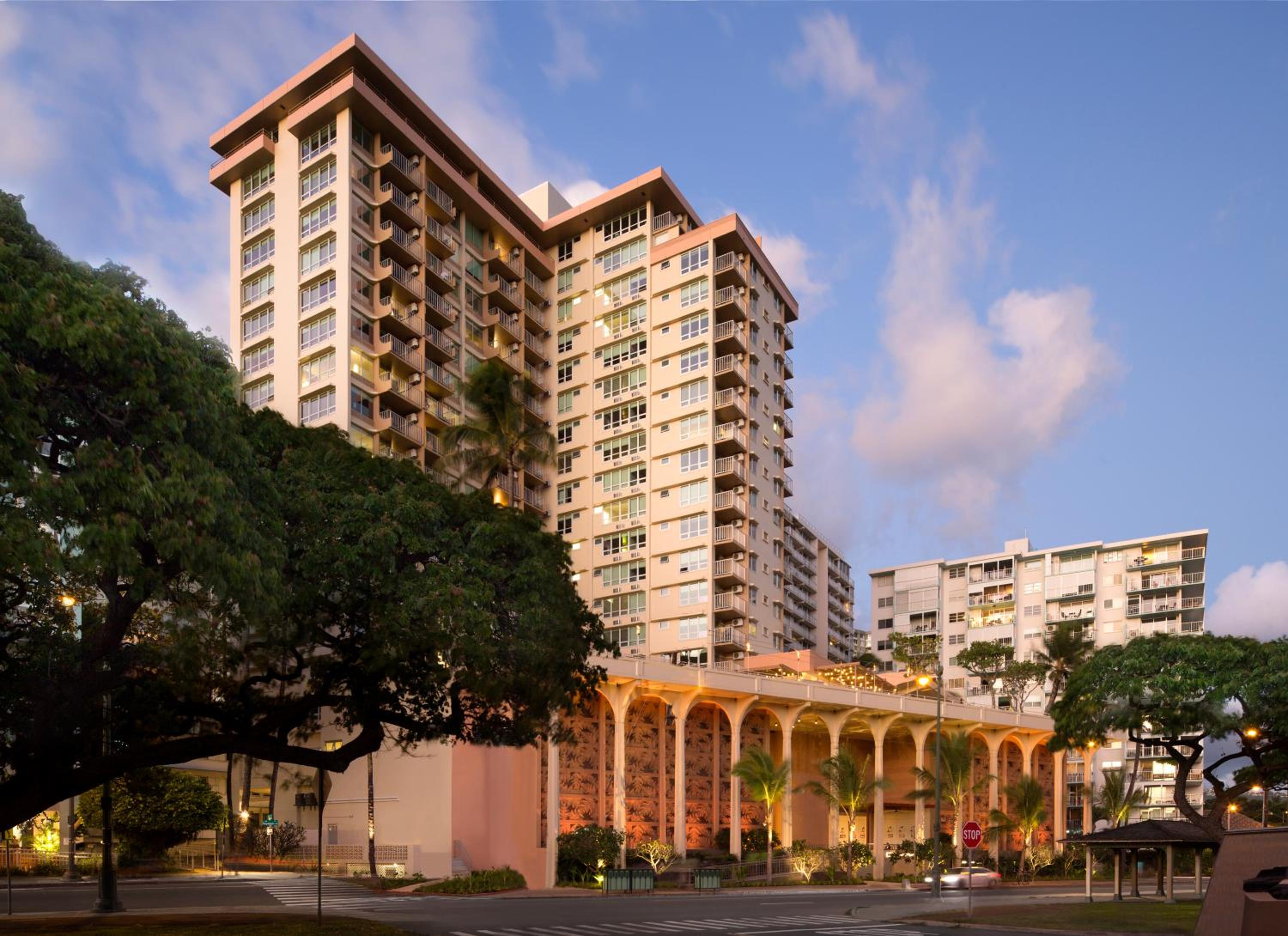
 Queen Kapiolani Hotel
- Free WiFi
- Non-smoking rooms
- Air conditioning
You are likely to appreciate this hotel if location, Diamond Head scenery and easy access to the beach matter more than having a quiet resort compound. Double-queen rooms and larger suites can suit families, while studios…
- Studio with City View
- Room Only
- Non-refundable rate
Farther on, Queen’s and Kuhio feel busier, packed by 10 a.m. with umbrellas and surf schools.
Closer to the big malls, Fort DeRussy opens into wider, breezier sand, then Hilton Lagoon finishes the strip with sunset catamarans and quiet corners.
[travelspark_viator_block placement=”primary” include=”both” layout=”featured” count=”4″]Best Spots to Swim Safely on Waikiki Beach
Often the safest swimming in Waikiki lines up with the spots families and beginner surfers already love: Queen’s Beach, Kūhiō Beach, and the Hilton Hawaiian Village end of the shore.
Safest swims usually match family favorites: Queen’s, Kūhiō, and the mellow Hilton lagoon end
Here you get mellow waves, clear sand underfoot, and quick help if you drift.
Swim inside the marked rock walls at Kūhiō for the calmest pockets.
Check posted water quality reports near the showers, especially after heavy rain.
Sit close to lifeguard stations, not hotel loungers, so staff actually see you.
Plan main swims before noon or around sunset when heat and glare ease.
Skip night dips; currents strengthen.
For real-time notices about hazards or tower closures, sign up for Beach and Ocean Alerts through the Honolulu Ocean Safety Department.
Best Beginner-Friendly Surf Areas on Waikiki Beach
First-time surfers usually start at the soft, rolling breaks spread along Waikiki’s central curve, where waves feel more like slow elevators than wild rides. For the most consistent mellow conditions, plan your sessions between May and October, Waikiki’s beginner-friendly months with warm water and predictable surf. You’ll find the most forgiving sections off Kuhio Beach and Canoes, close to the Duke statue. Arrive before 9 a.m. to avoid rental rush and midday crowds. Book soft top lessons from the beach stands or online; group sessions run about $70 to $100. Foam board rentals cost less, around $20 an hour. Wear a rash guard, reef-safe sunscreen, and water shoes. Skip sharp reef days when locals warn of strong currents and bigger sets.
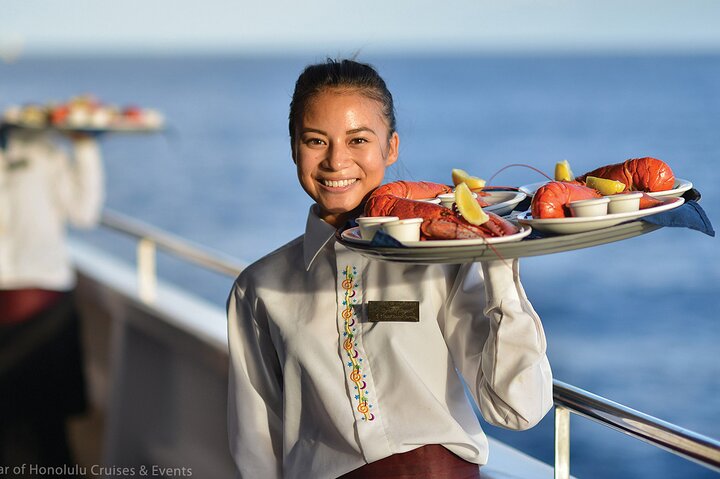
Honolulu: Three Star Deluxe Sunset Dinner Cruise and Show
As the sun sets over the Pacific, enjoy a luxurious Honolulu dinner cruise along the scenic coastline near Diamond H...

Oahu Beachfront ATV Adventure and Farm Tour
Aloha, welina mai, ‘ano ‘ai. Greetings, and welcome, from Hawai’i! Located on the famous North Shore beachfron...

Parasailing Experience in Waikiki, HI
Experience the thrill of Oahu parasailing on this unforgettable 1-hour adventure from Waikiki. Soar up to 1,000 feet...
Shade, Showers, and Facilities Along Waikiki Beach
Smart Waikiki regulars quickly learn to chase the shade and the showers as much as the views. You’ll find your best cover early morning or after 3 p.m., when the sun slides behind the hotels. Pack a light towel, reef-safe sunscreen, and flip-flops for hot paths. Keep an eye on signs, since some grassy pockets close at night. For a less crowded alternative with a mile-long man-made beach and big lawns, consider nearby Ala Moana Regional Park just west of Waikiki.
| Area | Shade | Facilities |
|---|---|---|
| Duke’s Lagoon | Palm trees, hotel shadows | Showers, closest public restroom locations |
| Queen’s Beach | Wide umbrellas for rent | Showers, basic restrooms, snack stand |
| Kapiolani Park edge | Ironwood trees, breezy lawn | Picnic table availability, quiet toilets |
Bring quarters for showers.

Toa Luau at Waimea Valley, Oahu
Toa Luau invites you to immerse yourself in the beauty and excitement of Polynesia on Oahu’s historic North Shore!...

Paina Waikiki Luau at Waikiki Beach Marriott
Everything that makes renowned Waikiki, Oahu, a unique and exciting place is celebrated at Pāʻina Waikīkī!A u...

Oahu: Germaine's Luau
Come visit us at Germaine's Luau, where you will experience a traditional Hawaiian Luau on our beachfront property o...
Frequently Asked Questions
Is Parking Near Waikiki Beach Available, and How Much Does It Typically Cost?
Yes, you’ll find parking near Waikiki Beach, but it’s costly. Street meters run about $1.50–$3 per hour, while garages or hotel lots charge $25–$45 daily. You can choose metered parking for stays or private valet.
What Are the Best Times of Day to Avoid Crowds on Waikiki Beach?
Serene sunrise sessions serve you best; you should visit in early mornings, before 8 a.m., when tour groups thin. Late afternoons also work well, after families leave, giving you quieter waves, wider sand, softer light.
Are There Accessible Beach Entrances and Facilities for Visitors With Mobility Challenges?
Yes, you’ll find several accessible beach entrances along Waikiki with wheelchair access, beach mats, ADA ramps, and accessible restrooms; check Kuhio Beach and Fort DeRussy areas, and verify current conditions or equipment loans with lifeguards.
Can You See Marine Life Like Turtles or Fish While Swimming at Waikiki Beach?
You can sometimes spot sea turtles and colorful reef fish while swimming in Waikiki’s clearer sections, especially near reef edges; stay calm, keep respectful distance, avoid touching or chasing them, and never feed wildlife there.
Are There Restrictions on Beach Equipment Like Tents, Umbrellas, or Coolers at Waikiki?
Beachside basics: you’ll find restrictions on large tents, commercial umbrellas, and oversized coolers; you must follow city rules, possible permit requirements for big setups, and rental regulations from vendors about size, placement, and hours daily.
Conclusion
You came for a simple beach day, yet Waikiki makes you plan like a mini expedition. With this map, you actually know where the lifeguards watch, the softest sand sits, and the reef nips at careless toes. You skip overpriced loungers, pack reef safe sunscreen, and time swims before afternoon crowds. Funny how a little planning lets you look wonderfully spontaneous in every sunset photo. Just don’t forget water, cash, and a dry shirt home.
Parasailing Experience in Waikiki, HI
Experience the thrill of Oahu parasailing on this unforgettable 1-hour adventure from Waikiki. Soar up to 1,000 feet above the stunning south shore of...
Waikiki, Hawaii: Turtle Canyon Snorkel Excursion
Discover the magic of snorkeling with Hawaiian Green Sea Turtles at Waikiki’s famous Turtle Canyon. On this 2-hour...
Waikiki 2 Hour Sunset Sailing Catamaran Swim and Sail Adventure
There’s no better place to take a dip than the crystal-clear waters of Waikiki—and no better way to experience a...
Oahu Catamaran Snorkel Tour: See Turtles 100% Guaranteed
Experience one Viator's 2025 Top 20 Best Excursions in the country. This Oahu Catamaran snorkel tour offers unbeatab...