Like a long necklace of sand and surf, Waikiki is a string of very different little beach worlds, all packed into one curve of coast. You’ll find calm lagoons for kids, waist‑deep coves with lifeguards, reef breaks for surf lessons, and quieter corners where locals slip in at sunset. The trick is knowing when to go, where to swim, and which crowded patches to walk straight past.
Key Takeaways
- For quieter vibes, head to Queen’s Surf near Diamond Head or the Fort DeRussy stretch, especially around sunset.
- Safest family swimming is between Kuhio Beach and the Royal Hawaiian groin, plus the Hilton lagoon for calm, pool‑like water.
- Visit in shoulder seasons (late April–early June, September–mid‑November) and on weekdays to avoid peak crowds and secure better hotel rates.
- Arrive before 9 a.m. or after sunset for easier parking; use public lots, metered street parking, and nearby rentals for boards, umbrellas, and chairs.
- Always swim near lifeguard towers, follow posted flags and alerts, and ask lifeguards about daily conditions, currents, and jellyfish warnings.
Waikiki Beach Sections, End to End
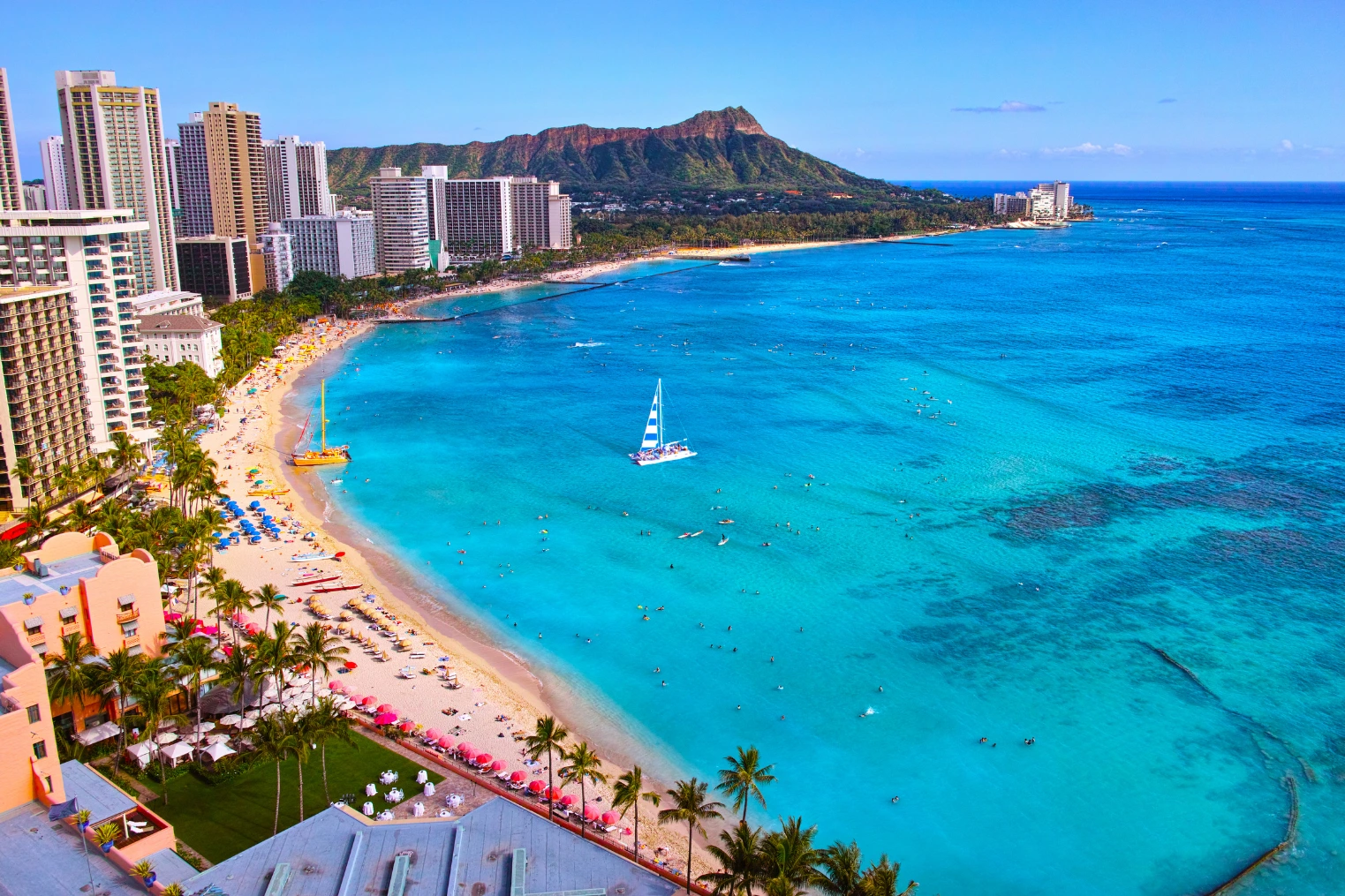
Although Waikiki looks like one long curve of sand, it’s really a chain of distinct beach sections, each with its own mood and crowd.
Waikiki appears as one sweeping shore, but it’s actually many small beaches, each with its own personality
You’ll likely start near Diamond Head, where Queen’s Surf feels relaxed, with locals bodyboarding and picnicking near Kapiolani Park.
Walk west and Kuhio Beach turns busier, with breakwaters that shelter easy swimming.
Past the iconic hotels, Fort DeRussy offers wider sand and more breathing room.
Farther on, the Hilton Lagoon suits kids and nervous swimmers.
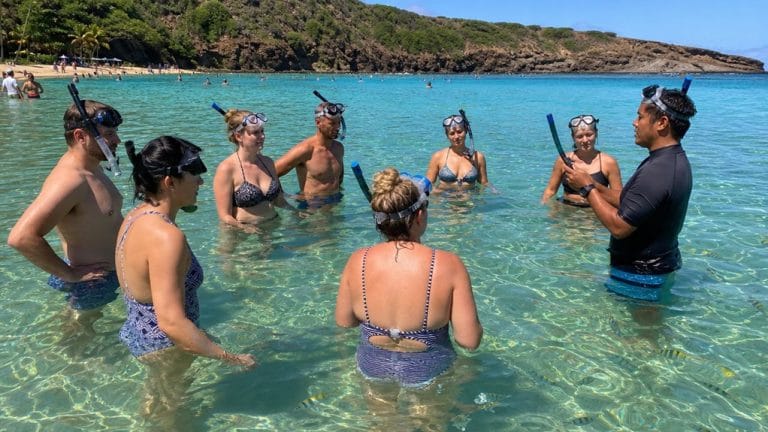
Offshore, Turtle Canyon draws snorkel boats, while the Turtle Canyon snorkeling tours typically include a guided float in a contained zone with crew pointing out honu and reef fish.
Offshore, Turtle Canyon draws snorkel boats, while the Waikiki Aquarium anchors the quieter, scenic eastern stretch, ideal for unhurried sunsets.
Best Time to Visit Waikiki and Avoid Crowds
You can enjoy Waikiki with more space to breathe if you time your visit right, both by month and by hour.
Shoulder seasons like late April to early June and September to mid‑November usually mean thinner crowds, better hotel deals, and easier restaurant reservations.
For a balance of warm, beach‑ready weather and lighter visitor numbers, consider planning your trip during these Honolulu shoulder seasons, which also tend to avoid the steepest holiday price spikes.
Early mornings just after sunrise and evenings after sunset are your best bets for quiet sand, cooler air, and less frantic streets.
Ideal Months For Fewer Crowds
When Waikiki’s winter swells calm and the summer school holidays fade, the beach finally breathes a little. You’ll hit a mellow stretch in late April to May and September to early December, when shoulder season specials appear and fares dip. Plan midweek escapes, cut crowds, and enjoy lines for surf lessons and malasadas. For even fewer people at major sights, lean into weekday planning for popular hikes, drives, and in-demand beach parks.
| Month window | Crowd sweet spot |
|---|---|
| Late April to May | Fewer families, cooler evenings, better rates |
| September | Locals back at work, quieter water, easier dining reservations |
| October to early December | Calm vibe before holidays, good package deals and warm sunset walks daily |
| Early January | Quiet after NewYear |
Best Times Of Day
Shoulder season helps, but the hour you hit Waikiki matters just as much as the month.
Nearby hotels to compare
Compare other stays around Waikiki so you can weigh location, room style, and overall trip fit.
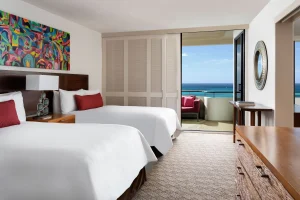
The Royal Hawaiian, a Luxury Collection Resort, Waikiki
An iconic pink beachfront Waikiki resort with historic character and strong luxury travel appeal.
Check rates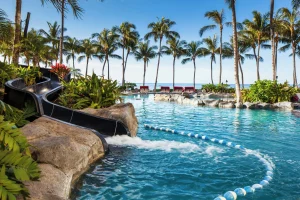
Sheraton Waikiki Beach Resort
A central beachfront Waikiki resort with ocean views, resort pools, and easy access to Waikiki Beach Walk and Royal Hawaiian Center.
Check rates
OUTRIGGER Waikiki Beach Resort
A classic beachfront Waikiki resort in the center of the action with strong appeal for first-time visitors.
Check ratesArrive in early mornings for pastel light, cooler sand, and mostly local walkers. You’ll find room to spread a towel and catch gentler waves before lessons crowd in. By 10 a.m., tour buses and rental chairs line the shoreline. In summer, those early hours also give you the calmest morning snorkel window before trade winds kick up chop and cloud the water.
Midday brings sharp sun and tight shade, so retreat to cafés or your hotel pool. Return in late evenings for sunset color, torchlight, and music along Kalakaua.
Pack reef‑safe sunscreen, a light cover up, and cash for shave ice; skip bulky floats and sarongs.
Safest Waikiki Swim Spots for Families
If you’re traveling with kids, you’ll want Waikiki spots with calm, shallow water, clear sightlines, and quick access to snacks and shade.
You should stick to beach sections with on-duty lifeguards, marked swim zones, and breakwalls that blunt the surf, especially in the afternoon when crowds and wind usually pick up. Families can also sign up for Beach and Ocean Alerts through the city’s HNL Alert app to get real-time notices about unusual conditions, hazards, or nearby tower closures.
As you plan, think about extras that matter to families like nearby bathrooms, stroller-friendly paths, and gear rentals so you don’t haul half the house to the sand.
Calm, Shallow Water Areas
Families usually fall for Waikiki’s calm, shallow pockets first, and the surf breaks second.
You’ll find the gentlest water in the narrow coves between Kuhio Beach and the Sheraton, where reef creates natural shelves and shallow tidepools perfect for cautious toddlers.
Arrive before 10 a.m. for softer light and fewer floaties bumping you.
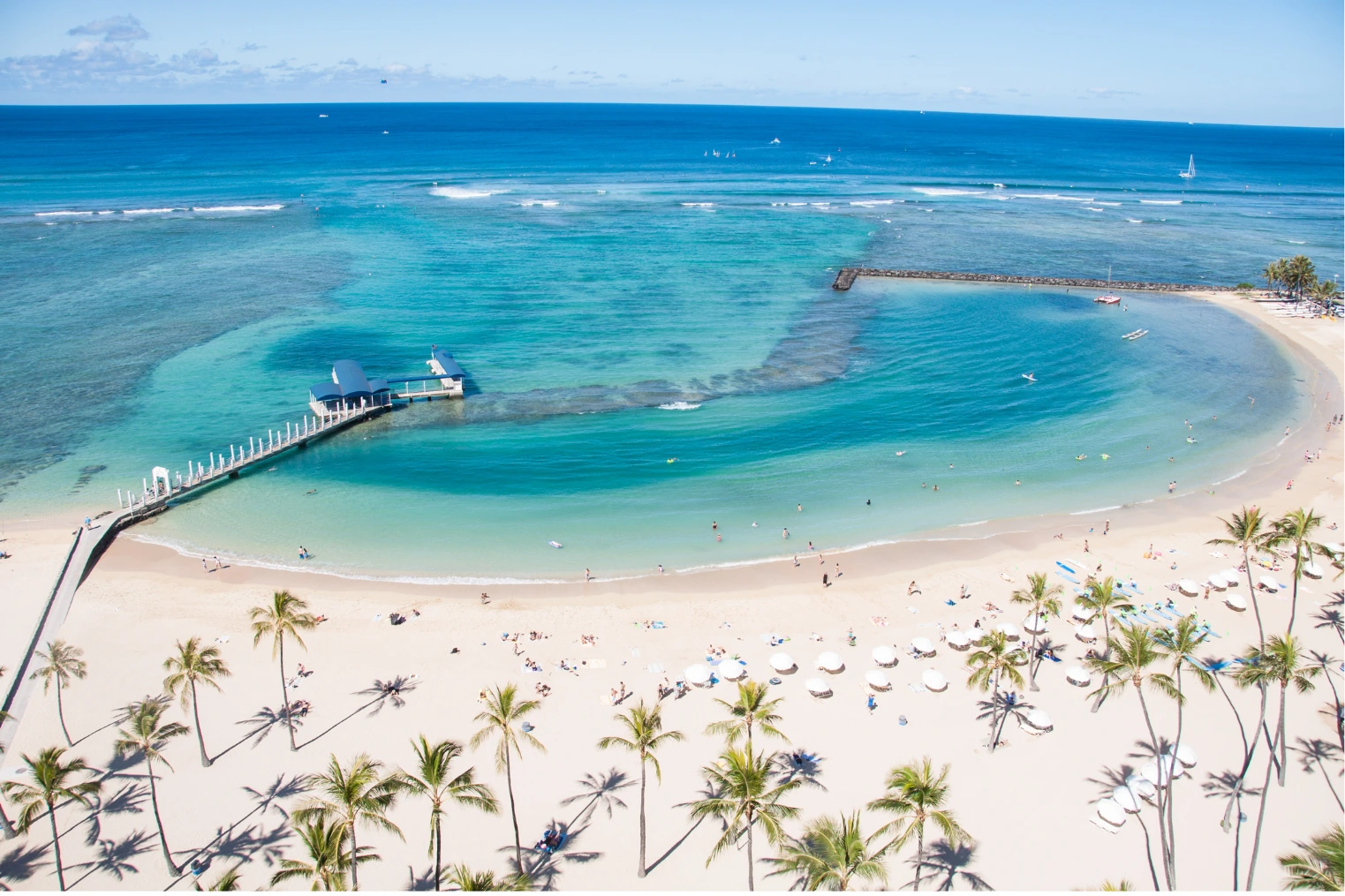
For slightly deeper, glassier water, head to the protected lagoon in front of the Hilton Hawaiian Village; it feels like a giant saltwater pool.
Pack reef-safe sunscreen, simple snorkel sets, and cheap inflatables, but skip paddleboards here, there’s barely room for safe relaxed family floating time.
If little ones tire out, the nearby Waikīkī Aquarium at 2777 Kalakaua Avenue offers a shaded, educational break from the sun just a short stroll from the sand.
Lifeguard-Patrolled Beach Zones
Almost every family’s safest introduction to Waikiki happens inside the lifeguard flags.
You’ll find the most reliable coverage from Kuhio Beach to the Royal Hawaiian groin, where bright lifeguard towers overlook the sand from early morning to sunset.
Check the posted boards each visit; they list swell, currents, and any jellyfish alerts.
Swim in front of a tower, not between gaps, so guards can see you quickly.
Parents should point out rescue craft and quietly explain basic rescue protocols, like signaling with one arm.
If conditions feel sketchy, ask guards’ advice before anyone enters.
Their judgment here deserves trust.
For planning early-morning or late-night outings nearby, remember that Kūhiō Beach Park officially closes from 12:00 a.m. to 5:00 a.m., which can affect restroom and facility access.
Amenities For Young Children
On Waikiki’s busiest days, the easiest kid win comes from choosing beaches built for short legs and shorter attention spans. Head first to the protected shallows of Kuhio Beach, where the seawall cuts waves and the sand feels soft underfoot. For families visiting in the warmer May–October months, calmer Waikiki conditions usually make the shallows even more manageable for young swimmers.
- Look for shaded picnic tables, nearby restrooms, and basic changing stalls, so quick cleanups stay simple.
- Seek out hotel beachfronts that add kids playsets, toddler splashpads, and small pools close to the sand.
- Pack reef‑safe sunscreen, floaties, and snacks, and skip bulky chairs; rental stands and beach shacks fill in the gaps for easy family beachtime.
Best Waikiki Beach Spots for Surfing and Lessons
Catch your first Waikiki wave where surfing actually feels welcoming, not intimidating.
You’ll spot soft, rolling Beginner breaks right off Kalākaua, with big boards and patient beach boys ready from about $60 for a group lesson.
Aim for early mornings to dodge crowds and tradewind chop.
Canoes and Queens suit first timers, while Pops rewards quick learners.
For a more remote, rugged contrast to Waikiki’s bustle, consider a day trip to Kaʻena Point State Park on Oʻahu’s northwest tip, where coastal trails replace surf schools and conservation takes center stage.
| Spot | Vibe |
|---|---|
| Canoes | Classic beginner break |
| Queens | Playful, slightly faster waves |
Pack rash guard, reef‑safe sunscreen, and cash for lockers.
Consider Night lessons if sun and heat drain you.
Viator surf packages help you compare schools, read verified reviews, and time sessions.
Quiet Corners of Waikiki for Relaxing and Sunset Views
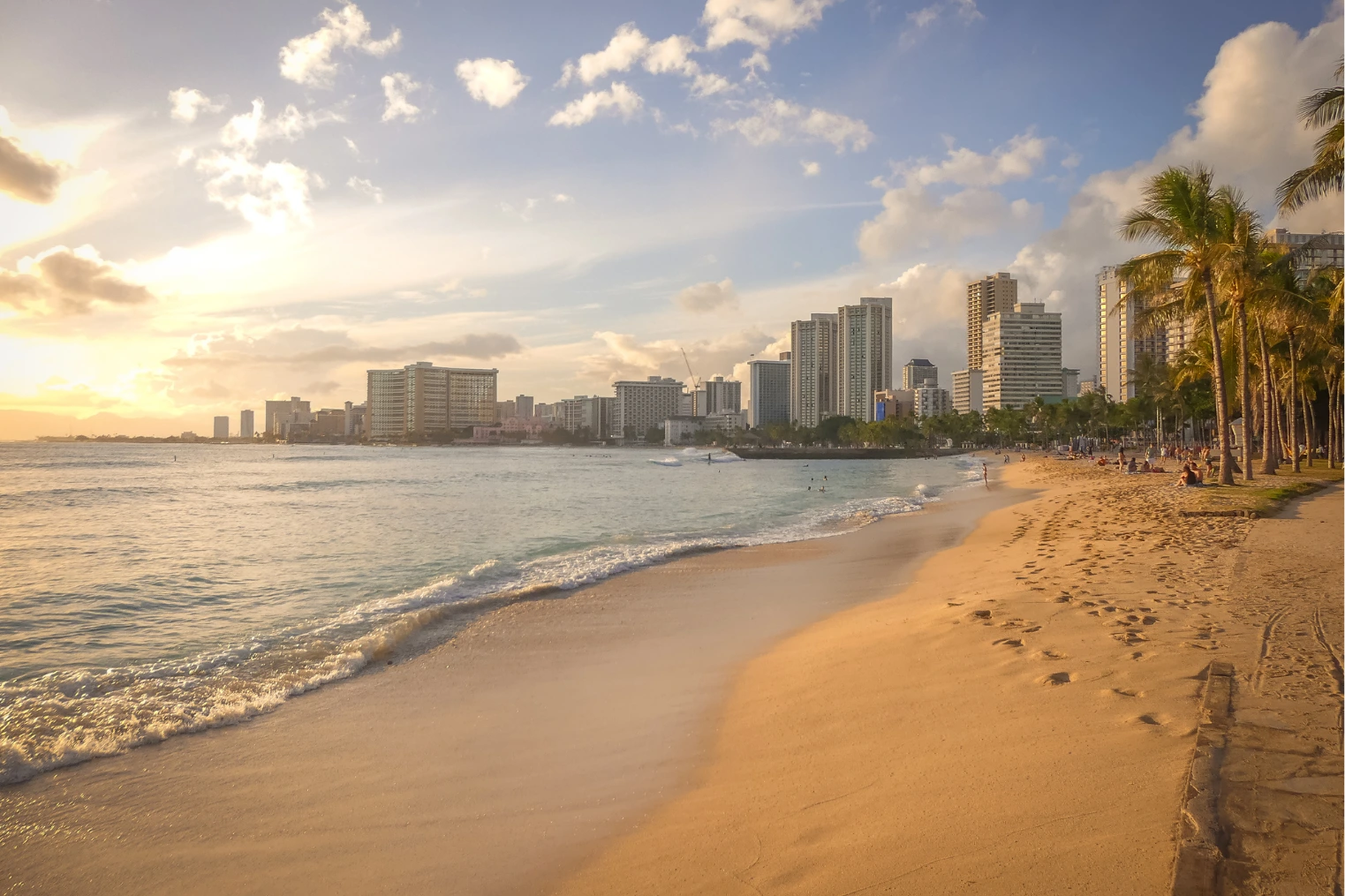
Though Waikiki is famous for its packed shoreline, you can still slip into quieter pockets where the pace slows and sunsets feel almost private. Seek them in the edges of the district, not the postcard middle. Walk toward Kapiolani Park in late afternoon. You’ll find shaded lawns, Hidden benches, and mellow locals chatting. Bring a picnic, skip the speaker. As you wander, look for the bandstand area and nearby lawns that are part of Kapiʻolani Regional Park, a historic 200-acre green space dedicated in 1877 and still preserved as a free public park. Near Gray’s Beach, low Lava rockpoints break the swell, so the water stays calmer. Pack reef shoes. At Fort DeRussy Beach, spread a towel near the palms and watch boats glow at dusk. Crowds thin out nicely.
Parking, Rentals, and Facilities on Waikiki Beach
Those quiet corners feel even better when you’re not stressing about where to park or rent a board.
You’ll find small public lots and street spots, mostly metered parking that runs till evening, so bring a card or quarters.
Arrive before 9 a.m. or after sunset to avoid circling.
If you’re cycling, look for sturdy bike racks near major hotel fronts.
For gear, you can rent surfboards, umbrellas, and chairs directly on the sand, though prices climb near big resorts.
Restrooms, outdoor showers, and water fountains sit at regular intervals, so pack light yet still bring reef-safe sunscreen too.
If you’re driving in from nearby spots like Ala Moana Regional Park, keep in mind that its 950 on-site stalls can fill up quickly during weekends and events.
Waikiki Beach Etiquette and Ocean Safety
Slip into Waikiki’s rhythm by learning how locals actually use the beach and the ocean. You share crowded sand, so move towels close and keep aisles clear for strollers and boards. Choose respectful dress for family areas, and skip loud speakers at sunrise and sunset. Before you jump in, check current ocean conditions and ask lifeguards which areas are safest that day.
- Swim near lifeguard towers, especially during winter surf, and obey colored flags.
- Shuffle your feet to avoid stingrays, and never turn your back on incoming sets.
- Practice reef preservation: wear mineral sunscreen, avoid standing on coral, and keep a few meters from turtles and monk seals. Ask lifeguards about currents before you paddle out.
Frequently Asked Questions
Are There Wheelchair-Accessible Paths, Beach Mats, or Amphibious Chairs at Waikiki?
Yes, you’ll find access like a welcoming bridge: wheelchair ramps along the promenade, beach mats near key entries, and free amphibious beach chairs at select Waikiki stands; you should confirm current availability and reservation details.
Nearby hotels to compare
Compare other stays around Waikiki so you can weigh location, room style, and overall trip fit.
The Royal Hawaiian, a Luxury Collection Resort, Waikiki
An iconic pink beachfront Waikiki resort with historic character and strong luxury travel appeal.
Check rates
Sheraton Waikiki Beach Resort
A central beachfront Waikiki resort with ocean views, resort pools, and easy access to Waikiki Beach Walk and Royal Hawaiian Center.
Check rates
OUTRIGGER Waikiki Beach Resort
A classic beachfront Waikiki resort in the center of the action with strong appeal for first-time visitors.
Check ratesCan I Store Luggage or Valuables Securely Near Waikiki Beach for a Few Hours?
You can store belongings near Waikiki using locker rentals by the beach, a hotel concierge service, portable safes that attach to chairs, or short term storage shops in Waikiki; keep passports and cash on you.
Are There Shaded Areas or Beach Cabanas to Rent Along Waikiki?
Yes, you can flee the sun like a confused vampire under rented Beach umbrellas or splurge on Private cabanas, where you’ll pay handsomely for shade, soft chairs, cocktail service, and Instagram-worthy evidence of your complexion.
Is Snorkeling Worthwhile Directly off Waikiki Beach, or Should I Go Elsewhere?
You can snorkel off Waikiki, but you’ll see more elsewhere. With crowds and Visibility variation, fish life’s limited. For better reefs, Coral restoration spots, visit Hanauma Bay or Electric Beach instead for clearer, vibrant snorkeling.
What Kid-Friendly Activities Are Available Near Waikiki Beach Besides Swimming and Surfing?
You can visit the Honolulu Zoo, explore the Waikiki Aquarium, picnic or fly kites at Kapiolani Park, take photos by Duke’s statue, join ukulele lessons, enjoy sunset hula shows, or rent bikes along Kalakaua Avenue.
Conclusion
You know Waikiki now, from kid friendly lagoons to mellow sunset corners. Plan sunrise swims to dodge tour groups and harsh sun, and budget for chair rentals and shave ice rather than pricey resort bars. Pack reef safe sunscreen, a rash guard, and sandals. Skip hauling snorkel gear, visibility disappoints. Book surf lessons or catamaran sails with Viator operators to save time, use pickup, and keep plans flexible. Remember, the early bird catches the worm.

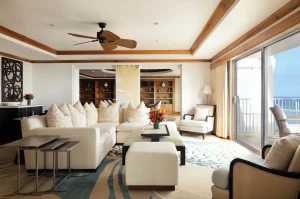
Moana Surfrider, A Westin Resort & Spa, Waikiki Beach
A historic beachfront Waikiki resort with classic architecture, spa amenities, and strong appeal for romantic or luxury stays.
Check rates
Polynesian Cultural Center: Gateway Buffet Package
Located on O‘ahu’s North Shore, the Polynesian Cultural Center is a one-of-a-kind attraction showcasing the people, culture, arts, and crafts of P...