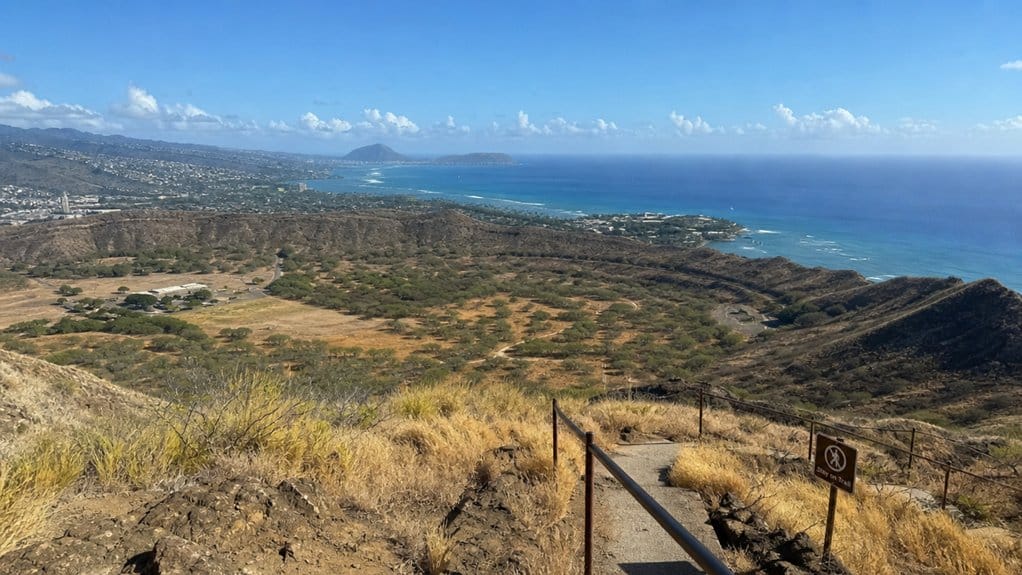
You might wonder if the theory is true that Oʻahu has a volcano hiding in plain sight. In a way, it does, but you won’t find red lava or sirens here. What you will see are dry crater walls, black rock, and steep trails like Diamond Head and Koko Head, with trade winds in your ears and city views at your feet. The real story gets more interesting once you ask why these volcanoes went quiet.
Key Takeaways
- Yes, Oʻahu has volcanoes, but they are ancient and extinct, not erupting volcanoes like those on Hawaiʻi Island.
- Oʻahu was built by two main shield volcanoes: Waʻianae in the west and Koʻolau in the east.
- Later eruptions formed the Honolulu Volcanics, creating landmarks like Diamond Head, Koko Head, Punchbowl, and Hānauma Bay.
- Oʻahu has no active volcanoes today; its craters, tuff cones, and lava features are remnants of past eruptions.
- Visitors can explore volcanic landscapes on trails like Diamond Head, Koko Head, and Makapuʻu by staying on marked paths.

Oahu Grand Circle Island Experience from Waikiki
Enjoy Grand Circle Island experience tour with breathtaking views of Amelia Earhart Lookout on Diamond Head, admire Chinaman’s Hat in front of Kualo...

Oahu: Full or Half Day Grand Circle Island Tour
Choose from two exciting ways to experience Oahu's top attractions, scenic beauty, and local culture.Option 1: Dol...

Oahu: 60 Min Royal Crown Helicopter Tour - Doors Off or On
See every stunning sight on Oahu from the white sands of Waikiki to the epic big waves of Norh Shore on our incredib...

Hanauma Bay Snorkeling from Waikiki
Experience Hanauma Bay the easiest way with Waikiki’s most reliable Hanauma Bay shuttle. Our early 5:40 AM pickup...
Is There a Volcano in Oahu?
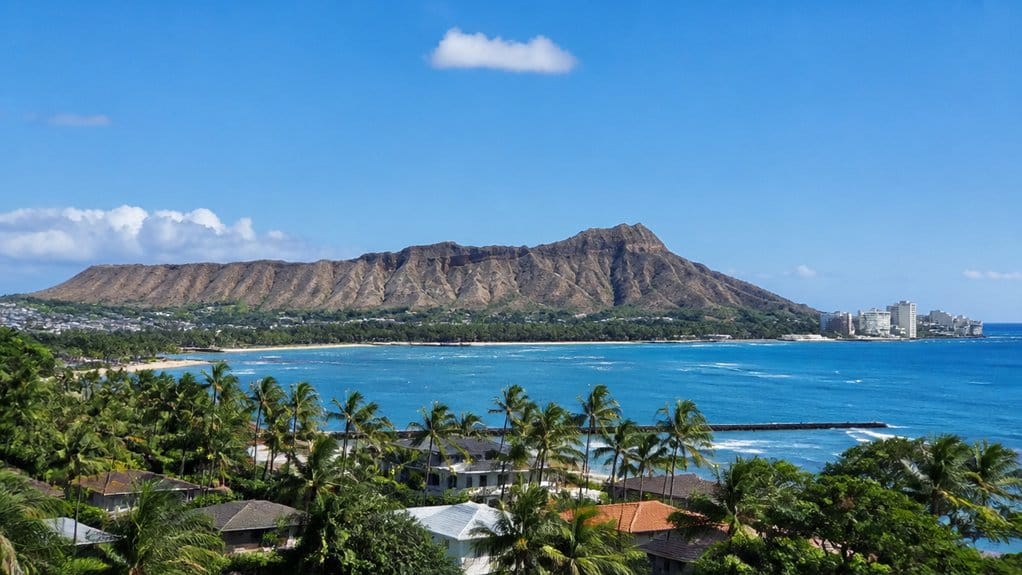
Yes, Oʻahu does have volcanoes, just not the lava-spewing kind you might picture. When you explore the island, you’re walking across the remains of ancient eruptions. Volcanoes on Oahu shaped famous places like Diamond Head, Koko Head, and Hanauma Bay. They look rugged, dry, and dramatic, with crater rims, steep trails, and old lava forms. Visitors can safely explore many of these sites by sticking to marked paths and learning basic volcano safety before they go.
Oʻahu itself comes from two major volcanic systems. You’ll find the older Waʻianae volcano in the west and the larger Koolau Volcano in the east. Later eruptions built the Honolulu Volcanics across the southeast, between Pearl Harbor and the Mokapu Peninsula. Those blasts formed cinder cones, tuff cones, and even volcanic islands. One explosive eruption helped form Diamond Head in a single dramatic event. Diamond Head helps tell this geological story, revealing part of Oʻahu’s volcanic formation and timeline. So yes, there is a volcano story here. You just won’t hear rumbling under your beach towel today.
Why Oahu Has No Active Volcanoes
When you hike Oʻahu’s famous crater trails, you’re walking across the leftovers of ancient eruptions, not anything that’s rumbling today. You can still see the island’s volcanic past in rough cinder cones, broad lava flows, and steep tuff rims, but the magma that built them isn’t active anymore. That’s why Oʻahu has no active volcanoes now, even if vog from Maui or Hawaiʻi sometimes drifts in and crashes your clear-sky plans.
Ancient Volcanic History
Although Oʻahu looks calm today, the island began as a fiery project built by two huge shield volcanoes: Wāianae in the west and Koʻolau in the east. If you trace the ridges, cliffs, and broad valleys, you’re seeing Volcanoes that rose and spread lava across the island millions of years in the past. Today, Oʻahu has no active volcanoes, and current volcanic activity in Hawaiʻi is monitored through official observatory updates rather than anything on the island itself.
Wāianae formed first, roughly 3.8 to 2.95 million years ago. Koʻolau grew later through long lava flows fed by a rift zone, then lost a giant flank to the sea. Much later, within the last million years ago, smaller Honolulu Volcanics eruptions built landmarks like Diamond Head, Koko Head, and Punchbowl. The Hawaiian Volcano Observatory documents this timeline through rock ages, sea level clues, and vent patterns, so you can read Oʻahu’s old fire in today’s scenery. Visitors interested in Hawaiʻi’s natural history can also plan ahead with Bishop Museum tickets online before exploring exhibits that help explain the islands’ volcanic past.
No Current Magma Activity
Even if Oʻahu’s ridges and craters look dramatic, the island has no active volcanoes today because its magma system shut down long ago. When you hike past Diamond Head or Koko Head, you’re seeing remnants of an extinct volcano system, not vents fed by fresh molten rock below.
Oʻahu’s volcanic activity happened in two old chapters. First came the big Koʻolau eruptions. Much later, the Honolulu Volcanics formed about 40 vents across the southeast side. Those eruptions ended roughly 35,000 to 76,000 years ago, which is far too old to suggest current magma.
That’s why the USGS Hawaiian Volcano Observatory tracks six active volcanoes on Hawaiʻi Island and Maui instead. On Oʻahu, your more likely volcanic surprise is vog drifting in from other islands for a few hazy weeks.

Oahu: Atlantis Submarine Adventure in Waikiki
Explore Waikiki’s marine mysteries while diving more than 100 feet underwater in an air-conditioned, eco-friendly...

Oahu: Roundtrip Shuttle From Waikiki to Dole Plantation & Haleiwa
Skip Circle Island and visit two of the most popular places to visit here on the Island of Oahu. Experience a unique...

3 Zipline Adventure (Optional Waikiki Shuttle for 10am Tour)
Experience the thrill of soaring through the jungle on Coral Crater’s 3 Zipline Adventure. Glide across three exci...
How Oahu Was Formed by Volcanoes
If you look at Oʻahu on a map, you’re really seeing the work of volcanoes stacked across millions of years. You can trace the island’s backbone to two giant shield volcanoes in the Hawaiian chain. Waʻianae rose first on the west, then Koʻolau built the east. Koʻolau is about 2.7 to 1.8 million years old, and its lava spread in long sheets.
As you drive around Oʻahu, you’re moving across those old volcanoes. Waʻianae formed between 3.8 and 2.95 million years ago, with a caldera at its center and rift zones stretching northwest and southeast. Koʻolau grew broad and high too, though much of it later slipped below sea level. What’s left gives you steep ridges, deep valleys, and that dramatic skyline everywhere you look today. Visitors heading toward Oʻahu’s North Shore can use Turtle Bay Oahu as a well-known reference point on the island’s northeastern coast. Diamond Head itself was formed about 300,000 years ago during a single explosive eruption and is made of cemented ash and tuff.
One famous example is Diamond Head, a volcanic tuff cone on Oʻahu formed long after the main shield volcanoes.
What Are the Honolulu Volcanics?
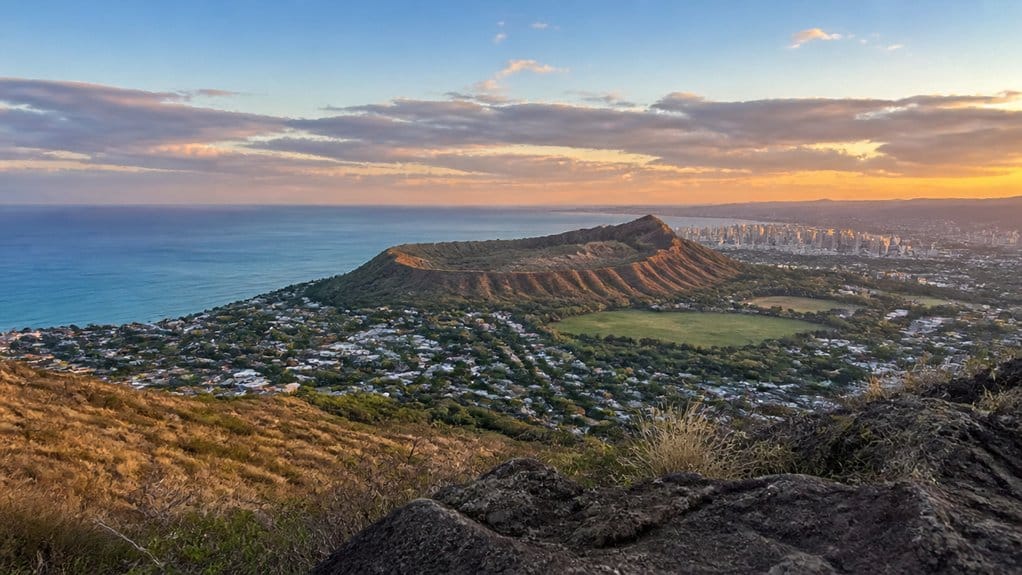
While Oʻahu’s main mountains come from the old Koʻolau and Waiʻanae volcanoes, the Honolulu Volcanics are a much younger volcanic field spread across the island’s southeastern side. You’re looking at a late burst of volcanism that started less than a million years ago atop Koʻolau’s far older base, and it reshaped the southeast.
- About 30 to 40 vents line up along island rifts.
- Eruptions were mostly explosive, not slow and runny.
- They built cinder cones, tuff cones, lava flows, and even offshore vents.
- Some activity may be only about 35,000 years old.
That’s why the Honolulu Volcanics matter. They help you read sea-level swings, old shorelines, and Earth’s magnetic changes. Think Koko Crater, not six active volcanoes. On Oʻahu, this field is young, scattered, and scientifically fascinating today. In the broader history of Oʻahu, these younger eruptions are just one chapter in the island’s long timeline from ancient Hawaii to the present.
Where to See Oahu Volcanoes
You won’t find an active volcano on Oʻahu, but you can still stand on striking volcanic landmarks like Diamond Head, Koko Head, Punchbowl, and Hanauma Bay and see how old eruptions shaped the island. You can make planning easier by choosing a tour with ticket and reservation included for Diamond Head. If you want the best scenic hikes, you can take Diamond Head’s 1.6-mile round trip for classic Waikiki views or tackle Koko Head’s steeper 2-mile climb for a real leg burner. For an easier outing, you can head to Makapuʻu and follow the 2.5-mile trail to sweeping southeast coast views where the old volcanic landscape still feels bold and raw. For the coolest temperatures and fewer crowds, aim for the 6:00 am to 8:00 am start window at Diamond Head. If Diamond Head is on your list, booking Diamond Head tickets with a shuttle can make the visit much easier.
Have a question about this guide?
Ask for tour ideas, hotel suggestions, or a simple trip plan that combines both.
Trip Helper
Famous Volcanic Landmarks
Across Oʻahu, the island’s volcanic story shows up in places you can actually hike, look into, and stand on. You’ll spot the island’s best known remnants in the southeast, where old eruptions shaped ridges, bays, and crater rims. A full-day Circle Island Tour can pair these volcanic stops with a visit to Waimea Valley’s waterfall for a broader look at Oʻahu’s landscapes.
- Diamond Head rises east of Honolulu as a famous tuff cone and rim.
- Koko Head marks Oʻahu’s latest volcanic activity, with lava only a few thousand years old.
- Hanauma Bay fills a volcanic crater and now shelters clear water and 450-plus sea species.
- Makapuʻu gives you a dormant-volcano viewpoint near the lighthouse trail.
If Diamond Head is on your list, check the current fees and hours before you go, since visitor access is managed on a set schedule.
You can also trace the wider Honolulu Volcanics from Pearl Harbor to Mokapu Peninsula. Look for cinder cones, tuff cones, and old nearshore blast deposits. It’s geology with ocean views, which feels like a pretty good deal.
Best Scenic Hikes
Some of Oʻahu’s best volcano views come with a trail under your feet and salt air in your face. Start with Diamond Head, where you climb a classic tuff cone born about 150,000 years ago. Give yourself about two hours, then enjoy wide views over Waikīkī and the islands to the east. For hike length and time, plan with realistic estimates so you can enjoy the climb without feeling rushed. Advance Diamond Head reservations are often required, so it’s smart to book before you go.
If you want a tougher workout, tackle Koko Head Crater. The route is nearly two miles and famously packs more than 1,000 stairs, so your legs will definitely file a complaint. At the top, you’ll look down on Hānauma Bay, a 101-acre landscape shaped by eruptions, and across Hawaiʻi Kai. For an easier outing, walk Makapuʻu. This roughly 2.5-mile trail opens to rugged shoreline views, Kōko Head, Makapuʻu Beach, and Rabbit and Shark Fin Islands offshore. It also leads toward the Makapuu Lighthouse, making it a great scenic half-day option alongside Diamond Head.
Diamond Head and Punchbowl Crater
Near Honolulu, Diamond Head and Punchbowl Crater make Oʻahu’s volcanic past feel close enough to walk into. When you visit Diamond Head, you stand inside a crater born about 150,000 years ago from a single eruption, then climb a short 1.6-mile roundtrip trail for views over Waikīkī and the Pacific Ocean. While you can access the monument by car, driving up Diamond Head is restricted, so most visitors hike in for the classic experience.
Near Honolulu, Diamond Head lets you step into Oʻahu’s volcanic past, then climb to sweeping views over Waikīkī and the Pacific.
- Leahi means “wreath of fire.”
- British sailors named Diamond Head after sparkly calcite.
- Punchbowl formed through volcanic action involving coral reefs.
- Today, Punchbowl holds the National Memorial Cemetery.
You’ll notice how different they feel. Diamond Head draws you with its compact hike, rough tuff walls, and summit lookout. If you want another elevated perspective nearby, the Tantalus Lookout route offers a quick way to take in Honolulu from above. Punchbowl feels quieter and more reflective, with broad rim views near Honolulu. Visitors heading into the city can also plan a stop at the State Capitol, where parking and entry details help make a downtown visit easier. Together, they show you how close Oʻahu’s dormant volcano scenery sits to city life today.

Pearl Harbor, Dole, and Polynesian Cultural Center from Waikiki
Join us on an unforgettable day at three of Oahu’s most popular attractions: Pearl Harbor, Dole Plantation, and Po...

Waikiki 2 Hour Sunset Sailing Catamaran Swim and Sail Adventure
There’s no better place to take a dip than the crystal-clear waters of Waikiki—and no better way to experience a...

Oahu: Kualoa Ranch UTV Raptor Tour
Traveling with family and friends? You can enjoy the fantastic Multi-passenger UTV Raptor experience with your entir...
Koko Head, Hanauma Bay, and Makapuu
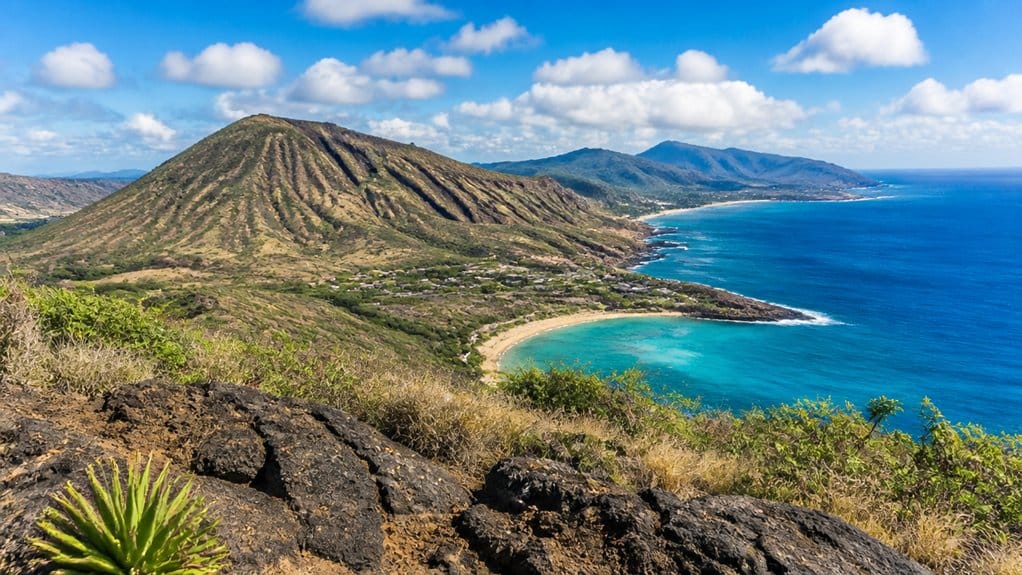
On Oʻahu’s east side, Koko Head, Hanauma Bay, and Makapuu let you see how old volcanoes still shape the island in vivid ways. You can climb Koko Head on its steep, nearly two-mile route and feel the burn on more than 1,000 steps. At the top, you get broad views over Hanauma Bay and Hawaii Kai.
Hanauma Bay shows how volcanic eruptions carved a crater that the ocean later flooded. Inside that breached tuff cone, coral reefs now thrive, and more than 450 kinds of sea life turn the cove into a snorkeler’s dream. Its calm waters also make it one of the best spots for snorkeling with turtles on Oʻahu. Hanauma Bay was designated a Marine Life Conservation District in 1967, underscoring its long-standing role in protecting marine biodiversity. The bay’s shallow fringing reef extends about 100 yards offshore, helping create the calm snorkeling conditions it is known for. A bit farther on, Makapuu gives you an easier 2.5-mile walk to a dormant volcanic point. From there, you can spot Koko Head, bright Makapuu Beach, and Rabbit and Shark Fin Islands offshore.
Could Oahu Volcanoes Erupt Again?
If you’re wondering whether Oʻahu could suddenly throw a lava-filled plot twist into your vacation, the short answer is no for practical travel purposes.
You’re looking at old volcanic scenery, not a restless hotspot. Diamond Head and Koko Head show where the volcano was formed long ago, and those exposed cones haven’t erupted in thousands of years. For a dramatic look at these extinct landmarks from above, some visitors book helicopter tours over Oʻahu. Visitors can choose between doors-off flights for unobstructed views or doors-on flights for a more enclosed ride. Oʻahu’s conditions can still vary by month to month, especially between Honolulu and the North Shore.
Oʻahu’s volcanic landmarks are ancient scenery, not active threats, with Diamond Head and Koko Head quiet for thousands of years.
- Oʻahu has no active volcanoes today.
- Its last known eruptions happened roughly 35,000 to 76,000 years ago.
- Scientists watch active systems elsewhere, not Oʻahu’s old Rift Zone features.
- Your bigger volcanic issue is occasional vog, which can haze views for a few weeks yearly.
Why Hawaii Island Has Active Volcanoes
Oʻahu shows you Hawaiʻi’s volcanic past, but Hawaiʻi Island lets you watch the story still unfolding. When you visit the Big Island, you’re standing where the hot spot still feeds fresh magma into a volcano formed far more recently than Oʻahu. That’s why this island has active peaks while Oʻahu’s are long quiet.
On Oʻahu, places like Kaʻena Point preserve a rugged volcanic coast that hints at the island’s much older geologic story.
You can track the action through the Hawaiian Volcano Observatory, which watches Hawaiʻi and Maui. On Hawaiʻi Island, four active volcanoes keep things interesting: Kīlauea, Mauna Loa, Hualālai, and submarine Kamaʻehuakanaloa. Kīlauea is the youngest and busiest, with lava flows and a lava lake that glowed in Halemaʻumaʻu for years. Mauna Loa has erupted 34 times since 1843. Hualālai last sent lava to the coast about one million jokes ago, in 1801. On Oʻahu, marine areas like Pūpūkea include lava tubes and arches offshore that reveal how volcanic landscapes continue to shape the island above and below the water.
Frequently Asked Questions
Can Vog From Other Islands Affect Oahu’s Air Quality?
Yes, you can experience VOG transport on Oʻahu, causing air quality impacts from cross island pollution. You should check advisories before visiting, since winds and eruptions on Hawaiʻi Island or Maui can affect conditions temporarily.
Are There Guided Volcano Hikes Suitable for Children on Oahu?
Yes, you’ll find guided volcano hikes on Oʻahu that suit children, especially around Diamond Head and Makapuʻu. Choose Family hike options with Easy trail routes, and follow Safety first guidance, including weather, hydration, and air-quality checks.
Which Oahu Volcanic Sites Require Reservations or Entrance Fees?
Like a checkpoint, you’ll find reservations required and entrance fees at Diamond Head and Hanauma Bay; Koko Head and Makapuu may require visitor permits or parking compliance. Punchbowl follows federal entry rules, not volcano-specific tickets usually.
What’s the Best Time of Year to Visit Oahu’s Volcanic Landmarks?
You’ll usually get the best experience in winter, when Winter sun, cooler temperatures, and lower crowds make Oʻahu’s volcanic landmarks more enjoyable. Still, stay flexible and check vog conditions, because air quality matters more than the calendar.
Are Oahu’s Volcanic Craters Considered Sacred in Hawaiian Culture?
Yes, you can’t exactly treat them like oversized selfie backdrops; in Hawaiian beliefs, many Oʻahu craters are sacred landscapes. You’ll see crater significance in places like Leʻahi and Pūowaina, where culture, history, and respect intertwine.
Conclusion
So yes, you’ll find volcanoes on Oʻahu, just not the fire-breathing kind that steal the whole planet’s attention. You can hike dusty crater rims, stand above crashing blue water, and trace old lava-shaped landscapes at Diamond Head, Koko Head, and Hānauma Bay. These sites feel ancient under your shoes and bright in the trade winds. Stick to marked trails, bring water, and keep your curiosity handy. Oʻahu’s volcanic story is quiet, but it’s far from asleep.
Oahu: Full or Half Day Grand Circle Island Tour
Choose from two exciting ways to experience Oahu's top attractions, scenic beauty, and local culture.Option 1: Dole Plantation & Haleiwa Town (6.5 H...
Oahu Grand Circle Island Experience from Waikiki
Enjoy Grand Circle Island experience tour with breathtaking views of Amelia Earhart Lookout on Diamond Head, admire...
Oahu: 60 Min Royal Crown Helicopter Tour - Doors Off or On
See every stunning sight on Oahu from the white sands of Waikiki to the epic big waves of Norh Shore on our incredib...
Hanauma Bay Snorkeling from Waikiki
Experience Hanauma Bay the easiest way with Waikiki’s most reliable Hanauma Bay shuttle. Our early 5:40 AM pickup...
Experiences to explore
 Explore experience ↗
Oahu Volcanic Rainforest Hiking Adventure
◷ 3 hr 30 min
Discover the hidden hiking treasures of Oahu's lush volcanic rainforest. This Hawaii rainforest hiking trip is rich in rare and endemic
See dates for Current pricing
View dates Explore experience ↗
Shark Cage Diving On "The World Famous North Shore of Oahu", Hawaii
◷ 2 hr
Our company is uniquely owned by Native-Hawaiian watermen. As the only company of its kind on the island, we hope you'll support local.
See dates for Current pricing
View dates Explore experience ↗
Oahu: Whale Watching on "The World Famous North Shore", Hawaii
◷ 2 hr
Our company is uniquely owned by Native-Hawaiian watermen. As the only company of its kind on the island, we hope you'll support local.
See dates for Current pricing
View dates