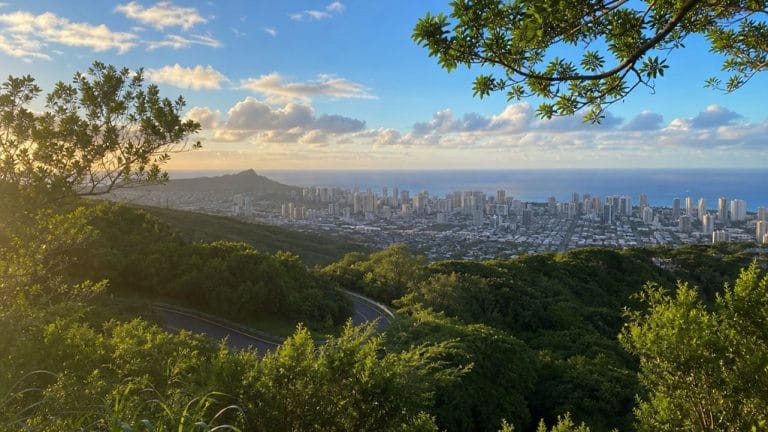
The manoa falls trail hike is the closest thing Honolulu has to a rainforest-on-demand. Fifteen minutes from Waikiki, you’re suddenly under giant bamboo and dripping greenery, with that damp jungle smell that makes you check your phone to confirm you’re still in a city.
It’s also the hike that ruins white sneakers, attracts mosquitoes like it’s their job, and surprises people who thought “waterfall hike” meant “nice little paved walk.” Here’s the real deal on conditions, safety, and the best days to go.

Wai Kai Adventure Park Packages
Three ways to play! Full day and half day packages available.ULTIMATE PACKAGE: • Surf Session • AquaVenture & AquaPeakz Access • Paddle Pass...

Pearl Harbor USS Arizona Memorial Tour from Waikiki
Turn back time as we explore WWII history at Pearl Harbor and relive the infamous Sunday morning of December 7, 1941...

Oahu: Ka Moana Lūʻau at Aloha Tower – Oceanfront Luau Show
Ka Moana Lūʻau – Oceanfront Hawaiian Luau in HonoluluExperience the spirit of Hawaiʻi at Ka Moana Lūʻau, a...

Pearl Harbor USS Arizona Memorial & Battleship Missouri
Visit USS Arizona and Battleship Missouri, as they represent both the beginning and the end of World War II. The acc...
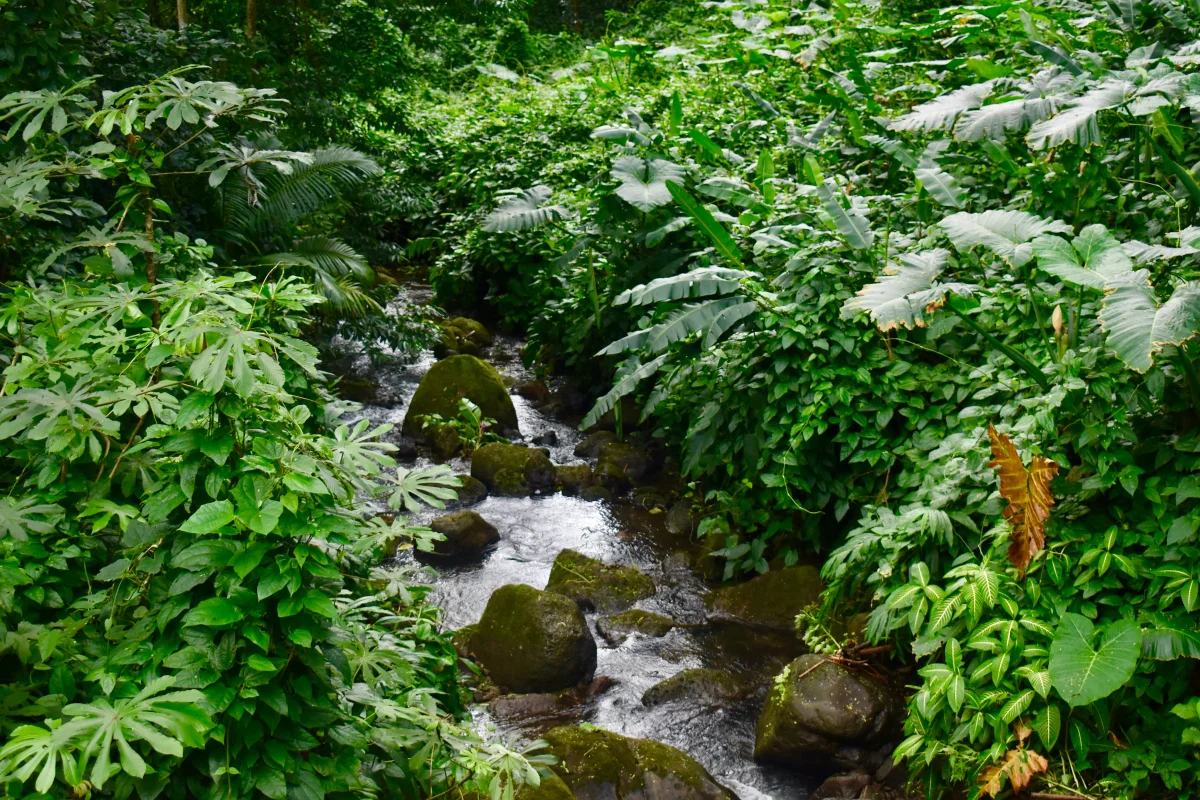
Manoa Falls hike conditions: what the trail is really like
This trail is short and friendly on paper. It’s about 0.8 miles one way, and the state’s Honolulu Mauka trail map describes it as a good option for novice hikers.
Hotels to compare for this guide
Compare a few stay options before you choose your base.

OUTRIGGER Waikiki Paradise Hotel
A central Waikiki hotel close to International Market Place that works well for travelers prioritizing walkability.
Check rates
Diamond Head Beach Hotel & Residences
A Gold Coast condo-style option for travelers wanting a quieter oceanfront setting near Kaimana Beach.
Check rates
Waikiki Resort Hotel
A straightforward Waikiki stay close to the beach that fits travelers wanting location without ultra-luxury pricing.
Check rates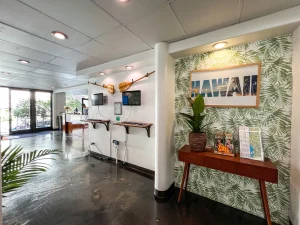
Stay Hotel Waikiki
A compact value hotel close to Waikiki Beach for travelers prioritizing location over resort amenities.
Check rates
Castle Bamboo Waikīkī Hotel
A smaller Waikiki property with a tropical pool setting and good fit for budget-conscious boutique stays.
Check rates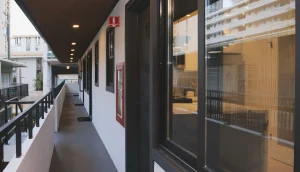
The Walk-Up Waikiki Beach
A simple Waikiki stay for travelers who want a low-frills base close to the beach.
Check ratesIn real life, it feels like this:
- A wide, popular path that still turns sloppy fast after rain
- A few stream crossings and slick sections where mud sits on rock like icing
- Lots of shade, so wet spots stay wet
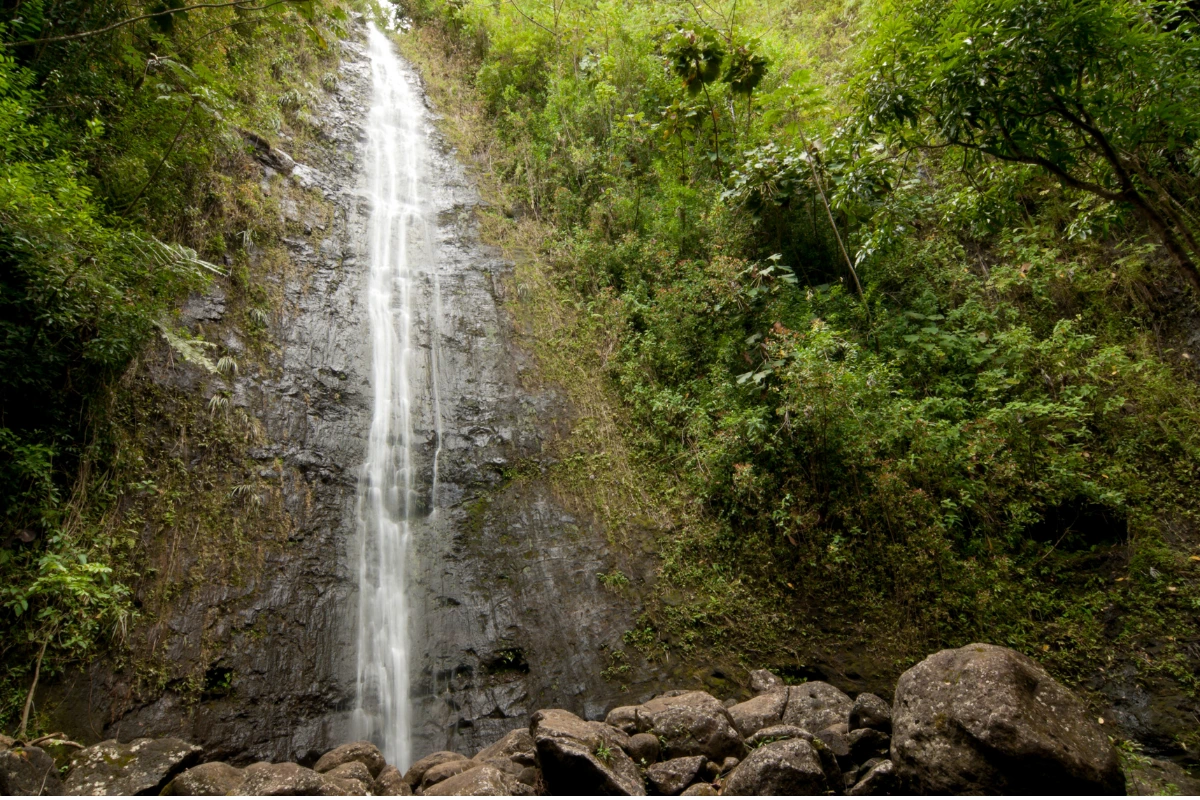
The payoff is the waterfall viewpoint at the end, but the forest is half the reason to come. Even when the falls are thin, the walk still feels lush and dramatic.
Mud reality: when it’s manageable vs when it’s a mess
Manoa Valley gets frequent showers, and the trail holds moisture. Mud is normal here, not a rare “only after storms” situation.
A simple way to think about it:
- Worth it: Light rain the day before, or a typical quick shower that passes. The falls look better and the trail stays doable.
- Questionable: Ongoing heavy rain or a big storm system. The mud gets deep, roots get slick, and the vibe shifts from “fun rainforest stroll” to “full-body slip-and-slide.”
If the forecast shows steady rain, pick a different morning and save Manoa for a better window. You’ll enjoy it more and you’ll spend less time watching your footing.
Mosquitoes: yes, they’re here, and they’re not shy
This is a shaded, wet valley with standing water nearby. Mosquitoes show up year-round, and they love the slow hikers who stop for photos.
What actually helps:
- Repellent before you start (not at the first “wow” viewpoint)
- Long socks if you’re sensitive, since ankles get hit the most
- Skip heavy perfume or sweet lotions, which can feel like ringing a dinner bell
If you’re hiking after rain, assume mosquitoes will be worse.
Safety at the waterfall: the rule people ignore
At the end, you’ll see the viewing area and the temptation to scramble closer. Don’t.
The state’s Honolulu Mauka trail system guide is blunt about why: there can be falling rocks dislodged from above the falls, and it states the waterfall and pool are closed. It specifically tells hikers to not proceed beyond the cable or marked safe viewing area at the end of the trail.
This isn’t a “rules for insurance” thing. Rockfall is the reason the trail has had major safety work, including a rockfall hazard mitigation fence installed near the falls before the trail reopened in 2021.
Don’t get in the water: it’s not just about the signs
Even aside from rockfall, freshwater in Hawaii comes with a health warning. Hawaii’s Department of Health advises against swimming or wading in freshwater streams or ponds, especially with cuts, because of leptospirosis risk.
Treat Manoa as a view-and-leave waterfall, not a swim spot.
Parking and getting to the trailhead
Parking is part of the Manoa Falls experience, for better or worse.
The state trail map lays out the basics:
- Paid parking at Paradise Park or free neighborhood street parking
- No parking on the fire lane
- No parking at Lyon Arboretum
Lyon Arboretum’s own visitor info notes overflow parking at Paradise Park for a fee and also mentions neighborhood parking as an option.
Two practical tips that save headaches:
- Arrive early if you want easy parking and fewer people at the falls.
- Leave nothing visible in the car. This is one of those trailheads where “quick stop” theft happens.
When it’s actually worth doing Manoa Falls
This hike shines in a few specific situations:
- You want greenery without a big drive
It’s one of the easiest “rainforest” experiences close to Waikiki. - Your group has mixed fitness
Short distance, moderate effort, lots of natural breaks. - You caught it right after light rain
The waterfall looks better, and the valley feels extra alive.
When it’s not worth forcing:
- You’re craving big, open views and ocean air. This is a shaded valley walk, not a skyline moment.
- The weather is dumping and you’ll spend the whole time muddy, itchy, and annoyed.
What to wear so you don’t hate it
This trail rewards practical choices.
- Shoes with grip (trail runners beat flat-soled sneakers)
- A light rain layer you don’t mind stuffing into a bag
- Bug spray
- Water, even though it’s shaded
- A small towel for muddy hands and phone screens
If you only have one pair of shoes for your trip, don’t make it white.
If you want an easier hike day, do this instead
If Manoa is soaked and you still want a morning hike, two nearby swaps work well:
- Diamond Head hike reservations and parking for the iconic crater views and a more structured experience.
- Makapuu Lighthouse Trail sunrise guide for a paved climb and huge ocean panoramas.
Those days feel cleaner, drier, and more predictable.
Tours: when it’s worth letting someone else handle logistics
Manoa is close to town, but parking and timing can still be annoying, especially if you’re trying to keep a group moving. If you’d rather not drive, there are Manoa Falls style rainforest walks and Honolulu nature combo tours on Viator that include transportation. It’s also a category where reserve now, pay later and free cancellation up to 24 hours before start time can be genuinely useful if the weather flips.

Waikiki 2-Hour Sunset Sailing Catamaran – Swim & Sail Adventure
There’s no better place to take a dip than the crystal-clear waters of Waikiki—and no better way to experience a...

Waikiki: 2 hours - Friday Night Fireworks Catamaran Cruise
Enjoy the spectacular FRIDAY NIGHT FIREWORKS show along the beautiful coastline of Waikiki while we get up close and...

Waikiki Starlight Luau on The Great Lawn-Hilton Hawaiian Village
Waikiki Starlight Luau has moved to the Great Lawn at Hilton Hawaiian Village. Voted Best Luau in Hawaii - 10 Best L...
Final thoughts
The manoa falls hike is worth it when you treat it like what it is: a short rainforest walk with slippery sections, mosquitoes, and a viewpoint that’s meant to be respected. Go after light rain for a better waterfall, wear shoes you trust in mud, stay behind the safety boundary at the end, and skip the freshwater every time.
Pearl Harbor USS Arizona Memorial Tour from Waikiki
Turn back time as we explore WWII history at Pearl Harbor and relive the infamous Sunday morning of December 7, 1941. Enjoy a half-day tour from Honol...

Oahu: Germaine's Luau
Come visit us at Germaine's Luau, where you will experience a traditional Hawaiian Luau on our beachfront property o...

Waikiki Turtle Canyon Snorkel: Turtles Guaranteed
Book our Turtle Canyon snorkel tour for some turtle fun today! Join us for an intimate experience that you will not...

Oahu Shark Dive on the North Shore
Book the Oahu Shark Dive for a thrilling shark encounter off the North Shore. You’ll travel by boat from Haleiwa H...
OUTRIGGER Waikiki Paradise Hotel
A central Waikiki hotel close to International Market Place that works well for travelers prioritizing walkability.
Check rates
Honolulu: Pacific Star Sunset Dinner Cruise and Show
Indulge in the original Pacific Rim cuisine, where each dish serves as a gateway to the rich flavors of the region. Enjoy the ALL-NEW show “Moku Ola...

Oahu: Grand Tour Around Island with Snorkeling
Come join on a circle island adventure led by some of Hawaii’s most knowledgeable local guides and experience breathtaking lookouts to capture mind-...