
If you’re eyeing a kayak trip to the Mokulua Islands, you’ll want more than a pretty beach and a quick rental. You’ll need to time the wind, pick the right launch spot, and know when to turn back before currents shift. Start from Kailua for easier parking and facilities, or Lanikai for softer sand and a shorter crossing. The real difference comes with your route, the forecast, and one safety detail most visitors miss.
Key Takeaways
- Launch from Kailua Beach Park for easy rentals, facilities, and parking; choose stable sit-on-top kayaks, especially for first-time paddlers.
- Follow beginner route: hug Kailua–Lanikai shoreline, then cross to Moku Nui during calm mid tide after checking tides and marine forecast.
- Only go in light easterly or southerly winds under 12 knots; postpone if northeast trades are strong or a High Surf Advisory is posted.
- Wear a proper PFD, bring whistle or waterproof light, dry-bagged phone, water, and reef-safe sunscreen; set a firm turnaround time.
- Land only on Moku Nui, stay below vegetation, avoid nesting zones, keep 50 feet from turtles, and pack out all trash.
Can You Safely Kayak to the Mokes?
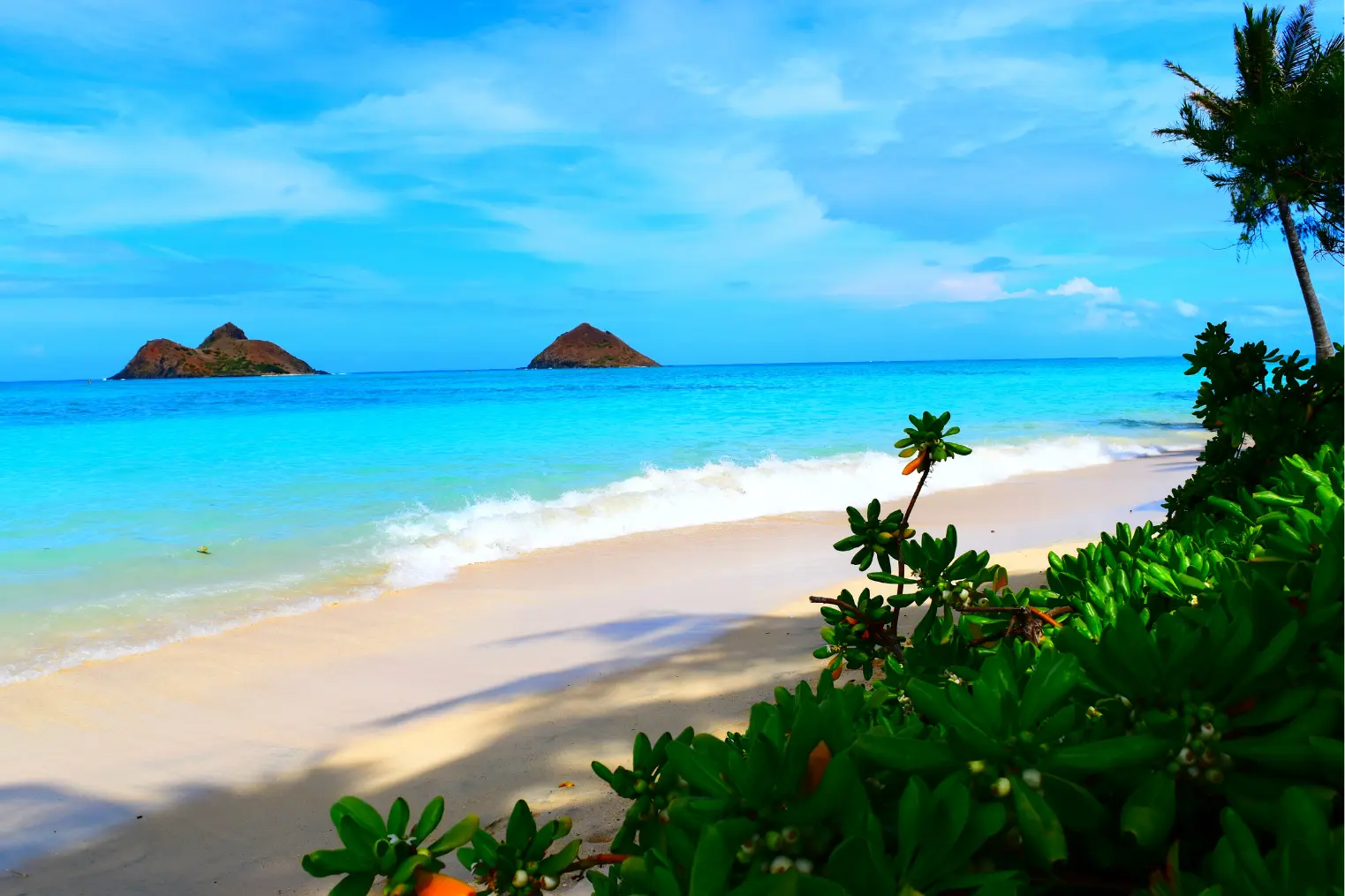
Although the Mokulua Islands sit temptingly close to Lanikai’s shore, kayaking to the “Mokes” is only safe if you treat it like a real ocean trip, not a casual beach float.
You face open swells, reefy shallows, and fast changes in weather. You check tide timing, read basic charts, and watch locals for clues. You wear a proper PFD, reef‑safe sunscreen, hat, and strap everything. Dry bag your phone. Learn rescue signals and carry a whistle or waterproof light. If you’re interested in other ocean spots where timing and tides really change the experience, look at how the depth and feel of the Kaneohe Sandbar shift with the daily tide.
If you’re unsure, book a guided Viator tour with verified reviews, hotel pickup, free cancellation, and reserve now pay later.
Best Times and Launch Spots to Kayak the Mokes
When you time it right and launch from the right beach, the paddle to the Mokes feels less like a mission and more like a long, salty stroll. Aim for early mornings, when trades are lighter and crowds hunt for coffee. Just like a North Shore day drive, keeping your plan simple and built around realistic conditions makes the outing feel easy instead of stressful.
Most paddlers start from Kailua Beach Park, with rentals, restrooms, and parking that usually fills by 9. Quieter, local Lanikai Beach has softer sand yet tricky parking and no facilities, so arrive stocked with water, reef‑safe sunscreen, and a dry bag.
In winter afternoons, finish earlier, since winds and chop build, stretching a crossing into a grinding slog.
Safest Routes to the Mokulua Islands (By Skill Level)
Usually the safest way to reach the Mokulua Islands is to match your route to your real paddling skills, not your Instagram goals. If you’re a first timer, hug the shoreline from Kailua Beach to Lanikai, then cross during calm, mid tide after basic tidal planning. Stick to a rented sit on top, PFD, dry bag, and plenty of water. Just like the exposed coastline on the Makapuu Lighthouse Trail, open-water crossings to the Mokulua Islands can feel much harder in strong wind and sun than they look from shore. Intermediate paddlers can launch at Lanikai and follow the direct line to Moku Nui, avoiding detours. For beginners or nervous swimmers, guided tours on Viator simplify logistics, with verified reviews, hotel pickup, plus free cancellation, reserve now, pay later.
Reading Wind and Swell to the Mokulua Islands
You’ve picked a smart route; now you need the right conditions. Check the forecast before you leave your hotel, not on the sand. Ideal wind direction is light easterly or southerly, under 12 knots, which keeps the channel ripples manageable. Strong northeast trades create chop that soaks you and slows progress. Look at swell period too; a long 12 to 15 seconds means smooth, powerful rollers, while short, confused waves feel chaotic. Plan to launch early morning for gentler seas and fewer crowds. If the forecast mentions a High Surf Advisory for east-facing shores, expect larger, more hazardous surf in the Mokulua channel and consider postponing your paddle. Bring a drybag, reef-safe sunscreen, and extra water, skip bulky cameras on this salty, scenic crossing.
Safety Must-Knows and Island Etiquette on the Mokes
Although the Mokulua Islands feel wild and remote, they’re tightly protected and you’ll be expected to paddle and hang out with care.
Land only on Moku Nui, stay below vegetation, and keep clear of signed nesting zones.
Rough days, skip the rock shelf and shore break, and just enjoy the sand.
Current shifts fast, so set a turnaround time and stick to it.
Pack light, waterproof, and strap everything down.
- Carry PFD, wear it
- Practice strict leave no trace
- Keep 50 feet from turtles
- Show constant wildlife respect
- Skip drones, loud speakers, bright lights at night and heavy booze
Just like at Honolulu’s Hanauma Bay Nature Preserve, expect strict rules on disturbing marine life, taking rocks or sand, and using any gear that could damage the reef.
Frequently Asked Questions
What Type of Kayak Is Best to Rent for the Mokulua Islands?
You should rent a stable sit on top kayak to handle shore break, wind, and easy re-entry; if you’re experienced and weight matters, you can consider an Inflatable touring kayak instead for the offshore crossing.
How Much Do Mokulua Islands Kayak Rentals Typically Cost per Person?
You’ll typically pay about $50–$90 per person for Mokulua Islands kayak rentals, depending on duration and gear. Expect lower price ranges with group rates, promos, and seasonal discounts, especially on weekdays and outside holiday periods.
Are Guided Kayak Tours to the Mokes Better Than Self-Guided Rentals?
Guided tours usually serve you better; you gain local expertise and smoother group dynamics. It’s like hiking with a seasoned sherpa, on my first guided paddle, I relaxed, learned currents, and noticed turtles instead of GPS.
Can Children or Non-Swimmers Safely Participate in a Mokulua Kayak Rental?
Yes, they can, but only with strict precautions. You guarantee supervision, perfect lifejacket fit, calm conditions, and routes. For any non-swimmer or young child paddling, you choose guided tours or tandem kayaks and stay shore.
Where Can I Store Valuables and Belongings While I’M Out Kayaking?
You guard treasures like a sailor hides maps: rent locker service onshore, stash wallets and keys there, then seal phones, cameras, and small essentials in provided dry bags you’ll tether inside your kayak for safety.
Conclusion
Kayaking to the Mokes can be the highlight of your Oahu trip if you treat the ocean like a partner, not a prop. Launch early, rent a sit‑on‑top at Kailua Beach Park, and set a firm turnaround time. Pack water, reef‑safe sunscreen, and a dry bag, skip glass bottles. If wind or advisories spike, save it for another day and book a small‑group Viator tour with hotel pickup and free cancellation and solid verified reviews.
