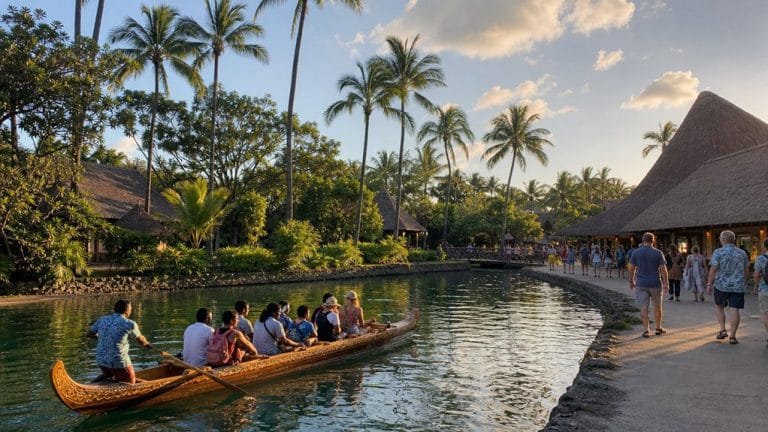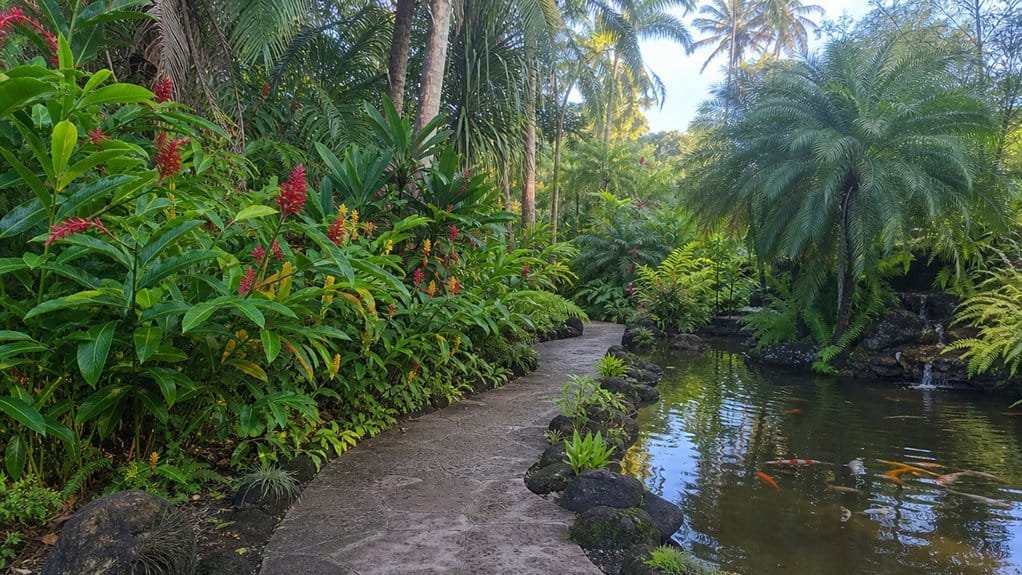
On Oahu, each botanical garden feels like a different key on the same green ring. You can start at Ho‘omaluhia with still water, palm rows, and the Ko‘olau cliffs rising like a backdrop built for your camera, then switch to Foster’s old trees and orchid houses downtown. Add cactus trails at Koko Crater, cool shaded paths in Wahiawa, and quiet reflections at Lili‘uokalani. Some are free, some are tiny, and one might surprise you most.
Key Takeaways
- Ho‘omaluhia Botanical Garden is Oahu’s standout for dramatic Koʻolau mountain views, a photogenic lake, free entry, and easy scenic driving access.
- Foster Botanical Garden is the best compact city stop, known for historic trees, an orchid greenhouse, docent tours, and paid admission.
- Koko Crater Botanical Garden offers Oahu’s driest, desert-style contrast with cactus, succulents, and plumeria along a hot two-mile loop.
- Wahiawa Botanical Garden is a cool, shady ravine garden with jungle-like greenery, birdsong, free entry, and strong appeal for family photos.
- Liliʻuokalani Garden is a quiet, intimate choice for native Hawaiian plants, water reflections, and uncrowded slow walks or portraits.
Best Oahu Botanical Gardens by Interest
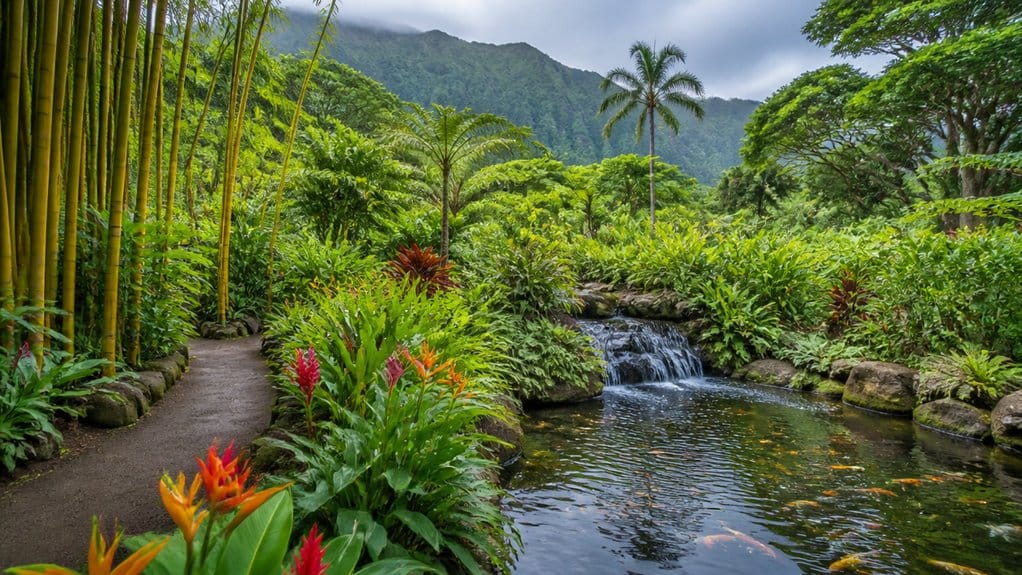
If you’re choosing just one garden, start with what you want to see and how you want to spend your time. For huge scenery, pick Hoomaluhia Botanical Garden. You’ll get 400 plus acres, a lake, and the Koolau cliffs rising behind everything. It’s your best bet for photos and an easy scenic drive. For a fuller visit, pair the scenic drive with a short trail so you can enjoy both the garden’s broad views and quieter walking paths.
If plants are the point, Foster Botanical Garden rewards close looking with historic specimens, including a Bodhi tree planted in 1913. Love succulents and plumeria? Head to Koko Crater Botanical Garden and walk the themed loop, but arrive early for the small dirt lot. For cool air and birdsong, Wahiawa Botanical Garden feels lush and shady. If you want a quiet native plant stroll, Liliʻuokalani Garden keeps things simple, calm, and pleasantly low key for slow mornings.
Hotels to compare for this guide
Compare a few stay options before you choose your base.

Queen Kapiolani Hotel
A stylish Waikiki hotel near Honolulu Zoo and Kapiolani Park with strong Diamond Head appeal.
Check rates
The Royal Hawaiian, a Luxury Collection Resort, Waikiki
An iconic pink beachfront Waikiki resort with historic character and strong luxury travel appeal.
Check rates
AC Hotel by Marriott Honolulu
A modern downtown Honolulu hotel that fits business trips, pre-cruise stays, and travelers who want a city base.
Check rates
Diamond Head Beach Hotel & Residences
A Gold Coast condo-style option for travelers wanting a quieter oceanfront setting near Kaimana Beach.
Check rates
Park Shore Waikiki
A beach-adjacent hotel near Kapiolani Park and Diamond Head that fits travelers wanting east Waikiki convenience.
Check rates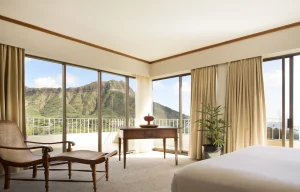
Lotus Honolulu at Diamond Head
A quieter boutique hotel near Diamond Head and Kaimana Beach for travelers who want calm surroundings near Waikiki.
Check ratesWhich Oahu Botanical Gardens Are Free?
Budget matters too, and Oahu makes this part pleasantly easy. Several botanical gardens let you wander without paying admission. Ho’omaluhia Botanical Garden is a standout. You can visit daily from 9 AM to 4 PM and enjoy lush valleys and a scenic lake for free. Its 32-acre lake also hosts a free catch-and-release fishing program on Wednesdays and Saturdays, with reservations required. Wahiawa Botanical Garden also charges nothing, and its cooler air makes your walk feel extra invigorating.
You’ll also find free walking areas in parts of the Honolulu Botanical Gardens system, including access areas around Lyon Arboretum and some public garden sections. Just check each site’s free zones and hours before you go. Foster Botanical Garden is often listed as Oahu’s paid garden, so expect a fee there. Koko Crater Botanical Garden can vary, so verify current policy. Free entry doesn’t always cover tours or special programs.
Oahu Gardens With Parking and Bathrooms
A good trail day often starts with the humble parking lot and ends with the restroom sign you’re glad you noticed. On Oahu, the easiest garden stop is Foster Botanical Garden in downtown Honolulu. You’ll find ample parking and front restrooms in good shape, though it’s the island’s only paid botanical garden. Foster Botanical Garden is open 9:00 am–4:00 pm and also offers free docent-led tours at 10:30 a.m. on Monday, Wednesday, Friday, and Saturday.
Hoʻomaluhia keeps logistics easy too. You get plentiful parking, overflow lots, and restrooms at the Visitor Center, plus portapotties near the lake. Wahiawa offers decent parking and clean bathrooms, and its ravine path even has a separate parking lot off California Ave. Koko Crater is trickier. The dirt lot holds only about 15 to 20 cars, and the lone portapotties sit a quarter mile away. At Liliʻuokalani, parking is limited, and restrooms can be out of order.
Oahu Botanical Gardens With Best Photo Spots
Often, the best garden photos on Oahu come from places that give you more than flowers. Foster Botanical Garden lets you frame a downtown jungle mood with its giant 1913 Bodhi tree. If the rare Corpse Flower blooms, you’ll get a close-up nobody forgets. For the best experience at Foster, plan around the best time to go so you can enjoy cooler light and easier garden walks.
At Koko Crater Botanical Garden, you can chase contrast along the two-mile loop. Shoot plumeria, a palm tree collection, and spiky cactus forms against the dry crater slopes. Wahiawa Botanical Garden shifts the mood completely. You’ll walk a cool ravine path with birds overhead, then spot the high bridge off California Ave for playful family shots. For something quieter, Liliʻuokalani Garden gives you narrow paths, water reflections, and small waterfalls. It’s ideal when you want calm portraits without an audience or noisy distractions nearby.
Ho‘omaluhia Botanical Garden for Scenic Views
At Ho‘omaluhia Botanical Garden, you get one of Oahu’s most dramatic views, with the Koʻolau Mountains rising sharp and green behind a long palm-lined road. Near the Visitor Center, you can stroll to the lake for easy photo stops, watch ducks and fish, and catch that famous mountain backdrop without a big hike. It’s free, easy to access, and spacious enough that you can slow down and still feel like you’ve found a quiet corner of the island. If you’re comparing Oahu gardens, consider pairing this stop with Lyon Arboretum for a lush rainforest-style visit nearby.
Koolau Mountain Backdrop
Because Ho‘omaluhia Botanical Garden sits right at the foot of the Koʻolau Range in Kāneʻohe, you get one of Oahu’s most dramatic mountain backdrops almost as soon as you enter. The Koʻolau Mountain Range rises in sharp green walls behind the garden, and the scale feels surprisingly close. As you drive the single road, pull-off lots let you stop often and admire new angles without committing to a hike.
The first parking lot near the visitor center gives you a strong early look, especially where rows of palms lead your eye toward the cliffs. A little farther on, the palm-lined road delivers that famous framed view. Bring patience with your camera, though. Humid mountain air can fog your lens fast when you step out of the car. It’s nature’s soft filter, just less cooperative. Since the garden is in Kāneʻohe, it pairs naturally with a wider Windward Coast outing that can include nearby Kailua and scenic coastal drives.
Still comparing Botanical Gardens: Must Visit Spots?
Ask for tour ideas, hotel suggestions, or a simple trip plan that combines both.
Trip Helper
Lake And Photo Spot
Those mountain views get even better once you reach Ho‘omaluhia’s broad lake, which sits less than half a mile from the Visitor Center and top parking lot. Start at the Visitor Center near the first lot, where you’ll find restrooms before heading toward the water and those steep green Koʻolau walls. On humid days, mist drifts over the lake and can fog your lens fast, so pack a microfiber cloth and a protective camera bag.
You’ll also want to find the famous road photo spot with its palm-tree row and cinematic mountain backdrop. It’s one of Oahu’s most recognizable frames, great for portraits and wide landscapes. Just don’t stop in the middle of the main road. Use a designated pull-off or parking lot instead. Your photos will look better, and your rental car will thank you. For a calmer outing after your photos, the garden’s easy walks offer relaxed trails and viewpoints through the lush grounds.
Foster Botanical Garden for Rare Trees
Wandering through Foster Botanical Garden feels like stepping into a living tree archive in the middle of downtown Honolulu. This Botanical stop is Oahu’s only paid garden, and you’ll quickly see why. Mature giants shade the paths, with labels that make the grounds feel like an outdoor museum.
You can stand beneath the Bodhi tree planted in 1913, then seek out a towering Kapok and the strange Cannonball tree. Foster also houses the famous corpse flower, which blooms about once a year and smells like rotten meat, nature’s prank on your nose. Because the garden works almost like an arboretum, docent-led tours help you notice details you’d miss alone. An orchid greenhouse adds color, while ample parking and clean front restrooms make longer visits easy for photographers and tree lovers.
Koko Crater Botanical Garden for Desert Plants
After Foster’s towering canopy, Koko Crater Botanical Garden flips the mood and opens everything to sun, stone, and spiky silhouettes. You follow a roughly 2-mile loop through themed plantings where cactus and succulent displays steal the show. Their size and variety make this one of Oahu’s best stops for desert plant fans, yet plumeria and palms add softer shapes and surprising color.
Bring lots of water, plus a hat and sunscreen, because the exposed sections can feel seriously hot by late morning. Parking is limited to a small dirt lot with about 15 to 20 stalls, so arriving early helps. You’ll also find just one set of portapotties about a quarter-mile from the lot. Reviewers rate it around 4.1 out of 5, often praising the plumeria collection and curation. After a hot garden walk, some visitors switch gears with a booze cruise in Honolulu for ocean breezes and a livelier evening.
Wahiawa Botanical Garden for Cool Ravine Walks
Up in central Oahu, Wahiawa Botanical Garden trades blazing sun for cool air, damp earth, and a ravine that feels almost hidden from the rest of the island. Here, you escape the heat and follow easy, well-marked routes through lush, jungle-like greenery. The walking path drops into the ravine, where birds keep up a soft soundtrack and native trees crowd the slopes.
You can start at the parking lot off California Avenue and take the high walking bridge toward Glen Avenue. Kids usually love that crossing, and you might too. Bring mosquito repellant because the lower trail gets buggy and damp. The good news is everything else feels easy: admission is free, parking is decent, and the bathrooms are in solid shape. If you’re into photos, you’ll notice why families and wedding parties pick this scenic spot. Wahiawa is part of the Honolulu Botanical Gardens, a documented plant collection used for research, education, conservation, and public enjoyment.
Lili‘uokalani Botanical Garden for Native Plants

If you want a quieter side of Honolulu, Liliʻuokalani Botanical Garden gives you a calm stretch of native Hawaiian plants just off Kuakini Street, past the hospital toward Diamond Head. You’ll notice right away how intimate it feels. This is the smallest of Oahu’s main botanical gardens, shaped more long than wide, and it reads like a peaceful reserve instead of a showy display.
Come here if Native Hawaiian flora is what you really want to see. The setting feels park-like, with elders often practicing Tai Chi and a small waterfall adding a soft soundtrack. Queen Liliʻuokalani once favored this spot for picnics, which makes the quiet charm feel even richer. For more of her royal story, ʻIolani Palace includes the Imprisonment Room among its second-floor private suites. Parking can be tight, and recent visitors have found restrooms out of order, so keep expectations simple.
What to Bring for Oahu Botanical Gardens?
For a smoother garden day, pack for heat, damp paths, and a little tropical unpredictability. Bring a refillable water bottle and sunscreen, because exposed stretches, especially at Koko Crater, can feel blazing by late morning. Toss in insect repellent too. Mosquitoes love shady ravines and standing water, and they’ll happily find you first.
Wear sturdy walking shoes or boots with good traction. Muddy patches show up at Ho‘omaluhia and Lyon Arboretum, so flimsy sandals won’t cut it. Keep a small camera or phone handy, plus a microfiber cloth and waterproof bag. Humidity can fog your lens fast as you wander towards the Lake. Carry cash or a card for Foster’s admission fee, and grab a printed or digital map so plant labels and paths make more sense on arrival. Before heading to Kaneohe, confirm the Ho‘omaluhia Botanical Garden gate details so you use the right entrance.
How to See All Five Gardens
You’ll want to map your day with care, starting at free Hoʻomaluhia from 9 AM to 4 PM for the Koʻolau views and lake, then heading into Honolulu for Foster, slipping over to quiet Liliʻuokalani, hiking Koko Crater’s dusty 2-mile loop, and finishing in Wahiawa’s cool ravine shade. As you time each stop, factor in paid admission at Foster, the easy drive-through layout at Hoʻomaluhia, limited parking at Liliʻuokalani and Koko Crater, and a little extra room for slow walks past orchids, plumeria, cactus beds, and birdsong. You’ll also want water, sturdy shoes, sun protection, and mosquito repellent, because Oahu’s gardens are generous but they won’t carry your backpack for you. If you extend the day onto nearby managed paths, follow Hike Pono guidance by staying on official trails, cleaning your gear, and respecting cultural spaces.
Plan Your Route
To see all five gardens in one satisfying sweep, start in downtown Honolulu at Foster Botanical Garden, where the 1913 Bodhi tree spreads its massive branches near the orchid greenhouse and the famous Corpse Flower sometimes steals the show.
Then head windward on H-3 to Ho‘omaluhia for mountain drama, lake views, restrooms, and parking lots near themed sections.
| Stop | Why go | Handy note |
|---|---|---|
| Ho‘omaluhia | Ko‘olau views | Easy access |
| Wahiawa | Rainforest ravine | Bring repellent |
| Koko to Liliʻuokalani | Dry loop, quiet finale | Water, limited parking |
Continue clockwise to cooler Wahiawa and its bridge above the ravine trail. Next, tackle Koko Crater’s hot two-mile loop through cactus, plumeria, palms, and native plants. Finish at Liliʻuokalani Garden, a calm Kuakini Street pause with a small waterfall and picnic appeal.
Timing Each Stop
Good timing turns this garden circuit from a rushed checklist into a day that actually feels good.
- Start at Ho‘omaluhia right at 9. You’ll get cool light on the lake, easy trails, and fewer people.
- Shift to Foster late morning. It’s compact, downtown, paid, and easy to finish in 1 to 1.5 hours before lunch.
- Save Liliʻuokalani for early afternoon. It’s a short, quiet walk with different parking challenges, Tai Chi in motion, and a small waterfall.
- Do Koko Crater late afternoon. The heat eases a bit, though the loop still feels sun-baked and bold.
Before the downtown stop, review your Foster visit plan so the compact garden fits smoothly into the late-morning window.
Fit Wahiawa into another cool window, either morning or late afternoon, when the ravine feels lush, birds call from the canopy, and the bridge invites one more stroll.
What To Bring
If seeing all five gardens is the goal, pack like Oʻahu plans to test both your timing and your shoelaces.
You should bring a refillable water bottle, sunscreen, and a hat. Koko Crater bakes, and Foster has sunny paths. Wear closed shoes for muddy stretches at Hoʻomaluhia, Lyon, and Wahiawa’s ravine trail, where mosquitoes hum. Add repellent, wipes, and cash or a card for Foster. Download maps or grab them at Foster and Hoʻomaluhia, then time stops around Hoʻomaluhia’s 9 to 4 hours. If you are pairing the gardens with a beach stop, planning an ideal day at Kapiolani Beach Park can help you balance shade, walking, and ocean time.
| Item | Why | Where |
|---|---|---|
| Water bottle | Heat hits fast | Koko, Foster |
| Closed shoes | Mud, roots | Lyon, Wahiawa |
| Bug spray | Mosquitoes bite | Wahiawa |
| Cash or card | Paid entry | Foster |
| Wipes | Dust, sticky hands | All gardens |
Frequently Asked Questions
Are Dogs Allowed in Oahu Botanical Gardens?
Yes, you can bring dogs to some Oahu botanical gardens if they’re leashed pets and you follow posted rules. You should check each garden’s policy before visiting, because restrictions, designated areas, and requirements can vary.
What Are the Best Times to Avoid Crowds?
Go during off peak mornings on weekdays, when the selfie-stick parliament’s still asleep and tour buses haven’t staged their daily invasion. You’ll dodge crowds, enjoy cooler weather, and actually hear birds instead of everyone’s “peaceful nature” commentary.
Are Guided Tours Available at Any Gardens?
Yes, you’ll find Guided experiences at some gardens, especially Ho’omaluhia and Foster, where staff or volunteers sometimes lead walks. You should check each garden’s calendar or call ahead, because tour availability, schedules, and reservations can change.
How Accessible Are Oahu Botanical Gardens for Wheelchairs?
Like a smooth tide carrying you forward, you’ll find Wheelchair accessibilities vary across Oahu botanical gardens. You can navigate paved paths and visitor centers easily, but steeper trails and older sections may limit your access.
Can You Bring Food or Picnic Inside the Gardens?
Yes, you can usually bring food and enjoy a picnic in many gardens, but you should check each location’s Picnic policies first. You’ll want to clean up, use designated areas, and avoid restricted spaces.
Conclusion
On Oahu, you can move from cactus paths to shady ravines as if you’re flipping through five different worlds in one small book. Bring water, good shoes, and your camera. You’ll want them. Free entry sweetens the plan, and gardens with parking and bathrooms make the day easy. Start with Ho‘omaluhia’s cliff-framed lake, then wander the quieter corners. Go early for softer light, fewer people, and birdsong that feels like your personal soundtrack.