Step by step, stone by stone, Oʻahu tells its history when you walk it. You can trace royal power in Downtown Honolulu at the King Kamehameha statue by Aliʻiolani Hale, pause by Robert Wilcox on Fort Street Mall, or book a guided Waikīkī route for stories you’d never catch on your own. If you want Iolani Palace, grab timed tickets online and show up 20 to 30 minutes early. Then there’s the North Shore, where the next turn changes the mood.
Key Takeaways
- Book a downtown Honolulu walking tour to see iconic statues, historic buildings, and landmarks like King Kamehameha and ʻIolani Palace.
- Reserve ʻIolani Palace tickets online only, choose a timed entry, and arrive 20–30 minutes early for the guided interior visit.
- Choose self-guided history walks for flexibility, including downtown church routes and architecture-focused trails through civic and royal landmarks.
- Explore North Shore history in Haleʻiwa with stops like Liliʻuokalani Protestant Church, Rainbow Bridge, and nearby plantation-era sites.
- Skip restricted cultural sites in person, use virtual tours when required, and check timed-entry rules for added stops like Pearl Harbor.

Pearl Harbor USS Arizona Memorial and Honolulu City Tour
One of Hawaii's #1 Must-Do Experiences! Experience Oʻahu’s top historic and cultural highlights on the Pearl Harbor & Honolulu City Tour.Start yo...

Honolulu Scavenger Hunt & Highlights Self-Guided Walking Tour
The Best Way to Discover Honolulu: Scavenger Hunt & Self-Guided Tour. Play, learn, and walk! Explore at your own pac...

Private Pearl Harbor and Honolulu City Tour
Enjoy this private 4-5 hours tour to Pearl Harbor/Arizona Memorial and Honolulu Metropolitan Area. First, we will...

Charms of Honolulu Private Walking Tour for Couples
Skip the crowds this is a private tour for your group only! Join us on a 2-hour walking tour of Honolulu’s histori...
Best Oahu Cultural Walking Tours to Book
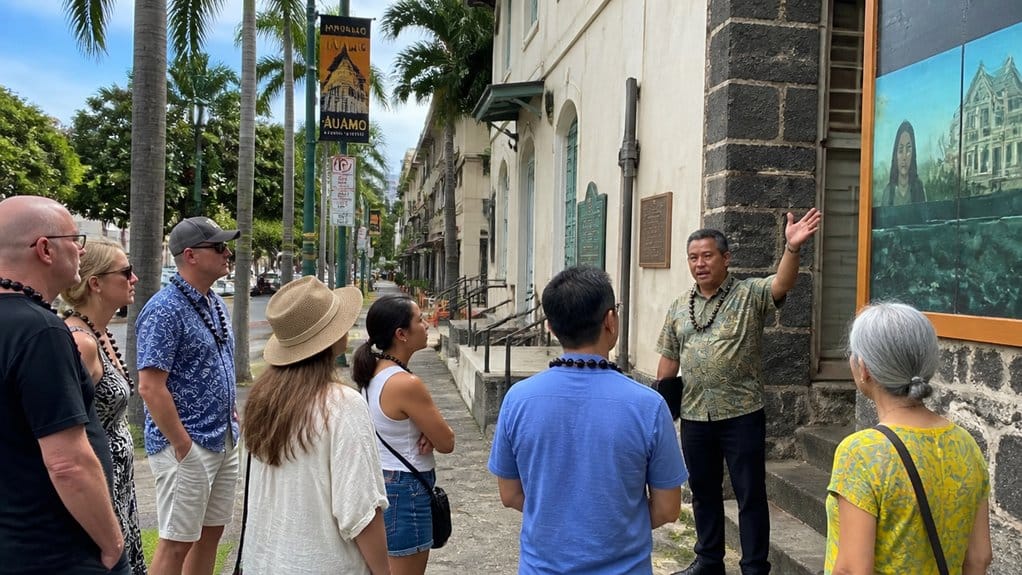
If you want an easy way into Oʻahu’s layered history, start with a walk that gives you a clear route and something vivid to look for at every stop. Book the Statues of O‘ahu Walking Tour in Waikīkī or Downtown Honolulu, where bronze figures turn sidewalks into storylines near Honolulu City landmarks, Iolani Palace, and busy civic blocks. If you plan to tour the palace itself, remember online-only tickets are required and timed entry works best when you arrive 20–30 minutes early. Inside, a guided visit through the palace rooms and exhibits adds deeper context to what you see from the street.
For architecture, choose Explore Historic Churches, a one mile self guided route through Historic downtown streets. If you’re heading to O‘ahu’s North Shore, reserve Historic Hale‘iwa. It usually runs two hours, costs $10, and includes the weathered Liliuokalani Protestant Church and Rainbow Bridge. For broader Historic context, try Ford Island’s marker trail. Skip restricted sites in person and use the Kaniakapūpū virtual tour instead. Think of it as smarter than guessing near USS Arizona memorial. If you add Diamond Head to the same day, check fees and hours in advance so your walking plans stay on schedule.
Oahu Cultural Walking Tours by Area
Where you walk on Oʻahu shapes the story you get, so it helps to sort tours by neighborhood before you lace up your shoes. In Downtown Honolulu, you can explore statues and Historic buildings tied to O‘ahu’s rich history, from King Kamehameha at Aliʻiolani Hale to Robert Wilcox on Fort Street Mall. A stop at the King Kamehameha Statue in Honolulu adds an easy landmark visit that fits well into a local history walk. Nearby, ʻIolani Palace adds a deeper layer of royal history as the only royal residence in the United States and a National Historic Landmark. If you plan to visit without a car, public transit makes it easy to pair the palace with a broader downtown walking route. Along the Pearl Harbor coast, the Leeward Bikeway-Haul Harbor Coastline gives you easy Walking with old rail-line views and layers of cultural history. Head north for Historic Hale‘iwa, where a short route links church history, beach air, and quiet pre-tourism stories. In central O‘ahu, choose respectful learning around Native Hawaiian places like Kaniakapūpū through approved virtual options. Each area gives you a different lens on Honolulu and beyond, with fewer wrong turns and more wow per step.
Self-Guided Oahu Cultural History Walks
Even when you skip a guide, Oʻahu still tells a rich story at street level. On self-guided oahu cultural history walks, you can trace cultural and historical layers through statues, churches, and architecture. The Tour of Historic churches Tour Provides a one-mile look at four downtown landmarks. Another guided tour alternative covers 25 buildings across three miles. If you want to compare urban history walks with a broader heritage attraction, the Polynesian Cultural Center offers another way to explore island traditions and plan how long to stay. If you later unwind by the shore, Waikiki is also known for soft sand and sunny beach walks.
| Walk | What you’ll see | Note |
|---|---|---|
| Statues | 12 Waikīkī, 11 Downtown | Start King Kamehameha |
| Churches | Four sacred spaces | Architecture and artistry |
| Hale‘iwa Town | 40 stops | Shore Chamber of Commerce |
For Hawaiian cultural context, use the DLNR virtual visit to Kaniakapūpū because public entry is closed. It protects cultural sites while deepening your History and culture. In Hale‘iwa Town, you set the pace and hear old streets creak. If you later add a more formal memorial stop to your itinerary, timed access matters at Pearl Harbor, where late arrivals can miss the USS Arizona boat departure.
How to Choose an Oahu Cultural Tour
How do you pick the right Oʻahu cultural tour when the island offers everything from bronze statues to old mission walls and courthouse porches? Start with format. If you like freedom, book a self-guided O‘ahu History walk. If you want stories from a docent, reserve ahead.
Next, match the theme to your interests. You might prefer Hawaiian Culture in downtown buildings, church routes, or North Shore stops like Waialua Courthouse and Haleiwa Beach Park. Don’t assume every Circle Island Tour or Grand Circle Island trip dives deep into cultural detail. Some focus more on scenery like Diamond Head State Monument. If you are not renting a car, Honolulu’s public transit can be a simple way to get around for tours with convenient stops. prioritize tours with easy pickup options so you can focus on the history instead of transportation logistics. Check cost, timing, and access rules too. Respect matters at sensitive sites. Finally, choose tours backed by solid research, heritage groups, and local businesses that know the island well. You can also compare broader island experiences like coffee, chocolate, and pineapple tours if you want to balance cultural history with Oʻahu’s agricultural side.
Frequently Asked Questions
Are Oahu Cultural Walking Tours Appropriate for Young Children?
Yes, you’ll find many Oahu cultural walking tours suit young children, especially with Family Tour Guides, Easy Walking Routes, Interactive Storytelling, Age Appropriate Activities, Snack Breaks, Rest Stop Planning, Safety Tips, Cultural Etiquette Basics, Small Group Sizes, Kid Friendly Duration.
What Should I Wear When Visiting Sacred Hawaiian Cultural Sites?
Wear modest attire with respectful dress, footwear comfort, and sun protection. Choose avoiding loud colors, consider hair cover options, pack rain ready layers, follow temple etiquette, use sacred body language, and practice cultural permission asking.
Do Oahu Cultural Tours Operate During Rainy Weather?
Come rain or shine, you’ll find many tours still operate with weather ready gear, itinerary flexibility, and guide communication, though walking tour safety, trail conditions, indoor alternatives, covered attractions, visitor comfort, tour accessibility, and rescheduling policies matter.
Are Photography and Drone Use Allowed at Cultural Landmarks?
Yes, you can usually take photos, but you’ll need Photography etiquette, permit requirements, and landmark rules. Watch tripods restrictions, drone regulations, visitor safety, respectful conduct, privacy considerations, lighting guidelines, and cultural sensitivity always.
How Far in Advance Should I Book Popular Cultural Walking Tours?
Book 2–6 weeks ahead, popular tours often hit 80% capacity early. During peak season, weekend demand and limited capacity shorten availability windows. Use advance planning, watch booking deadlines and seasonal schedules, and make early reservations before tour sellout.
Conclusion
On Oʻahu, history doesn’t sit behind glass. It walks beside you past banyan shade, palace gates, church steps, and bronze figures watching Fort Street Mall. You can book a guide for the layered stories of Iolani Palace, then leave room for your own wandering in Downtown or Haleʻiwa. Arrive early, wear good shoes, and keep your ears open. The island whispers in trade winds and traffic, and if you listen, it tells a sharp unforgettable story.