
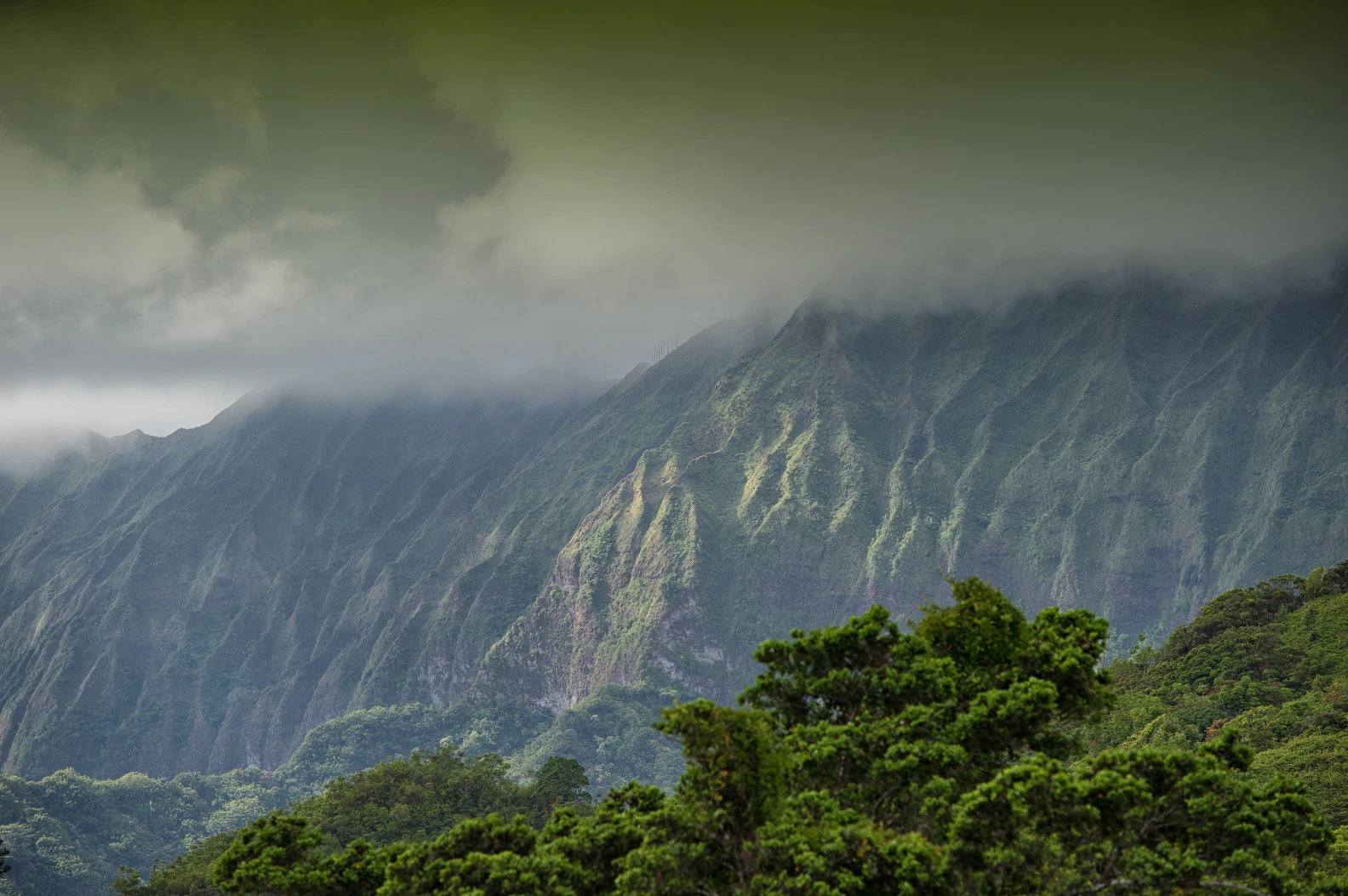
On a solid winter swell, you can watch sets hit the North Shore every 12 to 18 seconds, and the whole coastline shifts into stadium mode. You’ll want to time it right, November to February for raw power, or September to November and March to April for cleaner lines and less chaos. Show up at first light, pack water, reef-safe sunscreen, and cash for parking, and skip flip-flops on sharp lava. Now, which break matches today’s wind and tide?
Key Takeaways
- Go November–February for the biggest north/northwest swell; choose September–early November or March–April for smaller surf and fewer crowds.
- North Shore breaks fire on north or northwest swells, often peaking 2–4 days after a North Pacific storm.
- Watch Pipeline/Backdoor from Ehukai sand near the lifeguard tower; low tide reveals the reef, so keep well back from shorebreak.
- For big-wave viewing, Waimea Bay is best on solid northwest swell; stand near the lifeguard tower and avoid very low tide shallows.
- Arrive 6:30–7:30 a.m. for parking and cleaner winds; confirm swell direction/period, dawn wind, tide, and NWS high-surf advisories.

Surf Lesson for Family or Group in the North Shore of Oahu
Make unforgettable memories together with a private Surf Lesson for Families and Groups on Oahu’s legendary North Shore! Perfect for families, frien...
North Shore Surf Season: Best Months to Visit
While Oahu’s South Shore stays fairly mellow, the North Shore lights up when winter swells start marching in, and that timing matters if you want the right mix of waves, crowds, and safe conditions. Plan your trip for November to February for the peak winter swell, when pros chase heavy surf and beaches can close fast. If you’re just watching, arrive early, park legally, and bring reef shoes, water, and a rain shell. North Shore days pair well with quick stops for beaches, bites, and sights between swell checks.
For easier days, target the shoulder seasons of September to early November, or March to April. You’ll find smaller surf, more breathing room, and better odds of a cheap rental car. Skip flashy fins and untested boards, and don’t wade past your comfort zone. Budget $15 for food trucks and ice.
Swell + Wind Cheat Sheet for the North Shore
Pick your month, then let swell and wind make the final call on where you post up on the North Shore.
Pick your month, then follow the swell and wind to decide where to post up on the North Shore.
In winter, watch for a north or northwest swell direction and show up at first light, before parking fills. Trade winds blow from the northeast; lower wind speed keeps faces clean, strong gusts make it bumpy. Check the hourly forecast.
At Waimea Bay, look for swim days when it’s calm versus big-wave surf days when the bay turns powerful, and choose your spot accordingly. Bring reef shoes for rocky paths, a rain jacket for squalls, and cash for $10 to $20 parking and shrimp lunches. Skip drones and big umbrellas; they irritate locals and can get confiscated. Midmorning crowds spike, so keep moving.
If you’d rather not drive, a Viator day tour with verified reviews, hotel pickup, free cancellation, and reserve now pay later can smooth logistics.
Pick a Spot Today: Match Forecast to Break
How do you choose a North Shore break when the forecast looks like a spreadsheet? Start with forecast matching: note swell direction, period, and wind at dawn, then pair them to a beach with workable peaks and an easy channel.
Next, tighten your break selection with tide effects. Some reefs like mid to high tide, while sandbars peak on a dropping tide. For the biggest winter swells, prioritize North Shore viewpoints where you can safely watch the heaviest breaks from shore.
Arrive 30 minutes early, parking fills by 8 a.m. Bring reef shoes, water, with small snacks, and $2 for the shower, skip glass bottles. Use crowd predictions: weekends and holidays pack the sand, weekdays feel looser.
Want less guesswork? A Viator North Shore loop with verified reviews, hotel pickup, free cancellation, and reserve now pay later helps you hit prime viewing time.
Pipeline & Backdoor: Best Viewing and Safety
At Pipeline and Backdoor, you’ll get the cleanest views from the sand just off the main access path, or from the rocky edge only when the tide’s low and the crowd’s calm, and you’ll want reef shoes, water, and a hat because there’s zero shade. One of the best viewing spots is near the main access path, and arriving early helps you claim a safe, clear line of sight before it gets crowded.
Plan your visit for winter swells, roughly November through February, and show up early since parking fills fast and you may pay around $10 to $20 in nearby lots.
Keep back from the shorebreak, don’t turn your back on the ocean, and if you’d rather not juggle timing and logistics, a Viator tour with verified reviews, hotel pickup, free cancellation, and reserve now pay later can get you there before the vans stack up.

Polynesian Cultural Center: Gateway Buffet Package
Located on O‘ahu’s North Shore, the Polynesian Cultural Center is a one-of-a-kind attraction showcasing the peop...

Oahu: Atlantis Submarine Adventure in Waikiki
Explore Waikiki’s marine mysteries while diving more than 100 feet underwater in an air-conditioned, eco-friendly...

Wai Kai Adventure Park Packages
Three ways to play! Full day and half day packages available.ULTIMATE PACKAGE: • Surf Session • AquaVenture...
Prime Viewing Spots
Few places on Oahu hit like Pipeline and Backdoor in winter, when clean north swell turns the reef into a stadium and the beach fills fast. You’ll see best from sand west of the lifeguard tower. Keep shoreline etiquette: stay off rocks, don’t cross tape, and leave photographer vantagepoints clear. Bring reef shoes, water, a rain shell; skip drones and glass. Pack a towel, snacks, and sting-free sunscreen. If you wander nearby between sets, the North Shore’s food trucks are an easy, casual way to grab a quick bite without straying far from the action.
| Spot | Why go | Tip |
|---|---|---|
| West sand | Close barrels | Arrive before 8am |
| Tower line | Lifeguards nearby | Don’t block paths |
| Ehukai beach park | Restrooms | Pack out trash |
| Mauka overlook | Wider frames | Use zoom |
Parking gets gnarly by 9am, so pay $10 at nearby lots or book a Viator shuttle with verified reviews, hotel pickup, free cancellation, and reserve-now-pay-later.
Seasonal Swell Timing
When winter north swells start stacking in around November, Pipeline and Backdoor flip from mellow reef to headline act, and your best move is to time it like a local. Aim for December through February for the biggest sets, with a swell window that’s usually 2 to 4 days after a storm fires in the North Pacific. March can still pulse, but seasonal variability means you might score glassy headliners or sleepy shoulders.
For a calmer nearby option between swell checks, Chun’s Reef is a classic North Shore spot for mellow surf watching and scenic beach walks.
Check dawn forecasts, then arrive before 8 a.m. to beat bus crowds and snag $10 beach parking near Ehukai. Bring a light jacket, water, and binoculars, and skip bulky coolers. If you want timing without guesswork, a Viator day tour with hotel pickup, free cancellation, and reserve pay later really helps.
Shoreline Safety Tips
Pipeline and Backdoor look their best right after dawn, but they can turn sketchy fast, so treat the shoreline like part of the lineup. Arrive by 6:30 a.m., park at Ehukai Beach Park, and keep an exit path when sets push water up the sand. Watch crowd behavior: if locals step back, you do too. For rip avoidance, don’t wade in the channel or chase a loose board. Check current conditions and any High Surf Advisory issued by the National Weather Service Forecast Office in Honolulu before you head out.
- Wear reef shoes, bring water, and a rain shell.
- Use shoreline lighting like a headlamp, not your phone flash.
- Skip glass bottles, drones, and loud speakers.
- Practice trash prevention: pack out everything, even tiny caps.
If logistics stress you, a Viator tour with verified reviews, hotel pickup, free cancellation, and reserve now pay later helps today.
Sunset Beach: Where to Watch on Big Swells
On a big winter swell, Sunset Beach turns into a front row show, if you know where to stand and what to pack.
Park early by 7 a.m. or you’ll circle, meters fill fast and tickets start around $35.
Arrive by 7 a.m., parking fills fast, meters max out, and tickets start around $35 if you’re late.
Walk to the sand at the western end near the rocky point for a wider view, then back up to the dune line when sets jump.
Bring reef shoes, a light rain shell, water, and a small towel.
Skip umbrellas and drones, rangers can fine you.
For safer drone perspectives, book a Viator photo tour with verified reviews, hotel pickup, free cancellation, and reserve now pay later.
Late afternoon crowds peak, stay for sunset rituals, then leave before dark.
Pack snacks and keep kids back.
If Waimea Bay is jammed, use overflow parking and go earlier for the best chance at a spot.
Still comparing Oahu North Shore Surf Watching?
Ask for tour ideas, hotel suggestions, or a simple trip plan that combines both.
Trip Helper
Waimea Bay: When It Breaks and Where to Stand
Sunset’s wide shoreline gives you a long view, but Waimea Bay feels like an amphitheater, and the show only happens when the swell hits a sweet spot. Come on a solid northwest swell in winter, then check the tidal influence. Mid tide keeps the takeoff cleaner, while very low tide can look mean and shallow. For the best sightline, set up on the sand near the lifeguard tower, a few steps back from the shorebreak spray. If you’re thinking about jumping nearby, follow Waimea Rock Jump safety tips and skip it when surf is up or conditions are sketchy.
Crowd dynamics shift fast: locals claim prime perches, and late arrivals end up peeking between tripods.
- Arrive 8 a.m. or parking’s gone.
- Bring a jacket, reef shoes, binoculars.
- Skip wet rocks when sets start surging.
- Viator loop tours with hotel pickup, free cancellation, and reserve now pay later.
Haleʻiwa (Aliʻi Beach Park): Easy Viewing for Surf
At Haleʻiwa’s Aliʻi Beach Park, you can post up on the sandy point by the harbor mouth or along the picnic-shaded lawn for clean sightlines, and you’ll want a hat and polarized sunglasses because the glare’s no joke.
Haleʻiwa sits on Oahu’s North Shore, making it an easy day-trip stop if you’re planning your surf-watch route.
Winter swells from about November to March bring the most action, while summer usually turns calmer, so go early on weekends if you’d rather skip the shoulder-to-shoulder crowd.
Parking fills fast but it’s usually free, and you’ve got restrooms, showers, and grassy spots for a snack, so pack water and reef-safe sunscreen and skip hauling a full beach setup unless you’re staying all day.
Best Viewing Spots
A front-row bench makes Haleʻiwa’s Aliʻi Beach Park one of the easiest places on Oʻahu’s North Shore to watch surfing without committing to a full beach day.
Show up midmorning for soft light and parking, then settle near the lifeguard tower with shave ice from town.
It’s also known for turtle sightings, so scan the shoreline between sets.
It’s free, but bring a few dollars for meters and snacks.
You’ll see shoreline rituals like waxing boards and stretching, so keep voices low and follow local etiquette: don’t block the path, don’t point drones at surfers.
- Binoculars for far peaks
- Reef shoes for rocky wading
- Hat, water, and sunscreen
- A small towel for the bench
Skip bulky chairs, the wind knocks them over.
Stay 30 minutes or two, then bail before school lets out for a lunch.
Typical Wave Seasons
Once you’ve found your bench and a good sightline at Aliʻi Beach Park, the next question is what the ocean’s doing this week. Winter, roughly November to March, brings the North Pacific swells you came for, with glassy mornings and choppier afternoons when trades kick up. Check swell forecasting the night before, then again at dawn, because a one foot bump changes everything here. Summer calms down, and you’ll watch longboarders glide over softer peaks. Winter is also when big surf makes wave watching the priority over casual swimming.
Crowd dynamics shift with size: overhead days draw pros and photographers, while chest-high surf stays friendlier for spectators. If you’re paddling out, match board choices to conditions, and keep water entry simple by using the channel and avoiding the shallow inside. Bring reef-safe sunscreen and a shell, skip sandals.

Waikiki Glass Bottom Boat Cruise
Experience the beauty of Oʻahu South Shore as we sail toward Lēʻahi (Diamond Head) aboard the spacious Haleiwa Qu...

Pearl Harbor USS Arizona Memorial & Battleship Missouri
Visit USS Arizona and Battleship Missouri, as they represent both the beginning and the end of World War II. The acc...

Oahu: Dole Plantation & Haleiwa Town OR Grand Circle Island Tour
Choose from two exciting ways to experience Oahu's top attractions, scenic beauty, and local culture.Option 1: Dol...
Parking And Amenities
Just off Kamehameha Highway, Aliʻi Beach Park makes the logistics almost as easy as the viewing, with a free parking lot steps from the sand and a steady flow of people coming and going.
Arrive before 9 a.m. in winter swells or the lot fills, and you’ll circle. If it’s packed, you can use paid parking in Haleʻiwa town and walk 10 minutes. Restroom availability is solid, plus outdoor showers for sandy feet. Bring water and a hat, skip bulky chairs, and keep valuables light. Haleʻiwa sits on Oʻahu’s North Shore, about a 45-minute drive from Waikīkī and roughly 20 minutes from Turtle Bay Resort, making it an easy add-on to a day of North Shore sights.
- Best lookout: the grassy berm by the river mouth
- Quick bites: food trucks across the highway
- Shade: a few trees, so pack sunscreen
- Bonus: easy stroller access for families
For sunset sessions, you’ll find calmer crowds and cooler light.
Rocky Point to Log Cabins: Peak-Performance Days
Chase the cleanest winter energy from Rocky Point to Log Cabins when a solid north swell lines up with light offshore winds and a mid tide, usually early morning before the lineup thickens.
Walk in over the sand and check the rocky tidepools for slick algae and surging sets. If the point reef is showing, pick your channel and stay patient. Bring reef booties if you’re scouting, then stash them before paddling.
After your session, cruise into Haleiwa for nearby highlights like Haleiwa Beach and a mellow reset between swells.
Expect crowded peaks by 9 a.m., so aim for first light and keep sessions under two hours. Parking runs about $10–$15, cash helps. Pack water, sunscreen, and a light jacket for trade-wind chill. Skip flashy drones and big tripods.
You’ll see tighter barrels, crisp turns, and plenty of respect required in the lineup.
Turtle Bay Area: Options When the Middle Is Maxed
When the middle stretch is maxed and the takeoff zone feels like a revolving door, you can slide up to the Turtle Bay area for nearby break alternatives that are often less packed, especially at first light. Check the wind and tide, bring reef booties and a small first-aid kit, and skip the hero move if you can’t read the current from the sand.
Plan extra time because even a short outing can stretch into a half-day with check-in and waiting before you’re back on the road.
For easy timing and parking, a Viator surf shuttle or lesson with verified reviews, hotel pickup, free cancellation, and reserve now pay later can keep you on schedule while you scope safe viewing spots from the beach.
Nearby Break Alternatives
Along the Turtle Bay coastline, you’ve got a few smart backup breaks for days the Middle turns into a crowded, heavy lineup. Slide east or west and you’ll still score playful peaks, often with easier shoreline access and a calmer vibe if you mind local etiquette. If you’re planning extra exploring beyond Turtle Bay, it helps to know the West Side boundaries so you don’t accidentally build a long detour into your surf-check route.
- Kawela Bay: mellow corners at first light, small crowds, bring reef shoes.
- Leftovers by the resort: quick check between breakfast and noon, pack a light towel.
- Sunset Point edge: more energy at mid afternoon, park early or you’ll circle.
- Rocky pockets near Kahuku: wind-sheltered on some mornings, skip glass bottles.
You won’t pay to watch, but you might drop $10 to $20 on snacks at nearby trucks. Bring water, sunscreen, and a wide brim hat, skip big tripods.
Safety And Viewing Tips
Although the Middle at Turtle Bay can look tempting from the sand, you’ll enjoy it more and stay safer if you treat maxed days as a viewing mission first and a surfing decision second.
Arrive by 7 a.m. for free parking at Turtle Bay Resort, then watch from the grassy point with water, hat, and sunscreen.
When sets stack up, move to the path overlooks or the cove by Kuilima Point for photos.
Use crowd management tips: keep bags close, don’t block access, and give locals room at the entry.
Skip wet lava and the reef shelf.
Know first aid basics, carry a kit, and clock the lifeguard tower and nearest AED.
If you paddle out, go with a buddy and a leash.
Also, if you’re planning a neighbor-island surf mission, remember there’s no regular Oahu–Molokai boat service, Honolulu to Molokai flights are what actually work.
Best Times of Day + Parking Rules and Hazards
If you want North Shore surf time without the circus, set your alarm and plan your wheels first. Hit the sand at sunrise; early mornings bring glassy light, easier photos, and open stalls. By 10 a.m. the lots choke, and you’ll circle like a shark. Use legal beach parks, mind permit zones, and never block driveways or fire lanes, tickets and tows are common. Note that winter months can bring extremely dangerous currents and wave conditions around Waimea Bay, Sharks Cove, and Three Tables, so treat the shoreline with extra caution.
- Arrive 6:30–7:30 a.m., bring cash for meters where posted.
- Wear reef shoes, rocks and urchins hide in shallows.
- Skip roadside shoulders, waves can splash your car.
- Consider a Viator shuttle tour with verified reviews, hotel pickup, free cancellation, reserve now pay later.
Afternoons turn windy; stay for sunset, but leave before dark when shoulders disappear. Pack a light jacket, too.
Frequently Asked Questions
Do I Need a Permit to Film Surfers on the North Shore?
You usually don’t need a permit to film surfers from beaches on the North Shore, but check permit requirements for commercial shoots or reserved areas. Follow drone restrictions and FAA rules near people and airports.
Are There Restrooms and Showers Near the Main Viewing Beaches?
Yes, you’ll find public restrooms near Sunset, Waimea Bay, and Haleʻiwa. You can rinse off at outdoor showers at Waimea and several beach parks, but hours vary, so you’ll want to check signage and arrive early.
What’s the Best Way to Get Around Without Renting a Car?
Skip the car: use Shuttle services plus Bike rentals to hop between stops fast, Oahu’s TheBus averages about 200,000 riders daily. You’ll save on parking, reach beaches easily, and pair rideshares for late-night returns when needed.
Are Lifeguards Present Year-Round at North Shore Surf Beaches?
You won’t find lifeguards at every North Shore beach year-round; coverage varies with seasonal staffing and surf conditions. You should check posted hours, swim near towers, and follow emergency protocols if warnings or closures appear.
Where Can I Rent Binoculars or Spotting Scopes for Surf Viewing?
You’ll rent binoculars or spotting scopes at Waikiki camera/optics shops, big-box retailers like Best Buy, or local dive/outdoor rental locations; call ahead. Do an optics comparison for magnification, stabilization, tripod mounts, and salt-spray resistance too.
Conclusion
You’ll get the North Shore at its best when you show up at first light, park early, and watch the forecast like a tide clock. Winter brings the roar, shoulder seasons bring space. Pack reef-safe sunscreen, water, a light jacket, and cash for the $10 parking lots. Skip walking on the reef or crowding lifeguard zones. If logistics feel messy, book a Viator shuttle with reviews, hotel pickup, free cancellation, and reserve now pay later.
Surf Lesson for Family or Group in the North Shore of Oahu
Make unforgettable memories together with a private Surf Lesson for Families and Groups on Oahu’s legendary North Shore! Perfect for families, frien...
Experiences to explore
 Explore experience ↗
Oahu: North Shore Tour with Waimea Waterfall
◷ 8 hr
️ Discover Paradise on the North Shore Beach Bus! Calling all adventure seekers and adventure enthusiasts! Get ready for the ultimate t
From $154.00 USD
View dates Explore experience ↗
Oahu Shark Dive on the North Shore
◷ 1 hr 30 min
Book the Oahu Shark Dive for a thrilling shark encounter off the North Shore. You’ll travel by boat from Haleiwa Harbor, then view shar
From $99.48 USD
View dates Explore experience ↗
Oahu: North Shore Shark Cage Diving
◷ 2 hr
Discover the open-ocean world of sharks on this unforgettable Oahu shark cage diving tour. More than just an adventure, this educationa
From $100.00 USD
View dates

[…] is also the prime season to watch the North Shore’s most famous surf breaks at their most […]