Like a shell game played under Waikiki’s palm shade, the room rate can look simple until the resort fee slides into view. You’ll often get useful basics like Wi‑Fi, pool access, and a gym, plus extras such as bottled water, coffee, or museum entry. Some perks help after a sandy beach day. Others feel about as thrilling as a tote bag at checkout. The real question is which fees earn their keep.
Key Takeaways
- Waikiki resort fees are mandatory nightly charges, usually $40–$65, added separately to the room rate whether you use the perks or not.
- Typical inclusions are Wi‑Fi, pool and gym access, in-room coffee, bottled water, safes, local calls, and boarding-pass printing.
- The most worthwhile perks are reliable Wi‑Fi, pool access, coffee, refillable water bottles, and included museum admission or cultural activities.
- Common fluff includes public beach access, two bottled waters, tote bags, newspaper apps, trolley discounts, and small spa or shop coupons.
- Always compare total cost by adding resort fees, parking, and lodging tax, and consider no-fee hotels or condos for longer stays.
What Are Waikiki Resort Fees?
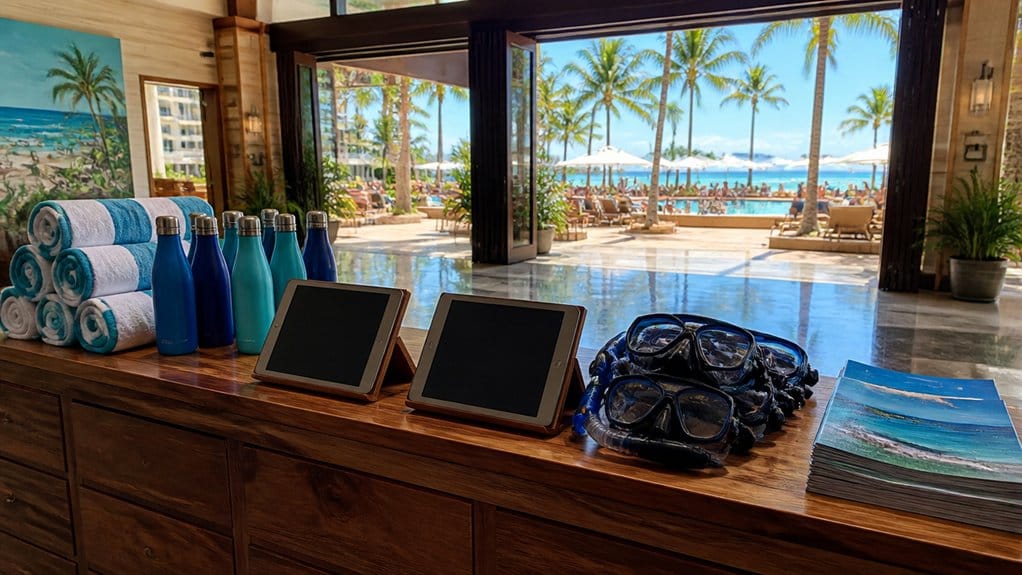
Let’s clear this up first: Waikiki resort fees are mandatory daily charges that hotels add on top of the room rate, usually around $40 to $65 a night.
When you book in Waikiki, you’ll usually see resort fees listed separately from the base rate. This daily resort charge covers a bundle of hotel perks, whether you use them or not. You might get Wi-Fi, pool and fitness center access, in-room coffee, bottled water, local calls, or boarding-pass printing. It sounds convenient, but it’s still mandatory. That’s the key thing to know. Hotels use resort fees as a steady revenue stream, and the charge often stays with the property. At properties like Outrigger Reef Waikiki Beach Resort, checking the rooms and fees before booking can help you compare the true nightly cost more clearly. So when you’re eyeing that breezy lobby, those beach towels, and the promise of “included amenities,” remember you’re already paying for the whole bundle there.
How Much Do Waikiki Resort Fees Add?
Here’s where the math starts to sneak up on you. At many Waikiki hotels, resort fees run about $40 to $65 per night, and plenty land around $50 to $55. That means a seven-night stay can pick up $350 or more before you’ve even thought about parking.
Recommended hotels for this trip
Compare well-reviewed stays from our destination hotel guides, then check live availability for your dates.
 Featured stay
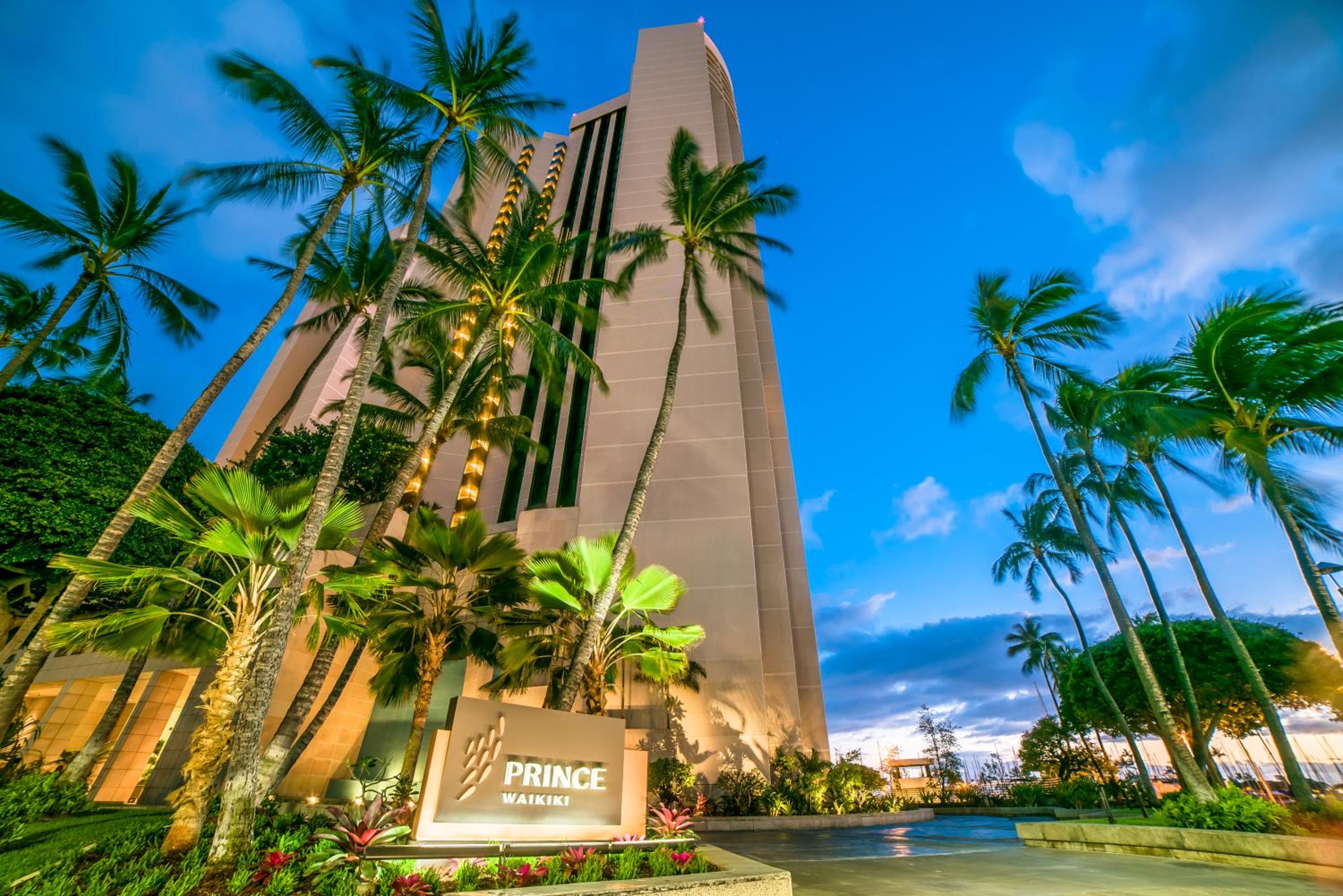
 Prince Waikiki
- Free WiFi
- Non-smoking rooms
- Air conditioning
Well suited to couples seeking ocean views, families who want two-queen rooms or multiroom suites, convention visitors, and travelers who value pools and on-site dining. It may be less appealing if you want to step directly…
- Ocean Front Harbor 2 Queen Beds
- Room Only
- Non-refundable rate
 Guest favorite
 OUTRIGGER Reef Waikiki Beach Resort
- ATM/banking
- Shopping on site
- Television in common areas
Modern Hawaiian Feel and Ocean Views Experience the allure of Waikiki Beach at OUTRIGGER Reef Waikiki Beach Resort, where beautifully renovated guestrooms offer a modern Hawaiian feel and stunning ocean views. Immerse yourself in luxury amenities…
- Standard Room, 2 Queen Beds
- Room Only
- Non-refundable rate
 Guest favorite
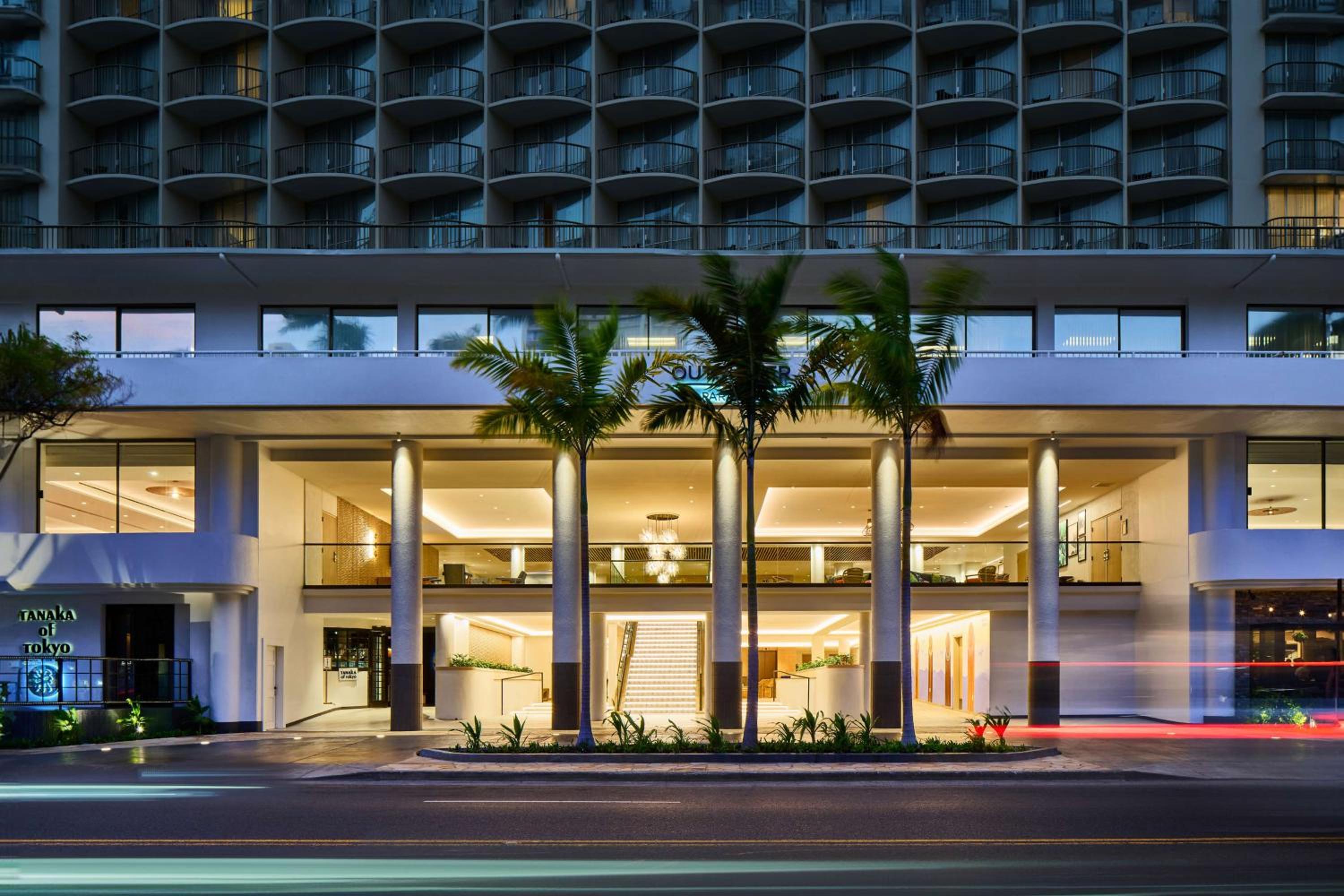
 OUTRIGGER Waikiki Paradise Hotel
- Free WiFi
- Non-smoking rooms
- Air conditioning
This hotel is particularly well suited to couples, families, friends, and business travelers who prioritize a walkable Waikiki location. Choose it if you want dining and shopping close by, plus access to a pool and fitness…
- 1 King Bed
- Room Only
- Refundable until Aug 26
Now add real numbers. Book a room at $300 per night for seven nights and your base is $2,100. Add a $55 nightly resort fee and $55 self-parking charge, and your total climbs to about $3,243 after Hawaii’s lodging tax on the room. That’s a huge jump from the headline rate. In practice, resort fees can boost your cost by 10 to 25 percent or more, which is why condos and some off-strip options start looking surprisingly sharp. If you’re planning to spend a day outside the resort bubble, knowing the Haleiwa drive time from Waikiki can also help you decide whether those bundled hotel perks are actually worth using.
What Do Waikiki Resort Fees Usually Include?
Usually, Waikiki resort fees cover a grab bag of extras that sounds useful at first glance. You’ll usually get unlimited in-room and lobby Wi‑Fi, plus access to the pool and fitness center. Many hotels also add daily bottled water, coffee, in-room coffee makers, safes, and local or toll-free calls.
Beyond basics, resort fees in Waikiki often bundle museum admission, cultural tours, trolley deals, or theater discounts. You might also see boarding pass printing, business center access, PressReader newspapers and magazines, and small spa or shop discounts. Some listings feel oddly padded. A reusable tote, an eco bag, or even “beach access” can show up, even though the sand is public anyway. Ohia Waikiki Studio Suites is a good example where checking the room setup and fees ahead of time can help you separate useful inclusions from extras you may not use. That mix explains why these mandatory charges can seem practical one minute and strangely decorative the next for many travelers.
Which Waikiki Resort Fee Perks Matter?
While the fee sheet may look packed, only a few Waikiki resort perks tend to matter once you’re actually in the room and out on the street. The most useful amenities are the ones you’ll use without thinking. Reliable in-room and poolside Wi‑Fi saves you from hunting for signal after a sandy beach day. Coffee in the room helps too, especially before an early Diamond Head start.
Some resort fees and mandatory fees also buy modest convenience. Reusable water bottles are handy in the heat, and boarding-pass printing can smooth your last morning. In Waikiki, the standout perks are cultural ones. If your hotel includes museum admission for two, you get a real outing, not just a coupon. Discounts are nice, but they rarely beat fully included experiences or serious savings. Perks matter more when they support Waikiki’s easy rhythm of walkable stops, beach time, and nearby food streets.
Still comparing Waikiki Hotels And Resort Base Planning?
Ask for tour ideas, hotel suggestions, or a simple trip plan that combines both.
Trip Helper
What’s Just Fluff in Waikiki Resort Fees?
So what counts as fluff in a Waikiki resort fee? Usually, it’s the extras that sound nice but don’t change your stay. In Waikiki, many resort fees and the daily resort fee fold in things you already expect, like Wi-Fi, gym access, pool entry, and in-room coffee. Then come the tiny add-ons: a newspaper, boarding-pass printing, a tote bag, or bottled water.
| Perk | Why it feels fluffy | Real value |
|---|---|---|
| Beach access | Public shoreline | Minimal |
| Two bottled waters | Cheap giveaway | Tiny |
| 10% spa discount | Limited use | Low |
You’ll also see trolley deals, museum admissions, GoPro rentals, or nightly turndown. If you wouldn’t plan around them, they’re probably just padding dressed up as value. Nice to see, easy to skip. A hotel trolley perk may sound useful, but compare it with your actual HNL to Waikiki transportation plans before counting it as real value.
Why Do Waikiki Resort Fees Feel Misleading?

Even if the nightly rate looks fair at first glance, Waikiki resort fees can make the real price feel slippery. You spot a decent room rate, then a hidden cost of $40 to $65 a night appears, enough to change the mood faster than a passing shower on Kalakaua Avenue.
What makes resort fees in Waikiki feel misleading is what they cover. You’re often charged for Wi-Fi, pool access, gym use, coffee, bottled water, and local calls, which many hotels already include. Some listings toss in public beach access or a reusable bag and call it value. Since these mandatory fees stay separate from the room rate, hotels keep more of that money. New rules push fuller price displays, but the charge can still hide deep in booking pages online. Traveling in May or October to November can soften the blow, since those shoulder-season months often bring better Honolulu hotel deals.
How to Compare Waikiki Hotel Total Costs
Before you compare Waikiki hotels, add the real nightly extras to the room rate, because that tempting deal can change fast once resort fees and parking show up. You’ll also want to ask whether the fee actually buys anything you’ll use, like Wi‑Fi, gym access, or bottled water, or if it’s just a pricey lei with no aloha. When you line up true nightly cost and actual fee value side by side, the better deal usually comes into focus. The Outrigger Waikiki Paradise Hotel is a useful example for checking rooms and fees against the actual location experience before you decide what counts as value.
True Nightly Cost
While a $299 room in Waikiki can look like a steal at first glance, the real nightly cost usually climbs once you add the resort fee and parking. To compare Hawaii hotels fairly, add resort fees of about $40 to $65 and nightly parking of roughly $45 to $72 to the advertised room rates before you judge the deal.
Then calculate Oahu lodging tax, about 17.75 percent, on the room only. After that, tack on resort fees and parking for your true total. A $300 room for seven nights becomes $2,100, plus $385 in fees, $385 for parking, and about $373 in tax, or roughly $3,243. You should also check condos. A one-time cleaning fee can beat daily hotel charges on longer stays. Search booking line items before booking too. For example, Stay Hotel Waikiki is worth checking closely for room details, fees, and whether it fits your travel style.
Fee Value Check
Start with the booking summary and treat it like a price puzzle, because the Waikiki room that looks cheapest at first glance often isn’t. Add resort fees, parking, and Oahu’s 17.75% lodging tax to the quoted rate. Starting Jan. 1, 2026, Hawaii’s state TAT rises by 0.75%, adding $1.50 per night on a $200 room or $2.25 on a $300 room. If those line items aren’t shown, search the hotel name plus resort fee before you book.
That math changes everything. In Waikiki, resort fees often run $40 to $65 nightly, and parking can hit $45 to $72. On a seven-night stay, a $50 fee plus $55 self-parking adds about $770 before tax. Your $2,100 headline rate can swell to about $3,243. Compare condos too. Turn a $200 cleaning fee into a nightly cost. It beats $50 resort amenities fees after four nights. Also check award stays, elite waivers, and card credits.
What Does the Prince Waikiki Resort Fee Include?
Although the Prince Waikiki’s $45 daily resort fee plus tax sits outside the room rate, it packs in a useful mix of extras that can make your stay feel smoother from the moment you check in. At Prince Waikiki, resort fees cover unlimited Wi‑Fi in your room and around the lobby and pool, plus local, toll-free, and 60 minutes of international calls each day.
You also get coffee, tea, and two reusable water bottles with refill stations nearby. Cultural perks add real value. You can visit the Honolulu Museum of Art free with one guest, and the Bishop Museum with two adults and two kids. For planning ahead, Bishop Museum tickets can be purchased online in just a few simple steps. Some experiences, like semiprivate HoMA tours and the hotel’s art tour, need concierge booking. You’ll also have gym access, PressReader, trolley deals, and seasonal extras.
Which Waikiki Hotels Have No Resort Fees?

Relief exists in Waikiki, and you don’t have to hunt too hard to find it. A few standout hotels skip the daily resort fee and let your room rate stay delightfully honest. Halepuna Waikiki by Halekulani leads that list. It feels polished and calm, with a breezy, modern style just blocks from the beach.
You’ll also spot no-fee stays at Surfjack Hotel & Swim Club, where the vibe is playful, a little retro, and more about vinyl and pool chatter than nickel-and-dime extras. Halekulani keeps things elegant without adding a resort fee. So does Kahala Hotel & Resort, where the setting feels quieter and more secluded. Even Ala Moana Hotel skips the charge and still includes pool, fitness, and steam room access. That’s a welcome surprise in busy Honolulu. Since Waikiki is one of Hawaii’s most iconic beach neighborhoods, finding hotels without resort fees can make a stay there feel even more refreshingly straightforward.
How Can You Avoid Waikiki Resort Fees?
Dodging Waikiki resort fees takes a little strategy, but it’s easier than it sounds. First, compare a hotel with condos or vacation rentals. Many charge one cleaning fee of $100 to $250, which can beat Waikiki resort fees after about four nights.
You can also use points. Hilton award stays often waive resort fees, and Hyatt or Accor may do the same on award nights. Elite status or a premium card can sometimes waive fees or offset hotel extras, so check the fine print.
At check-in, ask nicely if they’ll waive the fee, especially if you’re arriving late or skipping the amenities. Finally, look at boutique or off-strip Waikiki properties with no fee or lower ones. Properties like Ramada Plaza Waikiki can be worth comparing for parking costs and room basics before you commit. Always scan the booking summary before you click. Tiny lines hide expensive surprises.
Frequently Asked Questions
Are Resort Fees Taxable in Waikiki?
Usually, you won’t see Waikiki resort fees taxed like room rates. Their taxable status often reflects local exemptions, state law, and hotel practice, so you should confirm the current treatment directly with your hotel.
Can Resort Fees Change After Booking?
Yes, resort fees can change after booking if hotels make booking adjustments or disclose them later. You should review rate guarantees, cancelation policies, and confirmation emails, then challenge unexpected fees promptly with screenshots and records.
Do Award Stays Still Charge Resort Fees?
Usually, you won’t pay resort fees on award stays, yet some hotels still charge them. You should check award exclusions, blackout restrictions, points valuation, and whether complimentary upgrades affect your booking before arrival to avoid surprises.
Can I Dispute a Resort Fee at Checkout?
Yes, you can dispute a resort fee at checkout by asserting your guest rights, citing receipt discrepancies, and requesting management escalation. If staff refuse, pursue payment disputes through your card issuer or booking platform afterward.
Are Resort Fees Charged per Room or per Person?
Resort fees usually hit you per room, per night, not per person. You’ll pay one fee for one room, regardless of occupancy, but extra rooms cost separately. Always check whether charges apply per stay or per reservation.
Conclusion
Before you book, treat the resort fee like part of the room rate, not a footnote. In Waikiki, a $45 nightly fee can add $315 to a weeklong stay. That’s enough for a surf lesson, several poke bowls, or sunset drinks with the sound of waves below your balcony. If the fee covers Wi-Fi, pool time, and museum entry, great. If it buys two tiny waters and a coupon sheet, you’re paying for fluff in flip-flops.