On Oahu, “secret” usually means you beat the parking rush, not that you trespass. You start by deciding what solitude looks like for you, then you pick a coast and a quiet window, often 6:30 to 8:30am, before families, tour vans, and beach chairs stack up. Next, you scan Maps for legal public access and check tides and wind, because a calm cove at 9am can turn sharp by noon. Pack reef shoes, 1.5L water, cash, and a trash pouch, skip the heavy cooler, and if access is messy, a Viator shuttle with verified reviews, hotel pickup, free cancellation, and reserve now pay later can save your morning…
Key Takeaways
- Define “secret” by effort, timing, and privacy: aim for a 30–60 minute walk and avoid beaches backed by homes.
- Pick the right coast and time: arrive 6:00–7:00 a.m. for calmer water, softer light, and fewer parked cars.
- Check conditions first: use tide charts and NOAA marine forecasts; target falling/low tide for safer, shallow crossings.
- Verify legal access: confirm public shoreline routes on satellite/Street View, respect gates and “No Trespassing,” and park only legally.
- Pack light and leave no trace: bring 1.5 L water, reef shoes, dry bag, reef-safe sunscreen, cash, and pack out all micro-trash.

Kaneohe Sandbar Snorkeling Tour
LIMITED TIME GROUP OFFER: Book your spot by May 24th and save big!The Kaneohe Sandbar is one of the best places around Oahu for swimming and snorkel...
Set Your “Secret Beach” Criteria on Oahu
Most “secret” beaches on Oahu aren’t truly hidden, they’re just harder to reach, easier to miss, or quiet at the right hour. Set your criteria before you chase pins on a map. Decide what “harder” means to you: a 10 minute walk in sandals, or a 45 minute hike with shoes. Choose your quiet window too, sunrise, late morning lull, or weekday golden hour. You can also plan around crowds by pairing your beach time with calmer morning hours, similar to how early tours time the Kaneohe Sandbar for the best water conditions.
Check your privacy expectations. If you want near solitude, avoid shorelines backed by houses, and follow local etiquette: speak softly, don’t film strangers, and don’t block driveways.
Bring reef safe sunscreen, 1 liter of water, snacks, and a trash bag. Skip speakers and drones. Budget $5 to $15 for parking or rideshare, and arrive early for the calmest, coolest sand.
Pick an Oahu Coast That Fits Your Plan
Compass first, beach later: choose your Oahu coast based on light, wind, and how far you’re willing to roam once the pavement ends.
Map the coast like a compass: chase the best light and wind, and know how far you’ll hike past pavement.
If you’re eyeing the Windward side, remember that Kaneohe’s location puts you close to sheltered bays and lush mountain backdrops.
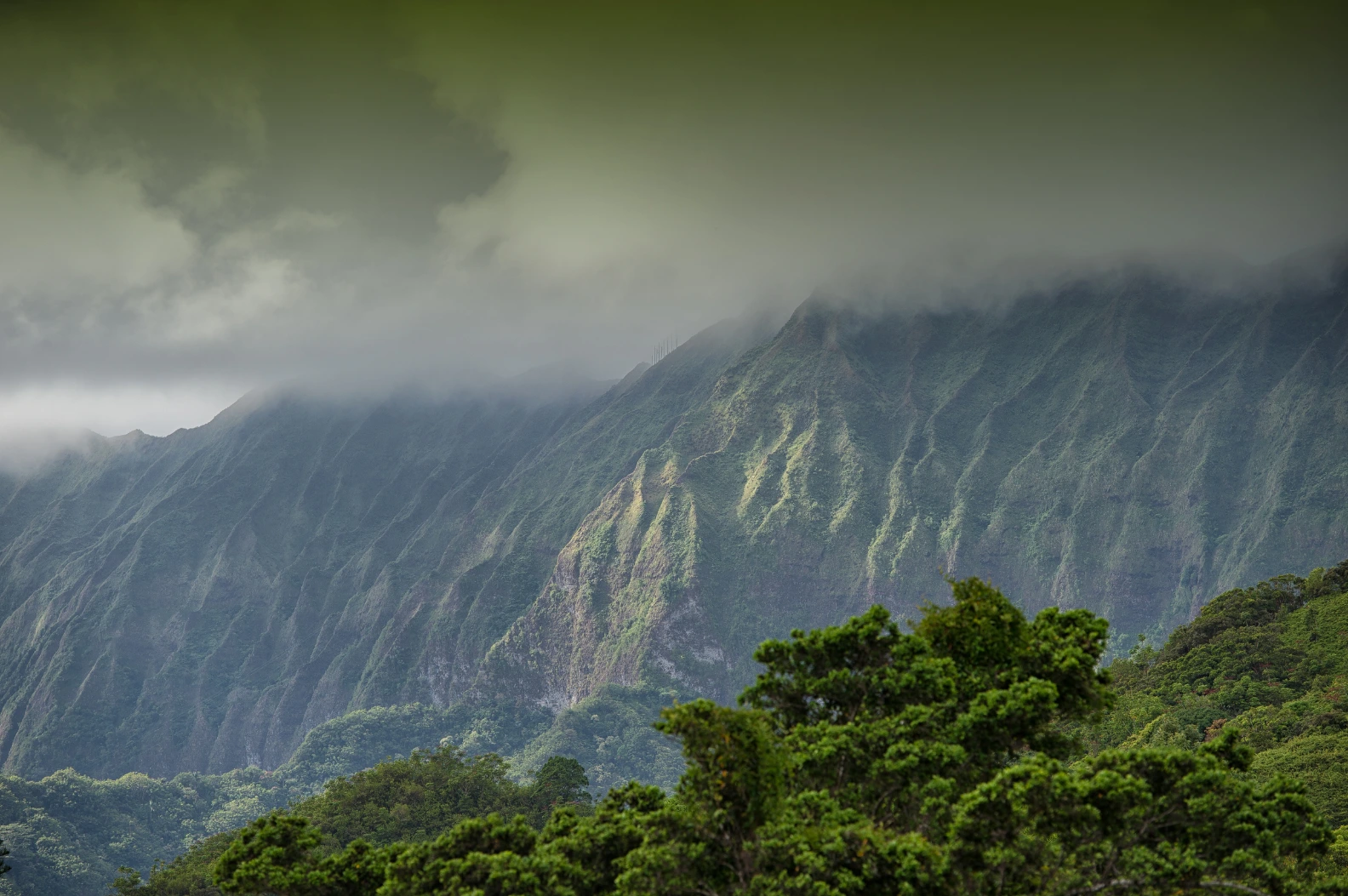
If you want mellow mornings and fewer people, aim for the Windward Coast early, around 7 a.m., before trade winds kick up.
For winter surf spectacle and food trucks, the North Shore fits, but expect parking stress and higher snack prices, $15 to $25.
In summer, south-facing coves stay calmer and suit quick dips after Waikiki, though crowds linger until sunset.
Sometimes the bus beats driving on weekends.
- Bring reef shoes for sharp coral.
- Pack 1.5 liters of water per person.
- Skip bulky coolers, they slow you down.
- Check rain, muddy trails cost time.
- Budget $5 to $10 for cash snacks.
Use Google Maps to Find Public Beach Access
Where do you find the “public” path to a beach that looks private on Instagram? Open Google Maps before you leave Wi-Fi, drop a pin near the sand, then switch to satellite imagery to spot gaps in ironwoods, narrow lanes, and possible parking pullouts. Zoom for trailhead markers like dashed lines or tiny “Public Access” labels, then tap street view to preview gates, sidewalks, and that one sneaky alley you’d miss at 7 a.m. Before you go, check how access and parking near Kualoa Secret Island can change with tours, tides, and weather so you’re not surprised when you arrive.
| Map tool | What you look for |
|---|---|
| Satellite | Footpaths, reef lines, hidden coves |
| Street View | Signs, stairs, parking vibe |
Save the spot offline, pack water and reef-safe sunscreen, and skip bulky chairs. Bring a towel, cash for meters, and a dry bag. Go early to beat tight parking and tour vans.
Confirm the Access Is Public, Legal, and Safe
Found a faint footpath on satellite view and a place to park, now make sure you’re not about to step through someone’s front yard or onto a sketchy shoreline. Look for posted shoreline access signs, and respect gates and “No Trespassing” notices. In Hawaii, public access often runs to the high wash line, but getting there must be legal too. If you’re near managed coastal areas like Kaʻena Point, review park rules about hours, closures, and permitted vehicle access before you go.
- Check right of way maps or DLNR notes for public access.
- Park only where legal, and don’t block driveways.
- Do safety checks: stable rocks, clean footing, and a clear, easy exit route.
- Bring reef shoes, water, and cash for a $3 meter, skip glass bottles.
- If access feels tense, crowded, or unclear, pivot or book a Viator ride with reviews, hotel pickup, and cancellation.

Waikiki Parasailing in Hawaii from Oahu
Experience the thrill of parasailing over Hawaii’s stunning coastline as you glide above crystal-clear waters and...

Honolulu: Pacific Star Sunset Dinner Cruise and Show
Indulge in the original Pacific Rim cuisine, where each dish serves as a gateway to the rich flavors of the region...

Oahu: Atlantis Submarine Adventure in Waikiki
Explore Waikiki’s marine mysteries while diving more than 100 feet underwater in an air-conditioned, eco-friendly...
Check Oahu Tides, Surf, and Weather
Always check the tide, surf, and wind before you chase Secret Island’s sandbar, because this “easy” beach can flip from postcard calm to sketchy in an hour. Pull up tide charts for Kailua Bay and aim for a falling or low tide window so the crossing stays ankle to knee deep, not waist high. You can use NOAA’s tide prediction tools, which include important notes on raw data quality and a 31‑day date range limit, to time your visit safely.
Next, scan the weather radar for fast squalls, and read the marine forecast for swell and trade-wind gusts that push chop into the channel. If surf is up, skip the wade and choose a safer shoreline walk nearby.
Pack reef shoes, a dry bag for your phone, and a light rain layer. Leave bulky floaties and drones at home, they’re hassle in wind. Recheck conditions before you go. It’s free.
Arrive Early for a Quieter Oahu Beach
Set your alarm and aim to arrive by 6:00–7:00 a.m. so you’ll beat the parking rush and avoid circling for a spot once the late-morning crowd rolls in. With the beach still cool and quiet, you can watch the sunrise spread soft light across the sand, then enjoy an unhurried swim before the noise picks up. Bring water, a small snack, and a light layer, and skip bulky chairs unless you’ve booked a Viator sunrise shuttle with hotel pickup and free cancellation, so you don’t have to wrestle with parking at all. Similar to Lanikai Beach on Oahu’s windward side, arriving early means calmer conditions, easier parking, and a more peaceful stretch of sand to yourself.
Beat The Parking Rush
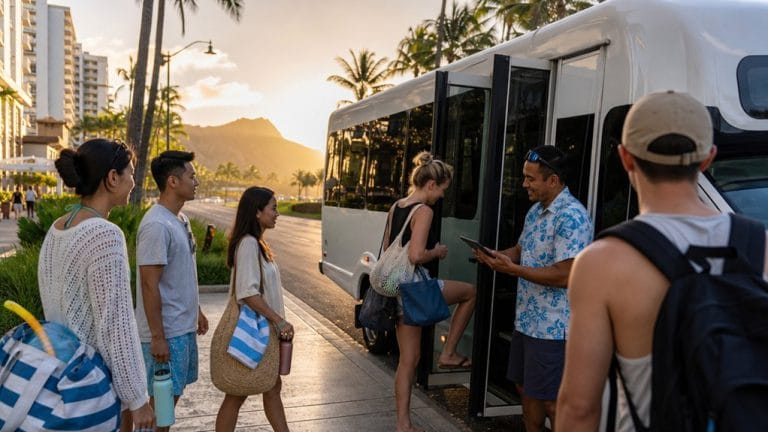
Because the parking lot fills fast at Oahu’s secret beaches, you’ll want to arrive early if you’re chasing calm water, open sand, and fewer selfie sticks. Aim for 7:00 a.m., and you’ll usually score a space and avoid $20 overflow lots nearby. Just like at Waimea Bay parking, early arrival and a backup plan help you dodge crowded lots and pricey overflow options on the North Shore. Your parking strategy should be simple: come fueled up, have small cash, and don’t block driveways, locals will call it in. If you miss out, lean on shuttle alternatives: TheBus plus a 10 minute walk, or a Viator beach shuttle with verified reviews, hotel pickup, free cancellation, and reserve now pay later.
- Check lot hours and gate rules
- Pack reef safe sunscreen and water
- Skip bulky coolers and loud speakers
- Park straight, lock up, leave nothing visible
- Note the fastest exit route
Enjoy Sunrise Calm
If you roll in at first light, Oahu’s “secret” beach feels like it’s still yours, with glassy water, cooler air, and only a few early swimmers staking out the shoreline. Show up 30 minutes before sunrise, and you’ll watch the pastel horizon brighten while the birdsong soundtrack carries from the trees behind the sand. Pack a headlamp, reef-safe sunscreen, and a light jacket; mornings run breezy, even in summer. Sip coffee in the lot, then move quiet and leave speakers at home. With fewer footprints, you can claim a tide pool corner for photos and a quick dip before the trades kick up. By 8 a.m., locals arrive, and the parking fills fast. Skip rentals, bring your own mask, saves $20. No toilets yet. For another mellow dawn option with sweeping views, consider timing a walk on the paved Makapuu Lighthouse Trail to start right at park opening.
Still comparing Kaneohe Sandbar And Oahu Secluded Beach Planning?
Ask for tour ideas, hotel suggestions, or a simple trip plan that combines both.
Trip Helper
Pack Light and Leave No Trace on Oahu
Keep your beach kit lean so you can move fast and spend more time in the water: reef-safe sunscreen, a filled bottle, a snack, a small towel, and a bag for trash. Since food options at Hanauma Bay are limited to a basic snack stand, plan to bring your own light bites instead of relying on on-site vendors.
Skip the bulky cooler, extra chairs, and anything you might “accidentally” leave behind when the parking fills up by mid-morning.
Before you go, do a quick sweep of your spot, pack out every wrapper, and if you’re short on time, a Viator shuttle tour with verified reviews, hotel pickup, free cancellation, and reserve now pay later can simplify the logistics so you don’t linger or leave a trace.
Pack Only Essentials
Travel light and you’ll move faster on Oahu’s hidden beaches, where rocky paths, sudden showers, and limited shade punish overpacked bags. Aim for a small daypack you can carry for 30 to 60 minutes without stopping. Keep a minimal wardrobe: quick dry shirt, rash guard, and one spare layer. Skip glass bottles, heavy cameras, and extra shoes unless you love blisters. For spots like the Hidden Kaneohe Island sandbar, packing light also makes boat transfers and shoreline walks safer and more manageable.
- 1.5L water and electrolytes
- reef safe sunscreen and a hat
- compact cookware if you’re picnicking, plus simple snacks
- phone in a dry pouch, offline map, and $20 cash
- towel, swim goggles, and a light rain shell
Start early, before 9 a.m., to beat parking fees and the midday crowd. Budget $5 for ice and snacks at nearby markets.
Practice Leave No Trace
A lighter pack makes it easier to leave these secret stretches of Oahu the way you found them, clean sand, clear tide pools, and not a single forgotten bottle cap. Bring a dry bag, reusable bottle, and a zip-top trash pouch for micro trash removal. Skip glass, heavy coolers, and anything you can’t carry out. Arrive before 9 a.m. to beat crowds and keep your footprint small. Use reef-safe sunscreen and refill at park fountains. Hawaii bans sunscreens with oxybenzone or octinoxate, so rely on rash guards and approved formulas to protect both your skin and the reef.
Stay on established paths, don’t stack rocks, and keep wildlife interaction to a look, not a touch. Need help with access or timing? A few Viator tours include hotel pickup, verified reviews, free cancellation, and reserve now pay later, often $60 to $120. Pack out snack crumbs, too.
Frequently Asked Questions
What’s the Best Month to Visit Oahu for Fewer Crowds?
Visit Oahu in May for fewer crowds; you’ll hit late spring after winter rush and before summer peaks. Book midweek, explore beaches on weekday mornings, and you won’t battle tour buses or packed restaurants much.
Do I Need a Permit to Park Near Lesser-Known Oahu Beaches?
Usually you don’t need a permit, but rules change by beach and neighborhood. You should check signs and websites for parking permits, especially in residential zones. Avoid illegal roadside parking; you’ll risk tickets or towing.
Are Drones Allowed When Photographing Remote Beaches on Oahu?
Yes, you can fly a drone on Oahu’s beaches, but you must follow drone regulations, avoid state parks or restricted airspace, and respect privacy concerns; keep distance from people, wildlife, and homes, like a seabird.
Is Snorkeling Safe at Secluded Beaches Without Lifeguards?
It can be risky; you’re safer if you don’t snorkel alone and you check water currents first. Wear fins, stay near shore, tell someone your plan, and pack a medical kit for cuts and stings.
How Can I Avoid Trespassing Issues With Private Shoreline Properties on Oahu?
Treat the shoreline like a hallway: you’ll avoid trespassing by checking property boundaries, using public easements, and following local signage. Stick to respectful access routes, don’t cross fences or yards, and ask locals when unsure.
Conclusion
Now you’ve got a hunt: set your secret rules, scout access on Maps, then check tide and wind. Hit the sand before 8 a.m., when parking’s free and the shoreline still feels like a whispered secret. Bring reef shoes, 1.5 L water, cash, and a dry bag, skip coolers and speakers. If gates or permits complicate things, a Viator shuttle with verified reviews, hotel pickup, free cancellation, and reserve now pay later can save hours.
Kaneohe Sandbar Snorkeling Tour
LIMITED TIME GROUP OFFER: Book your spot by May 24th and save big!The Kaneohe Sandbar is one of the best places around Oahu for swimming and snorkel...
Experiences to explore
 Explore experience ↗
Full Day Oahu Circle Island -Turtle Beach Snorkel at North Shore
◷ 8 hr
Our North Shore Circle Island Adventure including Snorkeling with the turtles offers a one-of-a-kind experience that seamlessly blends
From $149.00 USD
View dates Explore experience ↗
Beaches, Food & Aloha: Private Oahu Tour
◷ 6 hr–7 hr
This private tour with Daniels Hawaii gives you the flexibility to customize your itinerary to your own preferences! Our luxury vehicle
From $699.00 USD
View dates Explore experience ↗
Discover Popoia Island and Kailua Bay by Kayak Guided Tour
◷ 3 hr
Kayak in the crystal clear waters of Kailua Bay with one of our guides and visit one of Oahu's smallest offshore islands. It's only a h
From $169.00 USD
View dates