Like a scene from Jaws, Oahu’s blue water can spark awe and caution at the same time. You’ll spot shark activity most often near deep channels, drop-offs, and murky runoff after rain, especially at dawn and dusk. Swim at lifeguarded beaches, watch the flags, and keep your movements calm if a shadow slips by. A guided tour can turn nerves into clear, smart choices, and that’s where things get interesting.
Key Takeaways
- Swim at lifeguard-patrolled beaches, and avoid dawn, dusk, night, murky water, stream mouths, and harbor entrances after heavy rain.
- Stay alert for baitfish schools, frantic birds, fish scattering, turtles acting jumpy, or brown water, which can signal elevated shark activity.
- Never enter with open cuts, spearfishing gear, trailing catch, shiny jewelry, or bright high-contrast gear that may attract sharks.
- If you see a shark, stay calm, keep 2–3 meters away, avoid splashing, and exit smoothly if it approaches directly or behaves aggressively.
- Choose guided North Shore shark tours with trained safety divers, small groups, clear briefings, and respectful cage-free viewing protocols.

Oahu: North Shore Shark Cage Diving
Discover the open-ocean world of sharks on this unforgettable Oahu shark cage diving tour. More than just an adventure, this educational experience gi...

Oahu Shark Dive on the North Shore
Book the Oahu Shark Dive for a thrilling shark encounter off the North Shore. You’ll travel by boat from Haleiwa H...

Oahu: Roundtrip Shuttle From Waikiki to Dole Plantation & Haleiwa
Skip Circle Island and visit two of the most popular places to visit here on the Island of Oahu. Experience a unique...

Waikiki 2-Hour Sunset Sailing Catamaran – Swim & Sail Adventure
There’s no better place to take a dip than the crystal-clear waters of Waikiki—and no better way to experience a...
How to Stay Safe in Oahu Waters

Start with the simple stuff, because it works. You should swim at lifeguard-patrolled beaches and skip dawn, dusk, and night, when Sharks in Hawaii may cruise closer to shore to feed. Stay out if you have open cuts or active bleeding, and tell charter crews about medical issues before you board.
In the water, keep 2 to 3 meters from sharks. Leave shiny jewelry behind, choose low-contrast swimwear, and don’t thrash around like a dropped sandwich. Avoid murky water, stream mouths after rain, harbor entrances, channels, and steep drop-offs. If you’re on an organized swim or using a shark cage, listen to safety divers. They enter first and exit last for a reason. For added peace of mind, compare Oahu shark diving operators and choose tours that clearly explain their safety rules before you book. If sharks or other wildlife act erratic, leave the water calmly and smoothly right away.
Where Oahu Shark Encounters Happen
If you’re picturing an Oahu shark encounter, it usually happens off the North Shore about 3 miles beyond Haleiwa, where cage-free boats head into deep blue water that feels a world away from the beach. That stretch of the North Shore of Oahu is the center of shark diving, with boats leaving from Haleiwa Small Boat Harbor.
You’ll usually check in at the blue-and-white kiosk by Haleiwa Joe’s, then board a 33-foot boat for a two-hour trip. Shark Tours often keep groups small, so the ride feels organized, not crowded. Once offshore, you might slip into clear pelagic water and spot Galapagos, sandbar, or tiger sharks below. Sometimes blue sharks, silkies, or hammerheads appear too. It’s wild, focused, and surprisingly practical. Even your one-bag rule keeps things simple onboard. If you also plan to visit Shark Cove Beach, know that it is a separate North Shore snorkeling spot with its own safety considerations.
When Sharks Are Most Active in Oahu
Usually, sharks around Oahu get more active at dawn and dusk, when the light goes soft and many species move closer in to feed. If you’re planning a swim in Hawaii, give those low-light windows a pass. You’ll also want extra caution after heavy rain. Runoff can turn the water cloudy near stream mouths and harbor entrances, and that makes a Shark encounter more likely.
Season matters too. Along Oahu’s North Shore, tiger sharks are known to show up more often from June through November. Warm months can also bring more nearshore activity, especially when baitfish schools gather and shimmer just offshore. If you see silvery flashes, restless birds, or murky brown water, take the hint and wait it out. The ocean isn’t clocking in for your schedule, and sometimes it wins. For a guided experience, consider booking one of the North Shore shark dive operators that specialize in Oahu shark encounters.

Waikiki Glass Bottom Boat Cruise
Experience the beauty of Oʻahu South Shore as we sail toward Lēʻahi (Diamond Head) aboard the spacious Haleiwa Qu...

Oahu: Atlantis Submarine Adventure in Waikiki
Explore Waikiki’s marine mysteries while diving more than 100 feet underwater in an air-conditioned, eco-friendly...

Honolulu: Pacific Star Sunset Dinner Cruise and Show
Indulge in the original Pacific Rim cuisine, where each dish serves as a gateway to the rich flavors of the region...
What Attracts Sharks Near Swimmers
You’re more noticeable to sharks when blood or other fluids hit the water, even in tiny amounts, so cuts and fresh scrapes matter more than you’d think. You can also attract attention with frantic splashing, loud thrashing, shiny jewelry, or bright gear that flashes like bait in the sun. If people are fishing nearby or dead fish are in the water, you’ve got even more reason to stay alert. For a more controlled way to observe sharks, many visitors compare Oahu shark cage tours before booking.
Blood, Splashing, And Noise
While Oahu’s water can look calm and inviting, sharks key in on the kind of signals swimmers often don’t notice at all. Even a small amount of blood can travel through the water, so don’t swim with open cuts or fresh scrapes. It’s a simple rule, but it matters.
Your movement matters too. Wild splashing can resemble an injured fish, which may pull curious sharks closer for a look. Keep your strokes smooth and steady. Think calm, not cannonball chaos. Noise also carries surprisingly far underwater. Boat engines, banging gear, and other sharp vibrations can attract attention, so give engine areas space and keep in-water noise low. Many safety divers follow these same habits because quiet, controlled swimmers are less interesting to investigate and much easier to watch in busy water nearby. If you see someone in trouble offshore, call 911 and ask for the lifeguards so Ocean Safety can respond quickly.
Shiny Gear And Bait
Often, the flashiest thing in the water isn’t a fish. If you wear shiny jewelry, reflective gear, or a bright watch, you may mimic the quick glint of scales. Sharks notice that sparkle. You should also skip high-contrast patterns on wetsuits or rash guards, since bold blocks of color stand out fast underwater and can invite a closer look.
Bait creates an even louder signal. Chumming or baiting sends scent through the water and can gather sharks from far off, which is why One Ocean Diving avoids it completely. If you’re bleeding, even a little, stay dry. Tiny amounts of blood disperse quickly. Spearfishing gear and trailing catch can do the same job, so keep fish out of the water or well away from swimmers nearby. Also avoid interfering with sharks pursuing turtles, because sharks are natural predators and interrupting that behavior is discouraged.
What Not to Do If You See a Shark
If a shark appears nearby, the worst move is to panic and turn the water into a drum solo. Do not panic. Splashing and thrashing can read like injured prey. Instead, hold a respectful observation distance of about 2 to 3 meters and stay deliberate. Do not approach, touch, feed, or harass it. Think museum manners, not petting-zoo energy.
You also shouldn’t enter with an open wound or active bleeding, since sharks detect tiny traces fast. Avoid murky water, steep drop-offs, stream mouths after heavy rain, and spots near fishing or spearfishing activity. Those places can draw hunting sharks. If you’re with guides, don’t ignore safety divers. They set the pace, watch shark behavior, and signal when an animal needs more room. The same calm, respectful distance mindset applies on guided turtle-watching tours, where marine wildlife should never be chased, touched, or crowded. Your best move is calm attention, not curiosity on overdrive.
When to Get Out of the Water
You should get out of the water right away if a shark comes within that 2 to 3 meter comfort zone or starts tail-slapping, arching its back, or making quick direct passes. You should also head in if fish scatter, turtles act jumpy, or dolphins turn erratic, because the ocean’s usual rhythm can switch fast when a predator or feeding action moves nearby. If the water turns murky after rain, the light drops at dawn or dusk, or the lifeguard or crew calls everyone out, follow directions calmly and move toward shore or the boat without splashing. At Electric Beach or similar Oahu snorkel spots, leave the water if strong currents or changing conditions make it hard to swim calmly and maintain control.
Shark Sighted Nearby
Spot a shark nearby, and the move is simple: get out of the water quickly but calmly. If there’s a shark sighted nearby, don’t freeze and don’t thrash. Exit the water quickly and calmly while keeping your strokes smooth and quiet. Head for shore or the boat with purpose. Splashy panic only adds noise and confusion.
If the shark stays in view, Maintain a 2–3 meter distance and follow any safety diver’s directions right away. Give the animal room and back away if it shows extra interest. You should also stay out of the water in murky areas, near stream mouths, and during dawn, dusk, or night. And if you’ve got an open cut, sit this swim out. Sharks don’t need much of a scent trail to investigate at all. For other protected marine wildlife in Hawaiʻi, responsible viewing means keeping your distance, never touching or feeding animals, and following posted signs or local guidance.
Prey Behavior Changes
When the whole scene suddenly shifts, trust what the water is telling you and head in. If fish or sea turtles bunch tight, dart hard, or dive fast, you’re likely seeing prey panic behaviors. That’s your cue to leave promptly, not investigate like a nature host.
If you spot baitfish or squid breaking the surface, or the water starts boiling with quick flashes and splashes, exit calmly and quickly. Feeding action can pull in multiple predators. If dolphins or big game fish suddenly start chasing, don’t linger for the show. Sharks may be working the same bait nearby.
Also watch for noticeable increases in shark surface activity. Fast passes, tight vertical milling, or sharp turns mean motivation has changed. Add murky water and agitated animals, and it’s time to get out, smoothly and now. Since many Oahu snorkelers hope to see sea turtles, remember that turtles reacting abruptly can be another sign the area is no longer calm.

Waikiki: 2 hours - Friday Night Fireworks Catamaran Cruise
Enjoy the spectacular FRIDAY NIGHT FIREWORKS show along the beautiful coastline of Waikiki while we get up close and...

Honolulu: Three Star Deluxe Sunset Dinner Cruise and Show
As the sun sets over the Pacific, enjoy a luxurious Honolulu dinner cruise along the scenic coastline near Diamond H...

Wai Kai Adventure Park Packages
Three ways to play! Full day and half day packages available.ULTIMATE PACKAGE: • Surf Session • AquaVenture...
Unsafe Water Conditions
If the water starts feeling wrong, take the hint and get out. Exit the water immediately and calmly if fish suddenly scatter, turtles bolt, or the reef goes strangely quiet. Those quick shifts can signal a predator nearby, and your best move is simple. Leave the water at dawn,dusk,or night, when many sharks cruise inshore to feed.
Get out quickly if visibility becomes poor. Murky water, rain runoff near stream mouths, and changing currents by channels, dropoffs, or harbor entrances all make it harder to spot trouble. If a shark starts swimming fast, turning sharply, dropping its fins, or bumping in for a closer look, end the swim and follow the safety diver’s directions. Also exit right away if you’re bleeding or if people nearby are fishing or spearfishing. If you’re also visiting the North Shore Pipeline, respect posted warnings and stay well back from powerful surf and reef hazards.
How to Keep Kids Safe in Oahu
Keeping kids safe in Oahu starts with simple habits that matter fast in the water. You should keep children within arm’s reach in shallow water or on flotation aids. If you snorkel, follow the 6:1 child-to-adult ratio and listen to every safety diver. Skip dawn, dusk, and night swims. Avoid murky water, stream mouths after rain, and fishing spots where activity can spike.
Tell the crew about allergies, diabetes, or other medical needs, and pack medications. Use reef-safe biodegradable sunscreen, not aerosol sprays. Dress kids in low-contrast rash guards or wetsuits, and leave shiny jewelry behind. Teach them to stay calm and keep a respectful 2 to 3 meter distance from sharks. Check Honolulu National Weather Service High Surf Advisories before beach days, since rough surf can make swimming and supervision harder. Clear rules, calm voices, and steady eyes turn the ocean into a classroom with fins today.
Why Guided Oahu Shark Tours Are Safer
Usually, guided Oahu shark tours feel safer because trained eyes run the whole encounter from boat to blue water. You enter with professional marine biologists and safety divers who use non-invasive protocols and have kept a 100% safety record since 2010.
You get small groups, usually six guests per diver, so someone watches your fins, breathing, and spacing. Before you slip into the clear, deep water, guides brief you on shark ID, body language, and simple rules. No cages. No chum. You keep a respectful two to three meters away and avoid bright colors and extra splashing. Divers enter first and exit last, which keeps the flow calm. They also track shark behavior in real time, choose smart sites, and adjust if a tiger shark shows up nearby. Comparing the top Oahu tours can also help you choose operators with strong safety practices and experienced guides.
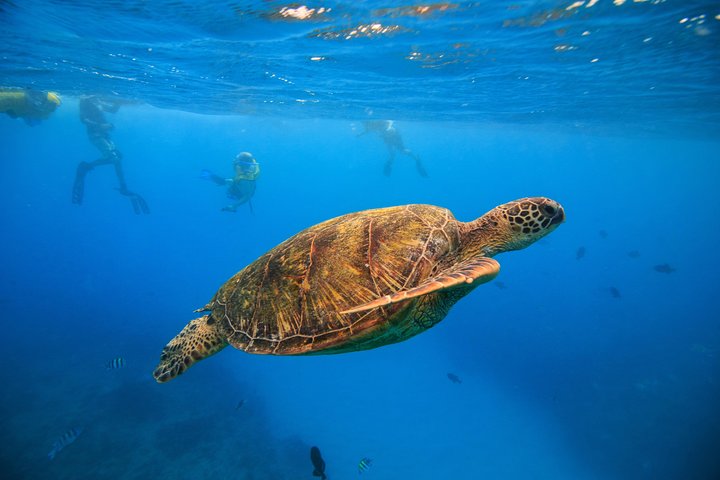
Waikiki, Hawaii: Turtle Canyon Snorkel Excursion
Discover the magic of snorkeling with Hawaiian Green Sea Turtles at Waikiki’s famous Turtle Canyon. On this 2-hour snorkeling tour, you’ll cruise...

Waikiki Turtle Canyon Snorkel: Turtles Guaranteed
Book our Turtle Canyon snorkel tour for some turtle fun today! Join us for an intimate experience that you will not...

Oahu: 60 Min Royal Crown Helicopter Tour - Doors Off or On
See every stunning sight on Oahu from the white sands of Waikiki to the epic big waves of Norh Shore on our incredib...
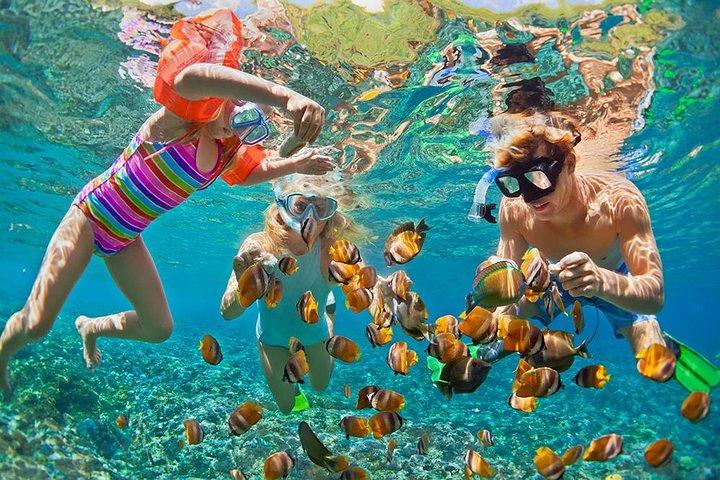
Oahu Circle Island Snorkeling Tour: Dole, Pali Lookout & More
Looking for the BEST VALUE & MOST COMPLETE Circle Island Snorkeling Tour? Join us for the ultimate full-day, action-...
Frequently Asked Questions
Are Shark Encounters in Oahu More Common During Certain Months?
Yes, you’ll see shark encounters around Oahu follow seasonal patterns, often increasing in summer and early fall. You benefit from better water visibility then, though local baiting activities and feeding conditions can also influence sightings.
Do Shark Deterrent Devices Work for Oahu Swimmers?
Yes, like Odysseus trusting a fragile sail, you can use magnetic repellents, acoustic devices, and wearable tech to reduce risk, but they won’t guarantee safety; you’ll need smart habits, calm behavior, and guided protocols too.
Can Surfers and Snorkelers Reduce Shark Encounter Risk Differently?
Yes, you can reduce risk differently through board awareness, gear differences, and behavior adjustments: surfers avoid dawn, murky stream mouths, and fishing zones; snorkelers keep distance, watch animal cues, and exit calmly near channels.
What Should Tourists Know About Shark Emergency Response on Oahu?
You should know Oahu operators follow local protocols, maintain medical readiness, and practice emergency drills. You’ll alert lifeguards or crew, call 808-587-0100, exit calmly, control bleeding fast, and expect evacuation, oxygen, treatment, and hospital transport.
Are There Apps or Alerts for Shark Sightings Around Oahu?
Yes, you won’t find one statewide app, but you can use Shark alerts from county lifeguards, NOAA, and operator social feeds. Check Sighting apps, Facebook groups, and tour teams for Real time notifications, then verify reports.
Conclusion
On Oahu, you’ll enjoy the ocean more when you treat it like a wild neighbor, not a pool. Choose lifeguarded beaches. Skip murky runoff, dawn, and dusk. Keep kids close and listen to posted signs, boat crews, and your own gut. If a shark appears, stay calm, give it space, and leave the water without splashing drama. Guided tours add trained eyes, small groups, and smoother logistics, so your shark encounter feels thrilling, respectful, and smart.
Oahu Shark Dive on the North Shore
Book the Oahu Shark Dive for a thrilling shark encounter off the North Shore. You’ll travel by boat from Haleiwa Harbor, then view sharks from a sec...

Oahu: Dole Plantation & Haleiwa Town OR Grand Circle Island Tour
Choose from two exciting ways to experience Oahu's top attractions, scenic beauty, and local culture.Option 1: Dol...

Waikiki Snorkeling & Ocean Waterpark Adventure from Oahu
Skip the crowded snorkel tours and experience Oahu’s ultimate ocean adventure for families, couples, and guests of...
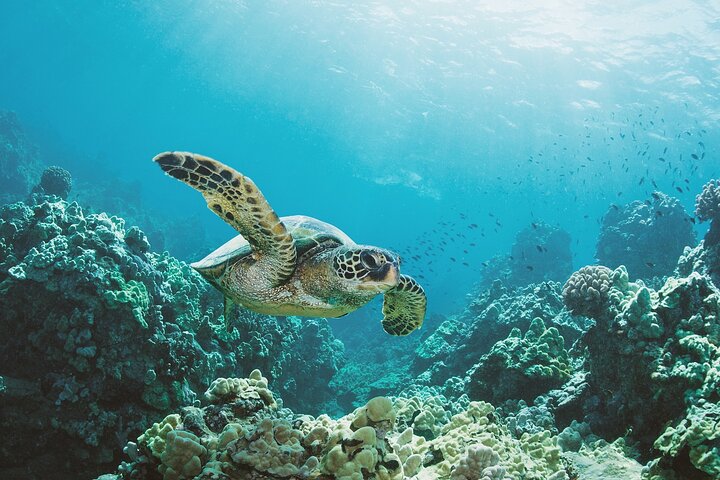
Waikiki: Turtle Canyon Snorkel Adventure on Oahu
Enjoy an exclusive snorkeling adventure in Waikiki with small group sizes for a comfortable and VIP experience. You...