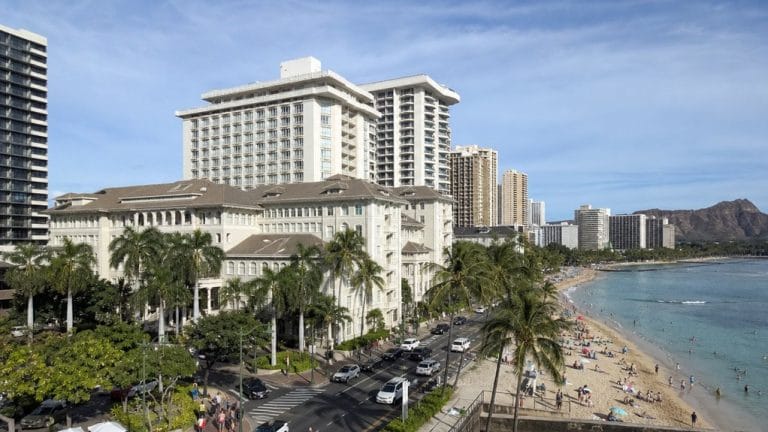
You can build an easy, local-feeling day with these things to do on Oahu if you keep it coastal and resist the urge to cram in every “must-see.” Roll out early and take H-1 toward the windward side for a sunrise that actually feels earned, then stretch your legs on the Makapuʻu Lighthouse Trail. Go before the heat sets in, bring water, and keep your eyes on the offshore blue where whales sometimes show in season. It is a simple walk with a big payoff.
From there, aim your car toward the North Shore and let the pace drop. Pull over when you spot a shrimp truck you like, then follow it up with a no-fuss plate lunch eaten close enough to hear the waves. Pack reef-safe sunscreen, a towel, and a change of shirt, because salt and trade winds have opinions. Later, cool down with shave ice dusted with li hing mui, the kind of sweet-sour hit that keeps you coming back for “just one more” spoonful.
If you would rather skip the driving and parking math, a small-group Oahu island tour can stitch together the windward lookouts, North Shore food stops, and an easy sunset finish with hotel pickup and someone else handling the timing. On Viator, you will see options with instant confirmation, verified reviews, and often free cancellation up to 24 hours before, plus reserve now, pay later for flexibility. Either way, plan one last stop for sunset, because on Oʻahu the light changes fast and where you end the day really does shape the memory.
Key Takeaways
- Sunrise on the windward coast for first light, trade winds, and (in season) whale spouts.
- Hike Makapuʻu Lighthouse Trail early for easy ocean views, breezes, and easier parking.
- Late morning on the North Shore: skip the most crowded beaches, grab a food truck plate, watch surf sets.
- Plan with ocean + traffic: snorkel early when calm, check with lifeguards, and stay on one coast through sunset.

2 Hour Waikiki Whale Watching Cruise from Oahu
Guaranteed whale sighting or enjoy a complimentary rebooking within 5 days of your original tour! Enjoy unique underwater views from…

Parasailing in Waikiki from Oahu Hawaii
Scenic Aerial Views Take in unforgettable views of Waikiki, Diamond Head, and Oʻahu’s south shore as you soar above the…

Waikiki Parasailing in Hawaii from Oahu
Experience the thrill of parasailing over Hawaii’s stunning coastline as you glide above crystal-clear waters and lush island landscapes. You’ll…

Ultimate Oahu Circle Island Sights & Bites Tour from Waikiki
Discover why this is one of the best Oahu Circle Island tours from Waikiki. This full-day guided sightseeing and food…

Pearl Harbor USS Arizona Memorial Tour from Waikiki
Turn back time as we explore WWII history at Pearl Harbor and relive the infamous Sunday morning of December 7,…

Oahu Grand Circle Island Experience from Waikiki
Enjoy Grand Circle Island experience tour with breathtaking views of Amelia Earhart Lookout on Diamond Head, admire Chinaman’s Hat in…
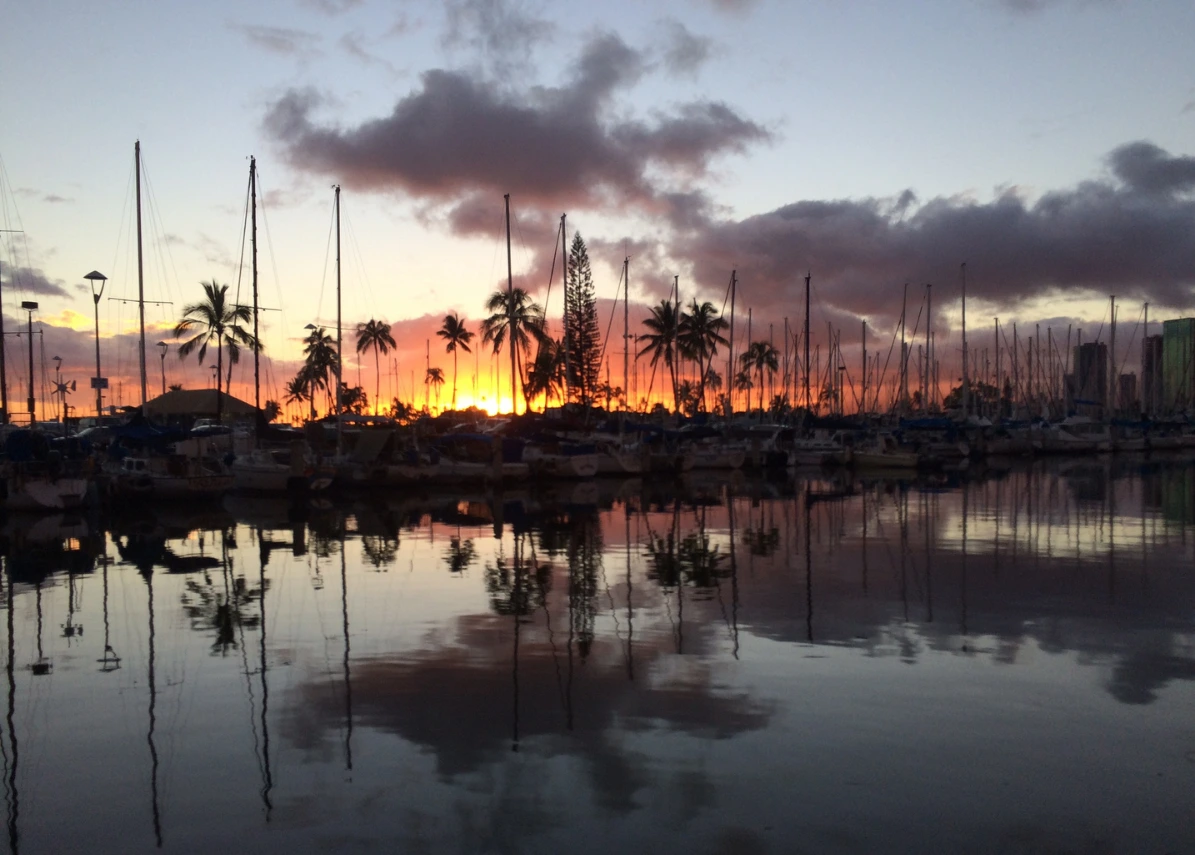
Build a Relaxed Oahu Day (by Coast)
If you want a low-effort Oahu day that still feels like you actually saw the island, plan it by coast and let the shoreline do the work.
Start early in town while parking is still civilized. Grab something filling to take with you, then point the car east and keep the schedule loose.
Start early while parking’s still civilized, grab something filling, then head east and keep the day loose.
The H1 to the windward side is a quick mood shift: city noise fades, trade winds kick in, and the ocean turns that impossible blue.
Pull off when the water looks good, stretch your legs, take a short walk, then get back on the road before you accidentally turn “relaxed” into “stuck looking for parking.”
By late morning, slide up toward the North Shore. Skip the big production beaches if they’re swamped. Go where you can actually sit down, eat something messy from a truck, and watch the sets roll in.
If you want a swim, choose a protected bay and keep it simple: quick dip, rinse, back in the car.
West side only works if traffic is behaving. If not, don’t force it. Loop back the way you came, chase late light along the same coast, and you’ll still get a solid sunset without white-knuckle driving.
End the day with shave ice and an easy dinner near Waikiki or Kaimuki where you can walk a bit and let the sand fall out of your shoes.
Tips that make the day smoother:
- Start earlier than you think. Oahu traffic isn’t a character-building exercise you need.
- Keep beach stops short and frequent. Ten minutes at three pull-offs beats one stressed-out hour hunting a spot.
- Park legally, every time. Tows are fast, tickets are common, and the vibe dies instantly.
- Leave nothing visible in the car. Not a bag, not a towel, not spare change that looks like “maybe there’s more.”
- Pack water, reef-safe sunscreen, and a light layer. Windward breezes feel great until you’re damp and shaded.
- If the ocean looks rough, treat it like a sign, not a challenge. Pick calmer water and save the heroics for another trip.
Catch Sunrise Viewpoints + Short Oahu Hikes
While Waikiki is still rubbing sleep out of its eyes, you can be on the windward side watching the first light hit the water, then be back in town before the roads snarl and the sun turns loud.
Makapuʻu Lighthouse Trail is the easy win. It’s paved the whole way, so you can do it half-awake, and the trade winds up there feel like nature’s air conditioning.
On a clear morning the ocean goes glassy, then suddenly neon, and you’ll spot whale spouts in season if you actually pause and look.
If you want shade and birdsong instead of salty spray, go for Aiea Loop. You start in cool, damp forest, with muddy patches that love light-colored shoes, and you get quick peeks out toward Pearl Harbor through the trees.
Go early and you’ll mostly share it with local walkers and a couple of serious runners.
Quick tips:
- Arrive 30 minutes early. Parking is the real competition.
- Bring a small headlamp or phone light. The first few minutes can be dim and rooty on forest trails.
- Pack water even for “short” hikes. Humidity turns easy walks into sweat sessions.
- Keep your volume to yourself. Skip Bluetooth speakers and let the morning sound like morning.
- Take your rubbish out. Also take your snack wrappers out. Every single one.
Eat Like a Local: Plate Lunches + Snacks
The fastest way to slip into local rhythm is a plate lunch. Two scoops rice, one scoop mac salad, and something salty-sweet piled on top. Take it to a beach park, park in the shade, crack the windows, and eat with your hands hovering over the container like you mean it.
Order loco moco when you want comfort food that sticks with you. Get the gravy on the side so the rice stays fluffy until the last bite.
| Go-to | What you get | Pro tip |
|---|---|---|
| BBQ mix | a little of everything, smoky and sweet | ask for chili water and a fork that can handle it |
| Garlic shrimp | buttery, garlicky, messy in the best way | get extra napkins and wash your hands before you touch your phone |
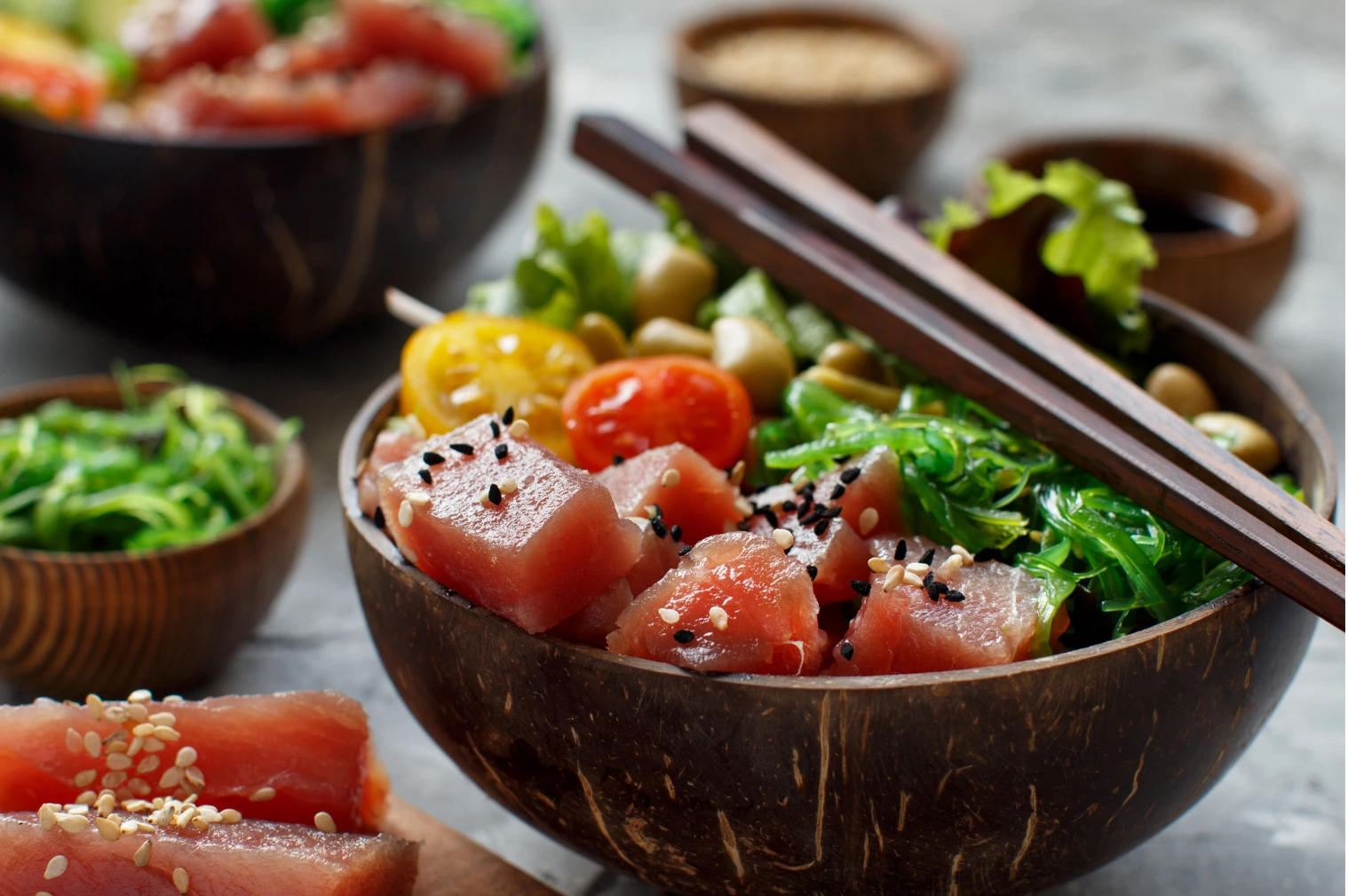
| Poke bowl | cold, clean, just-cut cubes | eat it right away and keep it out of the sun |
| Shave ice | soft ice, bright syrup, instant mood lift | add li hing mui if you like salty-sour with your sweet |
Quick local rules that make the whole thing smoother:

Oahu Circle Island Tour with Waimea Valley Waterfall
Join Go Tours Hawaii as we embark on an Unforgettable Oahu Circle Island tour adventure as we journey through Hawaii's…

Hidden Gems of Oahu Circle Island Tour with Byodo In Temple
Join Go Tours Hawaii as we embark on an Unforgettable Oahu Circle Island tour adventure as we journey through Hawaii's…

Oahu Ultimate Circle Island Tour Full Day Experience
Come and join us for a full-day, action-packed tour around Oahu, and be amazed by its finest offerings. You will…

Oahu Island Experience feat the North Shore (Small Group Tour)
From Waikiki all the way to the North Shore of Oahu - this all day tour provides you with the…

Oahu's Circle Island Tour Operated By Fil-Am Travel & Tours
Take a tour to explore the island of Oahu as you follow along the majestic coasts with the steep mountains…

Beautiful Colors of Hawaii Photo Tour
You have to see the real colors of Hawaii! Your Beautiful Hawaii Tour is a must-do adventure on Hawaii’s Windward…
- Bring cash if the place looks old-school.
- Tip without making it a production.
- Don’t rush the line and don’t rush your lunch.
- If you’re eating in the car, keep a plastic bag for trash and a bottle of water for the sticky fingers.
Swim and Snorkel Oahu’s Best Beaches
Get in the water early. Oʻahu’s best snorkeling usually happens in that quiet window after sunrise when the surface is glassy and you can actually see what you came for. By late morning the trade winds often rough things up, and once the sand starts lifting, the reef turns into a snow globe.
Hanauma Bay is the classic for a reason, but go on a weekday if you can. You’ll spend more time floating over coral gardens and less time navigating people. On the North Shore, Shark’s Cove can be spectacular when it’s calm, with little lava pockets full of fish. It can also be a washing machine when surf is up, so check conditions before you commit.
Tips to make it smoother:
- Wear reef-safe sunscreen and a rash guard for sun and scrape protection
- Give honu plenty of space, keep at least 10 feet for turtle encounters
- Bring a small dive light if you’re doing a legit night snorkel, and keep it controlled so you’re not blasting everything
Pick sandy entries when you can, float horizontally, and keep your fins off the coral. If the water looks choppy or visibility is already milky, call it and do a beach swim instead. Save snorkeling for a calmer morning.
Talk to the lifeguard on duty before you get in. They’ll tell you what the ocean is doing today, not what it did yesterday on someone’s reel.
Frequently Asked Questions
What’s the Best Way to Get Around Oahu Without Renting a Car?
You can do Oahu without a rental car if you lean on TheBus and treat rideshares like a backup plan. TheBus is clean, air-conditioned, and reliable enough that you stop thinking about parking the minute you step off Waikiki’s busy streets. Pick up a HOLO card early, load it once, and you’re set for most of the island’s everyday moving around.
The rhythm that works: bus for the big hops, rideshare for the awkward gaps. I use TheBus for Waikiki to Ala Moana, Downtown, and even the North Shore when I have time. Then I call a rideshare when I’m leaving a beach at sunset or trying to get to a trailhead where the bus schedule feels like a dare.
Tips that actually save time and money:
- Get a HOLO card at an ABC Store or a transit pass outlet near Waikiki, then keep it in the same pocket every day
- Use Google Maps for routes, but double-check timing in the HOLO app if you’re trying to catch a tight connection
- Sit on the ocean side when you can. The views between town and the Windward side are worth grabbing a window
- Start earlier than you think for long rides. North Shore by bus is doable, just not fast
- For rideshare pickups, walk to a main road or hotel entrance instead of summoning a car into a jammed beach parking lot
- Check surge pricing before you request. Waiting 10 to 15 minutes can knock the fare down
- If you’re with friends, split the ride for late-night returns to Waikiki or when you’re carrying snorkel gear and everyone’s sandy and tired
Do I Need Reservations or Permits for Popular Oahu Attractions?
Yes. On Oahu, the best-known sights reward planners, especially if you are traveling on a weekend or during school breaks. A little advance booking saves you from sitting in a hot parking lot staring at a “sold out” sign.
Hanauma Bay needs a timed reservation, and the early slots feel best. The water is calmer, the light is clear, and you will actually hear the reef instead of a crowd.
Diamond Head also runs on reservations. Go early for cooler air and fewer people funneling through the switchbacks. Bring water and a small snack. The summit views hit harder when you are not overheated.
Luaus vary, but the good ones fill fast. If you care about seats close to the stage or want a smaller, less bus-tour vibe, book ahead and choose the earlier check-in.
Permits come up for certain hikes, beach parks, and especially camping. Rules shift, so check the official state or county site for the specific trail or park you want the day you lock in plans.
Drone rules are strict in many beach parks and near wildlife areas. Rangers and locals take it seriously. If you are tempted to fly, confirm where it is legal before you unpack it.
Quick tips
- Book Hanauma Bay and Diamond Head as soon as your dates are firm
- Aim for morning entry times for both, then spend the afternoon swimming or eating
- If a luau is a must-do, reserve early and pick based on location and crowd size
- Double-check permits for any hike or campground outside the usual tourist loop
- Leave the drone in the bag near parks, beaches with signs, and wildlife zones
How Much Should I Budget per Day for Food, Activities, and Parking?
Plan on $90 to $180 a day for food, activities, and parking. That usually breaks down to $30 to $60 for meals (plate lunch, poke, a solid happy hour), $30 to $90 for activities, and $10 to $30 for parking. You’ll spend less if you lean on buses or your own two feet and keep the resort cocktails as an occasional treat, not a habit.
Tips to keep the daily total in check:
- Eat like a local at lunch. Plate lunches are filling, fast, and the kind of meal you remember. Go early before the popular places sell out.
- Use happy hour strategically. A couple of pupus plus a drink can replace dinner without feeling like you’re punishing yourself.
- Pick one paid highlight per day. Snorkel rental, a museum ticket, or a tour. Stack free stuff around it like beaches, hikes, and sunset.
- Be smart about parking. Beach lots fill early. Arrive before mid-morning or park farther out and walk in.
- Skip the “convenience” buys. Hotel snack shops and bottled drinks add up fast. Grab water and fruit from a grocery store once and coast for a day or two.
What Should Visitors Know About Local Etiquette and Respecting Cultural Sites?
Move like you’re a guest in someone’s home, because often you are. In Hawaiʻi, quiet respect goes a long way, especially around cultural sites where people still come to pray and leave offerings. You’ll feel the shift when you step onto a heiau platform or a trail goes still. Take the hint and slow down.
Tips that locals will notice in a good way:

Waikiki: Fireworks Cruise from Beach & Cocktail Open Bar | Oahu
Set sail with Waikiki’s top-rated fireworks cruise and enjoy the famous Hilton Hawaiian Village display from the best seat on…

West Oahu Afternoon Turtle Snorkel Sail
Set out along the scenic West Oahu coastline for an unforgettable afternoon on the water. Keep an eye out for…

Waikiki Turtle Snorkeling Tour with Complimentary Trolley Ride
Experience the delight of snorkeling alongside peaceful Hawaiian Green Sea Turtles in the famous Turtle Canyon, just off Waikiki's coast.…

Waikiki Sunset Cruise Catamaran Boat Tour on Oahu
Our tour offers a plethora of beautiful views such as Waikiki bay itself, Diamond head crater (Lē‘ahi), crystal blue waters,…

Diamond Head Hiking and Oahu Island Experience feat. North Shore
From Waikiki to the North Shore - this tour provides you with the best "Taste of Hawaii" all in one…
- Take your shoes off when you see shoes at the door or a host asks. If you’re unsure, ask.
- Watch for kapu signs and barriers and treat them as firm boundaries, not suggestions.
- Ask before taking photos of people, ceremonies, offerings, or anywhere that feels private. A simple “May I?” works.
- At heiau, stay on marked paths and rock platforms. Don’t climb, rearrange stones, or pocket “souvenirs.”
- Keep voices low and phones away. If you want a snack break, do it away from the site.
- Pack out every scrap of trash, even fruit peels. Bring a small bag so you’re not hunting for a bin later.
When Is the Best Time of Year to Visit Oahu to Avoid Crowds?
Visit in the shoulder seasons: April to May, or September through early November. The weather still behaves, the ocean is warm enough, and Waikiki feels less like a slow-moving line. You can actually hear the palm fronds and the mopeds again.
A few ways to keep it that way:
- Travel midweek. Tuesday to Thursday arrivals feel noticeably calmer at the airport, in Waikiki lobbies, and on H-1.
- Book flights and a car early if you need one. Prices jump fast in these “quiet” months once families and conference groups lock in dates.
- Do beaches early. Sunrise at Waikiki or Ala Moana is when locals swim, runners do their loops, and the sand is still cool.
- Eat before the lunch rush. Grab poke from a market counter late morning, then picnic at Kapiolani Park or on the Diamond Head side of Waikiki where it’s breezier.
- Save the big sights for off-hours. Hike Diamond Head right when it opens, and do Pearl Harbor with the first entry time so you are not stuck shuffling in the heat.
Conclusion
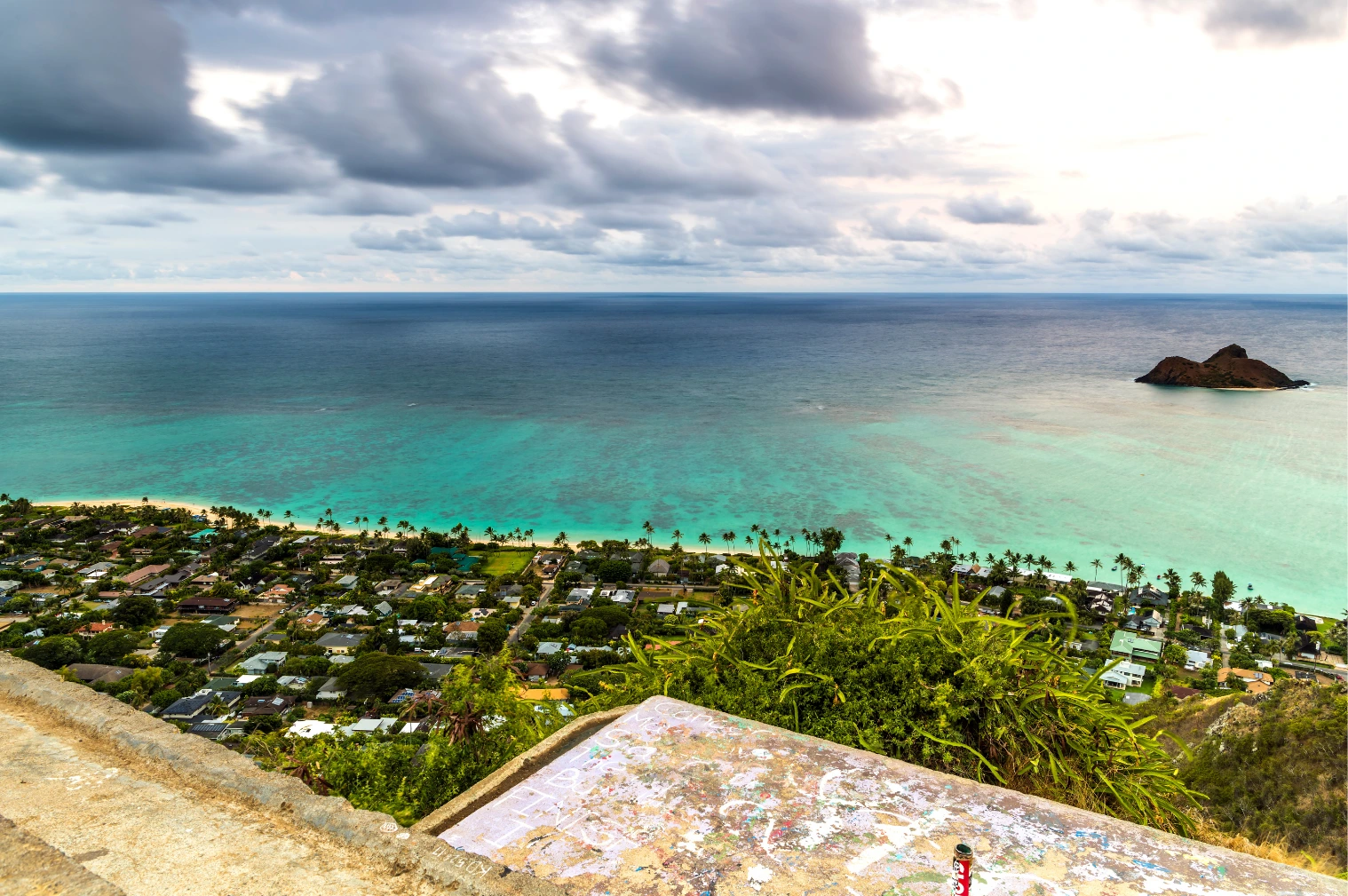
You don’t need a packed plan to enjoy the best things to do in Oahu. A clean loop, decent timing, and a little curiosity goes a long way. Start with sunrise on the east side where the light hits the Koʻolau ridgeline first and the trade winds keep you honest. Pop up to a short lookout trail around Lanikai or Makapuʻu if you want big views without a full-on hike. Bring reef-safe sunscreen, extra water, and a small trash bag. Oʻahu rewards the travelers who leave places better than they found them.
Late morning, go coast to coast. If you’re driving the North Shore, roll the windows down through the eucalyptus and wet earth smell near the mountain passes, then aim for shrimp and something cold. Garlic shrimp is the obvious move, but the real win is eating it with sandy feet and no schedule. When you see a shave ice line that isn’t a circus, stop. Get mac nut or lilikoi if they have it.
For ocean time, keep your ego out of it. Snorkel only when it’s calm, especially on the North Shore in winter and anywhere with strong currents. If it’s choppy, swap in tidepools, a beach walk, or just sit and watch sets for a while. Surf looks better from the sand than from a rescue report.
If you want the day to run smoother without micromanaging logistics, Oʻahu has plenty of small-group tours with pickup that make sense, especially for first-timers. Viator options often come with instant confirmation, verified reviews, and free cancellation up to 24 hours before, and many let you reserve now and pay later. The convenience factor is real when parking is tight and you’d rather spend the morning staring at the water than staring at Google Maps.
End with a westward sunset. Pick a spot with room to breathe, stay a little longer than you planned, and let the island quiet down. Slow down, stay safe, savor.

Waikiki: BYOB Sunset Cruise
Hawaii is well known for its majestic sunsets, and there is truly no better way to experience it than on…

Honolulu Haunts and Hauntings Ghost Tour
Experience a thrilling journey through the haunted streets of Honolulu with our top-rated walking ghost tour, the most acclaimed in…

Waikiki Glass Bottom Boat Cruise
Experience the beauty of Oʻahu South Shore as we sail toward Lēʻahi (Diamond Head) aboard the spacious Haleiwa Queen, a…

Honolulu Night Marchers Ghost Tour
Undisputed #1 Ghost Tour, 2023-2025, as chosen by USA Today’s 10Best Readers’ Choice Awards! Take a tour with Lopaka Kapanui,…

Downtown Honolulu Food Tour with 5 Local Favorites Tastings
Dive into the enchanting blend of cultures and flavors that define Honolulu's iconic Waikiki neighborhood. Nestled against the backdrop of…

Parasailing Experience in Waikiki, HI
Experience the thrill of Oahu parasailing on this unforgettable 1-hour adventure from Waikiki. Soar up to 1,000 feet above the…