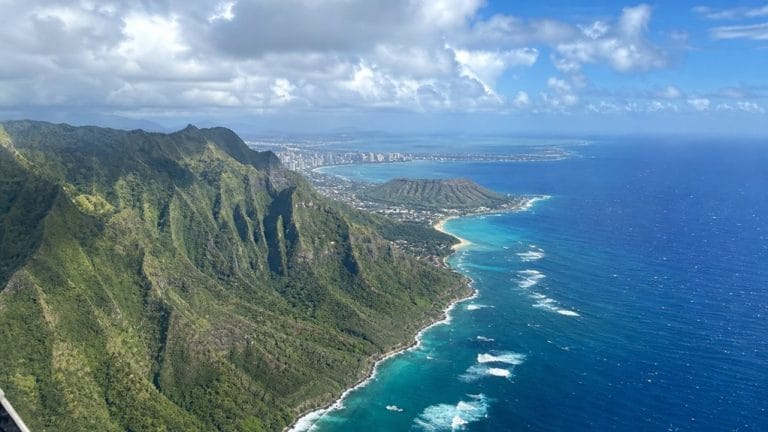
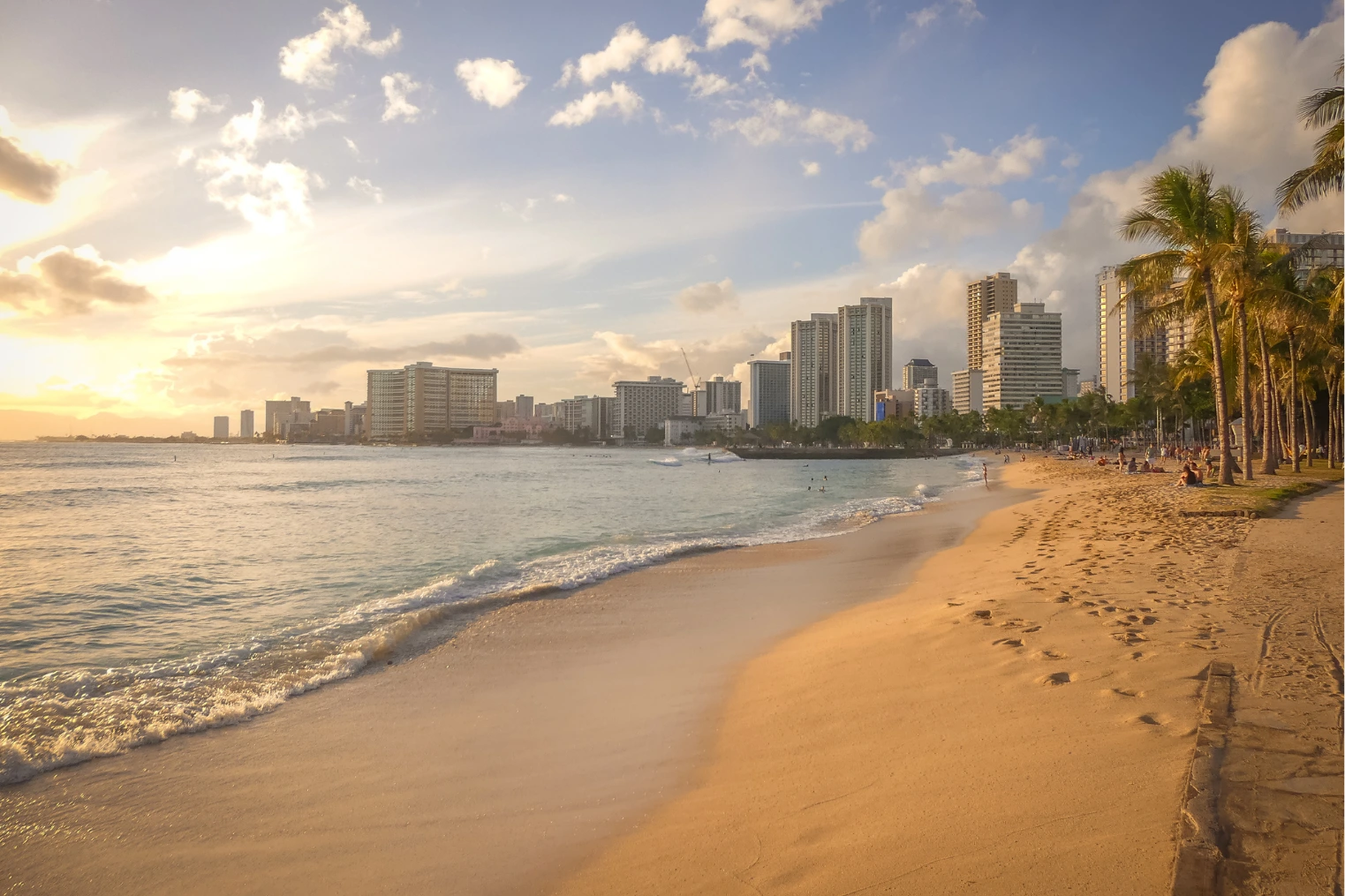
You set out from the Duke Kahanamoku statue before dawn, the sand cool, Kalākaua Avenue still half asleep, and watch Waikiki curve toward the dark outline of Diamond Head. If you time it right, sunrise catches you near Kapahulu Groin, then you follow the firm shoreline past historic hotels, market stalls, and sunset viewpoints that most day‑trippers miss. To make that perfect arc from first light to last glow, you’ll need a smart route.
Key Takeaways
- Begin at the Duke Kahanamoku statue before sunrise, walking barefoot east toward Kapahulu Groin for wide, unobstructed dawn views.
- Continue south along the shoreline toward Kapiʻolani Park, tracing the curve of Waikiki with Diamond Head gradually filling your frame.
- Pause at hotel-front boardwalks and plaques for historic context while keeping three to five pinned photo spots to limit constant stopping.
- Time your sunset return walk west along the hard-packed sand, ending near Duke’s Lagoon for golden-hour reflections and city-light photos.
- Visit on weekday mornings in April–May or September–October, checking tide and sunset times to avoid crowds and maximize walkability.

Waikiki Sunset Cocktail Sail on the Moana Catamaran
All aboard! There is no better place to be during Oahu’s magnificent golden sunsets than on our Waikiki Sunset Cruise, an unmatched experience compl...

Waikiki 2 Hour Sunset Sailing Catamaran Swim and Sail Adventure
There’s no better place to take a dip than the crystal-clear waters of Waikiki—and no better way to experience a...

Waikiki Glass Bottom Boat Cruise
Experience the beauty of Oʻahu South Shore as we sail toward Lēʻahi (Diamond Head) aboard the spacious Haleiwa Qu...
Plan Your Waikiki Sunrise-To-Sunset Route
Before the sun even thinks about rising over Waikiki, you should sketch out your route so the day flows instead of frays.
Map sunrise, shade, lunch, swim, and sunset points on one simple loop. Plan an early coffee near your hotel, then pin three to five photo hotspots so you’re not stopping every twenty steps.
Check tide times and sunset around 6 to 7 pm, depending on season.
Recommended hotels for this trip
Compare well-reviewed stays from our destination hotel guides, then check live availability for your dates.
 Featured stay
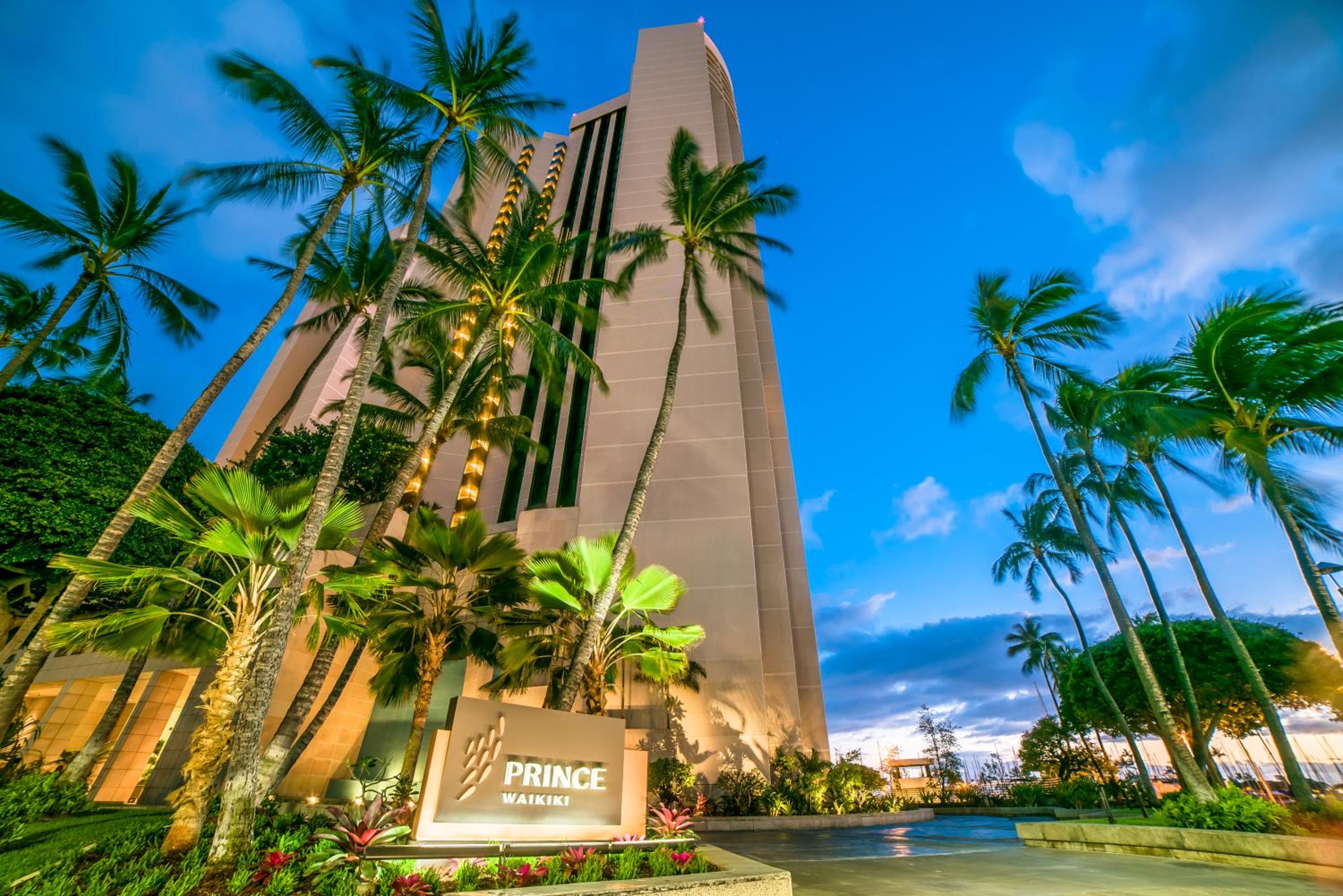
 Prince Waikiki
- Free WiFi
- Non-smoking rooms
- Air conditioning
Well suited to couples seeking ocean views, families who want two-queen rooms or multiroom suites, convention visitors, and travelers who value pools and on-site dining. It may be less appealing if you want to step directly…
 Guest favorite
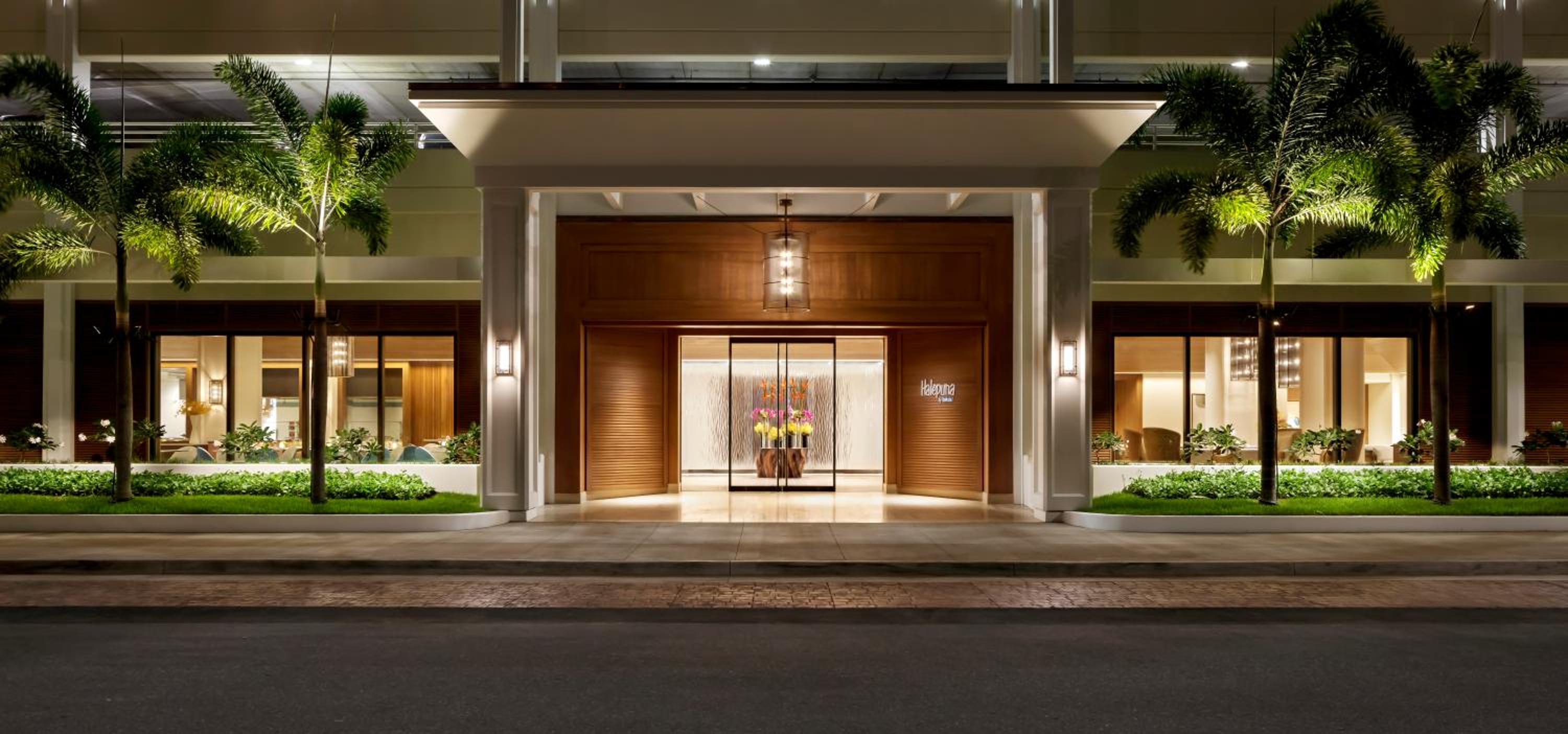
 Halepuna Waikiki by Halekulani - NO RESORT FEE
- Free WiFi
- Non-smoking rooms
- Air conditioning
You are likely to appreciate Halepuna if you want an upscale, relatively serene stay near Waikiki Beach, restaurants, and shopping, but do not need a beachfront resort campus. Couples and solo travelers can prioritize the king…
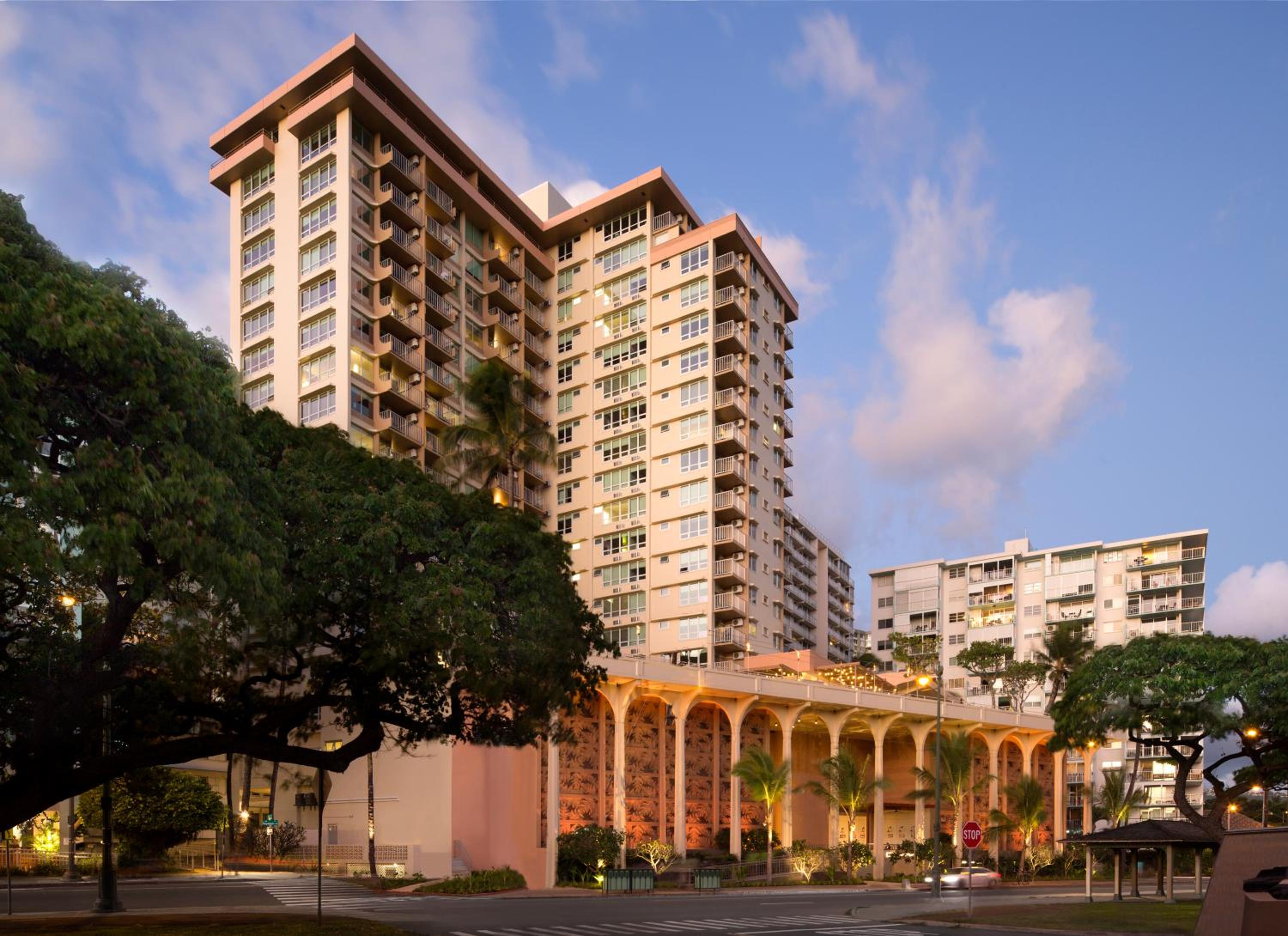 Guest favorite
 Queen Kapiolani Hotel
- Free WiFi
- Non-smoking rooms
- Air conditioning
You are likely to appreciate this hotel if location, Diamond Head scenery and easy access to the beach matter more than having a quiet resort compound. Double-queen rooms and larger suites can suit families, while studios…
Pack light: reef-safe sunscreen, water flask, quick-dry towel, phone power bank. Skip bulky chairs.
If you dislike guesswork, a well reviewed Viator walking tour can frame your day without any stress.
For a calmer experience, time your walk for weekday mornings during the shoulder season months of April–May or September–October, when Honolulu feels noticeably less crowded than peak summer and winter holidays.
Walk Waikiki Beach: Step-By-Step From Dawn To Dusk
With your route sketched out, it’s time to walk Waikiki from first light to last glow. You leave sandals by the Duke statue, feel cool sand underfoot. Surf rolls in, paddlers slide past, watching for ocean wildlife. You move south, tracing the curve toward Kapiolani Park and Diamond Head’s outline. As you near the park, you’re walking the same open shoreline that once welcomed horse-drawn trams bound for Kapiʻolani Regional Park, a free public landscape dedicated by King Kalākaua in 1877.
| Moment | Feeling |
|---|---|
| Dawn | Hope |
| Afternoon | Ease |
| Sunset | Gratitude |
You pause at historic landmarks between hotels, read a plaque, then follow the hard-packed shoreline back, feet sandy, legs tired yet deeply content inside.
Best Times, Viewpoints, And Local Waikiki Tips
Often the best moments on Waikiki aren’t the swims or luaus, but how you time your day and where you stand to watch it unfold. Avoid big buses crowding sidewalks.
Waikiki’s magic is in slow mornings and quiet corners, not crowded tours or ticking itineraries
- Catch sunrise near Kapahulu Groin around 6 am in winter, 5:45 in summer; bring a light jacket and coffee.
- Hit morning markets behind Kuhio Avenue for local food and cheap fruit before crowds.
- Schedule surf lessons midmorning when winds stay gentle; skip midday glare.
- Use trolley stops at Duke’s Lagoon and Kapiolani Park to hop viewpoints without costly Ubers.
- If you want to venture farther one morning, time your trolley or rideshare so you can reach the Makapuu Lighthouse Trail gate right at opening for a cooler, less crowded coastal walk and potential winter whale sightings.
Frequently Asked Questions
Is the Waikiki Beach Sunrise-To-Sunset Walk Suitable for Children and Strollers?
Yes, you’ll find the Waikiki sunrise‑to‑sunset walk works well for kids and strollers, with a mostly flat, paved, family friendly path, frequent stroller friendly spots, restrooms, shade, and easy exits back to hotels if needed.
What Should I Pack for a Full Sunrise-To-Sunset Day at Waikiki Beach?
You’ll pack reef safe sunscreen, hat, sunglasses, quick‑dry towel, swimsuit cover‑up, reusable water bottle, snacks for a beach picnic, light jacket, phone dry bag, cash, sandals, book, and first‑aid kit for Waikiki all day long.
Are There Accessible Restroom and Shower Facilities Along the Waikiki Beach Walk?
Yes, you’ll find accessible facilities, about one every half-mile, so you rarely walk far. Use beach maps to spot restroom locations near Duke’s, Queen’s, and Kapiolani Park. Outdoor shower availability sits beside most access paths.
Can I Safely Walk Waikiki Beach at Night After Sunset?
You can usually walk Waikiki Beach safely after sunset, but you should stay alert, stick to lit paths, avoid isolated areas, respect personal safety basics, and stay aware of lively local nightlife crowds and alcohol.
Are There Guided Tours That Follow a Similar Sunrise-To-Sunset Waikiki Route?
Yes, you’ll find guided sunrise and sunset photography walks that loosely trace that route; you join small groups, hear historical walking commentary, discover viewpoints, and safely cover shoreline sections you might skip alone at night.
Conclusion
By the time Waikiki’s lights flicker on, you’ve walked its curve from cool, empty dawn sand to warm, crowded sunset blankets. Morning joggers become fire-dancers, quiet reef fish give way to busy cocktail decks. You know when to skip pricy beachfront bars, where to grab a $5 coffee, and how little you really need: reef-safe sunscreen, water, phone. Tomorrow, you’ll recognize this shoreline like a local, not a brochure, after just one long, glorious walk.
Waikiki Sunset Cocktail Sail on the Moana Catamaran
All aboard! There is no better place to be during Oahu’s magnificent golden sunsets than on our Waikiki Sunset Cruise, an unmatched experience compl...

Paina Waikiki Luau at Waikiki Beach Marriott
Everything that makes renowned Waikiki, Oahu, a unique and exciting place is celebrated at Pāʻina Waikīkī!A u...
Waikiki 2 Hour Sunset Sailing Catamaran Swim and Sail Adventure
There’s no better place to take a dip than the crystal-clear waters of Waikiki—and no better way to experience a...
Waikiki Glass Bottom Boat Cruise
Experience the beauty of Oʻahu South Shore as we sail toward Lēʻahi (Diamond Head) aboard the spacious Haleiwa Qu...