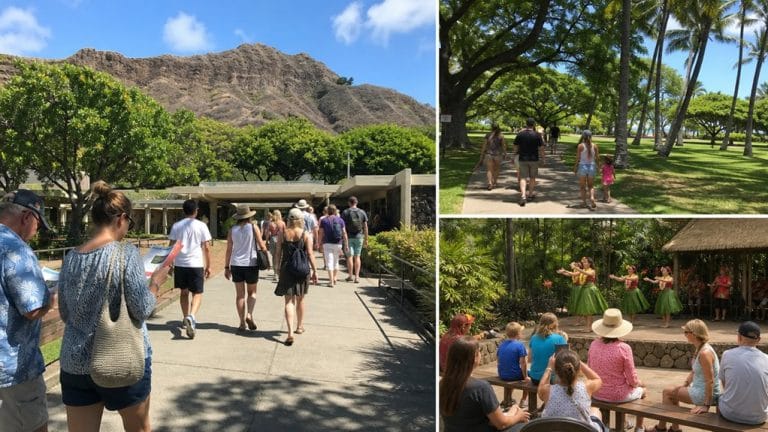
If you time it right, Waikiki’s parades and festivals can feel magical instead of maddening. Kalākaua Avenue often shuts down in stages, so you’ll want to know where the route runs, when police close the cross streets, and which sidewalks fill first. Arrive early, pack light, and pick your viewing spot with sunset, shade, and restrooms in mind. Do that, and you can skip the chaos and focus on what actually makes these events worth your evening.
Key Takeaways
- Most Waikiki parades close Kalakaua Avenue from Ala Moana Boulevard through central Waikiki; expect staged cross-street blockages and heavy pedestrian congestion.
- Arrive 45–60 minutes early; Duke Kahanamoku statue area offers iconic views, while the Honolulu Zoo end is less crowded.
- Check the city parade calendar and your hotel’s closure map two days prior; park mauka of Kalakaua and walk in.
- Travel light with a compact mat, water, hat, and light rain shell; avoid bulky chairs and coolers for easier movement in crowds.
- Consider TheBus detours, Waikiki double-decker buses, or Viator viewing packages for car-free access and less stress during road closures.

Paina Waikiki Luau at Waikiki Beach Marriott
Everything that makes renowned Waikiki, Oahu, a unique and exciting place is celebrated at Pāʻina Waikīkī!A unique dinner party lūʽau setting...
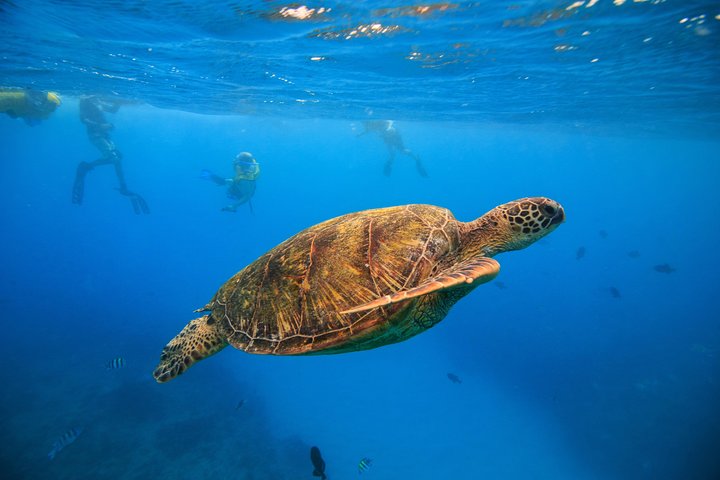
Waikiki Turtle Canyon Guided Snorkel: Turtle Guarantee
Choose Viator’s most-reviewed Turtle Canyon snorkel tour, with more than 4,800 traveler reviews and an experienced...

Waikiki 2 Hours Friday Night Fireworks Catamaran Cruise
Enjoy the spectacular FRIDAY NIGHT FIREWORKS show along the beautiful coastline of Waikiki while we get up close and...

Waikiki Sunset Cocktail Sail on the Moana Catamaran
All aboard! There is no better place to be during Oahu’s magnificent golden sunsets than on our Waikiki Sunset Cru...
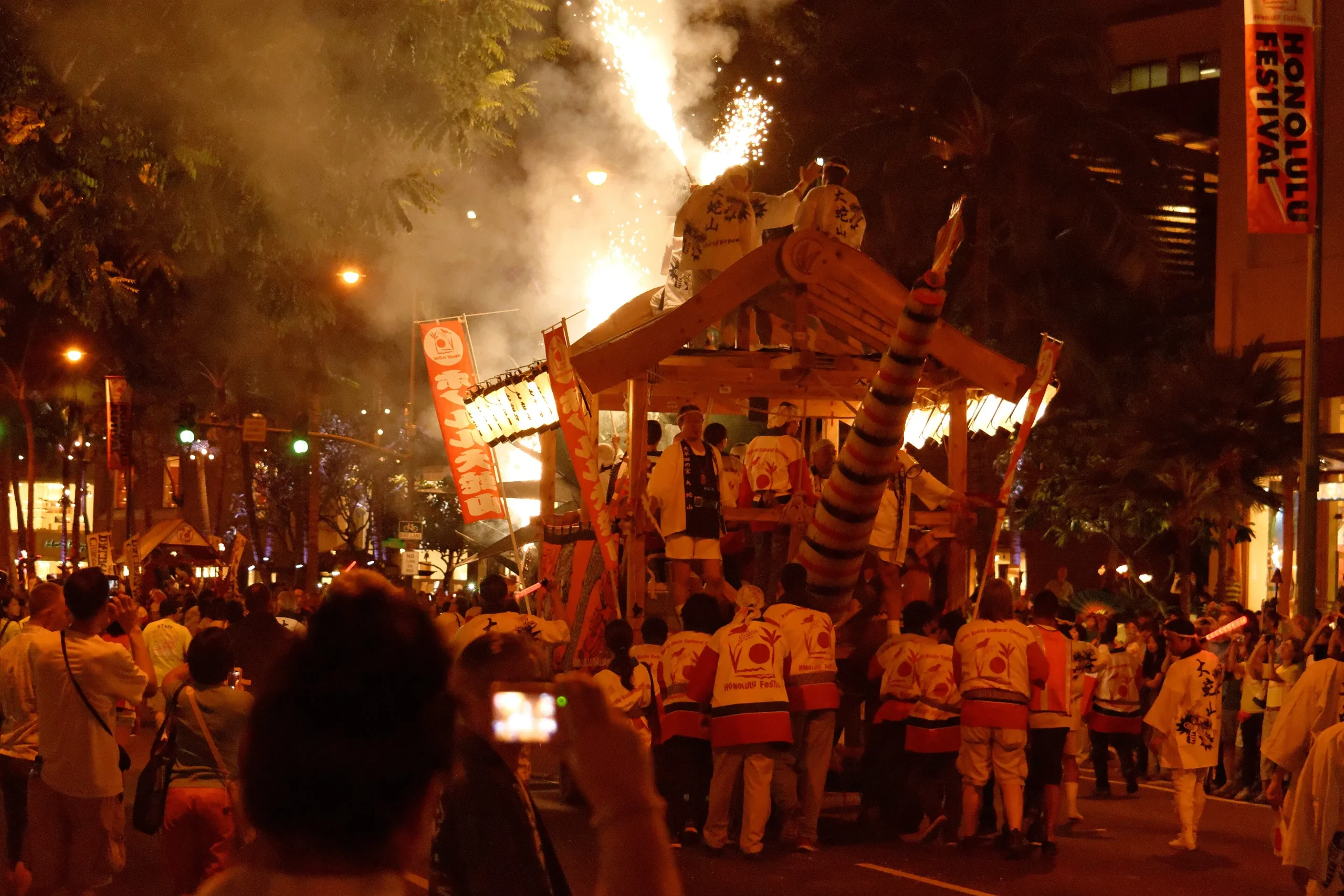
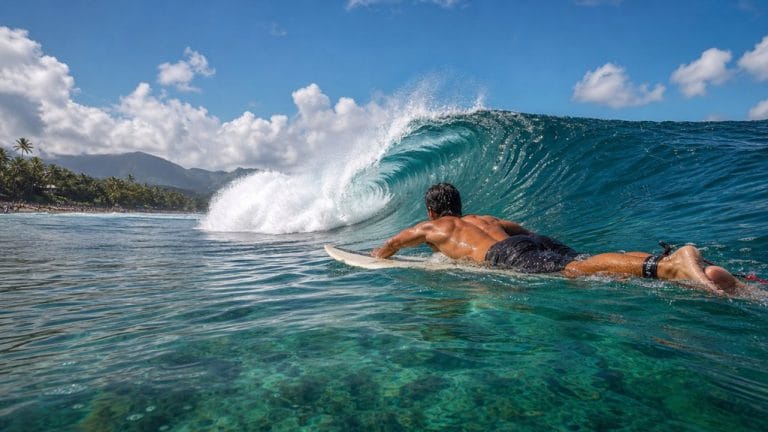
Common Waikiki Parade Routes and Road Closures
On many weekends in Waikiki, Kalakaua Avenue turns from a busy seaside drag into a full parade stage, and traffic follows a very different script. You’ll usually see lanes closed from Ala Moana Boulevard through the heart of Waikiki, with cross streets blocked in stages so emergency access stays open. Police and volunteers redirect cars, so you’re better off using public transit or walking from your hotel. If you’re staying farther out, consider hopping on the Waikiki Double Decker Bus to bypass some closures and still enjoy oceanfront views. Expect city buses to detour and run slower. Side streets fill with every kind of sidewalk vendor, all operating under local permits, so sidewalks feel tight. Plan extra time to reach beaches or dinner, carry water, and skip driving yourself unless your hotel garage has a clear exit route. Check hotel notices for closure maps and updates.
Best Times and Viewing Spots for Waikiki Parades
If you time it right, Waikiki’s parades feel less like a traffic hassle and more like a front‑row street festival. Aim to arrive 45 to 60 minutes before start time, earlier on weekends or holidays. Kalakaua Avenue near the Duke Kahanamoku statue gives classic surf and palm backdrops, though it fills fast. For easier breathing room, walk toward the Honolulu Zoo end of the strip. Many parade routes run along the same corridor highlighted on most Waikiki map guides, so it’s easy to pair your viewing spot with nearby beaches and restaurants.
Evening parades reward you with sunset vantagepoints,local foodstands, and cooler air. Grab simple picnic supplies, water, and a light rain shell. Skip bulky chairs; a compact mat works better on crowded sidewalks. If you hate staking out space, consider a Viator viewing package with hotel pickup, verified reviews, and reserve now pay later. Expect moderate crowds but friendly energy.
Major Waikiki Parades and Festivals by Season
Even though Waikiki feels busy year‑round, its parade and festival calendar shifts with the seasons, so your experience can look very different in March than in October. Winter brings holiday parades along Kalakaua Avenue, with twinkling floats, school bands, and sunset skies; you’ll want a light jacket for breezy evenings. Spring focuses on floral pageantry, including Lei Day seasonal festivals where you watch intricate lei contests and relaxed cultural performances in beach parks. These spring festivities align with the Waikiki in March season, when weather is generally warm, crowds are moderate, and it’s easy to pair parades with beach time and outdoor activities. Summer is peak spectacle, from King Kamehameha and Prince Lot parades to hula showcases that fill the air with pahu drums and roasted garlic shrimp. Autumn leans into Aloha Festivals, spooky Halloween strolls, and occasional sporting parades. Check dates early and skip smaller repeats if time is tight for other Waikiki adventures.
Waikiki Parade Parking, Traffic, and Crowd Strategies
Parade season in Waikiki looks magical from the sidewalk, but from a car it can feel like a puzzle of roadblocks and brake lights. Plan around closures: check the city parade calendar two days before, then park mauka of Kalakaua and walk in. Hotel garages run $25–$45, public lots cheaper but fill an hour before start time. Skip circling; use metered shuttles from Ala Moana or Kapahulu if your hotel offers them. For a car-free option, learn how navigating Waikiki TheBus can help you bypass closures and reach viewing spots with less stress.
Arrive early, claim shady picnic zones in Kapiolani Park, and travel light: water, hat, small mat, no bulky cooler. After the last float, wait thirty minutes before moving; traffic thins fast. If you hate logistics, some Viator parade-viewing tours bundle seats and transport with verified reviews, hotel pickup, free cancellation, and flexible.
Frequently Asked Questions
Are Waikiki Parades and Festivals Typically Free to Attend, or Are Tickets Required?
They’re usually free to attend, so you can just show up along the route. Sometimes you’ll encounter ticketed events or community fundraisers that charge admission, usually for reserved seating, meals, or exclusive after-parties nearby.
Can I Bring Pets to Waikiki Parades and Festival Areas?
You can usually bring leashed pets, but rules vary by event; about 60% of major Waikiki gatherings restrict animals, while trained service animals always qualify. Follow strict pet etiquette, clean up, and avoid crowd zones.
What Accessibility Accommodations Exist for Visitors With Mobility Challenges During Parades?
You’ll find wheelchair seating zones, accessible viewing platforms, and paved route maps; you can request curb ramps, use ride share dropoffs near barricades, and ask volunteers or HPD officers for assistance locating designated access points.
Are There Restrictions on Chairs, Coolers, or Tents Along Waikiki Parade Routes?
You’ll face restrictions on chairs, coolers, and tents; city rules ban structures over three feet tall, and about 70% of beach gear gets checked by security, so review seating rules and use compact, movable items.
How Can Local Businesses Participate or Sponsor a Float in Waikiki Parades?
You contact parade organizers, request a sponsor application, and submit business details, logo, and fees. Then you coordinate float design with approved builders, follow safety guidelines, recruit volunteers, and promote participation online for added visibility.
Conclusion
Plan your Waikiki parade day like a local and you’ll skip most headaches. Arrive 45 to 60 minutes early, snag curb space near Duke or the zoo, and pack water, sunscreen, a light rain shell, and a small mat. Use TheBus or a hotel shuttle instead of hunting for pricey parking. Linger after the finale as Kalakaua reopens and the ocean glows, like a slow-fading spotlight on the whole strip, perfect for photos and snacks.
Paina Waikiki Luau at Waikiki Beach Marriott
Everything that makes renowned Waikiki, Oahu, a unique and exciting place is celebrated at Pāʻina Waikīkī!A unique dinner party lūʽau setting...
Waikiki 2 Hours Friday Night Fireworks Catamaran Cruise
Enjoy the spectacular FRIDAY NIGHT FIREWORKS show along the beautiful coastline of Waikiki while we get up close and...
Waikiki Sunset Cocktail Sail on the Moana Catamaran
All aboard! There is no better place to be during Oahu’s magnificent golden sunsets than on our Waikiki Sunset Cru...
Waikiki Turtle Canyon Guided Snorkel: Turtle Guarantee
Choose Viator’s most-reviewed Turtle Canyon snorkel tour, with more than 4,800 traveler reviews and an experienced...