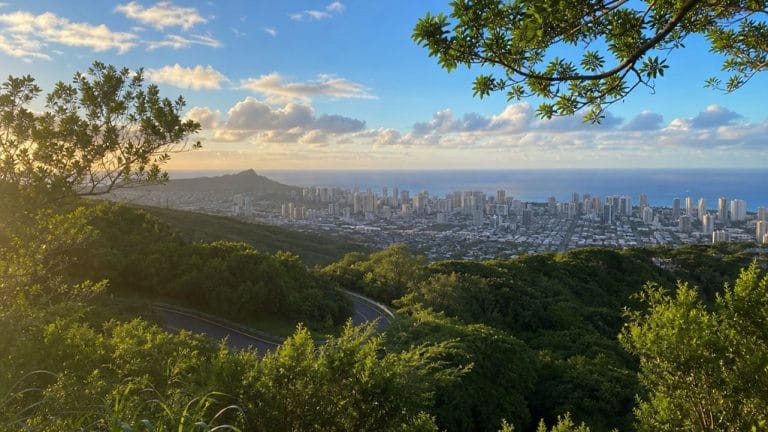
There’s a moment on a good whale watch when everyone on the boat goes quiet. You see the spout first, then a dark back rolling up like a moving island, then the ocean erupts and someone starts yelling “there!” while trying to point and film at the same time.
That’s the magic of Waikiki whale watching in winter. The trick is booking the right week and the right boat so you get the fun version, not the crowded, bouncy, why-did-I-eat-a-big-breakfast version.

Oahu Catamaran Snorkel Tour: See Turtles 100% Guaranteed
Experience one Viator's 2025 Top 20 Best Excursions in the country. This Oahu Catamaran snorkel tour offers unbeatable value and family-friendly fun f...

Waikiki Glass Bottom Boat Cruise
Experience the beauty of Oʻahu South Shore as we sail toward Lēʻahi (Diamond Head) aboard the spacious Haleiwa Qu...
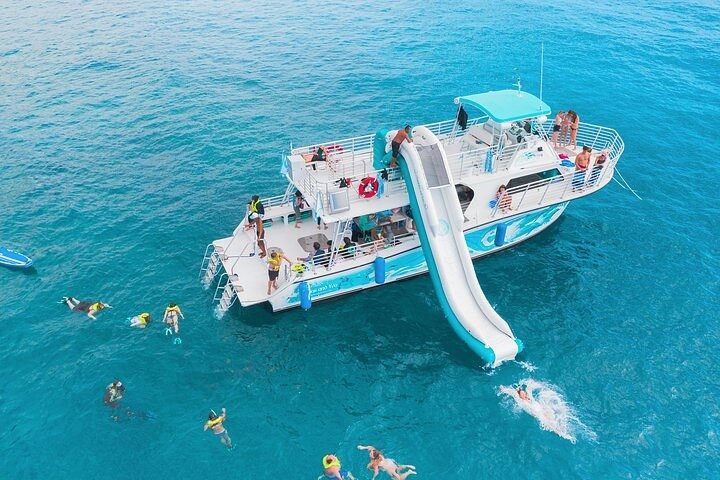
Oahu Dolphin and Snorkel Tour with Waikiki Pickup & Lunch
Join one of Oahu’s most popular ocean adventures and experience why over 300,000 guests have fallen in love with t...

Waikiki: 2-hour Turtle Canyon Snorkeling Adventure
Join us for a 2-hour snorkeling adventure at Turtle Canyon, one of Oahu’s top snorkeling spots! Cruise along the s...

Best weeks for Waikiki whale watching
Humpback whales are generally seen in Hawaii from November through April, and the peak season is January through March.
Hotels to compare for this guide
Compare a few stay options before you choose your base.

Waikiki Shore by OUTRIGGER
A beachfront condo-style Waikiki property near Fort DeRussy that fits travelers wanting kitchen access by the sand.
Check rates
Aston Waikiki Sunset
An apartment-style Waikiki property with kitchen-friendly suites near the beach and Kapiolani Park.
Check rates
Ocean Bungalows at Turtle Bay Resort
A high-end bungalow-style Turtle Bay stay for travelers seeking a more private North Shore luxury experience.
Check rates
Turtle Bay Villas by Gather
A beachfront Turtle Bay villa listing for travelers seeking a luxury North Shore condo-villa stay.
Check rates
Castle Waikiki Shore
A beachfront condo property with kitchen-equipped units in one of Waikiki’s most convenient beach locations.
Check rates
OUTRIGGER Reef Waikiki Beach Resort
A beachfront Outrigger resort with a strong location near Waikiki Beach Walk and a classic Hawaii vacation feel.
Check ratesIf you’re choosing dates and you want the highest odds of seeing multiple whales plus more surface activity, these are the most reliable windows:
- Late January to early March for the best overall chance of big sightings and consistent action
- Mid-December to early January for early season sightings, usually fewer whales but still very possible
- Late March into April for tail-end season, sometimes great, sometimes quieter
The other timing reality is daylight. Even in peak season, a calm morning can show more than a windy afternoon. If you only book one cruise, put your money on a morning departure.
Best boats for whale watching out of Waikiki
“Best boat” is really shorthand for “best boat for your group.” A calm cruise on a bigger boat can beat a smaller, faster ride if anyone gets seasick. A smaller group can beat a big deck if you hate crowds.
Big catamarans
Best for: families, mixed-age groups, anyone who wants stability and space
What they’re like:
- More stable, more room to move around, easier bathrooms
- Great for photos because you can spread out and find a clear view
- Often a more social vibe
If you want the easiest experience with the least drama, start here.
Mid-size cruise boats
Best for: comfort-first travelers, people who want seating and shade
What they’re like:
- Steady ride, lots of seating, more shade
- Good choice if the weather looks breezy
- Usually a quieter, more relaxed pace
These are underrated for people who get motion sickness.
Small rafts and fast boats
Best for: thrill seekers, strong sea legs, people who want fewer passengers
What they’re like:
- Faster and often closer to the waterline
- More spray, more bouncing, more wind
- Great when conditions are calm, rough when they’re not
If you’re picturing a calm, romantic cruise, this is usually the wrong choice. If you want adrenaline and you don’t get seasick, you’ll love it.
What you actually see on a Waikiki whale watch
Most trips are focused on finding whales, then hanging in the area long enough to watch behavior. Common things you’ll see:
- Spouts, which look like a burst of white mist on the horizon
- Breaches, when a whale launches and crashes back down
- Tail slaps and pectoral fin slaps
- Mom and calf pairs later in the season, which can be the most emotional sight of the whole trip
Some days are fireworks. Some days are quieter, with distant spouts and slow rolls. Either way, you’re watching wild animals, and that’s the point.
Morning vs afternoon cruises
If you’re debating times, pick morning unless your schedule forces otherwise.
Morning tends to win because:
- Wind often builds later in the day, which can make the ride choppier
- Light is cleaner for photos and easier for spotting spouts on the horizon
- Everyone feels fresher, and the boat vibe is calmer
Afternoon can still be great. If it’s the only slot you can do, I’d pick a bigger, steadier boat and eat light beforehand.

What to wear and bring
Whale watching out of Waikiki is warm, then suddenly cool, then warm again. The breeze on the water changes everything.
Bring:
- A light jacket or long sleeve for the ride back
- Sunglasses and sunscreen
- A hat that won’t fly off, or skip the hat
- A small water bottle you can hold comfortably
Wear:
- Something casual that can handle salt spray
- Shoes or sandals with decent grip
- A hair tie if you have long hair
If you’re prone to seasickness, do not show up hungry or stuffed. Eat something small, hydrate, and grab a seat near the middle of the boat.
Whale viewing rules you should know
There are federal approach regulations around humpback whales in Hawaii. It’s illegal to approach within 100 yards by any means, and there are also restrictions for aircraft within 1,000 feet.
Good operators follow this closely. As a passenger, the main thing you can do is keep expectations realistic. You’re not chasing whales. You’re observing them safely, and the best crews know how to position a boat so whales can pass naturally without getting crowded.
How to choose a tour that matches your vibe
When you’re scanning tour listings, look for clues that tell you what the experience will feel like.
Pick a tour that mentions:
- Smaller groups if you want quieter and less crowded rails
- Shade and seating if comfort matters
- Longer time on the water if you want more chances to spot whales
- A family-friendly focus if you’re bringing kids
If you’re booking through Viator, it’s useful for comparing boat types side-by-side and filtering by group size. Most listings also offer reserve now, pay later and free cancellation up to 24 hours before start time, which is perfect for winter trips where you might pivot plans based on weather.
Easy ways to pair whale watching with the rest of your trip
This cruise fits beautifully into a Waikiki week because it doesn’t consume your entire day.
Two pairings that work:
- Whale watch in the morning, beach and food in the afternoon
- Whale watch one day, then do a full island day trip on another
If you’re planning a full North Shore day, whales are often visible from shore lookouts in winter too, and it’s a fun bonus when you’re already exploring. My North Shore day trip from Waikiki guide maps out a realistic day so you’re not driving in circles.
If your goal is more “romantic ocean time” than wildlife, you might prefer a Waikiki sunset cruise instead, then keep whale watching as the daytime adventure.
Final thoughts
Waikiki whale watching is worth it when you book the peak window, choose a boat that matches your sea legs, and keep your expectations grounded in nature instead of guarantees. Aim for late January through early March, go in the morning if you can, and you’ll give yourself the best shot at the kind of cruise people talk about for the rest of their trip.
Near the end of planning, remember the simple version: for Waikiki whale watching, the best weeks are in the heart of winter, and the best boat is the one that keeps your group comfortable enough to actually enjoy the whales.

Oahu: Full or Half Day Grand Circle Island Tour
Choose from two exciting ways to experience Oahu's top attractions, scenic beauty, and local culture.Option 1: Dole Plantation & Haleiwa Town (6.5 H...

Oahu: Grand Tour Around Island with Snorkeling
Come join on a circle island adventure led by some of Hawaii’s most knowledgeable local guides and experience brea...

Toa Luau at Waimea Valley, Oahu
Toa Luau invites you to immerse yourself in the beauty and excitement of Polynesia on Oahu’s historic North Shore!...

Parasailing Experience in Waikiki, HI
Experience the thrill of Oahu parasailing on this unforgettable 1-hour adventure from Waikiki. Soar up to 1,000 feet...
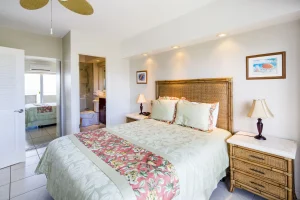
Waikiki Shore by OUTRIGGER
A beachfront condo-style Waikiki property near Fort DeRussy that fits travelers wanting kitchen access by the sand.
Check rates
Oahu: Mauka Warriors Luau Honoring Polynesia's Forgotten History
Step into the vibrant heart of Hawai‘i and experience a luau like no other—where culture, history, and celebration come alive under the island sky...

Oahu Shark Dive on the North Shore
Book the Oahu Shark Dive for a thrilling shark encounter off the North Shore. You’ll travel by boat from Haleiwa Harbor, then view sharks from a sec...