Maybe the theory is true: you can see Waikiki Zoo’s best animals in two hours if you move with purpose. You’ll want to arrive at 10, grab a map, and head straight for flamingos, waterbirds, and the aviaries while the paths still feel quiet. Then you can pivot to reptiles and the savanna stars like elephants, giraffes, and rhinos before the sun gets bossy. The trick that makes it work is simpler than you’d think.
Key Takeaways
- Arrive at the 10:00 AM opening and check the app, map, or gate signs for keeper talks, feedings, and any exhibit closures.
- Start on the Africa Savanna Loop to see elephants, giraffes, rhinos, and lions early, when animals are usually most active.
- Spend about 10–15 minutes at giraffes, 5–10 minutes at rhinos, and keep a steady pace to finish highlights in two hours.
- Visit the entrance waterbird pond and Aviary Row early for flamingos, swans, birds-of-paradise, and better bird activity before heat builds.
- Head to the Ectotherm Complex before 11:30 AM to catch basking reptiles and tortoises, and allow extra time for walking and photos.
Waikiki: Turtle Canyon Snorkel Adventure on Oahu
Enjoy an exclusive snorkeling adventure in Waikiki with small group sizes for a comfortable and VIP experience. You get up-close views of Hawaii’s v...
Know if a 2-Hour Honolulu Zoo Visit Works
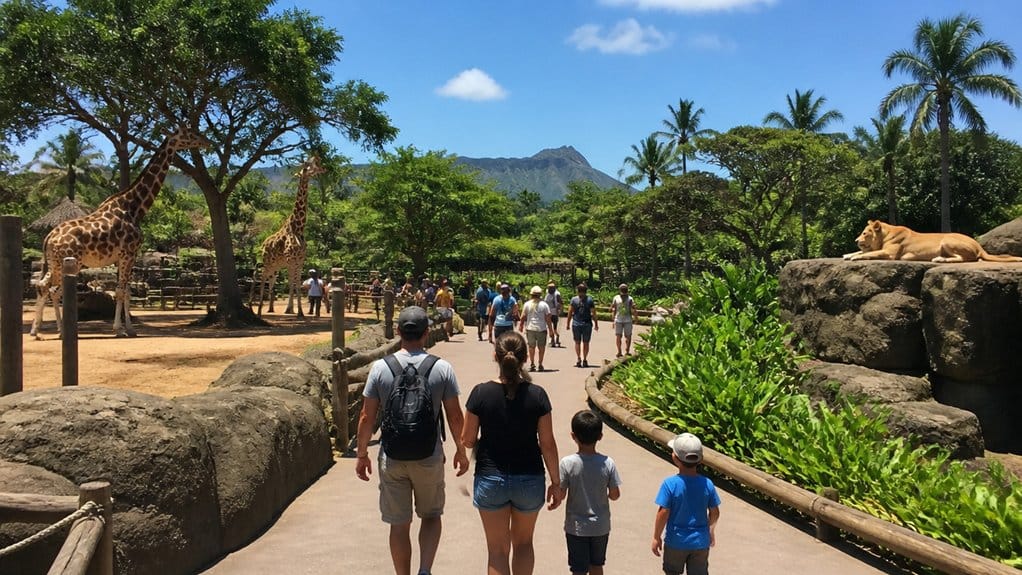
If you’re wondering whether two hours is enough at the Honolulu Zoo, the short answer is yes. You can cover this 42-acre zoo in about one to two hours, and many visitors finish in roughly an hour when they keep moving. That makes a short visit realistic, not rushed.
To make those two hours count, you’ll want a simple plan. Pick the signature areas and give yourself five to ten minutes between exhibits for walking, photos, and the occasional pause when a bird starts shrieking like it owns the place. At the Honolulu Zoo, a focused route lets you enjoy big animals, bright aviaries, and reptile yards without feeling pinballed around. If keeper talks or feeding views matter to you, check the daily schedule first and build around those timed moments carefully. If you have extra time nearby, Foster Botanical Garden is open 9:00 am–4:00 pm and offers another easy Honolulu nature stop.
Start at Honolulu Zoo Right at 10 AM
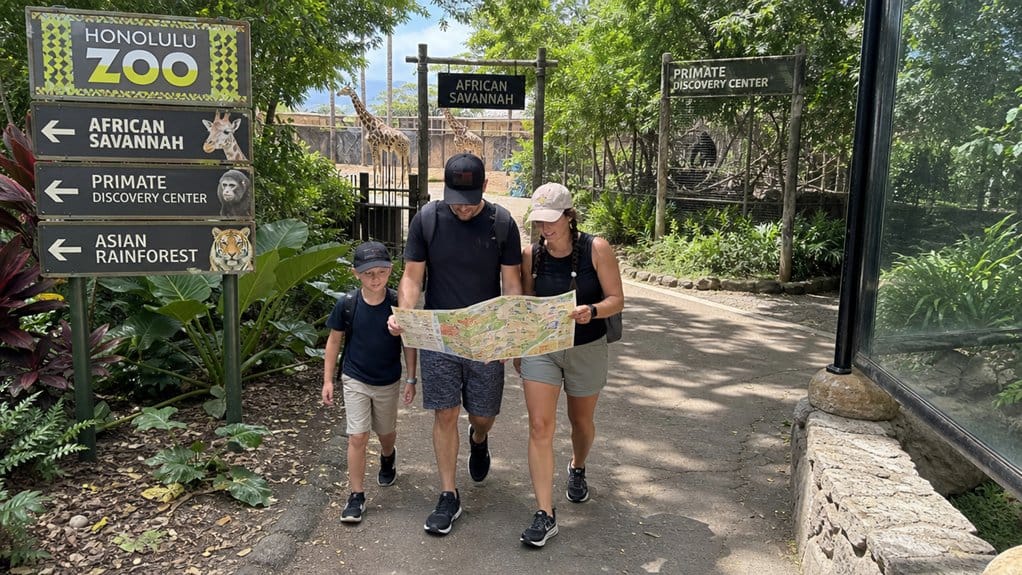
A two-hour visit works best when you hit the Honolulu Zoo right at the 10:00 AM opening and start with a clear route. Get to the gate a few minutes early so you’re inside fast and ahead of the line that can build at opening. Those first cool minutes matter.
From there, move with purpose. Follow the shaded paths near the entrance, then keep your pace steady toward the African Savanna and large mammal habitats while the air still feels mild. At the Honolulu Zoo, giraffes, rhinos, lions, and elephants often use more of their space in the morning, which gives you better odds for wide, active views. Within your first hour, swing by the aviary row and bird-of-paradise exhibits. Then aim for reptiles and tortoises before 11:30 AM.
See Flamingos and Hawaiian Waterbirds First
Head straight to the main waterbird pond near the entrance, where flamingos, Black Swans, Mandarin Ducks, and Hawaiian Stilts are often most active right when the zoo opens at 10:00 AM. Give yourself 10 to 20 minutes to catch the flamingos feeding, scan the mixed flocks, and stroll the nearby aviaries for Hawaiian waterbirds like Laysan Teal. Check the signs for quick species notes, and if you want sharper photos or a closer look, peek at the feeding schedule because the birds don’t always pose on command. Before you go, use a quick 3-step booking process to reserve Honolulu Zoo tickets and save time at entry.
Flamingo Viewing Strategy
Start at the main waterbird pond near the entrance and you’ll score one of the zoo’s best early wins. Arrive close to the 10:00 AM opening, when the scene feels lively and you can watch bright American flamingos beside other birds including African Sacred Ibis, Black Swan, and Rosy-billed Pochard. It’s an efficient first stop.
Give yourself 10 to 15 minutes here. Watch for feeding, preening, and those synchronized group pauses that make flamingos look oddly formal. Notice the pink tones, curved bills, and splashy reflections on the water. Then lift your eyes to the overhead trees and nearby aviaries. You may catch Crested Oropendolas and other small passerines in the same zone. If your clock is tight, snap a few photos and keep moving. This stop sets a fast, smart pace. If you’re planning snacks later, save time by knowing where to find Dole Whip on Oahu without a long wait.

Oahu Shark Dive on the North Shore
Book the Oahu Shark Dive for a thrilling shark encounter off the North Shore. You’ll travel by boat from Haleiwa H...

Oahu: North Shore Shark Cage Diving
Discover the open-ocean world of sharks on this unforgettable Oahu shark cage diving tour. More than just an adventu...

Waikiki 2-Hour Sunset Sailing Catamaran – Swim & Sail Adventure
There’s no better place to take a dip than the crystal-clear waters of Waikiki—and no better way to experience a...
Hawaiian Waterbird Stops
Usually, this is the smartest early move at Waikiki Zoo. Head to the main waterbird pond near the entrance right after 10:00 am. You’ll catch American flamingos, African sacred ibis, and maybe Crested Oropendolas rustling overhead like feathered stagehands. Give this stop 10 to 15 minutes.
| What to spot | Why it matters |
|---|---|
| Black Swan, Mandarin Duck | Fast early sightings |
| Rosy-billed Pochard, Ringed Teal | Adds more bird species |
| Laysan Teal, Hawaiian Stilt | Watch for native highlights |
Use the nearby map and signs to identify Roseate Spoonbill and Scarlet Ibis, then plan your route through the aviary row. Check signage for temporary closures too, since this pond area may shift during wetlands aviary work. Early visits usually mean more motion, more calls, and better luck. If you’re pairing this zoo route with another nearby wildlife stop, the Waikīkī Aquarium is located at 2777 Kalakaua Avenue and is open daily from 9:00 a.m. to 4:30 p.m.
Hit Honolulu Zoo’s Aviary Row Early
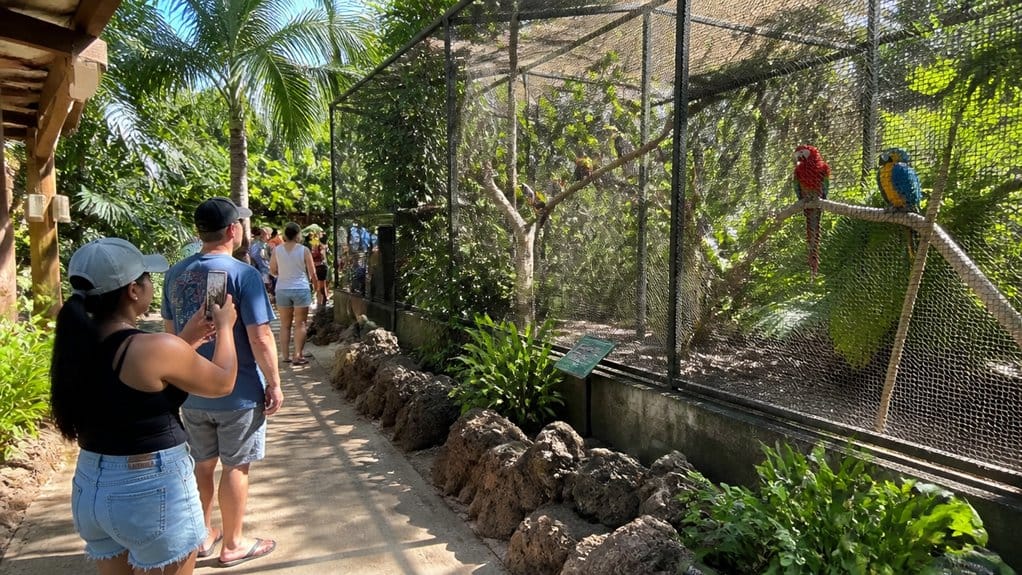
Get to Honolulu Zoo right at the 10:00 AM opening and make Aviary Row your first stop, because the birds are easier to spot before the heat and crowds settle in. You’ll have your best shot at seeing flashy Birds-of-Paradise, the huge Victoria Crowned Pigeon, and even nearby bonus species as you move past the ponds and planted enclosures. Check the map or app when you walk in, then give yourself 15 to 25 minutes here so you don’t miss the row’s quiet early action.
Arrive Before Crowds
Ideally, you’ll arrive right at the zoo’s 10:00 AM opening, or even a few minutes early, so you can slip past the longest entry lines and catch Aviary Row before the day heats up. Arrive right at the zoo’s 10:00 AM opening (or a few minutes before) to avoid the large lines that form at opening and to catch birds active before midday heat.
Once you’re inside, check the map or app and head straight toward the entrance side of Aviary Row near the waterfowl pond. In the first 15 to 30 minutes, you’ll usually hear more calls and see more movement from birds-of-paradise, wrinkled hornbills, fairy bluebirds, and waterfowl. Bring water, a hat, and sunscreen because shade can be patchy. If you can, ask about keeper talks or feeding times at the front desk. If you’re also planning garden time on Oʻahu, Honolulu Botanical Gardens offers classes and recreational activities across five botanical gardens.
Spot Native Birds Early
Once you’re through the gate, make Aviary Row your first stop while the air still feels cool and the birds are busy. At 10:00 AM, you’ll catch more movement before the heat pushes everyone into shade. Look first for the nēnē in the open-topped yard. Then check the pond and boardwalk area for Laysan teal, Hawaiian stilt, and other local waterbirds.
Near the entrance aviaries, scan the overhead trees by the waterfowl display. Crested Oropendolas often perch there, along with White-rumped Shamas and Rose-ringed Parakeets. In the mixed-species aviaries, move slowly and watch the ground for White-throated Ground-Doves and the vivid Luzon Bleeding-heart. Ask a keeper about feedings or talks as soon as you arrive. It’s one of the smartest birding moves near Waikiki Beach, honestly. Planning this stop as part of a focused Honolulu Zoo visit helps you keep the rest of your two-hour animal route on track.
Still comparing How See Top Animals At Waikiki Zoo 2?
Ask for tour ideas, hotel suggestions, or a simple trip plan that combines both.
Trip Helper
Visit Reptiles Before the Paths Get Busy
Starting with the reptiles gives your two-hour visit a smart, cool-headed opening. Arrive at 10:00 and head straight to the Ectotherm Complex, where diurnal reptiles often bask in clean morning light before heat and crowds push them into shade. Give this 2017 zone 15 to 25 minutes. You can spot Fijian Banded Iguanas, crocodile monitors, and the striking albino Burmese python.
Then swing by the gharial and turtle area while sightlines still feel open. The sandy gharial habitat and shared water with pig-nosed and yellow-spotted Amazon river turtles are easier to view early. Check the app or signs for feeding and enrichment, because monitors, giant tortoises, and hatchlings show more personality then. Bring water, wear a hat, and allow extra photo time around glare and mesh screens. If you want a quieter nature stop elsewhere on Oʻahu, Hoʻomaluhia Botanical Garden offers free admission and peaceful walking among geographically grouped plant collections.
Catch Birds-of-Paradise in Back Aviaries
From the reptile houses, make a beeline for the back aviaries while the morning still feels fresh. Honolulu Zoo keeps three birds-of-paradise species here, and early hours give you the best shot at seeing them active instead of sulking in leaves. Scan the tall planted enclosures slowly.
You can spot the male Raggiana by its blazing orange tail. The Magnificent stands out with a curly tail and a bottle-green throat patch. Keep an eye out for the Superb too, often tucked deeper in the foliage. Check signs or ask a keeper about feeding times or talks, since displays often spike then. If one aviary looks empty, don’t assume you’ve missed it. Construction or rotations happen, and staff can point you to another enclosure. Even a nearby King vulture can’t steal this show.
See Elephants, Giraffes, and Rhinos Fast
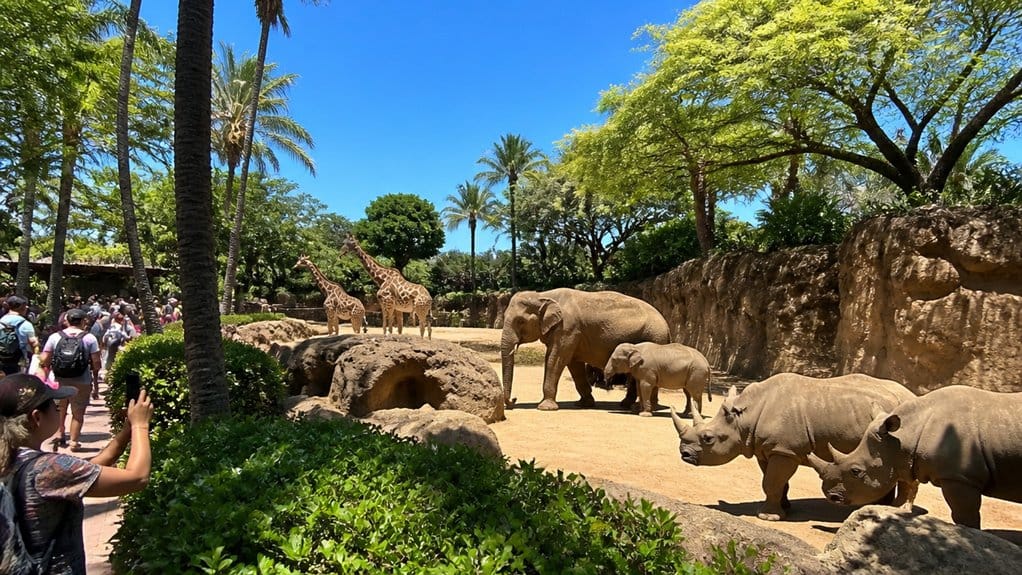
Start at 10:00 AM and make a beeline for the Africa Savanna so you catch the giraffes in the cool morning, when they’re often more active and easy to spot within 10 to 15 minutes. Then use the nearby loop to reach the elephant habitat fast, where big pools and the low splash of water make this stop feel especially worth your 15 to 20 minutes. From there, you can swing over to the rhinos in the same zone, keep an eye out for keeper talks, and still see all three heavy hitters comfortably within two hours.
Elephant Exhibit First
Head straight through the entrance and make a beeline for the zoo’s new $12-million Asian elephant exhibit, a 1.5-acre habitat with two 55,000-gallon pools and a 7,260-square-foot holding area. Definitely go near the 10:00 AM opening, when the elephants are more likely to be out, moving, splashing, and tossing dust instead of hiding in shade.
Check the posted feeding or keeper talk times, or ask a staff member, so you can catch an enrichment session and see more natural behavior. If you’re driving in, use Honolulu Zoo parking tips ahead of time so you can find a spot fast and still arrive close to opening. After the elephants, keep moving along the nearby Africa Savanna path for quick giraffe views without retracing your steps. Then continue the short loop to the rhino enclosure in the African mammals area. You’ll cover three headline animals in one compact circuit, which feels very efficient and a little smug, in the best way.

Honolulu: Pacific Star Sunset Dinner Cruise and Show
Indulge in the original Pacific Rim cuisine, where each dish serves as a gateway to the rich flavors of the region...

Honolulu: Three Star Deluxe Sunset Dinner Cruise and Show
As the sun sets over the Pacific, enjoy a luxurious Honolulu dinner cruise along the scenic coastline near Diamond H...

Oahu: Full or Half Day Grand Circle Island Tour
Choose from two exciting ways to experience Oahu's top attractions, scenic beauty, and local culture.Option 1: Dol...
Savanna Loop Strategy
Because the morning is cooler and the paths are still calm, the Savanna Loop works best right when the zoo opens at 10:00 AM. Start it as soon as you enter so you can move before the crowds spread out and the route gets busier. You’ll cover the biggest savanna stars fast and still have room for photos.
Go first to the Asian elephant complex. Watch the elephants near the 55,000 gallon pools and the 7,260 square foot holding area, where keepers sometimes set out enrichment. Then follow the marked Savanna Loop to the giraffe yard and give yourself 10 to 15 minutes. Check the app or gate signs for any keeper talks. Finish at the rhino habitat, where you can spend 5 to 10 minutes scanning shaded corners for them. If you’re pairing zoo time with a North Shore beach day, remember that Waimea Bay has lifeguards on duty while nearby Three Tables and Sharks Cove do not.
Best Viewing Times
At 10:00 AM, you’ve got the best shot at seeing Waikiki Zoo’s biggest mammals while they’re still moving through the cooler air instead of hiding in the shade.
- Arrive at opening for active elephants, giraffes, and rhinos.
- Start at the Asian elephant habitat and stay 10 to 15 minutes.
- Follow the Africa Savanna loop to catch giraffes and rhinos fast.
- Check the Zoo app or gate signs for feeding and keeper talks.
- Ask guest services about construction so you don’t chase closed exhibits.
You’ll beat the sticky heat and skip the sleepy early afternoon lull. Feedings often pull animals closer, which feels like a lucky shortcut. If you visit later, make your first hour late afternoon. Morning still wins though, especially when trunks sway, hooves clack, and long necks drift above the grass. If your itinerary also includes the Honolulu Capitol Building, plan that stop separately so your zoo route stays focused and quick.
Use Keeper Talks to Spot Active Animals
Show up early and sync your route with the keeper talks, and the zoo starts to feel less like a guessing game. For a smart Morning Safari, check the map or app as soon as you enter, then ask the main gate or visitor center about today’s times and any last-minute changes.
Head to popular stops like giraffes, elephants, and big cats 10 to 15 minutes before the posted talk. Feeding and enrichment often pull animals out from shade, behind rocks, or from the back of a yard. You might catch giraffes stretching for browse or elephants splashing during pool time. These talks also work like mini guided tours. Educators explain behavior and conservation, while keepers sometimes shift animals closer to the viewing area. That means better photos, clearer sightings, and less wandering. If you are planning more Honolulu exploring after the zoo, Oahu’s Chinatown is another neighborhood worth knowing about.
Skip Low-Visibility Honolulu Zoo Exhibits
A fast two-hour visit works best when you skip exhibits with a high hide-and-seek factor. Enter near 10:00 AM from Kapahulu Ave. and focus on areas where animals actually show up before the heat turns everyone sleepy.
- Head first to the walk-through aviary for close bird action and easy photos.
- Stop at the flamingo and waterfowl pond where color and movement are usually constant.
- Prioritize the African Savanna. Giraffes, rhinos, and elephants are your best visibility bets.
- Skip shaded aviaries, renovation zones, and off-show enclosures that can feel like empty sets.
- Pass reptile rooms and tiny glass habitats if you’re rushed, and check feeding times at entry.
Use Honolulu public transportation to reach the zoo without wasting part of your short visit on parking hassles.
You’ll hear more calls, catch more motion, and spend less time peering into leaves like a detective.
Decide if Honolulu Zoo Is Worth Your Time
For plenty of Waikiki visitors, Honolulu Zoo is worth it if you want an easy wildlife break without giving up half your day. You can cover this compact 42-acre zoo in about 1 to 2 hours, then head back to the beach. If you arrive at opening, you’ll usually catch more animal movement and cooler shaded paths.
You should weigh the ticket price against your schedule. Admission can run about $13 to $21, so a family visit adds up fast. Still, the grounds feel pleasant, green, and manageable. Birders often love the aviaries, birds-of-paradise, and nēnē. Kids usually go for the African savanna animals. Just keep expectations realistic. Some exhibits may be closed, some animals may nap, and some reviews feel mixed. Check Zoo Society updates before you go. Since Oahu conditions can change by neighborhood and season, it helps to review basic Oahu travel tips before planning your zoo stop.
Frequently Asked Questions
How Much Does Waikiki Zoo Parking Cost?
Waikiki Zoo parking costs about $1.50 per hour, so you’ll usually pay around $3–$4 for a short visit. You can also find nearby meters and paid lots, but parking fees and time limits vary.
Are Strollers and Wheelchairs Available to Rent?
Yes, it’s a lifesaver: you can usually get wheelchair Accessibility Rentals, but strollers and motorized scooters aren’t available. You’ll need someone to push, paths can challenge you, and rentals are limited, so arrive early or call ahead.
Can You Bring Outside Food and Water Inside?
Yes, you can bring outside food and non-alcoholic drinks inside. Follow the Picnic policy: keep snacks with you or use picnic areas, bring reusable water bottles, and don’t feed animals. Avoid alcohol, glass, and grills.
Where Are the Nearest Restrooms Along This Route?
You’ll find Restroom locations just inside the entrance by the ticketing/gift shop, near the Keiki Zoo, by the Africa Savanna giraffe area, and beside the café/picnic benches, so you’re never more than 5–10 minutes away.
Does the Zoo Accept Cash or Only Cards?
Yes, you can pay with cash or cards. The zoo accepts both Payment methods at the main ticket booth, and you’ll usually use cards elsewhere too, though you should carry some cash for smaller vendors.
Conclusion
In just two hours, you can still catch Honolulu Zoo’s biggest stars and leave feeling like you saw the heart of it. More than 900 animals live here, which makes a smart route your secret weapon. You’ll hear flamingos squawk, watch giraffes lean in for leaves, and spot elephants before the paths fill up. If your Waikiki day is packed, this quick visit is worth it. Think of it as a fast safari with better sidewalks.
Waikiki: Turtle Canyon Snorkel Adventure on Oahu
Enjoy an exclusive snorkeling adventure in Waikiki with small group sizes for a comfortable and VIP experience. You get up-close views of Hawaii’s v...