Oʻahu’s windward side gets roughly twice the rain of Waikīkī, which is why Kailua and Kāneʻohe feel so lush and bright at the same time. If you stay in Kailua, you wake up near powdery sand, kayak launches, and coffee shops with beach hair at the door. If you choose Kāneʻohe, you trade some shorefront polish for calmer bay waters, greener streets, and often better prices. The tricky part isn’t which place looks better. It’s which one fits your days.
Key Takeaways
- Choose Kailua for a sunnier, beach-first stay with easy access to Kailua Beach, Lanikai, kayak launches, cafés, and walkable shoreline amenities.
- Choose Kāneʻohe for a greener, quieter, more residential base with bay views, everyday convenience, and generally lower lodging and rental costs.
- Commute times between Kailua and Kāneʻohe are similar, about 20 to 30 minutes, so lifestyle and budget matter more than driving.
- Kailua suits car-free or low-car travelers better, while Kāneʻohe is more spread out and usually requires a car or rideshares.
- Stay in Kāneʻohe for calmer bay boating and sandbar access; stay in Kailua for soft-sand beaches, swimming, and simple beach days.

Kaneohe Sandbar Afternoon Snorkeling Tour
LIMITED TIME GROUP OFFER: Book your spot by May 24th and save big!The Kaneohe Sandbar is one of the best places around Oahu for swimming and snorkel...

Oahu 5-in-1 Deluxe Cruise: Turtle Snorkeling & Ocean Activities
In addition to the amazing turtle snorkeling in the beautiful waters of Waikiki, our 135-passenger boat offers a uni...
Recommended hotels for this trip
Compare well-reviewed stays from our destination hotel guides, then check live availability for your dates.
 Featured stay
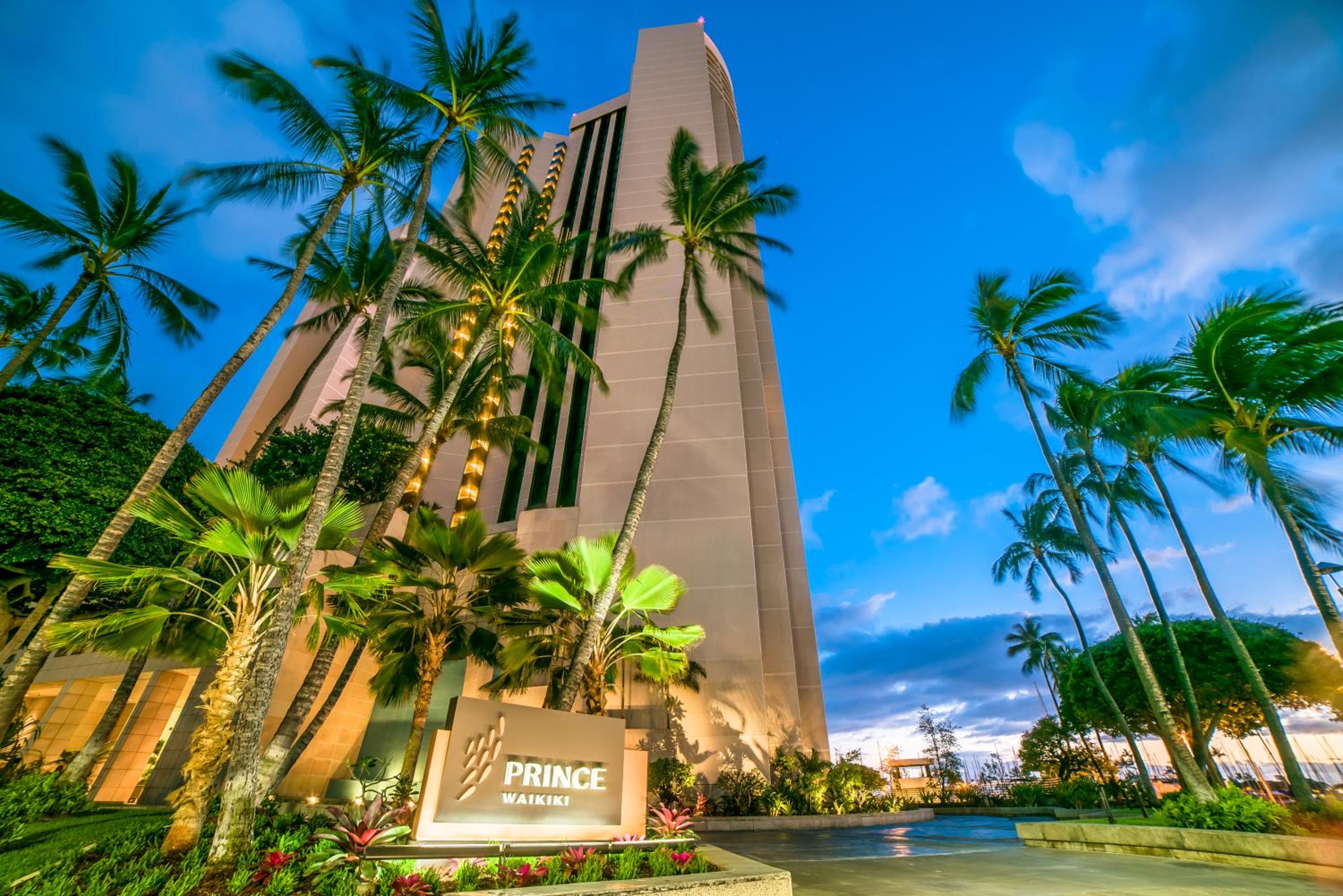
 Prince Waikiki
- Free WiFi
- Non-smoking rooms
- Air conditioning
Well suited to couples seeking ocean views, families who want two-queen rooms or multiroom suites, convention visitors, and travelers who value pools and on-site dining. It may be less appealing if you want to step directly…
- Ocean Front 2 Queen Beds
- Room Only
- Non-refundable rate
 Guest favorite
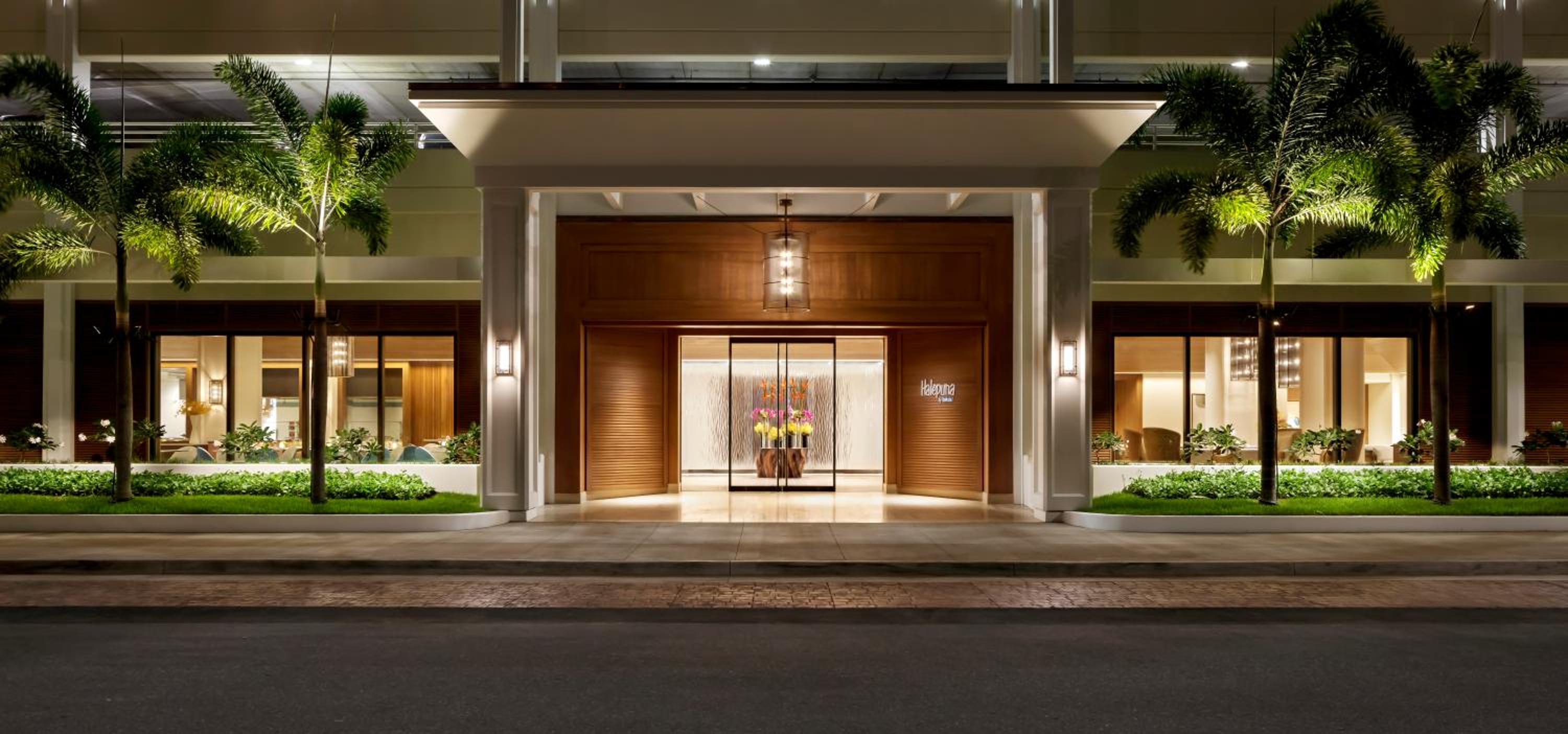
 Halepuna Waikiki by Halekulani - NO RESORT FEE
- Free WiFi
- Non-smoking rooms
- Air conditioning
You are likely to appreciate Halepuna if you want an upscale, relatively serene stay near Waikiki Beach, restaurants, and shopping, but do not need a beachfront resort campus. Couples and solo travelers can prioritize the king…
- Standard Waikiki View Two Double Beds
- Room Only
- Non-refundable rate
 Guest favorite
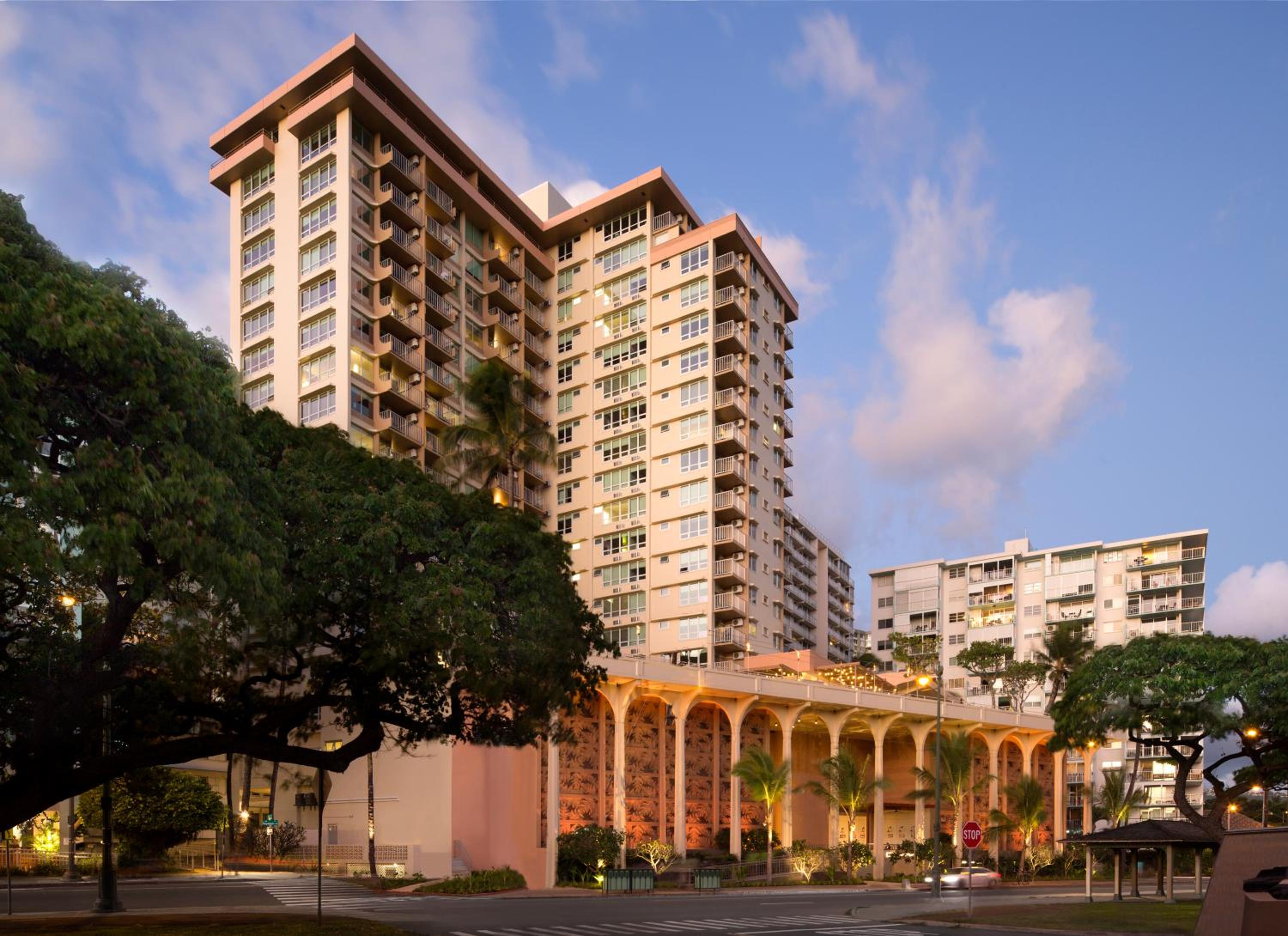
 Queen Kapiolani Hotel
- Free WiFi
- Non-smoking rooms
- Air conditioning
You are likely to appreciate this hotel if location, Diamond Head scenery and easy access to the beach matter more than having a quiet resort compound. Double-queen rooms and larger suites can suit families, while studios…
- Studio, City View, 1 Queen Bed
- Room Only
- Non-refundable rate
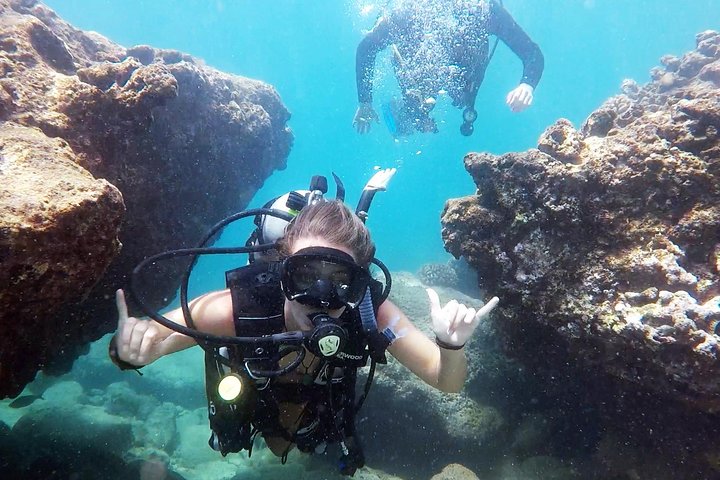
Voted Honolulu's #1 Beginner Scuba Diving + Free Videos Tour
Try scuba diving in Honolulu with this easy, beginner-friendly ocean adventure at Magic Island, Ala Moana Beach Park...

Oahu: Submarine Scooter Adventure
Dive into an unforgettable underwater adventure on Oahu’s beautiful Maunalua Bay. Cruise past the iconic Diamond H...
Kailua vs Kāneʻohe at a Glance

If you zoom out, the choice between Kailua and Kāneʻohe comes down to what you want your days to feel like. In Kailua, you wake to a brighter, drier coast and a beach-town rhythm shaped by Kailua Beach and Lanikai. Streets feel polished, walkable, and premium, and prices reflect that.
In Kāneʻohe, you trade sandy doorstep fantasy for greener neighborhoods, rain-fed hills, and views over Kaneohe Bay. The setting feels more residential and practical, with Windward Mall anchoring everyday errands. You’ll also find a wider housing mix, including more condos and entry-level options. Commutes run close either way, but Kāneʻohe works better as a transit hub. For beach days, Kailua also has the edge if you want easy access to kayak rentals and launch spots near Kailua Beach. So your snapshot is simple: Kailua leans beach-first and upscale, while Kāneʻohe feels rooted, convenient, and easier to access.
Should You Stay in Kailua or Kāneʻohe?
That snapshot makes the choice pretty clear once you picture your actual day. If you want your stay to orbit around the shore, sunny streets, and a polished beach-town feel, choose Kailua. You’ll pay more for that identity, with median sale prices around $1,502,000, and parking rules can add a little friction. Kailua also rewards beach-focused visitors with easy access to ocean activities, as long as you pay attention to parking tips and daily water conditions.
Choose Kāneʻohe if you want a greener, more residential base that feels practical and easier on the budget. Median sale prices were about $765,000 in March 2026, and you’ll usually find more condos plus everyday convenience near Windward Mall. Kāneʻohe works well if you don’t mind driving and you like bay views over a beach-town vibe. Since Honolulu commute times are basically a tie, let lifestyle and budget decide. Think Kailua Town strolls or easy errands.
Why Stay in Kailua for Beaches
If you want the Windward Coast at its most beach-focused, you’ll feel it right away in Kailua, where Kailua Beach and Lanikai bring white sand, calm water, and that rare easygoing beauty that still feels world-class. You’ll also get sunnier, drier days than in much of the region, so beach time slips naturally into breakfast runs, swimsuit afternoons, and sunset walks. From Kailua Beach, you can also kayak out to Flat Island for a short offshore adventure that adds another layer to the beach-base appeal. And yes, that polished coastal mood comes at a price, from eye-popping oceanfront homes to early parking hunts, but if direct beach access is your thing, Kailua makes a strong case.
World-Class Beach Access
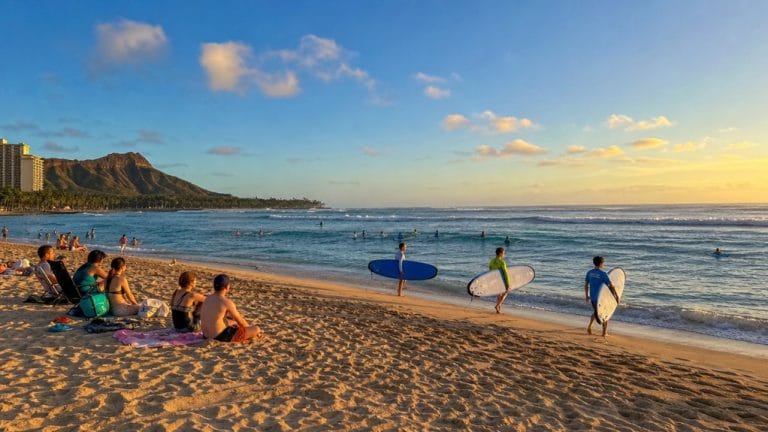
Why do so many beach-first travelers pick Kailua over Kāneʻohe? You get direct access to two standout stretches of sand: Kailua Beach Park and Lanikai. Both deliver white sand, clear turquoise water, and steady swimming and snorkeling thanks to offshore reefs that keep things calm. If your ideal morning includes a towel, fins, and an easy walk to the shore, Kailua makes that simple.
You also stay in a place built around the beach. Public parking, parks, cafes, and walkable shoreline access shape daily life here. After the sand, Kailua also makes lunch easy with food near Kailua Beach ranging from casual cafes to quick post-swim spots. In Kāneʻohe, the focus shifts more to bay views and overlooks than sandy swim spots. Even prices tell the story. Entry-level Kailua oceanfront homes often start in the high $7 million to $8 million range, a steep receipt for instant shoreline access.

Honolulu: Pacific Star Sunset Dinner Cruise and Show
Indulge in the original Pacific Rim cuisine, where each dish serves as a gateway to the rich flavors of the region...

Pearl Harbor USS Arizona Memorial & Battleship Missouri
Visit USS Arizona and Battleship Missouri, as they represent both the beginning and the end of World War II. The acc...

Oahu: Roundtrip Shuttle From Waikiki to Dole Plantation & Haleiwa
Skip Circle Island and visit two of the most popular places to visit here on the Island of Oahu. Experience a unique...
Sunny Shoreline Lifestyle
Often, Kailua wins beach lovers over because the whole town feels tuned to the shoreline. You wake to sunrise light on the water, grab coffee, and reach a beautiful beach in minutes. Shops along Kailua Road and Hekili Street keep the day easy and walkable.
You also get more reliable beach weather here. Kailua is often sunnier and drier than the cloudier Kaneohe basin, so your swim, snorkel, or kayak plan is less likely to get washed out. On especially settled mornings, Kailua’s calm-day snorkeling can be another easy reason to base yourself near the beach. If you hate driving just to touch the ocean, this layout feels wonderfully practical. Beach parking and public access help you slip into the sand without much fuss. Even the high beachfront prices hint at the appeal. People pay dearly to live this close to salt water daily.
Premium Coastal Atmosphere
At the high end of the Windward Coast, Kailua feels like the place where beach life sets the tone for everything else. You get world-class sand at Kailua and Lanikai Beach, plus a true beach-town feel that shapes cafés, shops, and daily routines. Shoreline neighborhoods often feel sunnier and drier too, so your odds of a good swim, kayak, or paddleboard session look better.
That premium coastal atmosphere comes with a premium price. In March 2026, Kailua’s median sale price sat around $1,502,000, while entry-level oceanfront homes started near $8 million. You’ll also plan around parking rules, beach park access, and busy weekends. Even oceanfront owners don’t get a free pass. Salt air works hard, and coastal upkeep can feel like owning a very beautiful science experiment. For more everyday variety nearby, Kaneohe adds must-try local eats to the Windward Coast lifestyle.
Why Stay in Kāneʻohe for Bay Access
If you want calmer water and easy days on the bay, Kāneʻohe puts you right by Kaneohe Bay’s protected inner waters and shallow channels behind the reef. You can launch a boat, set out by kayak or paddleboard, and tap into sailing access with hubs like Kaneohe Yacht Club and nearby ramps, which makes the whole area feel built for getting on the water. Kāneʻohe also works as a practical home base, since you’ll often get broad green and bay views for less than Kailua, though you should still check conditions because some inner-reef spots are shallower than they look. It also makes sense if you’re planning to book one of the Kaneohe Bay Sandbar tours that head out to the bay’s famous shallow-water gathering spot.
Protected Bay Waters
Calm is Kāneʻohe Bay’s biggest luxury. If you want easier water time, Kāneʻohe gives you Kaneohe Bay and protected bay waters shaped by a long offshore reef. That barrier softens surf, hushes the chop, and creates shallow inner areas that feel gentler than Windward Oʻahu’s open beaches. You’ll hear fewer pounding shore breaks and more paddles tapping glassy water.
You also stay closer to Heʻeia’s fishpond views and hillside rentals that look straight across the bay. Swimming often feels friendlier here, though jellyfish and Portuguese man o’ war still wander in sometimes. Use care if you head far out. Inner reef flats can look distant but turn shallow fast, so check local guidance first. Nearby Ahu o Laka, the Kaneohe Sandbar, is reached by boat and changes dramatically with the tide. Calm doesn’t mean careless, even in paradise on breezy mornings.
Still comparing Kailua Vs Kaneohe Windward Coast Stay Planning?
Ask for tour ideas, hotel suggestions, or a simple trip plan that combines both.
Trip Helper
Sailing And Boat Access
Sailors tend to gravitate toward Kāneʻohe because the bay makes getting on the water much easier. In Kaneohe Bay, you’ll find practical boat access, with nearby launch ramps, slips, and the Kaneohe Yacht Club helping turn a sailing day into a simple plan.
Inside the offshore barrier reef, the water often feels calmer and more protected, which suits day sails and easy cruising. You can stage gear, gather crew, and cast off without the beach-launch shuffle Kailua often demands. The area also has several Sandbar Kaneohe boat rentals that can make reaching the bay’s famous sandbar more straightforward for visitors without their own vessel. Eligible users also get added launching and mooring options through Marine Base Kaneohe Bay, which broadens your choices. Still, don’t let the distant surf fool you. Inner-reef flats can run surprisingly shallow, so you’ll want to check charts carefully and anchor with a little humility.
Kaneohe Hub Convenience
For easy days on Kaneohe Bay, staying in Kāneʻohe just makes the logistics smoother. You’re closer to sheltered bay water behind the reef, so launching a kayak, SUP, or small boat feels simple instead of fussy. Kaneohe also works as a practical hub, with Windward Mall, groceries, and everyday stops nearby. Rentals often cost less than Kailua beach places, yet you can still wake up to broad bay views and be on the water fast. If you’re skipping a rental car, some Kaneohe Sandbar tours make bay access easier by handling transportation or departure logistics.
- Use formal launch spots near Kaneohe Bay
- Try calm paddles in protected shallow water
- Watch for surprise reef shallows while swimming
- Stock up easily in Kaneohe town
- Save money on hillside stays with bay access
It’s convenience with a salty breeze, not a scavenger hunt at dawn for parking.
Kailua vs Kāneʻohe Beach Conditions

If beach time sits high on your list, Kailua has the easier advantage. You get soft sand, easy access, and gentler shorebreaks for swimming or launching a kayak. Lanikai adds postcard water and a polished shoreline feel. By contrast, Kāneʻohe Bay shines differently. Its barrier reef calms the inner water, so you’ll find protected snorkeling, sailing, and boating more than classic open-ocean beach days. For travelers who want to get out on the bay, Kaneohe Sandbar boat rentals are one of the most popular ways to experience its shallow turquoise water.
| Area | Best fit |
|---|---|
| Kailua/Lanikai | Swimming, kayaking |
| Kāneʻohe Bay | Boating, protected snorkeling |
| Waimanalo | Long sand, watch currents |
| Kaaawa/Swanzy | Scenic, less reliable swimming |
If you wander farther, Waimanalo looks dreamy and often stays tamer near shore, though currents and jellyfish can crash the plan. Kaaawa and Swanzy feel wilder, with rougher water and stronger pull. Sunrise views from Punaluu are a bonus.
Which Area Is Quieter at Night?
If you want the quietest nights, you’ll usually find Kāneʻohe calmer after dark, with fewer tourist spots and less evening foot traffic. Kailua stays a bit livelier near Kailua Road and Hekili Street, where restaurants, bars, and beach parking keep cars, voices, and flip-flops moving later. You’ll also notice that Kailua’s beaches pull in sunset watchers, while Kāneʻohe skips most of that nighttime buzz unless you’re near a busy street or local gathering. If you’re returning from a North Shore day, the scenic return along the Windward side can mean a later arrival back to your base.

Oahu: Full or Half Day Grand Circle Island Tour
Choose from two exciting ways to experience Oahu's top attractions, scenic beauty, and local culture.Option 1: Dol...

Oahu: Mauka Warriors Luau Honoring Polynesia's Forgotten History
Step into the vibrant heart of Hawai‘i and experience a luau like no other—where culture, history, and celebrati...

Oahu Grand Circle Island Experience from Waikiki
Enjoy Grand Circle Island experience tour with breathtaking views of Amelia Earhart Lookout on Diamond Head, admire...
Town Activity Levels
Generally, Kailua stays livelier after dark, while Kāneʻohe settles down sooner. If you like an evening scene, you’ll feel more motion in Kailua, where restaurants and shops along Kailua Road and Hekili Street keep things humming. You’ll hear a little more crowd noise, notice more visitors, and find an easy stroll between bars, cafés, and storefronts.
- In Kailua, evenings feel social and walkable.
- Kāneʻohe feels calmer and more residential.
- Windward Mall and many Kāneʻohe eateries close earlier.
- Weekend nights bring more parking pressure in Kailua.
- Both stay mellow compared with Waikīkī.
If quiet matters most, Kāneʻohe usually wins. Its layout spreads activity out, so you’ll drive more and hear less. Kailua still isn’t wild, but it carries a beach-town buzz that lingers later. For daytime beach plans, Kailua Beach Park also has practical comforts like showers and bathrooms, which can make a longer picnic or swim stop easier.
Beach Crowds After Dark
After the restaurants wind down, the shoreline tells a slightly different story. If you stay in Kailua, you’ll notice the sand gets much quieter after sunset. Parking rules help clear out the beach, and most residents head home, so daytime buzz fades fast. Lanikai and Kailua Beach Park may still hold a few small gatherings or a late surfer, but the Koʻolau shadows arrive early and shorten beach lingering.
In Kaneohe, nighttime feels even calmer by the water. Because Kaneohe doesn’t have major public swimming beaches, evening activity shifts toward Windward Mall and neighborhood streets instead of the shore. You’ll usually see fewer parked cars, less foot traffic, and softer noise near the bay. If you want the quietest coast after dark, Kaneohe usually wins by a sandy nose. If your Oʻahu plans also include a North Shore day trip, Haleiwa on Oʻahu offers a busier small-town contrast to these quieter Windward nights.
Kailua vs Kāneʻohe Without a Car
Going car-free tilts this choice hard toward Kailua. If you’re choosing Kailua or Kāneʻohe without wheels, Kailua feels easy and beach-ready. You can walk to Kailua Beach, browse Kailua Road, grab lunch near Hekili Street, then bike or bus to Lanikai. TheBus works in both towns, but Kailua keeps your walks shorter and your options closer together. Kaneohe or Kāneʻohe asks more from you. It’s spread out, less walkable, and doesn’t put a beach in town. You’ll likely lean on rideshares, especially for shoreline stops. Kailua is also a natural fit for self-guided kayaking, with rental and tour options clustered near the beach.
- Walk from shops to sand in Kailua
- Bike to Lanikai for quick beach time
- Use frequent local buses around Kailua
- Expect longer walks and transfers in Kāneʻohe
- Pick Kailua for easier airport and tour logistics
Without a car, Kaneohe can feel like a scenic puzzle.
Kailua vs Kāneʻohe Vacation Rentals

Vacation rentals split this choice pretty fast. If you want beach-town living, Kailua pulls ahead with houses near the shore, quick access to Kailua and Lanikai, and easy walks to cafés and shops. You’ll usually pay more, though. Prices and rents run higher, inventory stays tight, and short-term rental rules can narrow your options, so booking early helps.
If value matters more, Kaneohe gives you more choices for less. You’ll find hillside B&Bs, condo-style units, bay views, and garden settings instead of prime swim beaches. It often works better for last-minute planners too. You also get quieter surroundings, strong local food options, and easy runs to Windward Mall. From either base, you can plan Windward Coast tours that pair kayaking, beach time, and scenic stops along Oahu’s greener side. In both places, marine exposure can mean extra wear, and beach users should watch for occasional jellyfish warnings before swimming.
Kailua vs Kāneʻohe Weather
Generally, both Kailua and Kāneʻohe feel cooler, greener, and a little moodier than Honolulu because the Koʻolau range catches the trade winds and squeezes out more clouds and rain. On Oʻahu’s Windward side, you’ll notice frequent breezes, quick showers, and glowing sunrises over the ocean. Kailua usually feels brighter and drier near the beach, so your afternoons often look bluer. Kāneʻohe stays lusher and cloudier, with about 27.82 inches of rain a year and warm, humid air.
- Pick Kailua if you like sunnier shoreline mornings.
- Choose Kāneʻohe if you love garden-green scenery.
- Expect highs near 81°F and lows around 72°F.
- Plan mauka stays for earlier afternoon shade.
- Keep a light rain layer handy. It’s useful.
For a fuller day plan, pair your base with a Windward day trip that works around quick showers and breezy beach windows.
Both places stay comfortable, and the trades do most of the air-conditioning for you.
Kailua vs Kāneʻohe on a Budget
If you want the Windward Coast without the premium price tag, Kāneʻohe gives you more room to breathe. If you’re choosing Kaneohe or Kailua, the least expensive path usually starts here. Median sale prices sit around $765,000 in Kāneʻohe versus $1,502,000 in Kailua, and rents run lower too. That difference shows up fast in your monthly budget.
You’ll also find more condos and townhomes in Kāneʻohe, so starter homes and simpler rentals feel more reachable. Budget stays often include hillside rentals and B&Bs with bay views, trade winds, and fewer wallet shocks. Kailua’s beach glow is real, but it comes with serious premiums, from lodging to owner values. Stay in Kāneʻohe, then drive 20 to 30 minutes to Kailua Beach when you want the sand without the splurge. For travelers comparing quiet beach towns away from Waikiki, Kāneʻohe can feel calmer while still keeping Kailua’s famous shoreline within easy reach.
Frequently Asked Questions
Can You Swim to the Mokulua Islands From Lanikai Beach?
Yes, you can swim from Lanikai Beach to the Mokulua Islands, but you’ll face about 1–1.5 miles of open ocean. Prioritize Ocean safety, check conditions, don’t go alone, and consider kayaking for easier Conservation access.
Are There Grocery Stores With Prepared Food in Kailua or KāNeʻOhe?
Yes, you’ll find prepared-food groceries in both Kailua and Kāneʻohe, and conveniently, each offers gourmet takeout, sushi, hot bars, and salad bars; Kailua also gives you more cafés, beach-ready bites, and even some meal kits nearby.
Which Area Has Better Sunrise Photography Spots?
Kailua gives you better sunrise photography spots overall: you’ll catch stronger Golden Hour color, clearer skies, and open-ocean Coastal Vistas at Kailua and Lanikai, while Kāneʻohe excels if you want calmer reflections and Chinaman’s Hat compositions.
Do Vacation Rentals Typically Include Beach Gear and Parking?
Yes, many rentals include basic beach gear and some parking, but offerings vary. Why assume everything’s standard? You should check host rules, confirm inventory, ask about visitor or street parking, and review any security deposit before booking.
How Early Should I Book a Windward Coast Vacation Rental?
Book 3–6 months ahead; during peak season, book 6–9 months out. You’ll want earlier booking windows for Kailua or specific amenities. Kaneohe sometimes works 2–3 months ahead off-season, but don’t rely on last minute; check cancellation policies.
Conclusion
Choose the base that matches how you want your mornings to feel. In Kailua, you step into bright sand, salty air, and a row of cafes before the beach towels dry. In Kāneʻohe, you wake to green ridges, quiet streets, and boats rocking on the bay. The drive between them stays easy, so you’re not trapped by the choice. You’re picking your soundtrack: shore break and espresso, or trade winds and calm water.
Kaneohe Sandbar Afternoon Snorkeling Tour
LIMITED TIME GROUP OFFER: Book your spot by May 24th and save big!The Kaneohe Sandbar is one of the best places around Oahu for swimming and snorkel...

Oahu Catamaran Snorkel Tour: See Turtles 100% Guaranteed
Experience one Viator's 2025 Top 20 Best Excursions in the country. This Oahu Catamaran snorkel tour offers unbeatab...

Oahu: Atlantis Submarine Adventure in Waikiki
Explore Waikiki’s marine mysteries while diving more than 100 feet underwater in an air-conditioned, eco-friendly...

Oahu: Cage-Free Shark Swim on the North Shore
Experience the ultimate Oahu shark dive with this North Shore shark tour family. Swim cage‑free with sharks in the...