Your first paddle stroke here feels like a key turning in a blue‑green lock. At Kailua Beach you’ll find most kayak rentals clustered along Kailua Road and near the main beach park, opening around 8 a.m. with sit‑on‑tops, tandems, dry bags, and quick safety briefings. The real decision isn’t just who to rent from, though, it’s which launch spot sets you up for the day you actually want.
Key Takeaways
- Rent from reputable shops along Kailua Road or near Kailua Beach Park that include safety gear, route advice, and clear reef/landing briefings.
- Expect to reserve online, sign waivers, fit PFDs, and get a conditions briefing 20–30 minutes before launching.
- Typical kayak rentals cost about $60–$90 per person for half-day to full-day, including paddles, PFDs, and basic gear.
- Launch from Kailua Beach Park’s signed public access paths and designated kayak zones, aiming to arrive before 9 a.m. for easier parking.
- For gentler entries, use wide beach sections; launch near the canal mouth only at mid–high tide and avoid windy afternoons.
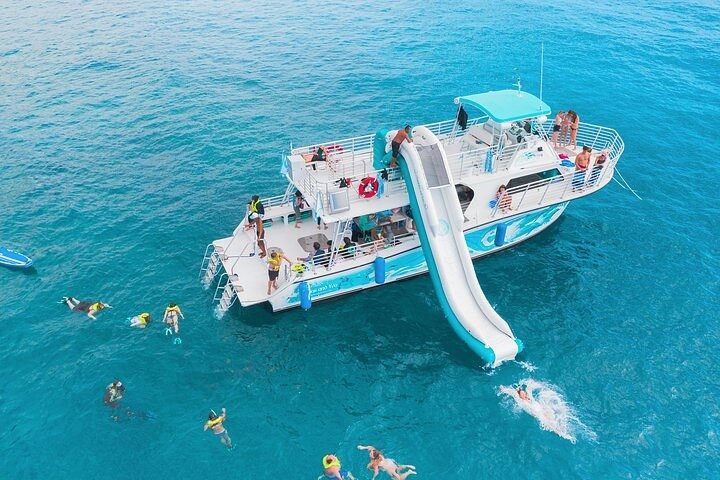
Oahu Dolphin and Snorkel Tour with Waikiki Pickup & Lunch
Join one of Oahu’s most popular ocean adventures and experience why over 300,000 guests have fallen in love with this unforgettable dolphin encounte...
Best Kailua Beach Kayak Rental Shops
Often, your choice of kayak shop at Kailua Beach shapes your whole day on the water, so it pays to be picky. You’ll see a mix of big, top rated operators and small boutique outfitters tucked along Kailua Road and near the beach park. Check opening times, many start around 8 a.m., and compare half day versus full day prices. Expect roughly $60 to $90 per person, including basic gear. Look for light paddles, dry bags, soft racks, and clear route advice. Skip shops that rush paperwork or gloss over reef safety and landing spots. Ask about simple delivery. For more ideas on guided outings around Oahu, you can compare options like a Kaneohe Sandbar tour to decide when it’s worth joining an organized trip versus renting on your own.
How Kailua Beach Kayak Rentals Work
Once you’ve picked a shop, the rental process at Kailua Beach feels pretty straightforward, as long as you know what to expect.
You’ll usually start online, where the reservation process locks in a time slot and price, often around $60 to $90 for a few hours.
Recommended hotels for this trip
Compare well-reviewed stays from our destination hotel guides, then check live availability for your dates.
 Featured stay
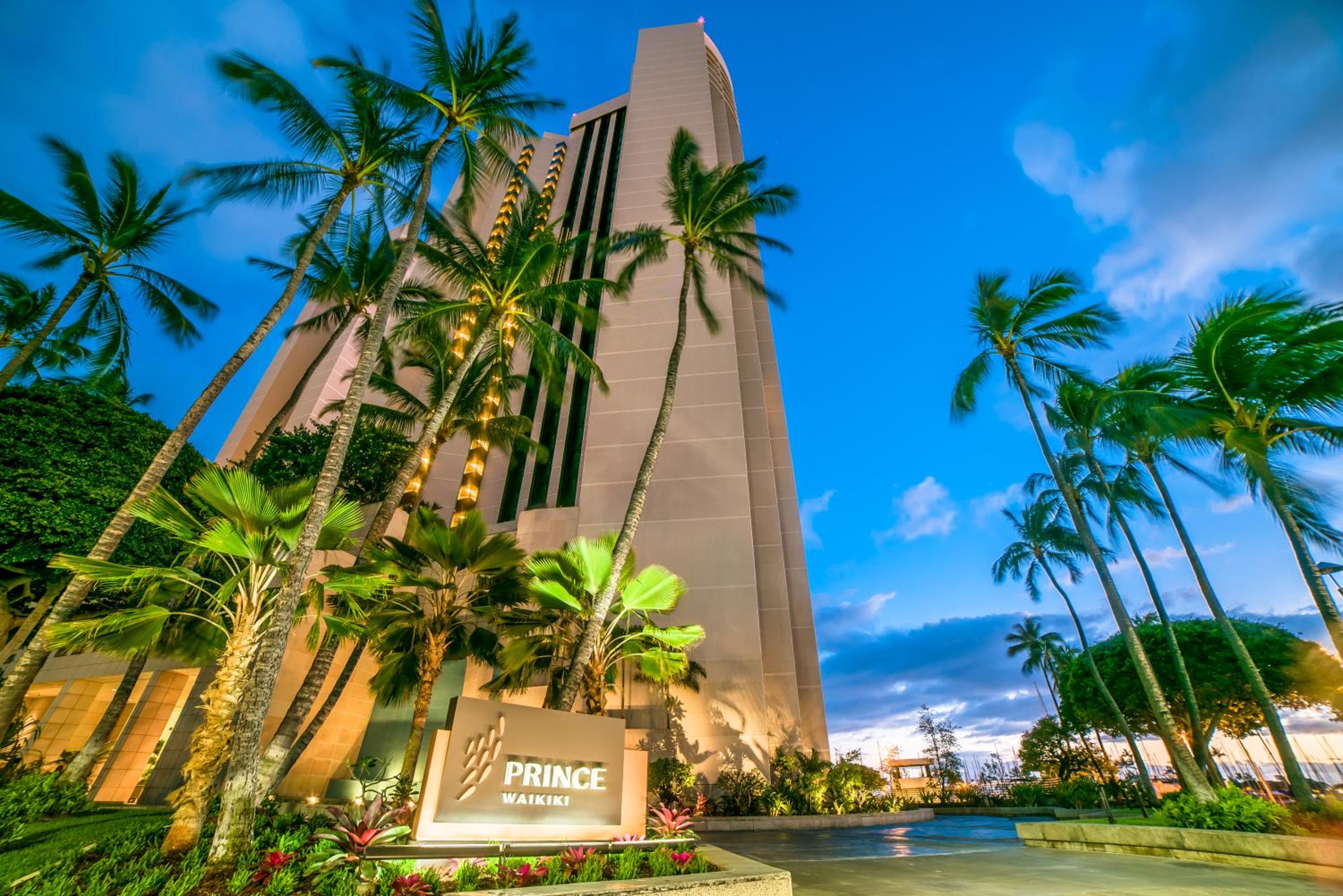
 Prince Waikiki
- Free WiFi
- Non-smoking rooms
- Air conditioning
Well suited to couples seeking ocean views, families who want two-queen rooms or multiroom suites, convention visitors, and travelers who value pools and on-site dining. It may be less appealing if you want to step directly…
- Oceanfront 2 Queens
- Room Only
- Refundable until Sep 12
 Guest favorite
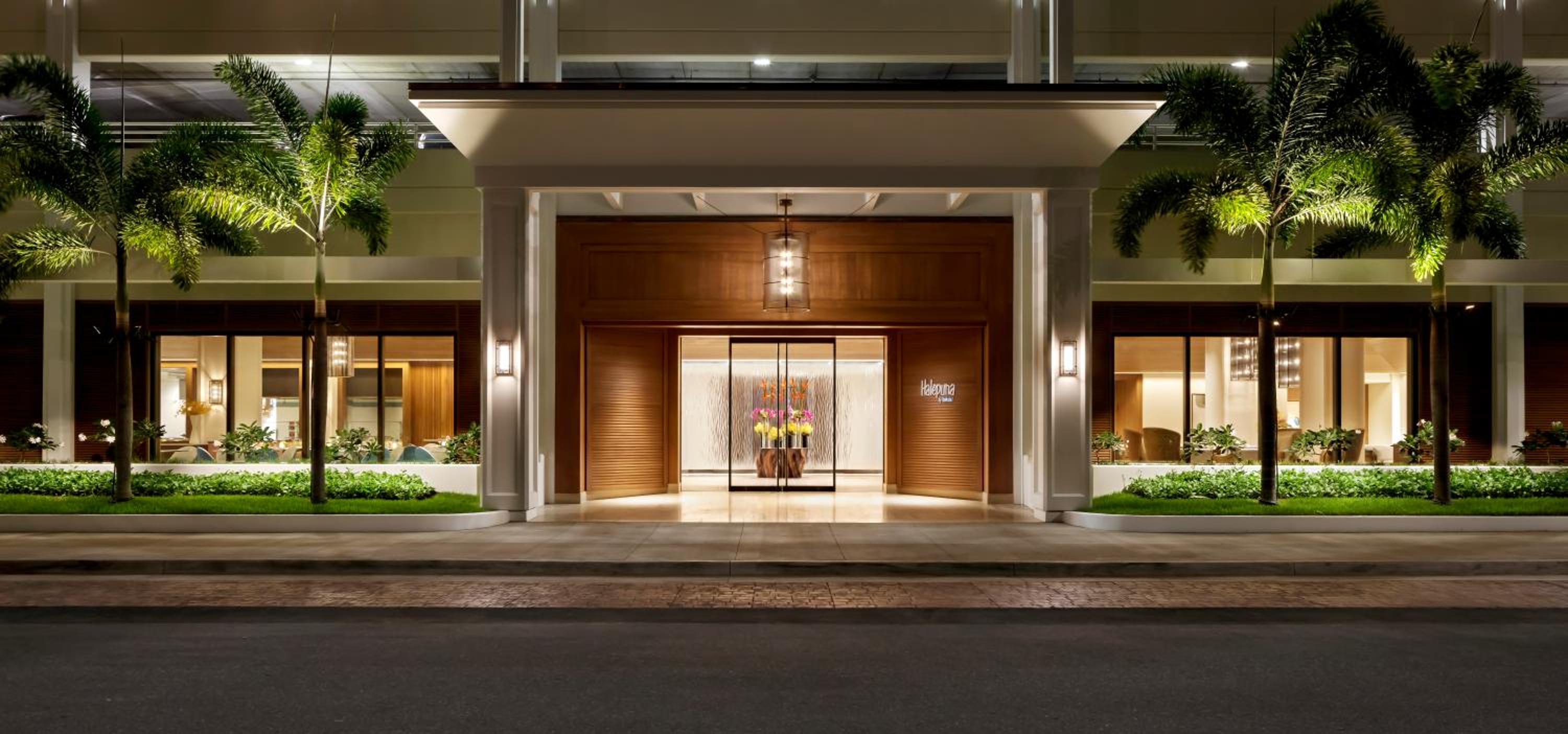
 Halepuna Waikiki by Halekulani - NO RESORT FEE
- Free WiFi
- Non-smoking rooms
- Air conditioning
You are likely to appreciate Halepuna if you want an upscale, relatively serene stay near Waikiki Beach, restaurants, and shopping, but do not need a beachfront resort campus. Couples and solo travelers can prioritize the king…
- Mountain Waikiki View Two Double Beds
- Room Only
- Non-refundable rate
 Guest favorite
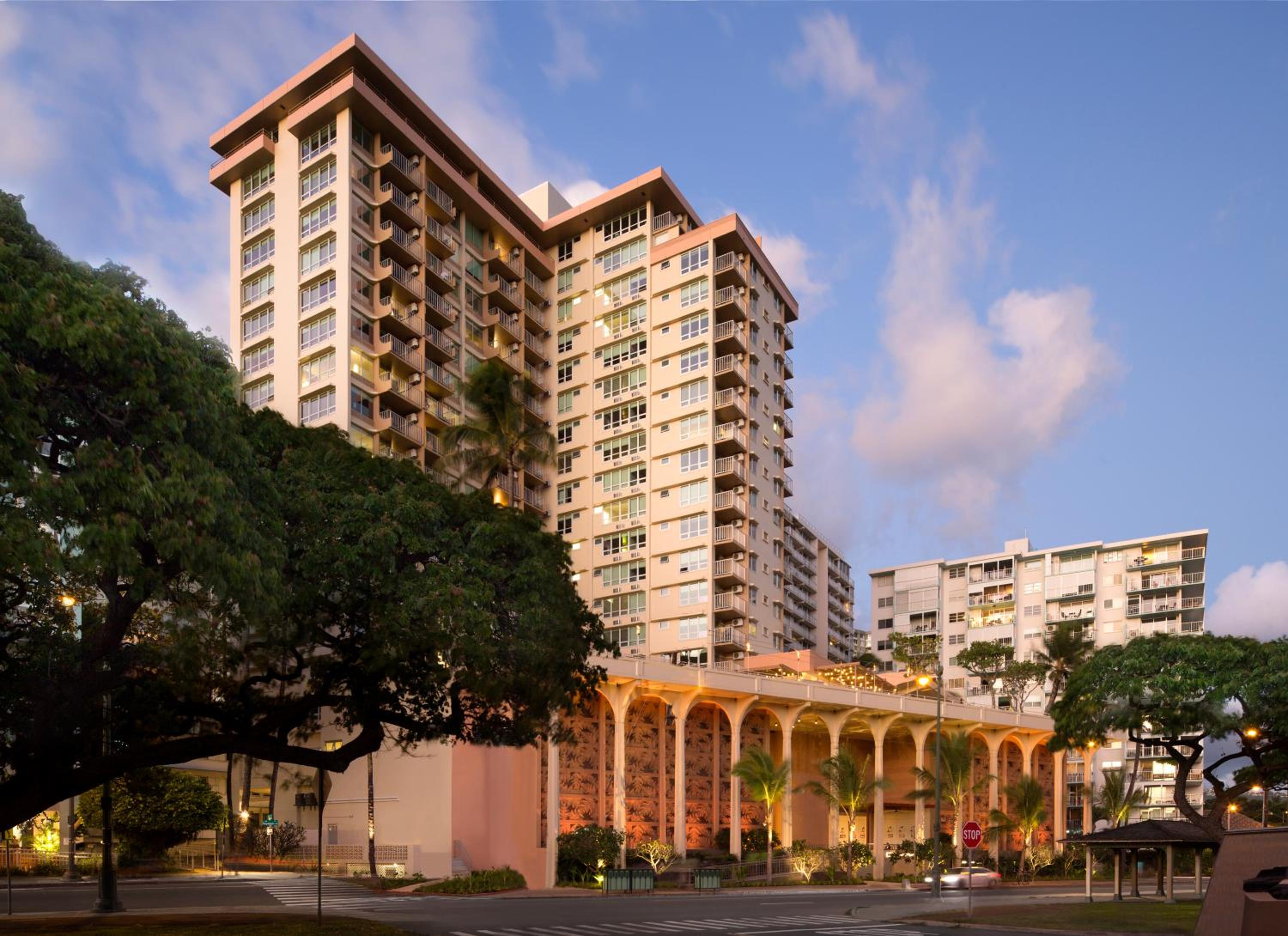
 Queen Kapiolani Hotel
- Free WiFi
- Non-smoking rooms
- Air conditioning
You are likely to appreciate this hotel if location, Diamond Head scenery and easy access to the beach matter more than having a quiet resort compound. Double-queen rooms and larger suites can suit families, while studios…
- Studio, City View
- Room Only
- Non-refundable rate
At check in, staff run through basic rules, sign waivers, and collect a card deposit.
They fit you with PFDs, then explain ocean conditions and route options.
Loading procedures differ by shop: some strap kayaks to your car, others wheel them to the sand.
Plan 20 to 30 minutes before paddling out there.
If you’ll be paddling near sensitive coastal areas similar to Kaʻena Point State Park, expect staff to emphasize wildlife viewing distances and “leave no trace” style rules to protect marine life and shoreline habitats.
Choosing the Right Kayak and Gear
Before you drag any bright plastic boat toward the water, it helps to match your kayak and gear to how you actually want to paddle Kailua’s reefy lagoon.
First, choose between a stable sit on top and a sleeker touring kayak. Sit on tops suit beginners, kids, and anyone nervous about capsizing. Touring boats track straighter in wind.
Think about paddle selection too; lighter paddles matter over a long morning to the offshore islands.
Pack a dry bag, reef safe sunscreen, and a wide hat. Skip bulky coolers; rentals usually include basic safety gear and backrests for most paddlers. For snorkel‑curious paddlers, summer and early fall often bring the calmest water conditions around Oahu, which can make hopping in from your kayak safer and more enjoyable.
Where to Launch at Kailua Beach Park
You’ve picked your boat and packed your dry bag, so the next smart move is choosing where to roll your kayak onto Kailua’s pale sand. Head for the main Kailua Beach Park lot early, before 9 am, when locals claim shady spots and rental trailers line up. Use the signed Public access paths to reach wider sections of beach, so you’re not threading past swimmers. Launch near the canal mouth only at mid to high tide, watching for Sandbars and shoals. Skip windy afternoons. Bring reef-safe sunscreen, water, and sandals you don’t mind soaking after your paddle back. For updates on beach conditions, rules, and nearby facilities, you can contact the Department of Parks and Recreation through their office address or phone and email.

Polynesian Cultural Center: Gateway Buffet Package
Located on O‘ahu’s North Shore, the Polynesian Cultural Center is a one-of-a-kind attraction showcasing the peop...

Oahu: North Shore Shark Cage Diving
Discover the open-ocean world of sharks on this unforgettable Oahu shark cage diving tour. More than just an adventu...

Waikiki 2-Hour Sunset Sailing Catamaran – Swim & Sail Adventure
There’s no better place to take a dip than the crystal-clear waters of Waikiki—and no better way to experience a...
Kayaking From Lanikai to the Mokuluas
From powder-soft Lanikai Beach, the paddle to the Mokulua Islands feels short on a map but demands real ocean sense.
You launch through small shorebreak, then immediately read wind and ocean currents.
Morning is calmer, so plan a start before 9 a.m.
Pack dry bag, reef-safe sunscreen, water, and strap-on sandals for the sharp lava landing.
On the way, look for turtles and soaring seabirds, but keep distance for low-impact wildlife viewing.
Land only on permitted sections and skip climbing fragile cliffs.
Solo first-timers should consider a guided Viator tour with hotel pickup, verified reviews, and free cancellation options.
For a low-stress start, you can also time your paddle after an early Makapuu Lighthouse visit, using the calmer morning hours for both activities.
Kailua Kayak Routes by Distance and Skill Level
That Mokulua run from Lanikai is just one of several classic paddles in Kailua, and each feels different once you’re on the water. For beginner friendly routes, start with a mellow shoreline cruise inside the reef, about 1 to 2 miles round trip. You’ll glide past pale sand, shallow turquoise patches, and quiet houses, usually in under two hours including photo stops. Intermediate paddlers often link Kailua Beach to the Mokuluas or Popoi‘a Island, a steady 3 to 5 miles with light chop. Stronger paddlers chase advanced offshore routes outside the reef, 6 to 8 miles of steady effort. For a completely different north shore feel, consider heading over to the Pūpūkea and Waimea Marine Life Conservation District, where protected nearshore waters, lava tubes, and reef structure reward more experienced ocean enthusiasts.
Safety, Permits, and Local Paddling Etiquette
Before you push off from the soft Kailua sand, you’ll want the right safety gear and a clear sense of how things work on the water.
You’ll learn which permits you need for spots like the Mokulua Islands, and how to avoid fines and awkward run‑ins with rangers.
You’ll also pick up local paddling etiquette, so you share the reef, wildlife, and narrow launch zones without stressing out other kayakers or yourself.
If you plan to explore other protected areas on Oʻahu, it helps to understand rules similar to those at Hanauma Bay’s marine preserve, where taking marine life, feeding fish, and operating watercraft are strictly regulated.
Essential Safety Gear
Often overlooked in the rush to hit the water, safety gear at Kailua Beach can quietly make or break your paddle. Start with a snug personal flotation vest; rentals include one, but double check straps and buckles before you leave the sand. Wear reef safe sunscreen, a brimmed hat, and polarized sunglasses so you can actually see coral heads. Pack a dry bag with water, snacks, and a light long sleeve. Bring a whistle or mirror as your primary Signal device, plus a phone in a waterproof case. Skip bulky gear; keep essentials compact and reachable from the cockpit. Before you launch, make sure someone in your group has a charged phone ready to dial 911 and ask for the Ocean Safety lifeguards if anyone gets into trouble on the water.
Permits And Paddling Etiquette
You’ve got your vest, dry bag, and sunscreen sorted, so now you need to make sure you’re actually allowed to paddle where you’re headed and that you behave like you belong there. For Kailua, check current access rules, especially for Mokulua Islands, since permits change. Some rental shops bundle permit fees into the rate, others don’t, so ask before you swipe. All sea turtles you may encounter while paddling here are protected under federal and state law, so give them space and never touch, feed, or chase them.
On the water, yield to swimmers and outrigger canoes. Keep a soft stroke near turtles and reef.
Practice shoreline respect: land only at marked spots, carry out trash, and keep music low enough to hear the trade winds.
Frequently Asked Questions
Are There Secure Places to Store Valuables While I’M Out Kayaking?
Yes, you’ll usually find secure options. Many outfitters rent waterproof lockers for phones, keys, and wallets, or provide beach lockers at the launch site. You can lock valuables in your car and carry essentials only.
Can I Combine a Kayak Rental With Guided Snorkeling or Wildlife Tours?
You can bundle a kayak rental with Guided snorkeling and Wildlife tours; because why just paddle when you can harass fish with GoPros. You’ll book packages, follow guides, see turtles, and pretend you’re a biologist.
What’s the Best Time of Day for Fewer Crowds at Kailua Beach?
You’ll find the fewest crowds at Kailua Beach in early mornings, right after sunrise, when parking’s easy and winds are calm, or in late afternoons, when day-trippers leave and the light turns golden for photos.
Are There Discounts for Military, KamaʻāIna, or Multi-Day Kayak Rentals?
Yes, you’ll often find savings; like hidden shells in the sand, many Kailua shops offer military discounts, kamaʻāina rates, and multi day deals if you book ahead, bundle gear, or rent for consecutive days locally.
Is There Parking for Oversized Vehicles or Campervans Near Kailua Beach Launches?
You’ll find limited campervan parking near Kailua Beach; oversized vehicle access usually works best along Kalaheo Avenue side streets or public lots, but you shouldn’t expect overnight parking, hookups, or guaranteed space during busy weekends.
Conclusion
You’ll leave Kailua a little saltier and a little sharper. One local guide told me he watches first‑timers wobble out like baby albatrosses, then glide back in two hours later, reading wind and reef like a map. Treat your rental the same way: start early, budget about $60–$90, bring water, reef‑safe sunscreen, and shoes you don’t mind soaking. Skip heavy bags. Learn the rhythm here, and every future paddle feels easier.
Oahu Dolphin and Snorkel Tour with Waikiki Pickup & Lunch
Join one of Oahu’s most popular ocean adventures and experience why over 300,000 guests have fallen in love with this unforgettable dolphin encounte...