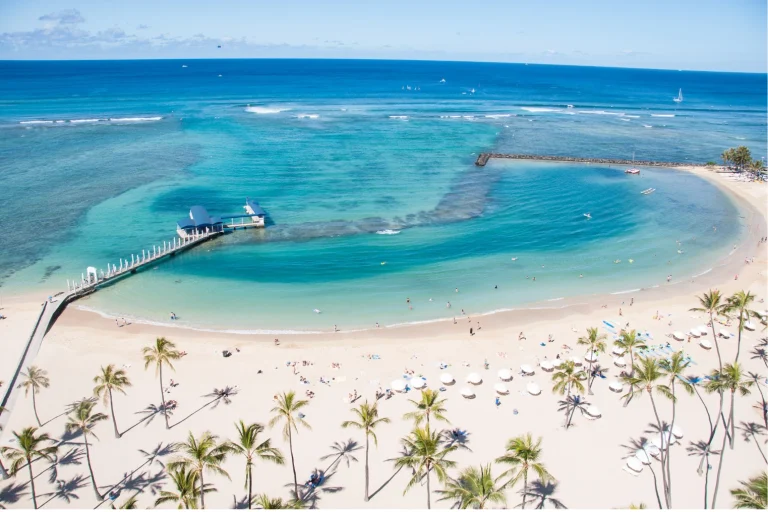
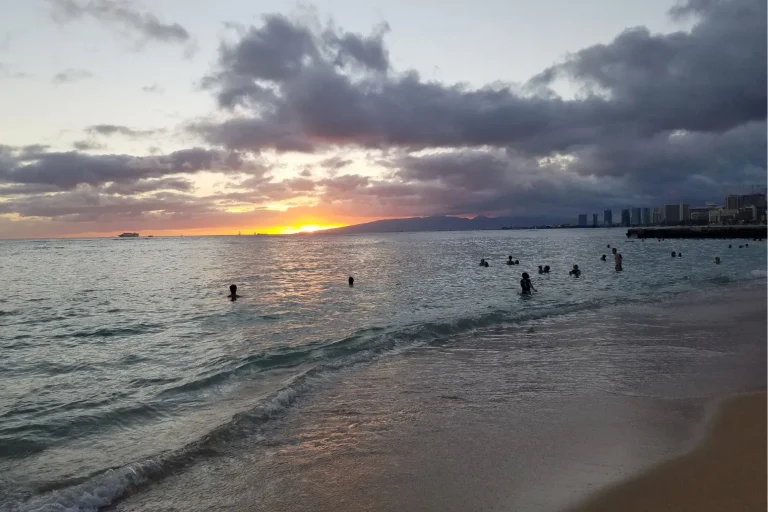
You probably don’t know that some of Oahu’s clearest snorkel spots look totally unremarkable from the road. Once you slip in though, the island quickly sorts you by skill level. Calm, shallow lagoons suit first-timers and kids, while rougher lava coves and deeper drop-offs reward stronger swimmers who plan around tides, gear, and crowds. If you match the right bay to your comfort level, you’ll see far more than just a few shy reef fish.
Key Takeaways
- Beginners: Hanauma Bay and calm south-shore lagoons offer sandy entries, lifeguards, shallow reefs, and easy access; reserve Hanauma Bay and arrive early.
- Family-friendly spots include protected bays and lagoons with parking, reef-safe depth, and soft sand where kids can stand and practice with noodles and rash guards.
- Intermediate snorkelers should target Shark’s Cove (summer only) and Electric Beach for richer reef structure, turtles, and schooling fish, starting early for parking and calmer water.
- Advanced snorkelers can explore deeper sections of Electric Beach and outer Hanauma Bay, checking surf and tide reports and using surface marker buoys and long fins.
- Across all levels, prioritize morning sessions, reef-safe sunscreen, minimal valuables, and snorkeling with a buddy or vetted tour for safety and convenience.
Best Beginner Snorkeling on Oahu (Calm, Family-Friendly Spots)
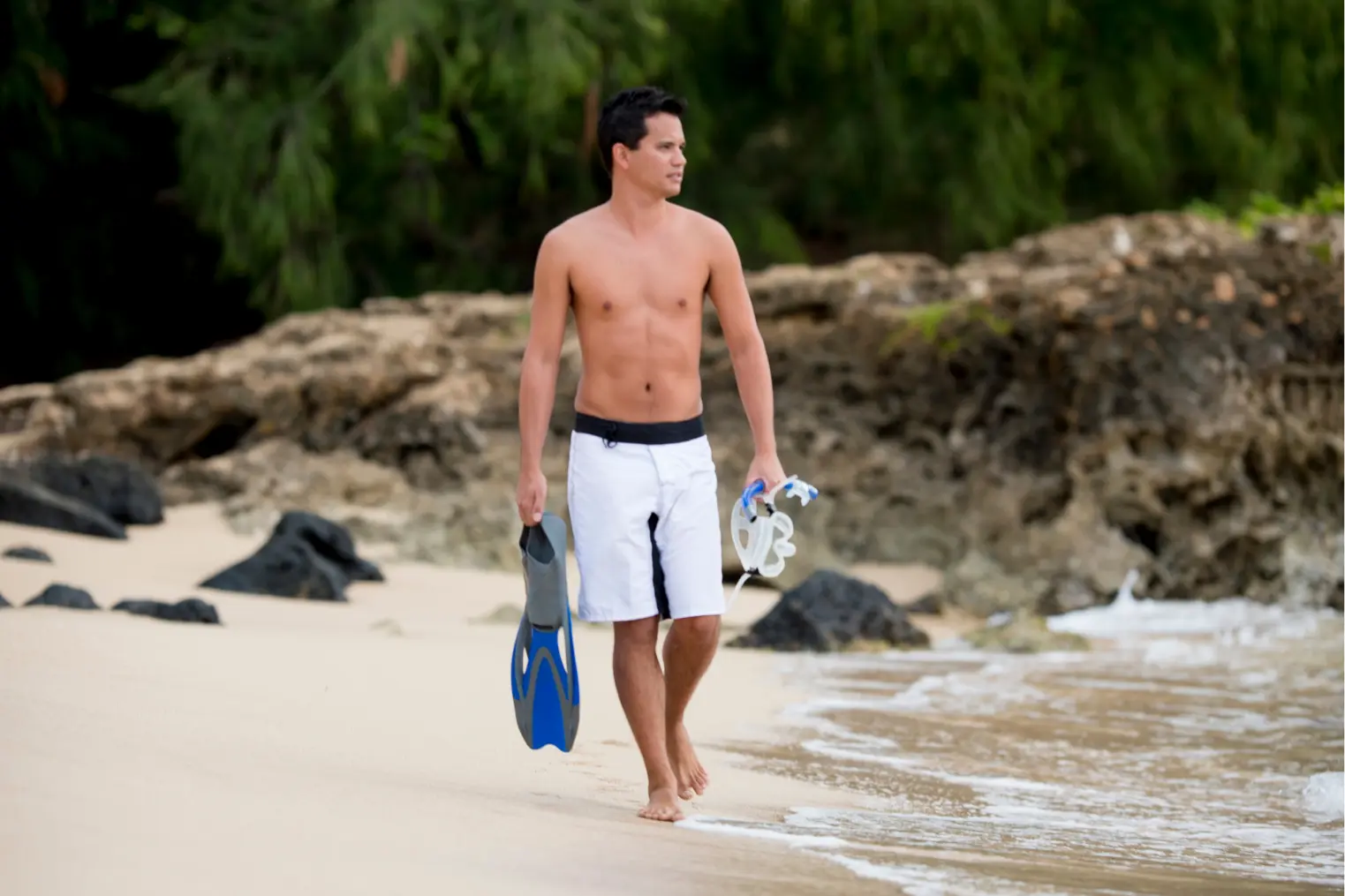
First-time snorkelers usually fall in love with Oahu in the first ten minutes, especially at its calm, kid-friendly bays and lagoons.
First-time snorkelers fall in love with Oahu instantly at its calm, kid-friendly bays and lagoons
You’ll want spots with easy parking, lifeguards, and a soft sandy entry.
Look for shallow coves where you can stand, adjust your mask, and breathe slowly while colorful wrasse and butterflyfish flicker past.
A gentle reef close to shore lets kids and nervous swimmers stay near the beach yet still see coral, sea cucumbers, and the odd turtle.
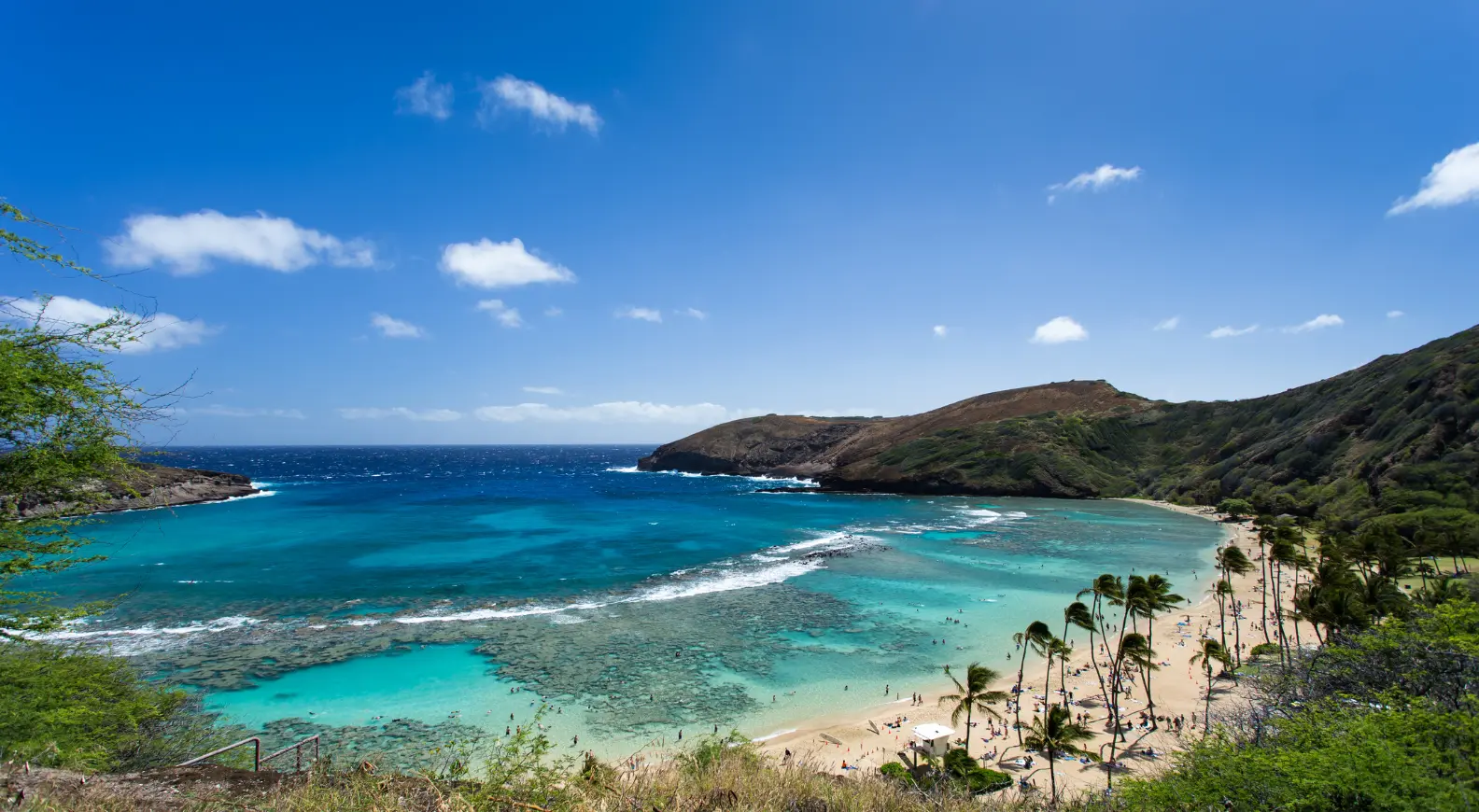
Visit in the morning, before tradewinds roughen the surface and day-trippers arrive. For ultra-beginner-friendly conditions, read up on Hanauma Bay reservations and arrive early so you can snag a spot, breeze through entry, and snorkel before the mid-day crowds.
Bring reef-safe sunscreen, a rash guard, and a pool noodle for hesitant swimmers.
Skip heavy fins and weight belts; you’re here to float, not train.
Beach showers make cleanup before you drive home.
Intermediate Oahu Snorkeling Spots (More Depth and Variety)
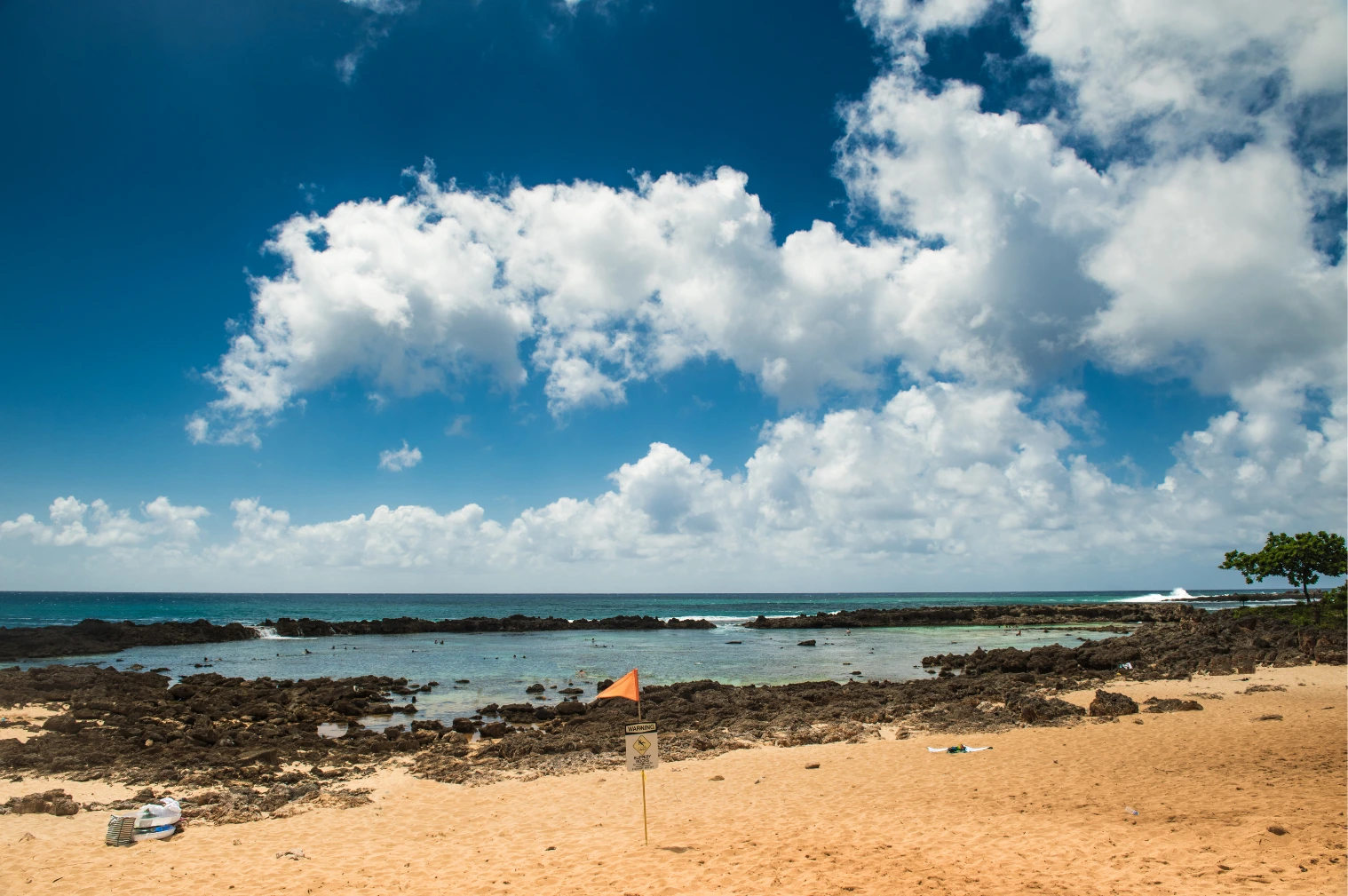
Once you’re comfortable floating over shallow reef and clearing your snorkel, Oahu’s intermediate spots open up a bigger, wilder aquarium. At Shark’s Cove, use reef-safe booties and enter from the protected tide pool area for safer rocky entries and to avoid urchin-covered ledges.
Head to Shark’s Cove in summer for knobbly reef formations, lava arches, and schools of goatfish. Arrive before 9 a.m. to snag parking and calmer water.
Electric Beach suits you if you want warmer outflow, turtles, and spinner dolphins offshore. Pack sturdier fins, a rash guard, and a dry bag for car keys. Skip valuables in your vehicle.
For longer swims at Hanauma Bay’s outer sections, bring a flotation belt and reef safe sunscreen.
If you’re short on time, a Viator group tour can bundle transport and gear, with verified reviews and flexible cancellation.
Practice basic underwater photography techniques and keep respectful distance always.
Advanced Oahu Snorkeling Spots and Safety (Currents, Entry, and Gear)
You’ve mastered the mellow reefs, so the next step is Oahu’s serious snorkel territory, where deep blue water, stronger currents, and trickier entries reward you with bigger coral heads, drop-offs, and pelagic visitors. Here you match sharper planning with real ocean skill. Check tide charts and surf reports before you even drive. Practice free diving techniques in a pool and add current readiness training. At Electric Beach, understand how the warm-water outflow can create shifting nearshore currents and turbulence that demand strong swimming and constant situational awareness.
- Aim for early mornings when winds ease and parking exists and crowds stay smaller in popular spots.
- Wear a snug 3mm shorty, long fins, and a low-volume mask.
- Carry a surface marker buoy so boats and kayaks see you.
- Skip solo missions; join confident friends or a vetted Viator guide.
- Pack reef-safe sunscreen, water, a first-aid kit, and dry clothes.
Frequently Asked Questions
What Time of Year Offers the Clearest Water for Snorkeling on Oahu?
You’ll usually find Oahu’s clearest snorkeling water in late summer, from August through early October, when seas calm and trade winds ease. You can score pockets of winter clarity on leeward shores during lighter swells.
Are There Any Local Laws or Permits Required for Snorkeling at Popular Beaches?
You generally don’t need a special permit to snorkel most Oahu beaches, but you must follow local regulations, including marine-life protection rules. At Hanauma Bay, you’ll pay entry fees, watch an orientation, and respect closures.
How Can I Avoid Damaging Coral and Marine Life While Snorkeling?
Stay horizontal, never stand on coral, and keep fins clear; practice reef etiquette, maintain strict gear sanitation, skip touching wildlife, use reef-safe sunscreen, control your buoyancy, and follow local guidelines to protect fragile marine ecosystems.
What Snorkeling Options Exist for Non-Swimmers or Weak Swimmers on Oahu?
You can join shallow guided lagoon tours, stick close to calm beach entries like Ko Olina, wear a life vest, and use flotation rentals or boogie boards while snorkeling from shore with instructors nearby always.
Are Guided Snorkeling Tours Worth It Compared to Exploring on Your Own?
Yes, guided tours feel like strapping on superpowers: you skip guesswork, tap guided benefits like expert spotters, safer routes, fish facts, plus rental savings from bundled gear, so you relax instead of wrestling currents alone.
Conclusion
You might think Oahu’s snorkeling feels too crowded or complicated, but you can still choose how you enter the water. Start at a lifeguarded bay, rent a simple set for under $20, and go early, before tour buses arrive. Later, try a guided Viator boat or shore tour with hotel pickup and free cancellation, so you learn currents without stress. Pack reef‑safe sunscreen, a rash guard, and water, then let the reefs set your pace.